Grafted Mango Tree Live Plant – Tropical Fruit – 15-25 inches Tall – Indoor/Outdoor


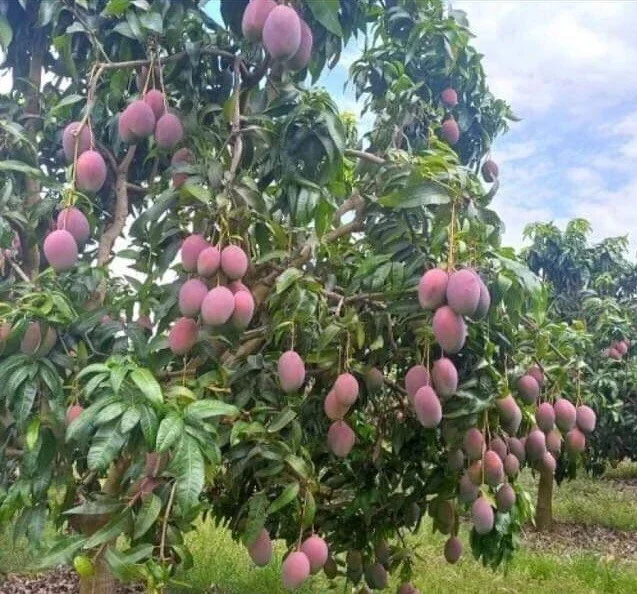

Grafted Mango Tree Live Plant – Tropical Fruit – 15-25 inches Tall – Indoor/Outdoor
Cultivate your own exotic fruits with this vibrant grafted mango tree. Standing 15-25 inches tall, this live mango plant is ready to thrive both indoors and outdoors, bringing a taste of the tropics to your home. Enjoy fresh mangoes sooner with a reliable grafted variety.
$124.00

With our Alive & Thrive Guarantee, we’ve got your back for the first 30 days! If you have any concerns about your plants, just reach out to us. Our team is here to help answer your questions and guide you in selecting the best plants for your garden, climate, and unique preferences. We're excited to help you create the garden of your dreams!
Estimated arrival
Mar 17
Mar 22 - Mar 24
Mar 27 - Mar 31

Product Details
-
USDA Hardiness Zone
10 (30 to 40 °F), frost free, hot humid to grow -
Soil type
Peat (well-draining) -
Sunlight Exposure
Full Sun, Medium Sun -
Expected Planting Period
Summer (Season of Interest)
Overview
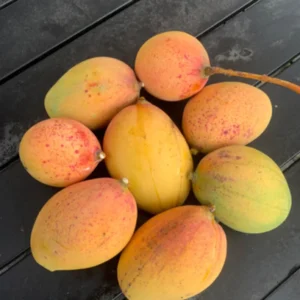
Bring the lushness of the tropics directly to your home or garden with this exquisite grafted mango tree. This impressive live mango plant, standing between 15 and 25 inches tall, offers the exciting opportunity to cultivate your own delicious tropical fruit. Grafting ensures that the tree will produce fruit true to the parent variety, often yielding harvests much sooner than seed-grown trees. Originating from the Mangifera genus, mangoes are celebrated globally for their sweet, succulent flesh and vibrant flavors. This particular specimen is suitable for both indoor and outdoor environments, making it a versatile addition to any plant enthusiast’s collection, especially those looking to grow mangoes at home. Whether you’re an experienced gardener or just starting, this robust young tree promises a rewarding growing experience and the eventual delight of homegrown tropical fruit.
Mango trees are not just fruit producers; they are also beautiful ornamental plants, featuring evergreen foliage that adds a touch of year-round greenery. Their strong growth habit and potential for significant yields make them a popular choice for home orchards and container gardening alike. With proper care, your new grafted mango tree will flourish, transforming your space into a tropical haven.
Key Benefits
Owning a grafted mango tree offers a multitude of benefits, from aesthetic appeal to the joy of fresh, homegrown produce. Here are some of the compelling advantages:
- Early Fruit Production: Grafted trees typically bear fruit much faster than trees grown from seed, often within a few years, allowing you to enjoy your first harvest sooner.
- Guaranteed Variety: Grafting ensures that the fruit produced will be true to the parent tree, guaranteeing the specific taste, texture, and size of your desired mango variety.
- Abundant Yields: With proper care, a mature live mango plant can produce a generous amount of fruit, providing a continuous supply of fresh, nutritious mangoes.
- Tropical Ambiance: The lush, evergreen foliage and potential for beautiful blooms add a vibrant, tropical aesthetic to any indoor or outdoor space, enhancing your home’s natural beauty.
- Health Benefits: Mangoes are rich in vitamins, minerals, and antioxidants, making them a delicious and healthy addition to your diet. Growing your own ensures organic, pesticide-free fruit.
- Versatile Growth: This tree can be grown in a large container, making it suitable for patios, balconies, or even indoors in colder climates, allowing you to grow mangoes at home regardless of your outdoor space.
- Educational Experience: Watching a tropical fruit tree grow from a young plant to a fruit-bearing specimen is a fascinating and rewarding experience for gardeners of all ages.
Plant Care & Growing Tips
Caring for your grafted mango tree requires attention to its specific needs to ensure healthy growth and bountiful harvests. Mangoes thrive in warm, tropical, and sub-tropical climates. For successful cultivation, whether indoors or out, consistent care is paramount. The ideal USDA Hardiness Zone for mangoes is 10 and above, meaning they are best suited for frost-free environments. If you live in a cooler zone, growing your live mango plant in a large pot that can be moved indoors during colder months is highly recommended.
When it comes to sunlight, mango trees are sun-lovers. They require at least 6-8 hours of full sun daily to produce fruit optimally. If growing indoors, place your tree near a south-facing window or supplement with a grow light. The soil should be well-draining, with a slightly acidic to neutral pH (around 6.0-7.0). A good quality potting mix amended with some peat and perlite is ideal for container-grown plants. Watering should be consistent but not excessive; allow the top few inches of soil to dry out between waterings. Overwatering can lead to root rot, which is detrimental to the plant’s health. During the growing season (spring and summer), fertilize every 2-4 weeks with a balanced fertilizer formulated for fruit trees. Reduce fertilization in fall and winter. Pruning is essential for shaping the tree, promoting air circulation, and encouraging fruit production; aim to prune after the fruiting season. Keep an eye out for common pests like aphids or scale insects and treat them promptly with organic pest control methods. Understanding proper mango tree care will lead to a thriving and productive plant.
Size & Details
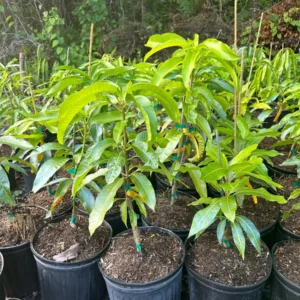
This grafted mango tree is a young, vigorous specimen, typically measuring between 15 and 25 inches in height from the base of the root ball to the top of the foliage. It is shipped in a bare-root form, carefully prepared to ensure minimal stress during transit and a smooth transition to its new home. The grafting process ensures that this young tropical fruit tree is genetically identical to its parent, promising consistent fruit quality and earlier maturity. While the initial growth rate can be fast, especially in optimal conditions, the tree’s ultimate size can be managed through regular pruning, making it suitable for both in-ground planting and container cultivation. Expect the plant to establish itself within a few weeks of planting, with new growth appearing shortly thereafter. With proper care, you can anticipate your first mangoes within 2-4 years, a significantly shorter waiting period than non-grafted trees. This plant is an excellent choice for anyone wanting to grow mangoes at home with reliable results.
Frequently Asked Questions
- Q: How big does this plant get? A: This grafted mango tree is shipped at 15-25 inches tall. Its mature size can vary depending on whether it’s planted in the ground or a container, and with proper pruning, it can be maintained at a manageable height for easy harvesting.
- Q: What size pot does it come in? A: This mango tree is typically shipped in a bare root form, meaning it does not come with a pot. You will need to provide a suitable container or plant it directly into the ground upon arrival.
- Q: Is this an indoor or outdoor plant? A: This live mango plant can thrive both indoors and outdoors. It is best suited for outdoor growing in USDA Zones 10 and above, but it can be successfully grown indoors in a large pot in colder climates if given adequate light and warmth.
- Q: How much sunlight does it need? A: Mango trees are sun-loving plants and require a minimum of 6-8 hours of full sun daily to ensure healthy growth and optimal fruit production.
- Q: Is this plant easy to care for? A: While mango trees require consistent care, especially regarding watering, sunlight, and fertilization, they are generally considered moderately easy to care for, making them suitable for gardeners with some experience or enthusiastic beginners ready to learn mango tree care.
- Q: What condition will it arrive in? A: Your grafted mango tree will arrive in a healthy, bare-root condition, carefully packaged to ensure its safety during transit. It’s important to plant it as soon as possible after arrival.
- Q: How long until it blooms? A: Grafted mango trees typically begin to bloom and set fruit within 2-4 years of planting, much faster than trees grown from seed. This allows you to enjoy fresh mangoes sooner.
- Q: Can I really grow mangoes at home in a pot? A: Yes, you can absolutely grow mangoes at home in a large container. This allows you to move the plant indoors during colder months, protecting it from frost and extending its growing season.
- Q: What’s the minimum temperature this tree can tolerate? A: Mango trees are tropical plants and are sensitive to frost. They generally thrive in temperatures above 40°F (4°C) and can be damaged or killed by prolonged exposure to freezing temperatures.
- Q: What type of soil is best for this tropical fruit tree? A: Mango trees prefer well-draining soil with a slightly acidic to neutral pH. A high-quality potting mix enriched with organic matter works well, especially for container planting.
Related products
-10%
Original price was: $80.99.$72.89Current price is: $72.89.
-20%
Original price was: $36.00.$28.80Current price is: $28.80.
PLANTING & CARE

The Comprehensive Guide to Growing Bay Leaf Plants for a Flavorful Garden
Imagine stepping into your garden, greeted by the earthy aroma of fresh bay leaves, their
09
Feb
Feb

How to Make Comfrey Tea: The Ultimate Organic Plant Food
Growing an organic garden can be surprisingly expensive, especially when most store-bought fertilizers come in
02
Feb
Feb

True Comfrey: 7 Essential Tips Before You Plant This Herb
A staple in permaculture practices across the US, True Comfrey easily earns its reputation as
27
Jan
Jan

7 Heart-Shaped Plants for a Lasting Valentine’s Gift
If you’ve ever bought a bouquet of roses for Valentine’s Day, you know they are
26
Jan
Jan

Best Types of Ivy Plant for Houses: How to Choose the Perfect Ones for Your Home
Are you a garden lover looking to introduce some greenery into your home? Maybe you’ve
14
Nov
Nov

When to Harvest Garlic (Especially Fall-Planted Garlic)
TIMING IS EVERYTHING, they say – and for garlic, that truth hits with surprising accuracy.
13
Nov
Nov

11 of the Best Sweet Potato Varieties to Grow for Your Garden
If you’ve ever tried growing sweet potatoes, you know that picking the right variety can
12
Nov
Nov
Pruning Bougainvillea for Winter
Bougainvillea vines are known for their dazzling display of magenta, orange, and fuchsia bracts that
05
Nov
Nov