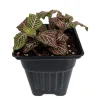
Pink Veined Nerve Plant Fittonia Live House Plant – 4 inch Pot – Indoor
-50%
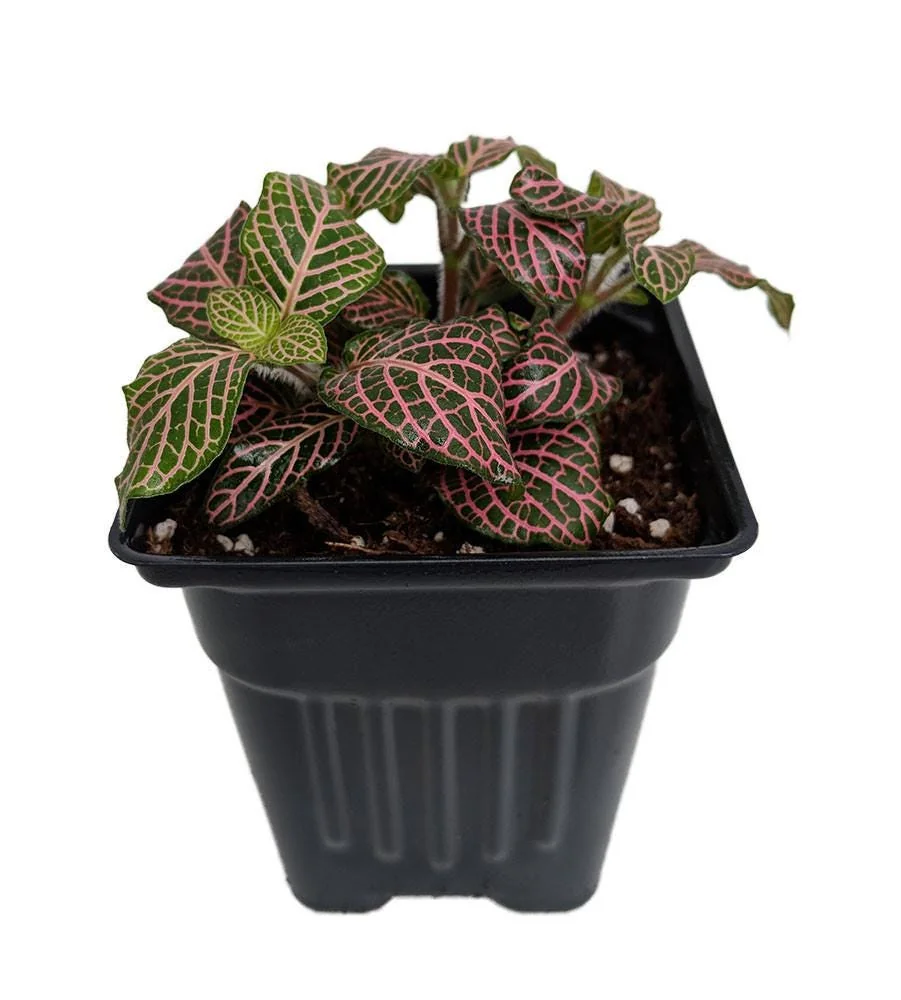
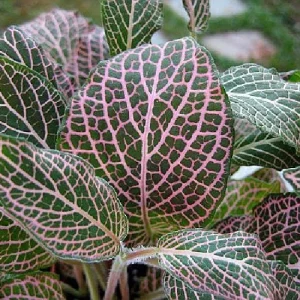
Pink Veined Nerve Plant Fittonia Live House Plant – 4 inch Pot – Indoor
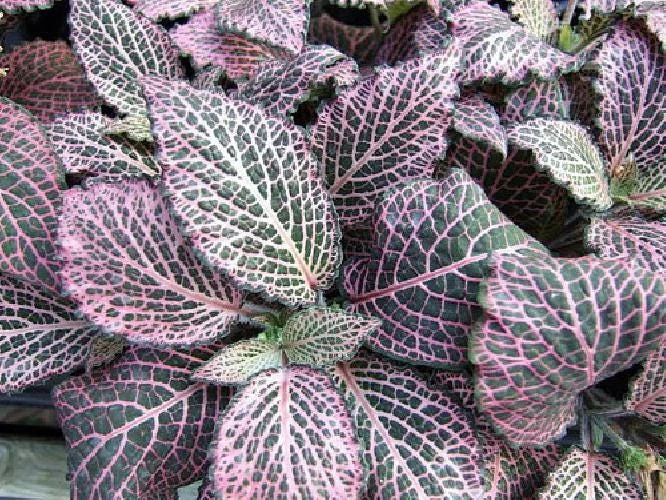
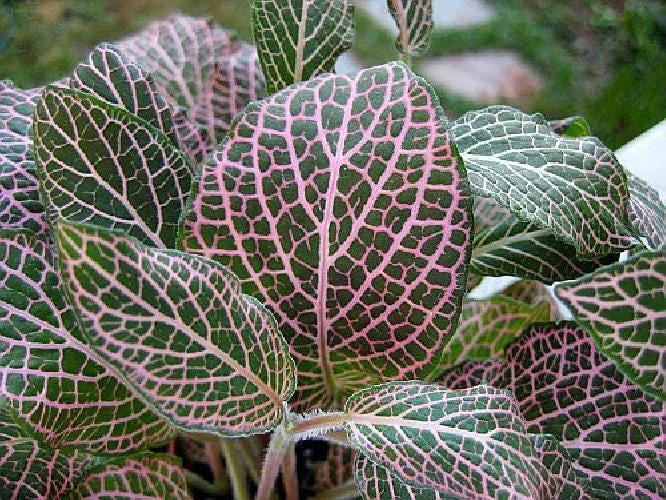
Bring vibrant color to your home with the pink veined nerve plant, also known as Fittonia. This easy indoor plant thrives in bright, indirect light and is perfect for adding a tropical touch to any room or terrarium. Its striking foliage makes it a popular choice for beginners and experienced plant enthusiasts alike.
Original price was: $31.96.$15.98Current price is: $15.98.

With our Alive & Thrive Guarantee, we’ve got your back for the first 30 days! If you have any concerns about your plants, just reach out to us. Our team is here to help answer your questions and guide you in selecting the best plants for your garden, climate, and unique preferences. We're excited to help you create the garden of your dreams!
Estimated arrival
Mar 23
Mar 28 - Mar 30
Apr 02 - Apr 06
Product Details
-
USDA Hardiness Zone
USDA zones 10-11 (outdoors); typically grown indoors -
Soil type
Well-draining, peat-based potting mix -
Sunlight Exposure
Bright, indirect light -
Expected Planting Period
Year-round indoors
Overview
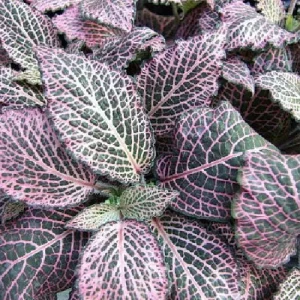
Introduce a splash of vibrant color and intricate patterns to your indoor garden with the stunning pink veined nerve plant, scientifically known as Fittonia albivenis. This captivating live houseplant, often referred to simply as Nerve Plant, is celebrated for its striking foliage featuring delicate pink veins that stand out against lush green leaves. Originally hailing from the tropical rainforests of South America, particularly Peru, the Fittonia brings a touch of exotic beauty to any interior space. Its compact growth habit and relatively easy care make it an excellent choice for both seasoned plant collectors and those new to the world of houseplants. The fittonia houseplant care is straightforward, ensuring a rewarding experience as you watch its vibrant leaves flourish.
The Fittonia is typically grown as a potted houseplant, making it a perfect addition to desks, shelves, or as part of a larger indoor plant display. It’s also a highly popular choice for terrariums due to its love for high humidity and its manageable size. The intricate vein patterns are not just beautiful but also give the plant its common name, resembling a network of nerves. This pink veined nerve plant is a true living artwork, offering continuous visual interest and a fresh, lively presence in your home or office.
This particular offering is for a healthy Fittonia plant, ready to be enjoyed. Its distinctive appearance and relatively undemanding nature make it a fantastic gift for plant lovers or a wonderful treat for yourself to enhance your living environment with natural elegance and a pop of captivating color.
Key Benefits
The pink veined nerve plant offers a multitude of benefits that make it a cherished addition to any indoor plant collection. Its unique characteristics contribute to both aesthetic appeal and overall well-being in your living space. The fittonia plant for sale comes with several advantages:
- Stunning Visual Appeal: The most immediate benefit is its striking coloration. The vibrant pink veins against deep green leaves create a dramatic contrast, making it a focal point in any room. It adds a tropical and exotic flair that is hard to miss.
- Compact and Versatile: With its relatively small size, the Fittonia is incredibly versatile. It’s perfect for small spaces, windowsills, desks, or as a vibrant underplanting in larger arrangements. Its compact nature also makes it an ideal candidate for enclosed environments like terrariums, where it thrives in the consistent humidity.
- Air Purification: Like many houseplants, the Fittonia contributes to a healthier indoor environment by helping to filter airborne toxins. While not as powerful as some larger plants, it still plays a role in improving indoor air quality.
- Easy Care for Beginners: Despite its delicate appearance, the Nerve Plant is considered an easy indoor plant to care for, especially once its humidity needs are met. It’s forgiving of minor neglects and quickly shows signs of thirst, making it easy for new plant parents to learn its rhythms. Understanding fittonia houseplant care is quite simple.
- Promotes Well-being: The presence of living plants has been shown to reduce stress, improve mood, and increase focus. The vibrant and intricate patterns of the Fittonia can be calming and visually stimulating, contributing positively to your mental well-being.
- Excellent Terrarium Plant: Its love for high humidity and moderate light makes it one of the best choices for creating a lush, self-contained ecosystem. A nerve plant terrarium can be a beautiful and low-maintenance display.
- Unique Foliage Texture: Beyond color, the Fittonia’s leaves have a slightly textured, almost velvety feel, adding another dimension of sensory appeal to this already captivating plant.
Plant Care & Growing Tips
Caring for your pink veined nerve plant, or Fittonia, is a rewarding experience, especially when you understand its specific needs. These tropical beauties thrive when their environment mimics their natural rainforest habitat. The most crucial aspect of fittonia houseplant care is maintaining consistent moisture and high humidity.
Sunlight Requirements: Fittonia prefers bright, indirect light. Direct sunlight can scorch its delicate leaves, causing them to fade or burn. An east-facing window is often ideal, providing gentle morning sun. If placed in a brighter spot, ensure it’s several feet away from the window or filtered by sheer curtains. Low light conditions can cause the plant to lose its vibrant coloration and become leggy. This makes it a perfect easy indoor plant for many home settings.
Watering Schedule & Soil Moisture: This plant loves consistently moist soil but absolutely abhors being waterlogged, which can lead to root rot. Water thoroughly when the top inch of soil feels dry to the touch. A common sign of thirst for a Fittonia is dramatic wilting, often referred to as a ‘fainting spell.’ Don’t panic; a good watering will usually revive it within an hour or two. Ensure your pot has good drainage. Reduce watering slightly during the cooler, darker winter months when the plant’s growth slows.
Soil Type & Drainage: Use a high-quality, well-draining potting mix that retains some moisture. A mix designed for tropical houseplants or a peat-based potting mix with added perlite or vermiculite for drainage works well. Good drainage is paramount to prevent soggy roots. Your fittonia plant for sale will come in a suitable mix, but consider repotting annually to refresh the soil.
Temperature Range & Humidity: Fittonia thrives in warm temperatures, ideally between 65-80°F (18-27°C). Avoid sudden temperature drops or cold drafts, which can stress the plant. High humidity is non-negotiable for this plant. If your home air is dry, especially in winter, consider placing the pot on a pebble tray with water, using a room humidifier, or grouping it with other plants. For an excellent humid environment, consider creating a nerve plant terrarium.
Fertilization: During the active growing season (spring and summer), feed your Fittonia monthly with a balanced liquid fertilizer diluted to half strength. Reduce or stop fertilization during fall and winter. Over-fertilization can harm the plant.
Pruning: Pinch back leggy stems to encourage bushier growth and maintain a compact shape. This also helps promote new foliage with vibrant colors. You can use the trimmed pieces for propagation.
Size & Details
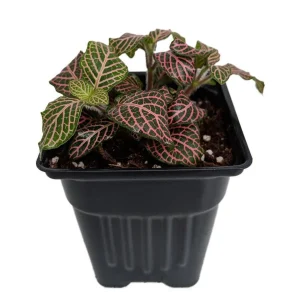
This offering includes one healthy pink veined nerve plant (Fittonia albivenis) in a 4-inch nursery pot. The plant is typically compact, with a spread similar to its height, making it an ideal choice for tabletops, shelves, or terrarium environments. At maturity, Fittonia plants usually reach a height and spread of about 6 to 12 inches indoors, though continuous pinching can keep them smaller and bushier. The plant will arrive well-rooted in its existing soil, ready to be acclimated to its new home. The 4-inch pot size provides ample space for initial growth before requiring a larger container, typically within 6-12 months depending on growth rate and conditions. This is a perfect starter size for anyone looking for an easy indoor plant.
The Fittonia is shipped as a live, established plant, ensuring a strong start in your care. Its growth rate is moderate, and with proper fittonia houseplant care, it will quickly fill out its pot with its distinctive foliage. Expect the plant to arrive with several vibrant leaves, showcasing its characteristic pink veins. While the exact height may vary slightly based on individual plant growth, it will be well-proportioned for its 4-inch container, providing an immediate visual impact.
Frequently Asked Questions
- Q: How big does this pink veined nerve plant get? A: Typically, a Fittonia plant grown indoors will reach a height and spread of about 6 to 12 inches. Regular pruning can help maintain a more compact and bushy shape, making it suitable for smaller spaces and displays.
- Q: Is this an indoor or outdoor plant? A: The Fittonia is primarily an indoor plant in most climates due to its tropical origins. It thrives in consistent indoor temperatures and high humidity. It can be grown outdoors in very warm, humid, and shady climates (like USDA zones 10-11) but is best suited as an easy indoor plant.
- Q: How much sunlight does it need? A: This plant prefers bright, indirect light. Direct sunlight can scorch its leaves and cause the vibrant colors to fade. An east-facing window or a spot several feet away from a south or west-facing window is usually ideal.
- Q: Is this plant easy to care for? A: Yes, the pink veined nerve plant is considered an easy-care houseplant once its basic needs, especially humidity and consistent moisture, are understood. It’s known for ‘fainting’ dramatically when thirsty, which serves as a clear indicator of when to water.
- Q: What condition will it arrive in? A: Your fittonia plant for sale will arrive as a healthy, established live plant in its 4-inch nursery pot, carefully packaged to minimize stress during transit. It will be well-rooted and ready to thrive in its new home.
- Q: Can I put a nerve plant terrarium? A: Absolutely! Fittonia is one of the best plants for terrariums because it loves the high humidity and consistent temperatures that a closed environment provides. Its compact size is also perfect for terrarium setups.
- Q: How often should I water my Fittonia? A: Water when the top inch of soil feels dry to the touch. It’s better to water thoroughly and allow excess water to drain than to water in small sips. Avoid letting the soil dry out completely or stay soggy.
- Q: Is the fittonia plant for sale pet-safe? A: Fittonia is generally considered non-toxic to cats and dogs, making it a safe choice for homes with pets. However, it’s always best to prevent pets from consuming any houseplants.
- Q: What kind of soil is best for Fittonia? A: A well-draining, peat-based potting mix is ideal. Look for mixes designed for tropical houseplants, or amend a general potting mix with perlite or vermiculite to improve drainage and aeration.
- Q: Why are the leaves on my pink veined nerve plant wilting? A: Dramatic wilting is almost always a sign that your Fittonia is thirsty. Give it a good watering, and it should perk up within an hour or two. If the soil is already moist, wilting could indicate overwatering and root rot, so check the soil moisture carefully.
Related products
-35%
Original price was: $37.24.$24.20Current price is: $24.20.
-50%
Original price was: $39.98.$19.98Current price is: $19.98.
-25%
Original price was: $16.80.$12.60Current price is: $12.60.
-35%
Original price was: $19.22.$12.50Current price is: $12.50.
-25%
Original price was: $20.90.$15.68Current price is: $15.68.
-30%
Original price was: $79.98.$55.98Current price is: $55.98.
-5%
Original price was: $91.98.$87.38Current price is: $87.38.
PLANTING & CARE

The Comprehensive Guide to Growing Bay Leaf Plants for a Flavorful Garden
Imagine stepping into your garden, greeted by the earthy aroma of fresh bay leaves, their
09
Feb
Feb

How to Make Comfrey Tea: The Ultimate Organic Plant Food
Growing an organic garden can be surprisingly expensive, especially when most store-bought fertilizers come in
02
Feb
Feb

True Comfrey: 7 Essential Tips Before You Plant This Herb
A staple in permaculture practices across the US, True Comfrey easily earns its reputation as
27
Jan
Jan

7 Heart-Shaped Plants for a Lasting Valentine’s Gift
If you’ve ever bought a bouquet of roses for Valentine’s Day, you know they are
26
Jan
Jan

Best Types of Ivy Plant for Houses: How to Choose the Perfect Ones for Your Home
Are you a garden lover looking to introduce some greenery into your home? Maybe you’ve
14
Nov
Nov

When to Harvest Garlic (Especially Fall-Planted Garlic)
TIMING IS EVERYTHING, they say – and for garlic, that truth hits with surprising accuracy.
13
Nov
Nov

11 of the Best Sweet Potato Varieties to Grow for Your Garden
If you’ve ever tried growing sweet potatoes, you know that picking the right variety can
12
Nov
Nov
Pruning Bougainvillea for Winter
Bougainvillea vines are known for their dazzling display of magenta, orange, and fuchsia bracts that
05
Nov
Nov