Echeveria Tinkerbell Succulent Plant – Live Potted Houseplant – Drought Tolerant
-50%
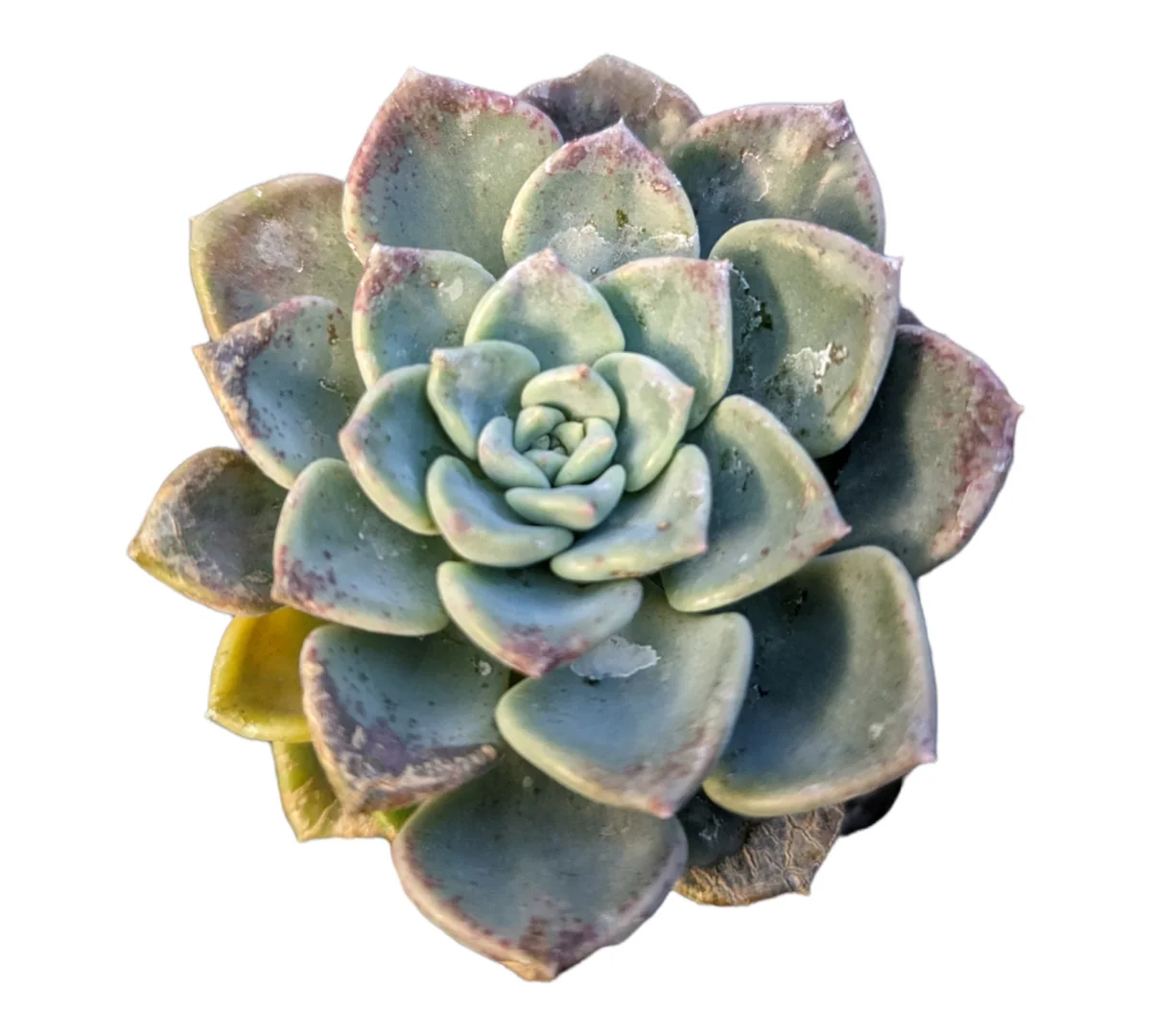
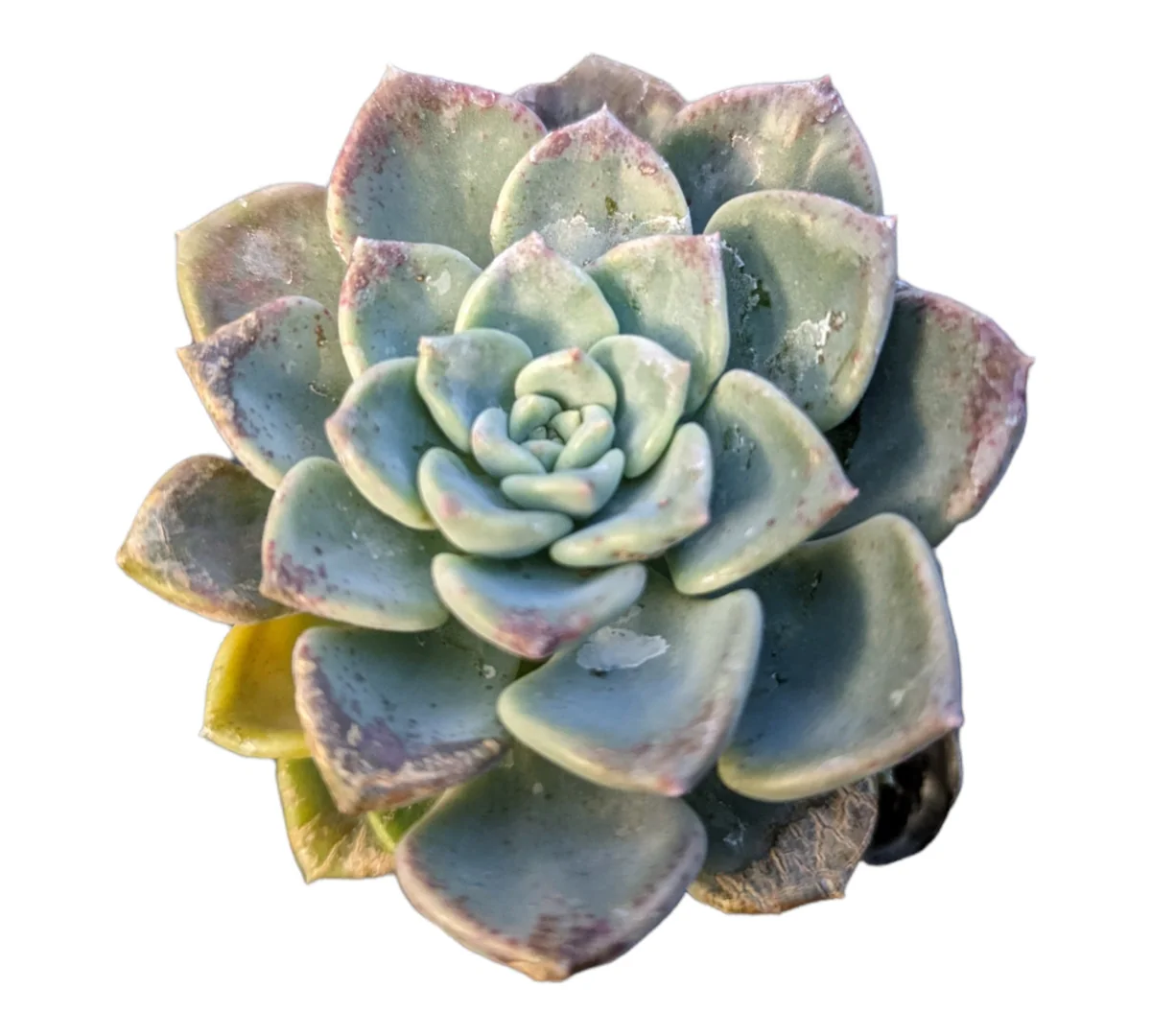
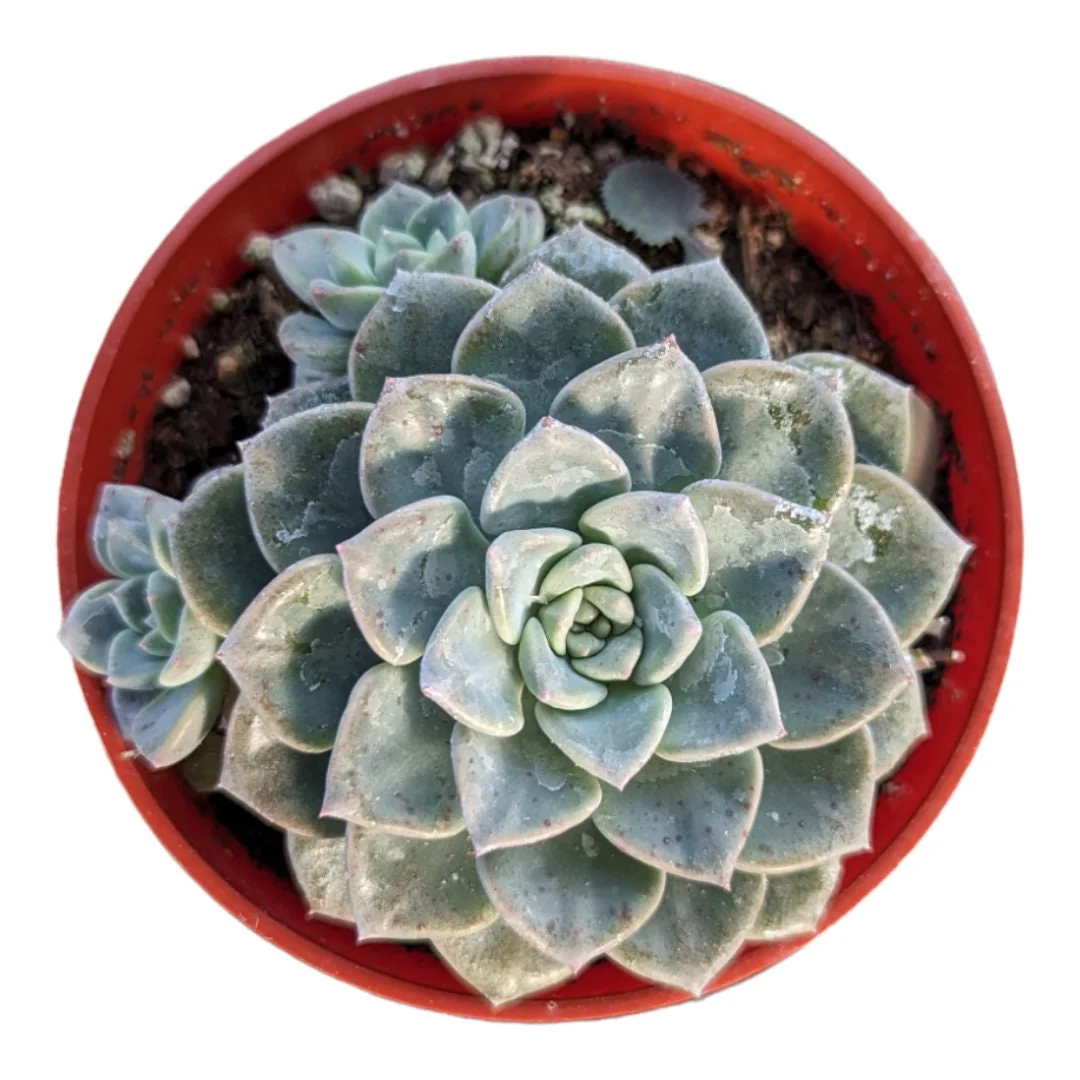
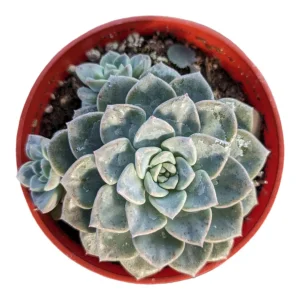
Echeveria Tinkerbell Succulent Plant – Live Potted Houseplant – Drought Tolerant
Bring home the delightful Echeveria Tinkerbell succulent, a beautiful and low-maintenance live plant perfect for brightening any indoor space. This drought-tolerant succulent features unique foliage and is an excellent choice for beginners and experienced plant enthusiasts alike, offering vibrant color and easy care. Enjoy the beauty of this indoor succulent plant with minimal effort.
From Original price was: $38.00.$19.00Current price is: $19.00.

With our Alive & Thrive Guarantee, we’ve got your back for the first 30 days! If you have any concerns about your plants, just reach out to us. Our team is here to help answer your questions and guide you in selecting the best plants for your garden, climate, and unique preferences. We're excited to help you create the garden of your dreams!
Estimated arrival
Mar 03
Mar 08 - Mar 10
Mar 13 - Mar 17
Product Details
-
USDA Hardiness Zone
USDA zones 9-11 (outdoors) or year-round indoors -
Soil type
Porous, well-draining soil (cactus/succulent mix) -
Sunlight Exposure
Bright indirect light to full sun -
Expected Planting Period
Year-round indoors
Overview
Introduce a touch of natural elegance to your home or office with the captivating Echeveria Tinkerbell succulent. This remarkable live plant is highly prized for its charming rosette form and beautiful, often blushing, foliage that adds a vibrant splash of color to any setting. As an indoor succulent plant, the Echeveria Tinkerbell is an ideal choice for those seeking a low-maintenance yet visually appealing botanical companion. Its compact size makes it perfect for windowsills, desks, or as part of a larger succulent arrangement. Known for its resilience, this particular Echeveria variety thrives with minimal attention, making it a fantastic option for both novice gardeners and seasoned plant collectors. Its unique aesthetic and easy-care nature ensure it will be a cherished part of your plant collection.
The Echeveria genus is celebrated for its stunning diversity and hardiness, and the ‘Tinkerbell’ cultivar is no exception. This particular succulent plant is a testament to nature’s artistry, showcasing intricate leaf patterns and a robust growth habit. Whether you’re looking to start your succulent journey or expand an existing collection, the Echeveria Tinkerbell succulent offers both beauty and ease of cultivation. It’s a fantastic way to introduce greenery into your living space without demanding constant care, embodying the best qualities of a drought-tolerant succulent.
Key Benefits
The Echeveria Tinkerbell succulent offers a multitude of benefits, making it a popular choice for plant lovers. Its unique characteristics contribute to both its aesthetic appeal and its ease of care, providing a rewarding experience for any gardener.
- Stunning Ornamental Appeal: The Echeveria Tinkerbell boasts a beautiful rosette shape and often displays lovely hues, ranging from soft greens to pink or red tips, depending on light exposure. It adds a sophisticated and natural decorative element to any room, enhancing your home’s ambiance.
- Exceptional Drought Tolerance: As a drought-tolerant succulent, this plant is incredibly forgiving of infrequent watering. Its ability to store water in its leaves means it can go for extended periods without hydration, reducing the frequency of watering and making it perfect for busy individuals.
- Low Maintenance & Easy Care: This indoor succulent plant requires minimal attention, making it an excellent choice for beginners or those with limited time for plant care. It thrives on neglect rather than over-watering, simplifying your gardening routine.
- Compact & Versatile Size: The relatively small and compact growth habit of the Echeveria Tinkerbell makes it ideal for various display options. It fits perfectly on windowsills, shelves, desks, or can be incorporated into mixed succulent arrangements and terrariums.
- Air Purifying Qualities: Like many houseplants, succulents contribute to a healthier indoor environment by helping to filter airborne toxins and improve air quality, creating a fresher living space.
- Propagates Easily: Echeveria varieties, including Tinkerbell, are known for their ability to be propagated from leaf cuttings or offsets, allowing you to easily expand your collection or share with friends and family. This provides a sustainable way to enjoy more of these beautiful plants.
- Stress-Reducing Presence: The presence of plants, especially beautiful and easy-to-care-for ones like the Echeveria Tinkerbell succulent, has been shown to reduce stress and improve overall well-being, contributing to a more peaceful and calming home environment.
Plant Care & Growing Tips
Caring for your Echeveria Tinkerbell succulent is straightforward, largely due to its inherent hardiness and drought-tolerant nature. To ensure your plant thrives, providing the right conditions is key. Echeverias naturally grow in sunny areas, so ample light is crucial for their health and vibrant coloration. A south-facing window is often recommended for indoor cultivation, providing the intense, bright light these plants crave. If natural light is insufficient, consider supplementing with a grow light to prevent etiolation (stretching due to lack of light). Adequate light also helps in developing the beautiful stress colors that make Echeveria so appealing.
Watering is perhaps the most critical aspect of succulent plant care. Succulents require little watering but absolutely do not like to sit in wet soil, which can lead to root rot. The ‘soak and dry’ method is best: water thoroughly until water drains from the bottom of the pot, then allow the soil to dry out completely before watering again. This can mean watering every 2-4 weeks, depending on humidity, temperature, and pot size. During winter, when the plant is less active, reduce watering frequency significantly. To create an adequate cactus mix, simply add pumice, perlite, or coarse grit to regular potting soil to provide the proper drainage. A well-draining soil mix is paramount for the health of your Echeveria Tinkerbell succulent. Fertilize sparingly during the growing season (spring and summer) with a diluted succulent or cactus fertilizer.
Temperature-wise, Echeverias prefer moderate temperatures, typically between 60-80°F (15-27°C). While they can tolerate brief dips, prolonged exposure to temperatures below 40°F (4°C) can be detrimental, as living succulents can freeze. Therefore, if you live in an area with cold winters, ensure your indoor succulent plant is protected from drafts and kept indoors. These plants are generally pest-resistant, but occasionally mealybugs or aphids can be an issue. Inspect your plant regularly and treat any infestations promptly with insecticidal soap or rubbing alcohol. Understanding these basic principles of succulent plant care will ensure your Echeveria Tinkerbell flourishes.
Size & Details
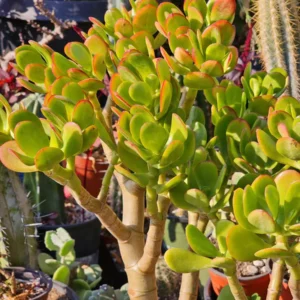
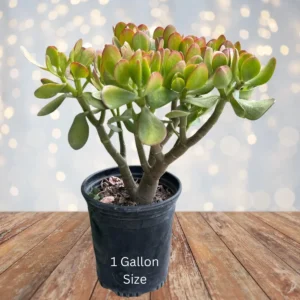
Your Echeveria Tinkerbell succulent will arrive as a live plant, typically shipped bare root to ensure its health during transit. While the exact size may vary slightly due to natural growth patterns, you can expect a very similar plant to those depicted in product images, with shape and color potentially varying based on environmental conditions. These succulents generally form compact rosettes, making them ideal for small pots and arrangements. The growth rate is moderate, allowing you to enjoy its development without it quickly outgrowing its space. When mature, these Echeveria varieties typically reach a diameter of 3-6 inches.
Most plants are shipped bare roots without the pot and soil, though exceptions may apply for certain plants shown in 2″ pots or those requiring soil for healthy transit. We commit to providing excellent quality plants that are ready for you to plant in your chosen well-draining soil and container upon arrival. The vibrant colors and distinct shape of your new Echeveria Tinkerbell succulent will be a delightful addition to your indoor garden, providing beauty for years to come with proper care.
Frequently Asked Questions
- Q: How big does this Echeveria Tinkerbell succulent get? A: The Echeveria Tinkerbell succulent typically grows into a compact rosette, reaching a diameter of about 3 to 6 inches at maturity. Its size makes it suitable for small pots and windowsills.
- Q: Is this an indoor or outdoor plant? A: While Echeverias can thrive outdoors in warm, dry climates (USDA zones 9-11), the Echeveria Tinkerbell succulent is primarily recommended as an indoor succulent plant in most regions, especially where temperatures drop below 40°F.
- Q: How much sunlight does it need? A: This drought-tolerant succulent requires ample bright, indirect light to full sun. A south-facing window is ideal indoors. Insufficient light can cause the plant to stretch and lose its vibrant coloration.
- Q: Is this plant easy to care for? A: Yes, the Echeveria Tinkerbell succulent is considered very easy to care for, making it an excellent choice for beginners. Its low watering needs and resilience contribute to its beginner-friendly nature.
- Q: What condition will it arrive in? A: Most of our plants, including this Echeveria, are shipped bare root to ensure they arrive healthy and ready for planting. Shape and color may vary slightly from the photos due to natural variations and shipping stress, but a very similar plant will be received.
- Q: How often should I water my Echeveria Tinkerbell succulent? A: Water thoroughly when the soil is completely dry to the touch, then allow it to dry out again before the next watering. This ‘soak and dry’ method is crucial for proper succulent plant care.
- Q: What kind of soil is best for Echeveria varieties? A: A well-draining soil mix is essential. You can use a commercial cactus and succulent mix or create your own by adding pumice, perlite, or coarse grit to regular potting soil to enhance drainage.
- Q: Can I propagate my Echeveria Tinkerbell? A: Yes, Echeverias are known for being easy to propagate from leaf cuttings or offsets that form around the mother plant. This is a great way to expand your collection of Echeveria varieties.
- Q: Will it survive winter in a cold climate? A: No, if you live in an area where temperatures consistently fall below 40°F, your Echeveria Tinkerbell succulent must be brought indoors to protect it from freezing temperatures, as it is not cold-hardy.
- Q: Is the Echeveria Tinkerbell pet-safe? A: Echeverias are generally considered non-toxic to pets, making them a safer choice for households with cats and dogs. However, it’s always best to prevent pets from chewing on plants.
| Size | 2 Inch, 4 Inch |
|---|
Related products
-30%
Original price was: $79.98.$55.98Current price is: $55.98.
-40%

Original price was: $19.60.$11.76Current price is: $11.76.
-30%
Original price was: $47.98.$33.58Current price is: $33.58.
-30%
Original price was: $79.98.$55.98Current price is: $55.98.
-30%
Original price was: $79.98.$55.98Current price is: $55.98.
PLANTING & CARE

The Comprehensive Guide to Growing Bay Leaf Plants for a Flavorful Garden
Imagine stepping into your garden, greeted by the earthy aroma of fresh bay leaves, their
09
Feb
Feb

How to Make Comfrey Tea: The Ultimate Organic Plant Food
Growing an organic garden can be surprisingly expensive, especially when most store-bought fertilizers come in
02
Feb
Feb

True Comfrey: 7 Essential Tips Before You Plant This Herb
A staple in permaculture practices across the US, True Comfrey easily earns its reputation as
27
Jan
Jan

7 Heart-Shaped Plants for a Lasting Valentine’s Gift
If you’ve ever bought a bouquet of roses for Valentine’s Day, you know they are
26
Jan
Jan

Best Types of Ivy Plant for Houses: How to Choose the Perfect Ones for Your Home
Are you a garden lover looking to introduce some greenery into your home? Maybe you’ve
14
Nov
Nov

When to Harvest Garlic (Especially Fall-Planted Garlic)
TIMING IS EVERYTHING, they say – and for garlic, that truth hits with surprising accuracy.
13
Nov
Nov

11 of the Best Sweet Potato Varieties to Grow for Your Garden
If you’ve ever tried growing sweet potatoes, you know that picking the right variety can
12
Nov
Nov
Pruning Bougainvillea for Winter
Bougainvillea vines are known for their dazzling display of magenta, orange, and fuchsia bracts that
05
Nov
Nov