Sprouted Coconut Fruit – Unique Costa Rican Delicacy – 2 Count
-50%
Sprouted Coconut Fruit – Unique Costa Rican Delicacy – 2 Count
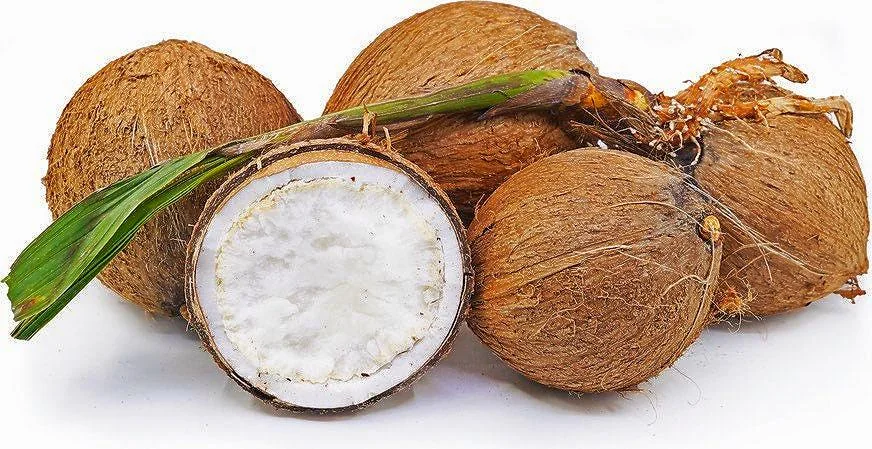
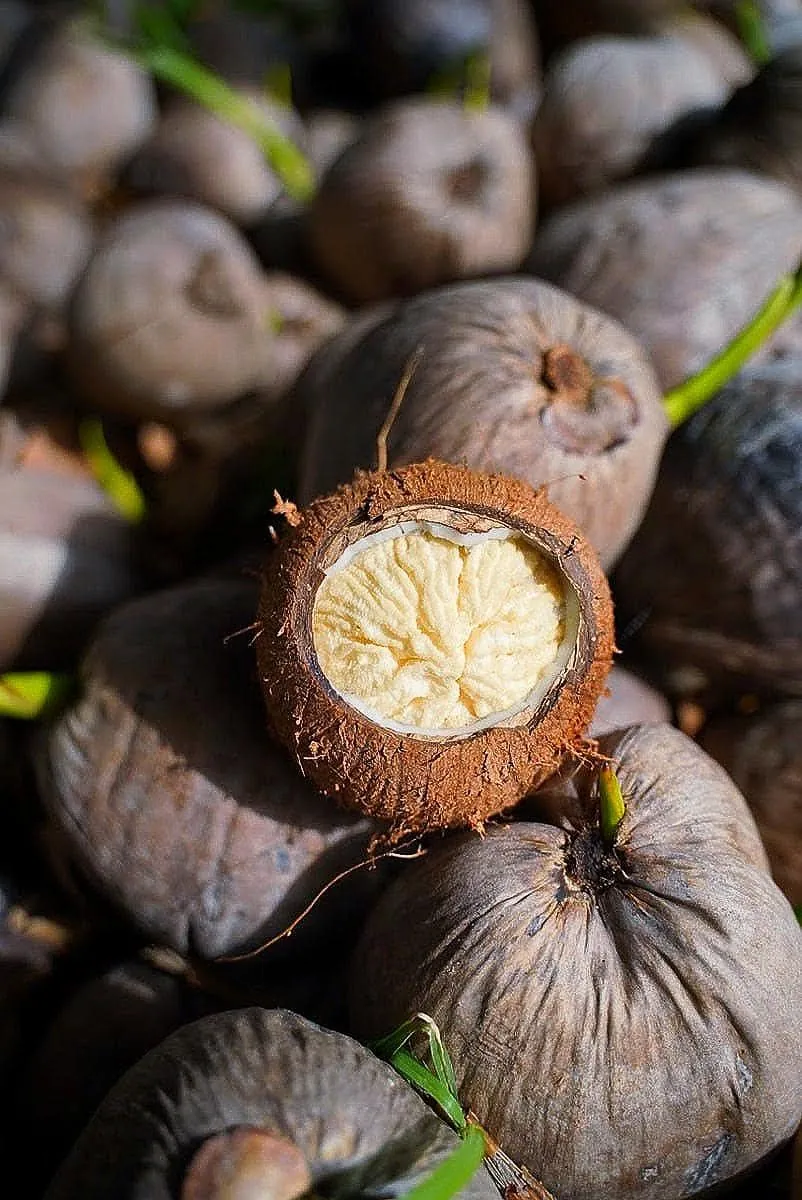
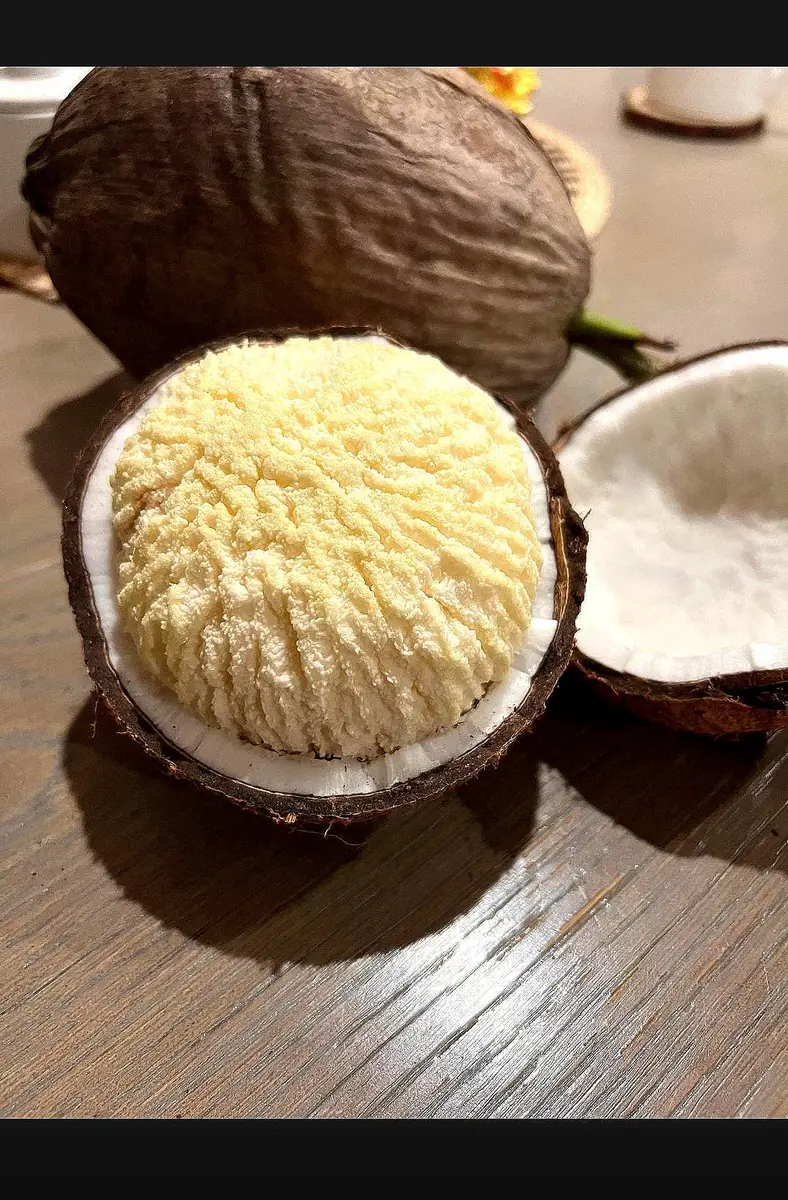
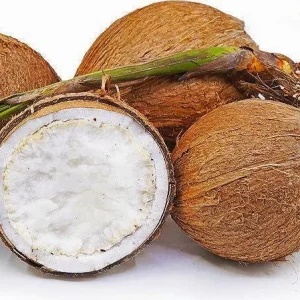
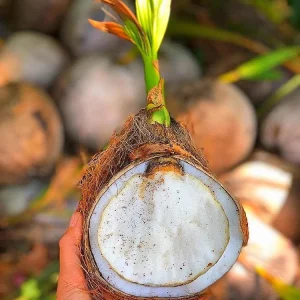
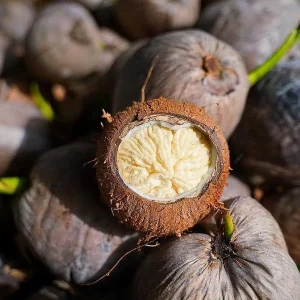
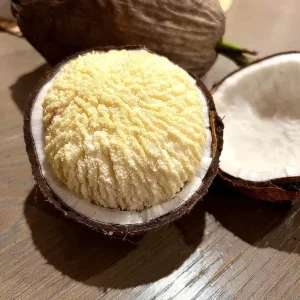
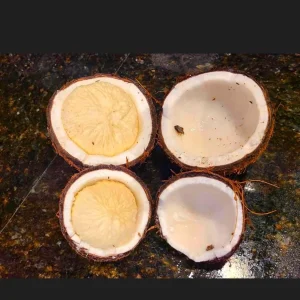
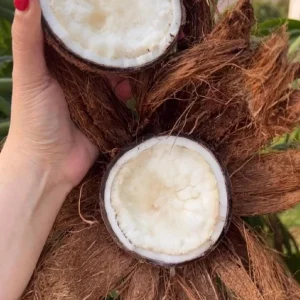
Experience the unique texture and flavor of sprouted coconut fruit. This Costa Rican delicacy features a spongy, cotton candy-like interior with a mildly sweet to salty taste. Each order includes two coconuts, perfect for culinary exploration.
Original price was: $119.96.$59.98Current price is: $59.98.

With our Alive & Thrive Guarantee, we’ve got your back for the first 30 days! If you have any concerns about your plants, just reach out to us. Our team is here to help answer your questions and guide you in selecting the best plants for your garden, climate, and unique preferences. We're excited to help you create the garden of your dreams!
Estimated arrival
Mar 22
Mar 27 - Mar 29
Apr 01 - Apr 05

Product Details
-
USDA Hardiness Zone
unknown -
Soil type
well-draining soil -
Sunlight Exposure
not applicable (food item) -
Expected Planting Period
not applicable (food item)
Overview
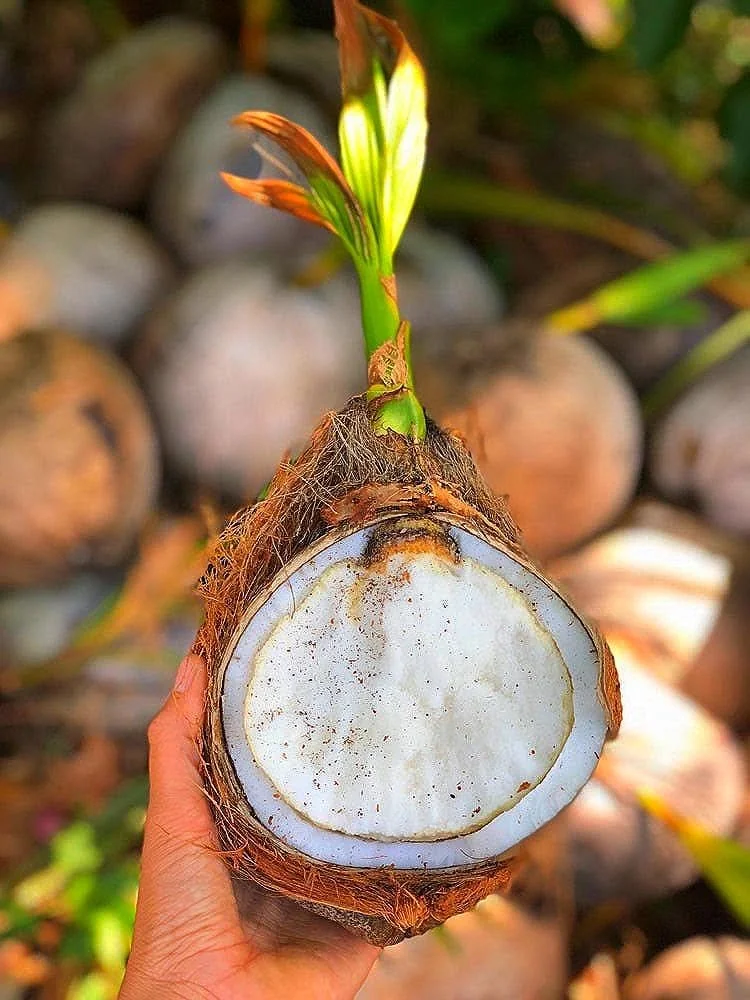
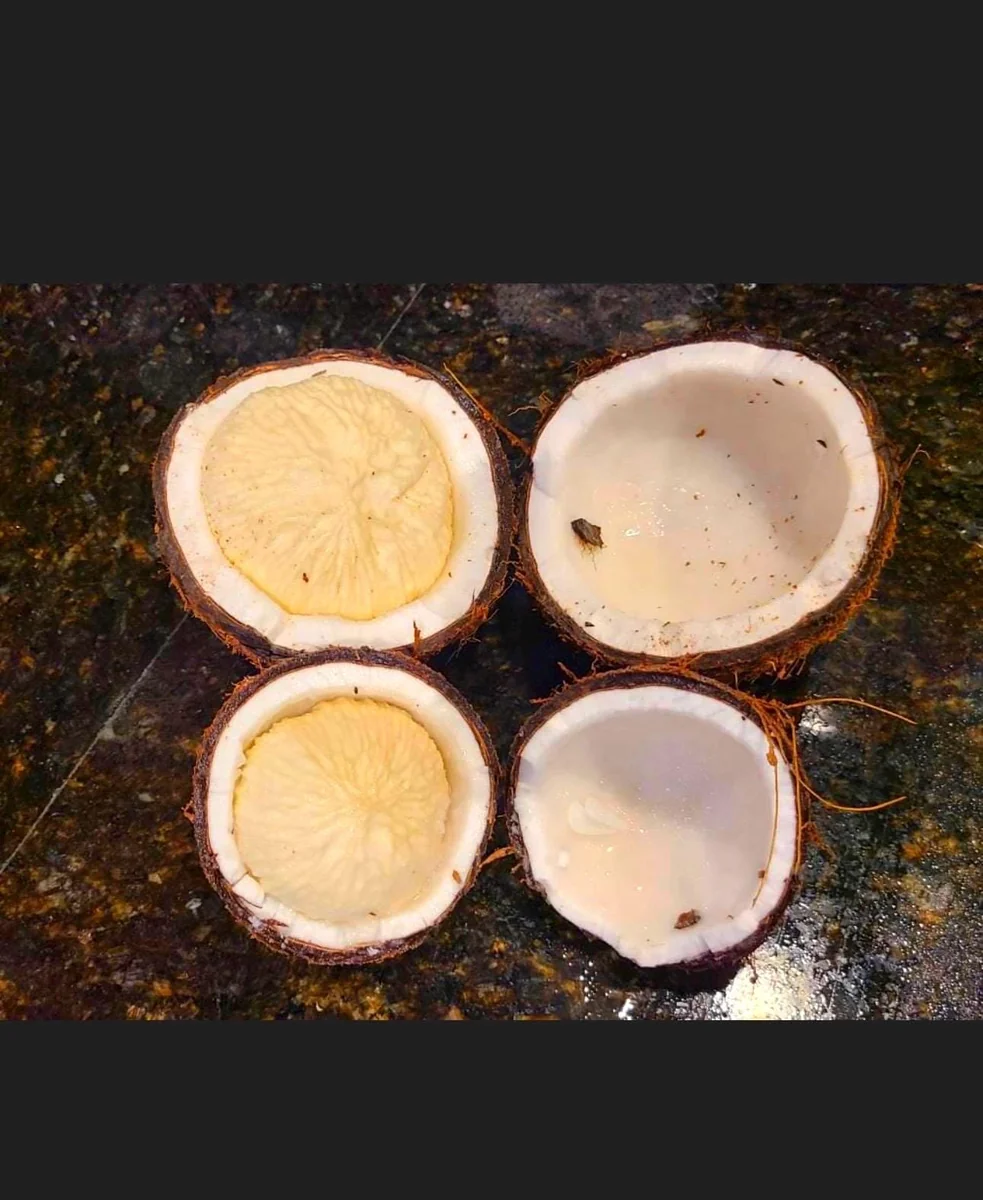
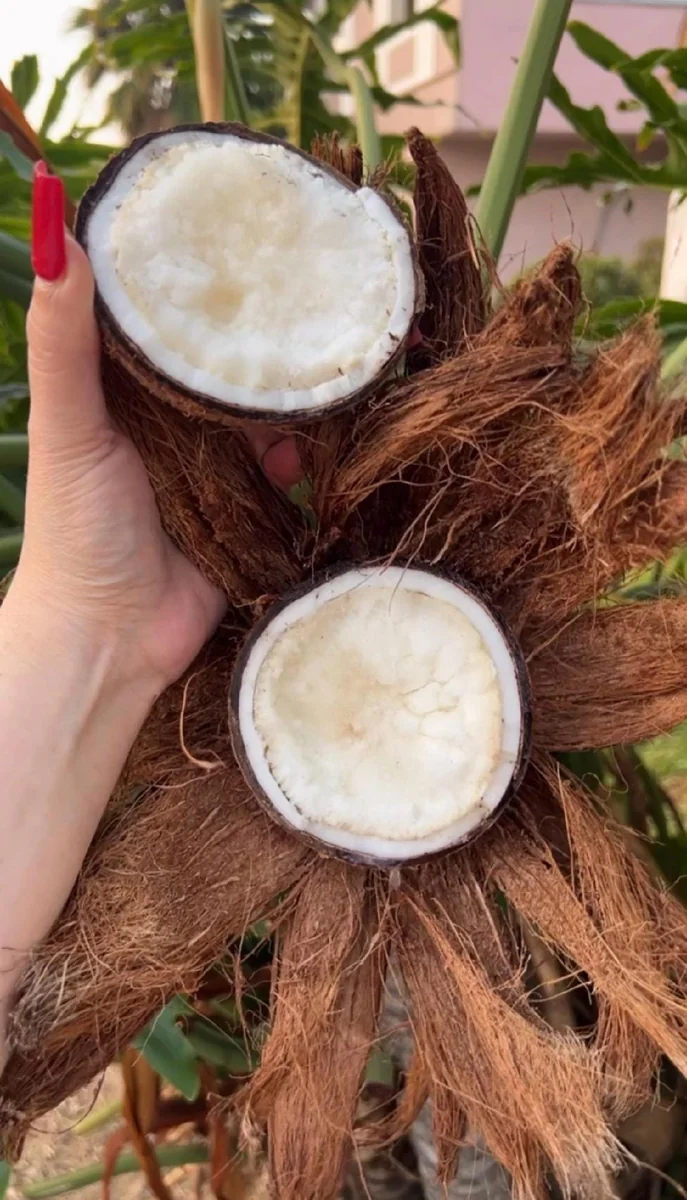
Dive into the exotic world of sprouted coconut fruit, a truly unique and delicious addition to your culinary adventures. Originating from Costa Rica, these special coconuts are harvested as the embryo begins to sprout, transforming the interior into a fascinating edible sponge. Unlike mature coconuts, the meat inside becomes a thin, crispy layer that absorbs the water, creating a big, spongy mass. This natural process gives the sprouted coconut fruit its distinctive texture and flavor profile, making it a highly sought-after delicacy for those looking to explore new and interesting foods.
Each sprouted coconut fruit offers a culinary experience unlike any other. The interior texture is often compared to cotton candy or sponge cake, providing a delightful and unexpected sensation. While not overly sweet, the flavor is surprisingly varied, ranging from subtly salty to mildly sweet, with the most intense notes often found in the outer skin of the embryo. This product is perfect for adventurous eaters and anyone keen to try a natural, unprocessed food with a truly unique character.
Key Benefits
Beyond its intriguing taste and texture, the sprouted coconut fruit offers several compelling benefits that make it a worthwhile experience for any food enthusiast:
- Unique Culinary Experience: Offers a distinct texture similar to cotton candy or sponge cake, providing an exciting and memorable addition to your diet. It’s an excellent conversation starter and a fun food to share.
- Natural & Unprocessed: Enjoy a food item in its natural state, straight from the tree. The sprouting process is organic, resulting in a wholesome and minimally altered product.
- Varied Flavor Profile: Each sprouted coconut fruit presents a unique taste, from salty to mildly sweet, ensuring a delightful surprise with every bite. The complexity of flavors makes it a versatile ingredient for various dishes or enjoyed on its own.
- Exotic Delicacy: Sourced from Costa Rica, this Costa Rican coconut brings an authentic taste of the tropics directly to your home. It’s a rare treat not commonly found in regular grocery stores.
- Versatile Use: While delicious on its own, its mild flavor and unique texture make it an interesting ingredient for smoothies, desserts, or even savory dishes, adding an unexpected element.
- Nutritional Curiosity: As a natural food, it offers an intriguing look into plant development and the transformation of a coconut’s interior during germination.
Plant Care & Growing Tips
While the sprouted coconut fruit is typically enjoyed as a food item rather than grown as a plant by the end-consumer, understanding its origin helps appreciate this unique delicacy. These coconuts are harvested during a specific stage of germination. If one were to try and grow a sprouted coconut, it would require a tropical or subtropical climate with consistent warmth and high humidity. Optimal conditions would involve temperatures above 70°F (21°C) year-round, making it challenging for most climates outside of USDA zones 10-11 to sustain growth outdoors.
For successful sprouting and growth into a tree (if that were the intent), a well-draining, sandy soil mix is crucial, mimicking its natural coastal habitat. Adequate sunlight, ideally full sun for at least 6-8 hours daily, is necessary for vigorous growth. Watering should be regular, keeping the soil consistently moist but never waterlogged, as coconuts are susceptible to root rot. However, for the purpose of enjoying it as a unique fruit, no special care is needed beyond proper storage to maintain freshness until consumption.
Size & Details
Each order of sprouted coconut fruit includes two certified Costa Rican coconuts. These unique fruits vary naturally in size, typically ranging from 4 to 6 inches in diameter, similar to a standard mature coconut. The internal spongy mass, which is the edible part, will also vary in size and density depending on the individual coconut’s stage of germination. They are shipped ready to eat, offering an immediate opportunity to experience this coconut embryo delicacy. These are not intended for planting but rather for culinary enjoyment, providing a distinctive texture and flavor that is best consumed fresh.
Frequently Asked Questions
- Q: How big does the sprouted coconut fruit get? A: The sprouted coconut fruit typically ranges from 4 to 6 inches in diameter, similar to the size of a regular mature coconut. The internal edible sponge will vary in size within each fruit.
- Q: Is this an indoor or outdoor plant? A: This product is the fruit of a coconut palm, intended for consumption, not for planting. If you were to attempt to grow a coconut palm, it thrives outdoors only in tropical climates (USDA zones 10-11) or indoors with very specific conditions.
- Q: How much sunlight does it need? A: As a harvested fruit, it does not require sunlight. If you were considering growing a coconut palm, it needs full sun, at least 6-8 hours daily.
- Q: Is this fruit easy to care for? A: As a food item, the sprouted coconut fruit requires no care beyond proper storage. Simply keep it cool until you’re ready to enjoy this unique fruit.
- Q: What condition will it arrive in? A: Your sprouted coconuts will arrive ready to eat, carefully packaged to maintain their freshness and unique internal texture.
- Q: Can I use the sprouted coconut fruit in cooking? A: Absolutely! Its mild flavor and spongy texture make it a versatile ingredient. It can be enjoyed raw, blended into smoothies, or incorporated into various desserts and savory dishes for an exotic food twist.
- Q: What does the sprouted coconut fruit taste like? A: The flavor of the sprouted coconut fruit is generally mild, ranging from subtly salty to mildly sweet. The texture is often described as similar to cotton candy or sponge cake, making it a truly unique experience.
- Q: How long can I store the sprouted coconut fruit? A: For the best experience, it’s recommended to consume the sprouted coconut fruit within a few days of receiving it. Store it in a cool, dry place.
- Q: Where does this unique fruit come from? A: Our sprouted coconut fruit is certified Costa Rican, ensuring an authentic tropical delicacy with high quality.
- Q: Is the outer skin of the embryo edible? A: Yes, the outer skin of the embryo is where the most flavor can often be found and is edible, contributing to the overall unique taste experience of this coconut embryo.
Related products
-20%
Original price was: $36.00.$28.80Current price is: $28.80.
-20%
Original price was: $60.00.$48.00Current price is: $48.00.
-20%
Original price was: $32.00.$25.60Current price is: $25.60.
-20%
Original price was: $66.00.$52.80Current price is: $52.80.
-50%
Original price was: $39.98.$19.99Current price is: $19.99.
-20%

Original price was: $34.00.$27.20Current price is: $27.20.
-20%
Original price was: $80.00.$64.00Current price is: $64.00.
-10%
Original price was: $48.99.$44.09Current price is: $44.09.
PLANTING & CARE

The Comprehensive Guide to Growing Bay Leaf Plants for a Flavorful Garden
Imagine stepping into your garden, greeted by the earthy aroma of fresh bay leaves, their
09
Feb
Feb

How to Make Comfrey Tea: The Ultimate Organic Plant Food
Growing an organic garden can be surprisingly expensive, especially when most store-bought fertilizers come in
02
Feb
Feb

True Comfrey: 7 Essential Tips Before You Plant This Herb
A staple in permaculture practices across the US, True Comfrey easily earns its reputation as
27
Jan
Jan

7 Heart-Shaped Plants for a Lasting Valentine’s Gift
If you’ve ever bought a bouquet of roses for Valentine’s Day, you know they are
26
Jan
Jan

Best Types of Ivy Plant for Houses: How to Choose the Perfect Ones for Your Home
Are you a garden lover looking to introduce some greenery into your home? Maybe you’ve
14
Nov
Nov

When to Harvest Garlic (Especially Fall-Planted Garlic)
TIMING IS EVERYTHING, they say – and for garlic, that truth hits with surprising accuracy.
13
Nov
Nov

11 of the Best Sweet Potato Varieties to Grow for Your Garden
If you’ve ever tried growing sweet potatoes, you know that picking the right variety can
12
Nov
Nov

Pruning Bougainvillea for Winter
Bougainvillea vines are known for their dazzling display of magenta, orange, and fuchsia bracts that
05
Nov
Nov