Pinguicula Primuliflora Butterwort Plant – Carnivorous Primrose, 3 inch Pot, Indoor/Outdoor
-50%
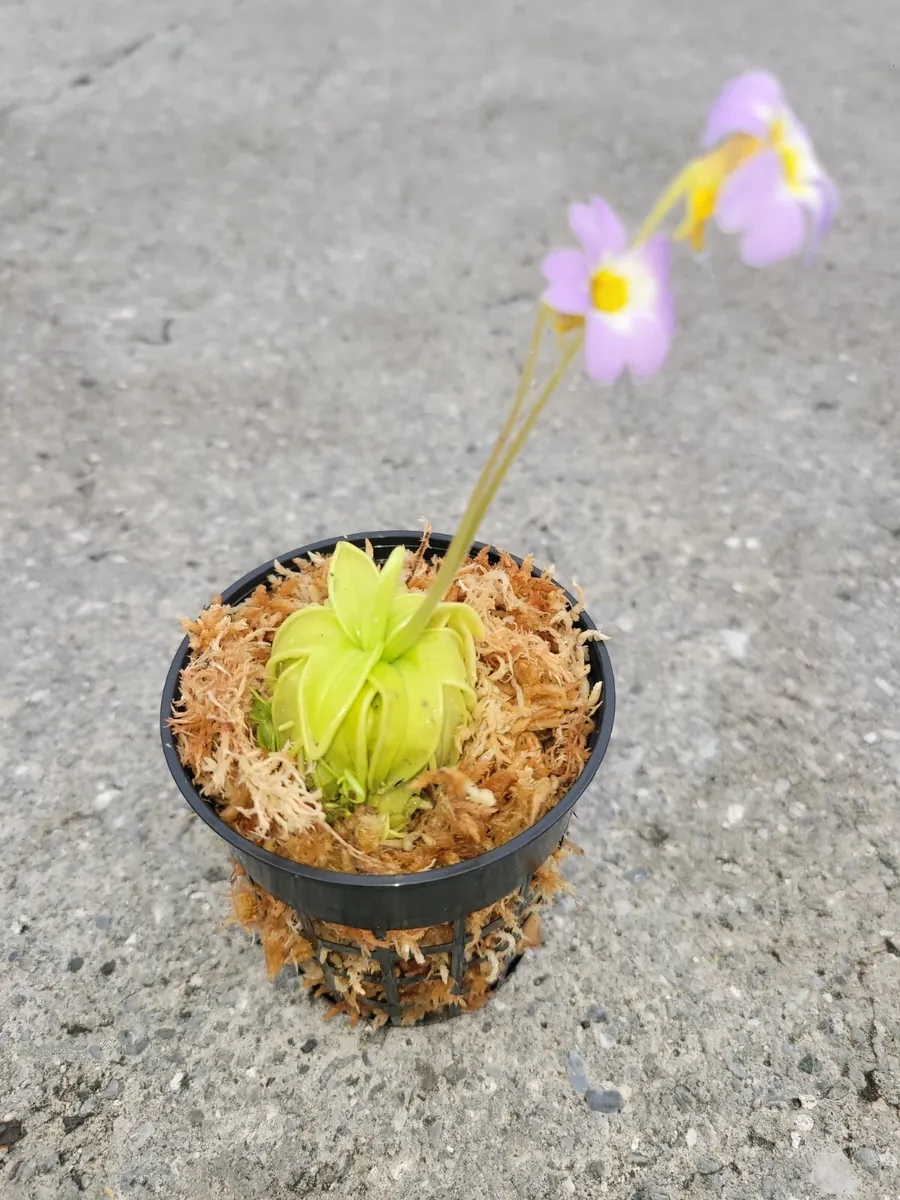
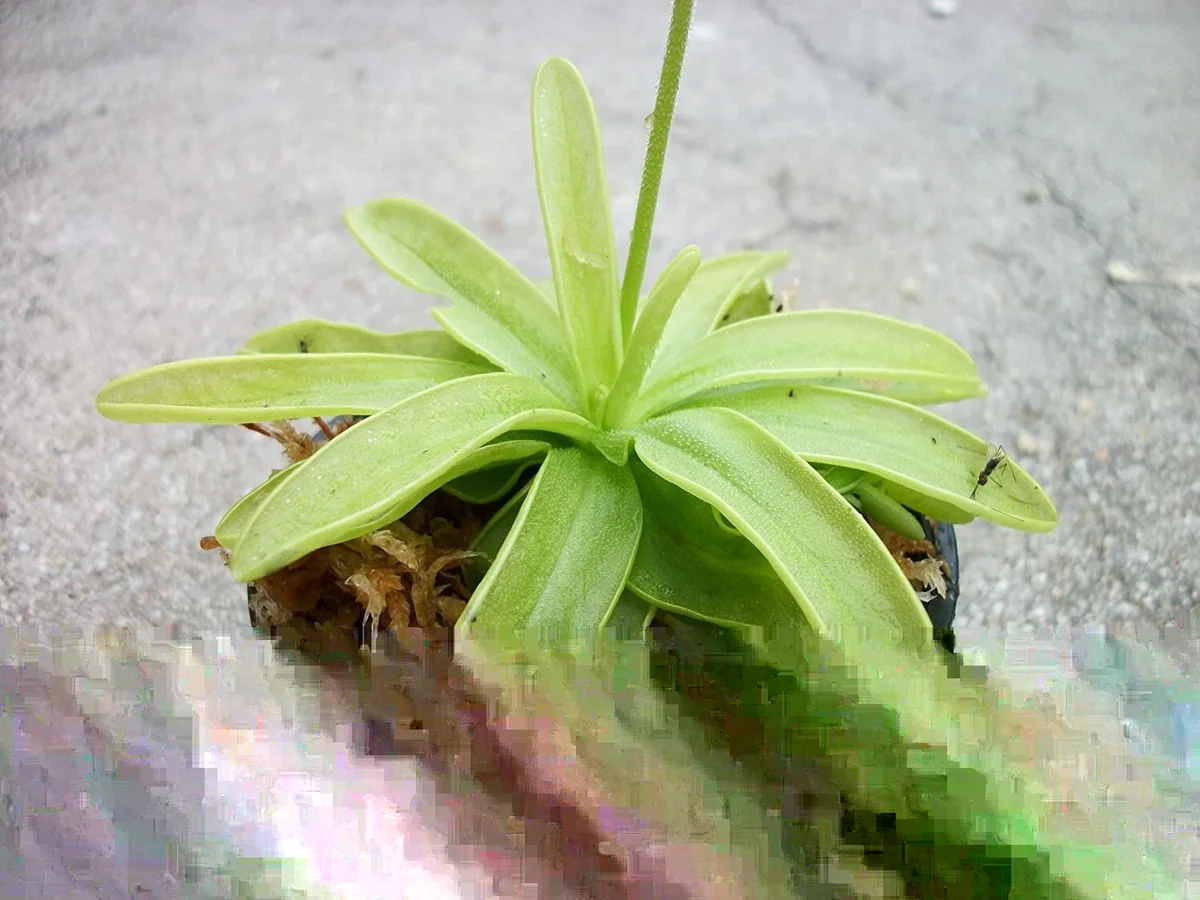
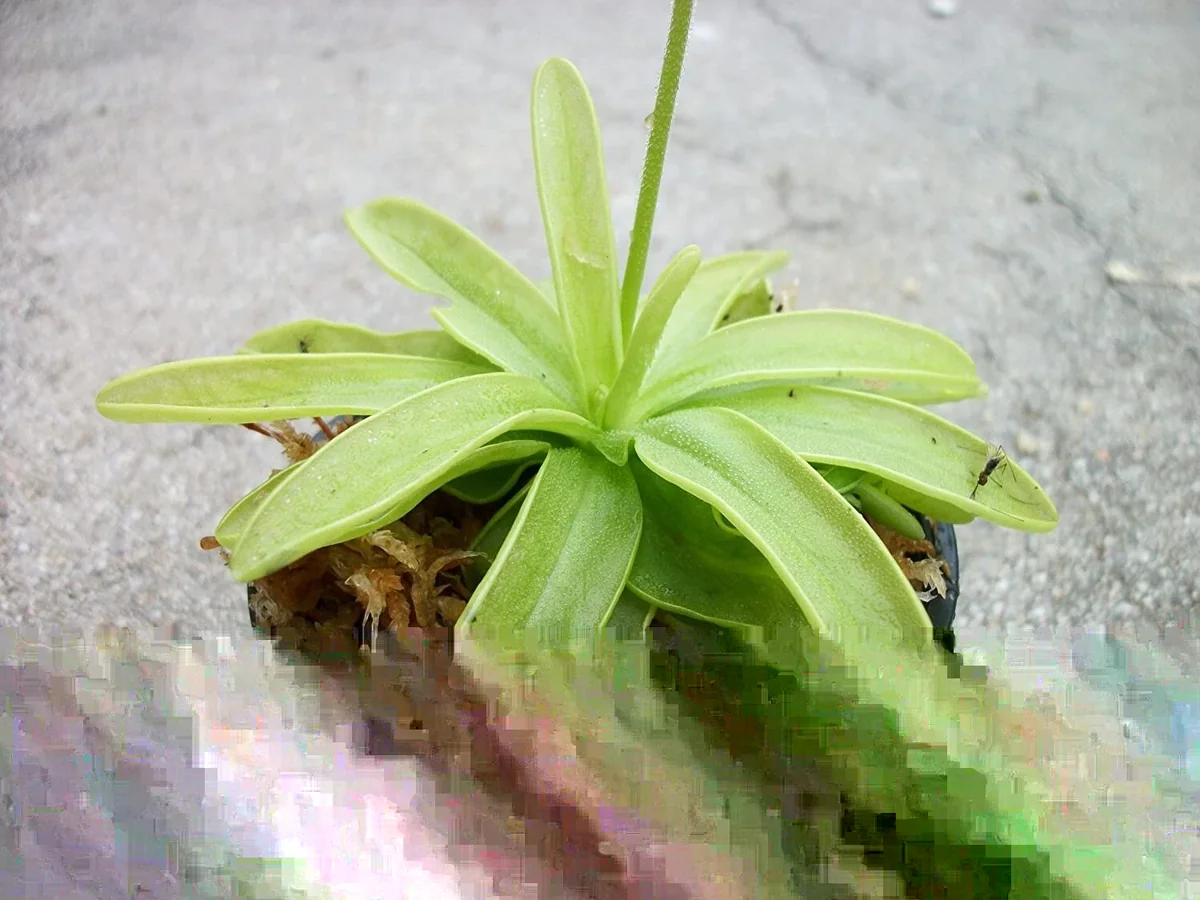
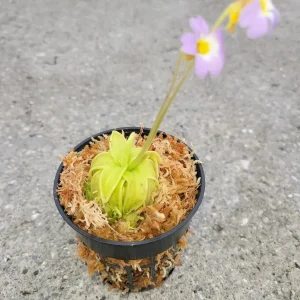
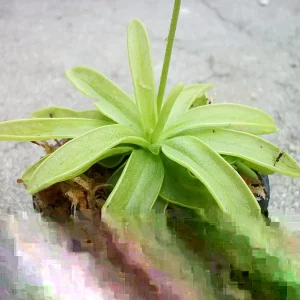
Pinguicula Primuliflora Butterwort Plant – Carnivorous Primrose, 3 inch Pot, Indoor/Outdoor
Bring home a fascinating Pinguicula Primuliflora live plant, also known as the Primrose Butterwort. This unique carnivorous plant is an excellent natural solution for pest control, effectively trapping small insects. Perfect for both indoor and outdoor environments, it adds an exotic touch to any plant collection.
Original price was: $95.96.$47.98Current price is: $47.98.

With our Alive & Thrive Guarantee, we’ve got your back for the first 30 days! If you have any concerns about your plants, just reach out to us. Our team is here to help answer your questions and guide you in selecting the best plants for your garden, climate, and unique preferences. We're excited to help you create the garden of your dreams!
Estimated arrival
Mar 23
Mar 28 - Mar 30
Apr 02 - Apr 06

Product Details
-
USDA Hardiness Zone
10 -
Soil type
Acidic peat-based mix -
Sunlight Exposure
Medium Sun -
Expected Planting Period
Year-round indoors
Overview
Introduce an extraordinary botanical specimen to your collection with the Pinguicula Primuliflora live plant. This captivating carnivorous butterwort, commonly known as the Primrose Butterwort, is celebrated for its beautiful, rosette-forming leaves that are covered in tiny, sticky glandular hairs. These hairs act as a natural flypaper, effectively trapping and digesting small insects like gnats, fruit flies, and mosquitoes. Originating from the southeastern United States, Pinguicula Primuliflora is a semi-tropical species that adapts well to various growing conditions, making it an intriguing choice for both novice and experienced plant enthusiasts. This live plant arrives ready to thrive, offering both ornamental appeal and practical pest management in one elegant package.
The Pinguicula Primuliflora live plant is a true marvel of nature, combining delicate beauty with a fierce predatory instinct. Its unique feeding mechanism makes it a fascinating conversation starter and an eco-friendly alternative to chemical pest control. Whether placed on a sunny windowsill, in a terrarium, or as part of an outdoor bog garden, this butterwort plant will undoubtedly become a cherished addition to your home or garden.
Key Benefits
The Pinguicula Primuliflora live plant offers a range of benefits beyond its striking appearance, making it a valuable addition to your space:
- Natural Pest Control: The sticky leaves of the carnivorous butterwort care for your home by trapping and digesting common household pests such as gnats, fruit flies, and small mosquitoes, reducing the need for chemical sprays.
- Unique Ornamental Appeal: With its vibrant green to reddish-hued rosettes and occasional delicate, primrose-like flowers, this plant adds exotic beauty and visual interest to any indoor or outdoor setting.
- Low Maintenance: Compared to many other carnivorous plants, the Pinguicula Primuliflora live plant is relatively easy to care for, requiring consistent moisture and appropriate light, making it suitable for busy plant lovers.
- Educational Value: Observing the plant’s carnivorous nature provides an engaging educational experience for children and adults alike, offering insights into the natural world’s adaptations.
- Air Purification: Like many plants, the Primrose Butterwort contributes to a healthier indoor environment by absorbing carbon dioxide and releasing oxygen.
- Versatile Placement: Thrives in a variety of settings, including windowsills, terrariums, bog gardens, or as a charming desk companion, enhancing diverse decor styles.
- Conversation Starter: Its unusual and active feeding habits make it a captivating topic of discussion for guests and visitors.
Plant Care & Growing Tips
Proper carnivorous butterwort care ensures your Pinguicula Primuliflora live plant remains healthy and vibrant. These plants prefer consistent moisture and specific light conditions. For sunlight, they thrive in medium sun to bright indirect light. Indoors, an east-facing window is often ideal, providing gentle morning sun. Avoid harsh, direct afternoon sun, which can scorch their delicate leaves. If growing outdoors, a spot with morning sun and afternoon shade is recommended, especially in warmer climates. Adequate light promotes vibrant coloration and robust growth.
Watering is crucial for Pinguicula Primuliflora live plant. They require heavy watering and should never be allowed to dry out completely. The tray method is highly effective: keep the pot sitting in about half an inch of distilled, rainwater, or reverse osmosis water. Tap water should be avoided due to its mineral content, which can harm carnivorous plants. The soil type should be acidic and peat-based, ideally a mix of peat moss and perlite or sand to ensure good drainage while retaining moisture. The USDA Hardiness Zone for this species is typically 10, meaning it can tolerate mild winters but prefers warmer, semi-tropical conditions. For those in colder zones, it is best grown as a primrose butterwort indoor plant.
Temperature-wise, Pinguicula Primuliflora prefers warm conditions, ideally between 60-85°F (15-29°C). While it’s a tropical plant, it can tolerate slightly cooler temperatures but should be protected from freezing. Fertilization is generally not necessary and can be detrimental to carnivorous plants; they obtain their nutrients from the insects they catch. If your plant isn’t catching enough insects, you can occasionally supplement with a very dilute carnivorous plant fertilizer or tiny insect fragments. Common problems include leaves turning black from too much direct sun or mineral-rich water. Ensure you use appropriate water and provide suitable light to keep your Pinguicula Primuliflora pest control plant thriving. This specific butterwort plant for sale is a robust specimen, ready to adapt to a well-maintained environment.
Size & Details
This offering is for one healthy Pinguicula Primuliflora live plant, cultivated in a 3-inch pot. At this size, the plant is well-established with a robust root system, making it easy to transplant or maintain in its current container. The rosettes typically measure between 2 to 4 inches in diameter, depending on growing conditions and maturity. As a relatively compact carnivorous plant, it maintains a manageable size, making it ideal for windowsills, small terrariums, or as part of a larger carnivorous plant collection. It ships as a potted plant, carefully packed to ensure its safe arrival. Expect the plant to continue growing and potentially produce its charming flowers within a few months under optimal care, showcasing its full beauty and natural insect-catching abilities.
Frequently Asked Questions
- Q: How big does this plant get? A: The Pinguicula Primuliflora live plant typically forms rosettes that are 2 to 4 inches in diameter. It remains a relatively compact plant, suitable for various indoor spaces.
- Q: What size pot does it come in? A: This Primrose Butterwort plant is shipped in a 3-inch nursery pot, providing a good starting size for continued growth in your home.
- Q: Is this an indoor or outdoor plant? A: The Primrose Butterwort indoor plant is versatile and can be grown both indoors and outdoors in appropriate climates. It is best suited for USDA Hardiness Zone 10 and above outdoors; otherwise, it thrives indoors.
- Q: How much sunlight does it need? A: This carnivorous butterwort prefers medium sun to bright indirect light. An east-facing window is often ideal indoors, or a spot with morning sun and afternoon shade outdoors.
- Q: Is this plant easy to care for? A: Yes, for a carnivorous plant, the Pinguicula Primuliflora live plant is considered relatively easy to care for, requiring consistent moisture with mineral-free water and appropriate light.
- Q: What condition will it arrive in? A: Your butterwort plant for sale will arrive as a live, healthy potted plant, carefully packaged to minimize stress during transit, ensuring it’s ready to thrive in its new home.
- Q: What does the Pinguicula Primuliflora eat? A: This Pinguicula Primuliflora pest control plant primarily catches small flying insects such as gnats, fruit flies, and mosquitoes using the sticky secretions on its leaves.
- Q: When is the best time to plant or repot? A: You can plant or repot your Primrose Butterwort at any time of the year, but spring or early summer is generally ideal as the plant is actively growing.
- Q: What type of soil should I use? A: For optimal carnivorous butterwort care, use an acidic, peat-based soil mix, typically peat moss blended with perlite or sand, ensuring good drainage and moisture retention.
- Q: Will it survive winter in my zone? A: If you are outside of USDA Hardiness Zone 10, it’s recommended to bring your Pinguicula Primuliflora live plant indoors during winter to protect it from cold temperatures.
Related products
-30%
Original price was: $13.98.$9.78Current price is: $9.78.


-35%
Original price was: $29.80.$19.36Current price is: $19.36.
-25%
Original price was: $20.90.$15.68Current price is: $15.68.
-30%
Original price was: $25.98.$18.18Current price is: $18.18.
-5%
Original price was: $91.98.$87.38Current price is: $87.38.
PLANTING & CARE

The Comprehensive Guide to Growing Bay Leaf Plants for a Flavorful Garden
Imagine stepping into your garden, greeted by the earthy aroma of fresh bay leaves, their
09
Feb
Feb

How to Make Comfrey Tea: The Ultimate Organic Plant Food
Growing an organic garden can be surprisingly expensive, especially when most store-bought fertilizers come in
02
Feb
Feb

True Comfrey: 7 Essential Tips Before You Plant This Herb
A staple in permaculture practices across the US, True Comfrey easily earns its reputation as
27
Jan
Jan

7 Heart-Shaped Plants for a Lasting Valentine’s Gift
If you’ve ever bought a bouquet of roses for Valentine’s Day, you know they are
26
Jan
Jan

Best Types of Ivy Plant for Houses: How to Choose the Perfect Ones for Your Home
Are you a garden lover looking to introduce some greenery into your home? Maybe you’ve
14
Nov
Nov

When to Harvest Garlic (Especially Fall-Planted Garlic)
TIMING IS EVERYTHING, they say – and for garlic, that truth hits with surprising accuracy.
13
Nov
Nov

11 of the Best Sweet Potato Varieties to Grow for Your Garden
If you’ve ever tried growing sweet potatoes, you know that picking the right variety can
12
Nov
Nov
Pruning Bougainvillea for Winter
Bougainvillea vines are known for their dazzling display of magenta, orange, and fuchsia bracts that
05
Nov
Nov