Bear’s Breeches (Acanthus Mollis) Live Plant – 1 Foot Tall, 1 Gallon Pot
-50%
Bear’s Breeches (Acanthus Mollis) Live Plant – 1 Foot Tall, 1 Gallon Pot
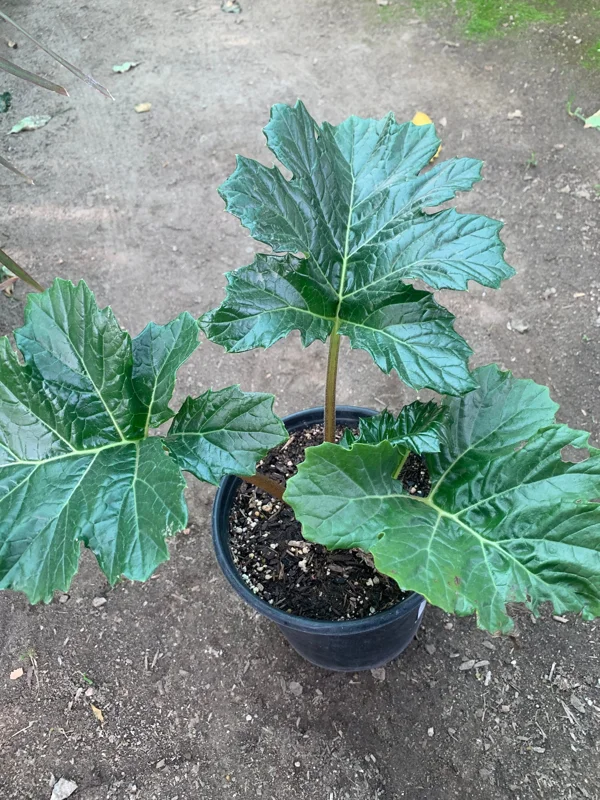
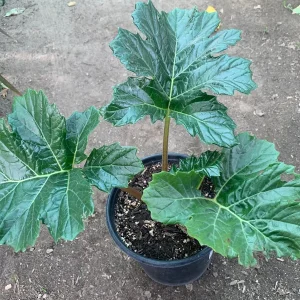
Bring classic architectural beauty to your landscape with a Bear’s Breeches live plant (Acanthus Mollis). This robust perennial features dramatic, deeply lobed foliage and tall, striking flower spikes, ideal for adding elegance to shaded garden beds or as a focal point. Shipped as a healthy 1-foot tall plant in a 1-gallon pot, ready to thrive in your garden.
Original price was: $147.16.$73.58Current price is: $73.58.

With our Alive & Thrive Guarantee, we’ve got your back for the first 30 days! If you have any concerns about your plants, just reach out to us. Our team is here to help answer your questions and guide you in selecting the best plants for your garden, climate, and unique preferences. We're excited to help you create the garden of your dreams!
Estimated arrival
Mar 31
Apr 05 - Apr 07
Apr 10 - Apr 14


Product Details
-
USDA Hardiness Zone
USDA Zones 7-10 -
Soil type
Well-draining, rich, fertile soil -
Sunlight Exposure
Partial to full shade -
Expected Planting Period
Spring to early fall
Overview
Introduce a touch of timeless elegance to your garden with the majestic Bear’s Breeches live plant, also known as Acanthus Mollis. This stunning perennial is celebrated for its bold, architectural foliage and impressive flower spikes that can reach several feet in height. Native to the Mediterranean region, Acanthus Mollis has been admired for centuries, inspiring classical art and architecture with its distinctive leaf shape. Our healthy Acanthus Mollis plant arrives ready to be transplanted, providing an instant impact in your landscape. It’s an excellent choice for gardeners seeking a low-maintenance yet high-impact plant to fill shaded or partially shaded areas, creating a lush, exotic feel.
The common name, Bear’s Breeches, hints at the plant’s robust and somewhat wild appearance, while its botanical name, Acanthus Mollis, emphasizes its soft, velvety leaves. This plant is not just a visual delight but also a resilient performer, thriving in various conditions once established. Whether you’re designing a formal garden, a wild woodland edge, or simply looking for an impressive specimen plant, the Bear’s Breeches live plant offers unparalleled beauty and ease of care.
Key Benefits
The Bear’s Breeches live plant offers numerous advantages to any garden, combining aesthetic appeal with robust growth and minimal fuss. Its unique characteristics make it a standout choice for diverse garden designs.
- Dramatic Foliage: Enjoy large, deeply lobed, glossy green leaves that provide a lush, tropical feel and architectural interest from spring through fall. The foliage alone makes this an exceptional ornamental garden plant.
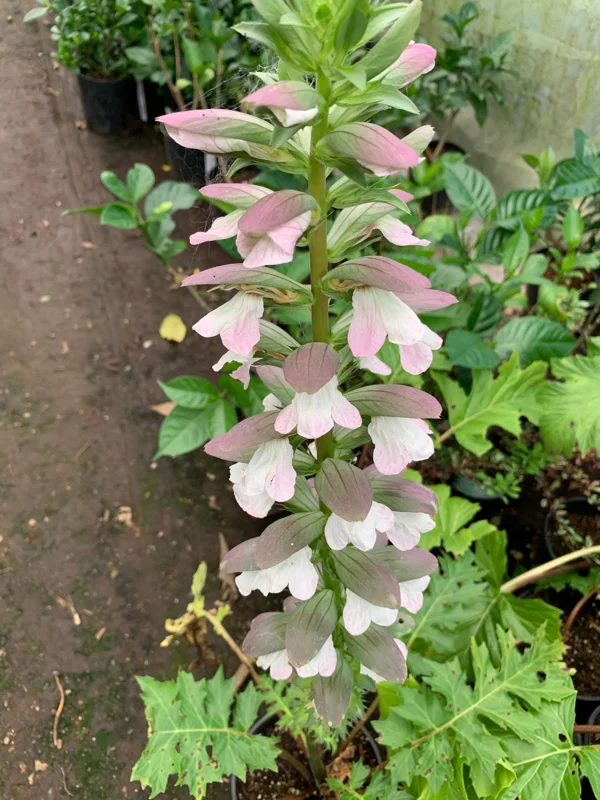
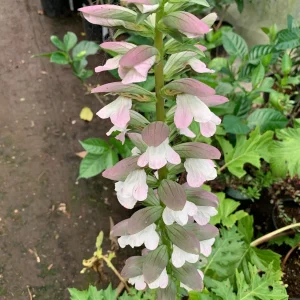
- Stunning Flower Spikes: In late spring to summer, impressive upright spikes emerge, bearing hooded white or pale pink flowers with purple bracts, creating a spectacular display that attracts pollinators.
- Shade Tolerance: Thrives in partial to full shade, making it an ideal solution for brightening up darker corners of the garden where other plants struggle. It’s a perfect shade garden plant.
- Low Maintenance: Once established, Acanthus Mollis is remarkably drought-tolerant and requires minimal care, making it suitable for busy gardeners or those new to gardening.
- Deer Resistant: Its foliage is generally unappealing to deer, offering a reliable option for gardens in areas with deer populations.
- Architectural Interest: The bold form and dramatic texture of the leaves provide year-round structural interest, complementing both contemporary and traditional garden styles.
- Erosion Control: Its strong root system helps stabilize soil on slopes, making it useful for preventing erosion in challenging landscapes.
Plant Care & Growing Tips
Caring for your Bear’s Breeches live plant is straightforward, ensuring years of beautiful foliage and impressive blooms. This resilient perennial prefers a location that mimics its native Mediterranean habitat, with well-drained soil and some protection from intense afternoon sun. Proper watering during establishment and thoughtful placement will help your Acanthus Mollis plant thrive.
Sunlight Requirements: Bear’s Breeches live plant performs best in partial to full shade. While it can tolerate more sun in cooler climates, it generally prefers protection from the harsh afternoon sun, especially in warmer regions, to prevent leaf scorch. Aim for a location that receives 3-6 hours of morning sun or dappled light throughout the day. Watering Schedule & Soil Moisture: Water regularly during its first growing season to establish a strong root system. Once established, Acanthus Mollis is drought-tolerant and requires infrequent watering. Allow the soil to dry out moderately between waterings. Avoid overwatering, as consistently wet soil can lead to root rot. Soil Type & Drainage: This plant prefers rich, fertile, well-draining soil. It can tolerate a range of soil types, from sandy to clay, as long as drainage is adequate. Amend heavy clay soils with compost or organic matter to improve drainage and fertility.
Temperature Range & USDA Hardiness Zone: Acanthus Mollis is hardy in USDA Zones 7-10. In colder zones, it may benefit from winter mulching. It can withstand moderate frost but may suffer leaf damage in prolonged freezing temperatures. Fertilization Schedule & Type: Generally, Acanthus Mollis care requires minimal fertilization. A balanced, slow-release granular fertilizer applied in early spring can promote vigorous growth, but it’s often not necessary in rich garden soil. Common Problems & Solutions: Acanthus Mollis is relatively pest and disease-free. Slugs and snails may occasionally feed on young foliage. Powdery mildew can occur in humid conditions or areas with poor air circulation; ensure good spacing and consider fungicidal sprays if necessary. Deadhead spent flower stalks to encourage neatness and prevent self-seeding, which can be prolific.
Size & Details
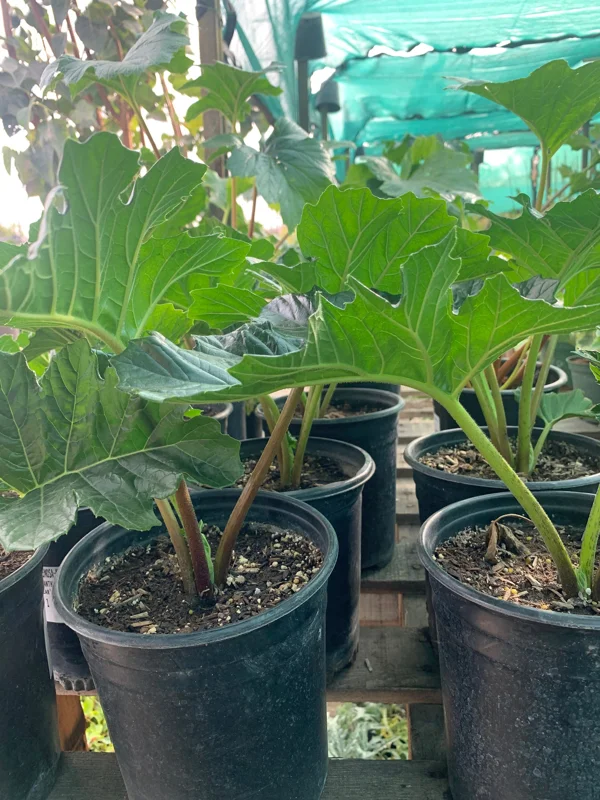
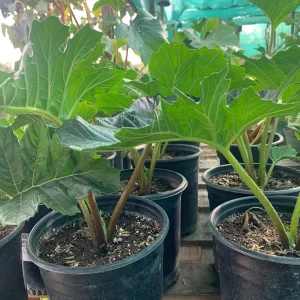
Your Bear’s Breeches live plant arrives as a robust specimen, approximately 1 foot tall, and is shipped in a 1-gallon nursery pot. This size ensures a well-developed root system, allowing for easy transplanting and rapid establishment in your garden. Acanthus Mollis is a vigorous grower and, once mature, can reach an impressive height of 3-5 feet with a spread of 2-3 feet, creating a significant presence in the landscape. The dramatic flower spikes can extend even taller, often reaching 4-6 feet.
This perennial has a moderate to fast growth rate, quickly filling its space with lush foliage. Expect to see substantial growth in its first year, with full maturity typically achieved within 2-3 years. The plant ships with its roots securely in soil, minimizing transplant shock and ensuring a smooth transition to its new home. It will provide architectural interest and stunning blooms for many years to come, making it a valuable addition as an ornamental garden plant.
Frequently Asked Questions
- Q: How big does this plant get? A: Your Bear’s Breeches live plant arrives about 1 foot tall. Once mature, it typically grows 3-5 feet tall and 2-3 feet wide, with flower spikes reaching 4-6 feet in height.
- Q: What size pot does it come in? A: The plant is shipped in a 1-gallon nursery pot, providing a healthy root ball for successful transplanting.
- Q: Is this an indoor or outdoor plant? A: Acanthus Mollis is primarily an outdoor perennial, best suited for garden beds in USDA Zones 7-10. It can be grown in large containers outdoors.
- Q: How much sunlight does it need? A: This shade garden plant prefers partial to full shade, especially in warmer climates. It can tolerate morning sun but should be protected from intense afternoon sun to prevent leaf burn.
- Q: Is this plant easy to care for? A: Yes, Acanthus Mollis care is relatively easy once established. It’s drought-tolerant and requires minimal attention, making it suitable for beginners and experienced gardeners alike.
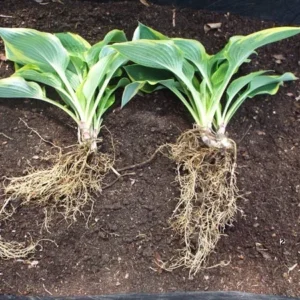
- Q: What condition will it arrive in? A: Your plant will arrive healthy and well-packaged, with its roots securely in soil within the 1-gallon pot, ready for planting.
- Q: How long until it blooms? A: Established plants typically bloom in late spring to summer. If planted in spring, you may see blooms in its first year, especially if it’s a well-developed plant.
- Q: When is the best time to plant? A: Spring or early fall are ideal times to plant Bear’s Breeches live plant, allowing the roots to establish before extreme heat or cold.
- Q: Will it survive winter in my zone? A: Acanthus Mollis is hardy in USDA Zones 7-10. In zone 7, it may benefit from winter mulching to protect the crown. In colder zones, it is often grown as an annual or brought indoors.
- Q: Is it pet-safe? A: While not typically listed as highly toxic, it’s always best to keep plants out of reach of pets to prevent any potential irritation or upset stomach if ingested.
Related products
-10%
Original price was: $149.99.$134.99Current price is: $134.99.
-10%
Original price was: $16.99.$15.29Current price is: $15.29.
-83%
Original price was: $44.97.$7.74Current price is: $7.74.
-30%

Original price was: $63.98.$44.78Current price is: $44.78.
-70%
Original price was: $89.98.$27.00Current price is: $27.00.
-67%
Original price was: $59.97.$19.99Current price is: $19.99.
PLANTING & CARE

The Comprehensive Guide to Growing Bay Leaf Plants for a Flavorful Garden
Imagine stepping into your garden, greeted by the earthy aroma of fresh bay leaves, their
09
Feb
Feb

How to Make Comfrey Tea: The Ultimate Organic Plant Food
Growing an organic garden can be surprisingly expensive, especially when most store-bought fertilizers come in
02
Feb
Feb

True Comfrey: 7 Essential Tips Before You Plant This Herb
A staple in permaculture practices across the US, True Comfrey easily earns its reputation as
27
Jan
Jan

7 Heart-Shaped Plants for a Lasting Valentine’s Gift
If you’ve ever bought a bouquet of roses for Valentine’s Day, you know they are
26
Jan
Jan

Best Types of Ivy Plant for Houses: How to Choose the Perfect Ones for Your Home
Are you a garden lover looking to introduce some greenery into your home? Maybe you’ve
14
Nov
Nov

When to Harvest Garlic (Especially Fall-Planted Garlic)
TIMING IS EVERYTHING, they say – and for garlic, that truth hits with surprising accuracy.
13
Nov
Nov

11 of the Best Sweet Potato Varieties to Grow for Your Garden
If you’ve ever tried growing sweet potatoes, you know that picking the right variety can
12
Nov
Nov
Pruning Bougainvillea for Winter
Bougainvillea vines are known for their dazzling display of magenta, orange, and fuchsia bracts that
05
Nov
Nov