Abiu Live Plant – Pouteria Caimito – Tropical Fruit Tree – 3 ft Tall – 3 Gal Pot
-50%
Abiu Live Plant – Pouteria Caimito – Tropical Fruit Tree – 3 ft Tall – 3 Gal Pot
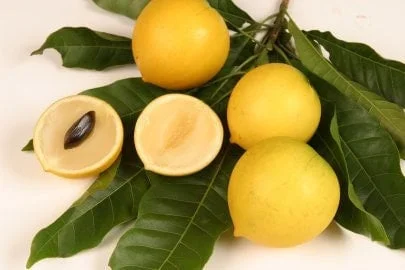
Cultivate your own exotic fruit with this healthy Abiu live plant. Known for its sweet, creamy, caramel-flan flavored fruit, the Pouteria caimito is a stunning addition to any tropical garden or suitable warm climate. This tropical fruit tree is shipped in a 3-gallon pot, ready for planting and thriving.
Original price was: $391.96.$195.98Current price is: $195.98.

With our Alive & Thrive Guarantee, we’ve got your back for the first 30 days! If you have any concerns about your plants, just reach out to us. Our team is here to help answer your questions and guide you in selecting the best plants for your garden, climate, and unique preferences. We're excited to help you create the garden of your dreams!
Estimated arrival
Mar 22
Mar 27 - Mar 29
Apr 01 - Apr 05
Product Details
-
USDA Hardiness Zone
USDA Zones 10-11 -
Soil type
Well-draining, rich sandy loam -
Sunlight Exposure
Full sun to partial shade -
Expected Planting Period
Spring to early summer
Overview
Discover the joy of growing your own exotic fruit with our premium Abiu live plant. Also known by its botanical name, Pouteria caimito, and sometimes referred to by its Vietnamese name, vú sữa hoàng kim, this extraordinary tropical fruit tree is a true gem for any fruit enthusiast. Native to the Amazon region of northwest Brazil, the Abiu is celebrated for its incredibly delicious fruit, which boasts a smooth, creamy texture and a taste often likened to a delightful caramel flan. This particular specimen is a healthy, actively growing tropical fruit tree, ready to be established in your garden or a suitable container. Its vibrant green foliage makes it an attractive ornamental plant even before it begins to bear its golden, succulent fruits. If you’re looking for a unique and rewarding addition to your edible landscape, a growing Abiu tree is an excellent choice.
The Abiu tree thrives in warm, humid climates, making it an ideal candidate for regions like South Florida, along with its established cultivation areas in southeast Brazil and Australia. With proper care, your Abiu live plant will develop into a productive tree, offering abundant harvests of its prized fruit. Imagine picking your own sweet, juicy Abiu fruit, fresh from your garden, a taste sensation that is difficult to find in conventional markets. This plant not only provides a gourmet fruit but also adds a lush, tropical aesthetic to your outdoor space.
Key Benefits
Cultivating an Abiu live plant offers a multitude of benefits, from its delicious fruit to its ornamental appeal. This remarkable tropical fruit tree is a fantastic investment for any home gardener:
- Exotic Fruit Production: Enjoy the unique and highly sought-after Abiu fruit, known for its sweet, custard-like pulp that tastes like caramel flan. Harvesting your own fresh fruit is a truly rewarding experience.
- Ornamental Value: Beyond its fruit, the Pouteria caimito boasts attractive, glossy green leaves and a pleasing tree structure, adding a touch of tropical elegance to your landscape or patio.
- Nutritional Value: Abiu fruit is not only delicious but also a good source of vitamins, particularly Vitamin C, and other beneficial nutrients, contributing to a healthy diet.
- Adaptability: While preferring tropical climates, with appropriate protection, the Abiu live plant can be grown in large containers in slightly cooler zones, allowing more gardeners to experience this fruit.
- Unique Garden Addition: Stand out from common fruit trees by adding a less common, yet incredibly rewarding, tropical fruit tree to your collection, sparking conversation and delight.
- Rewarding Cultivation: The process of growing Abiu from a young plant to a fruit-bearing tree provides immense satisfaction and a deeper connection to nature.
- Potential for Multiple Harvests: In optimal conditions, mature Abiu trees can produce fruit multiple times a year, providing a continuous supply of this delectable treat.
Plant Care & Growing Tips
Proper Abiu plant care is crucial for a healthy and productive tree. This tropical fruit tree thrives in specific conditions that mimic its native Amazonian environment. For optimal growth, plant your Abiu live plant in a location that receives full sun to partial shade, ideally at least 6-8 hours of direct sunlight per day. While it can tolerate some shade, more sun generally leads to better fruit production. Ensure the planting site is protected from strong winds, especially when the tree is young.
Watering is a critical aspect of growing Abiu. The tree prefers consistently moist soil, but it’s essential to avoid waterlogging. Water deeply and regularly, especially during dry periods and when the tree is fruiting. Allow the top inch or two of soil to dry out slightly between waterings to prevent root rot. Excellent drainage is paramount for the health of your Pouteria caimito. Plant in a rich, well-draining soil, ideally a sandy loam with a slightly acidic to neutral pH (6.0-7.0). Amending the soil with organic compost will improve fertility and drainage. The ideal temperature range for Abiu is between 65°F and 90°F (18°C and 32°C). It is sensitive to frost and should be protected when temperatures drop below 40°F (4°C). Fertilize your Abiu live plant with a balanced slow-release fertilizer designed for tropical fruit trees, following the product’s instructions, typically every 2-3 months during the growing season. Pruning is generally minimal, focused on shaping the tree and removing any dead or diseased branches to encourage healthy growth and air circulation. Regular monitoring for pests and diseases will help maintain the vitality of your Abiu plant care routine.
Size & Details
This Abiu live plant, botanically known as Pouteria caimito, is a well-established specimen, typically standing around 3 feet tall from the base of the pot to the top of the foliage. It is shipped securely in a 3-gallon nursery pot, ensuring its roots are well-developed and ready for transplanting into your garden or a larger container. The Abiu tree is considered a medium-sized tree, eventually reaching heights of 15 to 30 feet in optimal conditions, with a spread of 10 to 20 feet. Its growth rate is moderate, allowing you to enjoy its development over time. When considering growing Abiu, remember that it’s a long-term investment, offering years of delicious fruit. This tropical fruit tree typically begins to bear fruit within 3-5 years from planting, depending on growing conditions and care. The fruit itself is typically round to oval, 2-4 inches in diameter, and turns a vibrant yellow when ripe. This healthy, robust plant provides an excellent foundation for a productive Abiu tree in your landscape, making Abiu plant care a rewarding endeavor.
Frequently Asked Questions
- Q: How big does this Abiu live plant get? A: This particular plant is approximately 3 feet tall when shipped in a 3-gallon pot. Mature Abiu trees can reach heights of 15-30 feet in optimal tropical conditions, with a spread of 10-20 feet, making it a substantial tropical fruit tree for your garden.
- Q: Is this an indoor or outdoor plant? A: The Abiu live plant is a tropical fruit tree best grown outdoors in USDA Zones 10-11. In cooler climates, it can be grown in a large container and brought indoors or protected during colder months.
- Q: How much sunlight does the Pouteria caimito need? A: For best results and fruit production, the Pouteria caimito requires full sun exposure, ideally 6-8 hours of direct sunlight per day. It can tolerate partial shade, but fruiting may be reduced.
- Q: Is this plant easy to care for? A: While not considered difficult, Abiu plant care requires attention to its specific needs for warmth, consistent moisture, and well-draining soil. It is a rewarding plant for those willing to provide the right conditions for their tropical fruit tree.
- Q: What condition will the Abiu live plant arrive in? A: Your Abiu live plant will arrive securely packaged in a 3-gallon nursery pot with its roots and soil intact, ensuring it is healthy and ready for transplanting.
- Q: How long until it blooms and produces fruit? A: An Abiu live plant typically starts blooming and producing fruit within 3-5 years after planting, depending on the growing conditions and the care it receives.
- Q: What’s the best time for growing Abiu? A: The best time for growing Abiu is in the spring or early summer, when temperatures are consistently warm and the plant can establish itself before any potential cooler weather.
- Q: What type of soil is best for Abiu? A: The Pouteria caimito thrives in rich, well-draining soil with a slightly acidic to neutral pH (6.0-7.0). Amending with organic matter is highly beneficial for its growth and fruit production.
- Q: Will it survive winter in my zone? A: Abiu is very sensitive to frost. It will only survive winters outdoors in USDA Zones 10 and 11. In colder zones, it must be grown in a container and protected from cold temperatures or brought indoors.
- Q: Is the Abiu fruit really like caramel flan? A: Yes, the fruit of the Abiu live plant is famously described as having a smooth, creamy pulp with a sweet flavor reminiscent of caramel flan, making it a truly delicious and unique tropical treat.
Related products
-20%
Original price was: $80.00.$64.00Current price is: $64.00.
-20%
Original price was: $36.00.$28.80Current price is: $28.80.
-10%
Original price was: $158.00.$142.20Current price is: $142.20.
-20%
Original price was: $34.00.$27.20Current price is: $27.20.
-49%
Original price was: $59.38.$29.99Current price is: $29.99.
-10%
Original price was: $48.99.$44.09Current price is: $44.09.
-20%
Original price was: $31.98.$25.58Current price is: $25.58.
-20%
Original price was: $60.00.$48.00Current price is: $48.00.
PLANTING & CARE

The Comprehensive Guide to Growing Bay Leaf Plants for a Flavorful Garden
Imagine stepping into your garden, greeted by the earthy aroma of fresh bay leaves, their
09
Feb
Feb

How to Make Comfrey Tea: The Ultimate Organic Plant Food
Growing an organic garden can be surprisingly expensive, especially when most store-bought fertilizers come in
02
Feb
Feb

True Comfrey: 7 Essential Tips Before You Plant This Herb
A staple in permaculture practices across the US, True Comfrey easily earns its reputation as
27
Jan
Jan

7 Heart-Shaped Plants for a Lasting Valentine’s Gift
If you’ve ever bought a bouquet of roses for Valentine’s Day, you know they are
26
Jan
Jan

Best Types of Ivy Plant for Houses: How to Choose the Perfect Ones for Your Home
Are you a garden lover looking to introduce some greenery into your home? Maybe you’ve
14
Nov
Nov

When to Harvest Garlic (Especially Fall-Planted Garlic)
TIMING IS EVERYTHING, they say – and for garlic, that truth hits with surprising accuracy.
13
Nov
Nov

11 of the Best Sweet Potato Varieties to Grow for Your Garden
If you’ve ever tried growing sweet potatoes, you know that picking the right variety can
12
Nov
Nov
Pruning Bougainvillea for Winter
Bougainvillea vines are known for their dazzling display of magenta, orange, and fuchsia bracts that
05
Nov
Nov