Atemoya Fruit Tree Live Plant – 3 to 4 Feet Tall – Ships in 3 Gallon Pot
-50%
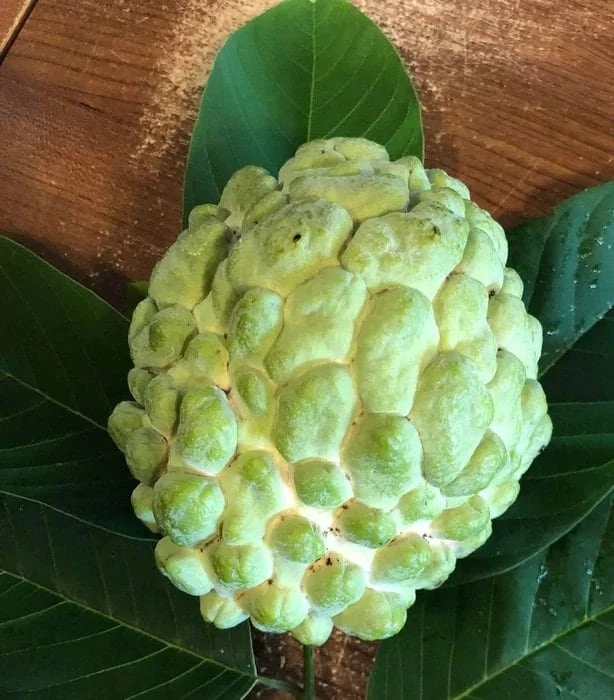
Atemoya Fruit Tree Live Plant – 3 to 4 Feet Tall – Ships in 3 Gallon Pot
Cultivate your own exotic fruit with this atemoya fruit tree. This live plant, approximately 3 to 4 feet tall, arrives in a 3-gallon pot, ready to thrive in your home garden. Enjoy the sweet, custardy taste of fresh atemoya fruit grown right at home.
Original price was: $427.96.$213.98Current price is: $213.98.

With our Alive & Thrive Guarantee, we’ve got your back for the first 30 days! If you have any concerns about your plants, just reach out to us. Our team is here to help answer your questions and guide you in selecting the best plants for your garden, climate, and unique preferences. We're excited to help you create the garden of your dreams!
Estimated arrival
Mar 22
Mar 27 - Mar 29
Apr 01 - Apr 05

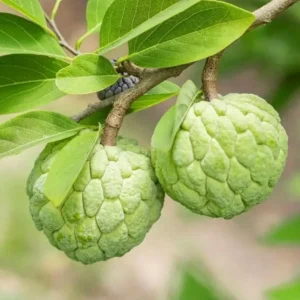
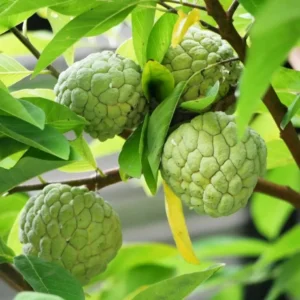
Product Details
-
USDA Hardiness Zone
USDA Zones 9-11 -
Soil type
Well-draining, fertile, slightly acidic to neutral soil -
Sunlight Exposure
Full sun (6-8+ hours direct light) -
Expected Planting Period
Year-round in warm climates; spring/early summer in cooler zones
Overview
Bring the tropics to your backyard with our vibrant atemoya fruit tree. This live plant offers the promise of delicious, sweet, and custardy fruit, a true delicacy for any fruit enthusiast. The atemoya, a hybrid of cherimoya and sugar apple, is renowned for its unique flavor profile, often described as a blend of pineapple, mango, and vanilla. Our trees are carefully nurtured to ensure they are healthy and ready to establish in your garden. Standing approximately 3 to 4 feet tall and shipped in a 3-gallon pot, this plant is at an excellent stage for transplanting and growth. Growing your own atemoya fruit provides an unparalleled experience, allowing you to enjoy fresh, organic produce with superior taste compared to store-bought options.
The atemoya fruit tree is a fantastic addition to any home orchard, providing not only delectable fruit but also an attractive, tropical presence. Known scientifically as Annona × cherimola × squamosa, the atemoya is a relatively fast-growing tree that can begin producing fruit within a few years under optimal conditions. Its lush foliage and unique blossoms add ornamental value to your landscape. This particular variety is chosen for its vigor and fruit quality, making it a rewarding plant for both novice and experienced gardeners looking to grow atemoya fruit at home.
Key Benefits
Investing in an atemoya fruit tree offers a multitude of benefits, from the sheer joy of harvesting your own exotic fruit to enhancing your garden’s aesthetic appeal.
- Exotic Fruit Production: Enjoy the unique, sweet, and creamy flavor of fresh atemoya fruit, a delicious blend of tropical tastes that is hard to find in regular grocery stores. Growing your own ensures peak ripeness and flavor.
- Nutritional Value: Atemoya fruit is rich in vitamins C and B6, dietary fiber, and antioxidants, contributing to a healthy diet and overall well-being.
- Garden Enhancement: The tree’s attractive foliage and unique flowers add a tropical and ornamental touch to your landscape, creating a beautiful focal point in your garden.
- Rewarding Growing Experience: Experience the satisfaction of nurturing a plant from a young tree to a fruit-bearing specimen. Learning atemoya plant care is a fulfilling endeavor.
- Freshness and Quality: Harvest fruit directly from your tree, ensuring the freshest possible produce free from pesticides or artificial ripening agents often associated with commercial farming.
- Unique Flavor Profile: The complex taste, often compared to custard, vanilla, and pineapple, makes the atemoya a gourmet delight. This is why many seek an atemoya tree for sale.
- Adaptability: While tropical, certain atemoya varieties can adapt to various climates with proper care, especially when protected from frost.
Plant Care & Growing Tips
Proper atemoya plant care is crucial for a healthy, fruit-bearing tree. Atemoyas thrive in warm, subtropical to tropical climates, ideally in USDA Zones 9-11. They prefer a location with full sun exposure, meaning at least 6-8 hours of direct sunlight per day. If you are in a cooler zone, consider growing it in a large container that can be moved indoors during colder months. Protection from strong winds is also beneficial, especially for young trees. Ensure good air circulation around the tree to prevent fungal issues.
The ideal soil for an atemoya fruit tree is well-draining, fertile, and slightly acidic to neutral (pH 6.0-7.0). Amend heavy clay soils with organic matter like compost or aged manure to improve drainage and fertility. For container-grown plants, use a high-quality potting mix specifically formulated for fruit trees. Watering is critical, especially during dry periods and when the tree is fruiting. Water deeply and regularly, allowing the top few inches of soil to dry out slightly between waterings. Avoid waterlogging, as this can lead to root rot. Fertilize young trees every 2-3 months with a balanced fertilizer, gradually transitioning to a fertilizer higher in phosphorus and potassium as the tree matures and begins to fruit. Pruning should focus on shaping the tree, removing dead or diseased branches, and encouraging new growth for better fruit production. Pollination can sometimes be a challenge; hand-pollination might be necessary in areas with insufficient natural pollinators for the best yield of atemoya fruit.
Pest and disease management is an ongoing aspect of atemoya plant care. Keep an eye out for common pests like mealybugs, scale insects, and fruit flies. Address infestations promptly with organic pest control methods or appropriate horticultural oils. Fungal diseases can occur in humid conditions, so ensure good air circulation and avoid overhead watering. Consistent monitoring and timely intervention will help maintain the health and productivity of your atemoya tree for sale.
Size & Details
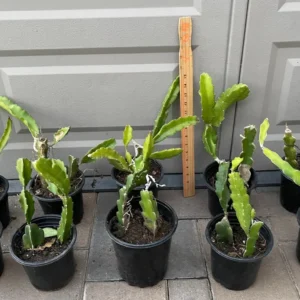
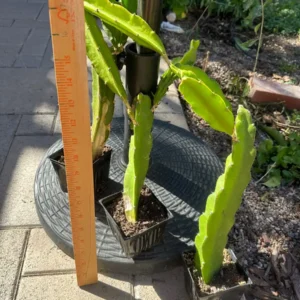
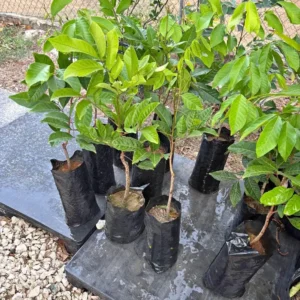
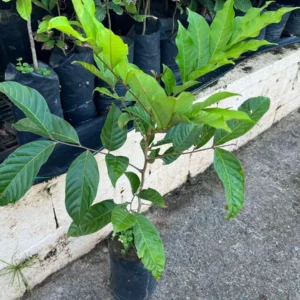
This offering is for one robust atemoya fruit tree, a live plant that stands approximately 3 to 4 feet tall from the base of the pot to the top of the foliage. It is shipped securely in a 3-gallon nursery pot, ensuring the root system is well-established and ready for transplanting into your garden or a larger container. The tree has been grown from a healthy specimen, boasting a strong root system and vibrant green leaves. Growth rate can vary depending on climate and care, but atemoyas are known for their relatively quick development, often beginning to bear fruit within 2-4 years after planting.
Upon arrival, the tree will be carefully packaged to minimize stress during transit. We recommend transplanting it into its permanent location or a larger pot within a few days of receipt. With proper care, this atemoya fruit tree will grow into a productive and beautiful addition to your edible landscape, providing you with a bountiful harvest of delicious fruit for years to come. This size is ideal for establishing a young orchard or for growing in a large patio container.
Frequently Asked Questions
- Q: How big does this atemoya fruit tree get? A: This particular tree is 3 to 4 feet tall upon shipment. With proper care, an atemoya fruit tree can reach heights of 15-20 feet, though it can be kept smaller with regular pruning, especially if grown in a container.
- Q: Is this an indoor or outdoor plant? A: The atemoya fruit tree is primarily an outdoor plant suited for subtropical and tropical climates (USDA Zones 9-11). However, it can be grown indoors in a large container in colder regions, provided it receives ample sunlight and proper humidity.
- Q: How much sunlight does an atemoya plant need? A: Atemoya trees require full sun exposure, meaning at least 6-8 hours of direct sunlight per day, to thrive and produce abundant fruit.
- Q: What condition will the atemoya tree arrive in? A: Your atemoya fruit tree will arrive as a live plant, approximately 3 to 4 feet tall, securely packaged in its 3-gallon nursery pot with a healthy root system and foliage, ready for planting.
- Q: Is this plant easy to care for? A: While atemoya plant care requires attention to watering, sunlight, and soil conditions, it is generally considered moderately easy for gardeners familiar with fruit trees. Beginners can succeed with diligent care.
- Q: What is the best soil for growing atemoya fruit? A: Atemoyas prefer well-draining, fertile soil with a slightly acidic to neutral pH (6.0-7.0). Amending with organic matter is beneficial for improving soil structure and nutrients to grow atemoya fruit.
- Q: How long until this atemoya tree produces fruit? A: Under optimal growing conditions, your atemoya fruit tree can begin producing fruit within 2 to 4 years after planting. Fruit production improves as the tree matures.
- Q: Is the atemoya tree susceptible to any common pests or diseases? A: Like most fruit trees, atemoyas can be susceptible to pests like mealybugs and scale, and some fungal issues in humid conditions. Regular inspection and appropriate preventative measures are part of good atemoya plant care.
- Q: Can I grow this specific atemoya tree for sale in a container? A: Yes, the atemoya fruit tree can be successfully grown in a large container, which is an excellent option for gardeners in cooler climates who need to move the tree indoors during winter.
- Q: What is the scientific name for atemoya? A: The scientific name for atemoya is Annona × cherimola × squamosa, highlighting its hybrid origin from cherimoya and sugar apple. This is why it’s sometimes referenced as cherimoya annona atemoya.
Related products
-50%
Original price was: $39.98.$19.99Current price is: $19.99.
-20%
Original price was: $50.00.$40.00Current price is: $40.00.
-10%
Original price was: $23.99.$21.59Current price is: $21.59.
-20%
Original price was: $56.00.$44.80Current price is: $44.80.
-20%
Original price was: $32.00.$25.60Current price is: $25.60.
-10%
Original price was: $89.99.$80.99Current price is: $80.99.
PLANTING & CARE

The Comprehensive Guide to Growing Bay Leaf Plants for a Flavorful Garden
Imagine stepping into your garden, greeted by the earthy aroma of fresh bay leaves, their
09
Feb
Feb

How to Make Comfrey Tea: The Ultimate Organic Plant Food
Growing an organic garden can be surprisingly expensive, especially when most store-bought fertilizers come in
02
Feb
Feb

True Comfrey: 7 Essential Tips Before You Plant This Herb
A staple in permaculture practices across the US, True Comfrey easily earns its reputation as
27
Jan
Jan

7 Heart-Shaped Plants for a Lasting Valentine’s Gift
If you’ve ever bought a bouquet of roses for Valentine’s Day, you know they are
26
Jan
Jan

Best Types of Ivy Plant for Houses: How to Choose the Perfect Ones for Your Home
Are you a garden lover looking to introduce some greenery into your home? Maybe you’ve
14
Nov
Nov

When to Harvest Garlic (Especially Fall-Planted Garlic)
TIMING IS EVERYTHING, they say – and for garlic, that truth hits with surprising accuracy.
13
Nov
Nov

11 of the Best Sweet Potato Varieties to Grow for Your Garden
If you’ve ever tried growing sweet potatoes, you know that picking the right variety can
12
Nov
Nov
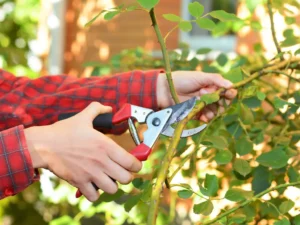
Pruning Bougainvillea for Winter
Bougainvillea vines are known for their dazzling display of magenta, orange, and fuchsia bracts that
05
Nov
Nov