Tropical Gooseberry Live Plant – Amla Berry – 2-3 Feet Tall – 3 Gallon Pot
-50%
Tropical Gooseberry Live Plant – Amla Berry – 2-3 Feet Tall – 3 Gallon Pot
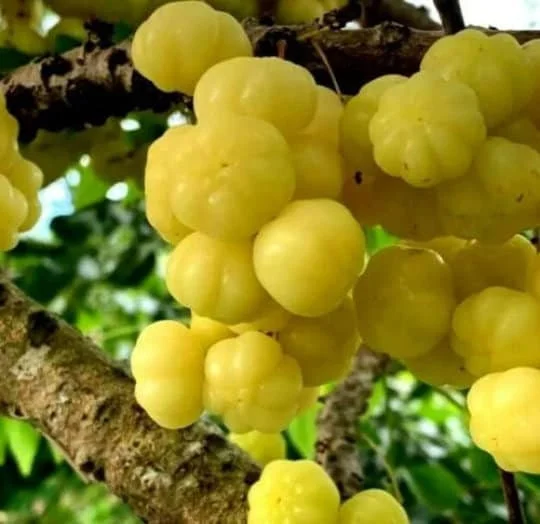
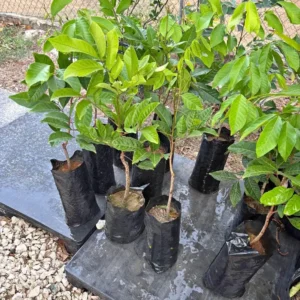
Bring the exotic taste of the tropics to your garden with this tropical gooseberry live plant. Also known as Amla Berry or Indian Gooseberry, this healthy plant stands 2-3 feet tall and ships in a 3-gallon pot, ready for planting. Enjoy fresh, nutritious fruit right from your backyard!
Original price was: $355.96.$177.98Current price is: $177.98.

With our Alive & Thrive Guarantee, we’ve got your back for the first 30 days! If you have any concerns about your plants, just reach out to us. Our team is here to help answer your questions and guide you in selecting the best plants for your garden, climate, and unique preferences. We're excited to help you create the garden of your dreams!
Estimated arrival
Mar 22
Mar 27 - Mar 29
Apr 01 - Apr 05
Product Details
-
USDA Hardiness Zone
USDA zones 9–11 -
Soil type
Well-draining, slightly acidic to neutral soil -
Sunlight Exposure
Full sun (6-8 hours direct light) -
Expected Planting Period
Spring to early summer
Overview
Cultivate your own superfood with this vibrant tropical gooseberry live plant. Known botanically as Phyllanthus emblica, and commonly referred to as Amla Berry or Indian Gooseberry, this exquisite fruit-bearing plant is a fantastic addition to any garden or edible landscape. Our healthy specimens arrive at 2 to 3 feet tall, securely rooted in a 3-gallon pot, ensuring they are well-established and ready for successful transplanting. The tropical gooseberry is celebrated not only for its distinctive tart and tangy fruits but also for its significant nutritional value, making it a favorite among health enthusiasts and culinary adventurers alike. Originating from Southeast Asia, this resilient plant thrives in warm climates and can provide a bountiful harvest of delicious berries when given proper care and conditions. Experience the joy of growing your own exotic fruit with this exceptional plant.
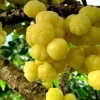
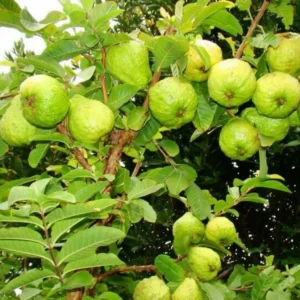
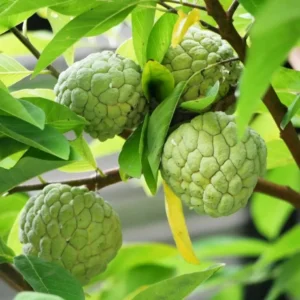
The tropical gooseberry live plant offers a unique opportunity to grow a less common, yet highly beneficial, fruit. Its ability to adapt to various growing conditions, combined with its robust nature, makes it suitable for both experienced gardeners and those new to cultivating tropical fruits. This plant will mature to produce small, round, greenish-yellow fruits that are packed with Vitamin C and antioxidants. Whether you’re looking to expand your edible garden or simply enjoy the beauty of a lush, fruit-bearing tree, this Amla Berry plant is an excellent choice.
Key Benefits
Investing in a tropical gooseberry live plant brings a multitude of advantages, from its health-promoting fruits to its aesthetic appeal in the garden. Here are some of the key benefits you can expect:
- Nutrient-Rich Fruits: The Amla berries produced by this plant are renowned for their exceptionally high Vitamin C content, along with a wealth of antioxidants and other beneficial compounds. Incorporating them into your diet can support overall wellness and boost your immune system.
- Exotic Garden Addition: This plant adds a unique tropical flair to your outdoor space, providing visual interest with its attractive foliage and charming fruits. It’s a talking point for visitors and a delight for the gardener.
- Culinary Versatility: The tart flavor of indian gooseberry benefits a wide range of culinary applications. Use the fresh fruits in juices, jams, chutneys, or as a vibrant addition to savory dishes. They can also be dried or pickled.
- Medicinal Properties: Amla berries have been used for centuries in traditional medicine systems like Ayurveda for their purported health benefits, including digestive support and anti-inflammatory properties.
- Relatively Low Maintenance: Once established, the tropical gooseberry is a hardy plant that requires moderate care, making it a rewarding choice for gardeners who appreciate a productive yet manageable fruit tree.
- Sustainable & Fresh Produce: Growing your own means you have access to fresh, organic, and pesticide-free fruit, reducing your reliance on store-bought produce and contributing to a more sustainable lifestyle.
- Adaptive Growth: While preferring warmer climates, this plant can be successfully grown in containers in cooler regions, allowing you to move it indoors during colder months.
Plant Care & Growing Tips
Ensuring your tropical gooseberry live plant thrives requires attention to a few key environmental factors. This plant generally prefers a warm, sunny location. It should receive at least 6-8 hours of direct sunlight per day to encourage strong growth and abundant fruit production. In regions with intense afternoon sun, some partial shade during the hottest part of the day can be beneficial, especially for younger plants. If growing indoors in a container, place it near a south-facing window or use supplemental grow lights.
Consistent watering is crucial, particularly during the plant’s establishment phase and dry spells. The soil should be kept consistently moist but never waterlogged. Allow the top inch or two of soil to dry out slightly between waterings. Good drainage is paramount; ensure your pot has drainage holes, and if planting in the ground, amend heavy clay soils with organic matter to improve permeability. A well-draining, slightly acidic to neutral soil (pH 6.0-7.0) is ideal for the chùm ruột plant. Regular watering is key for healthy development of your amla berry plant care routine.
The tropical gooseberry is relatively tolerant to various temperatures but prefers warm conditions. It is best suited for USDA hardiness zones 9-11 for outdoor planting. In cooler zones, it can be grown in containers and brought indoors when temperatures drop below 40°F (4°C). Fertilize your plant every 2-3 months during the growing season (spring through summer) with a balanced, slow-release fertilizer or an organic fruit tree fertilizer. Pruning should be done to maintain shape, remove dead or diseased branches, and encourage air circulation. While generally robust, keep an eye out for common pests like aphids and scale insects, treating them with organic pest control methods if necessary.
Size & Details
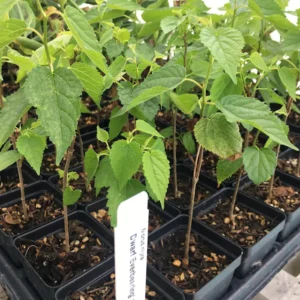
This offering is for one healthy tropical gooseberry live plant, which arrives approximately 2 to 3 feet tall from the base of the plant to the tip of its tallest stem. Each plant is carefully nurtured and shipped in a sturdy 3-gallon nursery pot, providing ample root space for continued growth and minimizing transplant shock. The plant’s width will vary based on its branching structure, typically ranging from 1 to 1.5 feet at the time of shipment. With proper care, these plants exhibit a moderate to fast growth rate, quickly establishing themselves in their new environment. You can expect your plant to begin producing fruit within 2-3 years, with yields increasing as the plant matures. The robust root system within the 3-gallon pot ensures a strong start for your new tropical fruit tree, setting it up for successful establishment.
Frequently Asked Questions
- Q: How big does this tropical gooseberry plant get? A: This tropical gooseberry live plant is currently 2-3 feet tall and can eventually grow into a small to medium-sized tree, reaching heights of 15-25 feet in ideal conditions, though it can be kept smaller with pruning.
- Q: What size pot does it come in? A: The plant is shipped in a 3-gallon nursery pot, providing a well-established root system ready for transplanting into a larger container or directly into your garden.
- Q: Is this an indoor or outdoor plant? A: The tropical gooseberry thrives outdoors in USDA zones 9-11. In cooler climates, it can be grown in a large container and moved indoors during the colder months, making it versatile.
- Q: How much sunlight does it need? A: For optimal growth and fruit production, your amla berry plant care should include at least 6-8 hours of direct sunlight per day. It prefers full sun but can tolerate some afternoon shade in very hot climates.
- Q: Is this plant easy to care for? A: Once established, the tropical gooseberry is considered relatively low-maintenance. It requires consistent watering, good drainage, and occasional fertilization, making it suitable for gardeners of varying experience levels.
- Q: What condition will it arrive in? A: Your plant will arrive healthy and well-packaged, securely rooted in its 3-gallon pot. We take great care to ensure it reaches you in excellent condition, ready to thrive.
- Q: Can I use the fruits in cooking? A: Absolutely! The fruits of the indian gooseberry benefits many culinary uses. They are excellent in juices, jams, chutneys, and pickles, and can also be eaten fresh for a tart, tangy treat.
- Q: When is the best time to plant? A: The best time to plant your tropical gooseberry is in the spring or early summer, after all danger of frost has passed, allowing it ample time to establish before cooler weather.
- Q: Will it survive winter in my zone? A: If you are in USDA zones 9-11, it will likely survive winter outdoors. In zones 8 and below, it’s best to grow it in a container and bring it inside when temperatures consistently drop below 40°F (4°C).
- Q: What’s the minimum temperature it can tolerate? A: The tropical gooseberry is sensitive to frost. It can tolerate brief dips to around 30-35°F (-1 to 2°C) once mature, but prolonged exposure to freezing temperatures will cause damage.
- Q: Are there any specific soil requirements for the chùm ruột plant? A: This plant prefers well-draining soil with a slightly acidic to neutral pH (6.0-7.0). Amend heavy clay soils with organic matter to improve drainage and aeration.
Related products
-20%
Original price was: $32.00.$25.60Current price is: $25.60.
-10%
Original price was: $28.99.$26.09Current price is: $26.09.
-49%
Original price was: $59.38.$29.99Current price is: $29.99.
-20%
Original price was: $66.00.$52.80Current price is: $52.80.
-20%
Original price was: $31.98.$25.58Current price is: $25.58.
-10%
Original price was: $158.00.$142.20Current price is: $142.20.
-20%
Original price was: $32.00.$25.60Current price is: $25.60.
-20%
Original price was: $34.00.$27.20Current price is: $27.20.
PLANTING & CARE

The Comprehensive Guide to Growing Bay Leaf Plants for a Flavorful Garden
Imagine stepping into your garden, greeted by the earthy aroma of fresh bay leaves, their
09
Feb
Feb

How to Make Comfrey Tea: The Ultimate Organic Plant Food
Growing an organic garden can be surprisingly expensive, especially when most store-bought fertilizers come in
02
Feb
Feb

True Comfrey: 7 Essential Tips Before You Plant This Herb
A staple in permaculture practices across the US, True Comfrey easily earns its reputation as
27
Jan
Jan

7 Heart-Shaped Plants for a Lasting Valentine’s Gift
If you’ve ever bought a bouquet of roses for Valentine’s Day, you know they are
26
Jan
Jan

Best Types of Ivy Plant for Houses: How to Choose the Perfect Ones for Your Home
Are you a garden lover looking to introduce some greenery into your home? Maybe you’ve
14
Nov
Nov

When to Harvest Garlic (Especially Fall-Planted Garlic)
TIMING IS EVERYTHING, they say – and for garlic, that truth hits with surprising accuracy.
13
Nov
Nov

11 of the Best Sweet Potato Varieties to Grow for Your Garden
If you’ve ever tried growing sweet potatoes, you know that picking the right variety can
12
Nov
Nov
Pruning Bougainvillea for Winter
Bougainvillea vines are known for their dazzling display of magenta, orange, and fuchsia bracts that
05
Nov
Nov