Plant Shipping Heat Pack Add-On – 96 or 110 Hour Duration – For Live Plants
-40%
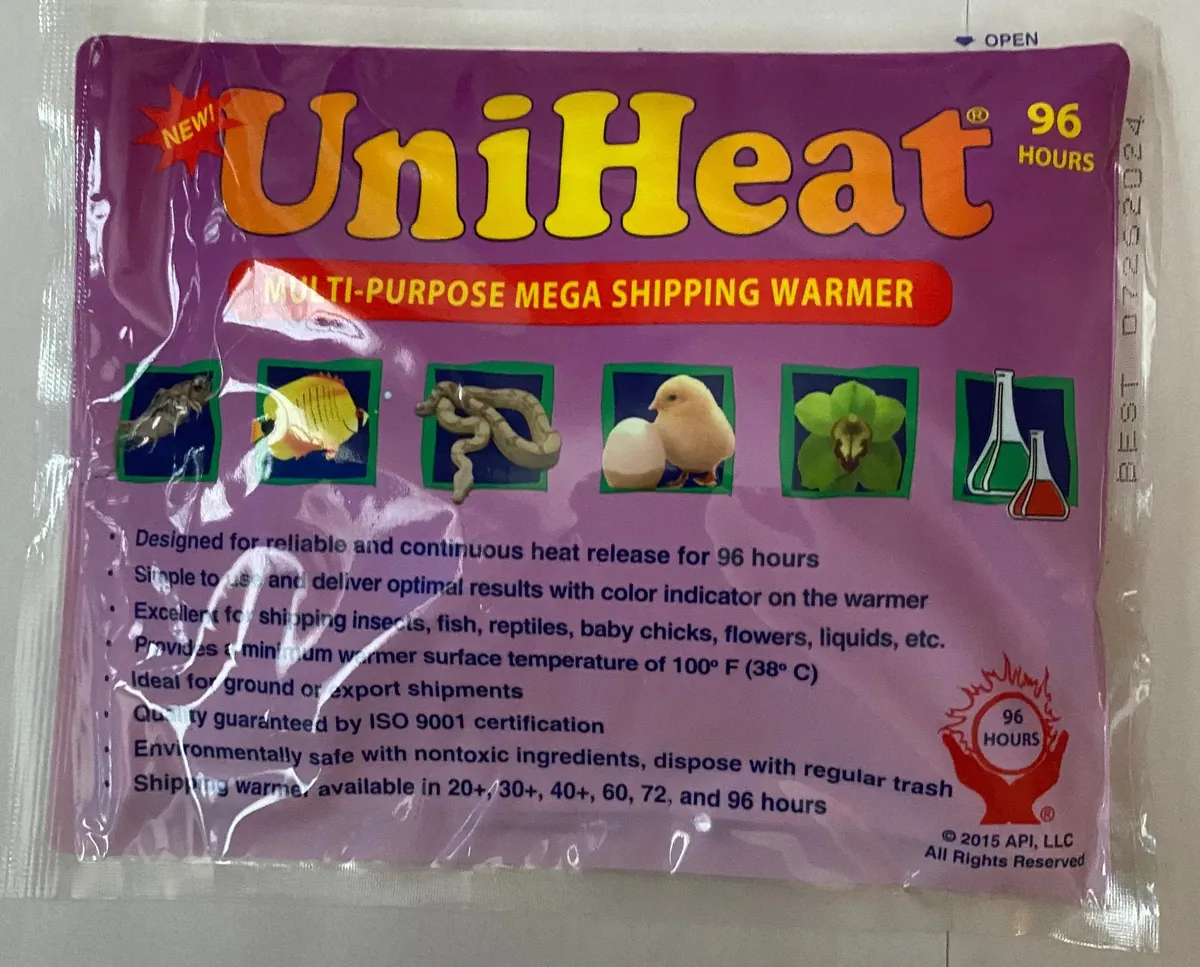
Plant Shipping Heat Pack Add-On – 96 or 110 Hour Duration – For Live Plants
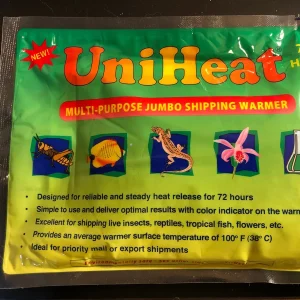
Ensure the safe arrival of your plants with a reliable plant shipping heat pack. This accessory provides essential warmth, protecting live plants from cold temperatures during transit. Choose between 96 hour heat pack or 110 hour heat pack options to suit your shipping needs.
Original price was: $12.92.$7.76Current price is: $7.76.

With our Alive & Thrive Guarantee, we’ve got your back for the first 30 days! If you have any concerns about your plants, just reach out to us. Our team is here to help answer your questions and guide you in selecting the best plants for your garden, climate, and unique preferences. We're excited to help you create the garden of your dreams!
Estimated arrival
Mar 16
Mar 21 - Mar 23
Mar 26 - Mar 30






Product Details
-
USDA Hardiness Zone
unknown -
Soil type
Not applicable (plant accessory) -
Sunlight Exposure
Not applicable (plant accessory) -
Expected Planting Period
Year-round for shipping protection
Overview
Ensure the safe and healthy arrival of your botanical treasures with a reliable plant shipping heat pack. This essential accessory is designed to provide consistent warmth for live plants during colder shipping conditions, safeguarding them from temperature fluctuations. When temperatures drop below optimal levels for plant health, adding a heat pack to your order becomes crucial. Our heat packs are specifically formulated to release gentle, sustained heat over an extended period, creating a microclimate within your package that helps insulate your plants from the chill. This product is an add-on accessory, intended to be shipped alongside your live plant purchases to help maintain their vitality and prevent cold damage. It’s an indispensable item for anyone shipping or receiving sensitive plants in cooler climates, offering peace of mind that your investment is protected.
The primary function of this heat pack for plants is to maintain a stable, warm environment, mitigating the risk of frostbite or cold shock. It’s particularly vital for tropical, subtropical, or young plants that are highly susceptible to cold stress. By incorporating this simple yet effective solution, you significantly increase the chances of your plants arriving in pristine condition, ready to thrive in their new home. This accessory is a non-toxic, environmentally responsible choice, providing warmth through a natural exothermic reaction. Whether you’re sending a gift or expanding your own collection, a heat pack is a smart addition to any plant order during the colder months.
Key Benefits
Investing in a high-quality plant shipping heat pack offers numerous advantages for both shippers and recipients of live plants, ensuring the well-being of your botanical cargo.
- Protects Against Cold Damage: Our heat packs actively generate warmth, creating a buffer against freezing temperatures and preventing cold shock, frostbite, and other temperature-related damage to your delicate live plants. This is crucial for maintaining the plant’s health and vigor upon arrival.
- Ensures Plant Vitality: By keeping plants comfortably warm, these heat packs help to preserve their metabolic functions and overall vitality during transit, reducing stress and ensuring they arrive ready to thrive.
- Extended Warmth Duration: Available in both 96 hour heat pack and 110 hour heat pack options, these products provide sustained warmth for several days, accommodating various shipping durations and potential transit delays.
- Simple & Effective Solution: Easy to activate and integrate into plant packaging, this heat pack offers a straightforward yet highly effective method for cold weather plant protection without requiring complex setup.
- Reduces Shipping Risks: Minimize the risk of plant loss due to cold weather, thereby protecting your investment and reducing the need for replacements or returns. This contributes to a smoother and more reliable shipping experience.
- Versatile Application: Suitable for a wide range of live plants, from tropical houseplants to succulents and young seedlings, making it a versatile tool for any plant enthusiast or nursery.
- Peace of Mind: Knowing your plants are protected by a reliable plant warmth during shipping solution provides confidence and reduces anxiety associated with shipping live plants in less-than-ideal weather conditions.
Plant Care & Growing Tips
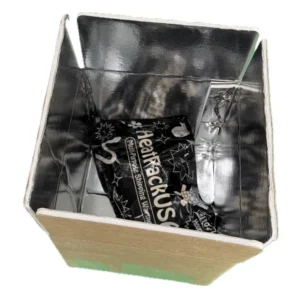
While this product is a plant shipping heat pack and not a live plant, understanding its proper use is crucial for optimizing plant care during transit. The heat pack is designed to activate upon exposure to air, generating a steady warmth. It’s essential to place the heat pack strategically within the shipping box, typically nestled among the plant’s packaging materials, ensuring it doesn’t directly touch the plant foliage or roots, which could cause localized overheating. The goal is to warm the air surrounding the plant, not the plant itself directly.
When preparing your plants for shipment with a heat pack for plants, ensure the plant is well-hydrated but not waterlogged. Excess moisture can lead to fungal issues in a warm, enclosed environment. Wrap the plant’s pot to prevent soil spillage and secure the plant to minimize movement. For optimal performance of the heat pack, insulate the box thoroughly using packing peanuts, shredded paper, or bubble wrap. This insulation helps to trap the warmth generated by the heat pack, extending its effectiveness and ensuring a consistent temperature for the duration of the plant warmth during shipping. Always check weather forecasts at both the origin and destination to select the appropriate duration heat pack, such as a 96 hour heat pack for shorter journeys or a 110 hour heat pack for longer ones, ensuring continuous protection.
Upon arrival, immediately unpack your plants and allow them to acclimate to their new environment. Even with a heat pack, transit can be stressful. Place them in a suitable location with appropriate lighting and temperature, and refrain from immediate watering unless the soil is completely dry. Giving them a few days to recover before any major care routines, like repotting or heavy fertilization, is recommended. The heat pack has done its job of protecting during transport; now it’s up to you to continue providing the best care.
Size & Details
This product is an essential accessory for ensuring plant warmth during shipping. It is available in two effective durations: a 96 hour heat pack and a 110 hour heat pack. Both options are compact and designed to be easily integrated into various shipping box sizes, typically measuring approximately 4 x 6 inches, though specific dimensions may vary slightly by manufacturer. Each heat pack is formulated to release a consistent, gentle heat, maintaining an ideal temperature range within the shipping container for its specified duration. They activate upon contact with air and are single-use items. The choice between the 96-hour and 110-hour option depends on the anticipated transit time and the severity of the cold weather conditions. These heat packs are intended as an add-on to plant purchases, providing critical protection for live plants against ambient temperatures below 50°F (10°C) during shipment, helping to prevent cold damage and ensure healthy arrival.
Frequently Asked Questions
- Q: How big is a plant shipping heat pack? A: While exact dimensions can vary, most plant shipping heat pack products are compact, typically measuring around 4 to 6 inches in length and width, making them easy to fit within various shipping boxes.
- Q: How much warmth does this heat pack for plants provide? A: These heat packs are designed to raise the internal temperature of a well-insulated package by approximately 10-20 degrees Fahrenheit above the ambient temperature, providing crucial plant warmth during shipping.
- Q: Is this heat pack suitable for all types of live plants? A: Yes, these heat packs are generally suitable for most live plants, especially those sensitive to cold. They are a universal solution for protecting various species during cold weather transit to ensure safe delivery.
- Q: How do I know whether to choose a 96 hour heat pack or a 110 hour heat pack? A: The choice depends on your estimated shipping duration. If your package is expected to be in transit for up to four days, a 96 hour heat pack is usually sufficient. For longer journeys, up to five days, a 110 hour heat pack offers extended protection.
- Q: How do I activate the heat pack for plants? A: These heat packs are air-activated. Simply remove them from their outer packaging just before placing them in the shipping box. Exposure to air will initiate the heating process.
- Q: Can I reuse the plant shipping heat pack? A: No, these heat packs are single-use items. Once their chemical reaction is complete and they no longer generate heat, they cannot be reactivated and should be disposed of responsibly.
- Q: What temperature range is recommended for using a heat pack? A: It’s generally recommended to use a heat pack when temperatures along the shipping route are expected to be consistently below 50°F (10°C) to provide adequate plant warmth during shipping.
- Q: Does the heat pack need to be directly touching the plant? A: No, it is best to place the heat pack near the plant but not directly touching its leaves or roots. The goal is to warm the air inside the box, not to apply direct heat to the plant itself, which could cause damage.
- Q: How do these heat packs contribute to the overall health of my plants during transit? A: By preventing cold stress and maintaining a stable temperature, the heat packs reduce physiological shock, helping plants retain moisture, avoid dormancy, and arrive in a healthier, more vibrant condition.
- Q: Can a 96 hour heat pack protect plants during a five-day transit? A: While a 96 hour heat pack provides four days of warmth, for a five-day transit, a 110 hour heat pack would offer more reliable and continuous protection, especially if there are unexpected delays.
Related products
-50%
Original price was: $24.00.$12.00Current price is: $12.00.
-50%

Original price was: $23.96.$11.98Current price is: $11.98.
-50%


Original price was: $39.96.$19.98Current price is: $19.98.
-40%

Original price was: $60.28.$36.16Current price is: $36.16.
-50%


Original price was: $35.96.$17.98Current price is: $17.98.
-50%

Original price was: $30.00.$15.00Current price is: $15.00.
-50%

Original price was: $45.76.$22.88Current price is: $22.88.
-50%


Original price was: $27.96.$13.98Current price is: $13.98.
PLANTING & CARE

The Comprehensive Guide to Growing Bay Leaf Plants for a Flavorful Garden
Imagine stepping into your garden, greeted by the earthy aroma of fresh bay leaves, their
09
Feb
Feb

How to Make Comfrey Tea: The Ultimate Organic Plant Food
Growing an organic garden can be surprisingly expensive, especially when most store-bought fertilizers come in
02
Feb
Feb

True Comfrey: 7 Essential Tips Before You Plant This Herb
A staple in permaculture practices across the US, True Comfrey easily earns its reputation as
27
Jan
Jan

7 Heart-Shaped Plants for a Lasting Valentine’s Gift
If you’ve ever bought a bouquet of roses for Valentine’s Day, you know they are
26
Jan
Jan

Best Types of Ivy Plant for Houses: How to Choose the Perfect Ones for Your Home
Are you a garden lover looking to introduce some greenery into your home? Maybe you’ve
14
Nov
Nov

When to Harvest Garlic (Especially Fall-Planted Garlic)
TIMING IS EVERYTHING, they say – and for garlic, that truth hits with surprising accuracy.
13
Nov
Nov

11 of the Best Sweet Potato Varieties to Grow for Your Garden
If you’ve ever tried growing sweet potatoes, you know that picking the right variety can
12
Nov
Nov

Pruning Bougainvillea for Winter
Bougainvillea vines are known for their dazzling display of magenta, orange, and fuchsia bracts that
05
Nov
Nov