
Growing an organic garden can be surprisingly expensive, especially when most store-bought fertilizers come in plastic containers and are shipped from faraway factories. If you’re looking for a truly sustainable, low-cost alternative, comfrey might be the answer.
In permaculture, comfrey (Symphytum officinale) is known as a powerful dynamic accumulator, valued for its ability to draw nutrients from deep in the soil. When turned into “comfrey tea”, its nutrient-rich leaves become an effective natural fertilizer that supports healthy plant growth without chemicals or waste. In this article, you’ll learn how to turn comfrey into a simple, homemade liquid fertilizer that your garden will love.
If you have comfrey growing somewhere in your yard, you already have an incredibly valuable garden resource. With just a few simple steps, those fuzzy leaves can be transformed into a homemade liquid fertilizer. This eco-friendly comfrey tea is rich in nutrients, easy to make, and powerful enough to keep your plants thriving, and maybe even spark a little curiosity from your neighbors.
Comfrey Tea Benefits
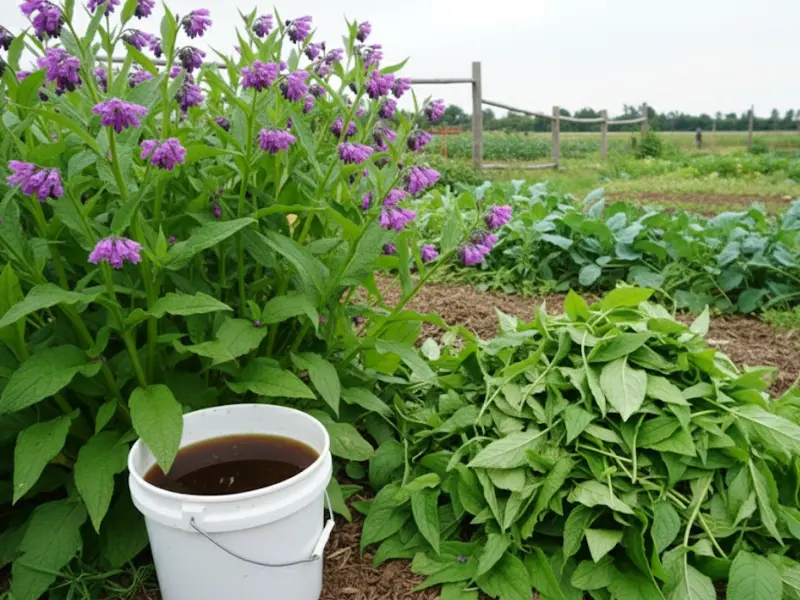
Think of comfrey as a deep-sea diver for nutrients. Its massive taproot can reach ten feet into the earth, mining minerals that other plants simply can’t touch. It pulls up high levels of potassium, nitrogen, and phosphorus (the famous N-P-K ratio you see on fertilizer bags), along with calcium and magnesium.
Read more:
- True Comfrey: 7 Essential Tips Before You Plant This Herb
- How to Grow Comfrey: The Complete Guide for Organic Gardeners
- How to Grow Comfrey in Pots: Tips for Small Gardens
Specifically, for those of us in the States, most home growers use the Bocking 14 cultivar. Why? Because it’s sterile. If you plant the common variety, it will drop seeds and take over your entire lawn. Bocking 14 stays right where you put it, growing massive amounts of biomass that you can harvest four or five times a year.
Making Your First Batch of Comfrey Tea
There are two main ways to do this. One is fast but a bit smelly, and the other is a slow-drip concentrate. Let’s start with the classic water-steeped method.
The Standard Water Method (The “Big Bucket” Approach)
This is the most common way to get started. All you need is a 5-gallon bucket, some water, and a pair of gloves (comfrey leaves have tiny hairs that can irritate your skin).
-
Harvest the leaves: Cut the plant down to about 2 inches above the ground. Don’t worry, it grows back incredibly fast.
-
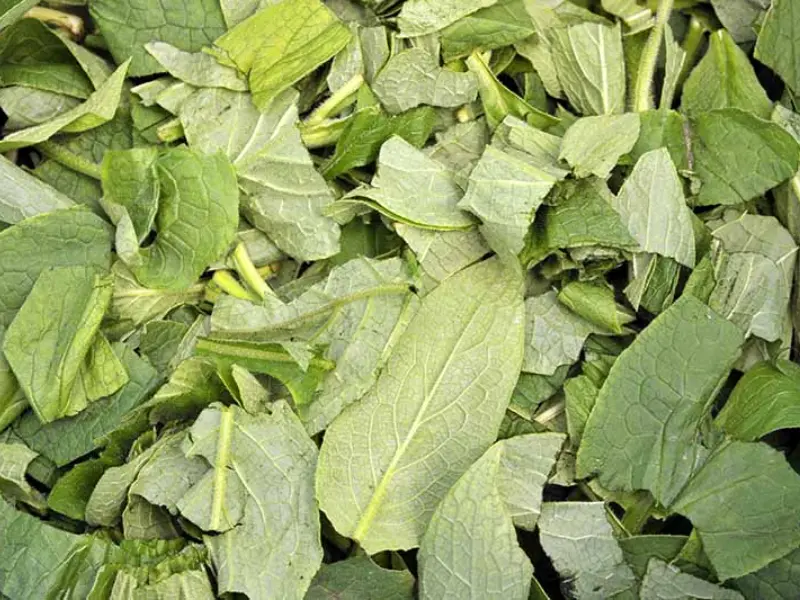
Chop them up: You don’t need to be precise. Just rough-chop the leaves to expose more surface area.
-
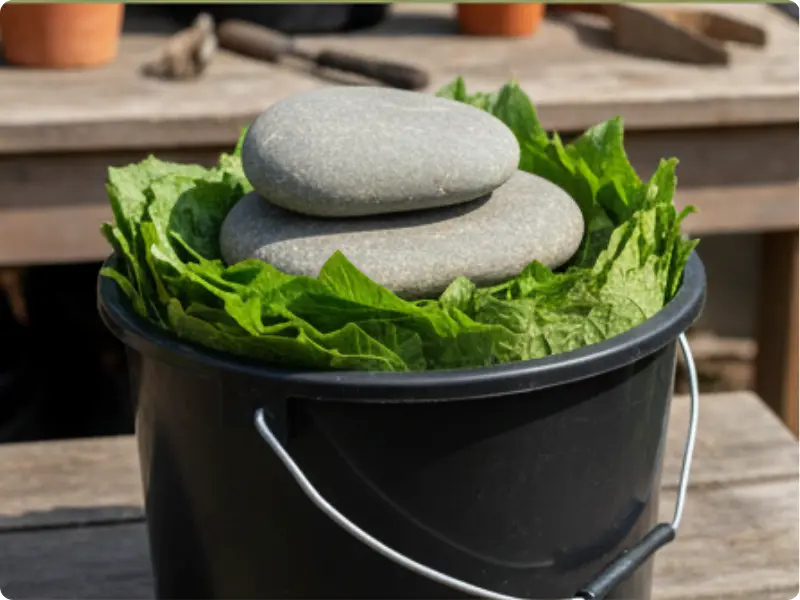
Fill the bucket: Pack the leaves into your bucket until it’s about half to three-quarters full. Use a brick to weigh them down.
-
Add water: Fill the rest of the bucket with rainwater if possible. Tap water works, but rainwater is better for the beneficial microbes.
-
Cover it: This is crucial. If you leave it open, it will attract flies, and the smell will drift into your kitchen window. Use a tight-fitting lid.
Now, you wait. In the summer heat of most US zones, it takes about 2 to 4 weeks. When the leaves have turned into a black, sludgy liquid, your tea is ready.
The Concentrated Drip Method (The “Waterless” Approach)
If you have a small garden and don’t want a massive bucket of smelly water, try the concentrate method. Take a smaller container with a small hole drilled in the bottom. Pack it tight with leaves, weight it down, and place a jar underneath the hole. Over several weeks, the leaves will decompose, and a thick, black liquid will drip into the jar. This “liquid gold” is incredibly potent and takes up very little space.
How to Feed Your Plants Without Burning Them
One of the biggest mistakes new gardeners make is using the tea straight. Because comfrey is so rich in nutrients, it can be too “hot” for sensitive roots if not diluted.
The Golden Rule of Dilution
For the water-based tea, aim for a ratio of 1:10. That’s one part comfrey tea to ten parts water. It should look like weak tea or apple juice.
If you made the “waterless” concentrate, you need to go much thinner. A ratio of 1:20 or even 1:40 is usually best.
What Plants Love It Most?

Comfrey is particularly high in potassium, which is the nutrient responsible for flowering and fruiting.
-
Tomatoes and Peppers: Once the first flowers appear, start feeding them every two weeks. You’ll notice the fruit is larger and the plants are more resilient.
-
Fruit Trees: Pour a diluted mix around the drip line of your apple or peach trees.
-
Roses: If you want vibrant blooms, comfrey is your best friend.
A quick tip: Avoid using comfrey tea on leafy greens like lettuce or spinach during their early growth. The high potassium can sometimes encourage them to go to seed (bolt) too early when they should be focusing on leaf production.
Managing the “Scent of Success”
Let’s be honest: comfrey tea smells like a combination of old gym socks and a sewer. My friend Dave once made a batch and forgot to cover it. His wife almost banned him from the backyard for a month!
To keep the peace at home:
-
Keep a tight lid on your fermentation bucket at all times.
-
Add a handful of rock dust or some EM (Effective Microorganisms) to the mix to help balance the fermentation.
-
Apply the fertilizer to your soil in the evening when the air is cooler; the smell usually dissipates within an hour or two once it hits the ground.
Why This Matters for Your Garden’s Health
Using comfrey isn’t just about saving money at the store. It’s about building a closed-loop system in your backyard. Instead of relying on synthetic pellets that wash away into the groundwater, you are recycling the minerals already present in your soil.
This liquid feed supports the soil food web, feeding the bacteria and fungi that keep your plants healthy. Healthy soil means fewer pests and less disease, which means less work for you in the long run.
Frequently Asked Questions (FAQs)
Can I use the leftover sludge after I strain the tea?
Absolutely. The decomposed leaves are still full of organic matter. Toss them into your compost pile or bury them directly at the base of a heavy feeder like a squash plant.
How long does comfrey tea stay good?
If you keep the concentrate in a cool, dark place in a sealed bottle, it can last for over a year. The water-based tea is best used within a few months of being “done.”
Is it safe to use on indoor plants?
Technically, yes, it’s great for them. Practically, I wouldn’t recommend it unless you want your living room to smell like a swamp. Stick to outdoor use!
Can I just mulch with comfrey leaves instead?
Yes, that’s called “chop and drop.” It’s a great way to provide a slow-release fertilizer, but the “tea” method makes the nutrients available to the plants almost instantly.
Ready to give it a try? Start small. If you don’t have a comfrey plant yet, look for “Bocking 14” root cuttings online. They are cheap, easy to plant, and will last for decades.
Once you see the difference in your tomato harvest this year, you’ll never go back to the blue-bottled stuff again. Your garden and your wallet will thank you.
