
Planting garlic can be a rewarding experience, but many gardeners, especially beginners, end up making simple mistakes that can negatively affect their harvest. If you’ve tried growing garlic before and didn’t get the results you expected, you’re not alone. The truth is, about 90% of gardeners make common errors when planting garlic, and those mistakes can lead to poor growth, small bulbs, or even complete failure.
In this article, we’re going to break down the eight most common garlic planting mistakes and show you how to avoid them. If you want to grow garlic successfully and get the best possible yield, keep reading!
1. Planting Garlic at the Wrong Time
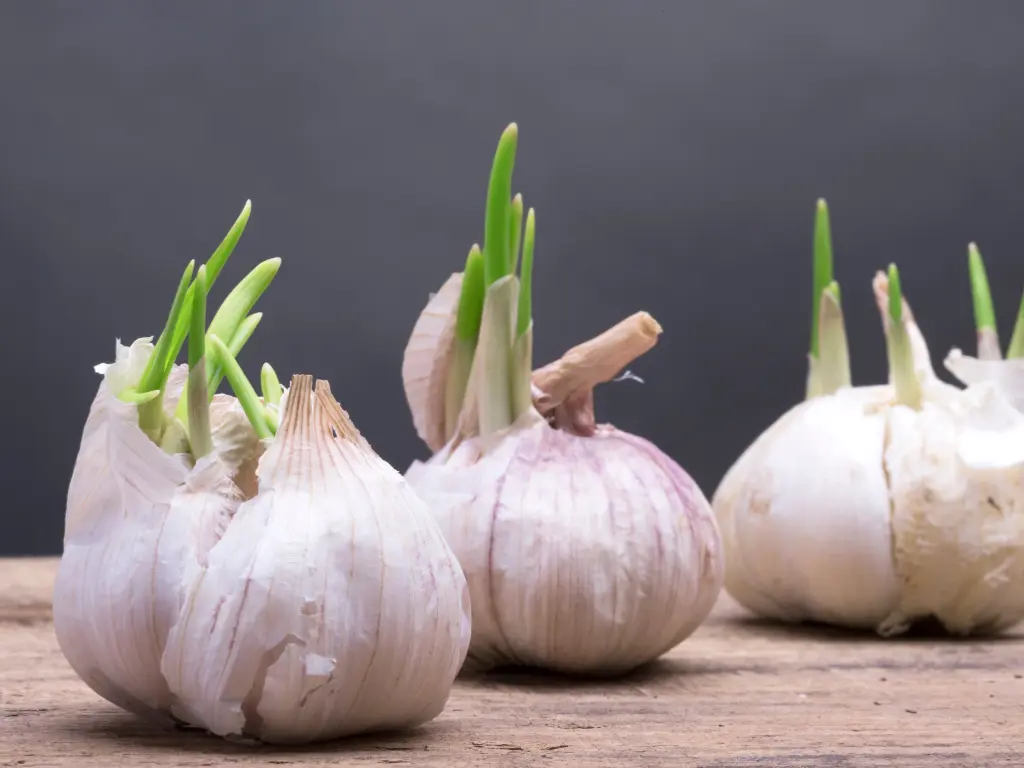
One of the biggest mistakes people make when planting garlic is not choosing the right planting time. Garlic is a cold-weather crop, and its growth depends heavily on the right timing.
Garlic should ideally be planted in the fall, about 4-6 weeks before the first hard frost. This allows the garlic to develop roots before winter sets in, and it will start growing as soon as the weather warms up in spring. Planting garlic in the spring is possible, but the bulbs will likely be smaller, and the harvest might not be as abundant.
Tip: If you’re in a warmer climate, you may be able to plant garlic in late winter, but make sure it has a good period of cold dormancy before it begins to sprout.
2. Using Poor Quality Garlic Cloves
Not all garlic cloves are created equal. One of the most common mistakes is planting garlic from the grocery store, which is often treated with growth inhibitors or pesticides. You should always use organic, untreated garlic cloves from a reputable supplier.
Why this matters: When you plant high-quality garlic cloves, they’re more likely to grow into strong, healthy bulbs. Using grocery store garlic is a gamble; it might not sprout at all, or it may develop weak plants that produce small bulbs.
Tip: Purchase garlic seed stock from a local nursery or a trusted online vendor. These cloves are specifically grown to be planted, ensuring higher success rates.
BUY GARLIC BULBS FOR PLANTING HERE >
Read more: Garlic Varieties: Everything You Need to Know Before Choosing the Right Type to Grow
3. Incorrect Planting Depth
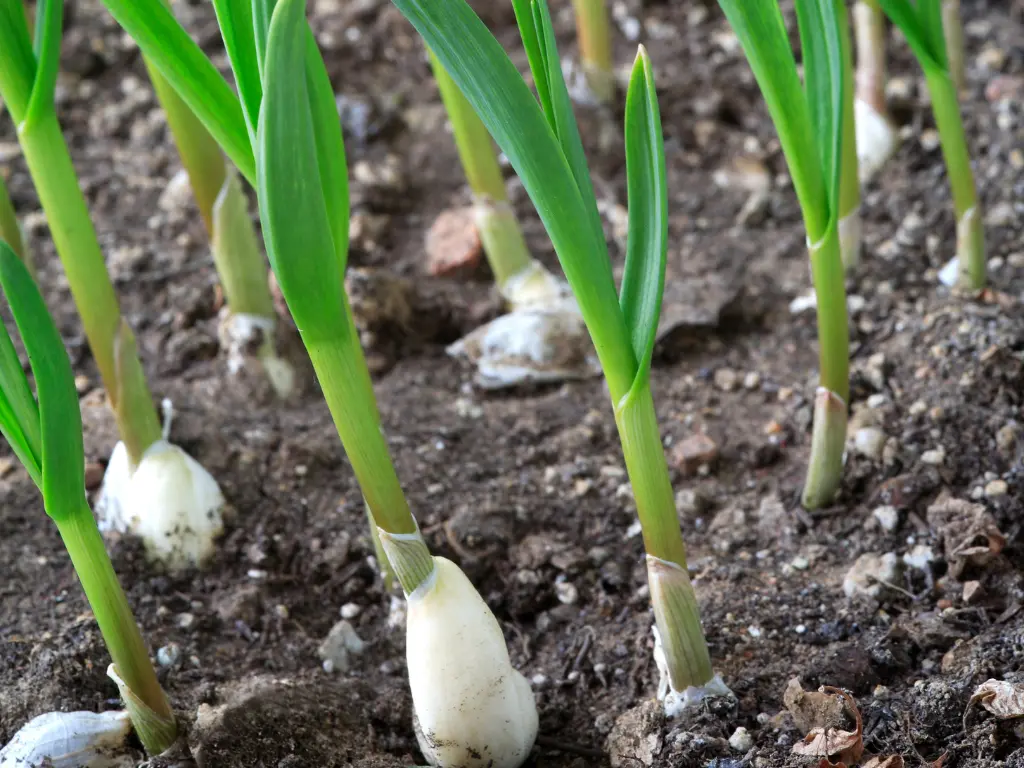
Planting your garlic cloves at the correct depth is more important than you might think. Planting them too deep can prevent them from sprouting properly, while planting them too shallow can leave them exposed to the elements or cause them to dry out.
The ideal depth for garlic cloves is about 2 inches (5 cm) deep. Too deep, and your garlic might not sprout properly; too shallow, and it could be vulnerable to frost or dehydration.
Tip: When planting, make sure to place the cloves with the pointed side facing up. You can use a garden trowel or just your finger to dig small holes, ensuring the cloves are spaced evenly and at the right depth. Keep a small marker nearby to remind you of the depth for future planting seasons.
4. Not Preparing the Soil Properly
Garlic thrives in loose, well-draining soil. One mistake many gardeners make is planting garlic in soil that’s too compacted or poorly drained, leading to root rot and weak plants.
Before planting, you should prepare the soil by loosening it with a shovel or garden fork and adding compost or organic matter. This helps improve soil structure and ensures proper drainage, which is critical for healthy garlic roots.
Tip: Garlic prefers slightly acidic to neutral soil (pH 6.0-7.0). If you’re unsure about your soil’s pH, consider testing it and adjusting it if necessary.
5. Overcrowding Garlic Plants
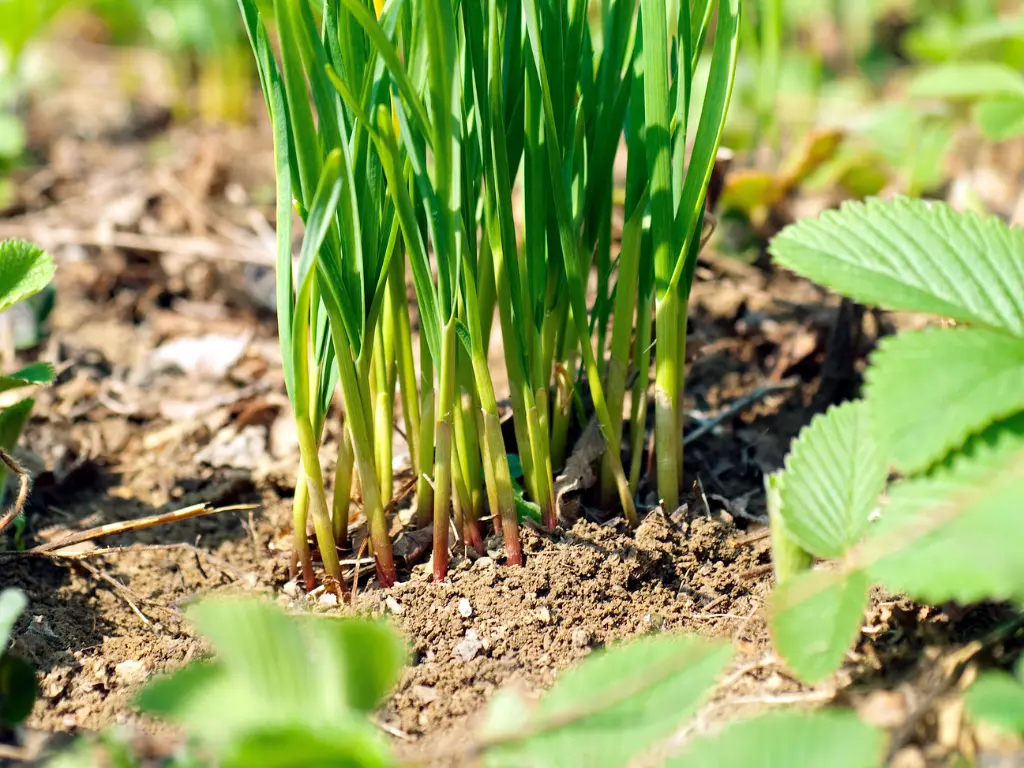
Garlic needs space to grow. Planting cloves too close together will cause overcrowding, which can lead to stunted growth and smaller bulbs.
When planting garlic, space the cloves about 4-6 inches apart. This gives each plant enough room to grow and develop a healthy bulb.
Tip: If you’re planting in rows, space the rows 12-18 inches apart to allow for air circulation and ease of maintenance.
6. Ignoring Watering and Drainage Needs
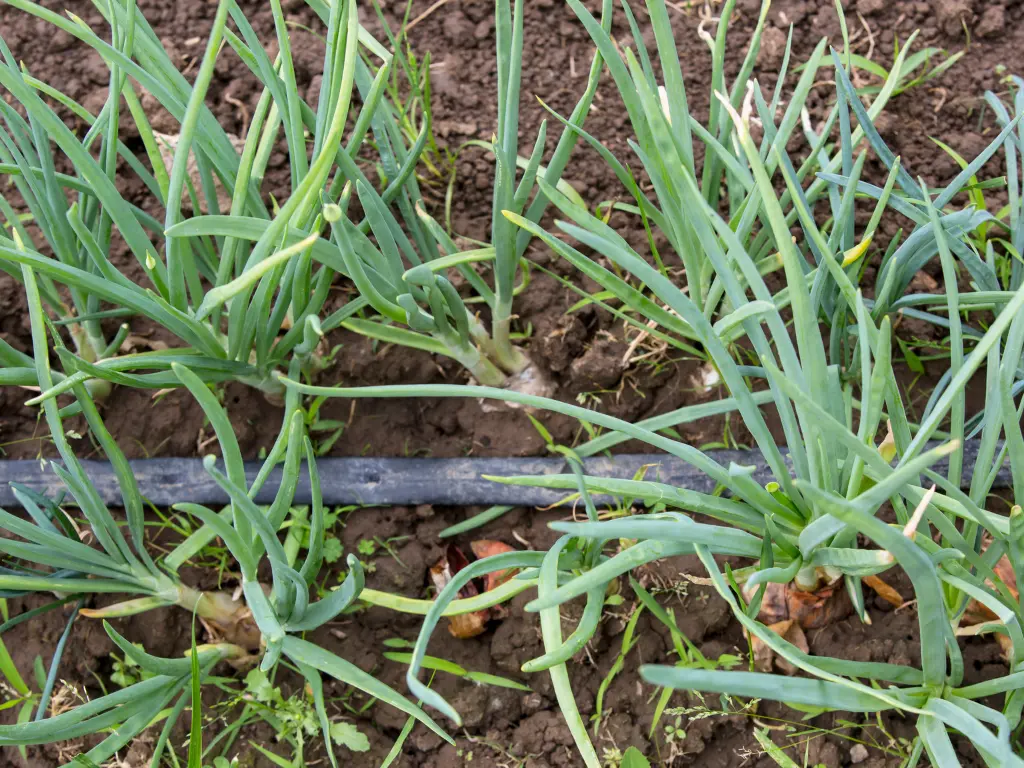
Garlic needs consistent moisture to grow well, but it also needs good drainage. Overwatering or poor drainage can lead to root rot and other problems.
The key to successful garlic growth is to keep the soil evenly moist but not waterlogged. During the growing season, water your garlic regularly, especially during dry spells. However, ensure that the soil drains well, as standing water can quickly harm your plants.
Tip: Garlic should be watered deeply but infrequently. Water at the base of the plant to avoid wetting the leaves, which can encourage fungal diseases.
7. Failing to Control Pests and Diseases
Even though garlic is relatively resistant to pests and diseases, it’s not immune. Pests like aphids and white flies can wreak havoc on garlic plants, while diseases like rust and downy mildew can stunt growth and damage your harvest.
Many gardeners overlook regular checks for pests and diseases, which can quickly spread and destroy an entire crop. The key here is prevention and early detection.
Tip: Regularly inspect your garlic plants for signs of pests or disease. Look for yellowing leaves, unusual spots, or pests on the undersides of leaves. Consider using organic pest control methods, like neem oil or insecticidal soap, to manage pests safely and effectively.
8. Not Harvesting Garlic at the Right Time
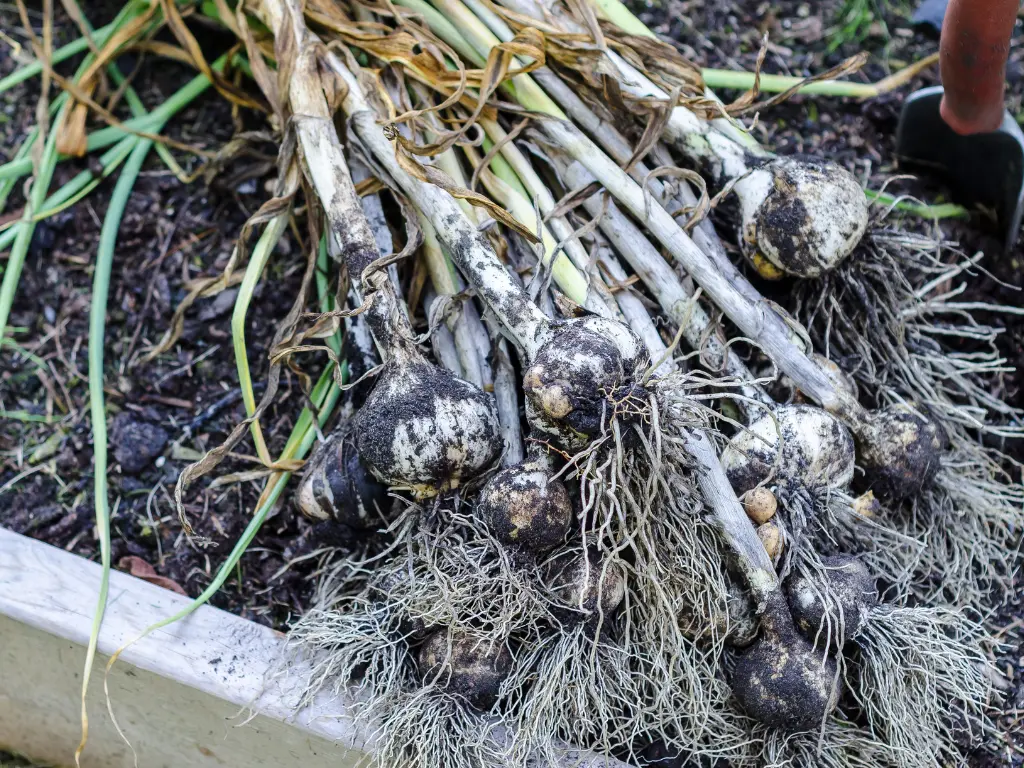
Harvesting garlic at the right time is crucial for getting the best possible yield. If you harvest too early, the bulbs won’t have fully matured, and if you wait too long, the cloves may split or rot in the ground.
Read more: When to Harvest Garlic (Especially Fall-Planted Garlic)
Garlic is typically ready for harvest when the lower leaves start to yellow, but the upper leaves are still green. At this point, the bulbs are fully formed and should be pulled up carefully. Don’t leave garlic in the ground for too long, as it can start to decay or attract pests.
Tip: After harvesting, cure your garlic by hanging it in a dry, well-ventilated area for about 2-3 weeks. This will help it last longer in storage.
How to Plant Garlic the Right Way
To ensure your garlic planting goes smoothly, here’s a step-by-step guide:
-
Choose Your Garlic Cloves: Select healthy, organic cloves from a trusted source.
-
Prepare the Soil: Loosen the soil and amend it with compost for better structure and drainage.
-
Plant the Cloves: Place each clove 2 inches deep with the pointed end up, spaced about 4-6 inches apart.
-
Water and Mulch: Water the cloves well after planting and apply a layer of mulch to protect the cloves over the winter.
-
Maintain the Plants: Water regularly, remove weeds, and watch for pests or disease.
-
Harvest When Ready: Wait until the lower leaves turn yellow and then pull the garlic bulbs from the ground.
You may like: How to Grow Garlic at Home this Fall
Additional Tips for Successful Garlic Growing
-
Companion Planting: Consider planting garlic alongside companion plants like onions or carrots to help deter pests and improve growth.
-
Rotation: Rotate your garlic planting area every few years to reduce the risk of soil-borne diseases.
-
Soil Fertility: Garlic is a heavy feeder, so be sure to amend the soil with compost or balanced fertilizers before planting.
Conclusion
Growing garlic can be simple, but avoiding common mistakes is the key to a successful harvest. By following the tips and tricks mentioned in this article, you can avoid the pitfalls that many gardeners face and grow healthy, high-quality garlic. Whether you’re a beginner or an experienced gardener, understanding the best practices for planting garlic will help you achieve better results and enjoy the rewards of your hard work.
Remember, the right timing, proper soil preparation, correct planting depth, and attention to watering and pests are all crucial for growing garlic that thrives. If you’ve been struggling with garlic growing, apply these insights, and you’ll be on your way to a bountiful harvest in no time!
Frequently Asked Questions (FAQs)
-
What’s the best time to plant garlic?
Garlic is best planted in the fall, about 4-6 weeks before the first frost, to allow for root development before winter.
-
How deep should I plant garlic cloves?
Plant garlic cloves 2 inches deep with the pointed side facing up.
-
Can I plant garlic in containers?
Yes! Garlic can be grown in containers, but make sure the container has good drainage and enough space for the cloves to grow.
-
How can I prevent garlic pests naturally?
Use organic methods like neem oil or insecticidal soap to control pests. Crop rotation also helps reduce pest and disease problems.
