1 Yacón Root Plant Smallanthus sonchifolius Live Starter Plant Bolivian Sunroot
-20%


1 Yacón Root Plant Smallanthus sonchifolius Live Starter Plant Bolivian Sunroot
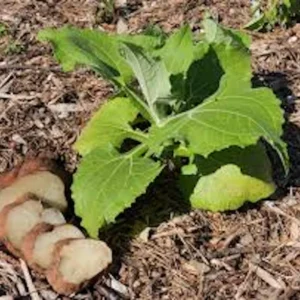
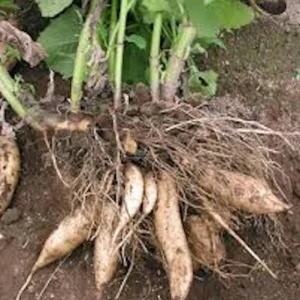
Cultivate your own healthy produce with this yacon root plant starter. Also known as Smallanthus sonchifolius or Bolivian Sunroot, this perennial plant is prized for its sweet, crisp tubers. Ideal for warm temperate climates, it thrives in full sun and well-draining soil, offering a unique addition to your garden or edible landscape.
Original price was: $36.00.$28.80Current price is: $28.80.
Out of stock

With our Alive & Thrive Guarantee, we’ve got your back for the first 30 days! If you have any concerns about your plants, just reach out to us. Our team is here to help answer your questions and guide you in selecting the best plants for your garden, climate, and unique preferences. We're excited to help you create the garden of your dreams!
Estimated arrival
Apr 01
Apr 06 - Apr 08
Apr 11 - Apr 15
Product Details
-
USDA Hardiness Zone
Warm temperate to tropical (frost-sensitive) -
Soil type
Well-draining, loamy, fertile soil -
Sunlight Exposure
Full sun preferred -
Expected Planting Period
Spring after last frost
Overview
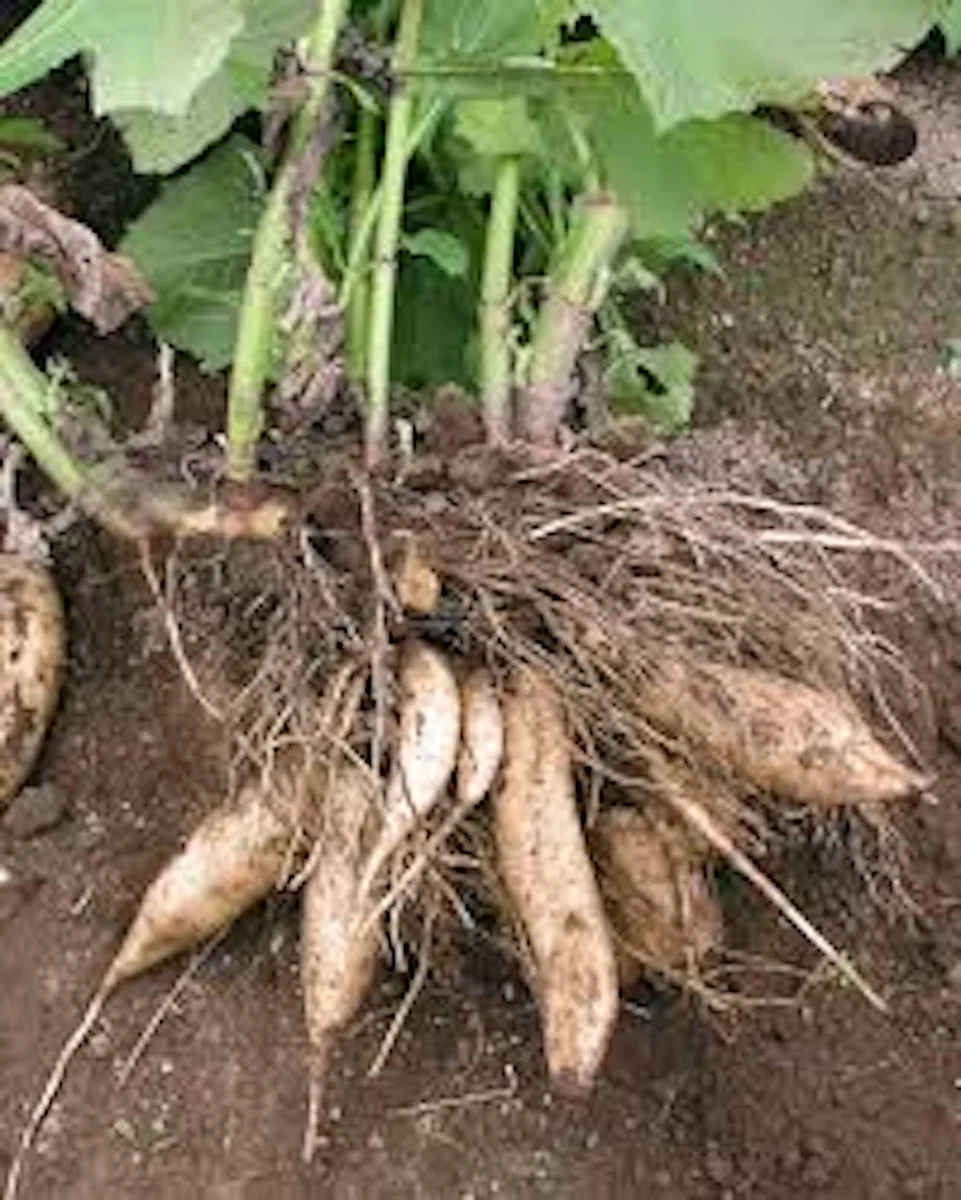
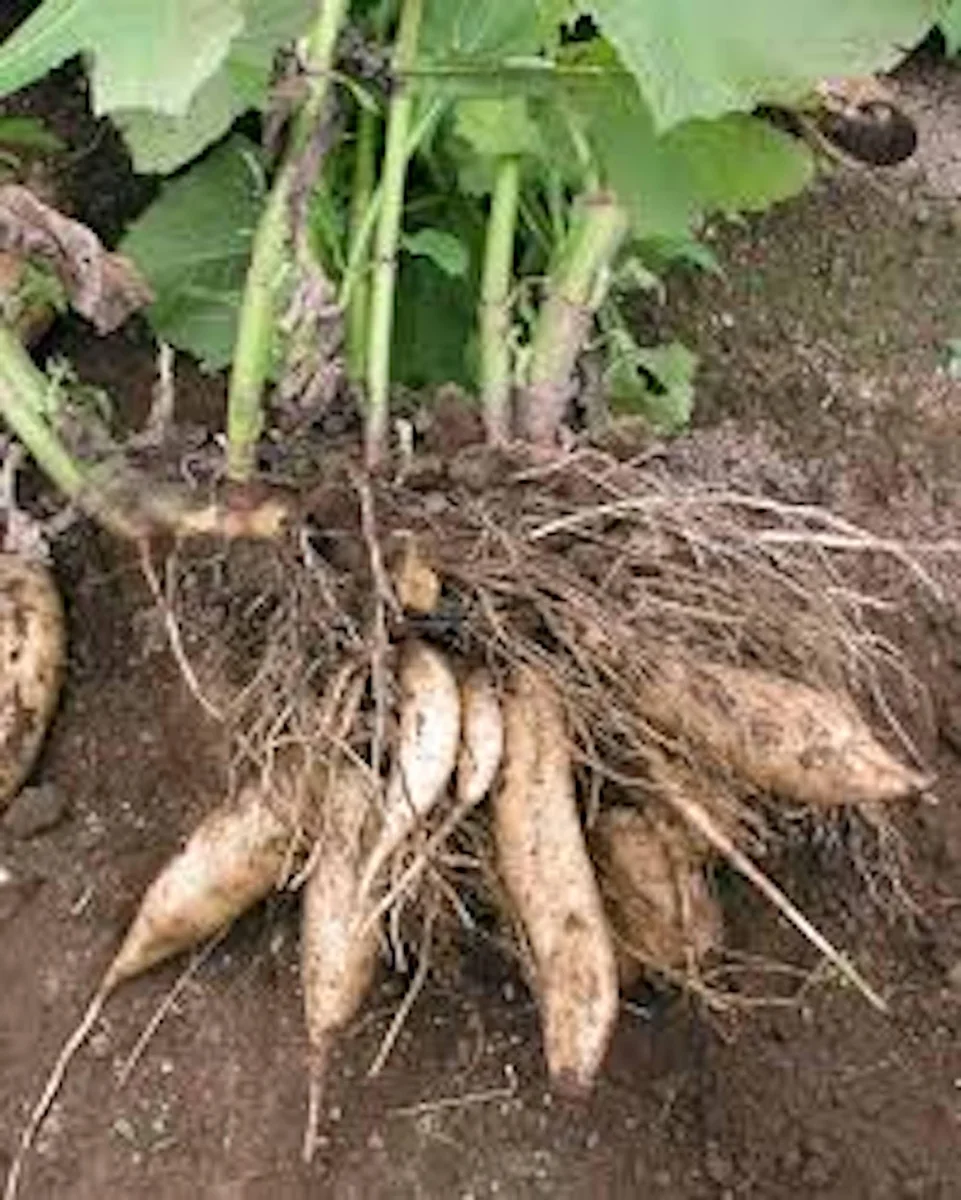
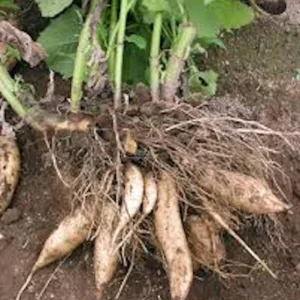
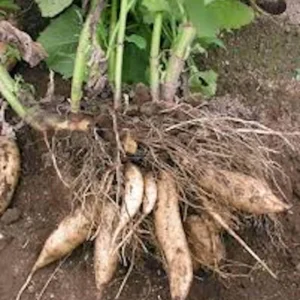
Embark on a rewarding gardening journey with the yacon root plant, a fascinating and delicious addition to any edible garden. This offering is for a live starter plant of Smallanthus sonchifolius, commonly known as Bolivian Sunroot or Yacón. Native to the Andes mountains, this perennial vegetable is celebrated for its sweet, crunchy, and juicy tubers, which can be enjoyed raw or cooked. The Yacón plant is an attractive, fast-growing specimen, often reaching impressive heights, and its broad leaves provide a lush, tropical aesthetic before the underground harvest. Growing your own Yacón offers the freshest possible tubers, packed with flavor and beneficial prebiotics. This starter plant provides a head start, allowing you to cultivate this unique crop with greater ease and success.
The yacon root plant is a remarkable choice for gardeners looking for something out of the ordinary. Its tubers have a sweet, apple-like flavor and a texture similar to jicama or water chestnut, making them incredibly versatile in the kitchen. Not only is it a culinary delight, but it’s also known for its potential health benefits, particularly its high inulin content. With this starter plant, you’re not just growing a vegetable; you’re cultivating a piece of Andean agricultural heritage right in your backyard. Ensure you provide the right conditions, and you’ll be enjoying homegrown Yacón in no time.
Key Benefits
The yacon root plant offers a multitude of benefits for both the gardener and the consumer, making it a highly desirable crop. From its unique flavor to its robust growth, here are some reasons to add this remarkable plant to your garden:
- Unique Culinary Delight: The tubers of the yacon root plant are sweet, crisp, and refreshing, often compared to apples or water chestnuts. They can be eaten raw in salads, juiced, roasted, or stir-fried, providing a versatile ingredient for various dishes.
- Nutrient-Rich & Prebiotic Powerhouse: Yacón tubers are low in calories and rich in fructooligosaccharides (FOS), a type of prebiotic fiber that supports gut health. They also contain beneficial antioxidants, vitamins, and minerals.
- Easy to Grow Perennial: Once established, Yacón is a relatively low-maintenance perennial in suitable climates. It grows vigorously, producing a substantial harvest from a single plant, making it an efficient crop for home gardeners.
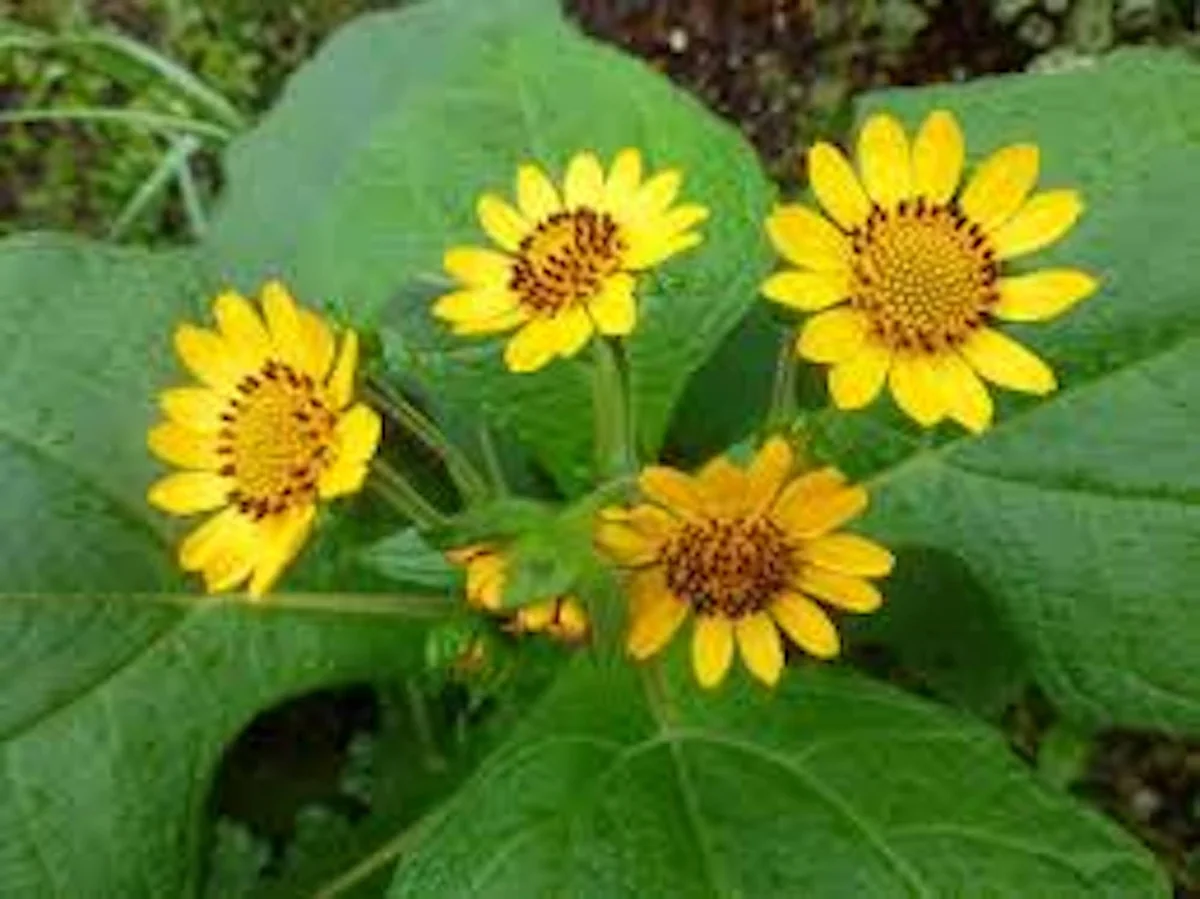
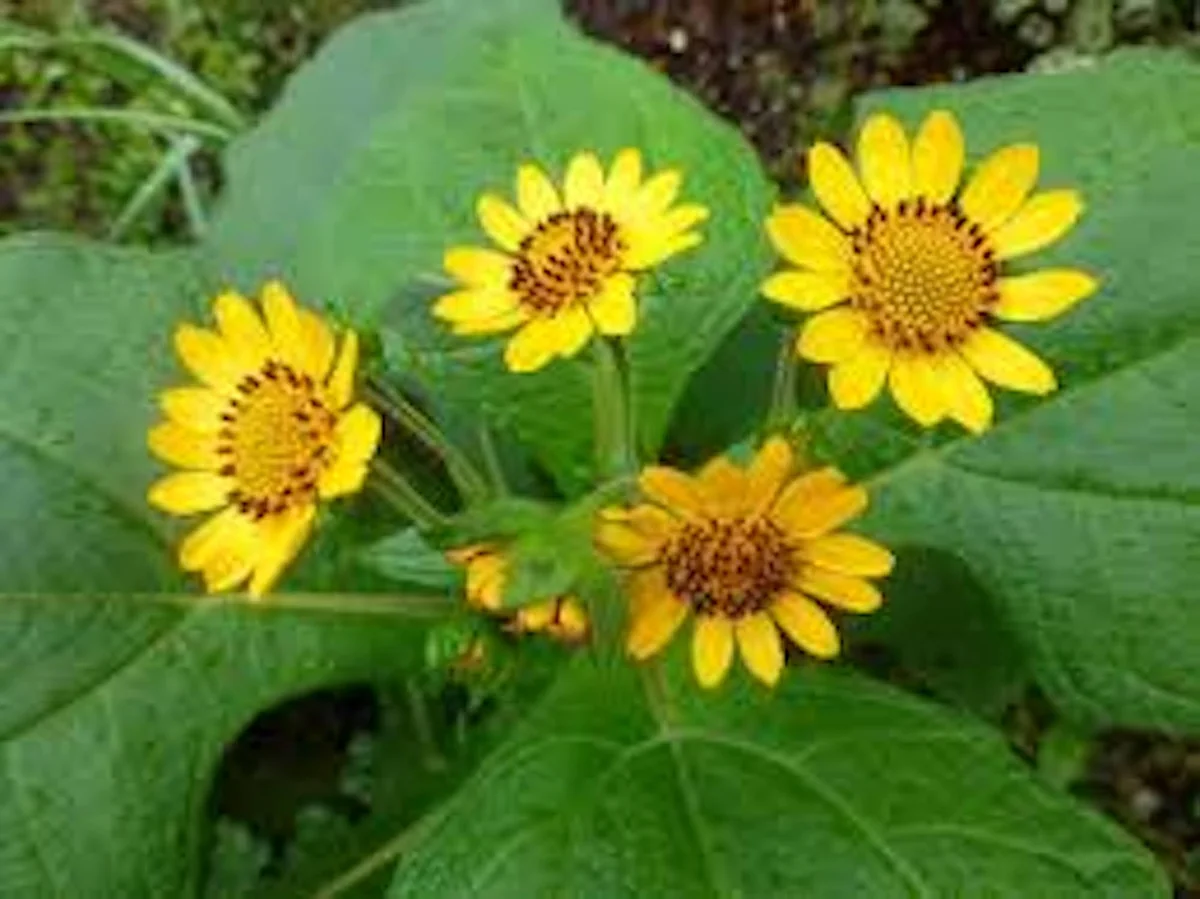
- Ornamental Value: Beyond its edible tubers, the Smallanthus sonchifolius boasts large, attractive leaves and often yellow, daisy-like flowers, adding a lush, tropical touch to your garden landscape.
- Sustainable Food Source: As a perennial, Yacón can be harvested year after year from the same plant, provided the storage tubers are preserved and replanted, offering a sustainable and renewable food source.
- Resistant to Pests: Yacón plants are generally robust and show good resistance to many common garden pests and diseases, simplifying care and reducing the need for interventions.
Plant Care & Growing Tips
Successfully growing a yacon root plant, or Smallanthus sonchifolius, requires attention to its preferred environmental conditions, mimicking its native Andean habitat. This perennial thrives in warm temperate to tropical climates and is sensitive to frost. For optimal growth and tuber production, choose a location that receives full sun, ideally 6-8 hours of direct sunlight per day. While it can tolerate partial shade, tuber development may be reduced. Ensure the soil is well-draining, loamy, and rich in organic matter. A slightly acidic to neutral pH (6.0-7.0) is ideal. Amend heavy clay soils with compost and sand to improve drainage, or consider raised beds if your native soil is unsuitable.
Watering is crucial, especially during dry spells and the active growing season. Keep the soil consistently moist but never waterlogged. Overwatering can lead to root rot, while underwatering can stunt growth. Once established, the yacon root plant is somewhat drought-tolerant, but regular watering will yield larger, juicier tubers. Fertilize every 4-6 weeks during the growing season with a balanced organic fertilizer, or one slightly higher in phosphorus and potassium to encourage tuber development. Protect your plants from early frosts by covering them or bringing them indoors if grown in containers. In cooler regions, Yacón is often grown as an annual, harvested after the first frost, which signals the plant to put its energy into tuber maturation. Proper care will ensure a bountiful harvest of your bolivian sunroot.
Size & Details
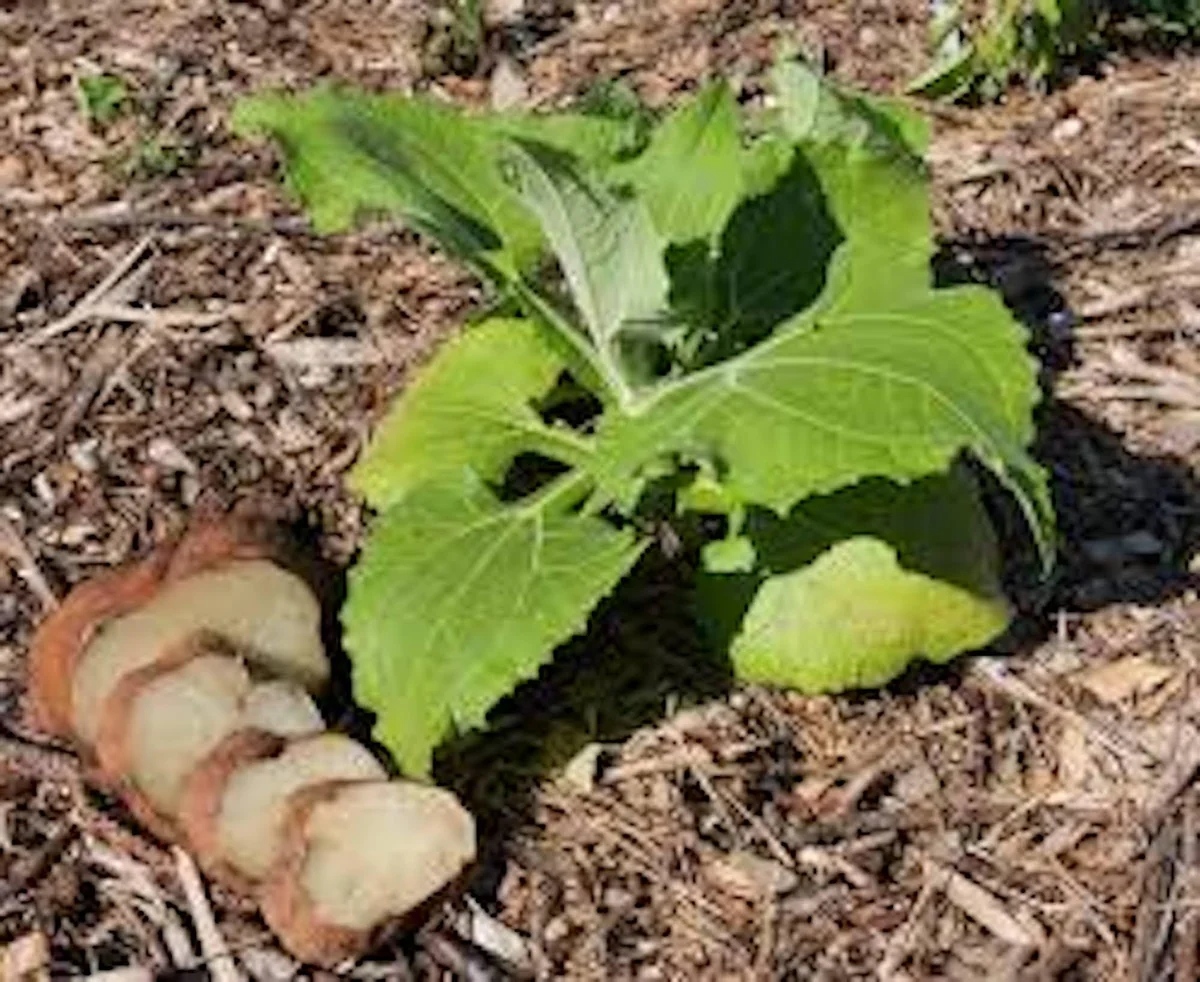
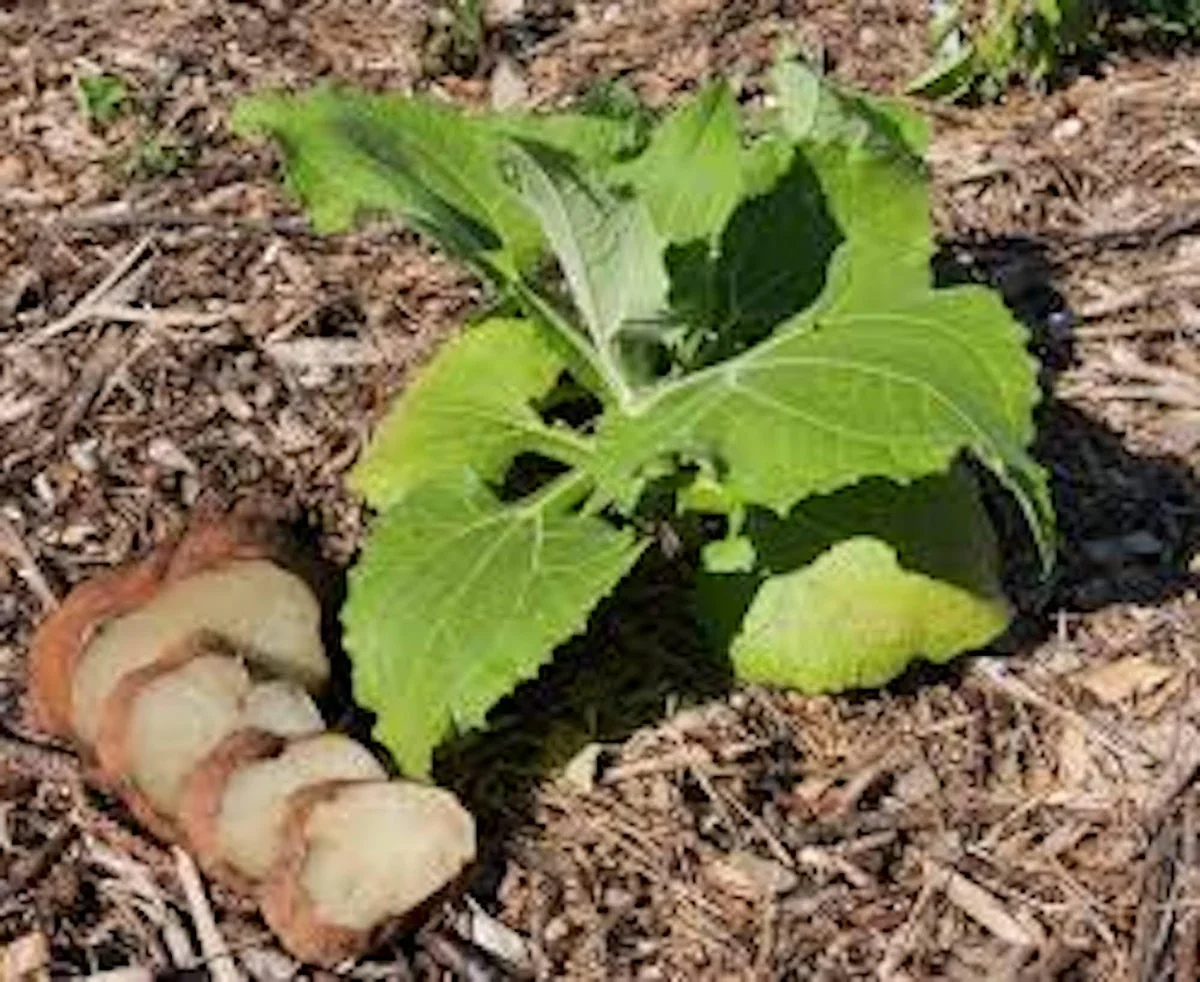
This offering is for 1 yacon root plant starter, ready to be transplanted into your garden or a larger container. The plant will be shipped bare root, meaning it will arrive without soil or a pot, carefully packaged to ensure its health during transit. Upon arrival, plant it immediately in prepared soil. Yacón plants are vigorous growers, typically reaching heights of 4-7 feet, and sometimes even taller, depending on growing conditions and climate. The tubers, which are the edible part, usually mature 6-7 months after planting. In cooler areas, this often coincides with the first frost, which naturally signals the plant to concentrate its sugars in the tubers. Expect a spreading growth habit, so give your Smallanthus sonchifolius ample space to expand and produce its flavorful harvest.
Frequently Asked Questions
- Q: How big does this yacon root plant get? A: A mature yacon root plant can typically reach heights of 4 to 7 feet, and sometimes even taller, with a significant spread, so ensure it has ample space in your garden.
- Q: Is this an indoor or outdoor plant? A: The yacon root plant is primarily an outdoor plant, thriving in warm temperate to tropical climates. In regions with cold winters, it is often grown as an annual or overwintered indoors as a dormant rootstock.
- Q: How much sunlight does Smallanthus sonchifolius need? A: For best results and optimal tuber production, Smallanthus sonchifolius prefers full sun, meaning at least 6-8 hours of direct sunlight per day. It can tolerate partial shade, but growth and yield may be reduced.
- Q: What condition will my bolivian sunroot arrive in? A: Your bolivian sunroot starter plant will be shipped bare root, carefully packaged to ensure it arrives healthy and ready for planting. You will need to plant it as soon as possible after arrival.
- Q: Is this plant easy to care for? A: While needing specific climate conditions and well-draining soil, the yacon root plant is considered relatively easy to care for once established, especially in suitable warm climates.
- Q: When is the best time to plant Yacón? A: The best time to plant Yacón is in the spring, after all danger of frost has passed, allowing it a full growing season to develop its tubers before the first fall frost.
- Q: What does the Yacón tuber taste like? A: Yacón tubers have a unique sweet, crisp, and juicy flavor, often compared to a cross between an apple, jicama, and watermelon. They are delicious eaten raw or cooked.
- Q: How long until I can harvest the tubers? A: Yacón tubers are typically ready for harvest 6 to 7 months after planting. In many regions, this occurs after the first frost, which helps to sweeten the tubers.
- Q: What kind of soil is best for yacon root plant? A: A well-draining, loamy, and fertile soil rich in organic matter is ideal for the yacon root plant. Ensure good drainage to prevent root rot.
- Q: Can I grow yacon root plant in a container? A: Yes, you can grow Yacón in large containers (at least 15-20 gallons) provided they have good drainage and the plant receives adequate sunlight and water.
Related products
-20%
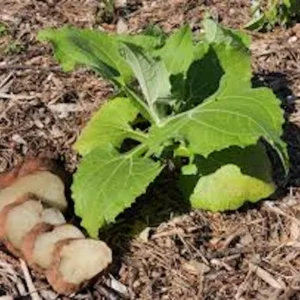
Original price was: $36.00.$28.80Current price is: $28.80.
-20%
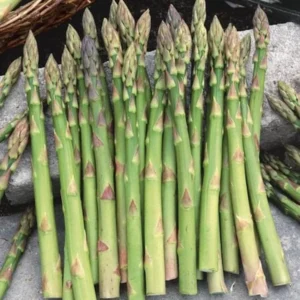
Original price was: $48.00.$38.40Current price is: $38.40.
-10%
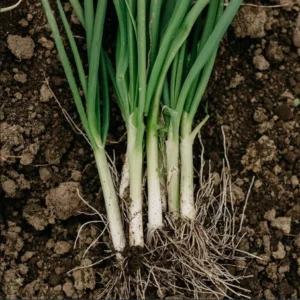
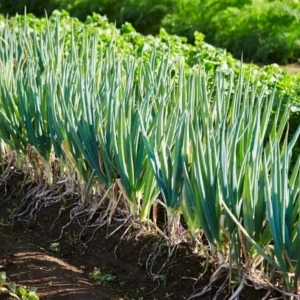
Original price was: $29.99.$26.99Current price is: $26.99.
-54%
From Original price was: $20.99.$10.49Current price is: $10.49.
-20%
Original price was: $60.00.$48.00Current price is: $48.00.
-20%
Original price was: $36.00.$28.80Current price is: $28.80.
-20%
Original price was: $48.00.$38.40Current price is: $38.40.
PLANTING & CARE

Growing Glencoe Raspberry: A Complete Guide for Gardeners
If you’re looking to add something unique to your garden, look no further than the
31
Mar
Mar

The Comprehensive Guide to Growing Bay Leaf Plants for a Flavorful Garden
Imagine stepping into your garden, greeted by the earthy aroma of fresh bay leaves, their
09
Feb
Feb

How to Make Comfrey Tea: The Ultimate Organic Plant Food
Growing an organic garden can be surprisingly expensive, especially when most store-bought fertilizers come in
02
Feb
Feb

True Comfrey: 7 Essential Tips Before You Plant This Herb
A staple in permaculture practices across the US, True Comfrey easily earns its reputation as
27
Jan
Jan

7 Heart-Shaped Plants for a Lasting Valentine’s Gift
If you’ve ever bought a bouquet of roses for Valentine’s Day, you know they are
26
Jan
Jan

Best Types of Ivy Plant for Houses: How to Choose the Perfect Ones for Your Home
Are you a garden lover looking to introduce some greenery into your home? Maybe you’ve
14
Nov
Nov

When to Harvest Garlic (Especially Fall-Planted Garlic)
TIMING IS EVERYTHING, they say – and for garlic, that truth hits with surprising accuracy.
13
Nov
Nov

11 of the Best Sweet Potato Varieties to Grow for Your Garden
If you’ve ever tried growing sweet potatoes, you know that picking the right variety can
12
Nov
Nov