10 Assorted Trillium Bulbs – Perennial Flower Bulbs – Red, Yellow, White – USDA Zone 4+
-50%
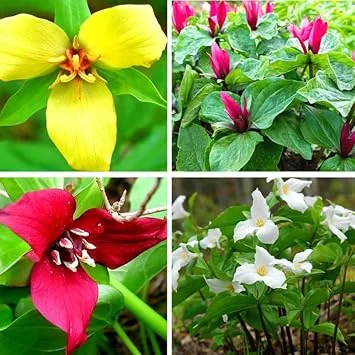
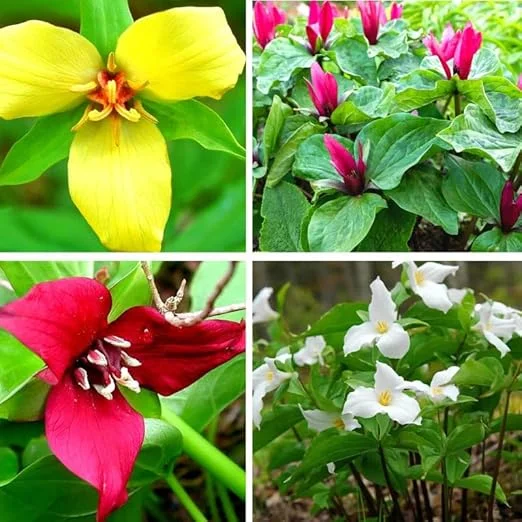
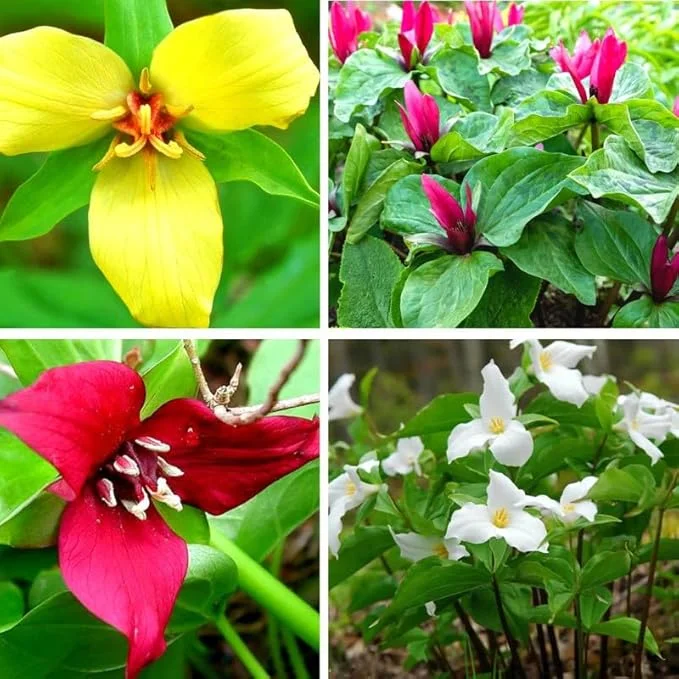
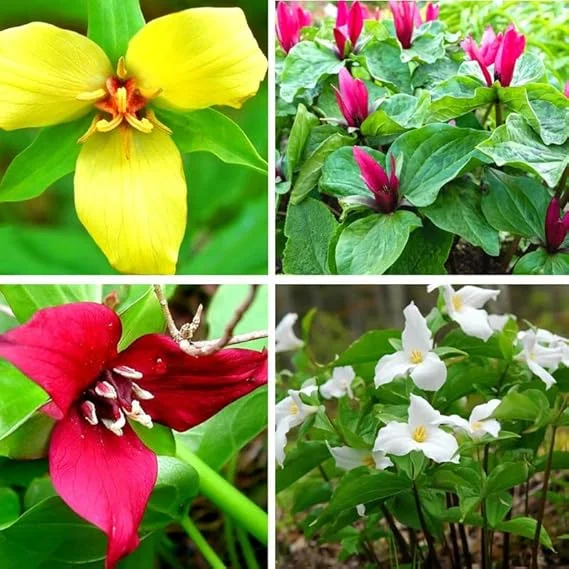
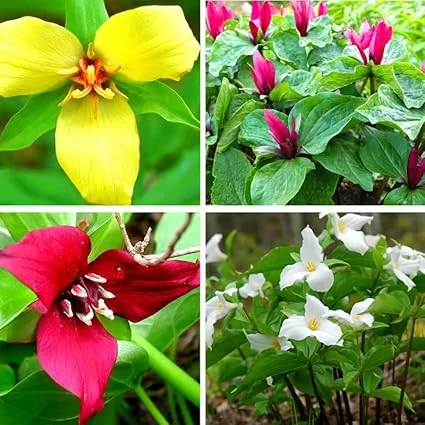
10 Assorted Trillium Bulbs – Perennial Flower Bulbs – Red, Yellow, White – USDA Zone 4+
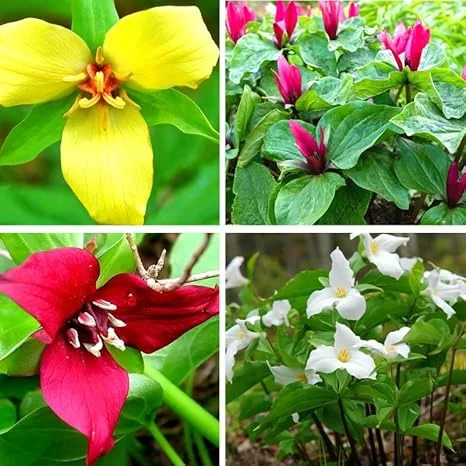
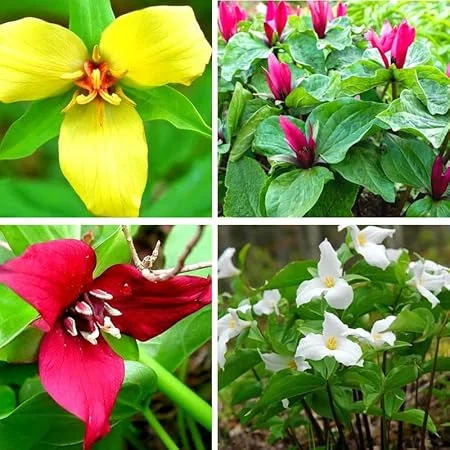
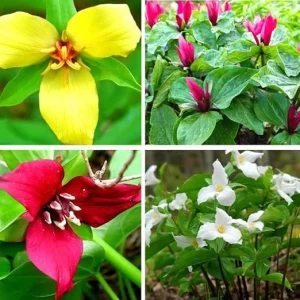
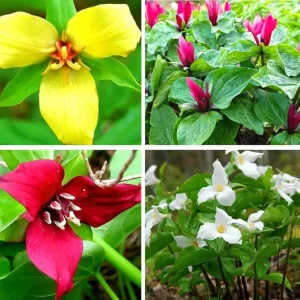
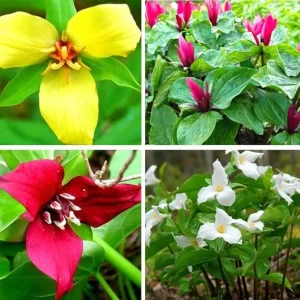
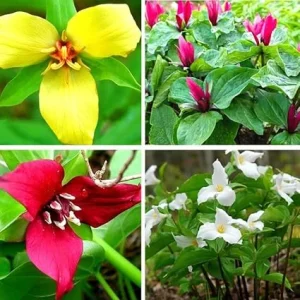
Enhance your garden or indoor space with a collection of assorted Trillium bulbs. This pack includes 10 easy-to-plant perennial bulbs in vibrant red, yellow, and white varieties, perfect for creating a stunning spring display.
Original price was: $57.56.$28.78Current price is: $28.78.

With our Alive & Thrive Guarantee, we’ve got your back for the first 30 days! If you have any concerns about your plants, just reach out to us. Our team is here to help answer your questions and guide you in selecting the best plants for your garden, climate, and unique preferences. We're excited to help you create the garden of your dreams!
Estimated arrival
Apr 13
Apr 18 - Apr 20
Apr 23 - Apr 27

Product Details
-
USDA Hardiness Zone
4-9 -
Soil type
Rich, organic, well-draining soil -
Sunlight Exposure
Partial to full shade -
Expected Planting Period
Fall to early spring
Overview
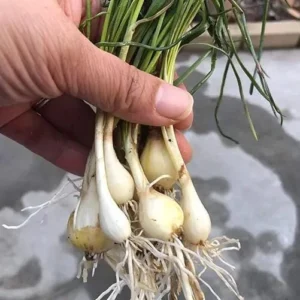
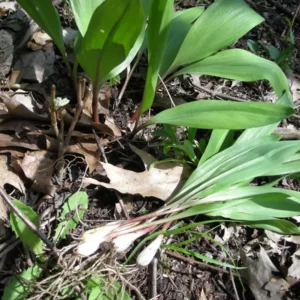
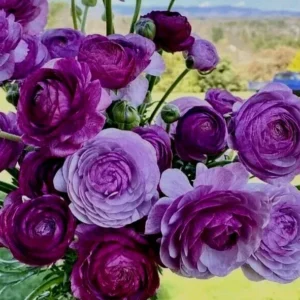
Introduce breathtaking beauty to your garden or indoor plant collection with these exquisite assorted Trillium bulbs. Each pack contains 10 premium perennial flower bulbs, offering a delightful mix of red, yellow, and white varieties. Trillium, often referred to as ‘Wake-robin’ or ‘Wood Lily’, is a genus of beautiful woodland plants known for their distinctive three-petaled flowers and three-leaf whorls. These robust bulbs mature into elegant plants that return year after year, providing a reliable splash of color and natural charm. Ideal for shaded garden beds, woodland settings, or even carefully managed indoor containers, these assorted Trillium bulbs are a fantastic choice for both novice and experienced gardeners looking to cultivate unique and captivating flora.
Trillium plants are celebrated for their understated elegance and their ability to thrive in dappled light, making them perfect for those tricky shady spots in your landscape. Their delicate appearance belies their hardy nature, as they are capable of flourishing in a variety of conditions when given the right care. Planting these perennial flower bulbs is a simple process, allowing you to enjoy their stunning blooms with minimal effort. Prepare to be enchanted by the timeless allure of these exceptional woodland treasures.
Key Benefits
Cultivating assorted Trillium bulbs offers numerous rewards, transforming your garden into a serene and vibrant sanctuary. These perennial beauties are not only visually appealing but also remarkably resilient.
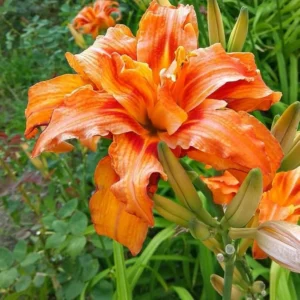
- Stunning Assorted Colors: Receive a curated mix of 10 bulbs, ensuring a beautiful display of red, yellow, and white Trillium flowers. This variety adds depth and interest to any planting scheme, creating a picturesque scene.
- Perennial Reliability: As true perennial flower bulbs, Trillium will return year after year, growing larger and more impressive with each season. This provides long-lasting beauty and reduces the need for annual replanting.
- Easy to Plant: These bulbs are straightforward to plant, making them accessible for gardeners of all experience levels. Simple instructions ensure a successful start for your new Trillium collection.
- Ideal for Shade Gardens: Trillium thrives in partial to full shade, making it an excellent choice for woodland gardens, under trees, or in other areas where many sun-loving plants struggle. They bring light and color to darker corners.
- Low Maintenance: Once established, Trillium plants require minimal ongoing care. They are fairly drought-tolerant after their initial growth period and generally resistant to pests and diseases, simplifying your gardening tasks.
- Attracts Pollinators: The unique flowers of Trillium, particularly the native woodland varieties, can attract beneficial pollinators to your garden, contributing to a healthier ecosystem.
- Versatile Use: Suitable for both outdoor garden beds and carefully managed indoor container planting, offering flexibility in how you enjoy their beauty. Understanding Trillium plant care is key to success in either setting.
Plant Care & Growing Tips
Proper Trillium plant care ensures these beautiful bulbs thrive and return for many seasons. Trilliums are woodland plants, so replicating their natural habitat is key. They prefer well-drained, rich, organic soil that is slightly acidic to neutral. Amend heavy clay soils with compost or peat moss to improve drainage and aeration. When planting your assorted Trillium bulbs, ensure they are placed about 2-4 inches deep and 4-6 inches apart, with the pointed end facing upwards. The best time to plant is in the fall or early spring before new growth emerges.
Sunlight and Watering: Trilliums thrive in partial to full shade. They prefer dappled sunlight, similar to what they would receive on a forest floor. Avoid direct, intense afternoon sun, which can scorch their leaves. Consistent moisture is crucial, especially during their active growing season in spring. The soil should remain evenly moist but not waterlogged. Reduce watering once the foliage begins to yellow and die back in late summer, as the bulbs enter dormancy. For those wondering how to grow Trillium indoors, ensure similar light and moisture conditions, using a well-draining pot and humidity if possible.
Temperature and Fertilization: These perennial flower bulbs are hardy in USDA Hardiness Zones 4-9. They require a cold dormancy period to bloom effectively. In warmer climates (zones 9+), some species may struggle. Fertilize sparingly in early spring with a balanced, slow-release granular fertilizer or a liquid feed at half strength. Over-fertilization can harm Trilliums. Protect young plants from slugs and snails. Learning about native woodland flowers will give you further insights into their natural needs.
Size & Details
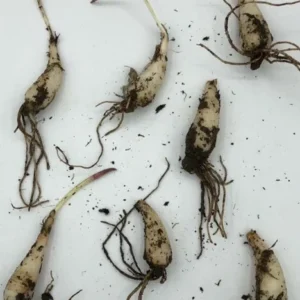
This offering includes 10 assorted Trillium bulbs, providing a generous quantity to establish a beautiful patch of these unique woodland flowers. Each bulb, while varying slightly in size, is healthy and ready for planting. Trillium plants typically grow to a height of 12-18 inches, with some varieties reaching up to 2 feet tall. The spread is usually around 6-12 inches per plant, forming attractive clumps over time. These bulbs will typically produce their first blooms in the spring following planting, with established plants blooming reliably each spring.
The bulbs are shipped dormant, ensuring they arrive in optimal condition for planting. They are suitable for both outdoor garden beds and indoor container gardening, provided appropriate conditions are met. Expect a moderate growth rate, with plants gradually increasing in size and flower production over several years. The mix includes various Trillium species, offering a delightful array of flower forms and hues, making this an ideal choice for creating a diverse display of native woodland flowers. For ongoing success, understanding how to grow Trillium to its full potential is beneficial.
Frequently Asked Questions
- Q: How big do Trillium plants get? A: Trillium plants typically grow to a height of 12-18 inches, though some varieties can reach up to 2 feet tall. They form clumps with a spread of 6-12 inches per plant over time.
- Q: Are these suitable for indoor growing? A: Yes, these assorted Trillium bulbs can be grown indoors in pots, provided they receive adequate light (indirect) and consistent moisture, mimicking their natural woodland environment.
- Q: How much sunlight do Trillium bulbs need? A: Trilliums thrive in partial to full shade. They prefer dappled sunlight and should be protected from harsh, direct afternoon sun, especially in warmer climates.
- Q: Is this plant easy to care for? A: Once established, Trilliums are relatively low-maintenance. The key to successful Trillium plant care is providing the right initial planting conditions, including well-drained soil and appropriate light.
- Q: What condition will the bulbs arrive in? A: The perennial flower bulbs will arrive dormant, which is their natural state for planting. They will be carefully packaged to ensure they are healthy and ready to be planted.
- Q: When is the best time to plant Trillium bulbs? A: The ideal time to plant Trillium bulbs is in the fall or very early spring, before new growth begins. This allows them to establish roots before their active growing season.
- Q: Will these Trillium bulbs survive winter in my zone? A: These assorted Trillium bulbs are hardy in USDA Zones 4-9. They require a period of cold dormancy to perform well, making them suitable for many temperate climates.
- Q: What type of soil is best for Trillium? A: Trilliums prefer rich, organic, well-draining soil that is slightly acidic to neutral. Amending the soil with compost or leaf mold is highly beneficial for their growth.
- Q: How long until the bulbs bloom after planting? A: Typically, Trillium bulbs will produce their first blooms in the spring following their planting, especially if planted in the fall. Established plants will bloom reliably each spring.
- Q: What are some tips on how to grow Trillium successfully? A: Focus on providing a shady location, consistently moist but well-drained soil rich in organic matter, and minimal disturbance once planted. They are long-lived plants that resent being moved frequently.
Related products
-43%
Original price was: $69.99.$39.99Current price is: $39.99.
-50%
Original price was: $19.96.$9.98Current price is: $9.98.
-50%
Original price was: $87.96.$43.98Current price is: $43.98.
-10%
Original price was: $11.25.$10.12Current price is: $10.12.
-35%
Original price was: $19.90.$12.94Current price is: $12.94.
-50%
Original price was: $79.96.$39.98Current price is: $39.98.
-50%
Original price was: $179.60.$89.80Current price is: $89.80.
PLANTING & CARE

Growing Glencoe Raspberry: A Complete Guide for Gardeners
If you’re looking to add something unique to your garden, look no further than the
31
Mar
Mar

The Comprehensive Guide to Growing Bay Leaf Plants for a Flavorful Garden
Imagine stepping into your garden, greeted by the earthy aroma of fresh bay leaves, their
09
Feb
Feb

How to Make Comfrey Tea: The Ultimate Organic Plant Food
Growing an organic garden can be surprisingly expensive, especially when most store-bought fertilizers come in
02
Feb
Feb

True Comfrey: 7 Essential Tips Before You Plant This Herb
A staple in permaculture practices across the US, True Comfrey easily earns its reputation as
27
Jan
Jan

7 Heart-Shaped Plants for a Lasting Valentine’s Gift
If you’ve ever bought a bouquet of roses for Valentine’s Day, you know they are
26
Jan
Jan

Best Types of Ivy Plant for Houses: How to Choose the Perfect Ones for Your Home
Are you a garden lover looking to introduce some greenery into your home? Maybe you’ve
14
Nov
Nov

When to Harvest Garlic (Especially Fall-Planted Garlic)
TIMING IS EVERYTHING, they say – and for garlic, that truth hits with surprising accuracy.
13
Nov
Nov

11 of the Best Sweet Potato Varieties to Grow for Your Garden
If you’ve ever tried growing sweet potatoes, you know that picking the right variety can
12
Nov
Nov