-
×
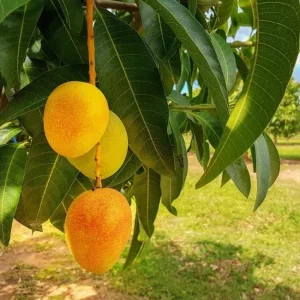 Alphonso Mango Tree Live Plant – 1 Foot Tall – Ships in Pot – Tropical Fruit
1 × $77.18
Alphonso Mango Tree Live Plant – 1 Foot Tall – Ships in Pot – Tropical Fruit
1 × $77.18 -
×
 Hardy Hibiscus Live Plant – Pink Flowers, 7-12" Tall Perennial for Outdoor Full Sun - Red Yellow Hibiscus
1 × $19.99
Hardy Hibiscus Live Plant – Pink Flowers, 7-12" Tall Perennial for Outdoor Full Sun - Red Yellow Hibiscus
1 × $19.99 -
×
Hardy Hibiscus Live Plant – Pink Flowers, 7-12" Tall Perennial for Outdoor Full Sun - Double Yellow Flowers Hibiscus
1 × $19.99
-
×
Grafted Ruby Guava Tree Live Plant – 3-4 Feet Tall – Ready to Bear Fruit – Zones 9-11 – Outdoor
1 × $85.99
-
×
2 Moringa Oleifera Live Trees - 6-10 Inches Tall, Well Rooted, Drumstick Tree
2 × $21.89
-
×
Dwarf Avocado Tree Live Plant - 1.5ft - 2.5ft Tall, Fruit-Bearing in 3 Gallon Pot
1 × $103.99
-
×
10 Allstar Junebearing Strawberry Live Plants - Fragaria ananassa
1 × $27.20
-
×
10 Chandler Strawberry Bare Roots - High-Yielding June-Bearing Plant
1 × $35.20
-
×
10 Dwarf Beer's Black Fig Tree Starter Plugs - Live Plant Ficus carica
1 × $59.99
-
×
Windsor Blueberry Live Plant - 4-8" Tall Sweet Fruit Bush for Home Garden
1 × $22.24
-
×
Vietnamese Fig Tree Live Plant – Fruit Bearing – 1-2 ft Tall – Gallon Pot – Outdoor
1 × $44.09
-
×
Thornless Arapaho Blackberry Bush Live Plant, 4-8 Inch, Set of 2, Outdoor Fruit - Triple Crown
1 × $28.99
-
×
Sweet Pink Guava Tree Live Plant, Tropical Fruit, Fragrant, Starter Size 5-9" Tall, Outdoor
1 × $19.99
-
×
Sugar Apple Live Plant - 5-Gallon Pot, 4-5 Ft Tall, Tropical Fruit Tree
1 × $116.99
-
×
Sugar Apple Tree Live Plant, 3-4 Ft Tall, 5 Gallon Pot, Tropical Fruit
1 × $88.99
-
×
Ruby Guava Tree Live Plant, Grafted, 4 Ft Tall, Tropical Fruit, Zones 9-11
1 × $65.99
-
×
Ruby Guava Tree Live Plant, Grafted Tropical Fruit, 4 Feet Tall
1 × $69.99
-
×
Ruby Guava Tree Live Plant - Grafted, 4 ft Tall, Tropical Fruit, Zones 9-11
1 × $75.99
-
×
Purple Thornless Raspberry Live Plants – 2-Pack, 4-9 Inches Tall, Cold Hardy Outdoor - Purple Thornless Raspberry
1 × $28.99
-
×
Red Cuban Banana Plant Live for Planting, Cold Hardy Musa, 4-7" Tall
1 × $29.99
-
×
Papaya Plant Live Tropical Fruit Tree in 1 Gallon Pot
1 × $35.96
-
×
Organic Shambola Loquat Live Plant - Tropical Fruit Tree - Half Gallon Pot
1 × $43.96
-
×
Organic Sugar Apple Live Plant (Custard Apple) – half Gallon Pot
1 × $49.96
-
×
LSU Purple Edible Fig Live Plant - Ficus carica - 4 inch Pot
1 × $23.98
-
×
Lychee Tree Live Plant - 10-12in Tall - Half Gallon Pot - Tropical Fruit
1 × $42.99
-
×
Jaboticaba Live Starter Plant – 1 ft Tall Tropical Fruit Tree – Rooted
1 × $35.99
-
×
Hass Avocado Tree Live Plant - Grafted, 2-3 ft Tall, 3 Gallon Pot
1 × $88.99
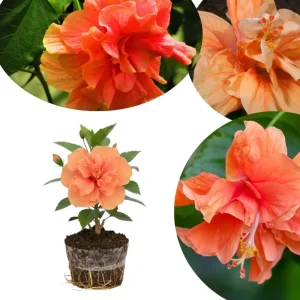 Hardy Hibiscus Live Plant – Pink Flowers, 7-12" Tall Perennial for Outdoor Full Sun - Red Yellow Hibiscus
 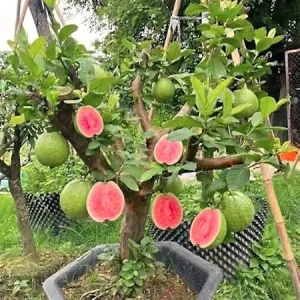 Grafted Ruby Guava Tree Live Plant – 3-4 Feet Tall – Ready to Bear Fruit – Zones 9-11 – Outdoor
 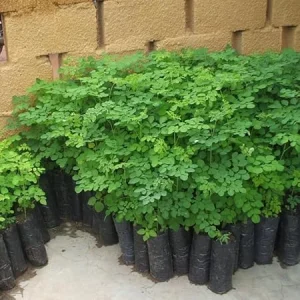 2 Moringa Oleifera Live Trees - 6-10 Inches Tall, Well Rooted, Drumstick Tree
 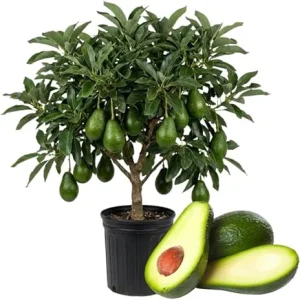 Dwarf Avocado Tree Live Plant - 1.5ft - 2.5ft Tall, Fruit-Bearing in 3 Gallon Pot
 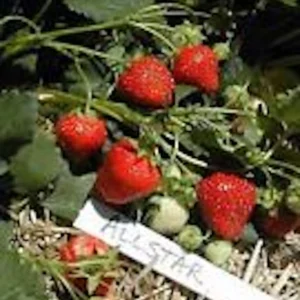 10 Allstar Junebearing Strawberry Live Plants - Fragaria ananassa
 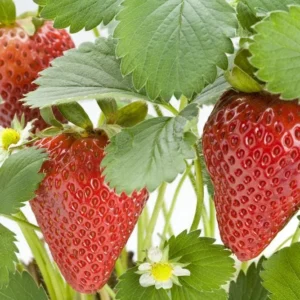 10 Chandler Strawberry Bare Roots - High-Yielding June-Bearing Plant
 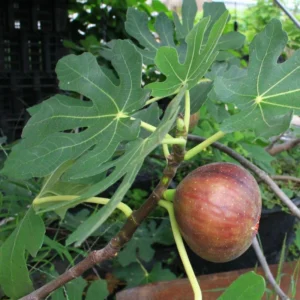 10 Dwarf Beer's Black Fig Tree Starter Plugs - Live Plant Ficus carica
 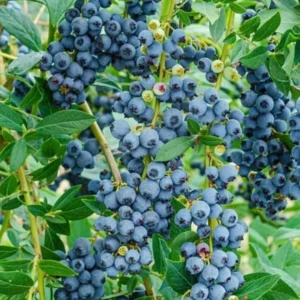 Windsor Blueberry Live Plant - 4-8" Tall Sweet Fruit Bush for Home Garden
 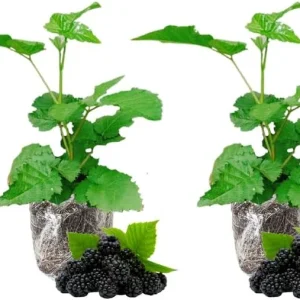 Thornless Arapaho Blackberry Bush Live Plant, 4-8 Inch, Set of 2, Outdoor Fruit - Triple Crown
 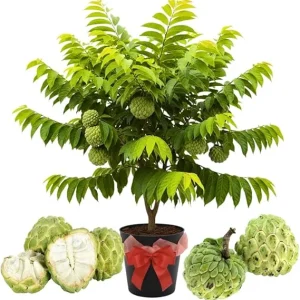 Sugar Apple Live Plant - 5-Gallon Pot, 4-5 Ft Tall, Tropical Fruit Tree
 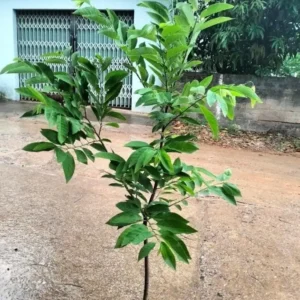 Sugar Apple Tree Live Plant, 3-4 Ft Tall, 5 Gallon Pot, Tropical Fruit
 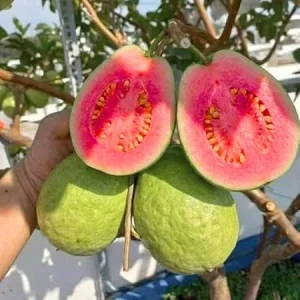 Ruby Guava Tree Live Plant, Grafted, 4 Ft Tall, Tropical Fruit, Zones 9-11
 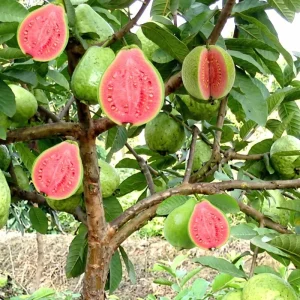 Ruby Guava Tree Live Plant, Grafted Tropical Fruit, 4 Feet Tall
 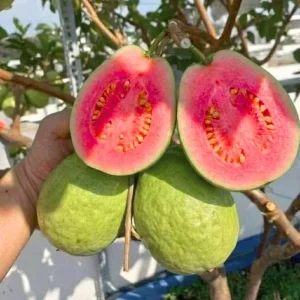 Ruby Guava Tree Live Plant - Grafted, 4 ft Tall, Tropical Fruit, Zones 9-11
 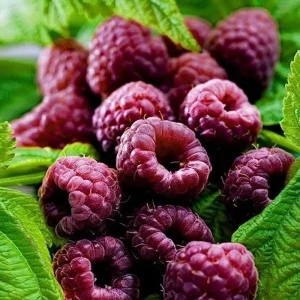 Purple Thornless Raspberry Live Plants – 2-Pack, 4-9 Inches Tall, Cold Hardy Outdoor - Purple Thornless Raspberry
 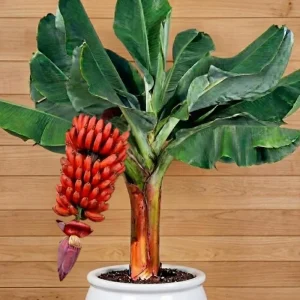 Red Cuban Banana Plant Live for Planting, Cold Hardy Musa, 4-7" Tall
 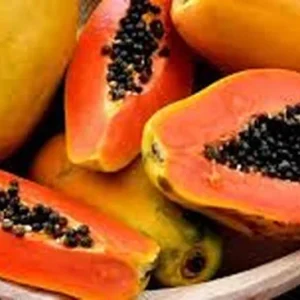 Papaya Plant Live Tropical Fruit Tree in 1 Gallon Pot
 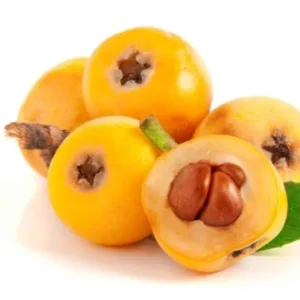 Organic Shambola Loquat Live Plant - Tropical Fruit Tree - Half Gallon Pot
 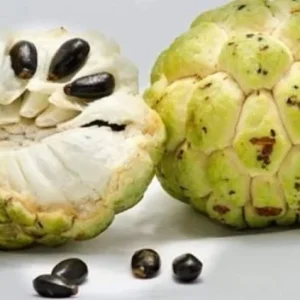 Organic Sugar Apple Live Plant (Custard Apple) – half Gallon Pot
 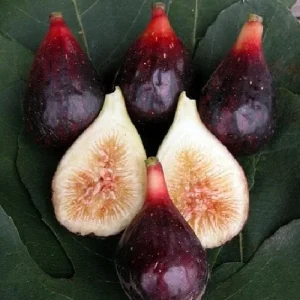 LSU Purple Edible Fig Live Plant - Ficus carica - 4 inch Pot
 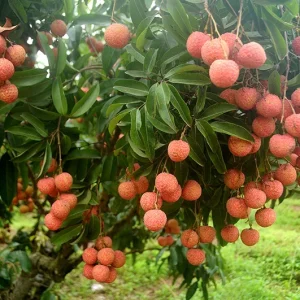 Lychee Tree Live Plant - 10-12in Tall - Half Gallon Pot - Tropical Fruit
 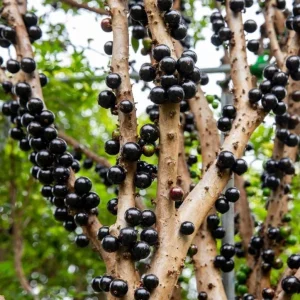 Jaboticaba Live Starter Plant – 1 ft Tall Tropical Fruit Tree – Rooted
 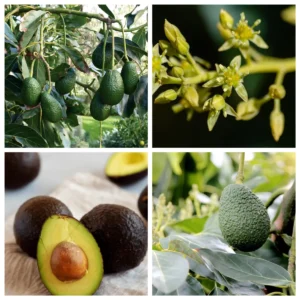 Hass Avocado Tree Live Plant - Grafted, 2-3 ft Tall, 3 Gallon Pot
 10 Barbados Cherry Tree Malpighia Emarginata Live Starter Plants – Fruit Tree
-20%
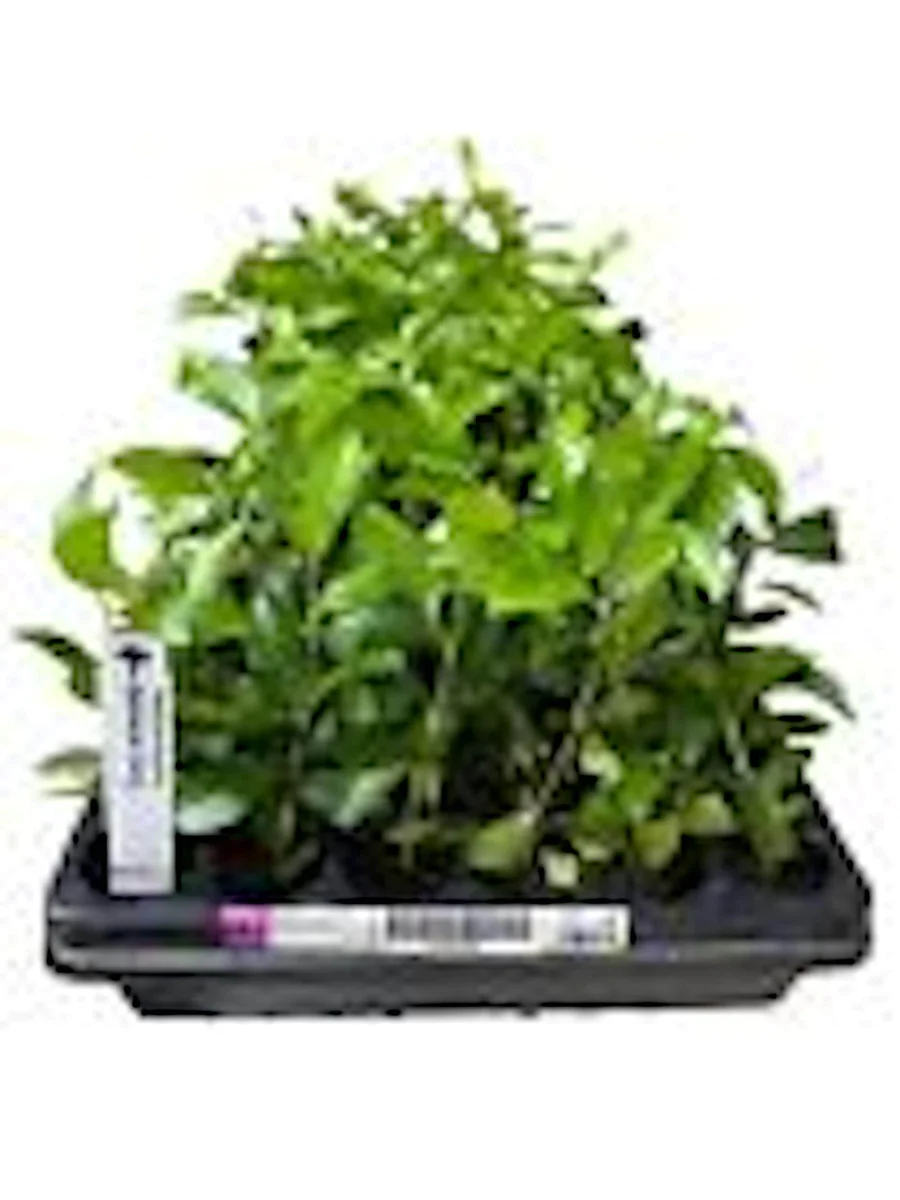
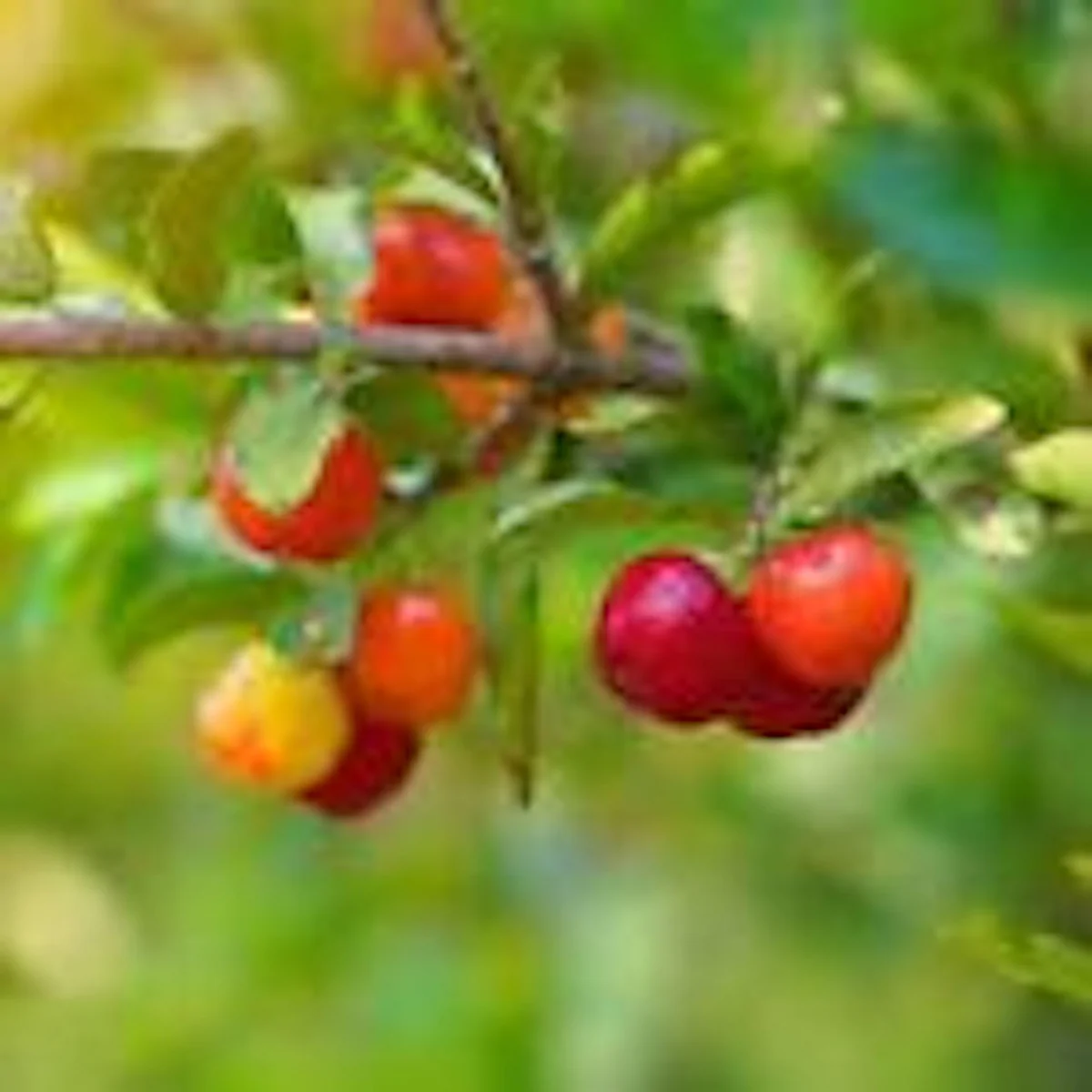
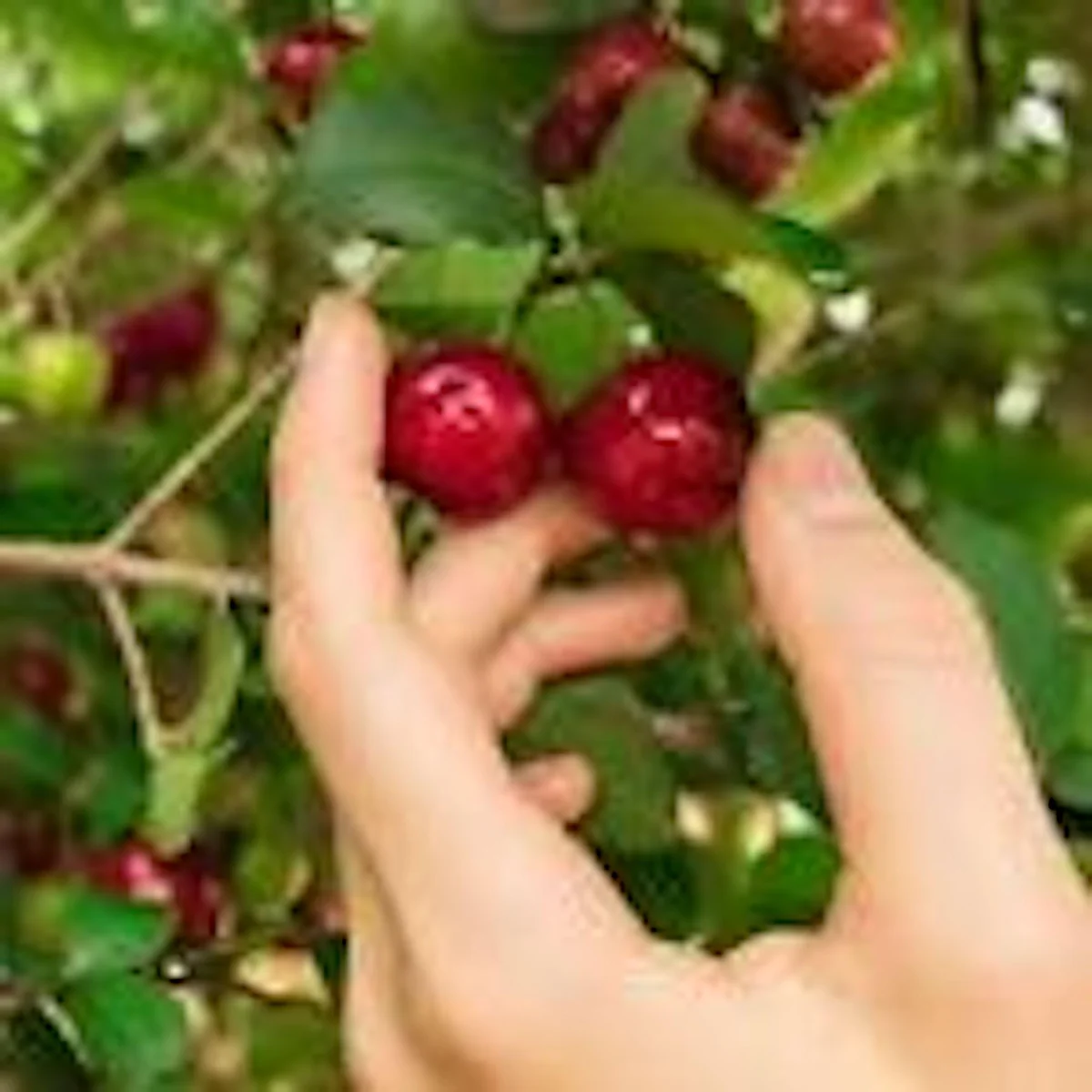
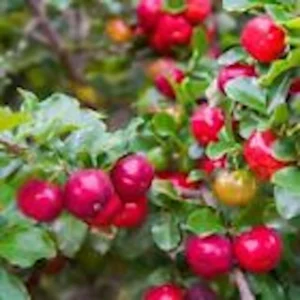
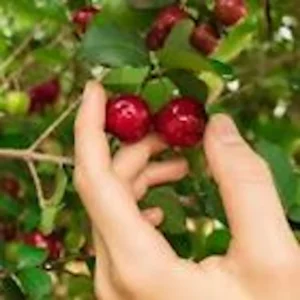
10 Barbados Cherry Tree Malpighia Emarginata Live Starter Plants – Fruit Tree
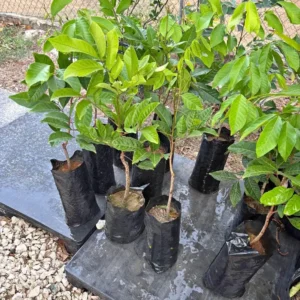
Cultivate your own delicious and vitamin-rich fruit with these Barbados Cherry live plant starters. Also known as Malpighia Emarginata tree or Acerola fruit tree, these fast-growing tropical fruit plant specimens are perfect for creating a vibrant homestead fruit tree orchard or an attractive edible landscape.
Original price was: $140.00.$112.00Current price is: $112.00.

With our Alive & Thrive Guarantee, we’ve got your back for the first 30 days! If you have any concerns about your plants, just reach out to us. Our team is here to help answer your questions and guide you in selecting the best plants for your garden, climate, and unique preferences. We're excited to help you create the garden of your dreams!
Estimated arrival
Apr 08
Apr 13 - Apr 15
Apr 18 - Apr 22
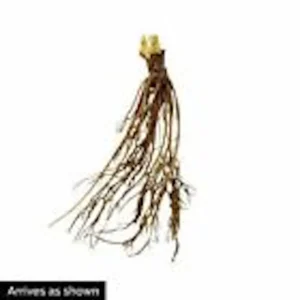
Product Details
-
USDA Hardiness Zone
USDA Zones 9-11 -
Soil type
Well-draining, slightly acidic to neutral soil -
Sunlight Exposure
Full sun (6-8+ hours daily) -
Expected Planting Period
Spring to early summer
Overview
Bring the tropics to your garden with this exceptional offer of Barbados Cherry live plant starters. Known scientifically as Malpighia emarginata, and often referred to as Acerola, this fruit tree is a fantastic addition for any gardener looking to cultivate their own nutrient-rich produce. These starter plants are ready to establish themselves in your garden, offering the promise of fresh, homegrown fruit. The Barbados Cherry is celebrated not only for its prolific and delicious fruit but also for its ornamental value, featuring attractive foliage and charming pink flowers. It’s a fast-growing, small tree or bushy shrub that can thrive in suitable climates, making it a versatile choice for various landscape designs. Whether you’re starting a backyard orchard or simply want a beautiful and productive plant, the Malpighia Emarginata tree is an excellent choice.
Originally native to the West Indies, the Barbados Cherry live plant is well-adapted to warm, humid environments, making it particularly popular in regions like South Florida. It’s a perennial that can provide fruit for many years with proper care. These starter plants offer a head start on growing your own supply of these super-nutritious cherries. Expect a robust and healthy plant that will quickly acclimate to its new home, ready to grow into a beautiful and productive tropical fruit plant. Its manageable size also makes it suitable for smaller gardens or even container growing in colder regions where it can be brought indoors during winter.
Key Benefits
The Barbados Cherry live plant offers a multitude of benefits, from its delicious fruit to its aesthetic appeal, making it a highly desirable addition to any garden or homestead. This versatile plant is not just a source of food but also a beautiful ornamental specimen.
- Exceptional Nutritional Value: Barbados Cherries are renowned for being one of the richest natural sources of Vitamin C, far surpassing oranges. Growing your own ensures a fresh supply of this vital nutrient, contributing to a healthier diet and stronger immune system.
- Beautiful Ornamental Features: Beyond its fruit, the Malpighia Emarginata tree boasts attractive bright green, evergreen leaves and delicate, five-petaled pinkish-lavender flowers that bloom profusely from spring to fall, and sometimes year-round in warmer climates. Its dense foliage and vibrant blossoms add significant visual appeal to any landscape.
- Fast-Growing & Productive: This plant is known for its rapid growth rate, allowing you to enjoy fresh fruit sooner. With proper care, a single Acerola fruit tree can yield a substantial amount of cherries, making it a very rewarding plant for a homestead fruit tree setup.
- Versatile Growth Habit: While it can grow up to 12 feet tall, the Barbados Cherry can also be maintained as a smaller shrub through regular pruning. This flexibility makes it suitable for various garden sizes and styles, from a dedicated fruit orchard to a mixed border.
- Resilient & Adaptable: As a tropical species, it thrives in warm, sunny conditions and is relatively easy to care for once established. It’s a hardy plant that can withstand various conditions, making it a good choice for gardeners of different experience levels.
- Supports Local Wildlife: The flowers can attract pollinators, and the fruit, if not harvested, can provide a food source for local birds, contributing to biodiversity in your garden.
Plant Care & Growing Tips
Caring for your Barbados Cherry live plant is relatively straightforward, especially when provided with the right conditions. This tropical fruiting shrub or small tree thrives in warm environments, making it ideal for USDA Zones 9-11 outdoors, or as a container plant that can be moved indoors during cooler months. It prefers a location with full sun exposure, meaning at least 6-8 hours of direct sunlight daily, which is crucial for maximizing fruit production. While it can tolerate some partial shade, too little sun will result in fewer flowers and fruits. Ensure good air circulation around the plant to prevent fungal issues.
The Malpighia Emarginata tree prefers well-draining soil with a slightly acidic to neutral pH (6.0-7.0). A sandy loam enriched with organic matter is ideal. Avoid heavy clay soils that retain too much moisture, as this can lead to root rot. When watering, maintain consistent moisture, especially during dry periods and while the plant is young and establishing itself. Once mature, it can tolerate short periods of drought but will produce more fruit with regular watering. Water deeply to encourage a strong root system, and allow the top inch or two of soil to dry out between waterings. Fertilize every 2-3 months during the growing season with a balanced fertilizer, or one formulated for fruiting plants, to support vigorous growth and abundant fruit set. Pruning can be done to maintain shape, size, and to encourage more branching and fruit production. Remove any dead, diseased, or crossing branches.
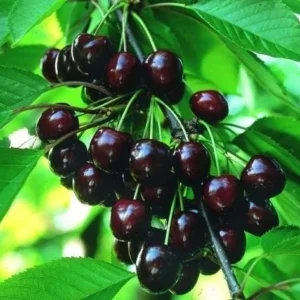
When harvesting, wear gloves as the stems and leaves, especially on younger plants, can have fine hairs that irritate the skin. The fruit ripens from May to November, though some may appear year-round in very warm climates. Pick the cherries when they are fully ripe and bright red. This tropical fruit plant is generally pest-resistant, but keep an eye out for common garden pests and treat them with organic solutions if necessary. Providing optimal care will ensure your Acerola fruit tree remains healthy and productive for many years, yielding plenty of delicious fruit for your enjoyment and contributing beautifully to your homestead fruit tree collection.
Size & Details
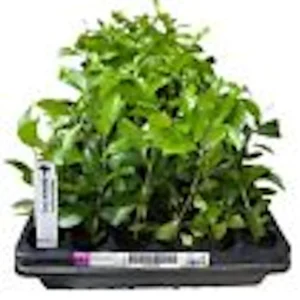
This offering includes 10 Barbados Cherry live plant starter specimens, providing an excellent foundation for a productive fruit garden or a series of attractive ornamental plants. Each starter plant is carefully cultivated to ensure a strong and healthy beginning, ready for transplanting into your chosen location. The Barbados Cherry, or Malpighia emarginata, typically grows as a large, bushy shrub or a small tree, reaching mature heights of about 12 feet (3.5 meters) in ideal conditions. However, its growth can be easily managed through pruning, allowing it to be kept at a smaller shrub size if desired for container growing or compact garden spaces.
These plants are shipped as live starter plants, meaning they are young, actively growing specimens with established root systems, providing the best chance for successful growth upon arrival. They are fast-growing and, with proper care, will quickly develop into mature, fruit-bearing plants. Fruiting generally occurs from May to November, with some blossoms and fruit potentially appearing year-round in very warm climates. The attractive bright green, thick leaves and small, pinkish-lavender flowers add significant aesthetic value even before the fruit fully develops. Expect to enjoy your first harvest within a year or two of planting, depending on growing conditions and care.
Frequently Asked Questions
- Q: How big does this plant get? A: The Barbados Cherry live plant typically grows into a large bushy shrub or a small tree, reaching heights of up to 12 feet (3.5 meters). Its size can be managed through regular pruning to keep it more compact.
- Q: Is this an indoor or outdoor plant? A: The Malpighia Emarginata tree is primarily an outdoor plant in USDA Zones 9-11. In colder climates, it can be grown in a container and brought indoors during winter to protect it from frost.
- Q: How much sunlight does it need? A: This tropical fruit plant thrives in full sun, requiring at least 6-8 hours of direct sunlight daily for optimal growth and fruit production.
- Q: Is this plant easy to care for? A: Yes, the Barbados Cherry is considered relatively easy to care for once established. It requires consistent watering, well-draining soil, and plenty of sunlight.
- Q: What condition will it arrive in? A: Your order will consist of 10 live starter plants, carefully packaged to ensure they arrive healthy and ready for planting. They will have established root systems.
- Q: How long until it blooms and fruits? A: The Acerola fruit tree is fast-growing. You can expect it to start blooming and fruiting within 1-2 years of planting, depending on growing conditions and care.
- Q: What’s the best time to plant a Barbados Cherry? A: The best time to plant is typically in spring or early summer, after the last chance of frost has passed, allowing the plant ample time to establish before cooler weather.
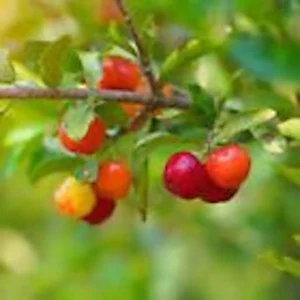
- Q: Is the fruit edible? A: Absolutely! The Barbados Cherry produces small, red, tart fruits that are highly prized for their extremely high Vitamin C content and are delicious eaten fresh or used in juices and jams.
- Q: Can I grow this as a homestead fruit tree? A: Yes, its prolific fruiting and nutritional benefits make it an excellent choice for a homestead or backyard orchard, providing a consistent supply of fresh fruit.
- Q: Do I need multiple plants for pollination? A: Barbados Cherry trees are self-pollinating, meaning a single plant can produce fruit. However, having more than one plant can sometimes increase overall yield.
Related products
-20%
Original price was: $56.00.$44.80Current price is: $44.80.
-10%
Original price was: $23.99.$21.59Current price is: $21.59.
-10%
Original price was: $28.99.$26.09Current price is: $26.09.
-10%
Original price was: $48.99.$44.09Current price is: $44.09.
-50%
Original price was: $39.98.$19.99Current price is: $19.99.
-20%
Original price was: $31.98.$25.58Current price is: $25.58.
-20%
Original price was: $34.00.$27.20Current price is: $27.20.
PLANTING & CARE

Growing Glencoe Raspberry: A Complete Guide for Gardeners
If you’re looking to add something unique to your garden, look no further than the
31
Mar
Mar

The Comprehensive Guide to Growing Bay Leaf Plants for a Flavorful Garden
Imagine stepping into your garden, greeted by the earthy aroma of fresh bay leaves, their
09
Feb
Feb

How to Make Comfrey Tea: The Ultimate Organic Plant Food
Growing an organic garden can be surprisingly expensive, especially when most store-bought fertilizers come in
02
Feb
Feb

True Comfrey: 7 Essential Tips Before You Plant This Herb
A staple in permaculture practices across the US, True Comfrey easily earns its reputation as
27
Jan
Jan

7 Heart-Shaped Plants for a Lasting Valentine’s Gift
If you’ve ever bought a bouquet of roses for Valentine’s Day, you know they are
26
Jan
Jan

Best Types of Ivy Plant for Houses: How to Choose the Perfect Ones for Your Home
Are you a garden lover looking to introduce some greenery into your home? Maybe you’ve
14
Nov
Nov

When to Harvest Garlic (Especially Fall-Planted Garlic)
TIMING IS EVERYTHING, they say – and for garlic, that truth hits with surprising accuracy.
13
Nov
Nov

11 of the Best Sweet Potato Varieties to Grow for Your Garden
If you’ve ever tried growing sweet potatoes, you know that picking the right variety can
12
Nov
Nov