10 Florida Sapote Seeds – Manilkara Zapota Nispero Fruit Seeds – Tropical

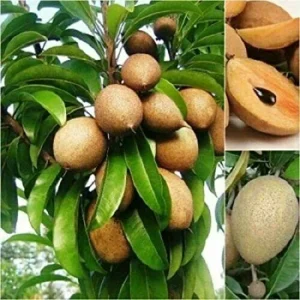
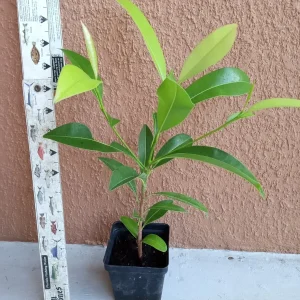
10 Florida Sapote Seeds – Manilkara Zapota Nispero Fruit Seeds – Tropical
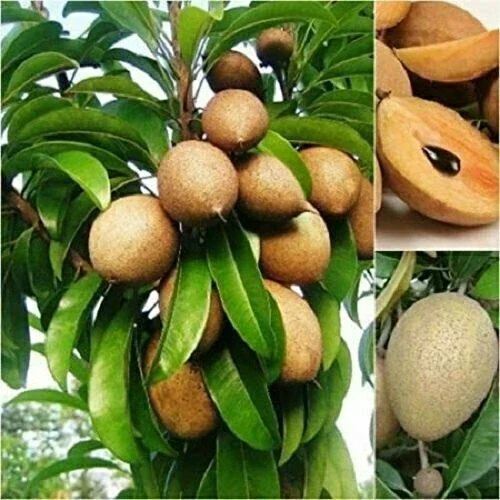
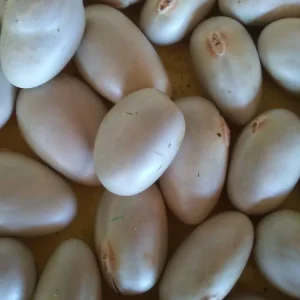
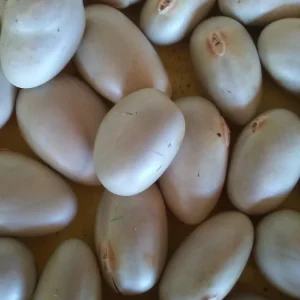
Cultivate your own delicious tropical fruit with this pack of 10 Florida Sapote seeds. Also known as Manilkara Zapota seeds or Nispero, these seeds are ideal for gardeners in warm climates looking to grow a unique and flavorful fruit. Perfect for creating a vibrant, productive garden.
$19.98

With our Alive & Thrive Guarantee, we’ve got your back for the first 30 days! If you have any concerns about your plants, just reach out to us. Our team is here to help answer your questions and guide you in selecting the best plants for your garden, climate, and unique preferences. We're excited to help you create the garden of your dreams!
Estimated arrival
Mar 31
Apr 05 - Apr 07
Apr 10 - Apr 14


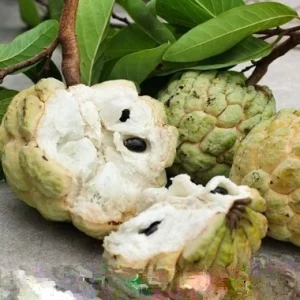
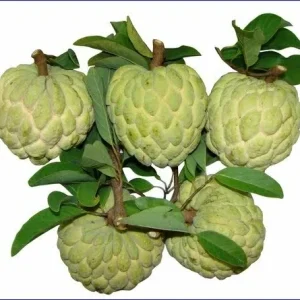
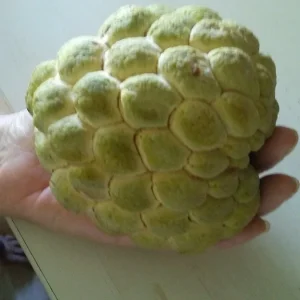
Product Details
-
USDA Hardiness Zone
10 (30 to 40 °F) -
Soil type
Well-draining, fertile sandy loam -
Sunlight Exposure
Full sun to partial shade -
Expected Planting Period
Year-round in tropical climates; spring to early summer in other regions
Overview
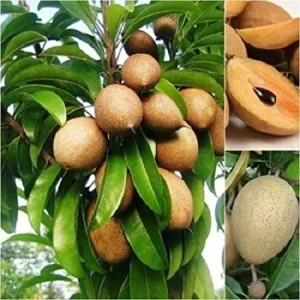
Embark on a rewarding gardening journey with these premium Florida Sapote seeds. The Sapote, scientifically known as Manilkara Zapota seeds, is a fascinating tropical fruit tree renowned for its exceptionally sweet and caramel-flavored fruit. Often referred to as Sapodilla or Nispero, this tree is a true gem for any enthusiast of exotic edibles. Growing from seed offers a unique opportunity to nurture a plant from its very beginning, witnessing its transformation into a lush, fruit-bearing specimen. These tropical fruit seeds are sourced for viability and are ready to be sown by home gardeners eager to cultivate their own sweet harvest. Originating from the warm regions of the Americas, the Sapote tree thrives in conditions mimicking its native habitat, promising a delightful addition to your garden or landscape.
The Florida Sapote seeds are perfect for those in USDA Hardiness Zone 10 and above, or for indoor cultivation in cooler regions. With proper care, these seeds will germinate and grow into beautiful trees that can provide shade and delicious fruit for many years. The fruit itself is highly prized for its unique texture and rich flavor, making it a favorite among tropical fruit connoisseurs. Imagine plucking your own fresh Sapodilla fruit, ripe and ready to enjoy straight from the tree.
Key Benefits
Growing Florida Sapote seeds offers a multitude of benefits, both for your garden and your palate. These resilient seeds can develop into productive trees, enriching your outdoor space with their beauty and bounty. The journey from planting a tiny seed to harvesting ripe fruit is incredibly fulfilling.
- Delicious Tropical Fruit: Enjoy the unique, sweet, malty flavor of fresh Sapote fruit, reminiscent of pear, brown sugar, and caramel. These fruits are a delightful treat for any palate.
- Ornamental Value: The Sapote tree features attractive, glossy green foliage, making it a beautiful addition to any landscape or large container garden, even before it starts bearing fruit.
- High Yield Potential: With good care and suitable conditions, a mature Sapote tree can produce a substantial amount of fruit, providing a continuous supply for your family and friends.
- Nutrient-Rich Harvest: Sapote fruit is not only delicious but also packed with essential vitamins, minerals, and antioxidants, contributing to a healthy diet.
- Unique Gardening Experience: Cultivating Manilkara Zapota seeds offers a rewarding challenge and a deep connection to nature, allowing you to grow an exotic plant from scratch.
- Long-Lived Tree: Sapote trees are known for their longevity, offering decades of fruit production and beauty in your garden.
- Adaptable Growth: While preferring tropical climates, these tropical fruit seeds can be grown in large containers in cooler regions, allowing you to bring the tropics to your patio or greenhouse.
Plant Care & Growing Tips
Successfully growing Florida Sapote seeds requires attention to specific environmental factors, especially if you’re aiming for fruit production. Optimal sunlight is crucial; Sapote trees thrive in full sun, requiring at least 6-8 hours of direct sunlight daily. In extremely hot climates, some afternoon shade can be beneficial for young plants to prevent scorching. For indoor growers, placing the seedling near a south-facing window or providing supplemental grow lights will be essential. The ideal temperature range for Sapote is between 70-90°F (21-32°C), and they are sensitive to frost, making them suitable for USDA zones 10 and above for outdoor planting. If you’re in a cooler zone, grow your Sapote in a large pot that can be moved indoors during colder months.
When it comes to watering, consistent moisture is key, especially during the growing season and when the tree is fruiting. However, good drainage is paramount to prevent root rot. Allow the top inch or two of soil to dry out slightly between waterings. A well-draining soil mix is essential; a good blend would be a sandy loam enriched with organic matter. Fertilize young Sapote trees every 2-3 months with a balanced, slow-release fertilizer, gradually reducing frequency to 3-4 times a year for mature trees. Watch out for common pests like scale insects and mealybugs, and address them promptly with horticultural oil or insecticidal soap. Pruning should be done to maintain shape and remove dead or diseased branches. With these careful growing tips, your Nispero fruit seeds will flourish.
Size & Details
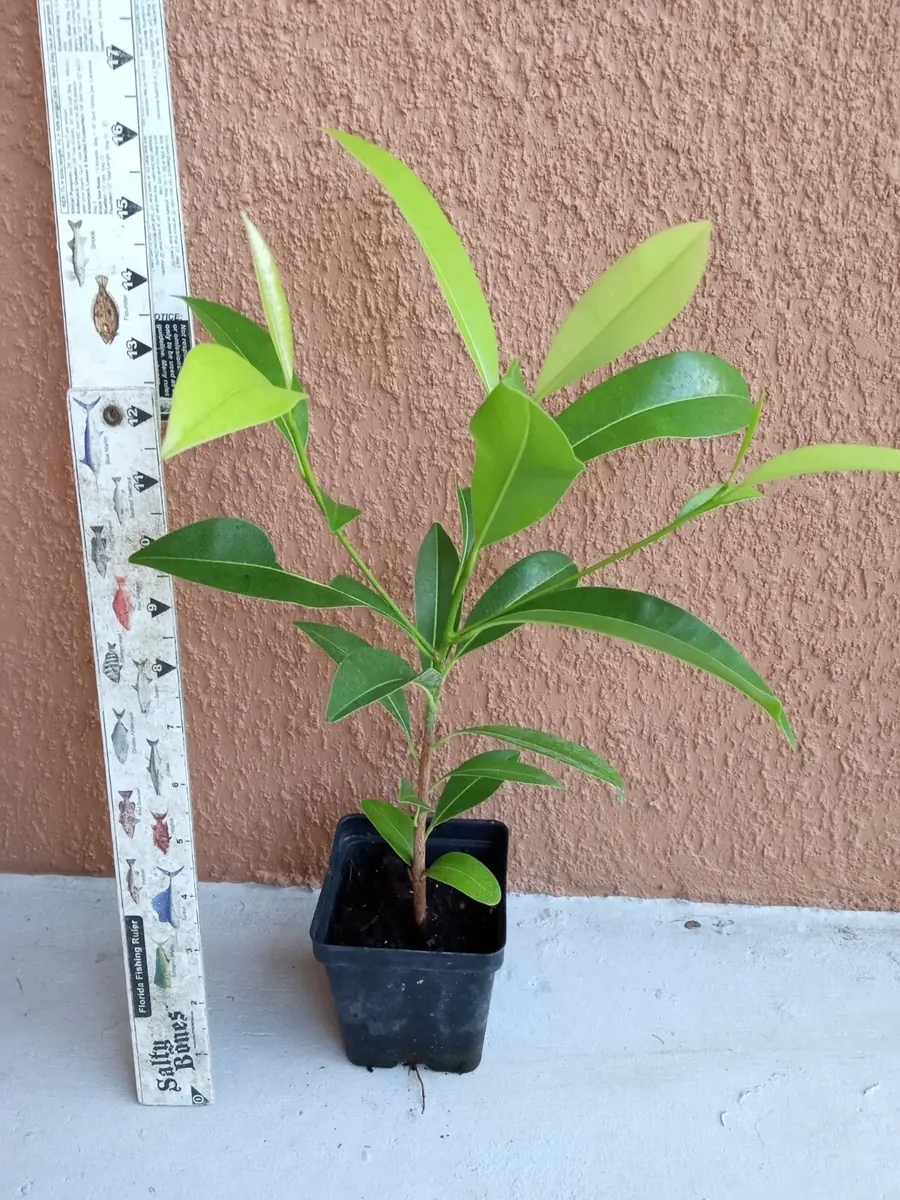
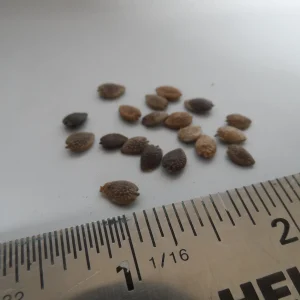
This offering includes 10 Florida Sapote seeds, providing a generous quantity to start your tropical fruit garden. Each seed holds the potential to grow into a substantial tree, capable of reaching heights of 20-30 feet in ideal outdoor conditions, though they can be maintained at a smaller size through pruning or container growth. The growth rate of Sapote trees is moderate, and they typically begin to bear fruit within 3-6 years from seed, depending on growing conditions and care. The seeds are carefully selected to ensure viability and are ready for immediate planting upon arrival. When planting, consider the mature size of the tree and its eventual root system. For container growing, start with a pot that is at least 15-20 gallons to accommodate initial growth, eventually upgrading to larger sizes as the tree matures. These Sapodilla seeds are a fantastic way to introduce a piece of the tropics into your home or garden.
Frequently Asked Questions
- Q: How big does a Sapote tree get? A: A Sapote tree can typically grow 20-30 feet tall in optimal outdoor conditions. However, with regular pruning and container growing, its size can be managed for smaller spaces or indoor environments.
- Q: Is this an indoor or outdoor plant? A: The Florida Sapote seeds are best suited for outdoor planting in tropical and subtropical climates (USDA Zones 10+). In cooler regions, they can be successfully grown indoors in large containers, moved outside during warm months.
- Q: How much sunlight does it need? A: Sapote trees thrive in full sun, requiring at least 6-8 hours of direct sunlight per day. Young plants may benefit from some afternoon shade in extremely hot climates.
- Q: Is this plant easy to care for? A: While tropical fruit seeds require specific conditions, Sapote trees are considered moderately easy to care for once established. Consistent watering, adequate sunlight, and proper soil drainage are key.
- Q: What condition will the seeds arrive in? A: Your 10 Florida Sapote seeds will arrive carefully packaged, ready for immediate planting. We ensure they are viable and of good quality for germination.
- Q: How long until Sapote trees bear fruit from seed? A: Typically, Sapote trees grown from seed will begin bearing fruit within 3-6 years, depending on the specific growing conditions and care they receive.
- Q: What is the best soil type for these tropical fruit seeds? A: Sapote trees prefer well-draining, fertile soil. A sandy loam enriched with organic matter is ideal for promoting healthy growth and preventing waterlogging.
- Q: Will these Manilkara Zapota seeds grow in my climate? A: These seeds are best suited for USDA Hardiness Zones 10 and above for outdoor cultivation. If you live in a colder zone, you can still grow them in containers and provide winter protection indoors.
- Q: Can I grow Nispero fruit seeds in a pot? A: Yes, Nispero fruit seeds can be successfully grown in large pots or containers, especially in regions where the climate is not consistently tropical. This allows for easy relocation during colder periods.
- Q: What are the primary uses for Sapote fruit? A: Sapote fruit is primarily enjoyed fresh, eaten directly from the tree. It can also be used in desserts, smoothies, ice creams, and preserves, offering a unique tropical flavor to various culinary creations.
Related products
-50%
From Original price was: $88.00.$44.00Current price is: $44.00.
-50%
Original price was: $107.96.$53.98Current price is: $53.98.
-50%
Original price was: $48.00.$24.00Current price is: $24.00.
-50%
Original price was: $28.00.$14.00Current price is: $14.00.
-50%
Original price was: $32.00.$16.00Current price is: $16.00.
-50%
Original price was: $22.76.$11.38Current price is: $11.38.
PLANTING & CARE
Growing Glencoe Raspberry: A Complete Guide for Gardeners
If you’re looking to add something unique to your garden, look no further than the
31
Mar
Mar

The Comprehensive Guide to Growing Bay Leaf Plants for a Flavorful Garden
Imagine stepping into your garden, greeted by the earthy aroma of fresh bay leaves, their
09
Feb
Feb

How to Make Comfrey Tea: The Ultimate Organic Plant Food
Growing an organic garden can be surprisingly expensive, especially when most store-bought fertilizers come in
02
Feb
Feb

True Comfrey: 7 Essential Tips Before You Plant This Herb
A staple in permaculture practices across the US, True Comfrey easily earns its reputation as
27
Jan
Jan

7 Heart-Shaped Plants for a Lasting Valentine’s Gift
If you’ve ever bought a bouquet of roses for Valentine’s Day, you know they are
26
Jan
Jan

Best Types of Ivy Plant for Houses: How to Choose the Perfect Ones for Your Home
Are you a garden lover looking to introduce some greenery into your home? Maybe you’ve
14
Nov
Nov

When to Harvest Garlic (Especially Fall-Planted Garlic)
TIMING IS EVERYTHING, they say – and for garlic, that truth hits with surprising accuracy.
13
Nov
Nov

11 of the Best Sweet Potato Varieties to Grow for Your Garden
If you’ve ever tried growing sweet potatoes, you know that picking the right variety can
12
Nov
Nov