
10 Ostrich Fern Bare Root Fiddlehead Matteuccia Struthiopteris Perennial Wildflower Plant
-20%


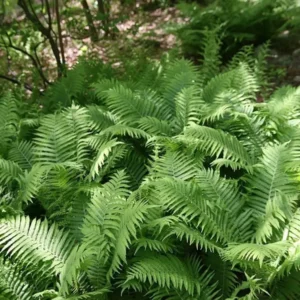
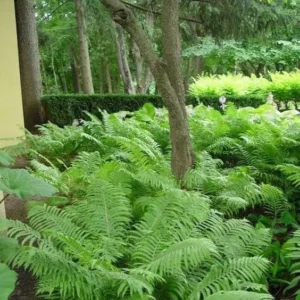


10 Ostrich Fern Bare Root Fiddlehead Matteuccia Struthiopteris Perennial Wildflower Plant
Bring natural beauty to your landscape with 10 Ostrich Fern bare root plants. These perennial wildflower ferns are ideal for creating a lush, green carpet in shady spots, offering elegant foliage and delicious edible fiddleheads in spring. Easy to establish and grow, they thrive in moist, cool environments.
Original price was: $51.98.$41.58Current price is: $41.58.

With our Alive & Thrive Guarantee, we’ve got your back for the first 30 days! If you have any concerns about your plants, just reach out to us. Our team is here to help answer your questions and guide you in selecting the best plants for your garden, climate, and unique preferences. We're excited to help you create the garden of your dreams!
Estimated arrival
Apr 03
Apr 08 - Apr 10
Apr 13 - Apr 17






Product Details
-
USDA Hardiness Zone
USDA zones 2-8 -
Soil type
Rich, moist, well-draining soil -
Sunlight Exposure
Partial to full shade -
Expected Planting Period
Early spring or fall
Overview
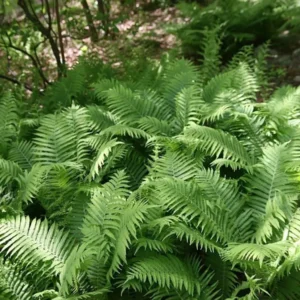
Transform your garden into a serene, verdant retreat with the addition of the Ostrich Fern bare root. This offering includes 10 healthy bare roots of Matteuccia Struthiopteris, commonly known as the Ostrich Fern. Renowned for its graceful, upright fronds that resemble ostrich plumes, this perennial fern is a true gem for any shade garden. As a native perennial wildflower, it quickly establishes itself, spreading to create a dense, lush groundcover. Beyond its aesthetic appeal, the Ostrich Fern is also famous for its culinary delicacy: the young, coiled fronds, known as fiddleheads. These tender shoots are a springtime treat, offering a unique flavor that can be enjoyed steamed, sautéed, or added to various dishes. Our bare roots are harvested fresh, ensuring vigorous growth and successful establishment in your landscape. Prepare to enjoy the elegance and bounty of these remarkable ferns for years to come.
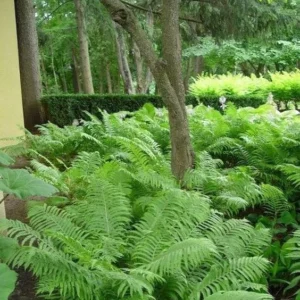
The Ostrich Fern bare root is an excellent choice for naturalizing shaded areas, woodland gardens, or alongside streams and ponds. Its robust nature and ability to thrive in moist conditions make it a low-maintenance yet high-impact plant. The vibrant green foliage provides a beautiful contrast to other shade-loving plants, creating a dynamic and inviting outdoor space. Experience the joy of cultivating a plant that not only enhances your garden’s beauty but also offers a seasonal harvest of delicious edible fiddleheads.
Key Benefits
The Ostrich Fern offers a multitude of benefits, making it a highly desirable addition to many garden types:
-
Stunning Ornamental Foliage: The distinctive, feathery fronds of the Ostrich Fern bare root add a unique texture and lush green color to shaded areas. They create a dramatic and elegant display, providing visual interest throughout the growing season.
-
Edible Delicacy: In early spring, these ferns produce tender, curled fiddleheads that are a gourmet treat. They are highly prized for their delicate flavor and can be a delightful addition to your seasonal culinary adventures.
-
Excellent for Shade Gardens: Thriving in low light conditions, the Ostrich Fern is perfect for those challenging shady spots where many other plants struggle. It helps transform dark corners into vibrant green havens.
-
Fast-Spreading Groundcover: Once established, Matteuccia Struthiopteris spreads readily via underground rhizomes, quickly forming dense colonies. This makes it an ideal choice for naturalizing large areas and suppressing weeds.
-
Low Maintenance: This perennial wildflower requires minimal care once established, making it suitable for both experienced gardeners and beginners. It’s resilient and generally pest and disease-free.
-
Deer Resistant: Ostrich Ferns are typically ignored by deer, offering peace of mind for gardeners in areas with high deer populations.
-
Wetland & Riparian Zone Suitability: Its natural preference for moist to wet soils makes it an excellent candidate for planting near water features, ponds, or in rain gardens, contributing to ecological balance.
Plant Care & Growing Tips
Caring for your Ostrich Fern bare root plants is straightforward, especially when you understand their preferred growing conditions. These ferns thrive in cool, moist, and shady environments, mimicking their natural woodland habitat. When planting your Ostrich Fern bare root, select a location that receives partial to full shade. While they can tolerate some morning sun, direct afternoon sun will scorch their delicate fronds. Ensure the soil is consistently moist but well-draining. Heavy, clay-like soils should be amended with organic matter such as compost or peat moss to improve drainage and aeration while retaining moisture.
Watering is crucial for the successful establishment and ongoing health of your Matteuccia Struthiopteris. Keep the soil consistently damp, especially during dry spells and in the first year after planting. Avoid letting the soil dry out completely. A layer of mulch, such as shredded bark or leaf mold, can help retain soil moisture, regulate soil temperature, and suppress weeds. These ferns are hardy in USDA zones 2-8. Fertilization is generally not necessary, particularly if planted in rich, organic soil. However, a light application of a balanced, slow-release granular fertilizer in early spring can promote vigorous growth if your soil is poor. Watch for slugs and snails, which can occasionally chew on young fronds; organic slug baits or hand-picking can help manage these pests. The key to a thriving perennial wildflower like the Ostrich Fern is providing consistent moisture and ample shade.
The foliage of the Ostrich Fern will die back in winter, and new fronds, including the delicious edible fiddleheads, will emerge in early spring. You can cut back the old, brown fronds in late winter or early spring to make way for new growth. Be careful not to damage the emerging fiddleheads. These ferns are relatively problem-free, but ensuring proper siting and consistent moisture will guarantee a lush and healthy display year after year. The ability of the Ostrich Fern to adapt and flourish makes it a rewarding plant for any gardener seeking to enhance their shaded landscape.
Size & Details
This offering includes 10 Ostrich Fern bare root plants, ready for immediate planting. Bare roots are dormant plants shipped without soil or foliage, allowing for easier transport and often resulting in more robust growth once established. Each bare root is carefully selected to ensure viability and health upon arrival. The Ostrich Fern is a vigorous grower, with fronds typically reaching 3 to 6 feet in height and spreading 2 to 3 feet wide. These ferns spread via rhizomes, forming clumps that will gradually expand to create a beautiful, dense groundcover.
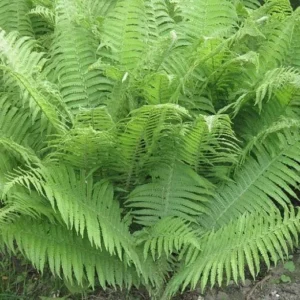
When mature, Matteuccia Struthiopteris forms a vase-shaped clump of sterile, green fronds, with shorter, darker fertile fronds appearing in late summer. The young, coiled fiddleheads emerge in early spring, usually before the sterile fronds fully unfurl, offering a prime harvest window. Expect these ferns to establish quickly, with noticeable growth in their first season, and full mature size achieved within 2-3 years under optimal conditions. Planting these shade garden plants will bring lasting beauty and a unique edible component to your landscape.
Frequently Asked Questions
-
Q: How big do these Ostrich Fern bare root plants get? A: Once established, Ostrich Ferns can grow quite large, with fronds reaching an impressive height of 3 to 6 feet. They also spread via rhizomes, forming clumps that can be 2 to 3 feet wide, making them excellent for naturalizing.
-
Q: Is this an indoor or outdoor plant? A: The Ostrich Fern bare root is primarily an outdoor plant, thriving in garden settings, especially in shady and moist areas. It is not typically grown as an indoor houseplant.
-
Q: How much sunlight does the Ostrich Fern need? A: This fern prefers partial to full shade. While it can tolerate some morning sun, it should be protected from harsh afternoon sun, which can scorch its fronds. Consistent shade and moisture are key for its health.
-
Q: Is this plant easy to care for? Is it good for beginners? A: Yes, the Ostrich Fern is relatively easy to care for and is a good choice for beginners, provided its basic needs for shade and consistent moisture are met. It’s a robust perennial wildflower that tolerates a range of conditions.
-
Q: What condition will the bare roots arrive in? A: Your Ostrich Fern bare root plants will arrive dormant, without foliage or soil, consisting of healthy roots. This is the optimal way to ship and plant bare root perennials, ensuring they establish well in your garden.
-
Q: When is the best time to plant Ostrich Fern bare roots? A: The best time to plant Ostrich Fern bare roots is in early spring or fall. This allows the roots to establish before the stress of summer heat or deep winter freezes.
-
Q: Can I harvest the fiddleheads for eating? A: Absolutely! The Ostrich Fern is one of the few ferns that produce delicious and safe-to-eat edible fiddleheads. Harvest them in early spring when they are tightly coiled, before they begin to unfurl.
-
Q: Will it survive winter in my zone? What’s the minimum temperature? A: Ostrich Ferns are very cold hardy, thriving in USDA Zones 2-8. They can withstand very cold winter temperatures, as their foliage dies back and the plant goes dormant, regrowing from the roots in spring.
-
Q: What type of soil does Matteuccia Struthiopteris prefer? A: This fern prefers rich, consistently moist, well-draining soil. It thrives in loamy soils amended with organic matter. Avoid overly dry or waterlogged conditions.
-
Q: How quickly do these ferns spread? A: Ostrich Ferns are known for their vigorous spreading habit. They colonize areas relatively quickly via rhizomes, especially in ideal conditions, making them excellent for groundcover in shaded areas.
Related products
-20%
Original price was: $64.00.$51.20Current price is: $51.20.
-20%
Original price was: $59.98.$47.98Current price is: $47.98.
-20%


Original price was: $33.98.$27.18Current price is: $27.18.
-20%
Original price was: $15.00.$12.00Current price is: $12.00.
-20%
Original price was: $17.00.$13.60Current price is: $13.60.
-20%
Original price was: $25.98.$20.78Current price is: $20.78.
-20%
Original price was: $58.00.$46.40Current price is: $46.40.
-20%


Original price was: $84.00.$67.20Current price is: $67.20.
PLANTING & CARE

Growing Glencoe Raspberry: A Complete Guide for Gardeners
If you’re looking to add something unique to your garden, look no further than the
31
Mar
Mar

The Comprehensive Guide to Growing Bay Leaf Plants for a Flavorful Garden
Imagine stepping into your garden, greeted by the earthy aroma of fresh bay leaves, their
09
Feb
Feb

How to Make Comfrey Tea: The Ultimate Organic Plant Food
Growing an organic garden can be surprisingly expensive, especially when most store-bought fertilizers come in
02
Feb
Feb

True Comfrey: 7 Essential Tips Before You Plant This Herb
A staple in permaculture practices across the US, True Comfrey easily earns its reputation as
27
Jan
Jan

7 Heart-Shaped Plants for a Lasting Valentine’s Gift
If you’ve ever bought a bouquet of roses for Valentine’s Day, you know they are
26
Jan
Jan

Best Types of Ivy Plant for Houses: How to Choose the Perfect Ones for Your Home
Are you a garden lover looking to introduce some greenery into your home? Maybe you’ve
14
Nov
Nov

When to Harvest Garlic (Especially Fall-Planted Garlic)
TIMING IS EVERYTHING, they say – and for garlic, that truth hits with surprising accuracy.
13
Nov
Nov

11 of the Best Sweet Potato Varieties to Grow for Your Garden
If you’ve ever tried growing sweet potatoes, you know that picking the right variety can
12
Nov
Nov


