10 Purple Passion Asparagus Bare Roots – Perennial Vegetable Plant
-20%
10 Purple Passion Asparagus Bare Roots – Perennial Vegetable Plant
Cultivate your own gourmet vegetable patch with these 10 Purple Passion Asparagus Bare Roots. Known for producing sweeter, milder, and less stringy spears than green varieties, this perennial plant is a garden favorite. Enjoy fresh, flavorful asparagus for years to come.
Original price was: $36.00.$28.80Current price is: $28.80.

With our Alive & Thrive Guarantee, we’ve got your back for the first 30 days! If you have any concerns about your plants, just reach out to us. Our team is here to help answer your questions and guide you in selecting the best plants for your garden, climate, and unique preferences. We're excited to help you create the garden of your dreams!
Estimated arrival
Apr 01
Apr 06 - Apr 08
Apr 11 - Apr 15

Product Details
-
USDA Hardiness Zone
USDA Zones 3-8 -
Soil type
Well-draining, fertile loam -
Sunlight Exposure
Full sun (6-8 hours daily) -
Expected Planting Period
Early spring
Overview
Embark on a rewarding gardening journey with our purple passion asparagus bare roots. This offering includes 10 premium bare roots of the highly sought-after ‘Purple Passion’ variety, renowned for its distinct flavor and vibrant color. Unlike traditional green asparagus, ‘Purple Passion’ boasts a sweeter, milder taste and a more tender, less fibrous texture, making it a culinary delight. Asparagus (Asparagus officinalis) is a long-lived perennial vegetable that, once established, can provide bountiful harvests for 15-25 years or even longer under optimal growing conditions. These bare roots are dormant, ready to be planted and burst into life, establishing a robust asparagus patch in your garden. Growing purple passion asparagus bare roots is an investment in future harvests, offering a sustainable source of fresh, homegrown produce.
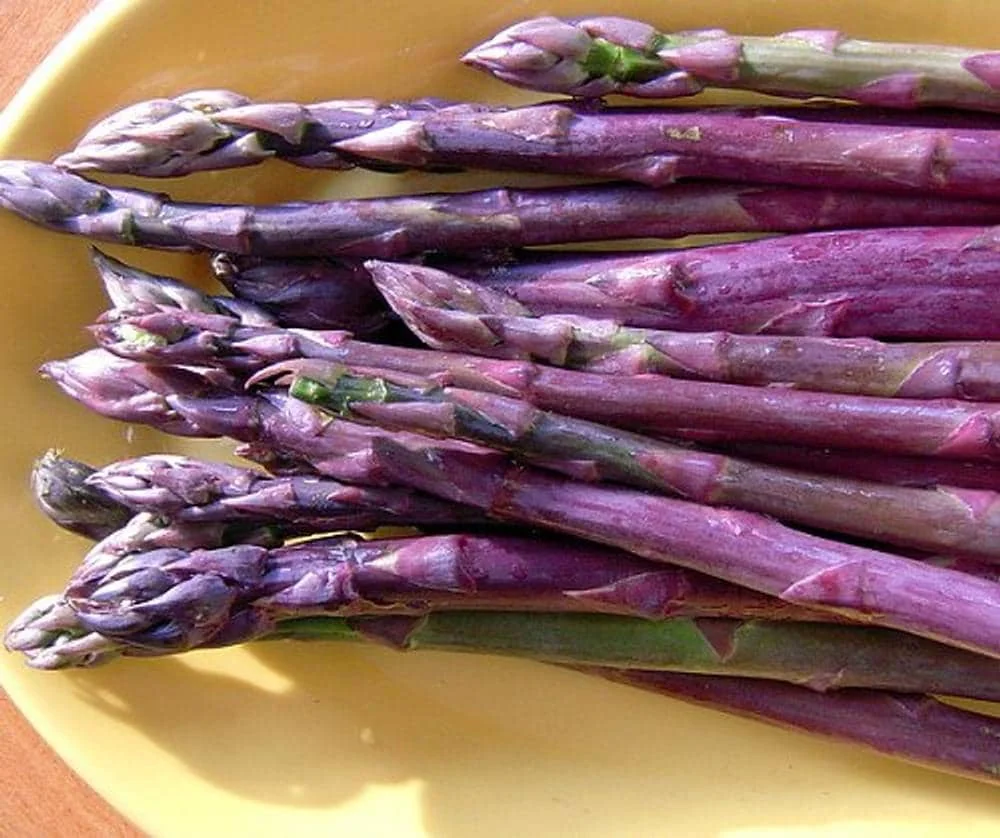
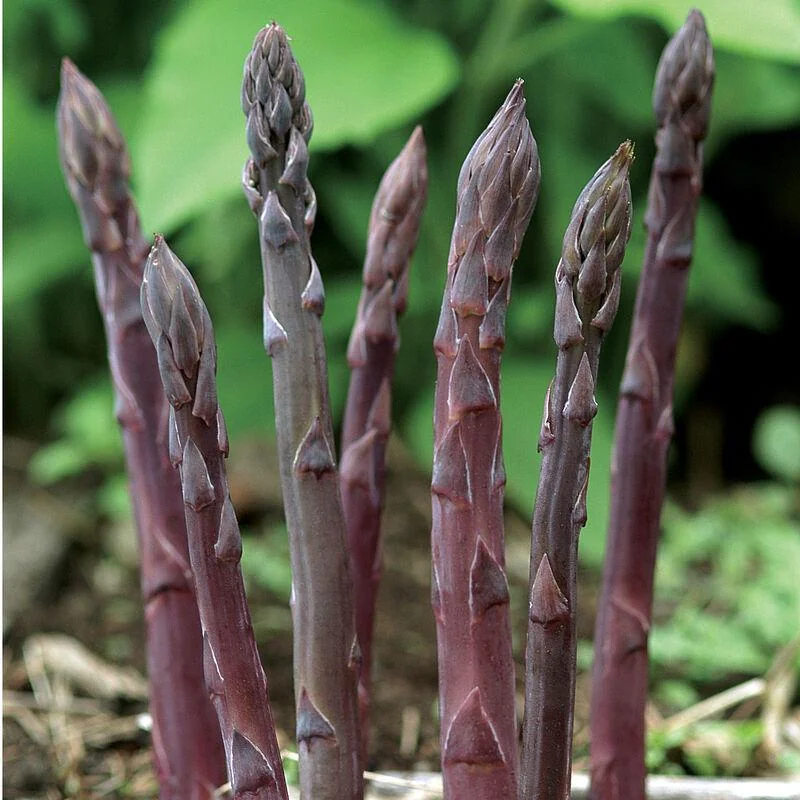
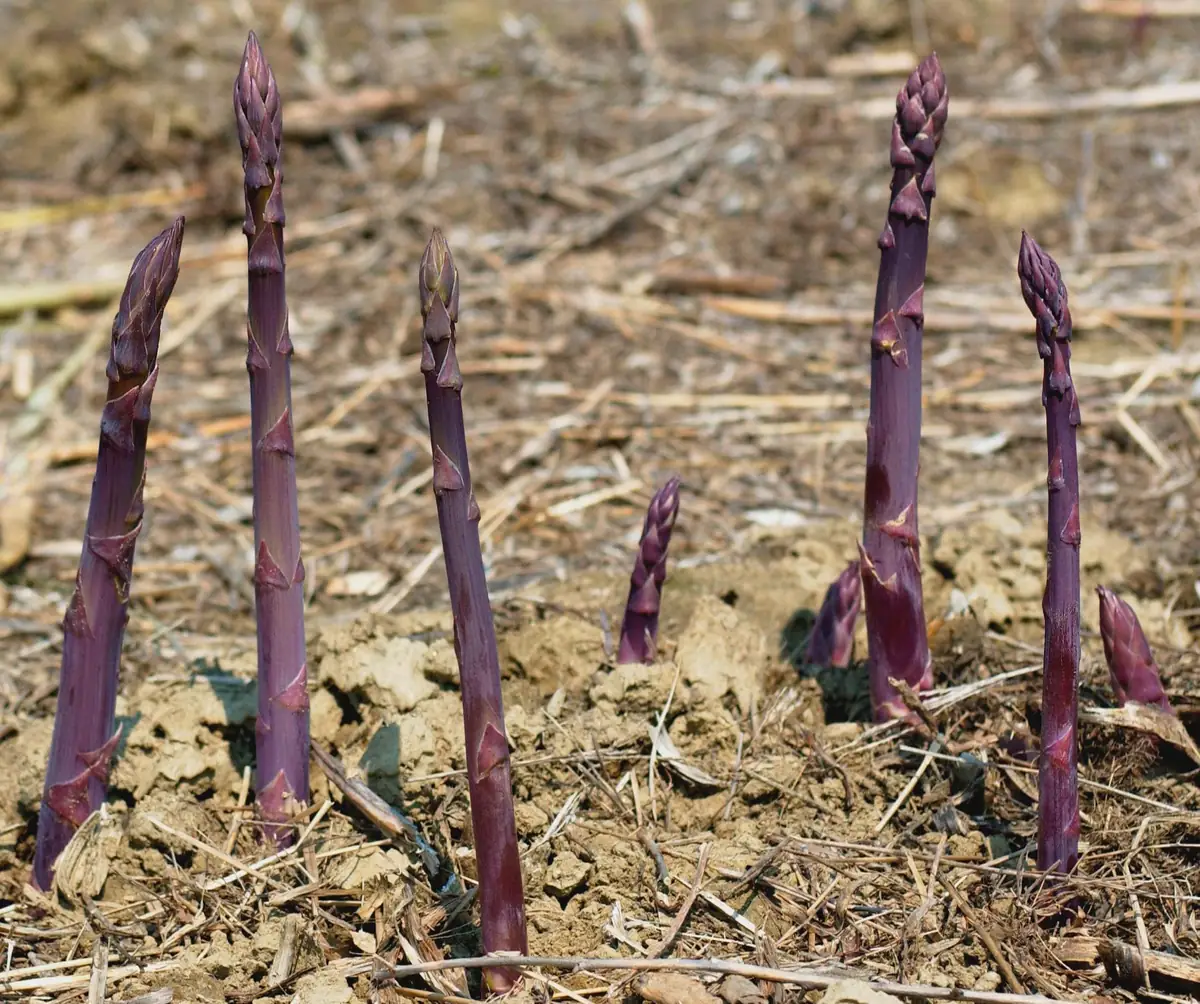
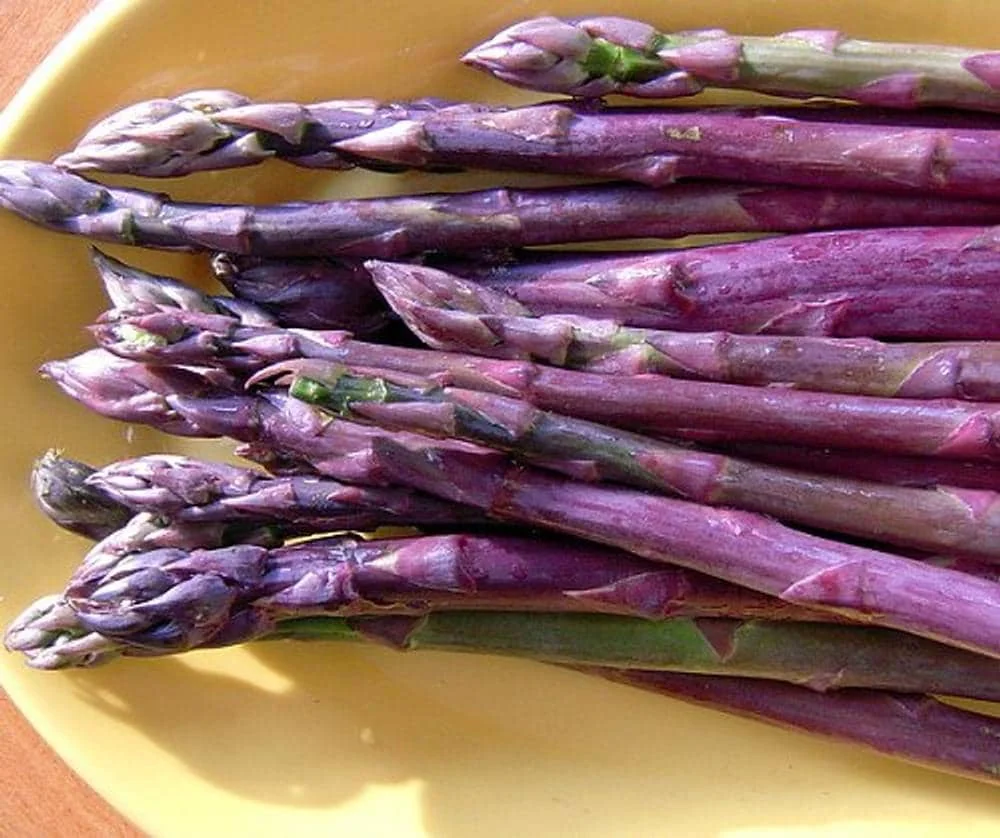
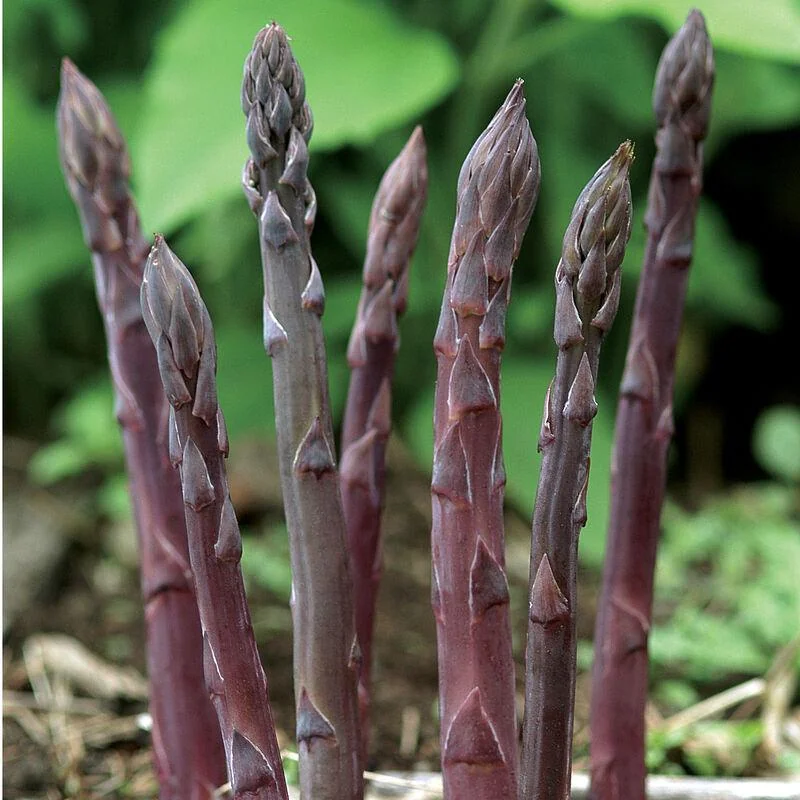
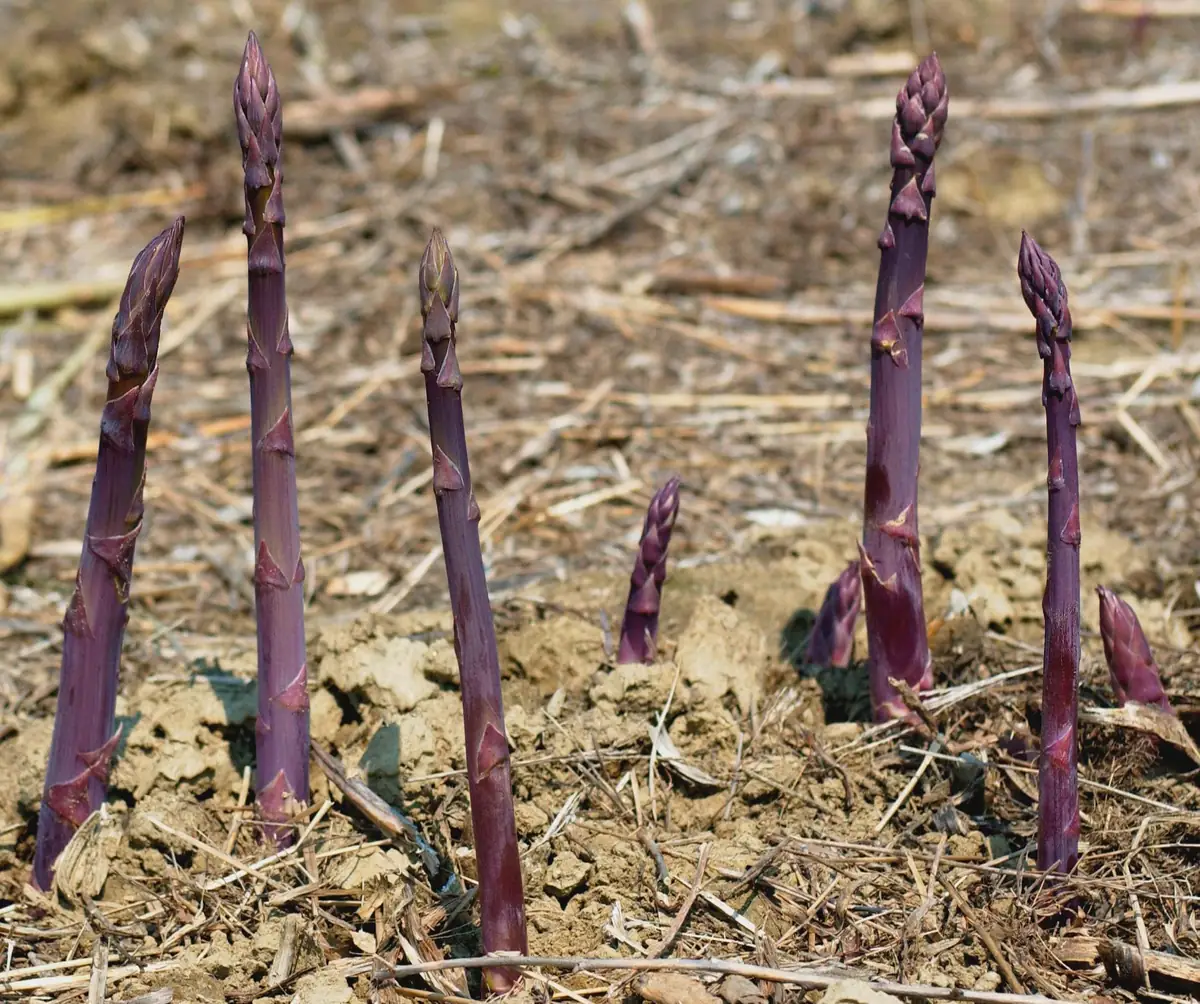
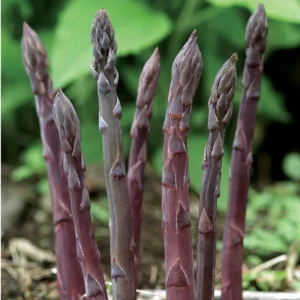
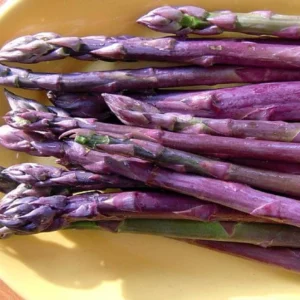
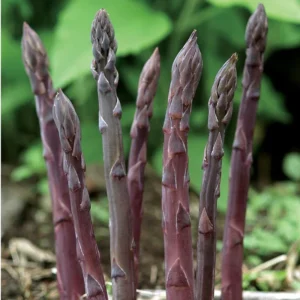
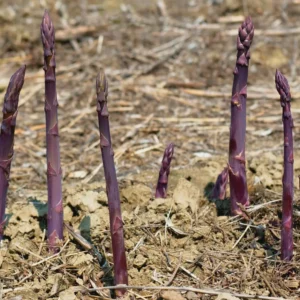
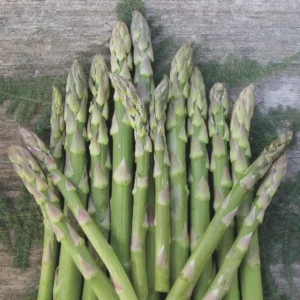
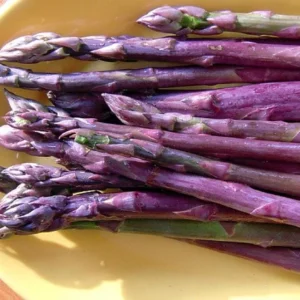
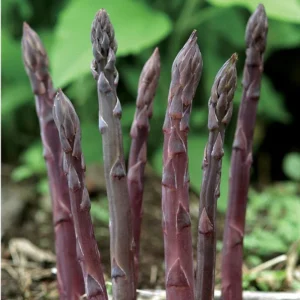
The ‘Purple Passion’ variety is celebrated not only for its unique taste but also for its beautiful deep purple spears, which retain some of their color even after cooking. This makes it an attractive addition to any plate, adding visual appeal to its delicious flavor. As a perennial, it returns year after year, offering a reliable yield with proper care. These bare roots are an excellent choice for both experienced gardeners and those new to growing vegetables, providing a straightforward path to cultivating gourmet purple passion asparagus bare roots right in your backyard.
Key Benefits
Planting purple passion asparagus bare roots offers a multitude of advantages for the home gardener and culinary enthusiast:
- Superior Flavor Profile: ‘Purple Passion’ asparagus is significantly sweeter and milder than green varieties, often enjoyed raw in salads due to its low fiber content and tender texture. This makes it a gourmet choice for various dishes.
- Exceptional Tenderness: The spears are notably less stringy, providing a more pleasant eating experience. This characteristic is highly valued by chefs and home cooks alike, enhancing the overall quality of your meals.
- Long-Term Productivity: As a perennial plant, once established, your asparagus patch can produce fresh spears for 15-25 years, offering a consistent and sustainable harvest season after season. It’s a true investment for your garden.
- Vibrant Visual Appeal: The striking deep purple color of the spears adds an elegant touch to any garden or culinary presentation. This makes your dishes not only delicious but also visually appealing.
- Nutrient-Rich Harvest: Asparagus is packed with vitamins and minerals, including Vitamins K, A, C, and folate, contributing to a healthy diet. Growing your own ensures the freshest and most nutritious produce.
- Easy to Grow: While asparagus takes a couple of years to establish, the planting process for these purple passion asparagus bare roots is relatively simple, and once mature, they require minimal ongoing maintenance.
- Versatile Culinary Use: Enjoy ‘Purple Passion’ asparagus grilled, roasted, steamed, or even raw. Its unique flavor complements a wide range of recipes, from simple side dishes to elaborate gourmet meals. Learn how to grow purple asparagus for endless culinary possibilities.
Plant Care & Growing Tips
Successfully growing purple passion asparagus bare roots requires attention to a few key cultural practices. Asparagus thrives in full sun, meaning at least 6-8 hours of direct sunlight per day is ideal. Choose a permanent location for your asparagus bed, as these plants will remain there for decades. Prepare the soil thoroughly before planting. Asparagus prefers well-draining, loose, and fertile soil with a pH between 6.5 and 7.0. Amend heavy clay soils with organic matter like compost or aged manure to improve drainage and fertility. Dig trenches about 6-8 inches deep and 12 inches wide, mounding a ridge of soil down the center of each trench.
When planting your purple passion asparagus bare roots, spread the roots evenly over the mound in the trench, spacing crowns about 12-18 inches apart. Cover the crowns with about 2 inches of soil, and water thoroughly. As the spears grow, gradually fill the trench with more soil until it’s level with the surrounding ground. Keep the bed consistently moist, especially during the first year, but avoid waterlogging, which can lead to crown rot. Fertilize annually in early spring with a balanced fertilizer or compost. Control weeds diligently, as asparagus does not compete well with them, especially when young. For those looking to grow purple asparagus, understanding these initial steps is crucial for a successful harvest. Protecting your plants during winter is also important; in colder climates, allow the ferns to die back naturally, then cut them to the ground after a hard frost.
Size & Details
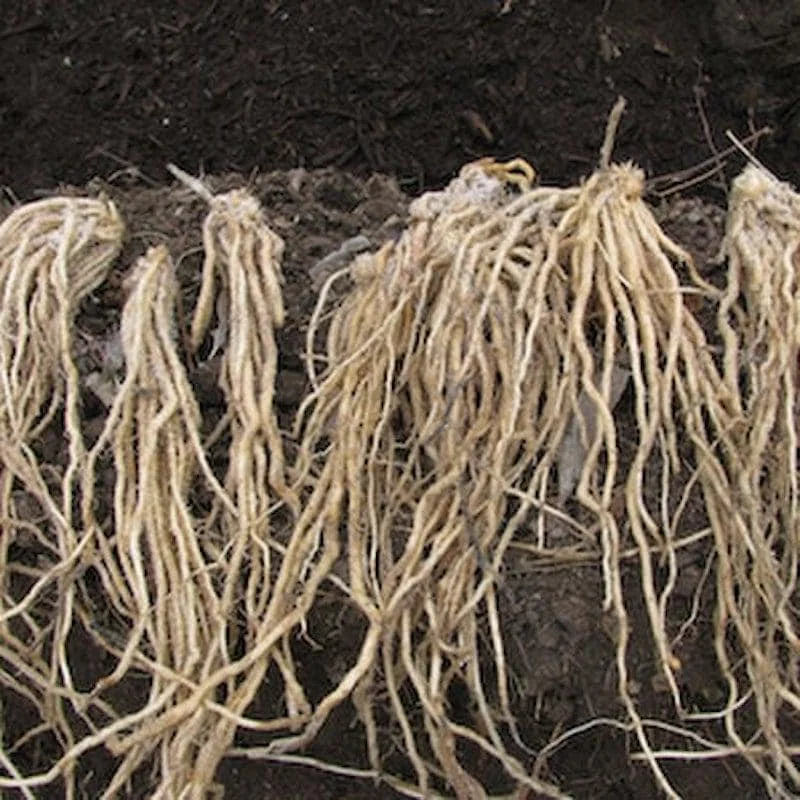
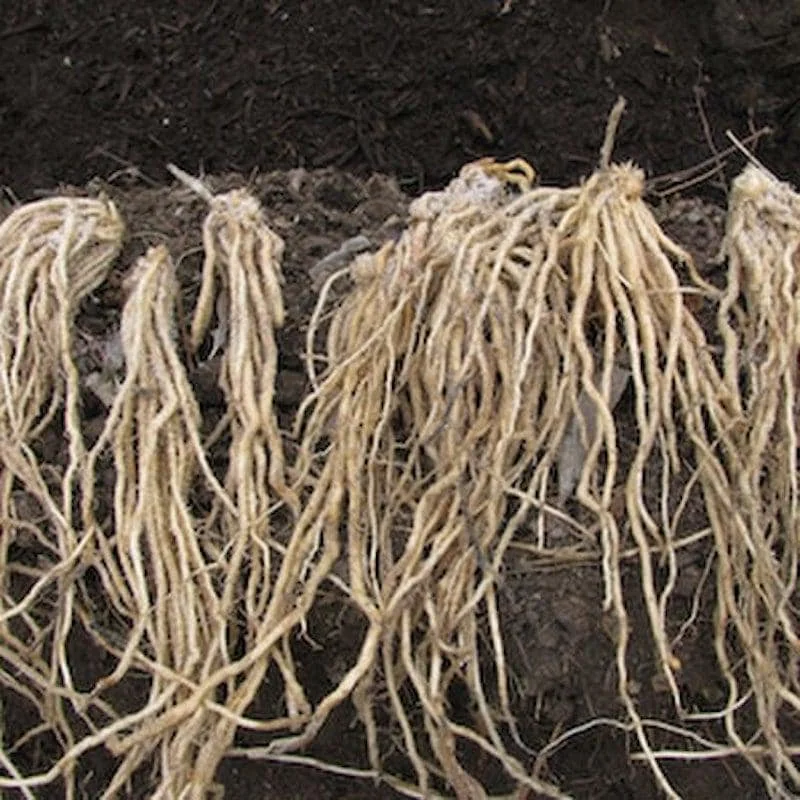
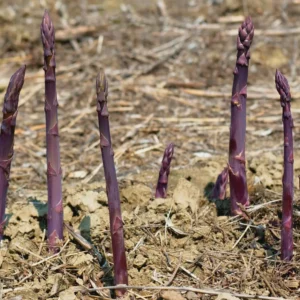
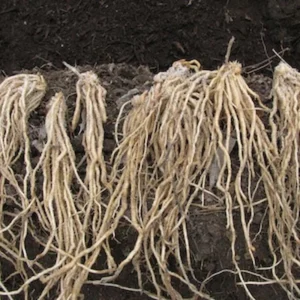
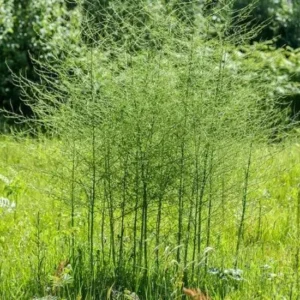
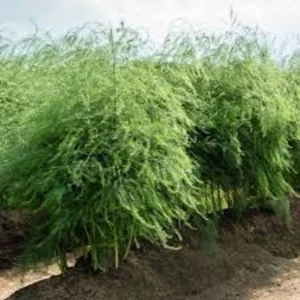
This product includes 10 Purple Passion Asparagus Bare Roots, ready for planting. Bare roots are dormant, meaning they are shipped without soil or foliage, which minimizes transplant shock and allows them to establish quickly in your garden. Each bare root is typically 1-2 years old, ensuring a strong start. When mature, ‘Purple Passion’ asparagus plants typically grow to a height of 3-5 feet with a spread of 2-3 feet, forming a bushy fern-like appearance after the harvesting season. The individual spears can reach 6-8 inches in length when ready for harvest.
Asparagus is a long-lived perennial vegetable. While it takes patience, the first harvest usually occurs in the third year after planting, allowing the crowns to fully establish. Once established, you can expect productive harvests for 15-25 years. These bare roots are an economical way to establish a large asparagus patch. Planting in spring is generally recommended for best results, allowing the plants ample time to develop before winter. If you’re wondering about the best way to grow purple asparagus, starting with high-quality bare roots like these is key.
Frequently Asked Questions
- Q: How big do these asparagus plants get? A: Once mature, purple passion asparagus bare roots develop into plants that typically reach 3-5 feet tall and spread 2-3 feet wide. The edible spears themselves are usually harvested when they are 6-8 inches long.
- Q: Is this an indoor or outdoor plant? A: Asparagus is an outdoor perennial vegetable. It requires a dedicated garden bed with full sun exposure to thrive and produce consistent harvests.
- Q: How much sunlight does ‘Purple Passion’ asparagus need? A: For optimal growth and spear production, purple passion asparagus bare roots need at least 6-8 hours of direct sunlight per day. Choose a sunny, permanent location for your asparagus bed.
- Q: Is this plant easy to care for? A: Asparagus is relatively low-maintenance once established, but it requires careful bed preparation and consistent care during its first two years. After that, annual fertilization and weed control are usually sufficient. It’s a great option for those who want to grow purple asparagus long-term.
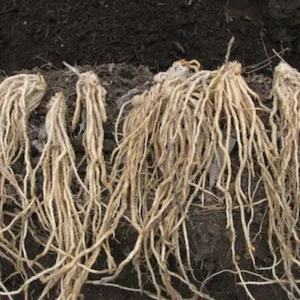
- Q: What condition will the bare roots arrive in? A: The purple passion asparagus bare roots will arrive dormant, without soil or foliage. This is normal for bare root plants and ensures they are ready to be planted directly into your prepared garden bed.
- Q: When is the best time to plant purple asparagus bare roots? A: The ideal time to plant purple passion asparagus bare roots is in early spring, after the danger of hard frost has passed and the soil can be worked. This allows the crowns to establish before the heat of summer.
- Q: What’s the minimum temperature these asparagus plants can tolerate? A: Asparagus is quite cold-hardy once established, typically thriving in USDA Zones 3-8. The dormant crowns can withstand freezing temperatures during winter, but young spears are sensitive to frost. This makes it a good option for those who want to grow purple asparagus in various climates.
- Q: How long until I can harvest the asparagus spears? A: You should not harvest any spears in the first two years after planting to allow the crowns to fully establish. A light harvest can usually begin in the third year, with full production starting in the fourth year.
- Q: What kind of soil is best for growing purple asparagus? A: Asparagus prefers well-draining, loose, and fertile soil with a slightly acidic to neutral pH (6.5-7.0). Amending with organic matter is highly recommended to improve soil structure and fertility for your purple passion asparagus bare roots.
- Q: Are these bare roots suitable for containers? A: While it is possible to grow asparagus in very large containers (at least 20-gallon size), it is generally not recommended for long-term success due to the extensive root system these plants develop. They perform best when planted directly in the ground.
Related products
-78%
Original price was: $39.99.$8.99Current price is: $8.99.
-20%
Original price was: $100.00.$80.00Current price is: $80.00.
-20%
Original price was: $36.00.$28.80Current price is: $28.80.
-20%
Original price was: $60.00.$48.00Current price is: $48.00.
-20%
Original price was: $36.00.$28.80Current price is: $28.80.
-54%
From Original price was: $20.99.$10.49Current price is: $10.49.
-50%

Original price was: $59.96.$29.98Current price is: $29.98.
PLANTING & CARE

Growing Glencoe Raspberry: A Complete Guide for Gardeners
If you’re looking to add something unique to your garden, look no further than the
31
Mar
Mar

The Comprehensive Guide to Growing Bay Leaf Plants for a Flavorful Garden
Imagine stepping into your garden, greeted by the earthy aroma of fresh bay leaves, their
09
Feb
Feb

How to Make Comfrey Tea: The Ultimate Organic Plant Food
Growing an organic garden can be surprisingly expensive, especially when most store-bought fertilizers come in
02
Feb
Feb

True Comfrey: 7 Essential Tips Before You Plant This Herb
A staple in permaculture practices across the US, True Comfrey easily earns its reputation as
27
Jan
Jan

7 Heart-Shaped Plants for a Lasting Valentine’s Gift
If you’ve ever bought a bouquet of roses for Valentine’s Day, you know they are
26
Jan
Jan

Best Types of Ivy Plant for Houses: How to Choose the Perfect Ones for Your Home
Are you a garden lover looking to introduce some greenery into your home? Maybe you’ve
14
Nov
Nov

When to Harvest Garlic (Especially Fall-Planted Garlic)
TIMING IS EVERYTHING, they say – and for garlic, that truth hits with surprising accuracy.
13
Nov
Nov

11 of the Best Sweet Potato Varieties to Grow for Your Garden
If you’ve ever tried growing sweet potatoes, you know that picking the right variety can
12
Nov
Nov