10 Wild Ramps Bulbs – Bare Roots Wild Leeks (Allium tricoccum)
-20%
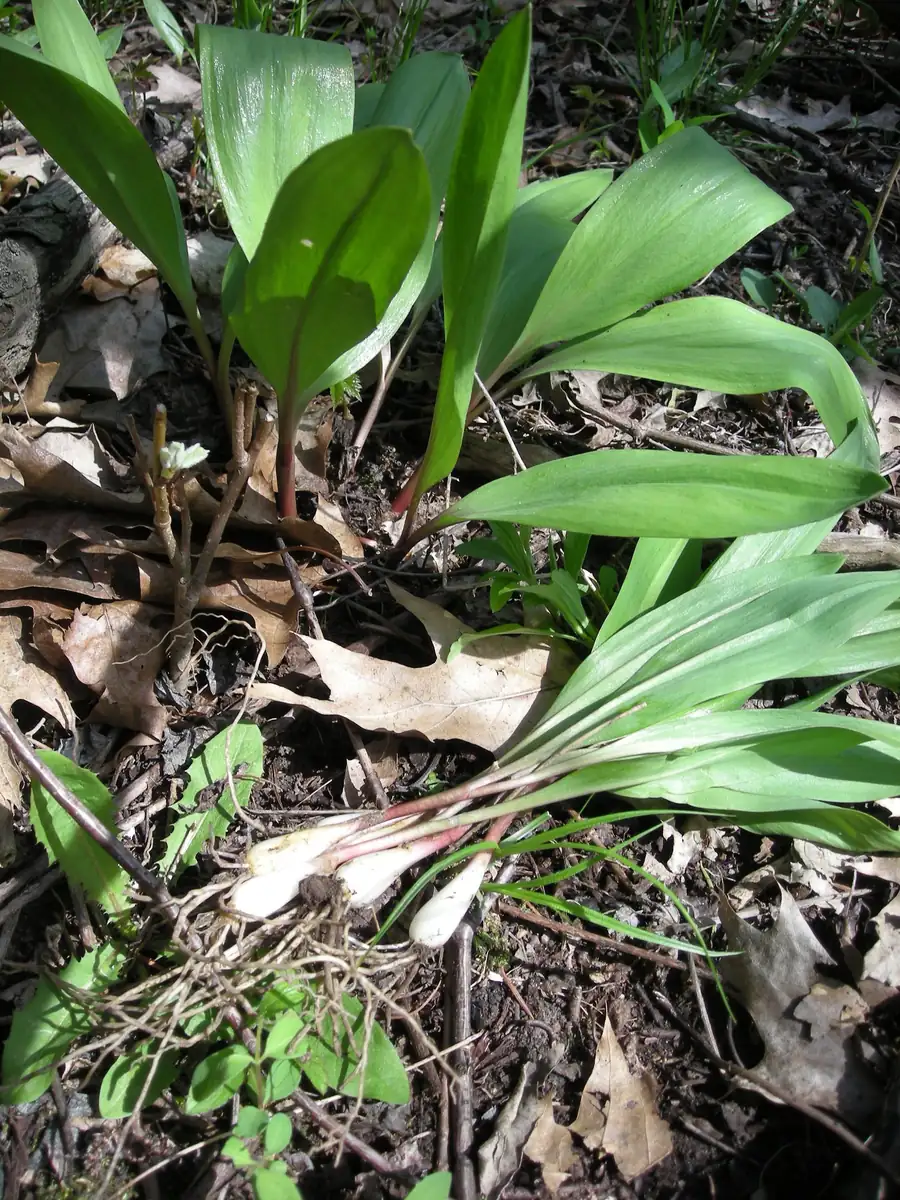
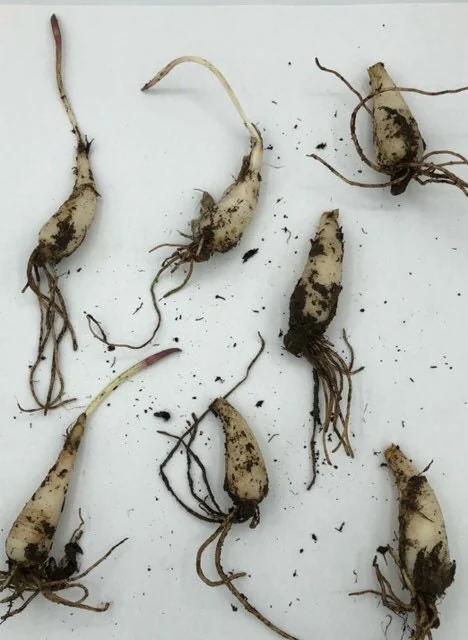
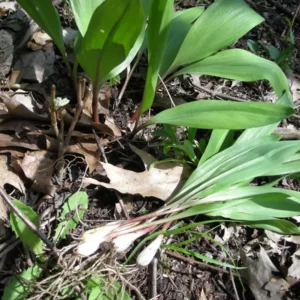
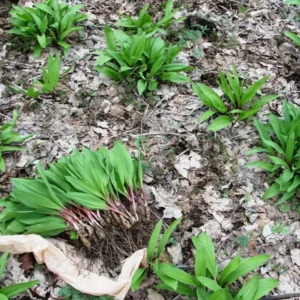
10 Wild Ramps Bulbs – Bare Roots Wild Leeks (Allium tricoccum)
Cultivate your own gourmet greens with these 10 wild ramps bare roots. Also known as wild leeks for planting or Allium tricoccum bulbs, these perennial plants are perfect for naturalizing in shady garden spots. Enjoy fresh, edible leaves and bulbs each spring.
Original price was: $28.98.$23.18Current price is: $23.18.

With our Alive & Thrive Guarantee, we’ve got your back for the first 30 days! If you have any concerns about your plants, just reach out to us. Our team is here to help answer your questions and guide you in selecting the best plants for your garden, climate, and unique preferences. We're excited to help you create the garden of your dreams!
Estimated arrival
Apr 01
Apr 06 - Apr 08
Apr 11 - Apr 15



Product Details
-
USDA Hardiness Zone
USDA Zones 3-8 -
Soil type
Rich, well-draining, moist soil with high organic matter -
Sunlight Exposure
Partial to full shade -
Expected Planting Period
Fall or early spring
Overview
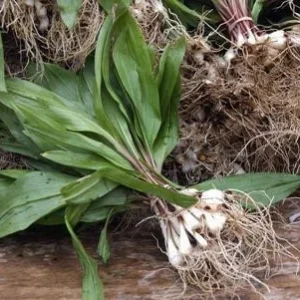
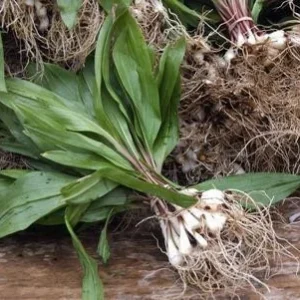
Bring the unique flavor of the forest floor directly to your garden with these 10 wild ramps bare roots. Often referred to as wild leeks or Allium tricoccum bulbs, ramps are a highly sought-after culinary delicacy, celebrated for their distinct garlicky-onion flavor. These bare root bulbs are ready for planting, offering a sustainable way to enjoy this seasonal favorite year after year. Ideal for woodland gardens or shaded areas, ramps are a beautiful and delicious addition to any landscape, providing early spring greens and an intriguing aroma.
Our wild ramps bare roots are carefully harvested to ensure viability and are perfect for establishing a thriving patch of these coveted edibles. Once planted, these hardy perennials will emerge each spring, signaling the arrival of warmer weather and fresh flavors. Whether you’re a seasoned gardener looking to expand your edible landscape or a culinary enthusiast eager to forage from your own backyard, these wild leeks offer a rewarding experience.
Key Benefits
Planting 10 wild ramps bare roots in your garden offers a multitude of benefits, from culinary delights to ecological advantages:
- Gourmet Culinary Delicacy: Ramps are prized by chefs and home cooks alike for their unique, pungent flavor that combines garlic and onion notes. They are excellent in stir-fries, omelets, pestos, and roasted dishes, adding a gourmet touch to spring meals.
- Perennial Harvest: Once established, these wild leeks for planting return year after year, providing a reliable and sustainable source of fresh greens without the need for annual replanting. This makes them a truly rewarding investment for any garden.
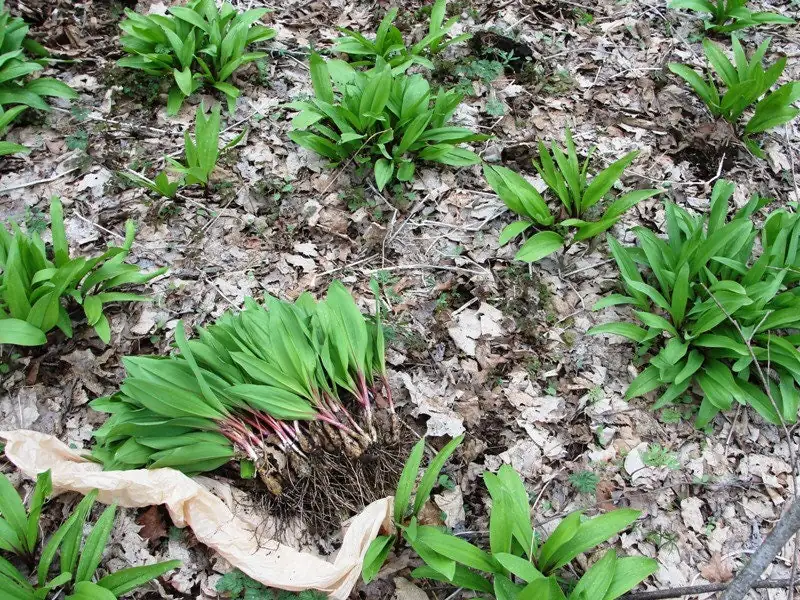
- Low Maintenance: Ramps thrive in conditions similar to their natural woodland habitat, requiring minimal intervention once established. They prefer shady, moist environments, making them perfect for those tricky spots under deciduous trees where other plants struggle.
- Early Spring Greens: As one of the first edible plants to emerge in spring, ramps offer a welcome burst of fresh flavor after a long winter. Their appearance is a harbinger of spring and a sign that the foraging season has begun.
- Naturalizes Easily: These Allium tricoccum bulbs are excellent at naturalizing in suitable conditions, spreading slowly to form dense patches. This not only increases your harvest over time but also adds to the natural beauty of your woodland garden.
- Supports Biodiversity: By planting native species like ramps, you contribute to local biodiversity and create a more resilient ecosystem in your garden. They can provide early season food for pollinators, though their primary appeal is culinary.
Plant Care & Growing Tips
Cultivating wild ramps bare roots is a straightforward process, especially when mimicking their natural woodland environment. Ramps thrive in partial to full shade, ideally under deciduous trees where they receive dappled sunlight in early spring before the canopy fills in. They prefer rich, well-draining soil that is consistently moist but not waterlogged. A good amendment of leaf mold or compost will provide the organic matter they need. The ideal pH for ramps is slightly acidic to neutral (6.0-7.0).
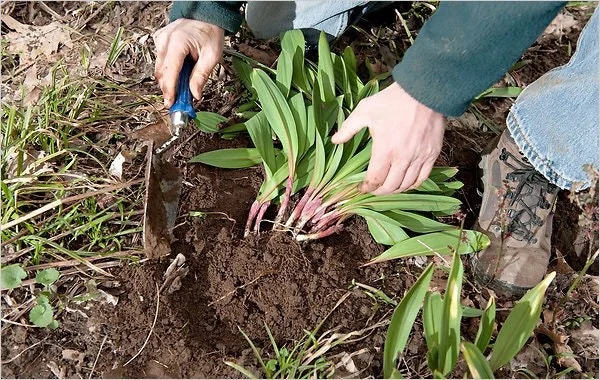
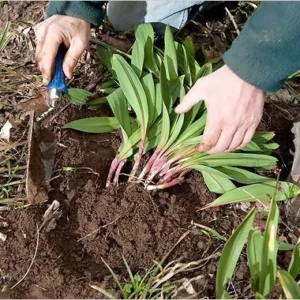
When planting your wild ramps bare roots, dig a hole large enough to accommodate the roots without bending them. Plant the bulbs about 2-3 inches deep, with the tip pointing upwards, and space them 4-6 inches apart. Water thoroughly after planting. Once established, ramps require little fertilization; the decaying leaf litter from overhead trees usually provides sufficient nutrients. Ensure they receive consistent moisture, especially during dry spells in spring. Avoid over-harvesting in the first few years to allow the patch to establish itself. When harvesting, take only a few leaves from each plant or a small percentage of bulbs from a large patch to ensure perennial return. These wild leeks for planting are quite resilient once settled.
Protecting your ramps from excessive heat in summer is crucial, as they go dormant as temperatures rise and tree canopies provide dense shade. Mulching with leaves can help retain soil moisture and mimic their natural habitat. While generally pest-free, keep an eye out for slugs or snails, especially on young leaves. Understanding how to grow ramps successfully involves patience and providing conditions similar to their native woodland. With proper care, your Allium tricoccum bulbs will flourish.
Size & Details
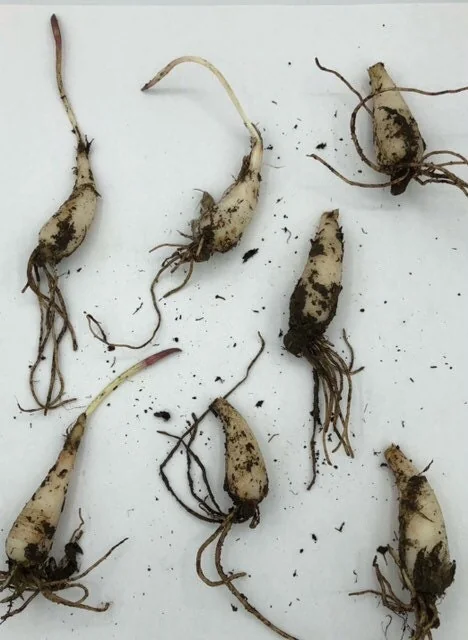
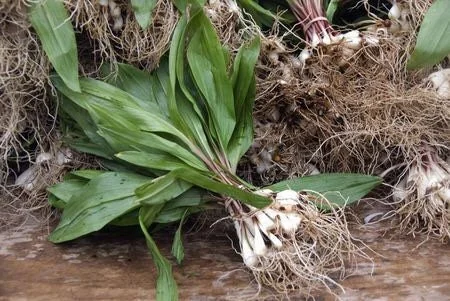
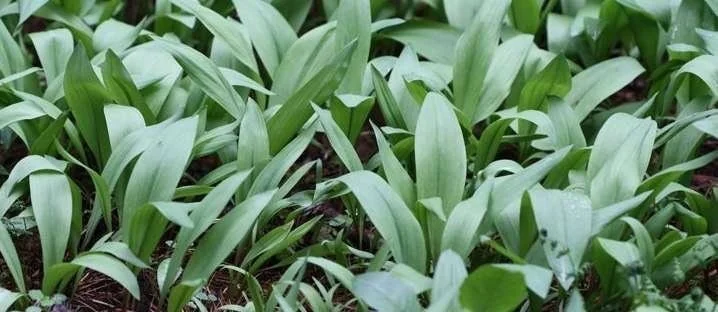
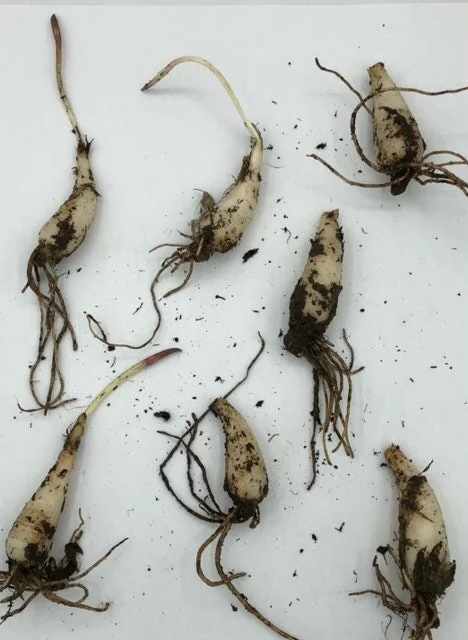
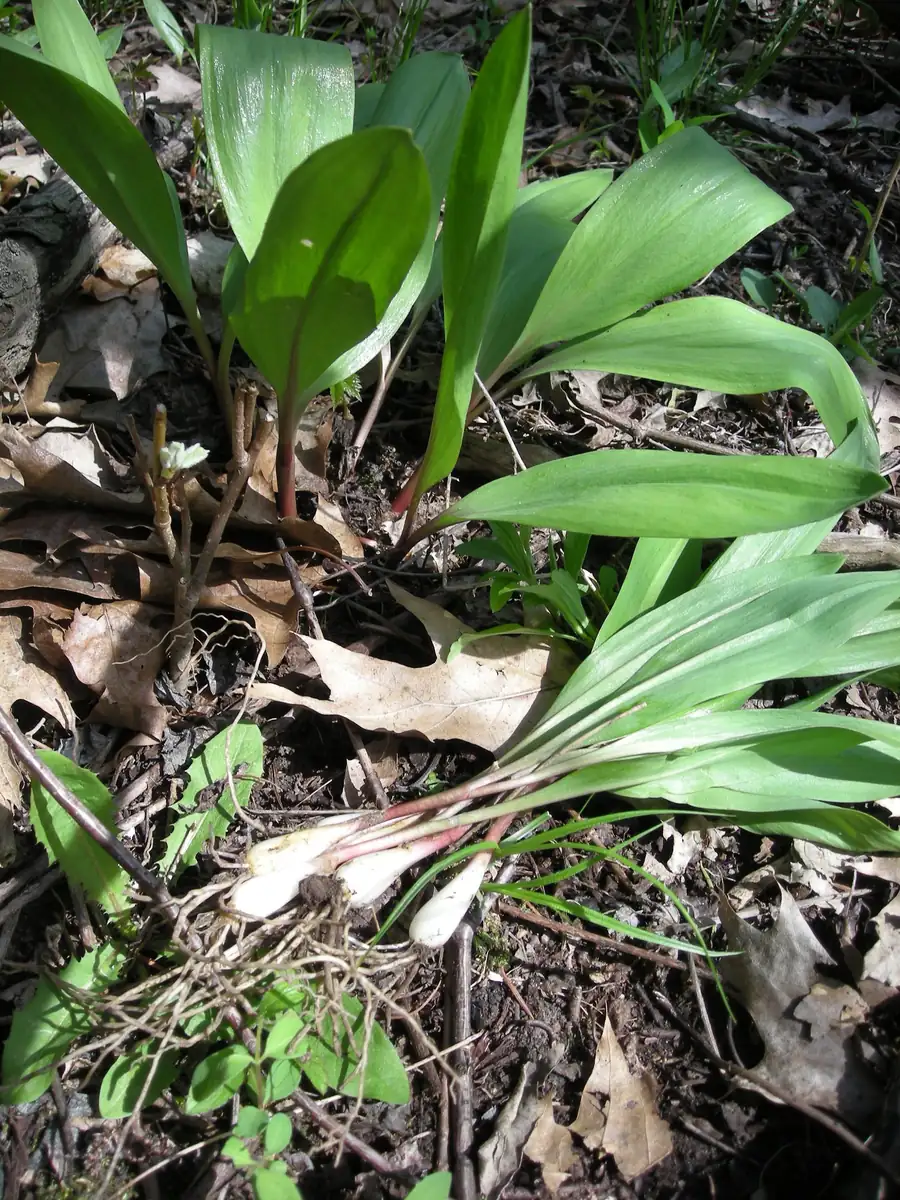
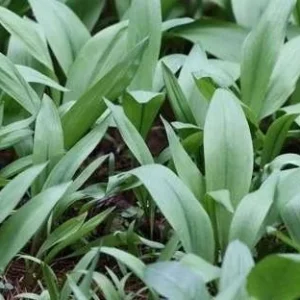
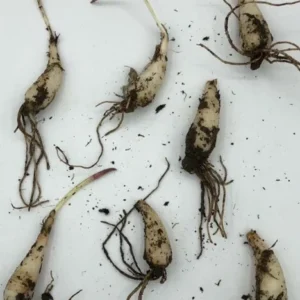
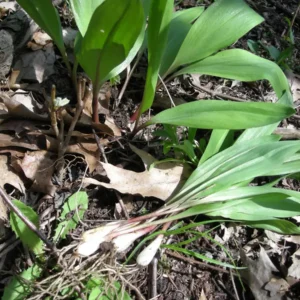
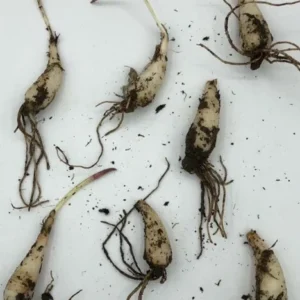
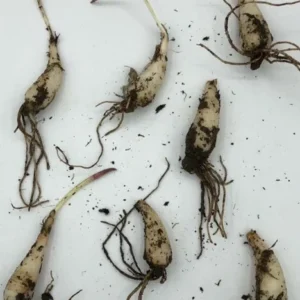
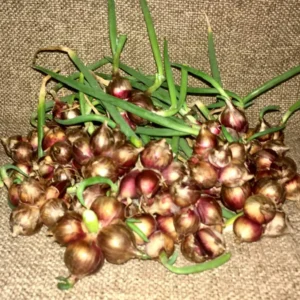
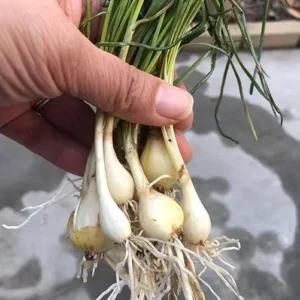
This offering includes 10 wild ramps bare roots, ready for immediate planting upon arrival. Each bare root bulb consists of the root system and the dormant bulb, without any green tops, ensuring they are in the optimal state for transplanting and establishment. These bulbs are typically small, similar in size to a pearl onion, and are harvested fresh to maintain their vitality. Ramps are slow growers, and it may take a few years for a patch to fully establish and produce a significant harvest. Once mature, individual plants can reach 6-12 inches in height with broad, flat green leaves.
The bare root form is ideal for transplanting and encourages strong root development in their new environment. These are perennial plants, meaning they will return each spring from the same rootstock. Expect the first green shoots to emerge in early spring, typically March or April, depending on your climate zone. The leaves will senesce and disappear by early summer as the plant goes dormant, only to re-emerge the following year. Planting these wild ramps bare roots is an investment in future culinary enjoyment.
Frequently Asked Questions
- Q: How big do these wild ramps get? A: Once established, mature wild ramps bare roots typically grow 6-12 inches tall with broad, flat leaves. The bulbs themselves remain relatively small, similar to a pearl onion.
- Q: Is this an indoor or outdoor plant? A: Wild ramps are primarily an outdoor plant, thriving in woodland garden settings. They require specific conditions like shade and moist soil that are difficult to replicate indoors.
- Q: How much sunlight do these wild leeks need? A: These wild leeks for planting prefer partial to full shade, especially under deciduous trees. They appreciate dappled sunlight in early spring before tree leaves emerge, but need deep shade in summer.
- Q: What condition will the Allium tricoccum bulbs arrive in? A: You will receive 10 wild ramps bare roots, meaning they are dormant bulbs without green tops. They are harvested fresh and shipped to ensure they arrive in good condition, ready for planting.
- Q: Is this plant easy to care for? Is it good for beginners? A: Once proper planting conditions (shade, moist soil) are met, ramps are relatively low-maintenance. However, establishing them and understanding how to grow ramps can require a bit of patience, making them suitable for beginners who are willing to learn about their specific needs.
- Q: When is the best time to plant these wild ramps bare roots? A: The best time to plant wild ramps bare roots is in the fall or very early spring, allowing them to establish their root systems before the heat of summer.
- Q: Will these wild leeks survive winter in my zone? A: Ramps are very cold-hardy and are native to many temperate regions of North America. They are typically hardy in USDA Zones 3-8, going dormant underground during winter and re-emerging in spring.
- Q: Can I harvest all the leaves from my wild ramps? A: To ensure your patch of wild ramps bare roots thrives for years, it’s recommended to harvest sustainably. Take only one or two leaves from each plant, or harvest a small percentage of bulbs from a large, established patch. Avoid over-harvesting, especially in the first few years.
- Q: What kind of soil do these Allium tricoccum bulbs prefer? A: Ramps prefer rich, well-draining soil that is consistently moist and high in organic matter. Amending your soil with leaf mold or compost is highly beneficial for these wild leeks for planting.
- Q: How long until I can harvest my wild ramps? A: While you might get a small harvest of leaves in the first year or two, it generally takes 3-5 years for a patch of wild ramps bare roots to become well-established enough for significant harvesting without harming the plants.
Related products
-50%

Original price was: $87.96.$43.98Current price is: $43.98.
-50%
Original price was: $79.96.$39.98Current price is: $39.98.
-50%
Original price was: $19.96.$9.98Current price is: $9.98.
-50%

Original price was: $63.96.$31.98Current price is: $31.98.
-50%


Original price was: $63.96.$31.98Current price is: $31.98.
-20%
Original price was: $174.00.$139.20Current price is: $139.20.
-50%
Original price was: $179.60.$89.80Current price is: $89.80.
PLANTING & CARE

Growing Glencoe Raspberry: A Complete Guide for Gardeners
If you’re looking to add something unique to your garden, look no further than the
31
Mar
Mar

The Comprehensive Guide to Growing Bay Leaf Plants for a Flavorful Garden
Imagine stepping into your garden, greeted by the earthy aroma of fresh bay leaves, their
09
Feb
Feb

How to Make Comfrey Tea: The Ultimate Organic Plant Food
Growing an organic garden can be surprisingly expensive, especially when most store-bought fertilizers come in
02
Feb
Feb

True Comfrey: 7 Essential Tips Before You Plant This Herb
A staple in permaculture practices across the US, True Comfrey easily earns its reputation as
27
Jan
Jan

7 Heart-Shaped Plants for a Lasting Valentine’s Gift
If you’ve ever bought a bouquet of roses for Valentine’s Day, you know they are
26
Jan
Jan

Best Types of Ivy Plant for Houses: How to Choose the Perfect Ones for Your Home
Are you a garden lover looking to introduce some greenery into your home? Maybe you’ve
14
Nov
Nov

When to Harvest Garlic (Especially Fall-Planted Garlic)
TIMING IS EVERYTHING, they say – and for garlic, that truth hits with surprising accuracy.
13
Nov
Nov

11 of the Best Sweet Potato Varieties to Grow for Your Garden
If you’ve ever tried growing sweet potatoes, you know that picking the right variety can
12
Nov
Nov