100 Dwarf Crested Iris Plants – Iris Cristata Bare Root Wildflower Perennial
-20%
100 Dwarf Crested Iris Plants – Iris Cristata Bare Root Wildflower Perennial
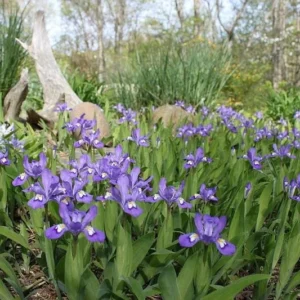
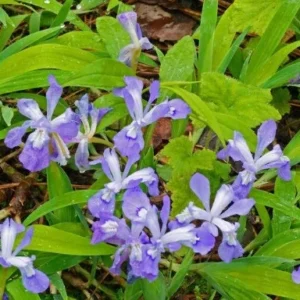
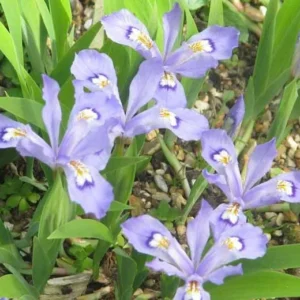
Add natural beauty to your landscape with 100 Dwarf Crested Iris Plants. These Iris Cristata bare root perennials are ideal for groundcover, rock gardens, and naturalized areas, thriving in partial shade to full sun. Enjoy delicate, low-growing blooms that attract pollinators and bring charm to your garden.
Original price was: $190.00.$152.00Current price is: $152.00.

With our Alive & Thrive Guarantee, we’ve got your back for the first 30 days! If you have any concerns about your plants, just reach out to us. Our team is here to help answer your questions and guide you in selecting the best plants for your garden, climate, and unique preferences. We're excited to help you create the garden of your dreams!
Estimated arrival
Mar 14
Mar 19 - Mar 21
Mar 24 - Mar 28

Product Details
-
USDA Hardiness Zone
USDA zones 3-9 -
Soil type
Well-draining, adaptable to various types -
Sunlight Exposure
Partial shade to full sun (with afternoon shade in hot climates) -
Expected Planting Period
Early spring or late fall
Overview
Introduce enchanting beauty to your garden with our collection of 100 Dwarf Crested Iris Plants. These exquisite Iris Cristata bare root perennials are native wildflowers, cherished for their delicate, low-growing blooms. Perfect for creating a stunning groundcover, naturalizing in woodland settings, or adding charm to rock gardens, these plants offer a vibrant display in spring. Each order provides 100 organically grown bare root plants, carefully harvested and shipped to ensure optimal health upon arrival. The Dwarf Crested Iris, also known by its botanical name Iris Cristata, is a resilient and easy-to-care-for perennial, making it an excellent choice for both seasoned gardeners and beginners looking to establish a beautiful, natural landscape.
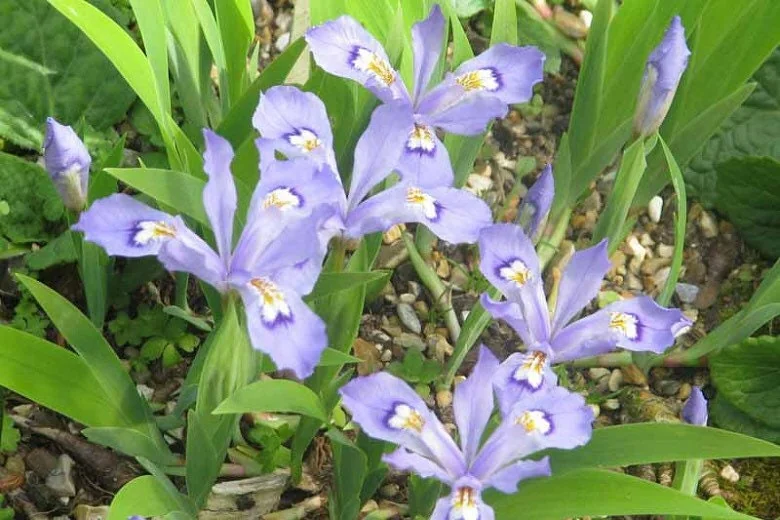
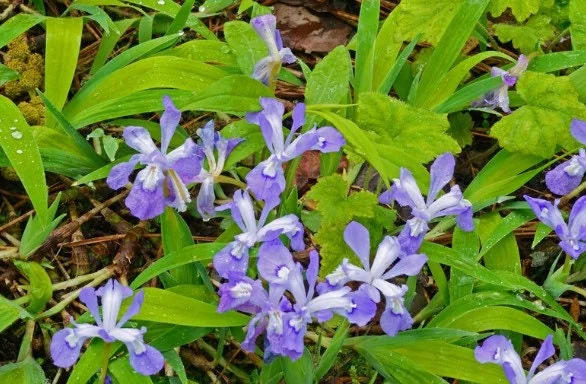
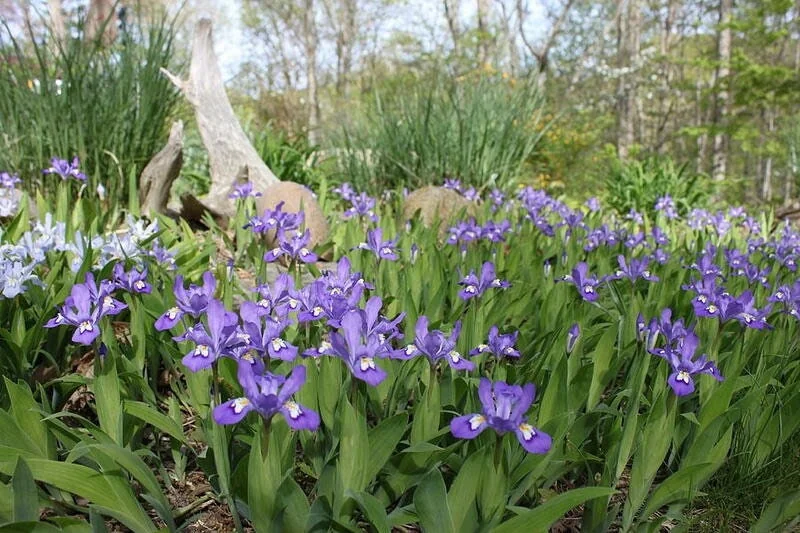
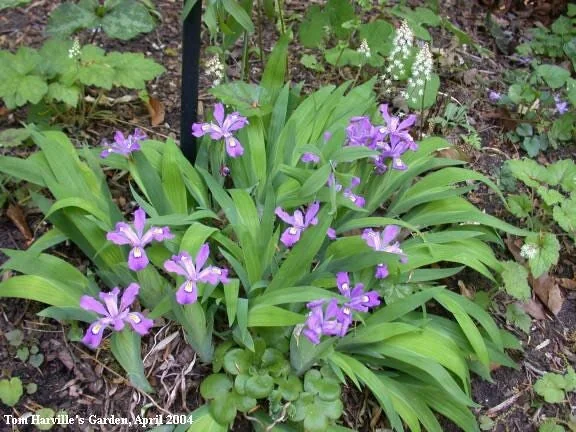
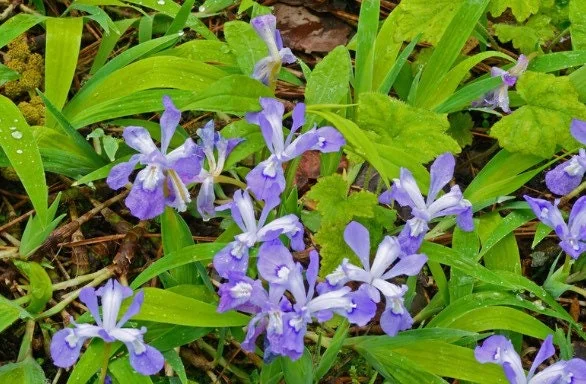
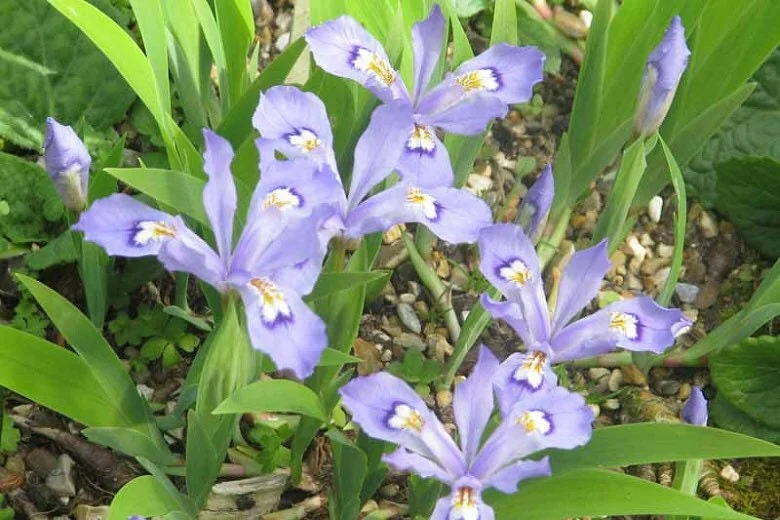
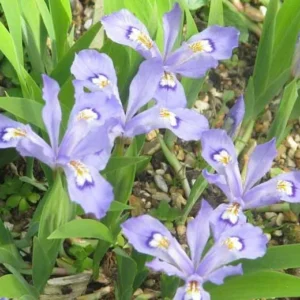
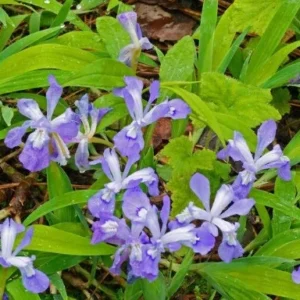
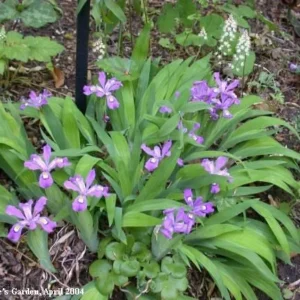
These robust native wildflower perennial plants are known for their ability to thrive in a variety of conditions, adapting well to different soil types as long as drainage is adequate. Their compact size and spreading habit make them an ideal solution for filling in bare spots or creating a lush carpet of foliage and flowers. The charming blue-purple flowers, often adorned with white or yellow crests, emerge in early spring, signaling the arrival of warmer weather and providing a vital nectar source for early pollinators. Cultivate a truly natural and captivating garden space with these delightful Dwarf Crested Iris.
Key Benefits
Our dwarf crested iris plants offer numerous advantages for your garden, combining aesthetic appeal with ecological benefits:
- Stunning Spring Blooms: Enjoy a profusion of delicate blue-purple flowers with intricate crests, brightening your garden in early spring when many other plants are just beginning to emerge. These blooms create a captivating visual display.
- Excellent Groundcover: The low-growing, spreading habit of Iris Cristata bare root plants makes them perfect for naturalizing, preventing weeds, and providing beautiful groundcover in shaded or partially shaded areas. They effectively carpet the landscape.
- Native Wildflower: As a native wildflower perennial, these irises are well-adapted to local ecosystems, supporting native pollinators and wildlife while requiring minimal intervention once established. They contribute to biodiversity.
- Low Maintenance: Once planted, these resilient perennials are remarkably easy to care for, tolerating various conditions and requiring little ongoing attention. They are a gardener’s delight for their self-sufficiency.
- Drought Tolerant: After establishment, Dwarf Crested Iris plants exhibit good drought tolerance, making them a sustainable choice for water-wise gardening. They can withstand periods of dry weather.
- Versatile Landscaping: Ideal for rock gardens, woodland borders, shaded slopes, or along pathways, their versatility allows them to enhance many different garden styles and settings. They fit seamlessly into diverse designs.
- Attracts Pollinators: The vibrant flowers attract bees and other beneficial insects, contributing to a healthy garden ecosystem and supporting local pollinator populations. They bring life and movement to your garden.
Plant Care & Growing Tips
Caring for your dwarf crested iris plants is straightforward, ensuring a rewarding display each spring. These resilient native plants prefer locations with partial shade to full sun, though they will perform best with some afternoon shade in hotter climates. Adequate sunlight, typically 4-6 hours daily, encourages abundant flowering. When planting your Iris Cristata bare root plants, ensure the soil is well-draining. While they can tolerate a range of soil types, including sandy or rocky soils, they perform optimally in rich, humus-filled soil. Avoid heavy, waterlogged clay, as this can lead to root rot. Good drainage is crucial for their health and longevity.
Watering requirements for these low growing iris plants are moderate. Keep the soil consistently moist, especially during the first growing season to help them establish. Once established, they are quite drought-tolerant but will benefit from occasional watering during prolonged dry spells. Fertilization is generally not necessary, particularly if planted in fertile soil; however, a light application of a balanced slow-release fertilizer in early spring can promote vigorous growth and flowering. Divide clumps every 3-5 years in late summer or early fall to maintain vigor and prevent overcrowding. Protect them from harsh winter winds in colder zones by applying a layer of mulch. These native wildflowers are generally pest and disease resistant, making them a robust addition to any garden.
Size & Details
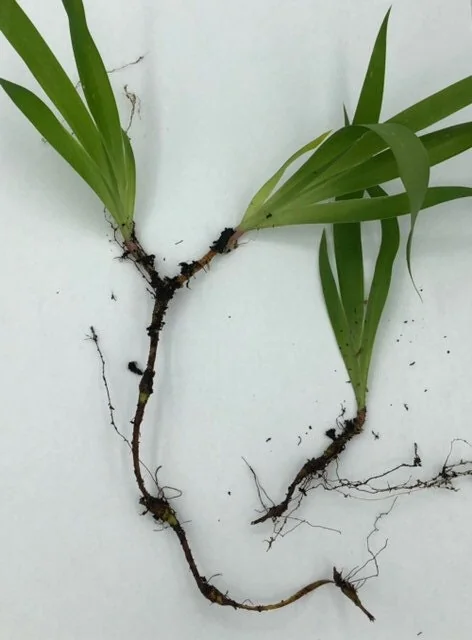
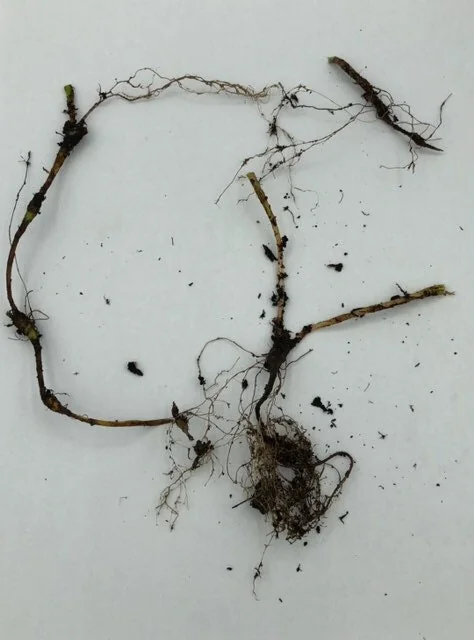
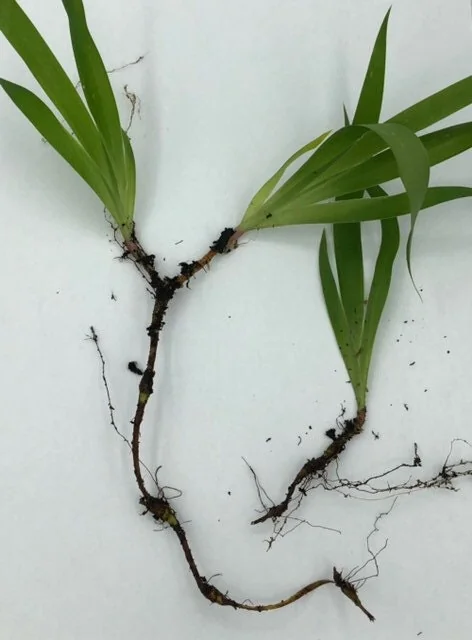
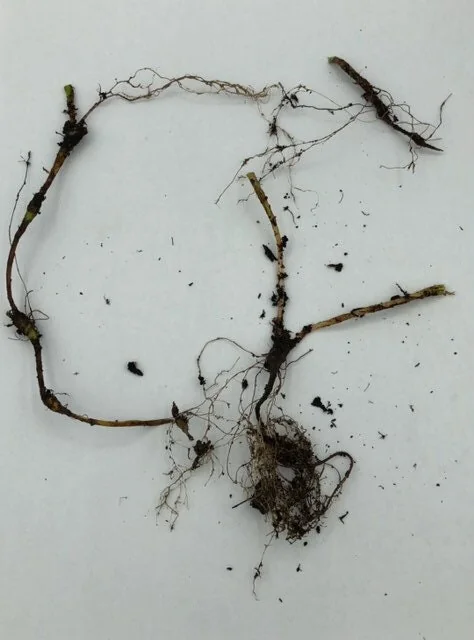
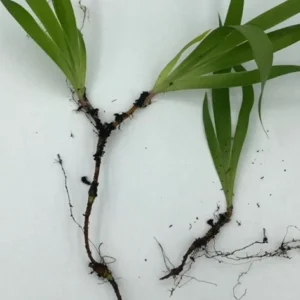
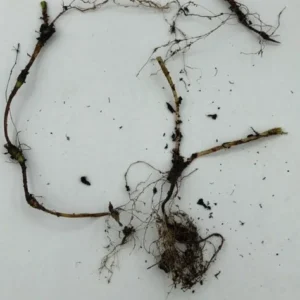
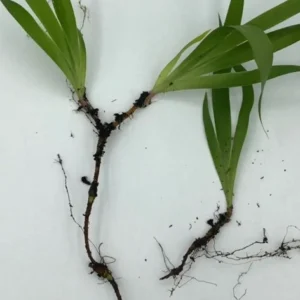
This offering includes 100 Dwarf Crested Iris Plants, provided as bare roots. Each bare root plant is carefully harvested to ensure viability and health during shipping. These plants are known for their compact growth habit, typically reaching a height of 6-10 inches (15-25 cm) and spreading to a width of 6-12 inches (15-30 cm) per plant, creating a dense and attractive groundcover. They are relatively fast-growing once established, forming healthy clumps within their first year. Expect the first delicate blooms to appear in early to mid-spring, usually from April to May, depending on your specific climate zone. These native wildflower perennial plants are shipped without foliage, ready for immediate planting upon arrival. With proper care, they will establish quickly and provide years of beautiful spring color.
Frequently Asked Questions
- Q: How large will these dwarf crested iris plants grow? A: These plants typically reach a height of 6-10 inches (15-25 cm) and spread about 6-12 inches (15-30 cm) wide, forming a beautiful, low-growing groundcover.
- Q: What are the sun requirements for Iris Cristata bare root? A: They prefer partial shade to full sun, performing best with some afternoon shade in hotter regions. Aim for at least 4-6 hours of sunlight daily.
- Q: Are these plants suitable for beginners? A: Yes, dwarf crested iris plants are considered easy to care for and are an excellent choice for beginner gardeners due to their resilience and low maintenance needs.
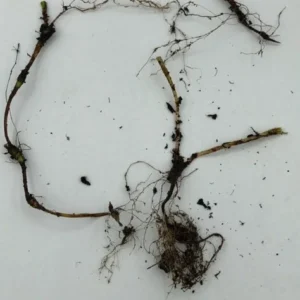
- Q: In what condition will the plants arrive? A: You will receive 100 Dwarf Crested Iris Plants as bare roots, carefully harvested and packaged to ensure they arrive in good, viable condition, ready for planting.
- Q: When is the best time to plant these bare roots? A: The best time to plant bare root irises is typically in late fall or early spring, allowing them to establish before the heat of summer or the deep cold of winter.
- Q: What kind of soil do these low growing iris prefer? A: They thrive in well-draining soil, which can range from sandy to loamy. Good drainage is essential to prevent root rot.
- Q: How often should I water my newly planted irises? A: Keep the soil consistently moist during the first growing season to help them establish. Once mature, they are quite drought-tolerant but appreciate water during dry periods.
- Q: Will these irises attract pollinators to my garden? A: Absolutely! The charming flowers of the dwarf crested iris plants are a great source of nectar for early spring pollinators like bees.
- Q: Are these native wildflower perennial plants deer resistant? A: While no plant is entirely deer-proof, Iris Cristata is generally considered to be deer-resistant, making it a good choice for areas where deer are a concern.
- Q: How long does it take for them to bloom after planting? A: You can expect your Dwarf Crested Iris to start blooming in the spring following their establishment, typically within one year of planting.
Related products
-30%


Original price was: $63.98.$44.78Current price is: $44.78.
-67%
Original price was: $66.72.$22.24Current price is: $22.24.
-20%
Original price was: $27.98.$22.38Current price is: $22.38.
-30%


Original price was: $63.98.$44.78Current price is: $44.78.
-30%
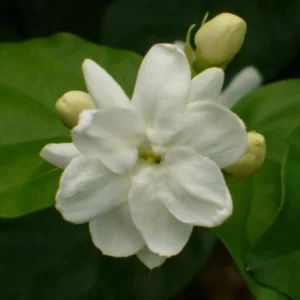
Original price was: $79.98.$55.98Current price is: $55.98.
-30%

Original price was: $63.98.$44.78Current price is: $44.78.
-67%
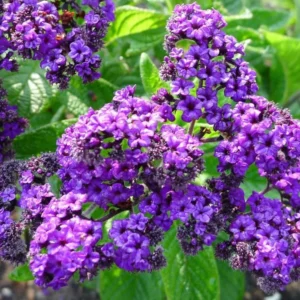
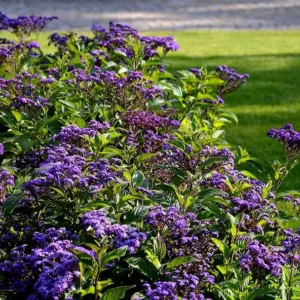
Original price was: $41.97.$13.99Current price is: $13.99.
-30%
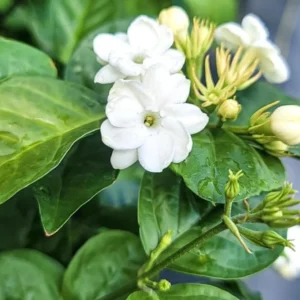
Original price was: $65.98.$46.18Current price is: $46.18.
PLANTING & CARE

The Comprehensive Guide to Growing Bay Leaf Plants for a Flavorful Garden
Imagine stepping into your garden, greeted by the earthy aroma of fresh bay leaves, their
09
Feb
Feb

How to Make Comfrey Tea: The Ultimate Organic Plant Food
Growing an organic garden can be surprisingly expensive, especially when most store-bought fertilizers come in
02
Feb
Feb

True Comfrey: 7 Essential Tips Before You Plant This Herb
A staple in permaculture practices across the US, True Comfrey easily earns its reputation as
27
Jan
Jan

7 Heart-Shaped Plants for a Lasting Valentine’s Gift
If you’ve ever bought a bouquet of roses for Valentine’s Day, you know they are
26
Jan
Jan

Best Types of Ivy Plant for Houses: How to Choose the Perfect Ones for Your Home
Are you a garden lover looking to introduce some greenery into your home? Maybe you’ve
14
Nov
Nov

When to Harvest Garlic (Especially Fall-Planted Garlic)
TIMING IS EVERYTHING, they say – and for garlic, that truth hits with surprising accuracy.
13
Nov
Nov

11 of the Best Sweet Potato Varieties to Grow for Your Garden
If you’ve ever tried growing sweet potatoes, you know that picking the right variety can
12
Nov
Nov
Pruning Bougainvillea for Winter
Bougainvillea vines are known for their dazzling display of magenta, orange, and fuchsia bracts that
05
Nov
Nov