100 Egyptian Walking Onion Seeds – Multiplier Tree Onion Perennial
-50%








100 Egyptian Walking Onion Seeds – Multiplier Tree Onion Perennial
Cultivate your own unique egyptian walking onion seeds with this generous pack of 100. These perennial multiplier onion seeds produce a fascinating plant that grows bulbils at the top, which then ‘walk’ to form new plants. Ideal for both experienced gardeners and beginners, offering continuous harvests and an intriguing garden feature.
Original price was: $26.76.$13.38Current price is: $13.38.

With our Alive & Thrive Guarantee, we’ve got your back for the first 30 days! If you have any concerns about your plants, just reach out to us. Our team is here to help answer your questions and guide you in selecting the best plants for your garden, climate, and unique preferences. We're excited to help you create the garden of your dreams!
Estimated arrival
Apr 02
Apr 07 - Apr 09
Apr 12 - Apr 16


Product Details
-
USDA Hardiness Zone
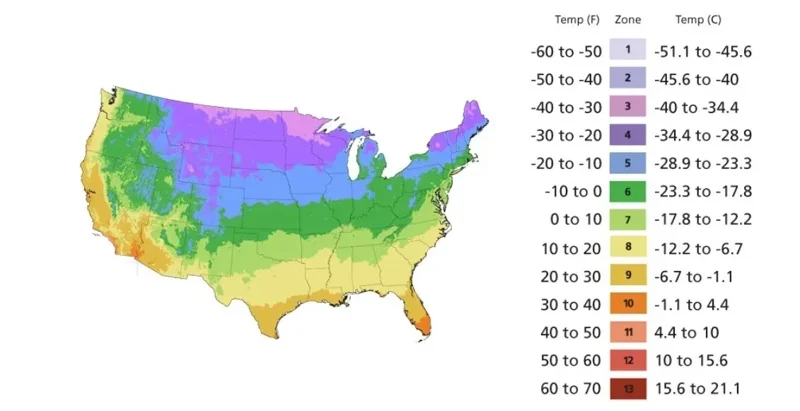
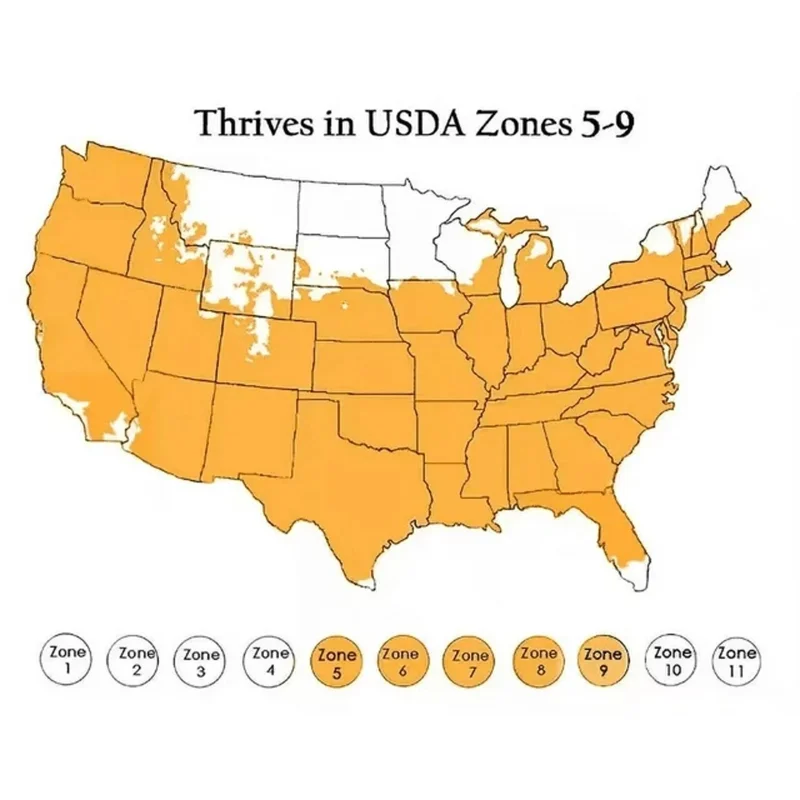
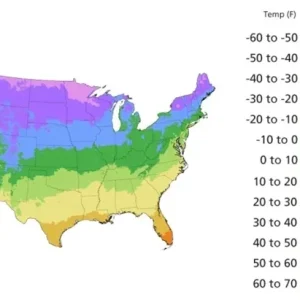
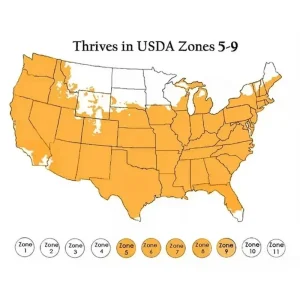
USDA Zones 2-9 -
Soil type
Most ANY, well-draining soil -
Sunlight Exposure
Full Sun, Medium Sun -
Expected Planting Period
Spring or Fall
Overview
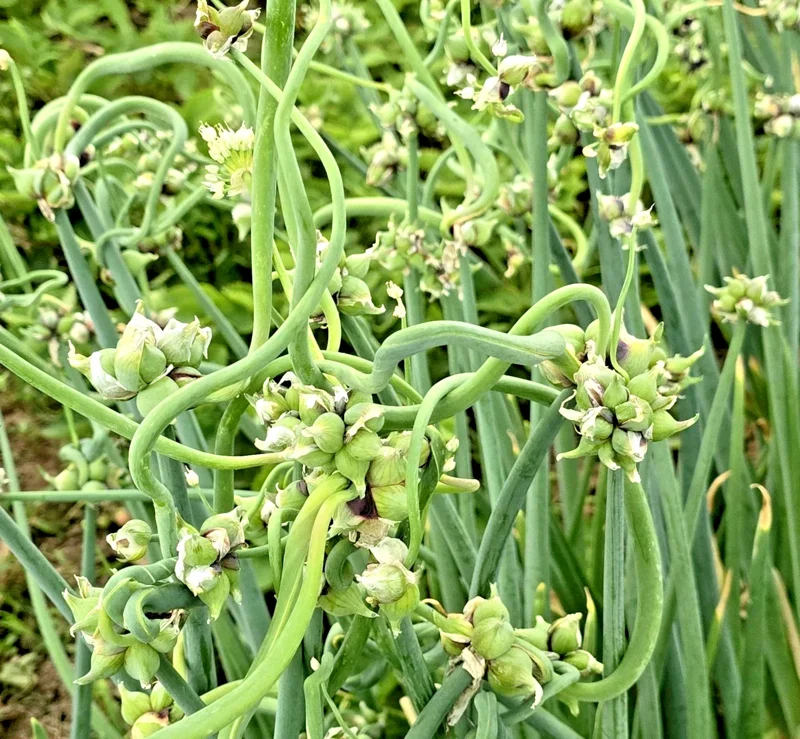
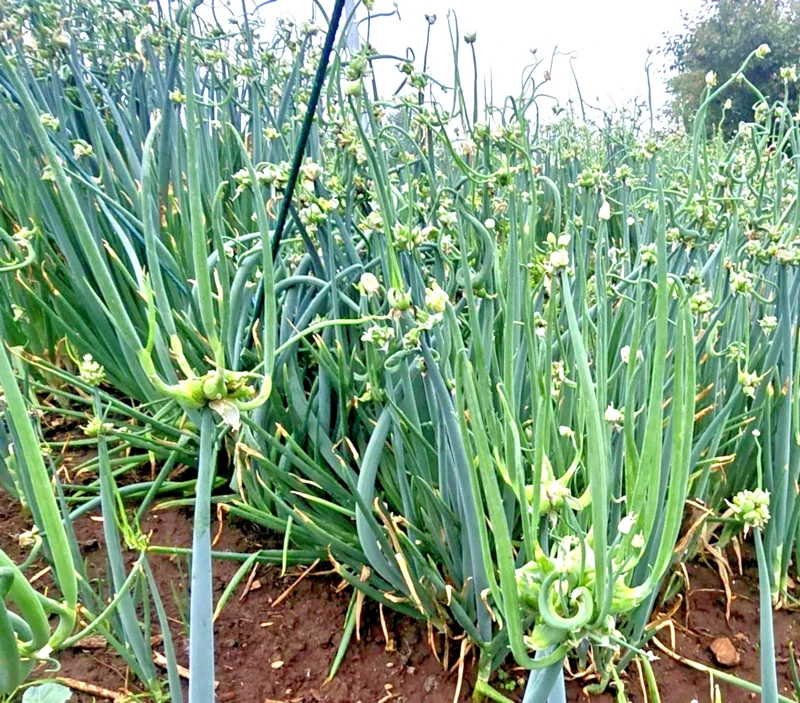
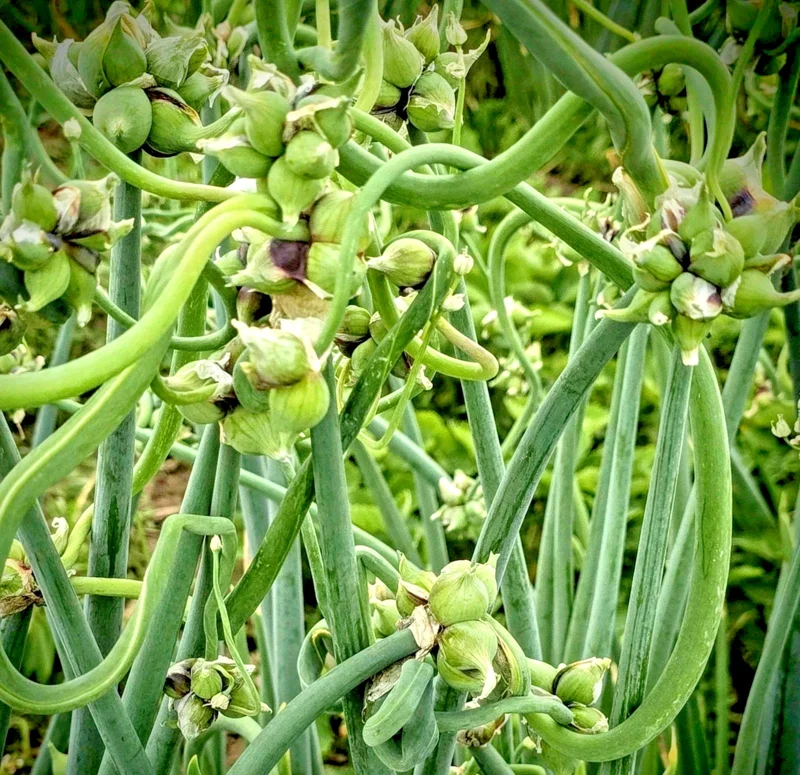
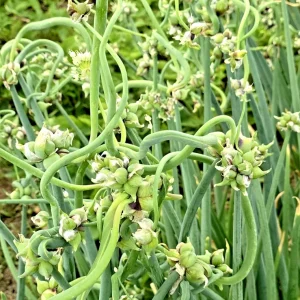
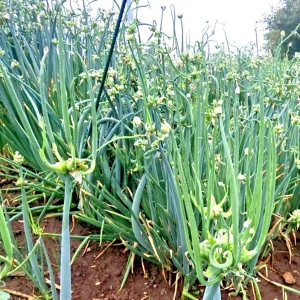
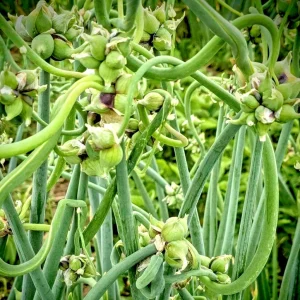
Embark on a fascinating gardening journey with our egyptian walking onion seeds. Also known as Tree Onions, Multiplier Onions, or Top-Set Onions, these unique plants (Allium proliferum) are a true perennial wonder. Unlike conventional onions, Egyptian Walking Onions produce small bulbils at the top of their stalks, which eventually weigh down the stem, causing them to ‘walk’ across your garden by rooting where they touch the ground. This package contains 100 high-quality seeds, ready to establish a thriving, self-propagating patch in your garden. They are incredibly resilient, cold-hardy, and provide a continuous supply of green onions, small bulbs, and savory top-sets for culinary use.
These tree onion seeds are perfect for gardeners looking for low-maintenance, productive, and interesting edible plants. Their unique growth habit makes them a conversation starter, and their robust flavor enhances a variety of dishes. With 100 seeds, you can easily start a significant patch or share them with fellow gardening enthusiasts, ensuring a steady supply of fresh onions season after season.
Key Benefits
Growing egyptian walking onion seeds offers numerous advantages, from their ease of cultivation to their continuous harvest potential. They are a versatile addition to any garden, providing both visual interest and delicious produce.
- Continuous Harvest: These perennial onions provide a year-round supply of edible greens, bulbs, and bulbils without the need for replanting each year. The top-setting bulbils multiply readily, ensuring a constant yield.
- Extreme Cold Hardiness: Egyptian Walking Onions are incredibly resilient, thriving in a wide range of climates and tolerating harsh winters, making them suitable for many USDA zones.
- Unique Growth Habit: The fascinating ‘walking’ characteristic, where new plants emerge from bulbils that fall and root, adds an engaging element to your garden.
- Low Maintenance: Once established from these allium proliferum seeds, these plants require minimal care, making them ideal for busy gardeners or those new to growing edibles.
- Versatile Culinary Use: Enjoy the entire plant – the greens can be used like scallions, the small underground bulbs add flavor to cooking, and the top-set bulbils are excellent roasted, pickled, or used fresh.
- Pest and Disease Resistant: Known for their natural resistance to many common garden pests and diseases, ensuring a healthier and more productive harvest.
- Space-Efficient: As a perennial multiplier onion, they make efficient use of garden space by self-propagating and providing multiple harvests from a single planting.
Plant Care & Growing Tips
Cultivating egyptian walking onion seeds is a straightforward process, resulting in a hardy and productive plant. These onions are remarkably adaptable, but following these guidelines will ensure optimal growth and a bountiful harvest. They thrive in a variety of conditions and are an excellent choice for beginner gardeners.
For sunlight, Egyptian Walking Onions prefer full sun to partial sun. Aim for at least 6-8 hours of direct sunlight per day for the best growth and bulbil production. While they can tolerate some shade, too little light may result in leggy growth and reduced yields. They are suitable for both indoor and outdoor cultivation, though outdoor planting will allow them to ‘walk’ and spread naturally. When it comes to watering, maintain consistently moist but not waterlogged soil, especially during dry spells. Once established, they are quite drought-resistant. For soil type, these onions are not particular and can grow in most any well-draining soil, including chalk, clay, loam, peat, saline, sand, or silt. A neutral soil pH is preferred. Fertilization is generally not heavily required; a balanced organic fertilizer applied in spring can boost growth, but avoid over-fertilizing.
Egyptian Walking Onions are incredibly cold hardy, suitable for USDA Zones 2-9, making them resilient to harsh winters. They are ready to plant in spring or fall. Common problems are rare, but ensuring good air circulation can prevent fungal issues. Keep an eye out for onion thrips, though these onions are generally quite pest-resistant. The walking onion planting process is simple: sow seeds directly into prepared soil, about 1/4 inch deep and a few inches apart. Once established, they will multiply on their own, providing years of harvest.
Size & Details
This product includes 100 egyptian walking onion seeds, providing an excellent foundation for a robust and expanding perennial onion patch. Each seed has the potential to grow into a clumping plant that will reach approximately 18-36 inches in height, depending on growing conditions and maturity. The plants produce edible greens similar to scallions, small underground bulbs, and unique top-setting bulbils that are typically pea to marble-sized. These bulbils are the ‘sets’ that give the plant its ‘walking’ characteristic, falling to the ground to root and form new plants, thus creating a self-sustaining patch.
The growth rate of Egyptian Walking Onions is fast, with greens emerging quickly after planting, and bulbils forming in late spring to early summer. They are a perennial plant, meaning they will return year after year, multiplying each season without the need for annual replanting. This package contains seeds, ready for you to sow directly into your garden. They offer a simple and rewarding gardening experience, yielding fresh onions throughout the year.
Frequently Asked Questions
- Q: How big do Egyptian Walking Onions get? A: Egyptian Walking Onions typically grow to be about 18 to 36 inches tall, depending on the growing conditions and the age of the plant. The green tops can be quite long, and the unique top-set bulbils add to their overall height before they ‘walk’ to new locations.
- Q: Are these 100 Egyptian Walking Onion Seeds easy to grow for beginners? A: Yes, egyptian walking onion seeds are remarkably easy to grow and are an excellent choice for beginner gardeners. They are very forgiving, adaptable to various soil types, and require minimal maintenance once established.
- Q: How much sunlight do these perennial multiplier onions need? A: For optimal growth and the best production of greens and bulbils, these perennial multiplier onion plants prefer full sun, meaning at least 6-8 hours of direct sunlight per day. They can tolerate partial sun but may not be as vigorous.
- Q: What condition will the seeds arrive in? A: Your 100 tree onion seeds will arrive in good condition, carefully packaged to ensure their viability. They are ready for immediate planting upon arrival, either directly into your garden or started indoors.
- Q: When is the best time for walking onion planting? A: The best time for walking onion planting from seeds is typically in the spring after the last frost, or in late summer/early fall. Planting in the fall allows them to establish roots before winter, leading to an early spring harvest.
- Q: Can I grow Egyptian Walking Onions indoors? A: While primarily an outdoor plant, you can grow Egyptian Walking Onions indoors in a large pot with good drainage, provided they receive sufficient sunlight. However, they may not exhibit their ‘walking’ behavior as readily in a confined indoor space.
- Q: Are Egyptian Walking Onions cold hardy? A: Yes, Egyptian Walking Onions are extremely cold hardy. They are known to thrive in USDA Zones 2-9, making them suitable for a wide range of climates and capable of surviving harsh winters.
- Q: What are the culinary uses for Egyptian Walking Onions? A: All parts of the allium proliferum seeds plant are edible. The green tops can be used like chives or scallions, the small underground bulbs are flavorful in cooking, and the top-set bulbils can be eaten raw, pickled, roasted, or stir-fried.
- Q: How long until I can harvest from these seeds? A: You can typically start harvesting the green tops within 60-90 days of planting the egyptian walking onion seeds. The top-set bulbils will develop later in the season, usually in late spring to early summer of the first year, or more abundantly in subsequent years.
- Q: Do Egyptian Walking Onions require specific soil? A: These onions are quite adaptable and can grow in most well-draining soil types, including sandy, loamy, or clay soils, with a preference for a neutral pH. Good drainage is key to preventing root rot.
Related products
-50%
Original price was: $15.96.$7.98Current price is: $7.98.
-50%

Original price was: $11.00.$5.50Current price is: $5.50.
-50%
Original price was: $15.96.$7.98Current price is: $7.98.
-48%
Original price was: $28.99.$14.99Current price is: $14.99.
-50%
Original price was: $19.00.$9.50Current price is: $9.50.
-50%
Original price was: $15.96.$7.98Current price is: $7.98.
-50%

Original price was: $59.96.$29.98Current price is: $29.98.
-50%
Original price was: $39.96.$19.98Current price is: $19.98.
PLANTING & CARE
Growing Glencoe Raspberry: A Complete Guide for Gardeners
If you’re looking to add something unique to your garden, look no further than the
31
Mar
Mar

The Comprehensive Guide to Growing Bay Leaf Plants for a Flavorful Garden
Imagine stepping into your garden, greeted by the earthy aroma of fresh bay leaves, their
09
Feb
Feb

How to Make Comfrey Tea: The Ultimate Organic Plant Food
Growing an organic garden can be surprisingly expensive, especially when most store-bought fertilizers come in
02
Feb
Feb

True Comfrey: 7 Essential Tips Before You Plant This Herb
A staple in permaculture practices across the US, True Comfrey easily earns its reputation as
27
Jan
Jan

7 Heart-Shaped Plants for a Lasting Valentine’s Gift
If you’ve ever bought a bouquet of roses for Valentine’s Day, you know they are
26
Jan
Jan

Best Types of Ivy Plant for Houses: How to Choose the Perfect Ones for Your Home
Are you a garden lover looking to introduce some greenery into your home? Maybe you’ve
14
Nov
Nov

When to Harvest Garlic (Especially Fall-Planted Garlic)
TIMING IS EVERYTHING, they say – and for garlic, that truth hits with surprising accuracy.
13
Nov
Nov

11 of the Best Sweet Potato Varieties to Grow for Your Garden
If you’ve ever tried growing sweet potatoes, you know that picking the right variety can
12
Nov
Nov