100 Honeoye Strawberry Bare Roots – June-Bearing, High Yield, Sweet Berries
-20%
100 Honeoye Strawberry Bare Roots – June-Bearing, High Yield, Sweet Berries
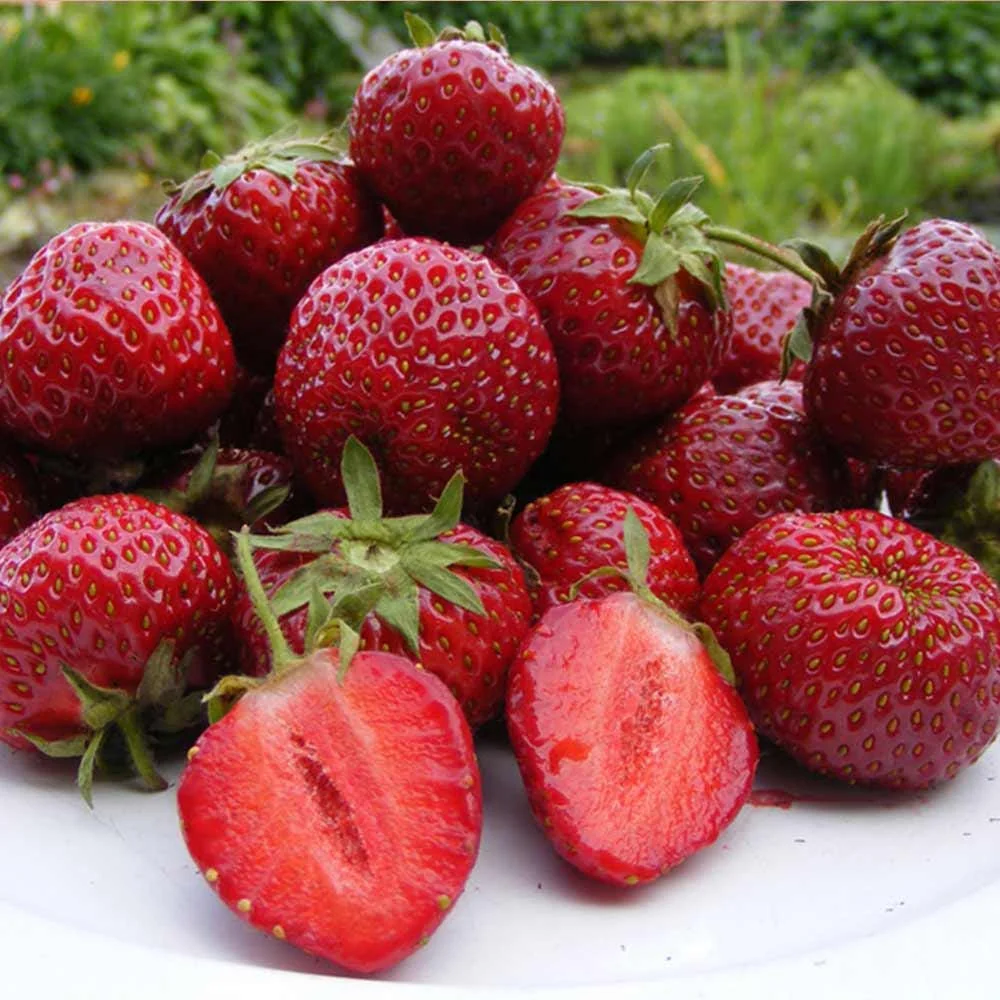
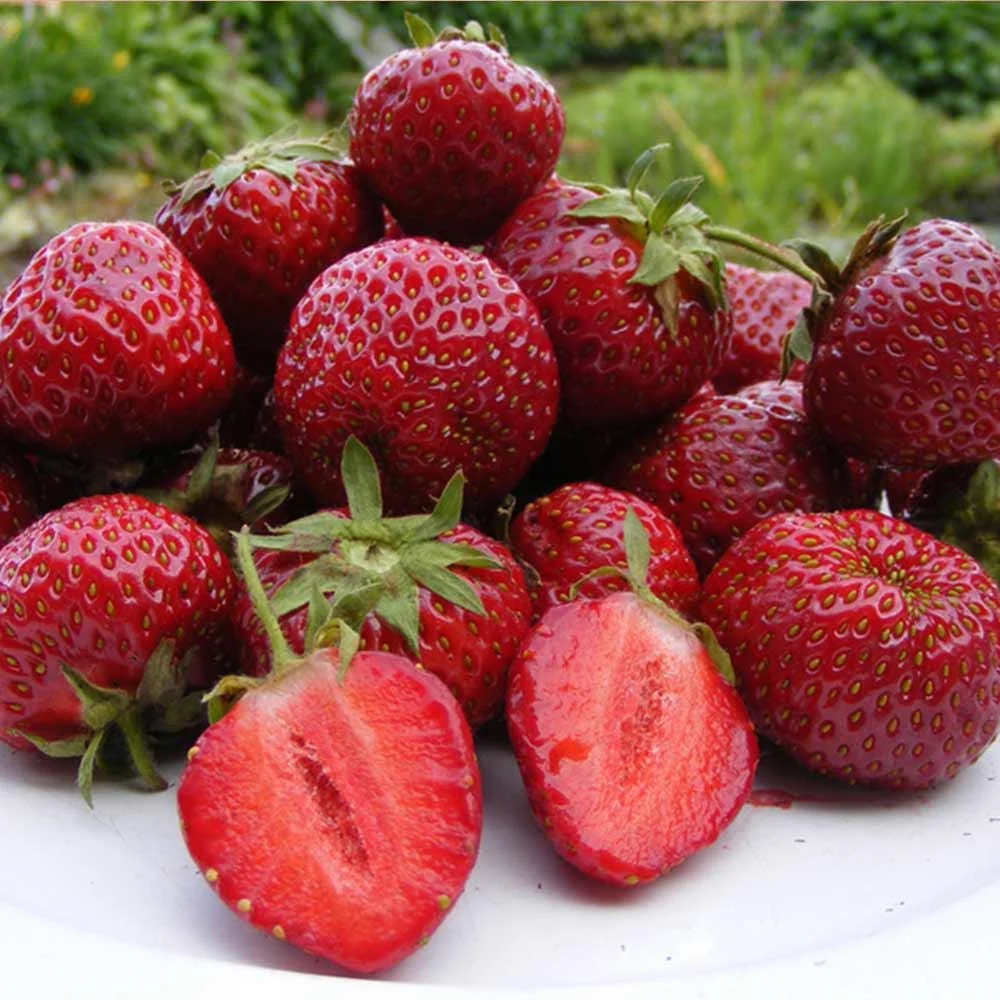
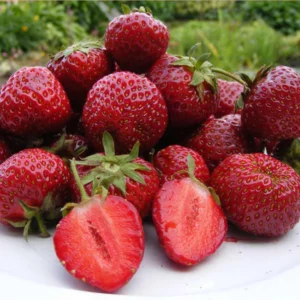
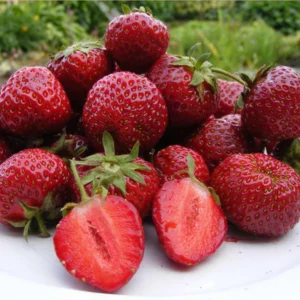
Cultivate delicious, high-yielding Honeoye strawberry bare roots. This vigorous, June-bearing variety produces large, firm, and sweet berries, perfect for fresh eating or preserving. Known for excellent winter hardiness and disease resistance, these plants thrive in many climates.
Original price was: $200.00.$160.00Current price is: $160.00.

With our Alive & Thrive Guarantee, we’ve got your back for the first 30 days! If you have any concerns about your plants, just reach out to us. Our team is here to help answer your questions and guide you in selecting the best plants for your garden, climate, and unique preferences. We're excited to help you create the garden of your dreams!
Estimated arrival
Apr 13
Apr 18 - Apr 20
Apr 23 - Apr 27
Product Details
-
USDA Hardiness Zone
USDA Zones 3-8 -
Soil type
Well-draining, slightly acidic soil (pH 5.5-6.8) -
Sunlight Exposure
Full sun (6-8+ hours daily) -
Expected Planting Period
Early spring
Overview
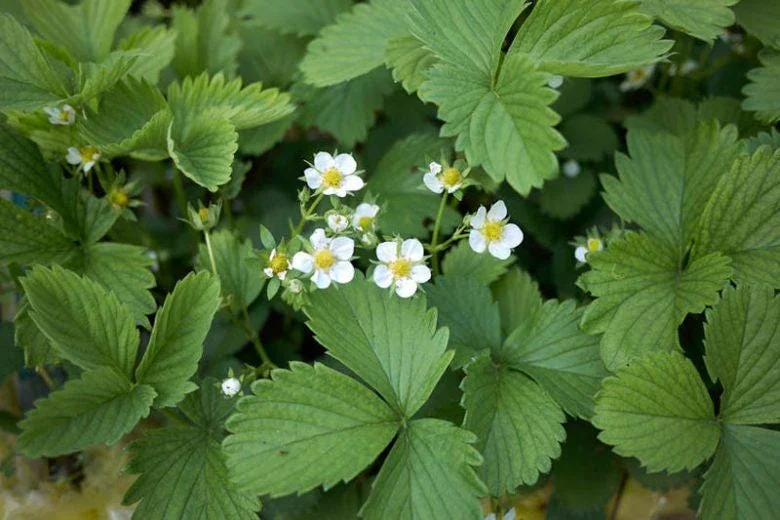
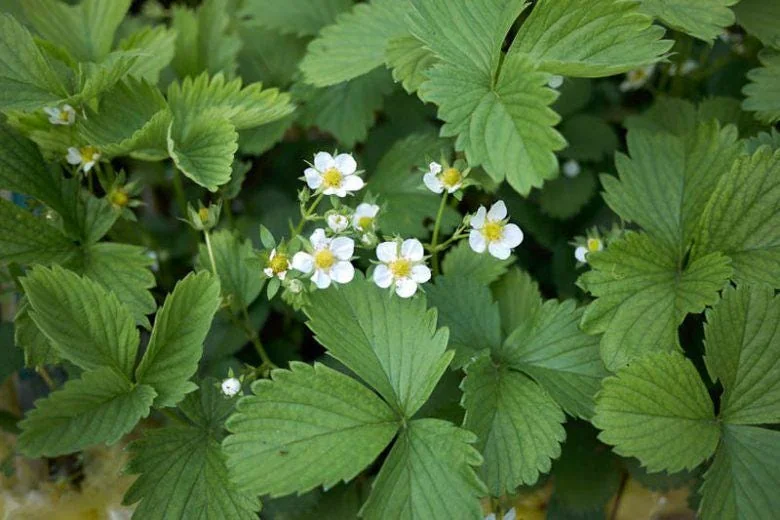
Introduce the joy of homegrown fruit to your garden with Honeoye strawberry bare roots. This offering includes 100 Honeoye Strawberry bare roots, a highly popular June-bearing variety renowned for its exceptional winter hardiness and prolific yields. The ‘Honeoye’ (Fragaria x ananassa ‘Honeoye’) is a robust and reliable choice for both novice and experienced gardeners, particularly favored in the Northeast and Midwest United States. These plants produce an abundance of large, firm, and sweet berries, making them ideal for fresh consumption, jams, jellies, and desserts. Their vigorous growth and spreading habit quickly establish a productive patch, ensuring a bountiful harvest season after season. Whether you’re starting a new garden or expanding an existing one, these Honeoye strawberry bare roots provide a fantastic foundation for delicious, homegrown strawberries.
Key Benefits
The ‘Honeoye’ strawberry offers numerous advantages that make it a top choice for gardeners seeking a dependable and productive berry plant. Its robust nature and desirable fruit characteristics contribute to a rewarding growing experience.
- Exceptional Yields: Enjoy a generous harvest of strawberries. The ‘Honeoye’ variety is known for its high productivity, ensuring you’ll have plenty of berries for eating fresh, freezing, or making preserves.
- Superior Fruit Quality: These plants produce large, firm, and wonderfully sweet berries. Their excellent texture and flavor make them a favorite for all culinary applications, from snacking to baking.
- Outstanding Winter Hardiness: The ‘Honeoye’ is incredibly resilient, especially in colder climates. Its ability to withstand harsh winters ensures reliable performance year after year, reducing concerns about plant loss due to frost.
- Disease Resistance: Benefit from good general disease resistance, which helps maintain plant health and reduces the need for extensive treatments. This makes for easier maintenance and a more successful growing season.
- Self-Pollinating: These plants are self-pollinating, simplifying the planting process as you don’t need multiple varieties for successful fruit set. This ensures consistent berry production even with a single variety.
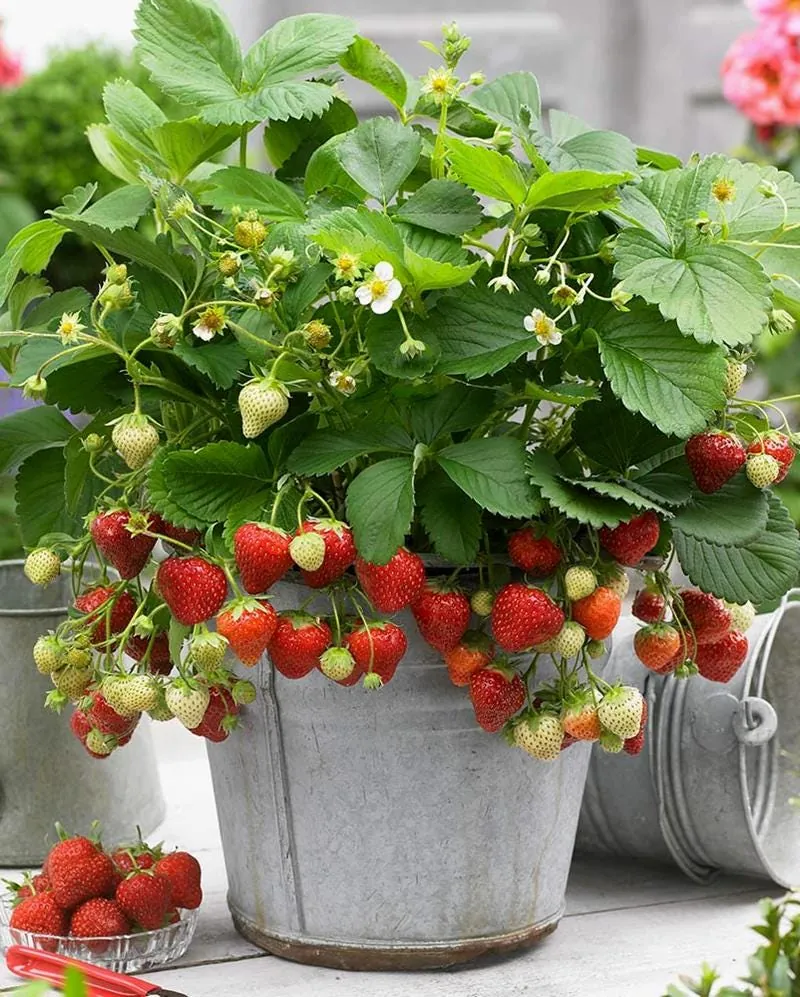
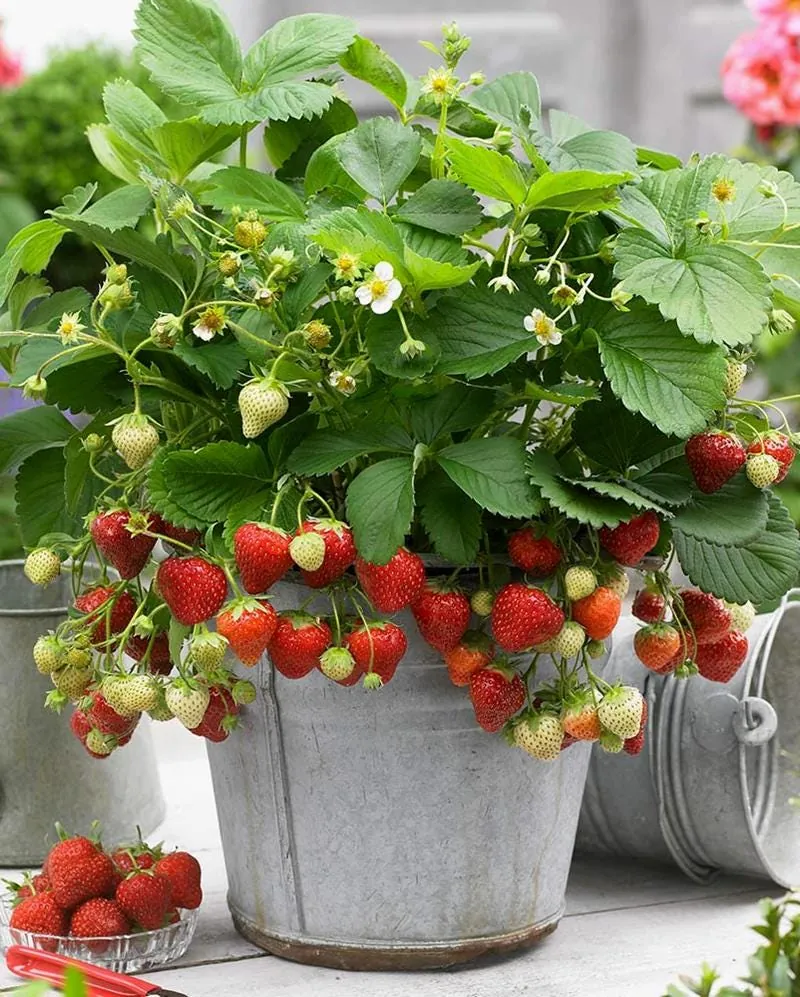
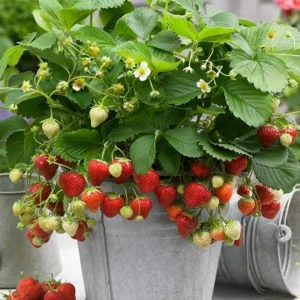
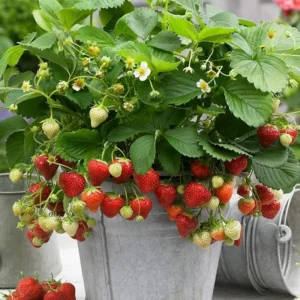
- Versatile Use: Perfect for home gardens, container gardening, or even larger commercial “pick-your-own” operations. The vigorous growth and spreading habit of Fragaria Honeoye plants allow for flexible planting arrangements.
- Easy to Grow: While specific care is beneficial, growing strawberries at home with the ‘Honeoye’ variety is generally straightforward, making it an excellent choice for gardeners of all skill levels.
Plant Care & Growing Tips
Successful cultivation of Honeoye strawberry bare roots requires attention to a few key environmental factors and care practices. These plants are relatively forgiving but thrive best when their needs are met, leading to optimal fruit production.
Sunlight Requirements: Strawberry plants, including ‘Honeoye’, need at least 6-8 hours of direct sunlight per day to produce the best fruit. Choose a location in your garden that receives full sun throughout the growing season. While they can tolerate partial shade, fruit production will be significantly reduced. Ensure good air circulation around the plants to prevent fungal diseases.
Watering Schedule and Soil Moisture Preferences: Consistent moisture is crucial for strawberry plants, especially during flowering and fruiting. Water deeply 1-2 times per week, or more often during dry spells and hot weather. The soil should remain consistently moist but not waterlogged. Bare roots should be thoroughly watered immediately after planting. Avoid overhead watering late in the day to minimize leaf diseases.
Soil Type and Drainage Requirements: Strawberries prefer well-draining, slightly acidic soil with a pH between 5.5 and 6.8. Amend heavy clay soils with organic matter like compost or aged manure to improve drainage and fertility. Sandy soils may require more frequent watering and nutrient replenishment. Raised beds are an excellent option for ensuring good drainage and controlling soil composition, making them ideal for growing strawberries at home.
Temperature Range and USDA Hardiness Zone: ‘Honeoye’ strawberries are known for their exceptional winter hardy strawberries characteristics, thriving in USDA Hardiness Zones 3-8. They are tolerant of cold temperatures but benefit from winter protection in the colder regions of their range, such as a layer of straw mulch after the ground freezes. Ideal growing temperatures are between 60-80°F (15-27°C) during the day.
Fertilization Schedule and Type: Fertilize strawberry plants in early spring before new growth begins and again after the main harvest in June or July. Use a balanced fertilizer (e.g., 10-10-10) or a fertilizer specifically formulated for berries. Avoid excessive nitrogen, which can promote lush foliage at the expense of fruit production. In subsequent years, a light application of compost can also provide essential nutrients.
Common Problems and Solutions: Watch out for common pests like slugs, birds, and strawberry weevils. Use physical barriers like netting for birds and organic slug baits. Fungal diseases such as powdery mildew and leaf spot can be managed by ensuring good air circulation, proper watering techniques, and selecting resistant varieties. Regular weeding is also important to reduce competition for nutrients and water.
Size & Details
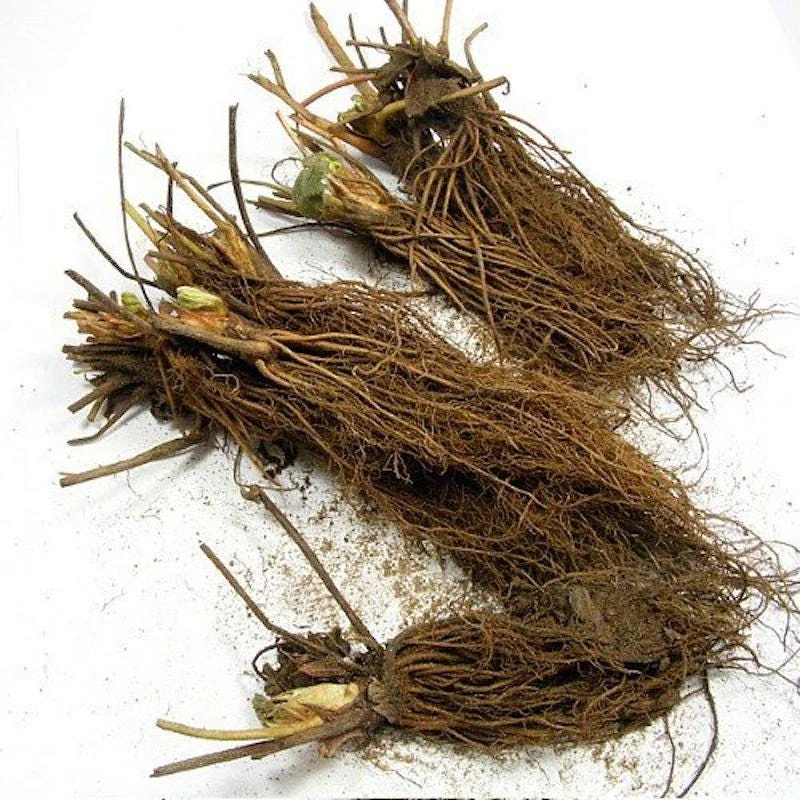
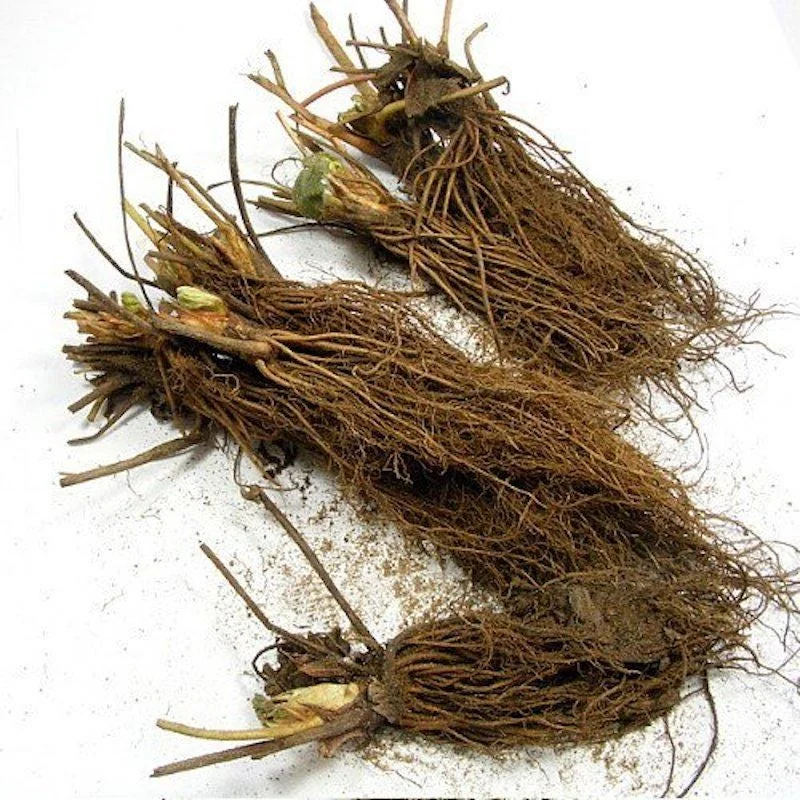
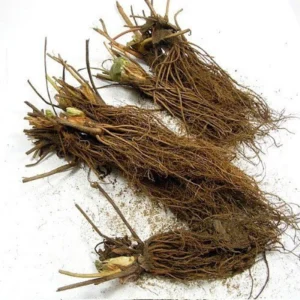
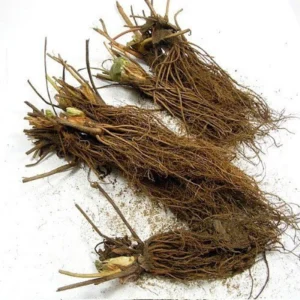
This offering provides 100 Honeoye strawberry bare roots, ready for planting upon arrival. A bare root plant is a dormant plant that is shipped without soil around its roots, making it efficient for transport and ideal for establishing new garden beds. Each bare root is typically a small, dormant crown with a healthy root system, poised to burst into growth once planted in spring. These plants are known for their vigorous growth habit and can spread, forming a dense patch of productive plants over time. Expect the ‘Honeoye’ variety to produce its main crop of berries in June, as it is a classic June-bearing strawberries type. With proper care, you can anticipate a significant harvest from these plants, which typically mature to produce berries within their first full growing season after planting. The individual plants will form a ground-hugging, spreading habit, reaching a height of about 8-12 inches with a spread of 12-18 inches.
Frequently Asked Questions
- Q: How big do these Honeoye strawberry plants get? A: Honeoye strawberry bare roots will mature into plants that typically reach about 8-12 inches in height and can spread 12-18 inches, forming a ground-hugging habit. Their runners will help them spread to create a larger patch over time.
- Q: Is this an indoor or outdoor plant? A: The ‘Honeoye’ strawberry is an outdoor plant, best suited for garden beds, raised beds, or large outdoor containers where it can receive full sun and ample space to grow and spread.
- Q: How much sunlight do Honeoye strawberries need? A: For optimal fruit production, Fragaria Honeoye plants require at least 6-8 hours of direct sunlight per day. Choose a sunny location in your garden for the best results.
- Q: Is this plant easy to care for? A: Yes, ‘Honeoye’ strawberries are considered relatively easy to care for, especially for gardeners familiar with berry plants. They are vigorous and disease-resistant, making growing strawberries at home a rewarding experience.
- Q: What condition will the bare roots arrive in? A: The 100 Honeoye Strawberry bare roots will arrive dormant, without soil or leaves, packaged to maintain moisture. They should be planted as soon as possible after arrival.
- Q: When is the best time to plant Honeoye bare roots? A: The best time to plant Honeoye strawberry bare roots is in early spring, after the danger of hard frost has passed, allowing them to establish before the summer heat.
- Q: Will these strawberries survive winter in my zone? A: Yes, ‘Honeoye’ is known for being very winter hardy strawberries, thriving in USDA Zones 3-8. In colder zones, a layer of mulch applied after the ground freezes can provide extra protection.
- Q: How long until I get berries after planting? A: You can typically expect your first harvest of June-bearing strawberries in the first full growing season after spring planting. For best long-term production, some gardeners remove flowers in the first year to encourage stronger root development.
- Q: What type of soil is best for Honeoye strawberries? A: These plants prefer well-draining, slightly acidic soil with a pH between 5.5 and 6.8. Amending with organic matter will improve both drainage and fertility.
- Q: Do I need to prune these strawberry plants? A: While heavy pruning isn’t necessary, removing old, diseased, or damaged leaves can help maintain plant health. Runners can be allowed to grow to expand your patch or trimmed to encourage larger fruit production on the main plant.
Related products
-10%
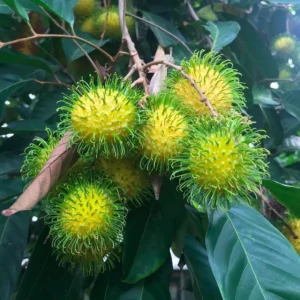
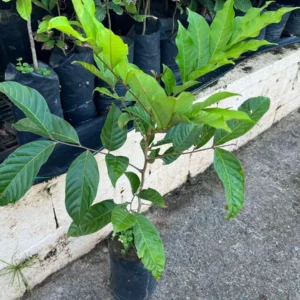
Original price was: $158.00.$142.20Current price is: $142.20.
-20%
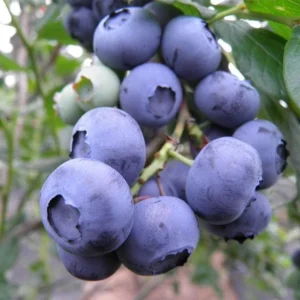
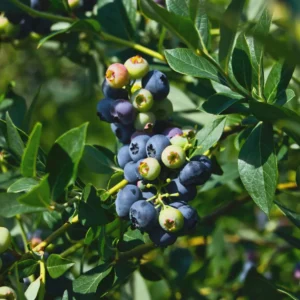
Original price was: $60.00.$48.00Current price is: $48.00.
-10%
Original price was: $158.00.$142.20Current price is: $142.20.
-20%
Original price was: $36.00.$28.80Current price is: $28.80.
-20%

Original price was: $34.00.$27.20Current price is: $27.20.
-20%
Original price was: $50.00.$40.00Current price is: $40.00.
-20%
Original price was: $80.00.$64.00Current price is: $64.00.
-10%
Original price was: $89.99.$80.99Current price is: $80.99.
PLANTING & CARE

Growing Glencoe Raspberry: A Complete Guide for Gardeners
If you’re looking to add something unique to your garden, look no further than the
31
Mar
Mar

The Comprehensive Guide to Growing Bay Leaf Plants for a Flavorful Garden
Imagine stepping into your garden, greeted by the earthy aroma of fresh bay leaves, their
09
Feb
Feb

How to Make Comfrey Tea: The Ultimate Organic Plant Food
Growing an organic garden can be surprisingly expensive, especially when most store-bought fertilizers come in
02
Feb
Feb

True Comfrey: 7 Essential Tips Before You Plant This Herb
A staple in permaculture practices across the US, True Comfrey easily earns its reputation as
27
Jan
Jan

7 Heart-Shaped Plants for a Lasting Valentine’s Gift
If you’ve ever bought a bouquet of roses for Valentine’s Day, you know they are
26
Jan
Jan

Best Types of Ivy Plant for Houses: How to Choose the Perfect Ones for Your Home
Are you a garden lover looking to introduce some greenery into your home? Maybe you’ve
14
Nov
Nov

When to Harvest Garlic (Especially Fall-Planted Garlic)
TIMING IS EVERYTHING, they say – and for garlic, that truth hits with surprising accuracy.
13
Nov
Nov

11 of the Best Sweet Potato Varieties to Grow for Your Garden
If you’ve ever tried growing sweet potatoes, you know that picking the right variety can
12
Nov
Nov