1000+ Baby Blue Eyes Flower Seeds – Drought Tolerant Wildflower Groundcover – Outdoor Annual
-50%








1000+ Baby Blue Eyes Flower Seeds – Drought Tolerant Wildflower Groundcover – Outdoor Annual
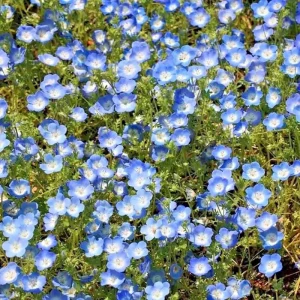
Discover the charm of baby blue eyes flower seeds, ideal for creating a vibrant groundcover or adding a touch of natural beauty to any garden. These drought tolerant wildflowers are easy to grow annuals, blooming profusely in spring with delicate blue and white flowers. Perfect for attracting pollinators and low-maintenance landscaping.
Original price was: $13.96.$6.98Current price is: $6.98.

With our Alive & Thrive Guarantee, we’ve got your back for the first 30 days! If you have any concerns about your plants, just reach out to us. Our team is here to help answer your questions and guide you in selecting the best plants for your garden, climate, and unique preferences. We're excited to help you create the garden of your dreams!
Estimated arrival
Apr 03
Apr 08 - Apr 10
Apr 13 - Apr 17
Product Details
-
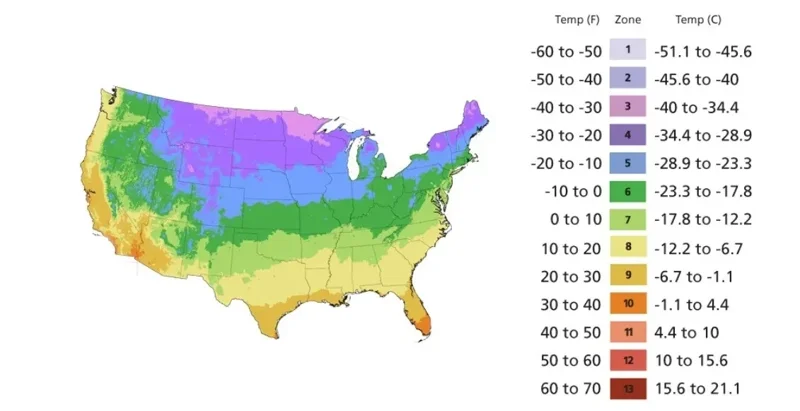
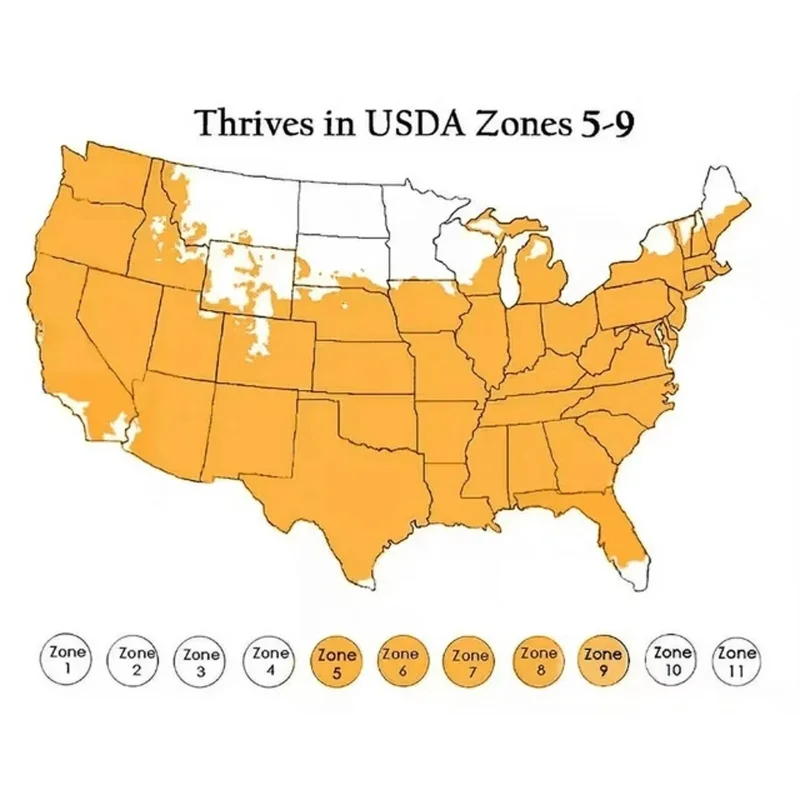
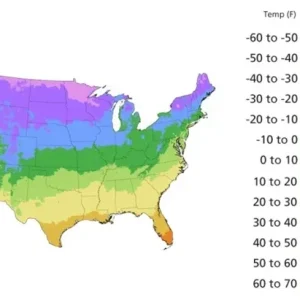
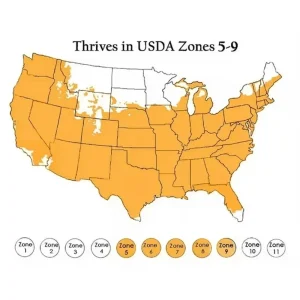
USDA Hardiness Zone
Annual in most zones (3-10) -
Soil type
Chalk, Clay, Loam, Peat, Sand, Silt; Well-draining -
Sunlight Exposure
Full Sun, Medium Sun -
Expected Planting Period
Spring, Fall
Overview
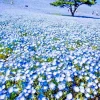
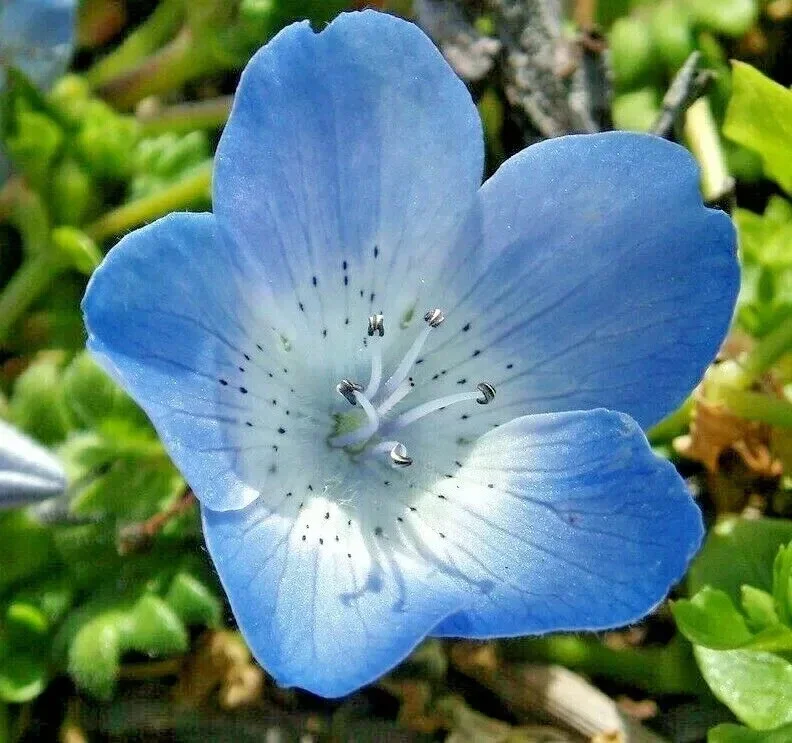
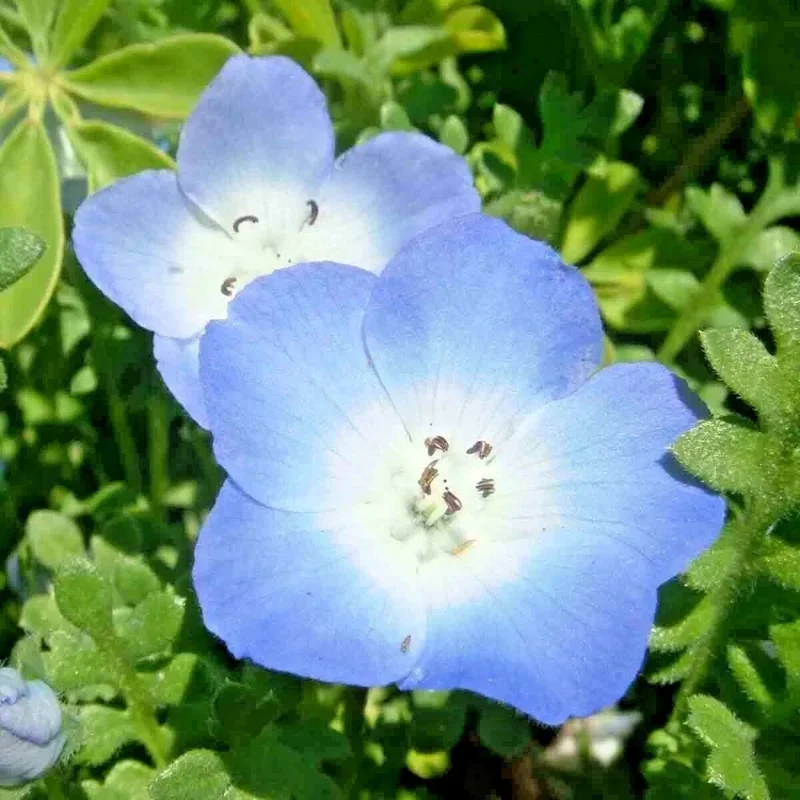
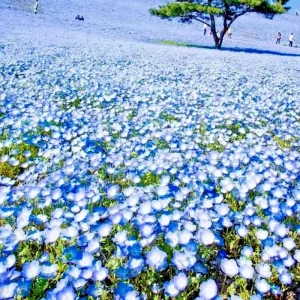
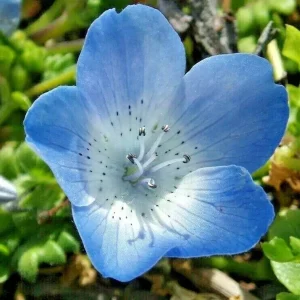
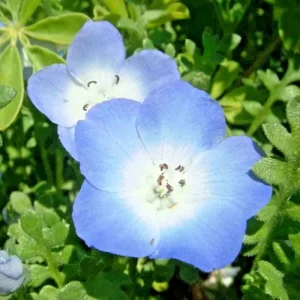
Introduce a sea of serene blue to your garden with over 1000 Baby Blue Eyes flower seeds. These delightful annuals, scientifically known as Nemophila menziesii, are celebrated for their vivid sky-blue petals, often tipped with white, creating a captivating display. Originating from California, these baby blue eyes flower seeds are a fantastic choice for gardeners seeking a low-growing, spreading plant that offers abundant blooms with minimal fuss. They are particularly well-suited for naturalized areas, rock gardens, borders, or as a charming groundcover. Their delicate appearance belies a hardy nature, making them a superb option for various climates and gardening styles. This packet provides more than 1000 seeds, ensuring a generous spread of these enchanting flowers across your landscape.
The common name, Baby Blue Eyes, perfectly captures the essence of their innocent and striking blossoms. These wildflowers are not only beautiful but also play an important ecological role, attracting beneficial pollinators like bees to your garden. Their fast-growing nature means you won’t have to wait long to enjoy their spring spectacle. Whether you’re an experienced horticulturist or a novice gardener, cultivating these seeds is a rewarding experience that promises a burst of color and life.
Key Benefits
Planting baby blue eyes flower seeds offers a multitude of advantages for your garden and local ecosystem. Their ease of care and delightful aesthetics make them a gardener’s favorite. Here are some key benefits:
- Stunning Visual Appeal: The vibrant blue and white flowers create a breathtaking carpet of color, transforming ordinary spaces into picturesque landscapes. Their cheerful blooms are a true harbinger of spring.
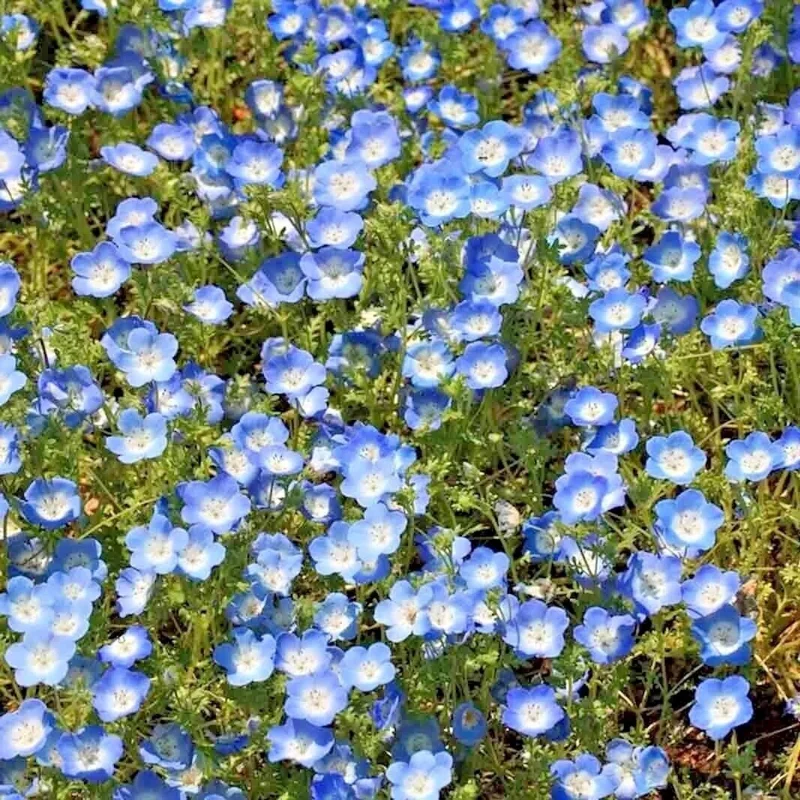
- Excellent Groundcover: With their clumping and spreading growth habit, these flowers are perfect for filling in gaps, suppressing weeds, and providing continuous color across beds and borders. They form a dense, attractive mat.
- Drought Tolerant: Once established, drought tolerant wildflowers like Baby Blue Eyes require minimal watering, making them an ideal choice for water-wise gardening and regions with drier climates. This reduces maintenance and conserves resources.
- Attracts Pollinators: These flowers are a magnet for bees and other beneficial insects, contributing to the health and biodiversity of your garden. They provide a valuable nectar source during their blooming period.
- Easy to Grow: Known for their low maintenance and forgiving nature, these seeds are suitable for gardeners of all skill levels. Their easy cultivation means more enjoyment and less effort.
- Fast Growing: From seed to bloom, Nemophila menziesii develops relatively quickly, allowing you to enjoy their beautiful flowers sooner in the spring season.
- Versatile Planting Options: Ideal for wildflower meadows, rock gardens, containers, or simply as a charming border plant, their adaptability makes them a versatile addition to any outdoor space. Consider these spring flowering annuals for a flexible garden design.
Plant Care & Growing Tips
Growing baby blue eyes flower seeds is a straightforward and rewarding process, even for beginner gardeners. These spring flowering annuals thrive with proper initial care and minimal ongoing maintenance. For best results, sow seeds directly into the garden after the last frost in early spring, or in late fall in milder climates for earlier spring blooms. Lightly cover the seeds with about 1/8 inch of fine soil, as they require some light to germinate. Space seeds or thin seedlings to about 4-6 inches apart to allow for proper air circulation and growth. Germination typically occurs within 7-14 days.
When it comes to sunlight, Nemophila menziesii seeds prefer full sun to medium sun exposure, meaning at least 6 hours of direct sunlight per day. While they can tolerate some partial shade, too much shade may result in fewer blooms and leggy growth. The ideal soil type is well-draining, and these plants are adaptable to various soil compositions including chalk, clay, loam, peat, sand, and silt. Good drainage is crucial to prevent root rot. Water lightly but consistently until seedlings are established. Once mature, their drought-tolerant nature means they can withstand periods of dryness, though occasional watering during prolonged dry spells will promote healthier growth and more abundant flowering. Fertilization is generally not necessary, especially in rich soil, as excessive nutrients can lead to more foliage and fewer flowers. These plants are annuals, completing their life cycle in one season, but they often self-seed for new growth the following spring, especially when grown as groundcover seeds.
Baby Blue Eyes flowers are fairly resistant to most pests and diseases. However, ensure good air circulation to prevent fungal issues in humid conditions. Deadheading spent blooms is not typically required but can encourage a tidier appearance if desired. The typical USDA hardiness zones for optimal growth range from 3-10, depending on specific conditions, as they are primarily grown as annuals. They perform best in cooler spring temperatures and may fade as summer heat intensifies. By following these simple guidelines, you can enjoy a spectacular display of these charming blue wildflowers.
Size & Details
This offering includes over 1000 Baby Blue Eyes flower seeds, providing an ample quantity to establish a significant patch of these delightful wildflowers. As a clumping growth habit plant, Nemophila menziesii typically reaches a modest height of 6-12 inches and spreads about 6-12 inches wide, forming an attractive, dense groundcover. The delicate blue flowers, often with white centers or edges, are approximately 1 inch in diameter. These annual plants complete their life cycle within one growing season, usually blooming profusely in spring and early summer before fading with the onset of high summer temperatures. However, they are known to readily self-seed, ensuring a return of their beauty in subsequent years if conditions are favorable. The seeds are ready for outdoor planting and are suitable for a wide range of climates, particularly thriving in cooler spring weather. Expect a relatively fast growth rate, with blooms appearing a few weeks after germination. These Nemophila menziesii seeds are of high quality, ready to bring vibrant color and pollinator activity to your garden.
Frequently Asked Questions
- Q: How many seeds are included? A: This packet contains over 1000 Baby Blue Eyes flower seeds, providing a generous quantity for extensive planting or multiple seasons.
- Q: Are these flowers easy to grow for beginners? A: Yes, baby blue eyes flower seeds are known for their easy cultivation and are an excellent choice for novice gardeners. They require minimal maintenance once established.
- Q: What are the sunlight requirements for Baby Blue Eyes? A: These wildflowers thrive in full sun to medium sun, needing at least 6 hours of direct sunlight daily for optimal flowering.
- Q: Are these plants drought tolerant? A: Yes, Baby Blue Eyes are considered drought tolerant wildflowers once they are established, making them a great option for water-wise landscaping.
- Q: What is the best time to plant these seeds? A: For best results, sow seeds directly outdoors in early spring after the last frost, or in late fall in mild climates for earlier spring blooms.
- Q: How tall do Baby Blue Eyes plants get? A: These charming plants typically grow to a height of 6-12 inches, forming a lovely, low-growing groundcover.
- Q: Will these plants attract pollinators? A: Absolutely! The vibrant blue flowers are very attractive to bees and other pollinators, supporting local biodiversity.
- Q: Can I grow Baby Blue Eyes in containers? A: Yes, their compact size and spreading habit make them suitable for container gardening, hanging baskets, or window boxes.
- Q: What kind of soil do these spring flowering annuals prefer? A: They prefer well-draining soil and are adaptable to various soil types, including sandy, loamy, and clay soils.
- Q: Do I need to fertilize Baby Blue Eyes? A: Generally, fertilization is not necessary. In rich soil, too much fertilizer can promote foliage growth over flower production.
Related products
-50%
Original price was: $23.96.$11.98Current price is: $11.98.
-50%
Original price was: $23.96.$11.98Current price is: $11.98.
-15%
From Original price was: $28.00.$23.80Current price is: $23.80.
-50%

Original price was: $38.36.$19.18Current price is: $19.18.
-50%
Original price was: $7.98.$3.98Current price is: $3.98.
-50%


Original price was: $23.96.$11.98Current price is: $11.98.
-50%
Original price was: $23.96.$11.98Current price is: $11.98.
-50%
Original price was: $23.96.$11.98Current price is: $11.98.
PLANTING & CARE
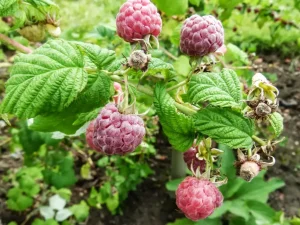
Growing Glencoe Raspberry: A Complete Guide for Gardeners
If you’re looking to add something unique to your garden, look no further than the
31
Mar
Mar

The Comprehensive Guide to Growing Bay Leaf Plants for a Flavorful Garden
Imagine stepping into your garden, greeted by the earthy aroma of fresh bay leaves, their
09
Feb
Feb

How to Make Comfrey Tea: The Ultimate Organic Plant Food
Growing an organic garden can be surprisingly expensive, especially when most store-bought fertilizers come in
02
Feb
Feb

True Comfrey: 7 Essential Tips Before You Plant This Herb
A staple in permaculture practices across the US, True Comfrey easily earns its reputation as
27
Jan
Jan

7 Heart-Shaped Plants for a Lasting Valentine’s Gift
If you’ve ever bought a bouquet of roses for Valentine’s Day, you know they are
26
Jan
Jan

Best Types of Ivy Plant for Houses: How to Choose the Perfect Ones for Your Home
Are you a garden lover looking to introduce some greenery into your home? Maybe you’ve
14
Nov
Nov

When to Harvest Garlic (Especially Fall-Planted Garlic)
TIMING IS EVERYTHING, they say – and for garlic, that truth hits with surprising accuracy.
13
Nov
Nov

11 of the Best Sweet Potato Varieties to Grow for Your Garden
If you’ve ever tried growing sweet potatoes, you know that picking the right variety can
12
Nov
Nov