12 Fresh Shampoo Ginger Rhizomes – Zingiber zerumbet Roots for Planting
-50%

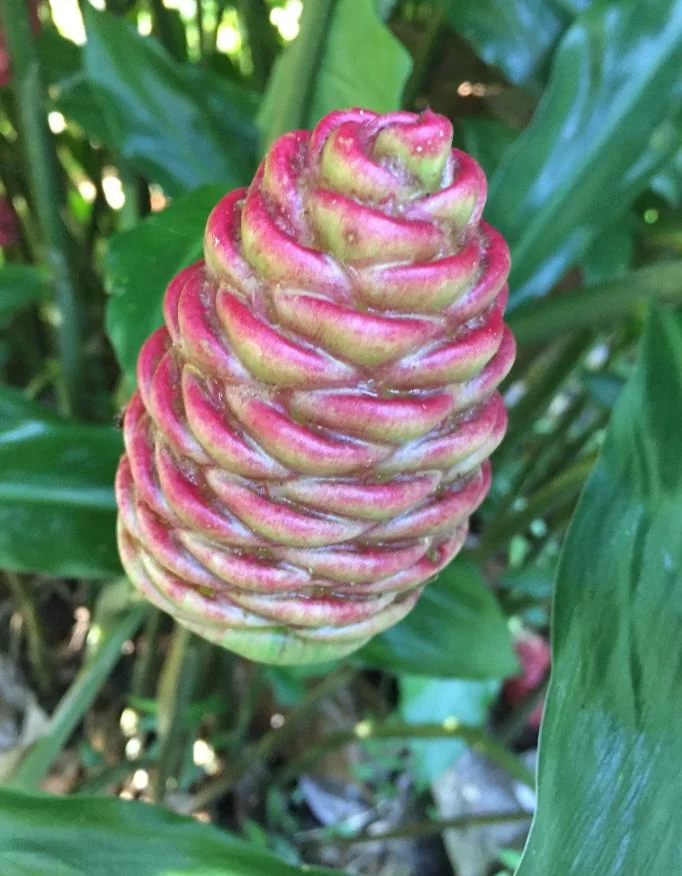
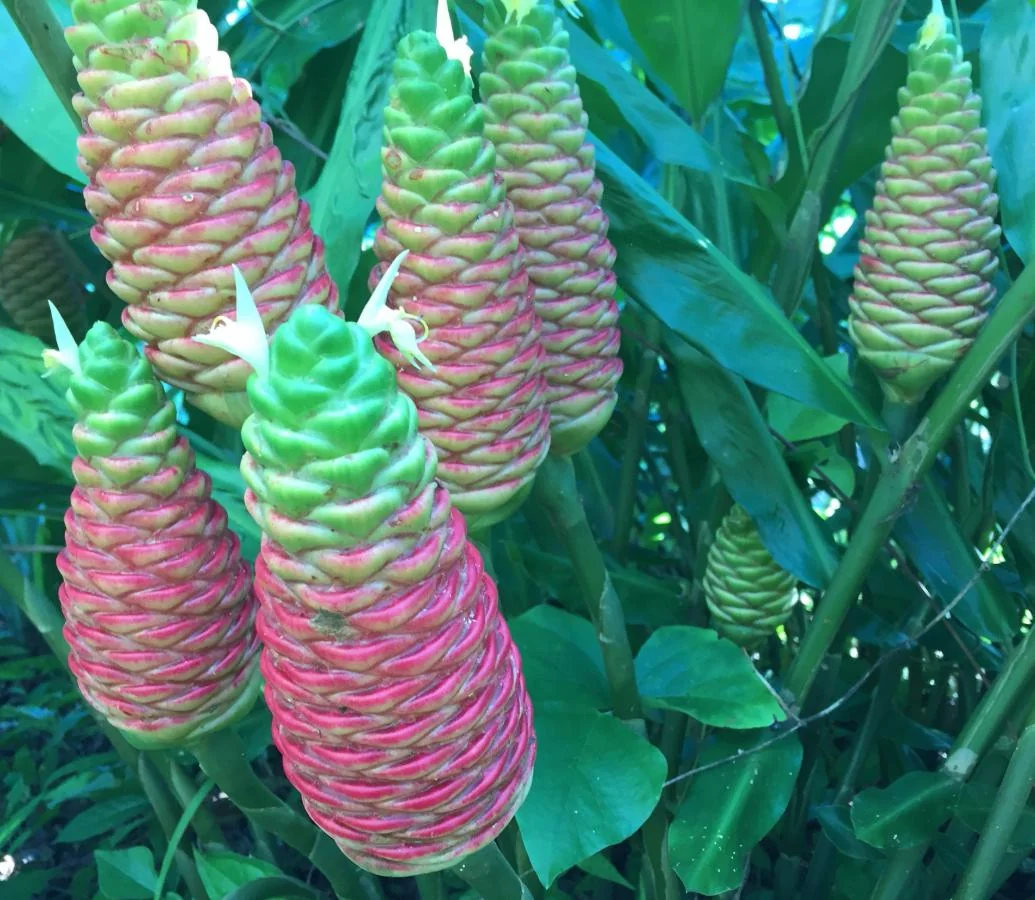
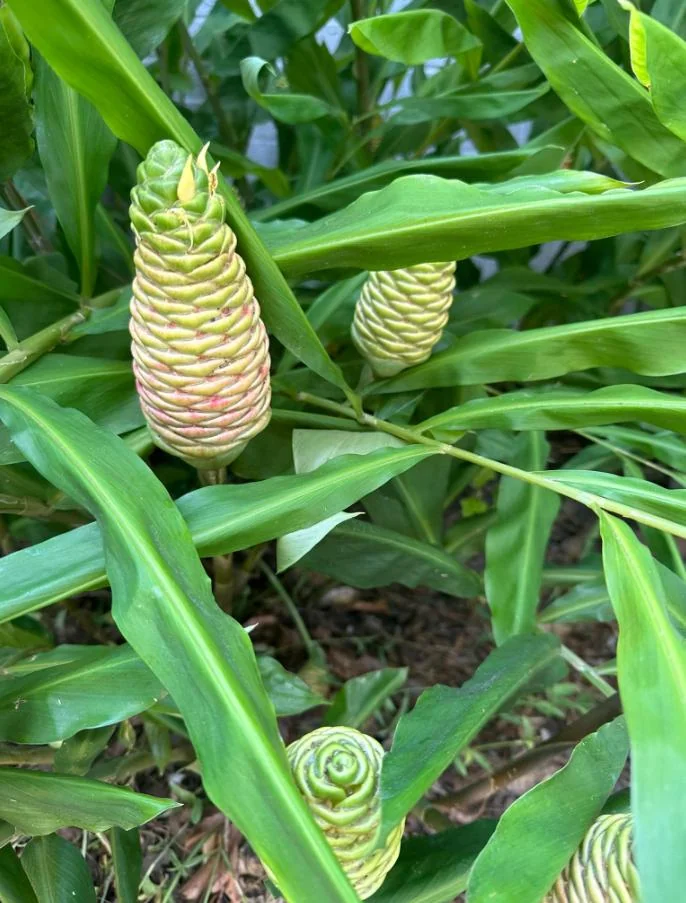

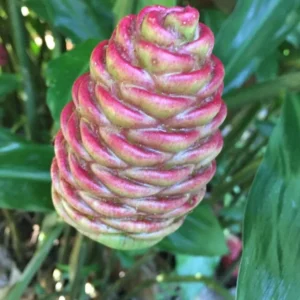
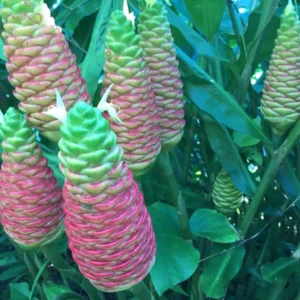
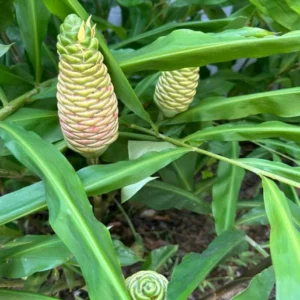
12 Fresh Shampoo Ginger Rhizomes – Zingiber zerumbet Roots for Planting
Start your tropical garden with 12 fresh shampoo ginger rhizomes. These Zingiber zerumbet roots, also known as pinecone ginger plant or Awapuhi, are ideal for cultivation in full sun to part shade. Enjoy their unique beauty and potential uses.
Original price was: $79.96.$39.98Current price is: $39.98.

With our Alive & Thrive Guarantee, we’ve got your back for the first 30 days! If you have any concerns about your plants, just reach out to us. Our team is here to help answer your questions and guide you in selecting the best plants for your garden, climate, and unique preferences. We're excited to help you create the garden of your dreams!
Estimated arrival
Mar 31
Apr 05 - Apr 07
Apr 10 - Apr 14


Product Details
-
USDA Hardiness Zone
USDA Zones 9–11 -
Soil type
Rich, well-draining soil -
Sunlight Exposure
Full sun to part shade -
Expected Planting Period
Spring after last frost
Overview
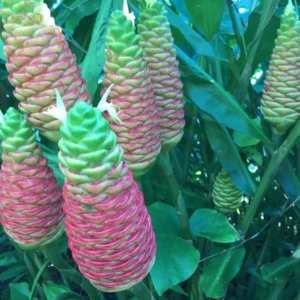
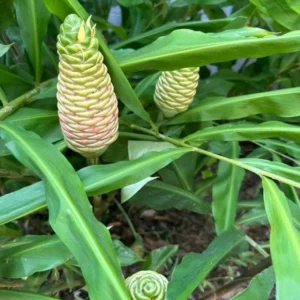
Embark on a journey to cultivate the exotic and highly sought-after shampoo ginger rhizomes. This offering includes 12 fresh, viable rhizomes of Zingiber zerumbet, commonly known as pinecone ginger, wild ginger, or Awapuhi. Native to tropical regions, this unique plant is cherished for its distinctive pinecone-shaped inflorescences that produce a fragrant, sudsy liquid often used in natural hair care and traditional medicine. Growing to an impressive 3.5 to 4 feet tall, these clump-forming perennials add a striking tropical aesthetic to any garden space, thriving in warm climates and bringing a touch of the exotic to your landscape. With these shampoo ginger rhizomes, you can easily establish your own patch of this remarkable plant, whether for its ornamental value or its practical applications.
The Zingiber zerumbet species is a fascinating addition for both seasoned gardeners and those new to tropical horticulture. Its robust growth habit and relatively low maintenance requirements make it a rewarding plant to grow. Each rhizome is carefully selected to ensure freshness and vitality, providing you with the best possible start for your new plants. Imagine the lush foliage and the intriguing ‘shampoo’ cones appearing in your garden, ready to be harvested. This makes it an excellent choice for creating a vibrant, fragrant, and functional garden.
Key Benefits
Cultivating shampoo ginger rhizomes offers a multitude of benefits, from enhancing your garden’s beauty to providing practical resources. These plants are not just visually appealing; they are also surprisingly versatile and easy to integrate into various garden designs.
- Unique Ornamental Value: The distinctive pinecone-like inflorescences of Zingiber zerumbet are a conversation starter, adding an exotic and architectural element to your garden. Their vibrant green foliage provides a lush backdrop.
- Natural Hair Care Ingredient: The clear, fragrant liquid produced by the mature inflorescences is traditionally used as a natural shampoo or conditioner, earning it the name ‘shampoo ginger’. This is a key benefit of growing Awapuhi roots.
- Tropical Ambiance: These plants effortlessly create a tropical oasis, making your garden feel like a retreat. The tall, elegant stalks and broad leaves contribute to a lush, verdant landscape.
- Low Maintenance: Once established, pinecone ginger plant varieties are relatively easy to care for, requiring minimal attention beyond basic watering and occasional feeding, making them suitable for busy gardeners.
- Medicinal Properties: In various traditional practices, parts of the shampoo ginger rhizomes have been utilized for their potential anti-inflammatory and analgesic properties.
- Clump-Forming Growth: The plant’s natural tendency to form clumps means it will gradually expand, creating a dense and attractive display without becoming overly invasive.
- Pollinator Attraction: While not their primary feature, the flowers can attract certain pollinators, contributing to the biodiversity of your garden ecosystem.
Plant Care & Growing Tips
Caring for your shampoo ginger rhizomes is straightforward, especially when you understand their basic needs. These tropical plants thrive in warm, humid environments and appreciate consistent moisture. For successful growth of your Zingiber zerumbet, consider the following guidelines.
Sunlight Requirements: Shampoo ginger plant prefers full sun to part shade. In hotter climates, partial afternoon shade is beneficial to protect the leaves from scorching. Aim for at least 4-6 hours of direct sunlight, with some protection during the peak heat of the day. If growing indoors, place them near a window with bright, indirect light, or use supplemental grow lights to ensure adequate illumination. A location that receives morning sun and afternoon shade is often ideal for vigorous growth.
Watering Schedule and Soil Moisture: These plants love consistent moisture. The soil should be kept evenly moist but not waterlogged. Water deeply when the top inch of soil feels dry to the touch. During hot, dry periods, you may need to water more frequently. Reduce watering slightly during the cooler, dormant months. Good drainage is crucial to prevent rhizome rot, so ensure your planting site or pot allows excess water to escape freely. Overwatering is a common mistake that can lead to problems with Awapuhi roots.
Soil Type and Drainage: Shampoo ginger care begins with the right soil. They thrive in rich, well-draining soil with a slightly acidic to neutral pH. A mix of compost, peat moss, and perlite or sand will provide the ideal texture and nutrient content. If planting in a container, use a high-quality potting mix designed for tropical plants. Ensure the soil remains loose and aerated. Heavy clay soils should be amended with organic matter to improve drainage and prevent compaction, which can hinder rhizome development.
Temperature and USDA Hardiness Zone: Zingiber zerumbet is a tropical plant, hardy in USDA Zones 9–11. It prefers temperatures above 60°F (15°C) and can tolerate warmer climates. In zones below 9, the rhizomes can be dug up before the first frost and stored indoors in a cool, dry place over winter, then replanted in spring. Protect from frost, as cold temperatures can damage the foliage and rhizomes. Humidity is also beneficial, so misting or placing pots on pebble trays can help in drier indoor environments.
Fertilization: Feed your pinecone ginger plant every 4-6 weeks during the growing season (spring through fall) with a balanced liquid fertilizer. Reduce or stop fertilization during the dormant winter months. Organic fertilizers or compost can also be incorporated into the soil to provide a slow release of nutrients and improve soil health, promoting strong growth of your shampoo ginger rhizomes.
Common Problems and Solutions: Watch out for common pests like spider mites or aphids, especially in dry conditions. Treat with insecticidal soap or neem oil if infestations occur. Yellowing leaves can indicate overwatering or nutrient deficiency. Ensure proper drainage and a consistent feeding schedule. Rhizome rot is a sign of excessive moisture; improve drainage and reduce watering. By following these shampoo ginger care tips, your plants will flourish.
Size & Details
This package contains 12 fresh shampoo ginger rhizomes, ready for planting. Each rhizome is a segment of the underground stem, approximately 2-4 inches in length, and carefully selected for its viability and potential to sprout. Once planted, these Zingiber zerumbet rhizomes will develop into robust, clump-forming perennials, typically reaching a mature height of 3.5 to 4 feet tall. The plants spread by sending out new rhizomes, forming an attractive patch over time. Expect the first shoots to emerge within a few weeks to a couple of months after planting, depending on environmental conditions and the timing of planting. The distinctive pinecone-like inflorescences, which produce the ‘shampoo’ liquid, generally appear in the summer months once the plant is established. These rhizomes are shipped bare-root, carefully packaged to maintain their freshness during transit, ensuring they arrive in optimal condition for immediate planting and successful growth of your Awapuhi roots.
Frequently Asked Questions
- Q: How big do these shampoo ginger plants get? A: Your shampoo ginger rhizomes will grow into plants that typically reach a height of 3.5 to 4 feet tall, forming attractive clumps over time. They are known for their upright growth habit and lush foliage.
- Q: Is this an indoor or outdoor plant? A: Zingiber zerumbet is primarily an outdoor tropical plant, thriving in USDA Zones 9–11. However, it can be grown in containers and brought indoors during colder months in non-tropical regions, making it versatile for various climates.
- Q: How much sunlight does it need? A: The pinecone ginger plant prefers full sun to part shade. In very hot climates, it benefits from some afternoon shade to protect its leaves from intense sun exposure. Aim for at least 4-6 hours of sunlight daily.
- Q: Is this plant easy to care for? A: Yes, once established, shampoo ginger care is relatively easy. It requires consistent moisture and a warm environment, but it’s not overly demanding, making it suitable for gardeners of varying experience levels.
- Q: What condition will the rhizomes arrive in? A: You will receive 12 fresh shampoo ginger rhizomes, shipped bare-root and carefully packaged to ensure they remain fresh and viable upon arrival, ready for immediate planting.
- Q: When is the best time to plant shampoo ginger rhizomes? A: The best time to plant Awapuhi roots is in the spring after the last frost, when soil temperatures have warmed up. This gives the rhizomes ample time to establish before the peak growing season.
- Q: Can I use the ‘shampoo’ from the plant? A: Yes, the liquid found in the mature pinecone-like inflorescences is traditionally used as a natural shampoo or conditioner due to its sudsy properties. This is a primary reason many cultivate shampoo ginger rhizomes.
- Q: What kind of soil is best for shampoo ginger? A: Shampoo ginger plant thrives in rich, well-draining soil with plenty of organic matter. A slightly acidic to neutral pH is ideal for optimal growth and health of your Zingiber zerumbet.
- Q: Will it survive winter in my zone? A: If you are in USDA Zones 9–11, your pinecone ginger plant can likely survive winter outdoors. In colder zones, the rhizomes should be dug up and stored indoors for the winter to protect them from frost.
- Q: How long until I see sprouts from the rhizomes? A: You can typically expect to see sprouts emerge from the shampoo ginger rhizomes within a few weeks to a couple of months after planting, depending on warmth, moisture, and overall growing conditions.
Related products
-10%

Original price was: $11.99.$10.79Current price is: $10.79.
-67%
From Original price was: $35.22.$11.74Current price is: $11.74.
-67%
From Original price was: $35.22.$11.74Current price is: $11.74.
-67%
Original price was: $39.72.$13.24Current price is: $13.24.
-50%

Original price was: $27.96.$13.98Current price is: $13.98.
-20%
Original price was: $35.00.$28.00Current price is: $28.00.
-67%
Original price was: $75.72.$25.24Current price is: $25.24.
-67%
Original price was: $39.72.$13.24Current price is: $13.24.
PLANTING & CARE

Growing Glencoe Raspberry: A Complete Guide for Gardeners
If you’re looking to add something unique to your garden, look no further than the
31
Mar
Mar

The Comprehensive Guide to Growing Bay Leaf Plants for a Flavorful Garden
Imagine stepping into your garden, greeted by the earthy aroma of fresh bay leaves, their
09
Feb
Feb

How to Make Comfrey Tea: The Ultimate Organic Plant Food
Growing an organic garden can be surprisingly expensive, especially when most store-bought fertilizers come in
02
Feb
Feb

True Comfrey: 7 Essential Tips Before You Plant This Herb
A staple in permaculture practices across the US, True Comfrey easily earns its reputation as
27
Jan
Jan

7 Heart-Shaped Plants for a Lasting Valentine’s Gift
If you’ve ever bought a bouquet of roses for Valentine’s Day, you know they are
26
Jan
Jan

Best Types of Ivy Plant for Houses: How to Choose the Perfect Ones for Your Home
Are you a garden lover looking to introduce some greenery into your home? Maybe you’ve
14
Nov
Nov

When to Harvest Garlic (Especially Fall-Planted Garlic)
TIMING IS EVERYTHING, they say – and for garlic, that truth hits with surprising accuracy.
13
Nov
Nov

11 of the Best Sweet Potato Varieties to Grow for Your Garden
If you’ve ever tried growing sweet potatoes, you know that picking the right variety can
12
Nov
Nov