15-20 Jicama Seeds – Mexican Yam Bean Root Vegetable Seeds – Fast Growing Outdoor
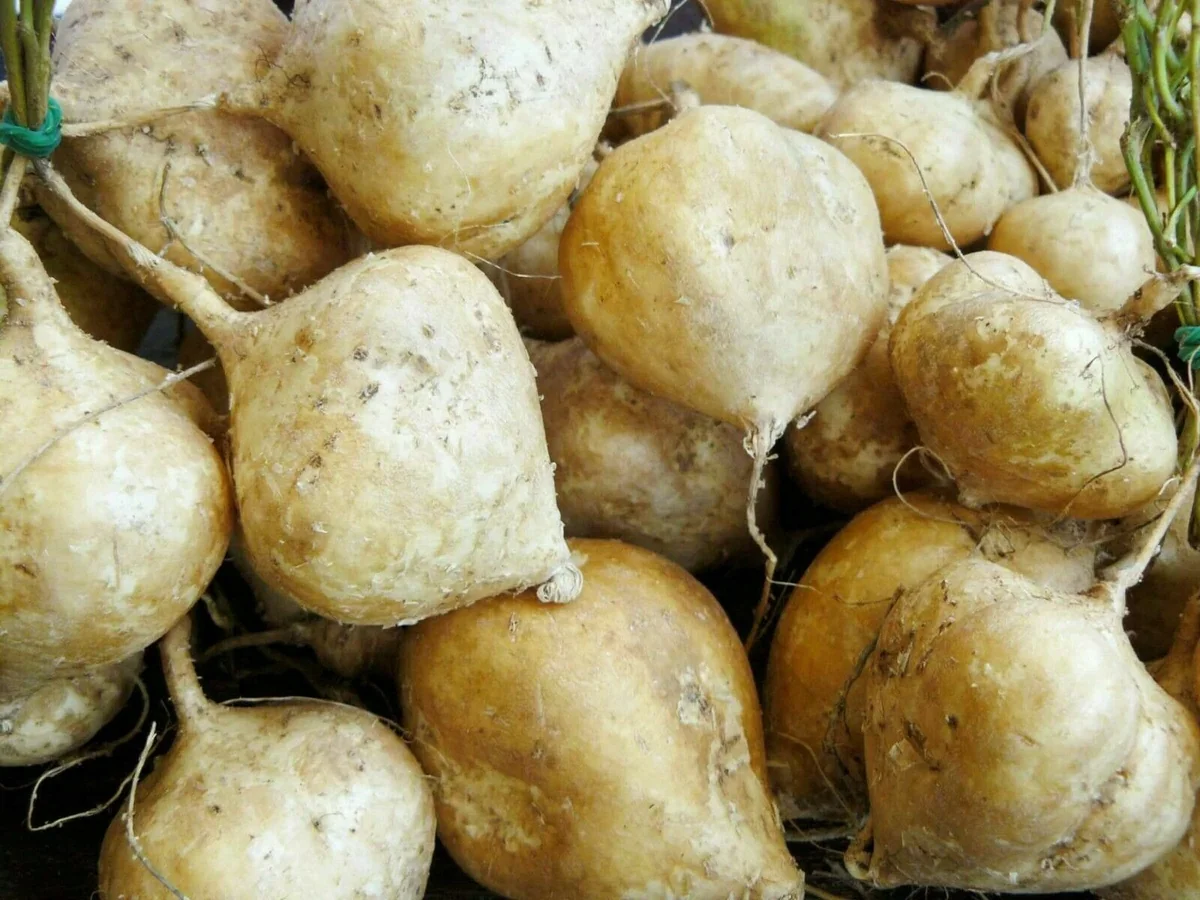
15-20 Jicama Seeds – Mexican Yam Bean Root Vegetable Seeds – Fast Growing Outdoor
Cultivate your own refreshing Jicama seeds, also known as Mexican yam bean root, with this pack of 15-20 high-quality seeds. Perfect for outdoor gardens, these fast-growing jicama seeds thrive in full sun and produce delicious, crisp tubers. Learn how to grow jicama easily and enjoy fresh harvests.
From $11.00

With our Alive & Thrive Guarantee, we’ve got your back for the first 30 days! If you have any concerns about your plants, just reach out to us. Our team is here to help answer your questions and guide you in selecting the best plants for your garden, climate, and unique preferences. We're excited to help you create the garden of your dreams!
Estimated arrival
Mar 31
Apr 05 - Apr 07
Apr 10 - Apr 14


Product Details
-
USDA Hardiness Zone
USDA zones 9-11 (as perennial) or grown as annual in other zones -
Soil type
Well-draining, fertile, sandy loam soil -
Sunlight Exposure
Full Sun -
Expected Planting Period
Spring to early summer (after last frost)
Overview
Embark on a rewarding gardening journey with these premium Jicama seeds, perfect for cultivating your own delicious and versatile vegetable. Known scientifically as Pachyrhizus erosus, Jicama is widely celebrated for its crisp, sweet, and starchy edible taproot. Often referred to as Mexican yam bean root or Mexican turnip, this plant is a staple in many cuisines, offering a refreshing crunch that complements salads, stir-fries, and snacks. Our selection provides 15 to 20 seeds, ensuring a good start to your garden. These robust seeds are ideal for gardeners eager to explore unique root vegetables that are both flavorful and nutritious. Growing your own Jicama seeds allows you to experience the full cycle from planting to harvest, yielding fresh, wholesome produce right from your backyard.
The Jicama plant is a vining legume that produces large, turnip-like roots underground. While the root is the primary culinary focus, the plant itself can be quite ornamental with its vibrant green foliage. It’s an excellent choice for those looking to diversify their vegetable patch and add an exotic touch to their meals. With proper care, these Jicama seeds will germinate and grow into healthy plants, providing you with an abundant supply of this delightful root vegetable. The process of how to grow jicama is straightforward, making it accessible even for those new to cultivating unique produce, promising a bountiful harvest of this popular and healthy food.
Key Benefits
Growing Jicama from seed offers numerous advantages, from culinary delights to gardening satisfaction. Here are some of the key benefits you can expect from cultivating these remarkable root vegetables:
- Delicious & Versatile Harvest: The primary benefit is the yield of crisp, sweet, and juicy Jicama roots. These are incredibly versatile, perfect for eating raw in salads, adding to stir-fries, or pickling. Enjoy the unique texture and flavor that fresh Mexican yam bean root brings to your table.
- Nutrient-Rich Produce: Jicama is not only tasty but also packed with essential nutrients, including fiber, Vitamin C, and potassium. Growing your own ensures you have access to a healthy, chemical-free food source that supports a balanced diet.
- Rewarding Growing Experience: Watching your Jicama seeds sprout and mature into productive plants is a deeply satisfying experience. It’s a great way to connect with nature and enjoy the fruits (or roots!) of your labor.
- Outdoor Garden Enhancement: The vigorous vines of the Jicama plant can provide attractive ground cover or climb trellises, adding a lush, green element to your outdoor garden space. It’s a functional and aesthetic addition.
- Fast-Growing Potential: These seeds are known for their fast-growing nature, meaning you won’t have to wait long to see results and anticipate your harvest. This quick turnaround makes them an exciting choice for enthusiastic gardeners eager to plant jicama seeds and see rapid progress.
- Resilient & Adaptable: Jicama plants are relatively hardy and can adapt to various soil conditions, as long as they are well-draining. This makes them a forgiving crop for many different garden environments, simplifying jicama plant care.
Plant Care & Growing Tips
Successful cultivation of Jicama seeds requires attention to a few key environmental factors to ensure healthy root development. Jicama thrives in warm climates and requires a long growing season without frost. For most regions in the US, starting seeds indoors 8-10 weeks before the last frost date is recommended, then transplanting outdoors after all danger of frost has passed. Alternatively, in warmer zones, direct sowing can be done once soil temperatures are consistently above 60°F (15°C). Plant seeds about 1 inch deep and 6-8 inches apart, with rows spaced 2-3 feet apart to allow for vine spread. Thin seedlings to 10-12 inches apart once they are established to give each plant ample room to develop its root.
Sunlight requirements: Jicama plants need full sun, meaning at least 6-8 hours of direct sunlight per day, for optimal growth and root development. They are outdoor plants that will not produce well in shaded conditions. Watering schedule and soil moisture preferences: Consistent moisture is crucial, especially during the growing season. Water deeply whenever the top inch of soil feels dry, but avoid waterlogging. Good drainage is key to prevent root rot. Soil type and drainage requirements: Jicama prefers well-draining, fertile, sandy loam soil with a pH between 6.0 and 7.0. Amend heavy clay soils with compost and sand to improve drainage and aeration. Temperature range and USDA hardiness zone: Jicama is a tropical plant and is best grown as an annual in most of the US. It thrives in temperatures between 70-80°F (21-27°C). It is generally suited for USDA zones 9-11 as a perennial, but can be grown as an annual in most other zones if started early. Fertilization schedule and type: Fertilize every 3-4 weeks with a balanced, all-purpose fertilizer or one slightly higher in phosphorus and potassium to encourage root growth. Avoid excessive nitrogen, which can promote leafy growth at the expense of the roots. Common problems and solutions: Watch out for pests like spider mites and aphids, which can be managed with insecticidal soap. Root rot can be an issue in poorly drained soils, so ensure proper soil preparation. Learning proper jicama plant care will lead to a successful bounty.
Size & Details
These Jicama seeds offer the potential for robust growth, producing significant tubers under ideal conditions. Each pack contains 15 to 20 seeds, giving you a good quantity to start your garden. Once mature, the edible roots of the Mexican yam bean root typically range from 4 to 8 inches in diameter, though some can grow even larger, sometimes reaching up to 12 inches across and weighing several pounds. The vines themselves are vigorous climbers, reaching lengths of 10 to 20 feet if given proper support like a trellis or fence. The plants have a medium growth rate, with roots usually ready for harvest in 4-6 months from planting, depending on growing conditions and climate. These seeds are ready for planting in the new season, ensuring viability and strong germination. You can expect a rewarding harvest from these fast-growing jicama seeds, providing fresh, crisp additions to your culinary repertoire.
Frequently Asked Questions
- Q: How big does a Jicama plant get? A: A Jicama plant produces vines that can grow 10 to 20 feet long. The edible roots typically reach 4 to 8 inches in diameter, though some can grow larger.
- Q: Is this an indoor or outdoor plant? A: Jicama is primarily an outdoor plant that requires full sun and warm temperatures to produce its edible roots. While seeds can be started indoors, the mature plant needs an outdoor environment.
- Q: How much sunlight does Jicama need? A: Jicama plants require at least 6-8 hours of direct sunlight per day for optimal growth and the development of large, healthy roots.
- Q: Is Jicama easy to care for? A: Jicama is relatively easy to care for, especially in warm climates with a long growing season. It requires consistent watering and well-draining soil, making jicama plant care manageable for most gardeners.
- Q: What condition will the seeds arrive in? A: The Jicama seeds will arrive as fresh, viable seeds, ready for planting in the current season to ensure the best germination rates.
- Q: How long until Jicama roots are ready to harvest? A: Jicama roots are typically ready for harvest in 4 to 6 months after planting the seeds, depending on your local climate and growing conditions.
- Q: When is the best time to plant Jicama seeds? A: In most regions, it’s best to start Jicama seeds indoors 8-10 weeks before the last frost. In frost-free zones, you can direct sow once soil temperatures are consistently warm.
- Q: What is the ideal soil for growing Jicama? A: Jicama thrives in well-draining, fertile, sandy loam soil. Ensuring good drainage is crucial to prevent root rot and promote healthy growth.
- Q: Can I grow Jicama in a container? A: While possible, Jicama roots can grow quite large, so a very large container (at least 15-20 gallons) would be needed to accommodate its growth and allow for proper root development.
- Q: What are some common uses for Mexican yam bean root? A: Mexican yam bean root is commonly eaten raw, sliced in salads, stir-fries, or as a crunchy snack. It can also be cooked in various dishes, offering a mild, slightly sweet flavor.
| Climate | 100 Seeds, 15 Seeds, 20 Seeds |
|---|
Related products
-48%
Original price was: $28.99.$14.99Current price is: $14.99.
-50%
Original price was: $15.96.$7.98Current price is: $7.98.
-48%
Original price was: $28.99.$14.99Current price is: $14.99.
-50%

Original price was: $19.96.$9.98Current price is: $9.98.
-50%
Original price was: $15.00.$7.50Current price is: $7.50.
-48%
Original price was: $28.99.$14.99Current price is: $14.99.
-48%
Original price was: $28.99.$14.99Current price is: $14.99.
PLANTING & CARE
Growing Glencoe Raspberry: A Complete Guide for Gardeners
If you’re looking to add something unique to your garden, look no further than the
31
Mar
Mar

The Comprehensive Guide to Growing Bay Leaf Plants for a Flavorful Garden
Imagine stepping into your garden, greeted by the earthy aroma of fresh bay leaves, their
09
Feb
Feb

How to Make Comfrey Tea: The Ultimate Organic Plant Food
Growing an organic garden can be surprisingly expensive, especially when most store-bought fertilizers come in
02
Feb
Feb

True Comfrey: 7 Essential Tips Before You Plant This Herb
A staple in permaculture practices across the US, True Comfrey easily earns its reputation as
27
Jan
Jan

7 Heart-Shaped Plants for a Lasting Valentine’s Gift
If you’ve ever bought a bouquet of roses for Valentine’s Day, you know they are
26
Jan
Jan

Best Types of Ivy Plant for Houses: How to Choose the Perfect Ones for Your Home
Are you a garden lover looking to introduce some greenery into your home? Maybe you’ve
14
Nov
Nov

When to Harvest Garlic (Especially Fall-Planted Garlic)
TIMING IS EVERYTHING, they say – and for garlic, that truth hits with surprising accuracy.
13
Nov
Nov

11 of the Best Sweet Potato Varieties to Grow for Your Garden
If you’ve ever tried growing sweet potatoes, you know that picking the right variety can
12
Nov
Nov