15 Goldenrod Bare Root Plants – Native Wildflower, Monarch Butterfly Favorite
-20%
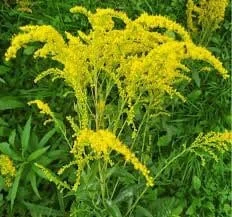
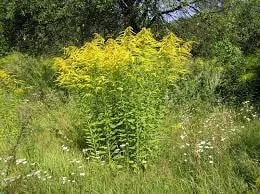
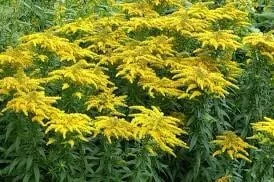
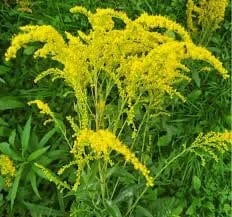
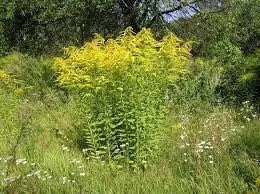
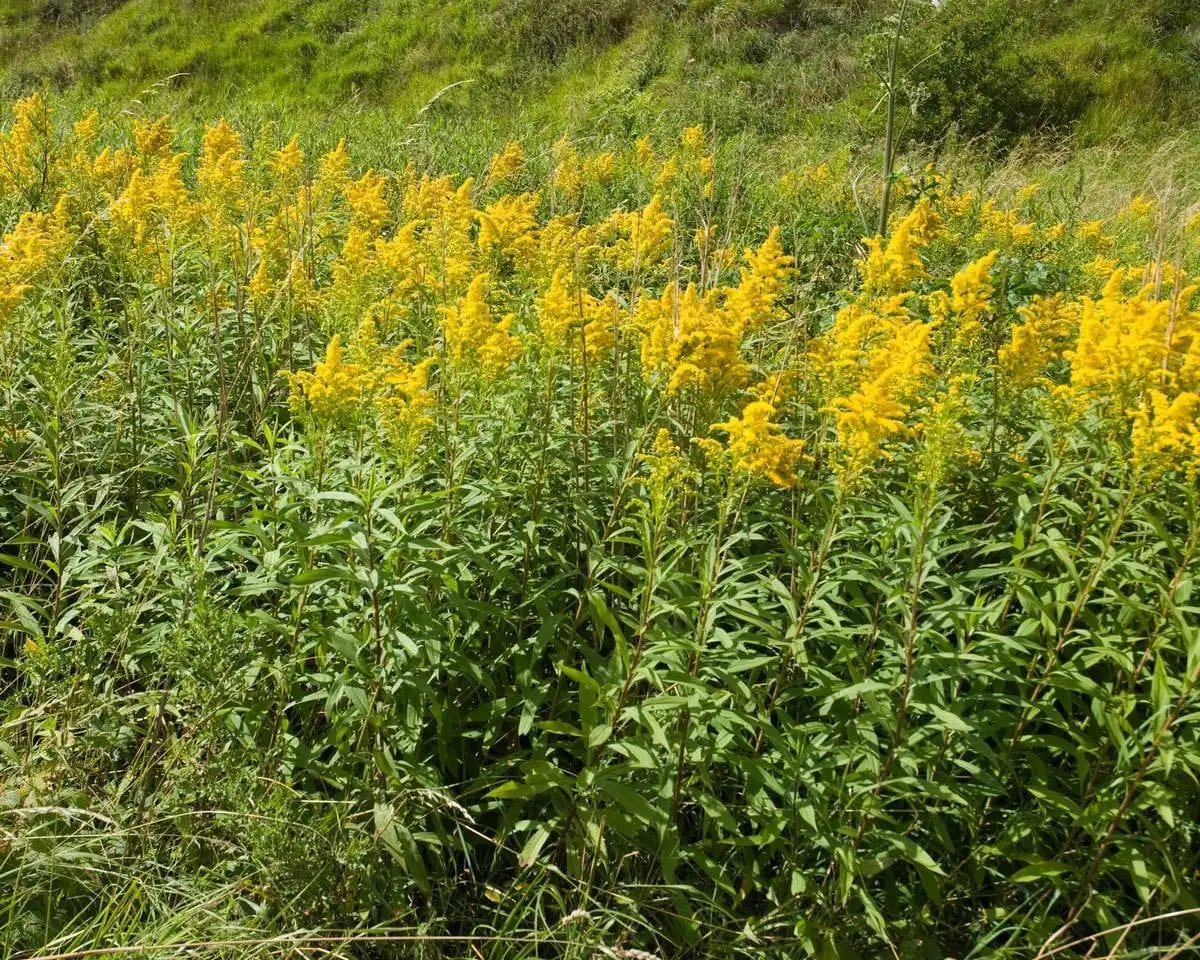
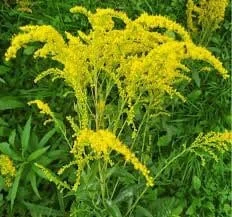
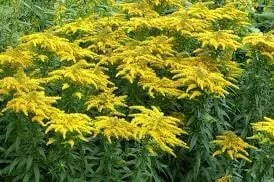
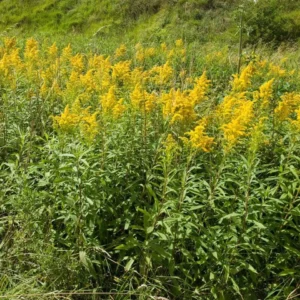
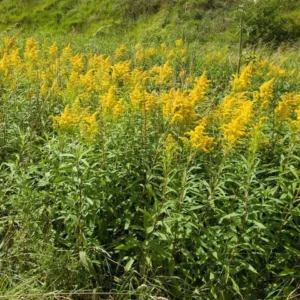
15 Goldenrod Bare Root Plants – Native Wildflower, Monarch Butterfly Favorite
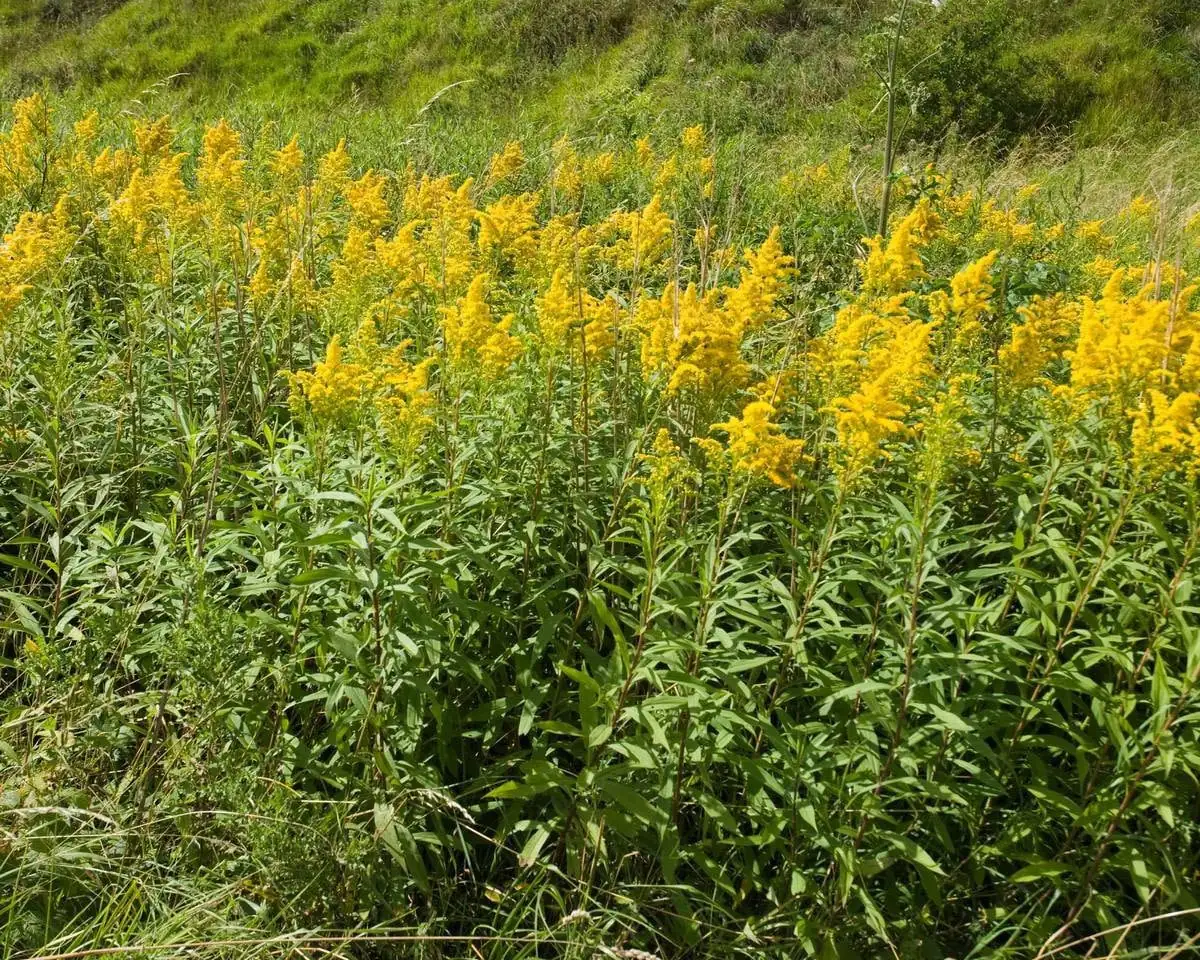
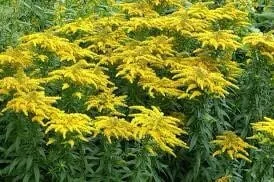
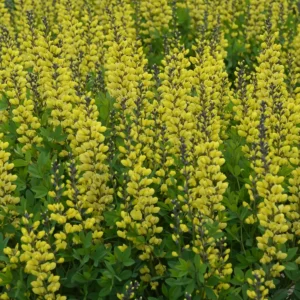
Introduce 15 Goldenrod bare root plants to your garden and create a vibrant habitat for monarch butterflies and other pollinators. These native goldenrod wildflower plants are deer-resistant and thrive in full sun, offering beautiful yellow blooms and supporting local ecosystems. Shipped as live starter plants, they are ready for planting upon arrival.
Original price was: $31.98.$25.58Current price is: $25.58.

With our Alive & Thrive Guarantee, we’ve got your back for the first 30 days! If you have any concerns about your plants, just reach out to us. Our team is here to help answer your questions and guide you in selecting the best plants for your garden, climate, and unique preferences. We're excited to help you create the garden of your dreams!
Estimated arrival
Apr 08
Apr 13 - Apr 15
Apr 18 - Apr 22

Product Details
-
USDA Hardiness Zone
USDA zones 3-9 -
Soil type
Well-draining soil -
Sunlight Exposure
Full sun to partial shade -
Expected Planting Period
Early spring to late spring, or fall
Overview
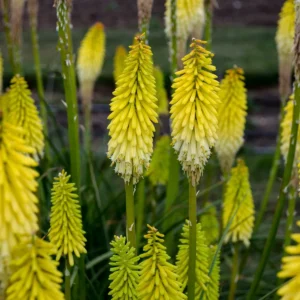
Transform your garden into a pollinator paradise with our 15 Goldenrod bare root plants. These vibrant yellow wildflowers, scientifically known as Solidago, are a cornerstone of native ecosystems, particularly cherished by monarch butterflies and a myriad of other beneficial insects. Goldenrod provides essential late-season nectar, helping pollinators sustain themselves as the growing season winds down. Shipped as live starter plants without foliage or pots, these bare roots are ready for immediate planting and will quickly establish themselves to bring a burst of sunshine to your landscape. This offering includes 15 individual bare root plants, providing a generous start to any garden project focused on native flora and wildlife support. The ease of planting goldenrod makes it an ideal choice for both seasoned gardeners and those new to native gardening.
Known for their resilience and adaptability, goldenrod bare root plants are an excellent addition to meadows, naturalized areas, or mixed perennial borders. They are native wildflowers, meaning they are perfectly suited to local climates and soils, requiring minimal care once established. Beyond their ecological benefits, goldenrod adds striking visual interest with its tall, stately plumes of yellow flowers. Incorporating these plants into your garden not only enhances its beauty but also contributes significantly to local biodiversity, supporting the intricate web of life that thrives around native plants.
Key Benefits
Our goldenrod bare root plants offer a wealth of advantages for any garden. These native wildflowers are not only beautiful but also provide crucial ecological support and are remarkably easy to care for:
- Pollinator Magnet: Goldenrod is an absolute favorite of monarch butterflies, bees, and other pollinators, providing vital nectar late in the season. Its abundant blooms ensure a continuous food source, helping to sustain these essential garden helpers.
- Native & Adaptable: As a native goldenrod wildflower, these plants are perfectly suited to US climates. They thrive in a range of conditions, from full sun to partial shade (depending on variety like Zig Zag Goldenrod), and are adaptable to various soil types, making them a versatile choice for many garden settings.
- Deer Resistant: Gardeners often struggle with deer browsing, but goldenrod is naturally deer resistant goldenrod, making it an excellent choice for areas where deer are a concern. You can enjoy its beauty without worrying about it becoming a deer snack.
- Beneficial Insect Attractor: Beyond pollinators, goldenrod also attracts beneficial predatory insects that can help control pests in your garden. This natural pest control can reduce the need for chemical interventions, promoting a healthier ecosystem.
- Low Maintenance: Once established, these goldenrod plants require very little attention. They are drought-tolerant and generally disease-free, making them perfect for gardeners seeking beautiful plants without extensive upkeep.
- Habitat Creation: Allowing the flowerheads to remain over winter provides shelter and food for birds and small insects, further enhancing your garden’s ecological value and supporting wildlife year-round.
- Soil Improvement: Goldenrod can thrive in dry or average soils, making it an excellent choice for improving areas of the garden that may be challenging for other plants.
Plant Care & Growing Tips
Growing goldenrod bare root plants is straightforward, especially given their native resilience. Success begins with proper planting and understanding their basic needs. Upon arrival, inspect your bare roots; if you can’t plant immediately, keep them moist and cool. Dig a hole wide enough to spread out the roots and deep enough so the crown (where the roots meet the stem) is at soil level. Backfill with soil, gently firming around the roots to remove air pockets, then water thoroughly. These are live starter plants and will begin to sprout foliage once established.
Goldenrod generally prefers a location with full sun, meaning at least 6 hours of direct sunlight per day. While some varieties, like Zig Zag Goldenrod, can tolerate part-shade, most will produce the most abundant blooms in full sun. They are adaptable to a variety of soil types but perform best in well-draining soil. They are quite tolerant of dry or average conditions, making them an excellent choice for xeriscaping or areas with less consistent watering. For optimal growth, especially during their first year, ensure consistent moisture, but avoid waterlogging. Once established, they are quite drought-tolerant. They are hardy across a wide range of USDA zones, typically USDA zones 3-9, making them suitable for most of the US. Fertilization is generally not necessary, as goldenrod thrives in lean conditions, and too much fertilizer can lead to leggy growth.
Regarding pest and disease, goldenrod bare root plants are notably robust. They are rarely troubled by serious issues. As a deer resistant goldenrod, you won’t typically find them browsed by local wildlife. The primary consideration for long-term care is managing their spread, as some varieties can be vigorous self-seeders. Deadheading spent flowers before they go to seed can help control this, or you can allow them to reseed for a naturalized look. Consider planting goldenrod near vegetable gardens to attract beneficial insects that can help protect your crops.
Size & Details
This offering includes 15 Goldenrod bare root plants, providing a substantial quantity for creating a significant impact in your garden. Each bare root is a live starter plant, typically measuring a few inches in length, ready for immediate planting. They are shipped without soil or foliage, which is a common and effective method for dormant plants, ensuring freshness and cost-efficiency. Once planted, these bare roots will rapidly develop into robust plants. Mature goldenrod typically grows to a height of 2 to 6 feet, depending on the specific Solidago species and growing conditions, with a spread of 1 to 3 feet. The growth rate is moderate to fast, with plants often flowering in their first year if planted in spring.
The expected planting period for these goldenrod bare root plants is typically from early spring to late spring, or in the fall before the ground freezes. When mature, they will produce numerous bright yellow flower spikes, usually from late summer through fall, providing crucial sustenance for pollinators during this period. These plants are incredibly resilient and are an excellent choice for creating a natural, biodiverse landscape. The Zig Zag Goldenrod variety, mentioned in the source, is a specific type that tolerates part-shade and prefers richer soil, while most other goldenrods thrive in full sun and average to dry conditions.
Frequently Asked Questions
- Q: How big do these Goldenrod bare root plants get? A: Once established, mature goldenrod plants typically reach a height of 2 to 6 feet and spread 1 to 3 feet, depending on the specific variety and growing conditions. They are shipped as bare roots ready to grow.
- Q: Is this an indoor or outdoor plant? A: Goldenrod is a native wildflower best suited for outdoor cultivation. It thrives in garden beds, meadows, and naturalized areas.
- Q: How much sunlight does Goldenrod need? A: Most goldenrod varieties prefer full sun, meaning at least 6 hours of direct sunlight daily. Some types, like Zig Zag Goldenrod, can tolerate partial shade.
- Q: What condition will the plants arrive in? A: You will receive 15 Goldenrod bare root plants. They are shipped as live starter plants without foliage or a pot, ensuring freshness and readiness for planting.
- Q: Is planting goldenrod difficult for beginners? A: No, goldenrod is known for its resilience and ease of care. It’s an excellent choice for beginners looking to add native wildflowers to their garden, especially when considering planting goldenrod for the first time.
- Q: When is the best time to plant goldenrod bare roots? A: The ideal time for planting goldenrod bare roots is in early to late spring, after the last frost, or in the fall before the ground freezes.
- Q: Will Goldenrod attract beneficial insects to my garden? A: Yes, goldenrod is a magnet for a wide array of pollinators, including monarch butterflies, and beneficial insects, which can help with natural pest control in your garden. These goldenrod for pollinators are a great choice.
- Q: Is this Goldenrod variety deer-resistant? A: Yes, goldenrod is naturally deer resistant goldenrod, making it a great option for gardens where deer are a concern.
- Q: What kind of soil does Goldenrod prefer? A: Goldenrod is adaptable but thrives in well-draining soil. It can tolerate average to dry conditions, and some varieties may prefer richer soil in partial shade.
- Q: How long until these bare roots bloom? A: If planted in spring, many goldenrod varieties will begin to bloom in their first year, typically from late summer through fall, providing beautiful yellow flowers.
Related products
-82%
Original price was: $50.97.$9.04Current price is: $9.04.
-30%
Original price was: $63.98.$44.78Current price is: $44.78.
-50%
Original price was: $63.00.$31.50Current price is: $31.50.
-20%
Original price was: $100.00.$80.00Current price is: $80.00.
PLANTING & CARE

Growing Glencoe Raspberry: A Complete Guide for Gardeners
If you’re looking to add something unique to your garden, look no further than the
31
Mar
Mar

The Comprehensive Guide to Growing Bay Leaf Plants for a Flavorful Garden
Imagine stepping into your garden, greeted by the earthy aroma of fresh bay leaves, their
09
Feb
Feb

How to Make Comfrey Tea: The Ultimate Organic Plant Food
Growing an organic garden can be surprisingly expensive, especially when most store-bought fertilizers come in
02
Feb
Feb

True Comfrey: 7 Essential Tips Before You Plant This Herb
A staple in permaculture practices across the US, True Comfrey easily earns its reputation as
27
Jan
Jan

7 Heart-Shaped Plants for a Lasting Valentine’s Gift
If you’ve ever bought a bouquet of roses for Valentine’s Day, you know they are
26
Jan
Jan

Best Types of Ivy Plant for Houses: How to Choose the Perfect Ones for Your Home
Are you a garden lover looking to introduce some greenery into your home? Maybe you’ve
14
Nov
Nov

When to Harvest Garlic (Especially Fall-Planted Garlic)
TIMING IS EVERYTHING, they say – and for garlic, that truth hits with surprising accuracy.
13
Nov
Nov

11 of the Best Sweet Potato Varieties to Grow for Your Garden
If you’ve ever tried growing sweet potatoes, you know that picking the right variety can
12
Nov
Nov