2 Black Pepper Live Plants – Piper nigrum Starter Vines – 4-6″ Tall
-50%
2 Black Pepper Live Plants – Piper nigrum Starter Vines – 4-6″ Tall
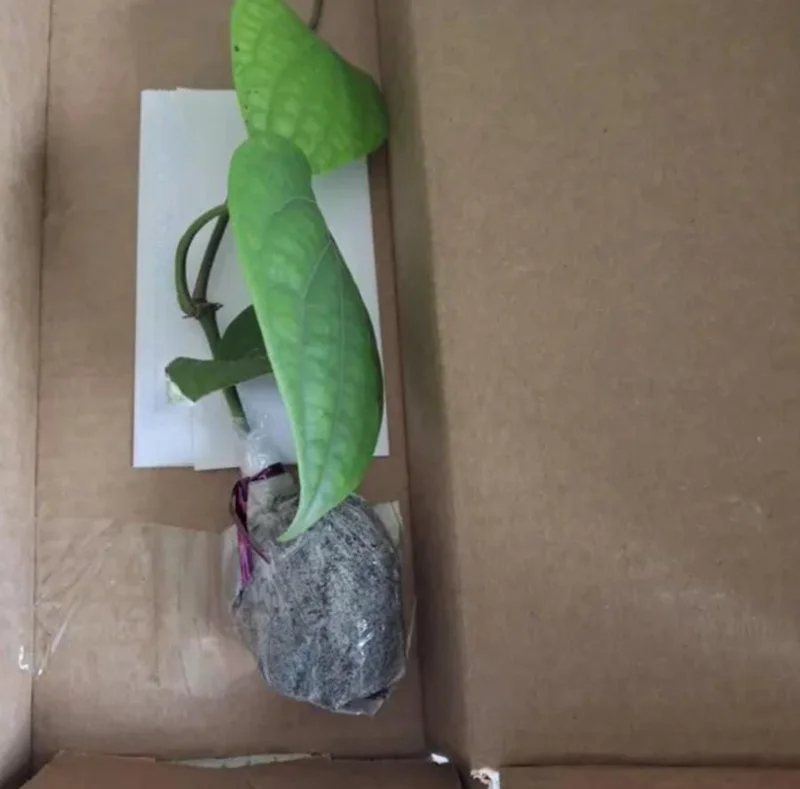
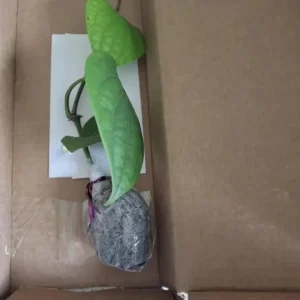
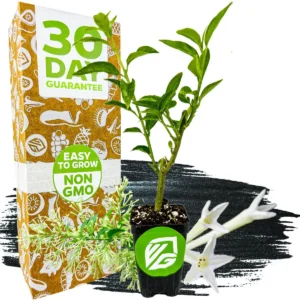
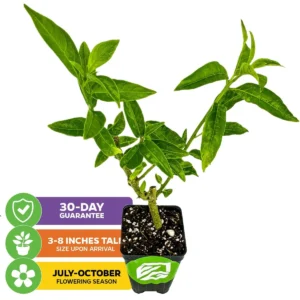
Cultivate your own spice with this set of two black pepper live plant starters. These healthy Piper nigrum starter vines, 4-6 inches tall, are shipped with soil root balls, ready for planting. Ideal for warm climates, they offer a rewarding experience for gardening enthusiasts looking to grow black pepper at home.
Original price was: $63.98.$31.99Current price is: $31.99.

With our Alive & Thrive Guarantee, we’ve got your back for the first 30 days! If you have any concerns about your plants, just reach out to us. Our team is here to help answer your questions and guide you in selecting the best plants for your garden, climate, and unique preferences. We're excited to help you create the garden of your dreams!
Estimated arrival
Apr 08
Apr 13 - Apr 15
Apr 18 - Apr 22
Product Details
-
USDA Hardiness Zone
USDA zones 11–13 (outdoors) or indoors -
Soil type
Well-draining, loamy soil -
Sunlight Exposure
Bright, indirect light or filtered sun -
Expected Planting Period
Year-round indoors; spring to summer outdoors in suitable zones
Overview
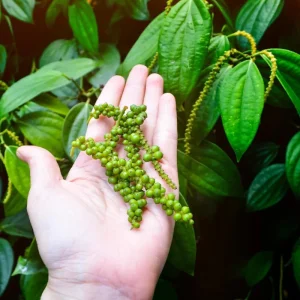
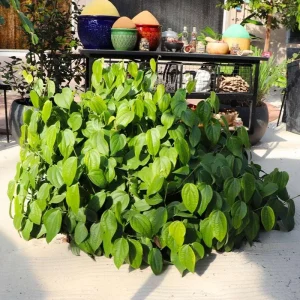
Embark on a rewarding gardening journey with this set of two black pepper live plant starters. Each healthy Piper nigrum vine, measuring approximately 4-6 inches tall, arrives with robust soil root balls, ensuring a smooth transition to your garden or indoor growing space. Often recognized as the source of the world’s most widely used spice, growing your own black pepper offers a unique and satisfying experience. These young, vigorous plants are tropical climbing vines, perfect for those eager to cultivate their own peppercorns. With proper care, these starter plants will mature into productive vines, adding an exotic touch and a fresh source of spice to your home.
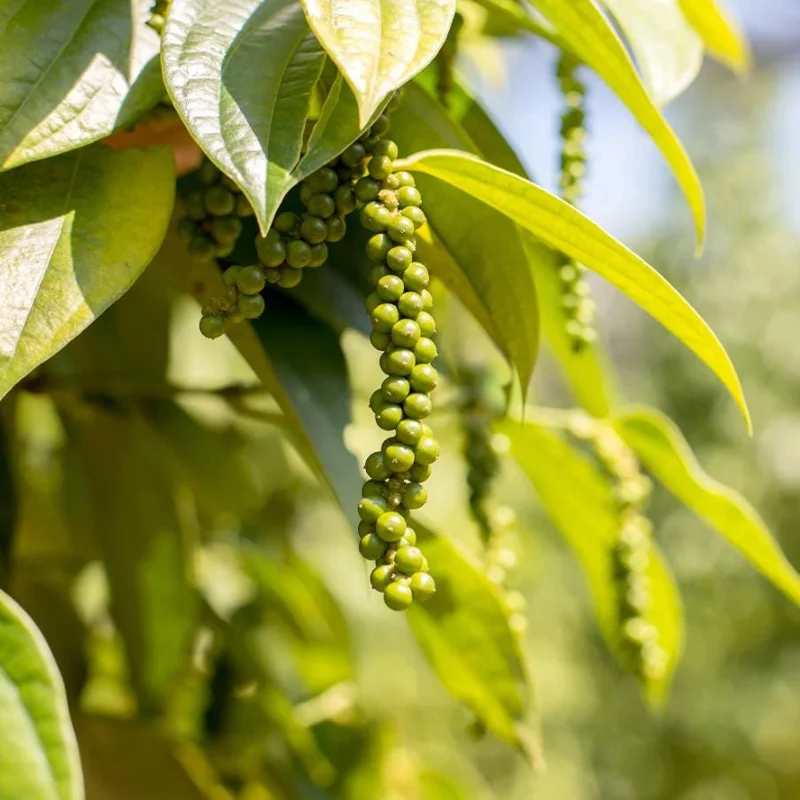
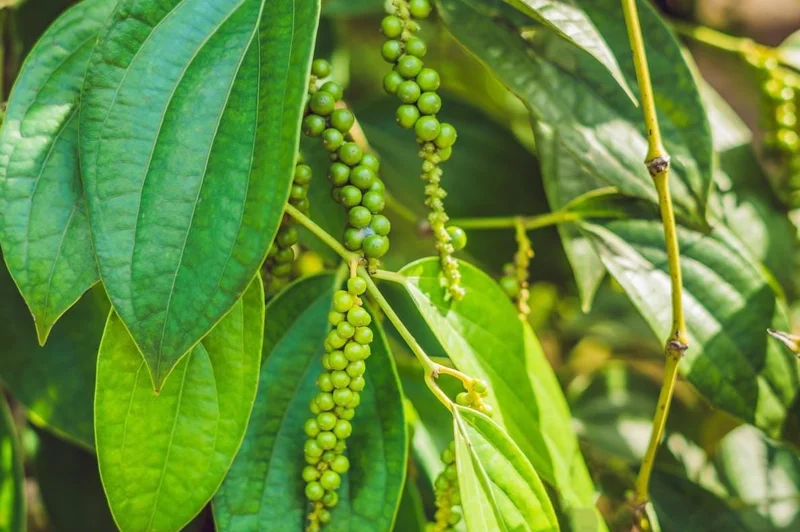
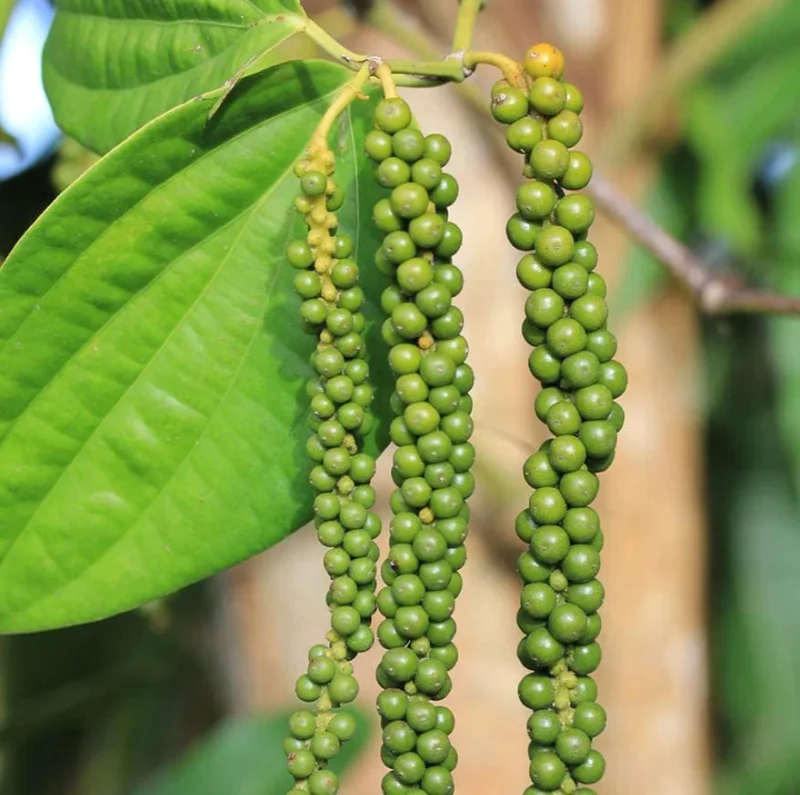
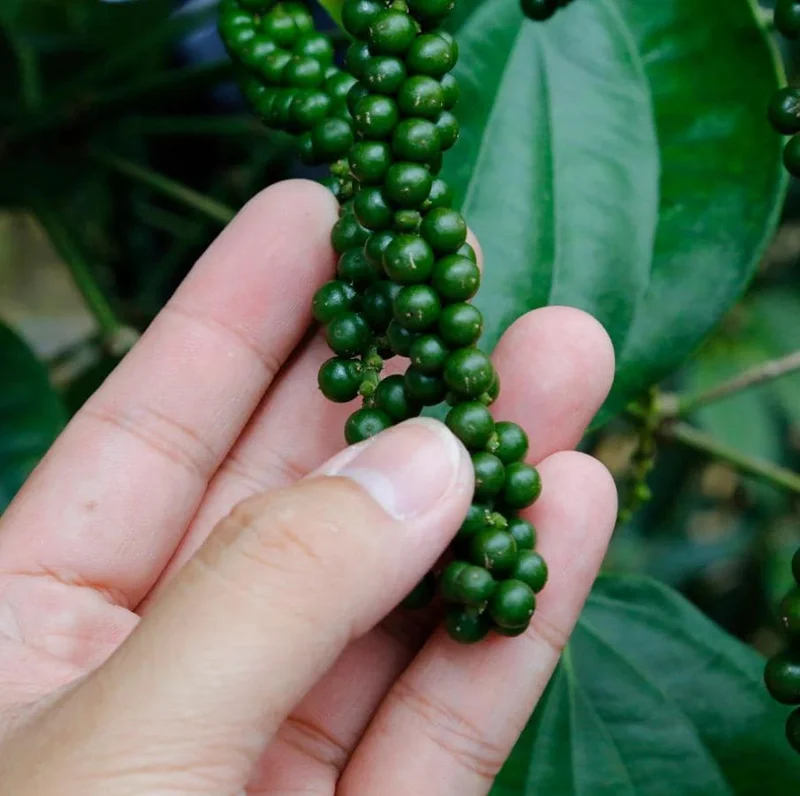
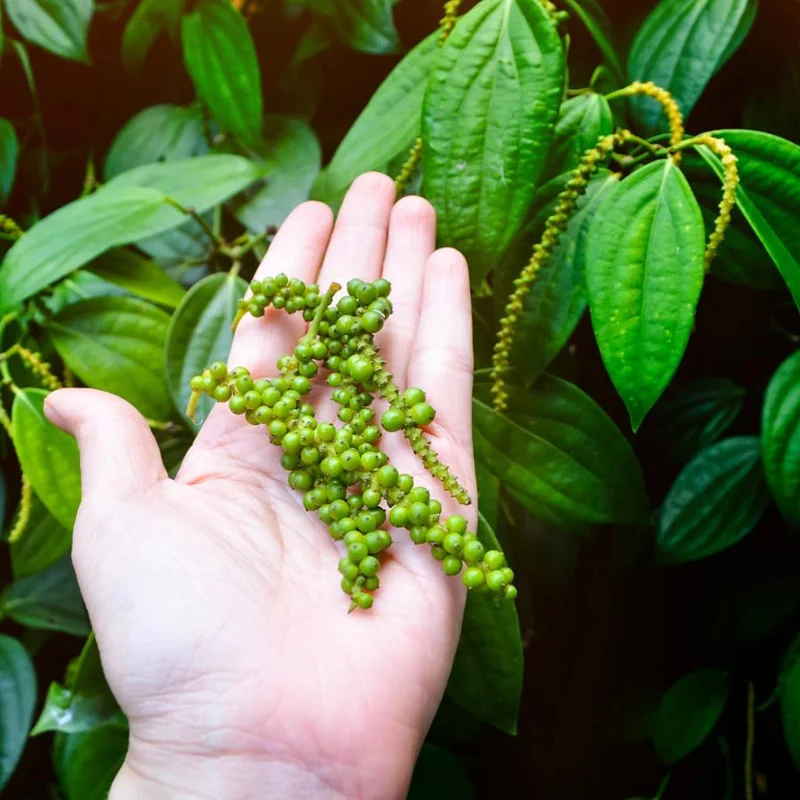
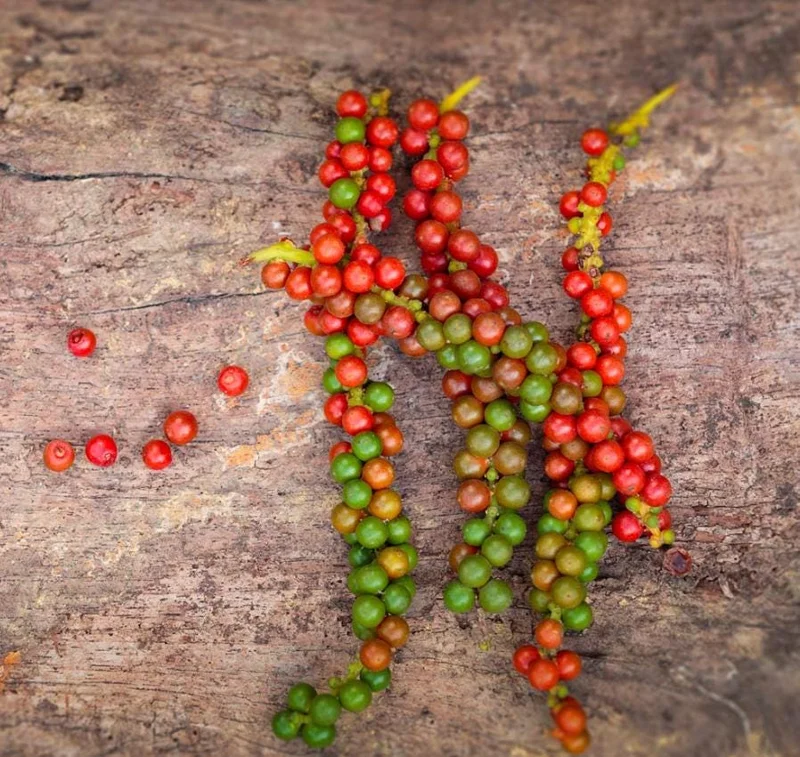
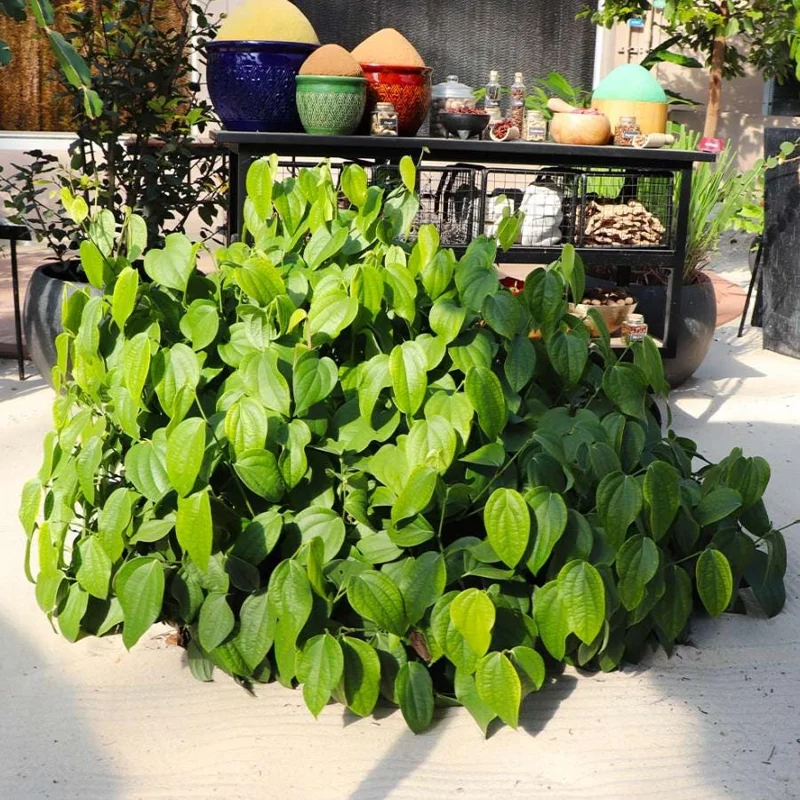
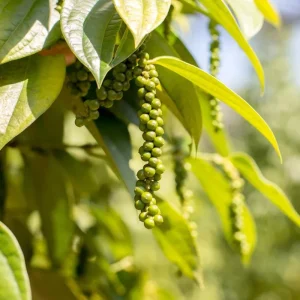
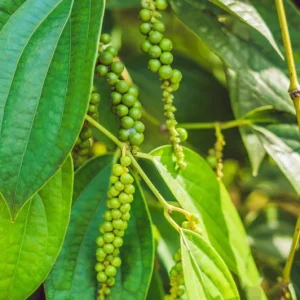
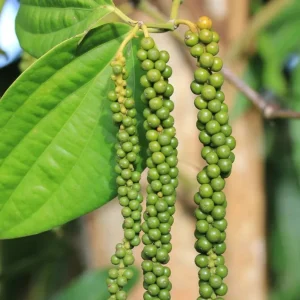
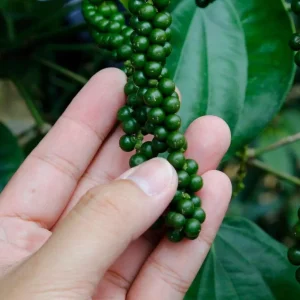
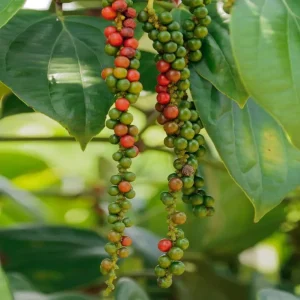
The black pepper live plant is not just a source of culinary delight; it’s also an attractive ornamental vine that can significantly enhance your green spaces. Known for its lush foliage and the distinctive long, hanging spikes of fruit, it’s a conversation starter and a testament to sustainable living. Whether you’re a seasoned gardener or a curious beginner, these starter plants provide an excellent foundation for a thriving pepper vine.
Key Benefits
Growing your own black pepper live plant offers numerous advantages beyond simply having fresh spices at your fingertips. These tropical vines bring both beauty and utility to your environment, making them a truly rewarding addition.
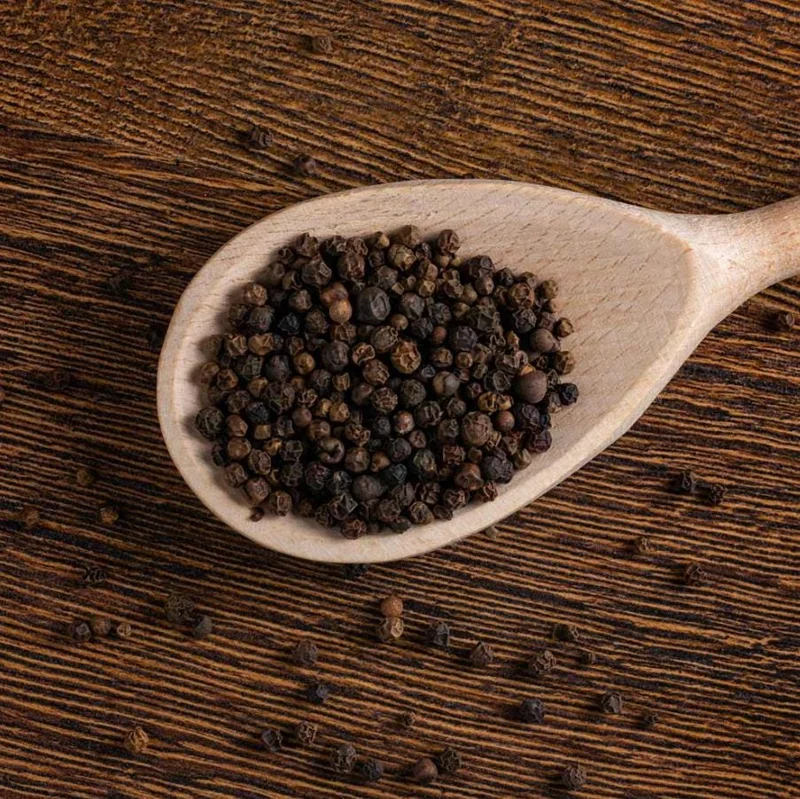
- Fresh, Homegrown Spice: Enjoy the unparalleled flavor of fresh peppercorns, which can be harvested and processed into black, white, green, or red varieties right from your own plant. This allows for a superior taste experience compared to store-bought options.
- Striking Ornamental Value: The lush, green foliage and the unique long hanging spikes of fruit make the black pepper live plant a visually appealing addition to any garden, greenhouse, or large indoor space. It can be trained to climb trellises or supports, creating a beautiful focal point.
- Rewarding Long-Term Project: While it takes a few years for young plants to produce fruit, the eventual yield of hundreds of peppercorns provides immense satisfaction and a continuous supply of spice. It’s a plant that truly gives back over time.
- Educational Experience: Learn about tropical plant care and the fascinating process of spice production firsthand. This can be a great educational tool for families and a fulfilling hobby for individuals.
- Adaptable to Various Settings: Though preferring warm climates, these vines can thrive in greenhouses, warm indoor environments, or outdoors in suitable USDA zones, offering flexibility in where you can grow black pepper.
- Healthy and Ready to Plant: These piper nigrum starter plants arrive with healthy soil root balls, ensuring they are ready to be planted immediately upon arrival, minimizing transplant shock and promoting fast growth.
- Eco-Friendly Gardening: Cultivating your own spices reduces reliance on commercially processed products, contributing to a more sustainable and environmentally conscious lifestyle.
Plant Care & Growing Tips
Proper care is essential to ensure your black pepper live plant thrives and eventually produces its coveted peppercorns. These tropical vines have specific needs regarding light, water, soil, and temperature to reach their full potential. Understanding these requirements will help you achieve success in growing your own spice.
For optimal growth, the black pepper live plant requires bright, indirect light or filtered sun. Avoid direct, harsh sunlight, especially during the hottest parts of the day, as this can scorch the leaves. If growing indoors, place it near a window with eastern or northern exposure, or use grow lights to supplement. Outdoors, a location under a canopy of larger trees or a shaded patio works best. Consistent warmth and humidity are crucial; these plants thrive in temperatures between 75°F and 90°F. Protect them from temperatures below 60°F, which can cause significant stress or damage. This makes them ideal for USDA zones 11–13 for outdoor cultivation, or as a greenhouse or warm indoor spice plant.
Watering should be regular and consistent, keeping the soil moist but never waterlogged. Allow the top inch or two of soil to dry out slightly between waterings. Well-draining soil is paramount to prevent root rot; a rich, loamy potting mix amended with compost or perlite is ideal. During the growing season (spring and summer), fertilize every 2-4 weeks with a balanced liquid fertilizer diluted to half strength. Reduce fertilization in fall and winter. Provide a trellis or support structure for your piper nigrum starter to climb, as it is a vigorous vine. While generally robust, watch out for common pests like spider mites or aphids, and treat with organic insecticidal soap if necessary. Ensuring adequate humidity through misting or a pebble tray can help prevent pest issues and maintain plant health, contributing to excellent black pepper vine care.
Size & Details
This offering includes two individual black pepper live plant starters, each standing approximately 4-6 inches tall. These are young, healthy plants shipped with their root balls intact, ensuring they are ready for planting immediately upon arrival. While they are starter plants, they possess the vigor to grow into impressive vines. Under ideal conditions, a mature black pepper live plant can reach lengths of 15 to 30 feet, making it a substantial and beautiful addition to a garden or greenhouse. The growth rate is moderate, and while young plants typically take 3 to 4 years to begin producing fruit, they are long-lived and will reward your patience with abundant harvests. They are typically shipped without a pot to reduce waste and protect the root system during transit, allowing you to choose the perfect container or planting location upon arrival. Expect a healthy, robust foundation for your journey to grow black pepper.
Frequently Asked Questions
- Q: How big does this plant get? A: Your black pepper live plant starters will arrive at 4-6 inches tall. With proper care, these vines can grow significantly, reaching lengths of 15 to 30 feet at maturity, especially when provided with a trellis or support.
- Q: Is this an indoor or outdoor plant? A: The black pepper live plant thrives in warm, humid conditions. It can be grown outdoors in USDA zones 11–13. In cooler climates, it is best grown indoors in a greenhouse or a warm, bright room, making it an excellent indoor spice plant.
- Q: How much sunlight does it need? A: These plants prefer bright, indirect light or filtered sun. Avoid direct, harsh sunlight which can scorch the leaves. If indoors, a window with eastern or northern exposure is ideal.
- Q: Is this plant easy to care for? A: While it has specific needs for warmth and humidity, the black pepper live plant is considered beginner-friendly with consistent attention. Following guidelines for watering, light, and soil will lead to successful black pepper vine care.
- Q: What condition will it arrive in? A: You will receive two healthy piper nigrum starter plants, each with healthy soil root balls, carefully packaged to protect them during transit and ensure they are ready for planting.
- Q: How long until it produces fruit? A: Young black pepper live plant specimens typically take 3 to 4 years to begin producing fruit. Once established, they can yield hundreds of peppercorns annually.
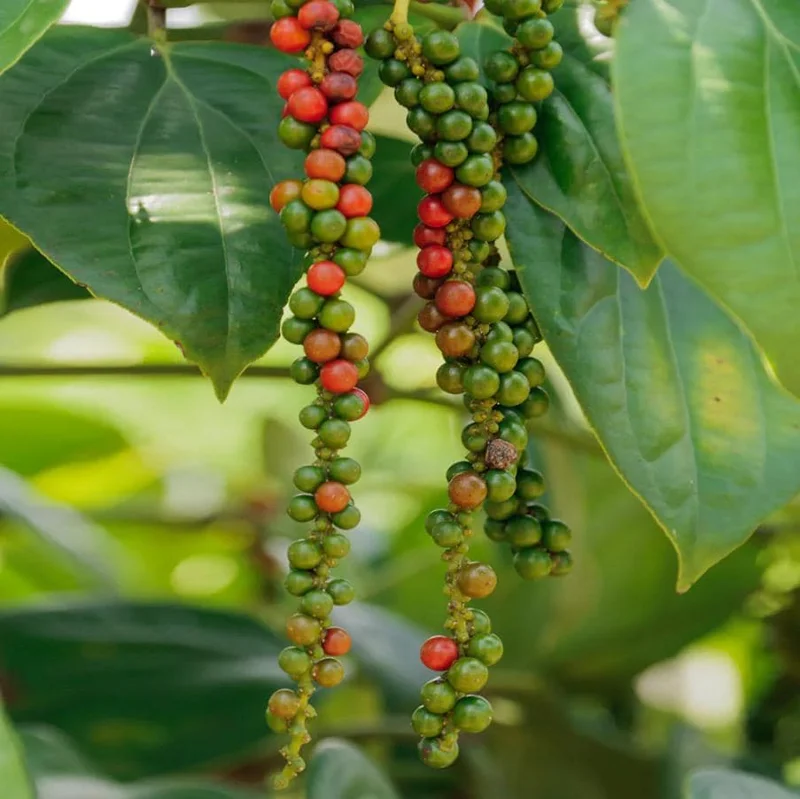
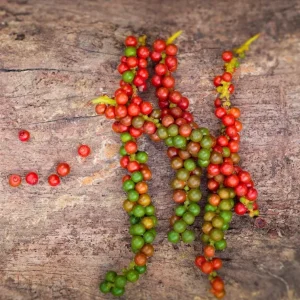
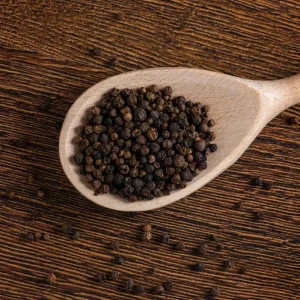
- Q: Can I process the peppercorns myself? A: Yes, you can harvest the fruit and process it into black, white, green, or red peppercorns depending on the stage of ripeness and processing method you choose, allowing you to truly grow black pepper.
- Q: What kind of soil does it need? A: The black pepper live plant requires well-draining, rich, loamy soil. A good quality potting mix amended with compost or perlite is recommended to ensure proper drainage and nutrient availability.
- Q: Will it survive winter in my zone? A: If you are outside USDA zones 11–13, your black pepper live plant will need to be brought indoors during the colder months or grown in a heated greenhouse to protect it from cold temperatures.
- Q: What is the best way to support the vine? A: As a climbing vine, your black pepper live plant will benefit from a sturdy trellis, stake, or other support structure to climb on as it grows.
Related products
-50%
Original price was: $267.00.$133.50Current price is: $133.50.
-67%
Original price was: $59.97.$19.99Current price is: $19.99.
-67%
Original price was: $59.97.$19.99Current price is: $19.99.
-20%

Original price was: $36.00.$28.80Current price is: $28.80.
-20%

Original price was: $70.00.$56.00Current price is: $56.00.
-67%
Original price was: $59.97.$19.99Current price is: $19.99.
-50%
Original price was: $85.98.$42.99Current price is: $42.99.
-67%
Original price was: $66.72.$22.24Current price is: $22.24.
PLANTING & CARE

Growing Glencoe Raspberry: A Complete Guide for Gardeners
If you’re looking to add something unique to your garden, look no further than the
31
Mar
Mar

The Comprehensive Guide to Growing Bay Leaf Plants for a Flavorful Garden
Imagine stepping into your garden, greeted by the earthy aroma of fresh bay leaves, their
09
Feb
Feb

How to Make Comfrey Tea: The Ultimate Organic Plant Food
Growing an organic garden can be surprisingly expensive, especially when most store-bought fertilizers come in
02
Feb
Feb

True Comfrey: 7 Essential Tips Before You Plant This Herb
A staple in permaculture practices across the US, True Comfrey easily earns its reputation as
27
Jan
Jan

7 Heart-Shaped Plants for a Lasting Valentine’s Gift
If you’ve ever bought a bouquet of roses for Valentine’s Day, you know they are
26
Jan
Jan

Best Types of Ivy Plant for Houses: How to Choose the Perfect Ones for Your Home
Are you a garden lover looking to introduce some greenery into your home? Maybe you’ve
14
Nov
Nov

When to Harvest Garlic (Especially Fall-Planted Garlic)
TIMING IS EVERYTHING, they say – and for garlic, that truth hits with surprising accuracy.
13
Nov
Nov

11 of the Best Sweet Potato Varieties to Grow for Your Garden
If you’ve ever tried growing sweet potatoes, you know that picking the right variety can
12
Nov
Nov