2 Blueberry Plants Live for Planting, Sweet Blueberry Bushes Live Plant, 5 to 10 Inch Height, Fruit Tree Live Blueberry Plant, No Pot (Assorted Blueberry)
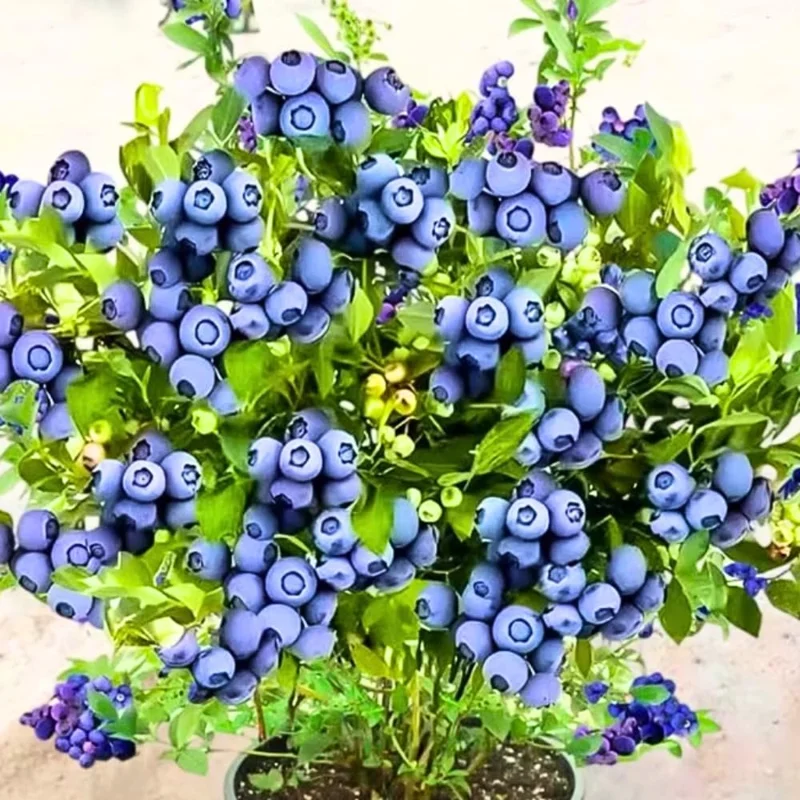
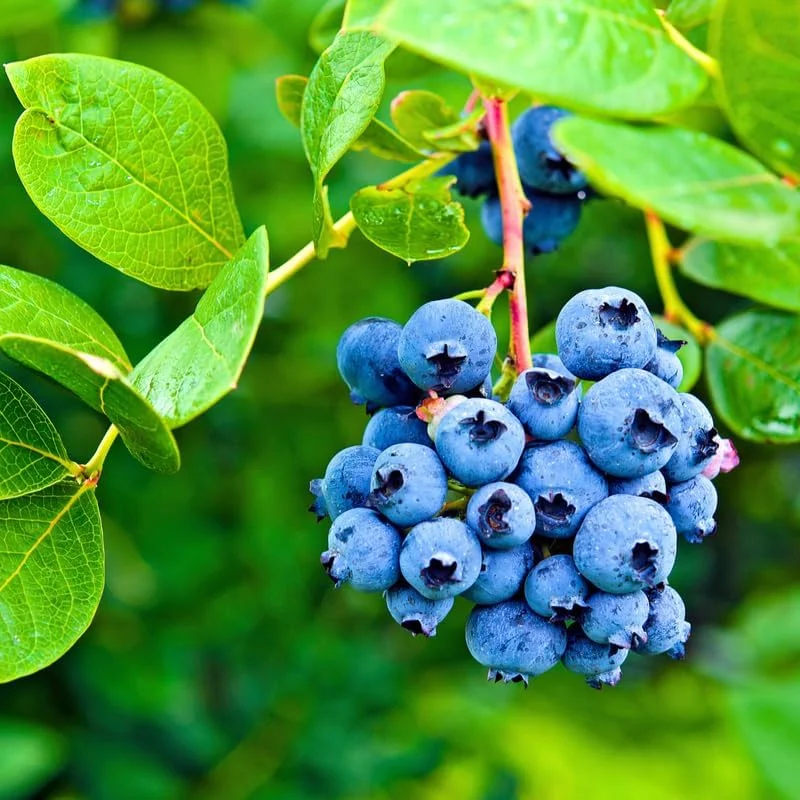
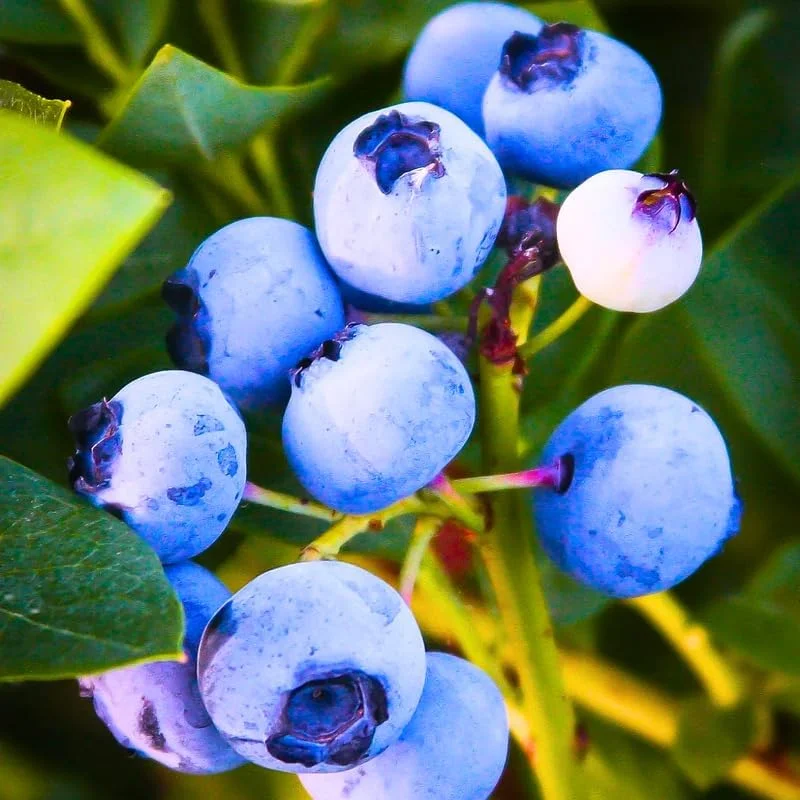
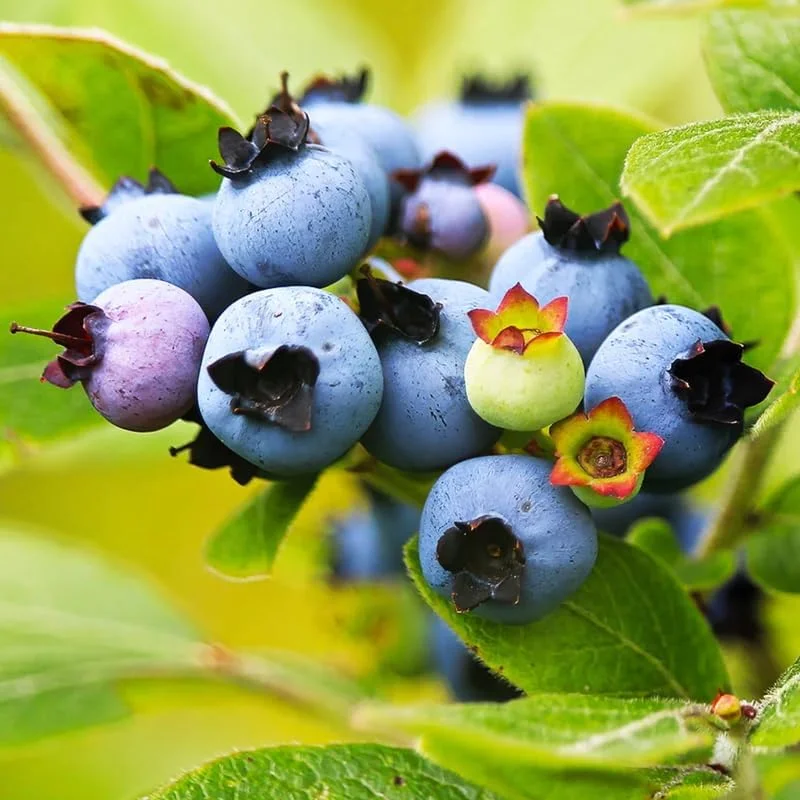
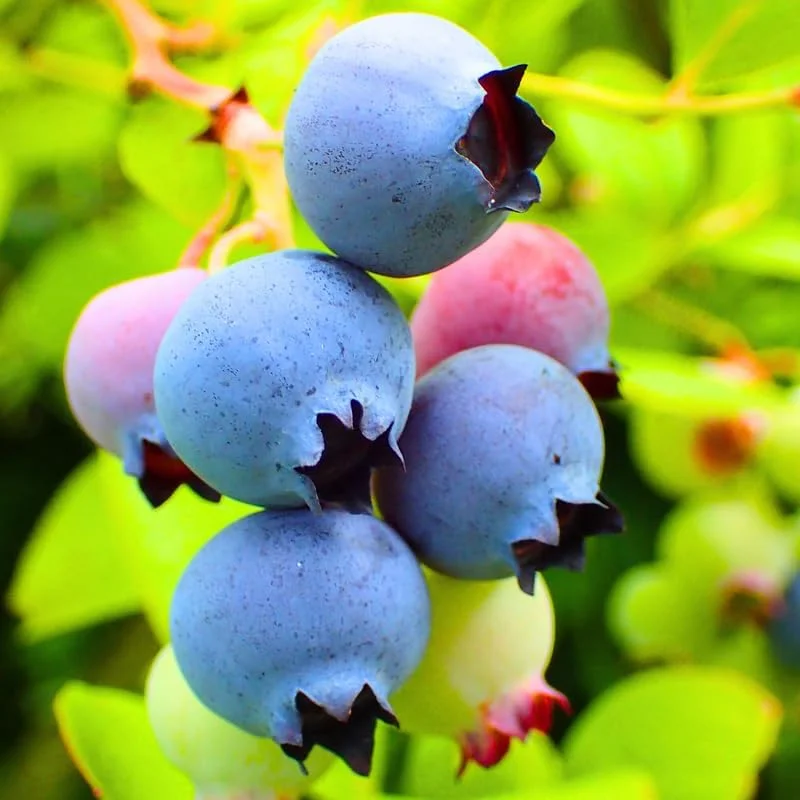

2 Blueberry Plants Live for Planting, Sweet Blueberry Bushes Live Plant, 5 to 10 Inch Height, Fruit Tree Live Blueberry Plant, No Pot (Assorted Blueberry)
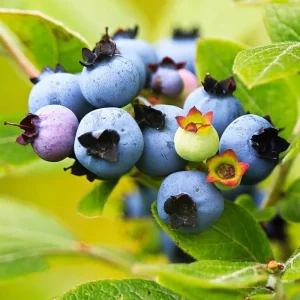
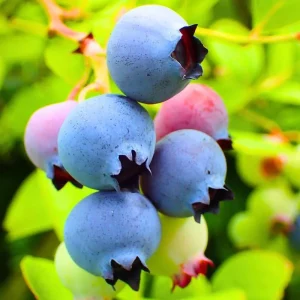
Start your home orchard with two healthy blueberry plants live, ready for planting. These sweet blueberry bushes grow 5 to 10 inches tall and are ideal for creating a productive fruit garden. Enjoy fresh berries and beautiful fall foliage from these robust plants.
$32.99

With our Alive & Thrive Guarantee, we’ve got your back for the first 30 days! If you have any concerns about your plants, just reach out to us. Our team is here to help answer your questions and guide you in selecting the best plants for your garden, climate, and unique preferences. We're excited to help you create the garden of your dreams!
Estimated arrival
Mar 22
Mar 27 - Mar 29
Apr 01 - Apr 05
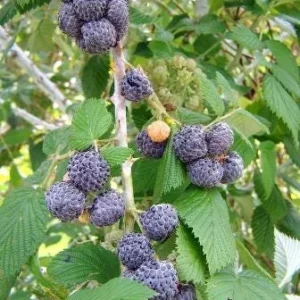
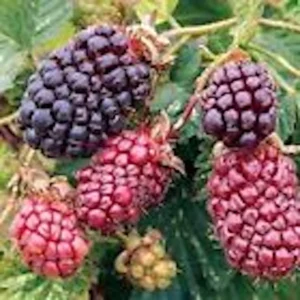

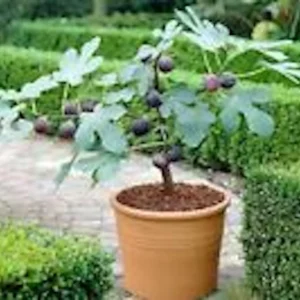
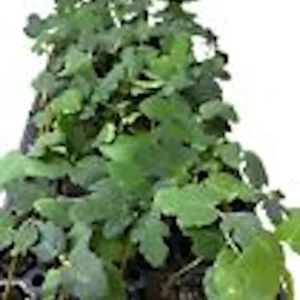
Product Details
-
USDA Hardiness Zone
USDA Zones 4-8A -
Soil type
Acidic, well-draining soil (pH 4.5-5.5) -
Sunlight Exposure
Full Sun -
Expected Planting Period
Spring to early summer
Overview
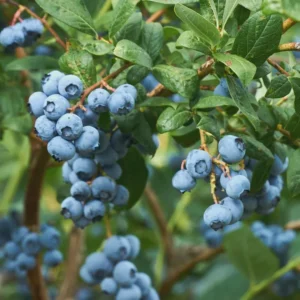
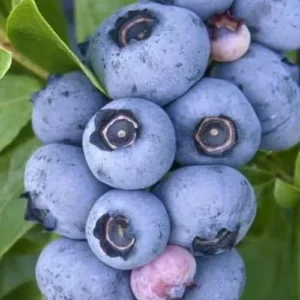
Cultivate your own delicious harvest with these premium blueberry plants live, perfect for home gardeners and fruit enthusiasts. This offering includes two mixed blueberry plants, providing a diverse and robust foundation for your berry patch. Each plant is a well-rooted starter, measuring a healthy 5 to 10 inches in height, ensuring a strong beginning for vigorous growth. Blueberries, known for their sweet and tangy flavor, are not only a superfood packed with antioxidants but also make attractive additions to any landscape with their seasonal interest. These particular sweet blueberry bushes are early season varieties, promising a bountiful yield. Prepare to enjoy fresh, homegrown blueberries straight from your garden.
These versatile plants are suitable for various garden settings, whether you’re establishing a dedicated fruit garden, adding edible landscaping, or growing in containers. With proper care, these young plants will mature into productive bushes, offering years of delicious fruit. The convenience of receiving two different varieties in one package enhances pollination and can lead to even better fruit production. Embrace the joy of gardening and the reward of fresh, organic blueberries with these high-quality live plants.
Key Benefits
Investing in these blueberry plants live offers a multitude of benefits for both your garden and your lifestyle. From fresh produce to aesthetic appeal, these plants are a valuable addition:
- Abundant Fresh Fruit: Enjoy a continuous supply of sweet, juicy blueberries directly from your garden. Homegrown berries often surpass store-bought in flavor and freshness.
- Rich in Antioxidants: Blueberries are renowned for their high antioxidant content, contributing to a healthy diet and overall well-being.
- Attractive Landscape Addition: Beyond their fruit, these bushes provide ornamental value with their vibrant green foliage in spring and summer, transitioning to striking burgundy-red fall colors.
- Pollinator Friendly: The delicate flowers of sweet blueberry bushes attract beneficial pollinators like bees, contributing to a healthier garden ecosystem.
- Relatively Low Maintenance: Once established, blueberry plants are surprisingly easy to care for, requiring consistent watering and occasional pruning to thrive.
- Versatile Planting Options: These plants can be grown in the ground as part of a hedge or individual specimens, and are also suitable for large container gardening, making them adaptable to various spaces.
- Long-Term Productivity: With proper care, grow blueberry plants that can produce fruit for many years, offering a sustainable source of healthy food.
Plant Care & Growing Tips
Caring for your new blueberry plants live is straightforward, ensuring a bountiful harvest for years to come. These Northern Blueberry varieties thrive in specific conditions. They require full sun exposure, meaning at least 6-8 hours of direct sunlight per day. Adequate sunlight is crucial for fruit development and overall plant health. When selecting a planting site, consider an area that receives ample morning sun and some protection from intense afternoon heat in hotter climates. These plants are well-suited for USDA Zones 4-8A, tolerating a range of temperatures.
For soil, blueberries prefer acidic, well-draining soil with a pH between 4.5 and 5.5. If your native soil is not acidic enough, amend it with peat moss, pine bark, or sulfur to lower the pH. Consistent moisture is vital, especially during the fruiting season. The plants have moderate watering needs; keep the soil consistently moist but never soggy. Overwatering can lead to root rot, so ensure good drainage. Fertilize with an acid-loving plant fertilizer in early spring before new growth appears. Pruning is best done in late winter or early spring to remove dead or weak branches and encourage new growth and fruit production. For those eager to grow blueberry plants, these guidelines will set you up for success.
Protecting your sweet blueberry bushes from pests and diseases involves good cultural practices. Ensure good air circulation to prevent fungal issues. Netting can be used to deter birds from feasting on your ripe berries. Understanding the specific needs of northern blueberry plants will help you address any challenges and ensure healthy, productive plants. These plants can grow up to 6 feet tall and 4 feet wide, so give them adequate space to reach their full potential. With diligent care, your blueberry plants for sale will reward you with delicious fruit and beautiful foliage.
Size & Details
This offering includes a pair of blueberry plants live, each measuring approximately 5 to 10 inches in height. These are well-rooted starter plants, ready for transplanting into your garden or larger containers. The plants are shipped without a pot, ensuring a more sustainable and efficient delivery. As they mature, these Northern Blueberry varieties can reach an impressive size of up to 6 feet tall and spread up to 4 feet wide, developing into substantial, fruit-bearing bushes. Expect a medium-sized plant at maturity, perfect for a home garden setting. The growth rate is moderate, with fruit production typically beginning within 1-2 years after planting, with full production reached in 3-5 years.
These plants are selected for their vigor and ability to thrive in a range of environments within their specified hardiness zones. The ‘assorted’ nature means you receive two different varieties, which is beneficial for cross-pollination and often leads to higher fruit yields and improved berry quality. You can look forward to a beautiful leaf display of burgundy-red fall color, adding ornamental appeal to your landscape even after the harvest season. These sweet blueberry bushes are an excellent investment for anyone looking to cultivate their own fruit.
Frequently Asked Questions
- Q: How big will these blueberry plants get? A: These blueberry plants live are currently 5 to 10 inches tall. At maturity, they can grow up to 6 feet tall and 4 feet wide, forming a medium-sized bush perfect for home gardens.
- Q: Is this an indoor or outdoor plant? A: These are outdoor sweet blueberry bushes. They require full sun exposure and are best suited for planting directly in the ground in USDA Zones 4-8A to thrive and produce fruit.
- Q: How much sunlight do these blueberry plants need? A: To successfully grow blueberry plants, they need at least 6-8 hours of direct full sun exposure daily. This is crucial for vigorous growth and abundant fruit production.
- Q: Are these plants easy to care for? A: Blueberry plants are relatively easy to care for once established. They require consistent watering, acidic soil, and annual pruning. They are a good choice for gardeners of all experience levels.
- Q: What condition will the plants arrive in? A: The plants will arrive as well-rooted starter plants, 5-10 inches tall, without a pot. They are carefully packaged to ensure they reach you in good health and ready for planting.
- Q: How long until these blueberry plants produce fruit? A: You can typically expect these northern blueberry plants to start producing some fruit within 1-2 years after planting, with full production usually achieved in 3-5 years.
- Q: What type of soil is best for blueberry plants? A: Blueberry plants thrive in acidic, well-draining soil with a pH between 4.5 and 5.5. Amending your soil with peat moss or pine bark can help achieve the ideal conditions for your blueberry plants for sale.
- Q: Will these plants survive winter in my zone? A: These are Northern Blueberry varieties suitable for USDA Zones 4-8A. If you are within these zones, the plants are cold-hardy and should survive winter with proper care.
- Q: Can I grow these blueberry plants in containers? A: Yes, you can grow blueberry plants in large containers (at least 15-20 gallons) with appropriate acidic potting mix, especially if your native soil isn’t suitable or if you’re in a colder zone and want to move them indoors for winter.
- Q: What does ‘Assorted Blueberry’ mean? A: ‘Assorted Blueberry’ means you will receive two different varieties of blueberry plants. This mix is often beneficial for cross-pollination, which can lead to better fruit set and higher yields.
| Style | Assorted Blueberry, Biloxi Blueberry, North Blueberry, Sunshine Blueberry, Sweetheart Blueberry |
|---|
Related products
-20%
Original price was: $34.00.$27.20Current price is: $27.20.
-49%
Original price was: $59.38.$29.99Current price is: $29.99.
-20%
Original price was: $50.00.$40.00Current price is: $40.00.
-20%
Original price was: $66.00.$52.80Current price is: $52.80.
-10%
Original price was: $89.99.$80.99Current price is: $80.99.
-50%
Original price was: $39.98.$19.99Current price is: $19.99.

-20%
Original price was: $36.00.$28.80Current price is: $28.80.
PLANTING & CARE

The Comprehensive Guide to Growing Bay Leaf Plants for a Flavorful Garden
Imagine stepping into your garden, greeted by the earthy aroma of fresh bay leaves, their
09
Feb
Feb

How to Make Comfrey Tea: The Ultimate Organic Plant Food
Growing an organic garden can be surprisingly expensive, especially when most store-bought fertilizers come in
02
Feb
Feb

True Comfrey: 7 Essential Tips Before You Plant This Herb
A staple in permaculture practices across the US, True Comfrey easily earns its reputation as
27
Jan
Jan

7 Heart-Shaped Plants for a Lasting Valentine’s Gift
If you’ve ever bought a bouquet of roses for Valentine’s Day, you know they are
26
Jan
Jan

Best Types of Ivy Plant for Houses: How to Choose the Perfect Ones for Your Home
Are you a garden lover looking to introduce some greenery into your home? Maybe you’ve
14
Nov
Nov

When to Harvest Garlic (Especially Fall-Planted Garlic)
TIMING IS EVERYTHING, they say – and for garlic, that truth hits with surprising accuracy.
13
Nov
Nov

11 of the Best Sweet Potato Varieties to Grow for Your Garden
If you’ve ever tried growing sweet potatoes, you know that picking the right variety can
12
Nov
Nov
Pruning Bougainvillea for Winter
Bougainvillea vines are known for their dazzling display of magenta, orange, and fuchsia bracts that
05
Nov
Nov