2 English Lavender Live Plant Plugs – Lavandula Angustifolia Perennial Starter
-50%
2 English Lavender Live Plant Plugs – Lavandula Angustifolia Perennial Starter
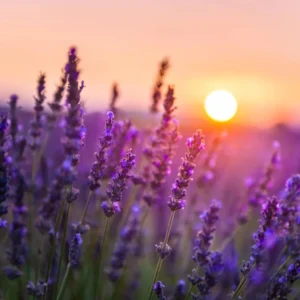
Bring the delightful aroma and beauty of English Lavender live plant (Lavandula Angustifolia) to your garden. These well-rooted perennial starter plugs are ideal for landscaping, containers, and culinary use, offering intensely fragrant flowers and foliage. Drought-tolerant and attractive to pollinators.
Original price was: $67.96.$33.98Current price is: $33.98.

With our Alive & Thrive Guarantee, we’ve got your back for the first 30 days! If you have any concerns about your plants, just reach out to us. Our team is here to help answer your questions and guide you in selecting the best plants for your garden, climate, and unique preferences. We're excited to help you create the garden of your dreams!
Estimated arrival
Mar 26
Mar 31 - Apr 02
Apr 05 - Apr 09
Product Details
-
USDA Hardiness Zone
USDA Zones 5-9 -
Soil type
Well-draining, sandy or gravelly soil -
Sunlight Exposure
Full sun -
Expected Planting Period
Spring to early summer
Overview
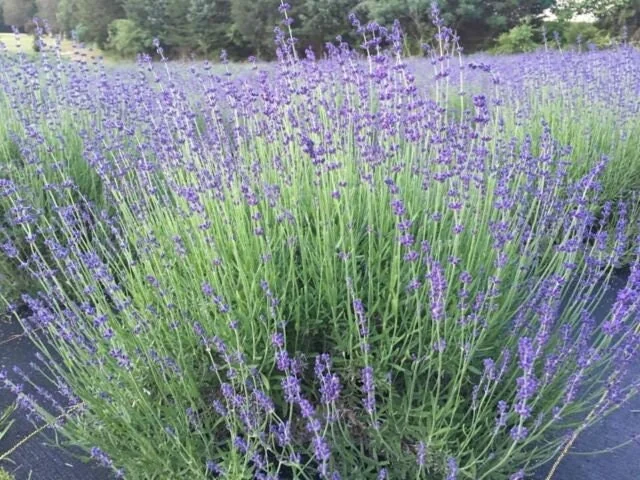
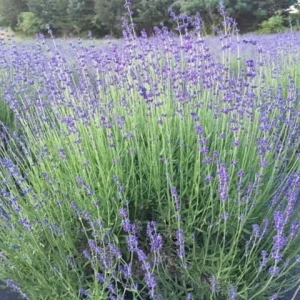
Introduce the timeless elegance and captivating fragrance of English Lavender live plant (Lavandula Angustifolia) to your home or garden. This offering includes 2 robust, well-rooted perennial starter plugs, ready to be transplanted and thrive. Commonly known as true lavender, Lavandula Angustifolia is cherished for its vibrant purple flowers and distinctive silvery-green foliage, making it a favorite in gardens across the globe, especially in cooler climates. These starter plants provide a fantastic foundation for establishing a fragrant herb garden, a beautiful border, or a charming container display. Known for its hardiness and versatility, this lavandula angustifolia plant is an excellent choice for both novice and experienced gardeners seeking a low-maintenance yet high-impact addition to their botanical collection.
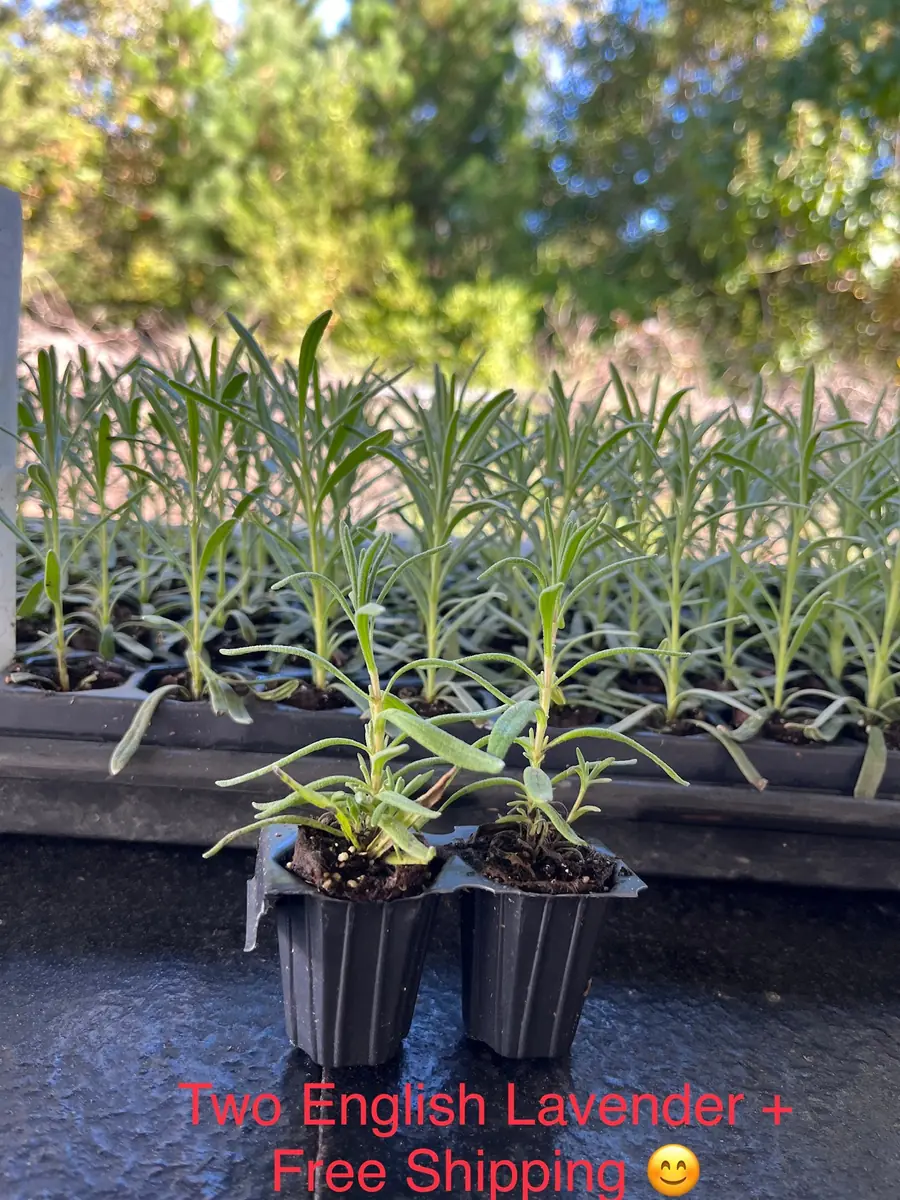
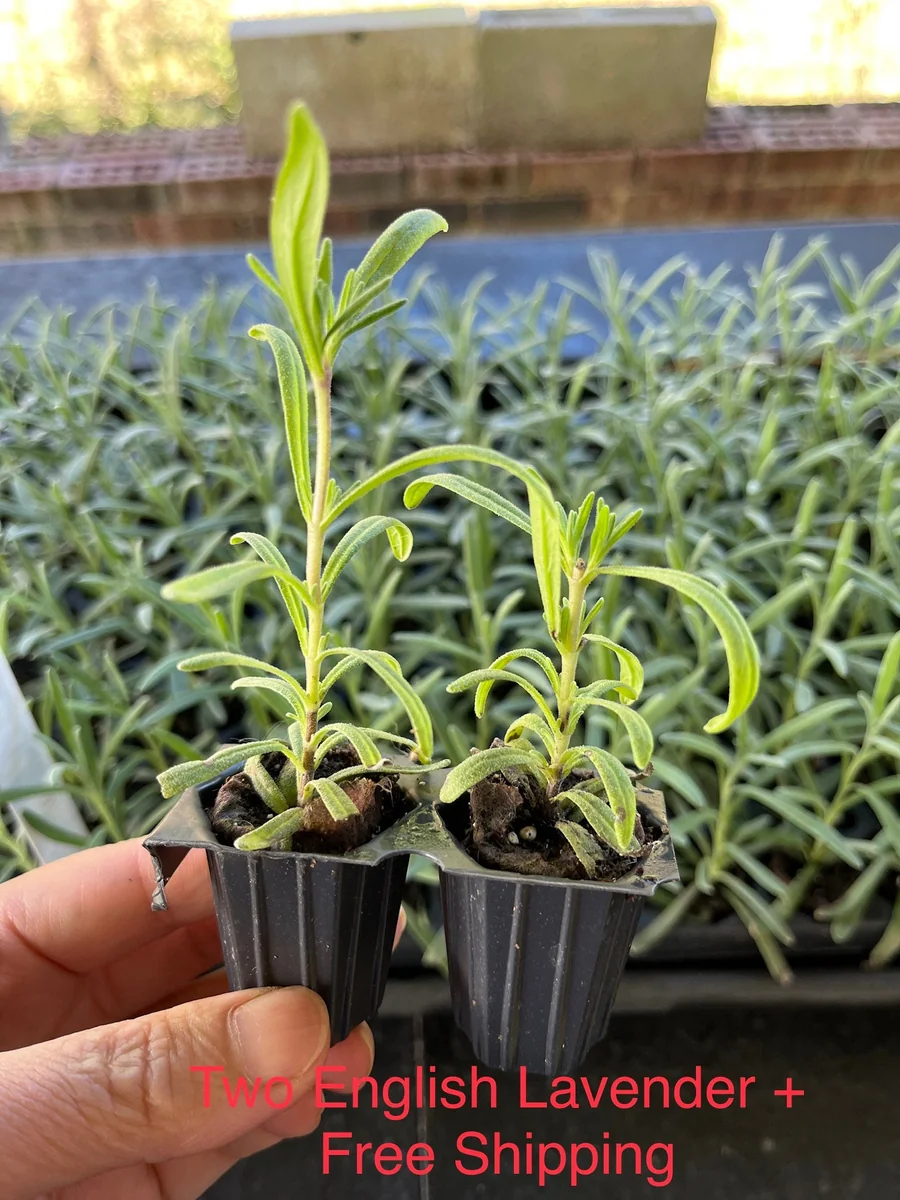
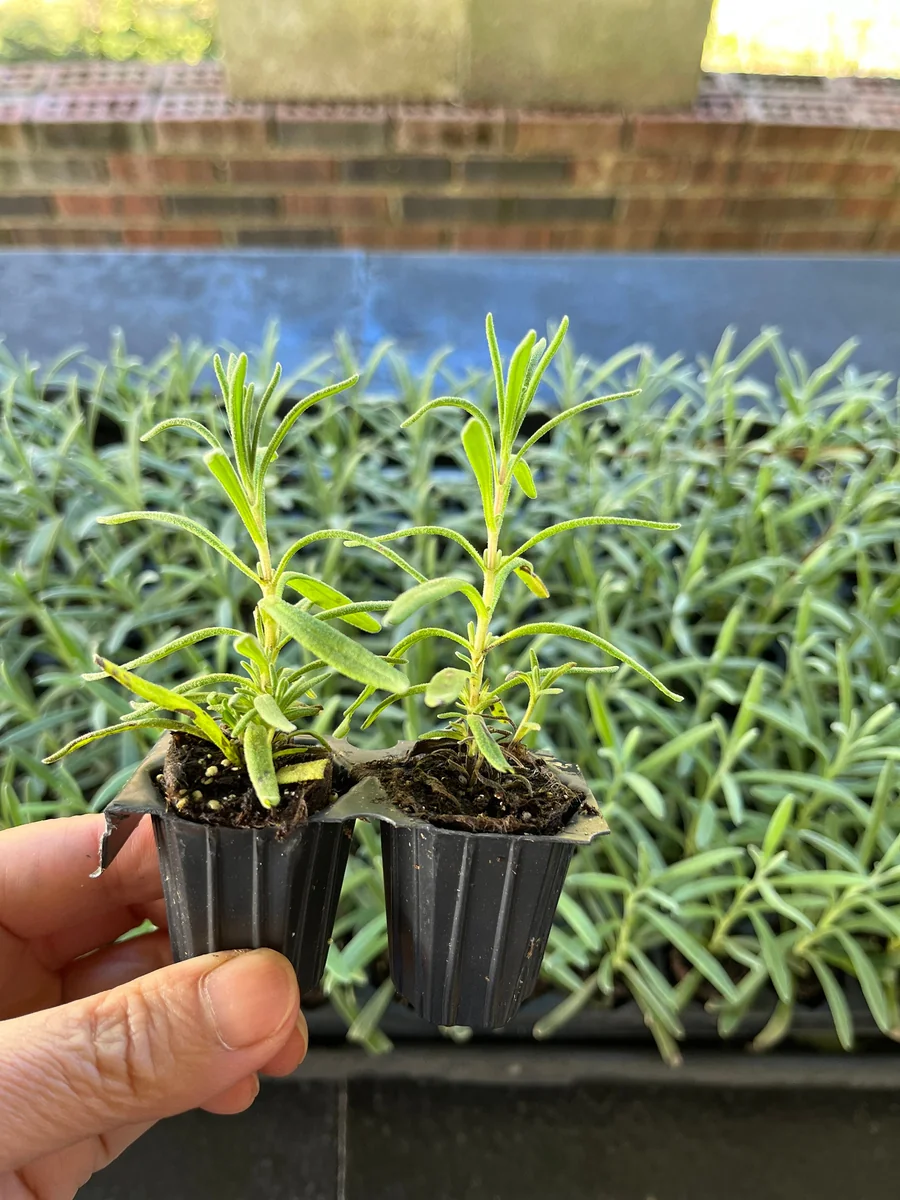
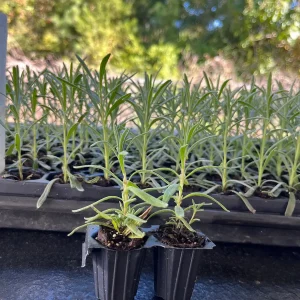
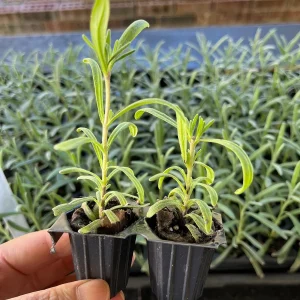
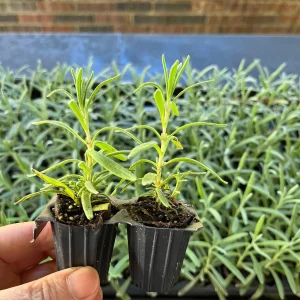
Each plug-size seedling measures approximately 1 inch x 1 inch x 1 1/4 inches, providing a strong start for healthy growth. Whether you’re planning a new landscape feature or expanding your existing herb collection, these young plants are eager to flourish. The enchanting aroma of English Lavender is not only pleasant but also known for its calming properties, making it a wonderful plant to have near seating areas or windows. Prepare to enjoy the beauty and benefits of this exceptional perennial for many years to come.
Key Benefits
The English Lavender live plant offers a multitude of benefits, enhancing both your garden and lifestyle. Its robust nature and versatile applications make it a highly desirable choice for any plant enthusiast.
- Intensely Fragrant Flowers & Foliage: Lavandula Angustifolia is renowned for its strong, sweet scent, which emanates from both its delicate purple flowers and its soft, silvery-green leaves. This fragrance is perfect for creating a relaxing atmosphere in your garden or home, and its aroma is central to its use in aromatherapy products.
- Drought & Cold Tolerant: Once established, this lavandula angustifolia plant is remarkably resilient, capable of withstanding periods of drought and colder temperatures. This makes it an ideal choice for gardeners in various climates, reducing the need for constant watering and protection.
- Great for Culinary, Craft, and Aromatherapy Purposes: The flowers and leaves of English Lavender can be used in a variety of ways, from flavoring baked goods and teas to creating sachets, potpourri, and essential oils. Its versatility extends its value far beyond its ornamental appeal.
- Attracts Bees and Butterflies: English Lavender is a fantastic pollinator magnet, drawing in beneficial bees and beautiful butterflies to your garden. This not only supports local ecosystems but also adds dynamic life and movement to your outdoor space.
- Rabbit and Deer Resistant: The strong scent and taste of lavender are generally unappealing to rabbits and deer, making it a natural deterrent for these common garden pests. This helps protect your other plants and ensures your lavender can grow undisturbed.
- Beautiful Silvery-Green Foliage: Even when not in bloom, the distinct silvery-green foliage provides year-round visual interest and acts as an attractive companion plant, contrasting beautifully with other garden plants.
- Perennial Growth: As a perennial, this perennial lavender starter will return year after year, providing continuous beauty and fragrance without the need for annual replanting, making it a sustainable and rewarding investment for your garden.
Plant Care & Growing Tips
Ensuring the success of your English Lavender live plant requires attention to specific environmental conditions and care practices. These starter plugs are well-rooted and ready for transplanting into their final container or garden bed. If planting directly into the landscape, it’s recommended to establish them in a 3-5 inch pot first to allow the root system to strengthen before outdoor planting.
Sunlight: English Lavender thrives in full sun, requiring at least 6-8 hours of direct sunlight per day to produce abundant blooms and maintain vigorous growth. Good air circulation is also crucial to prevent fungal issues. Watering: This plant prefers well-drained soil and is quite drought-tolerant once established. Water thoroughly when the top inch or two of soil feels dry, but avoid overwatering, as constantly wet roots can lead to rot. Reduce watering frequency in cooler months. Soil: Plant in well-drained soil, ideally with a slightly alkaline pH. Sandy or gravelly soil types are often ideal as they prevent waterlogging. Avoid heavy clay soils unless amended with organic matter and grit to improve drainage. Temperature & Hardiness: English Lavender is hardy in USDA zones 5-9. It can tolerate cooler climates and requires a period of cold dormancy to perform its best. Protect from extreme winter winds in colder zones. Fertilization: Lavender generally does not require heavy fertilization. A light application of a balanced, slow-release fertilizer in spring can be beneficial, but avoid high-nitrogen fertilizers which can promote foliage growth at the expense of flowers. Pruning: We recommend pinching your lavender plant care 5-10 days after transplanting to encourage bushier growth. After the main bloom, cut back the spent flower stalks and about one-third of the foliage to encourage compact growth and sturdy stems for the following season.
Size & Details
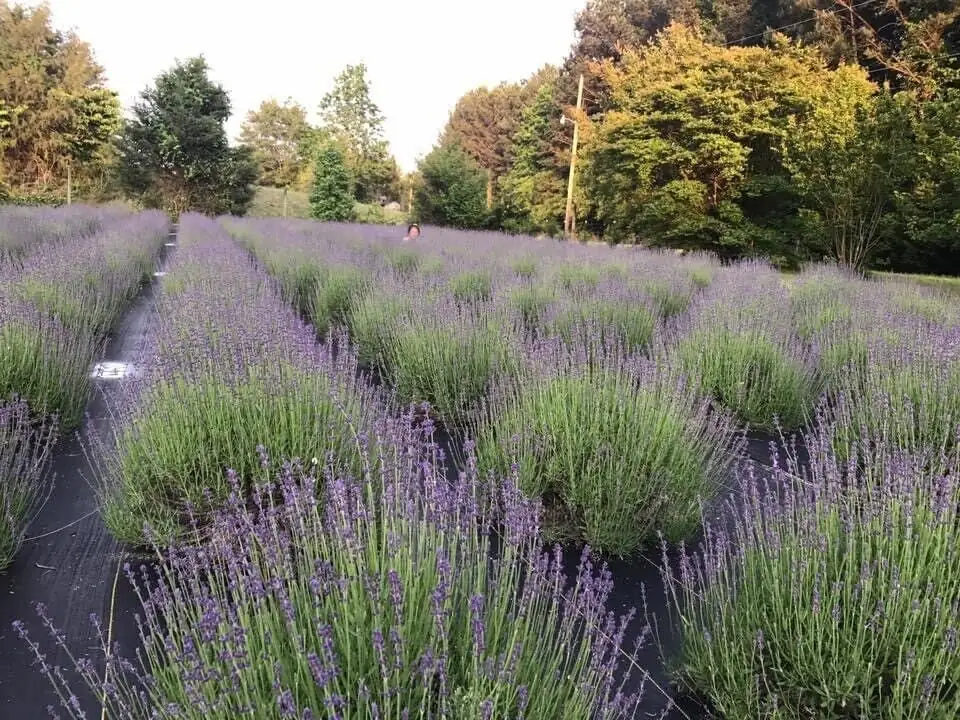
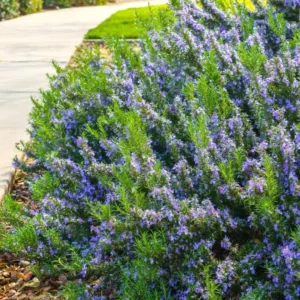
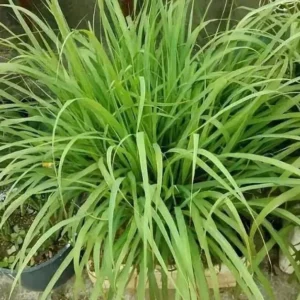
This offering includes 2 individual perennial lavender starter plants, each provided as a small plug-size seedling. They come in a compact container measuring approximately 1 inch x 1 inch x 1 1/4 inches, ensuring they are well-rooted and ready for their next stage of growth. Upon maturity, English Lavender typically grows to a height of 1 to 2 feet and spreads about 2 to 3 feet wide, forming an attractive, mounding shrub. The growth rate is moderate, with plants generally reaching a substantial size within 1-2 years under optimal conditions. Flowering usually occurs in late spring to early summer, with a potential for a smaller second flush of blooms later in the season if promptly deadheaded. These young plants are perfect for starting a new garden bed, filling in gaps, or planting in larger pots for patio display.
Frequently Asked Questions
- Q: How big does this English Lavender live plant get? A: This English Lavender live plant typically grows to a mature size of 1 to 2 feet tall and spreads 2 to 3 feet wide, forming a compact, fragrant bush. Its size makes it versatile for various garden applications.
- Q: Is this an indoor or outdoor plant? A: While English Lavender can be grown in containers and brought indoors during winter in very cold climates, it is primarily an outdoor plant that thrives in full sun and well-drained soil in gardens within USDA zones 5-9.
- Q: How much sunlight does this lavandula angustifolia plant need? A: This plant requires full sun, meaning at least 6-8 hours of direct sunlight per day, to ensure prolific flowering and healthy growth. Adequate sunlight is crucial for its aromatic properties.
- Q: Is this plant easy to care for? A: Yes, once established, English Lavender is relatively low-maintenance. It is drought-tolerant and pest-resistant, making it a good choice for gardeners seeking an easy-care, long-lasting perennial.
- Q: What condition will the perennial lavender starter arrive in? A: Your lavender will arrive as well-rooted starter plugs in small containers, ready for transplanting. While some minor stress from travel is normal, they are packed to ensure a healthy arrival.
- Q: When is the best time to plant this lavender? A: The best time to plant these starter plugs is in spring or early summer after the last frost, allowing them ample time to establish before the heat of summer or the cold of winter.
- Q: Can I use this lavender for cooking or aromatherapy? A: Absolutely! Lavandula Angustifolia is often referred to as true lavender and is highly prized for its culinary and medicinal uses, including aromatherapy, teas, and various dishes.
- Q: What type of soil does this lavender plant care best in? A: This lavender plant care thrives in well-drained soil, preferably sandy or gravelly, with a slightly alkaline pH. Good drainage is critical to prevent root rot and ensure plant health.
- Q: Will it survive winter in my zone? A: English Lavender is hardy in USDA zones 5-9. If you are within these zones, it should survive winter outdoors. In colder zones, some winter protection or container growing may be necessary.
- Q: How long until it blooms? A: With proper care, these starter plants can begin to produce blooms in their first or second year. Established plants typically bloom from late spring to early summer.
Related products
-50%
Original price was: $15.96.$7.98Current price is: $7.98.
-30%
Original price was: $59.98.$41.98Current price is: $41.98.
-10%
Original price was: $11.99.$10.79Current price is: $10.79.
-67%
From Original price was: $35.22.$11.74Current price is: $11.74.
-50%
Original price was: $59.96.$29.98Current price is: $29.98.
-67%
From Original price was: $35.22.$11.74Current price is: $11.74.
-67%
Original price was: $39.72.$13.24Current price is: $13.24.
-20%
From Original price was: $22.00.$17.60Current price is: $17.60.
PLANTING & CARE

The Comprehensive Guide to Growing Bay Leaf Plants for a Flavorful Garden
Imagine stepping into your garden, greeted by the earthy aroma of fresh bay leaves, their
09
Feb
Feb

How to Make Comfrey Tea: The Ultimate Organic Plant Food
Growing an organic garden can be surprisingly expensive, especially when most store-bought fertilizers come in
02
Feb
Feb

True Comfrey: 7 Essential Tips Before You Plant This Herb
A staple in permaculture practices across the US, True Comfrey easily earns its reputation as
27
Jan
Jan

7 Heart-Shaped Plants for a Lasting Valentine’s Gift
If you’ve ever bought a bouquet of roses for Valentine’s Day, you know they are
26
Jan
Jan

Best Types of Ivy Plant for Houses: How to Choose the Perfect Ones for Your Home
Are you a garden lover looking to introduce some greenery into your home? Maybe you’ve
14
Nov
Nov

When to Harvest Garlic (Especially Fall-Planted Garlic)
TIMING IS EVERYTHING, they say – and for garlic, that truth hits with surprising accuracy.
13
Nov
Nov

11 of the Best Sweet Potato Varieties to Grow for Your Garden
If you’ve ever tried growing sweet potatoes, you know that picking the right variety can
12
Nov
Nov
Pruning Bougainvillea for Winter
Bougainvillea vines are known for their dazzling display of magenta, orange, and fuchsia bracts that
05
Nov
Nov