2 Hardy Kiwi Plants Live, 5-9″ Tall, Well-Rooted Vines, Zones 4-9
-50%
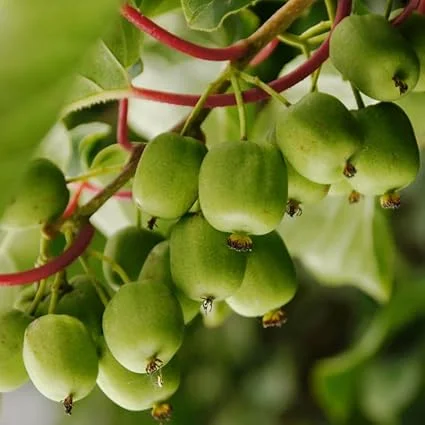
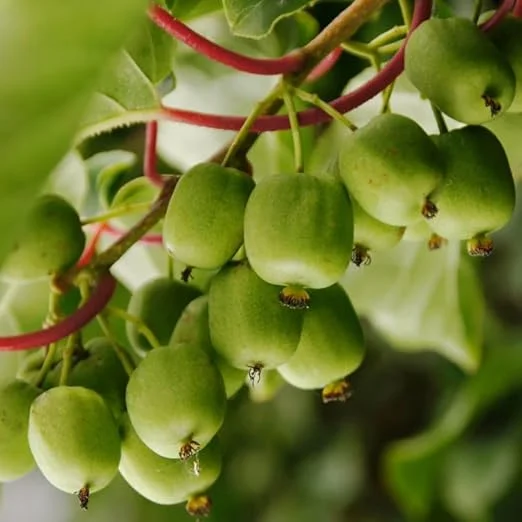
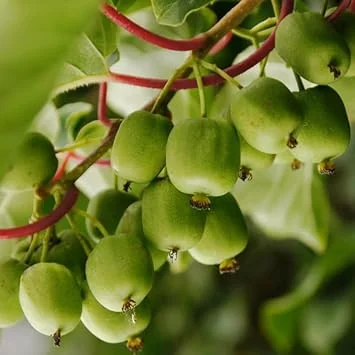
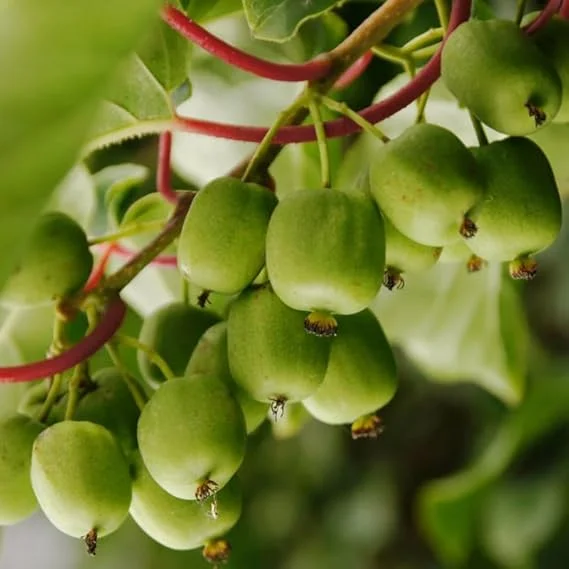
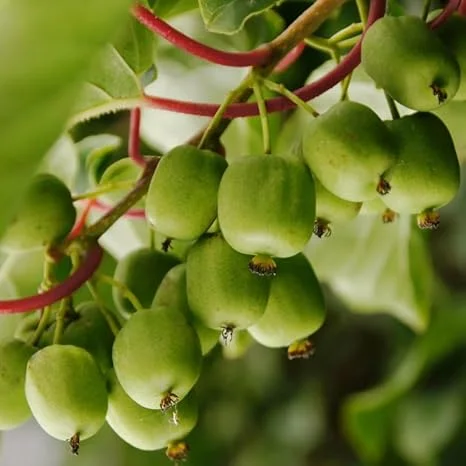
2 Hardy Kiwi Plants Live, 5-9″ Tall, Well-Rooted Vines, Zones 4-9
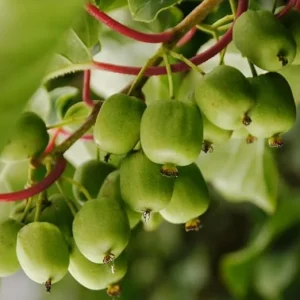
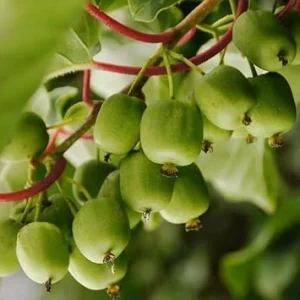
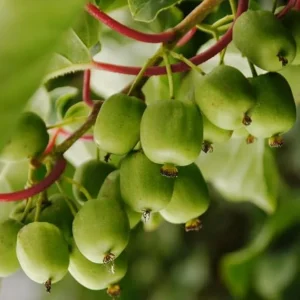
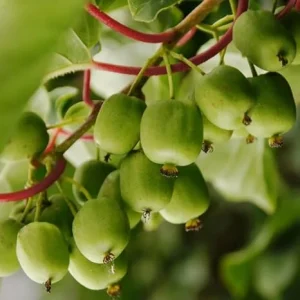
Cultivate your own sweet and tangy kiwi berries with this 2-pack of hardy kiwi live plant starters. These 5-9 inch well-rooted vines are perfect for outdoor growing in USDA Zones 4-9, promising delicious fruit. Enjoy the reward of growing your own kiwi berry plant at home.
Original price was: $99.98.$49.99Current price is: $49.99.

With our Alive & Thrive Guarantee, we’ve got your back for the first 30 days! If you have any concerns about your plants, just reach out to us. Our team is here to help answer your questions and guide you in selecting the best plants for your garden, climate, and unique preferences. We're excited to help you create the garden of your dreams!
Estimated arrival
Mar 27
Apr 01 - Apr 03
Apr 06 - Apr 10
Product Details
-
USDA Hardiness Zone
USDA Zones 4-9 -
Soil type
Well-draining, slightly acidic to neutral soil -
Sunlight Exposure
Full Sun -
Expected Planting Period
Early spring
Overview
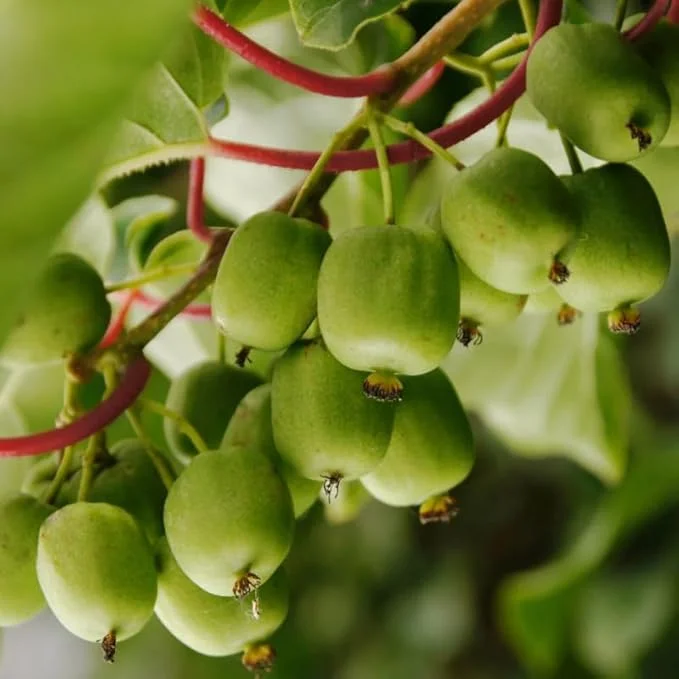
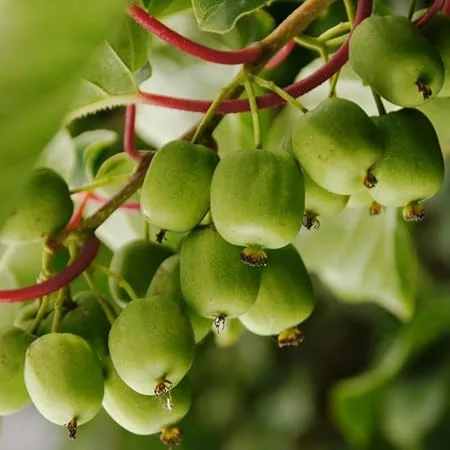
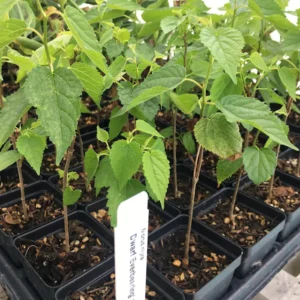
Embark on a delightful gardening journey with our 2-pack of hardy kiwi live plant starters. These vigorous vines are ready to thrive in your garden, offering the promise of delicious, nutrient-rich kiwi berries. Often referred to as arctic kiwi or kiwi berry, this plant is known for its resilience and ability to produce abundant fruit in temperate climates. Unlike their fuzzy counterparts, hardy kiwis feature smooth, edible skin, making them a convenient and tasty treat straight from the vine. Each plant is well-rooted and measures 5-9 inches in height, providing a strong foundation for successful growth. These vines are dormant in fall and winter, bursting into lush foliage in spring and summer, eventually bearing large, heart-shaped fruit that will be a highlight of your harvest.
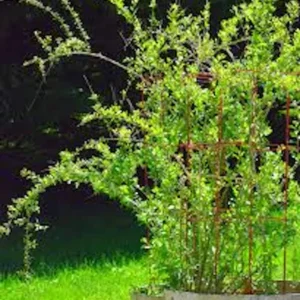
Bringing a hardy kiwi live plant into your landscape not only provides a source of fresh fruit but also adds ornamental value with its attractive foliage. These plants are excellent for trellises, arbors, or fences, creating a beautiful edible screen. With proper care, you can look forward to a bountiful harvest of sweet, miniature kiwis that are perfect for snacking, desserts, or preserves. They are a fantastic addition for any gardener looking to expand their edible landscape with a unique and rewarding fruit.
Key Benefits
Growing your own hardy kiwi vines offers a multitude of advantages beyond just the delicious fruit. These plants are a smart and rewarding choice for any home gardener, providing both aesthetic appeal and practical benefits.
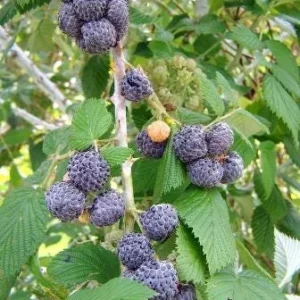
- Abundant & Delicious Fruit: Enjoy a generous harvest of sweet, grape-sized kiwi berries with smooth, edible skin. These fruits are perfect for fresh eating, jams, or desserts, offering a unique flavor profile that everyone loves. Growing your own kiwi berry plant ensures fresh, organic produce.
- Hardy & Resilient: These specific varieties are known for their exceptional cold tolerance, thriving in USDA Zones 4-9. This makes them a reliable choice for many regions, able to withstand colder winters than traditional kiwi varieties.
- Ornamental Value: Beyond their fruit, kiwi vines provide attractive foliage, making them an excellent choice for landscaping. Use them to cover arbors, trellises, or fences, adding a lush, green backdrop to your garden.
- Easy to Grow: Once established, hardy kiwi live plant require relatively low maintenance. They are vigorous growers and, with the right support and sunlight, will reward you with years of fruit production.
- Nutrient-Rich Harvest: Kiwi berries are packed with vitamins, especially Vitamin C, and antioxidants, contributing to a healthy diet directly from your backyard.
- Long Lifespan: With proper care, a kiwi vine can continue to produce fruit for many years, becoming a long-term asset to your garden.
- Unique Garden Addition: Stand out from the typical fruit growers by cultivating these less common, yet incredibly rewarding, kiwi berries, adding diversity to your edible garden.
Plant Care & Growing Tips
Caring for your hardy kiwi live plant is straightforward, but understanding their specific needs will ensure a thriving vine and a bountiful harvest. These vigorous growers require a bit of initial attention to establish strong roots, leading to years of delicious fruit. For optimal growth, plant your kiwi vines in a location that receives full sun, meaning at least 6-8 hours of direct sunlight per day. Adequate sunlight is crucial for fruit production and overall plant health. Ensure the soil is well-draining, as soggy roots can be detrimental to these plants. A slightly acidic to neutral soil pH (6.0-7.0) is ideal. When planting, amend heavy clay soils with compost or peat moss to improve drainage and aeration. These plants are hardy in zones 4-9, making them suitable for a wide range of climates.
Consistent moisture is key, especially during the growing season. Water regularly, ensuring the soil remains evenly moist but not waterlogged. Moderate watering is generally sufficient; check the soil moisture regularly, particularly during dry spells. Fertilize in early spring with a balanced, slow-release fertilizer designed for fruiting plants. Avoid over-fertilizing, as this can lead to excessive foliage growth at the expense of fruit production. Pruning is essential for managing growth, maintaining plant health, and maximizing fruit yield. Prune in late winter when the plant is dormant to remove dead or damaged wood and to shape the vine. Summer pruning can help manage vigorous growth and expose fruit to more sunlight. Keep an eye out for common pests and diseases; generally, arctic kiwi plant are quite resilient, but early detection and treatment are always best. Training your kiwi vine on a sturdy trellis or arbor is vital for support as it grows and produces fruit.
Size & Details
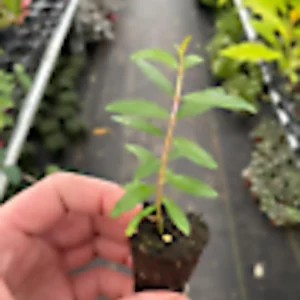
This offering includes two hardy kiwi live plant starters, each measuring 5-9 inches in height. These are well-rooted starter plants, ensuring a strong beginning for your home orchard. They are shipped dormant without leaves in the fall and winter months, which is a natural and healthy state for these plants, indicating they are conserving energy for spring growth. In spring and summer, they will arrive with vibrant green leaves, ready to burst with energy. These vines are known for their vigorous growth and can reach significant lengths, making them ideal for covering arbors, pergolas, or sturdy trellises. Expect these plants to begin producing fruit within 2-3 years, with yields increasing as the vine matures. The fruit produced will be large, heart-shaped kiwi berries, perfect for snacking. The plants are hardy in USDA Zones 4-9.
Frequently Asked Questions
- Q: How big do these hardy kiwi plants get? A: Your hardy kiwi live plant starters are 5-9 inches tall upon arrival. These are vigorous vines that can grow quite large, typically reaching lengths of 15-20 feet or more when mature. They require a sturdy support structure like a trellis or arbor.
- Q: Is this an indoor or outdoor plant? A: These are outdoor plants, specifically bred for cold hardiness. They thrive outdoors in USDA Zones 4-9, requiring full sun exposure to produce fruit.
- Q: How much sunlight does a kiwi berry plant need? A: Your kiwi berry plant needs at least 6-8 hours of direct sunlight per day, which is considered full sun. Adequate sunlight is crucial for fruit development and overall plant health.
- Q: Is this plant easy to care for? Is it good for beginners? A: Yes, once established, growing kiwi vines are relatively easy to care for. They are vigorous and resilient, making them a good choice for beginner gardeners interested in growing fruit, provided they have adequate support and sun.
- Q: What condition will the plants arrive in? A: In fall and winter, these plants arrive dormant and without leaves, which is normal. In spring and summer, they will arrive with leaves. All plants are well-rooted starter plants, ready for planting.
- Q: Is it shipped in soil? A: The plants are typically shipped with their roots contained in a small amount of soil or growing medium to keep them moist and protected during transit.
- Q: When is the best time to plant hardy kiwi? A: The best time to plant your arctic kiwi plant is in early spring after the last frost, allowing them ample time to establish roots before the heat of summer.
- Q: Will these kiwi plants survive winter in my zone? A: These specific hardy kiwi plants are suitable for USDA Zones 4-9, meaning they are well-equipped to survive the winter temperatures in those regions.
- Q: Do I need more than one plant for fruit production? A: For most hardy kiwi varieties, you will need both male and female plants for successful pollination and fruit production. This listing is for two kiwi plants, which are typically female, requiring a separate male plant for pollination.
- Q: Can I grow these in containers? A: While possible for a short period, kiwi vines grow quite large and are best suited for in-ground planting with significant support for long-term health and fruit production.
Related products
-20%
Original price was: $34.00.$27.20Current price is: $27.20.
-20%
Original price was: $32.00.$25.60Current price is: $25.60.
-20%
Original price was: $32.00.$25.60Current price is: $25.60.
-20%
Original price was: $50.00.$40.00Current price is: $40.00.
-20%
Original price was: $36.00.$28.80Current price is: $28.80.
-20%
Original price was: $36.00.$28.80Current price is: $28.80.
-10%
Original price was: $23.99.$21.59Current price is: $21.59.
-50%
Original price was: $39.98.$19.99Current price is: $19.99.
PLANTING & CARE

The Comprehensive Guide to Growing Bay Leaf Plants for a Flavorful Garden
Imagine stepping into your garden, greeted by the earthy aroma of fresh bay leaves, their
09
Feb
Feb

How to Make Comfrey Tea: The Ultimate Organic Plant Food
Growing an organic garden can be surprisingly expensive, especially when most store-bought fertilizers come in
02
Feb
Feb

True Comfrey: 7 Essential Tips Before You Plant This Herb
A staple in permaculture practices across the US, True Comfrey easily earns its reputation as
27
Jan
Jan

7 Heart-Shaped Plants for a Lasting Valentine’s Gift
If you’ve ever bought a bouquet of roses for Valentine’s Day, you know they are
26
Jan
Jan

Best Types of Ivy Plant for Houses: How to Choose the Perfect Ones for Your Home
Are you a garden lover looking to introduce some greenery into your home? Maybe you’ve
14
Nov
Nov

When to Harvest Garlic (Especially Fall-Planted Garlic)
TIMING IS EVERYTHING, they say – and for garlic, that truth hits with surprising accuracy.
13
Nov
Nov

11 of the Best Sweet Potato Varieties to Grow for Your Garden
If you’ve ever tried growing sweet potatoes, you know that picking the right variety can
12
Nov
Nov
Pruning Bougainvillea for Winter
Bougainvillea vines are known for their dazzling display of magenta, orange, and fuchsia bracts that
05
Nov
Nov