2 Red Buckeye Tree Bare-Root Plant – Aesculus Pavia Firecracker Plant
-50%
2 Red Buckeye Tree Bare-Root Plant – Aesculus Pavia Firecracker Plant
Bring vibrant color to your garden with this red buckeye tree bare-root plant. Featuring striking red flowers in spring and handsome dark green foliage, the aesculus pavia plant is an excellent choice for a specimen tree or ornamental shrub. Easy to grow and native to North America.
From Original price was: $175.60.$87.80Current price is: $87.80.

With our Alive & Thrive Guarantee, we’ve got your back for the first 30 days! If you have any concerns about your plants, just reach out to us. Our team is here to help answer your questions and guide you in selecting the best plants for your garden, climate, and unique preferences. We're excited to help you create the garden of your dreams!
Estimated arrival
Apr 13
Apr 18 - Apr 20
Apr 23 - Apr 27
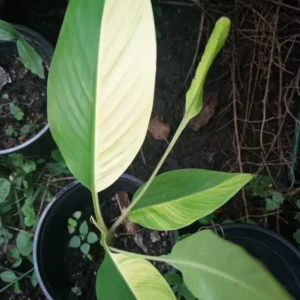


Product Details
-
USDA Hardiness Zone
USDA zones 4-8 -
Soil type
Moist, well-draining, fertile soil -
Sunlight Exposure
Full sun to partial shade -
Expected Planting Period
Early spring
Overview
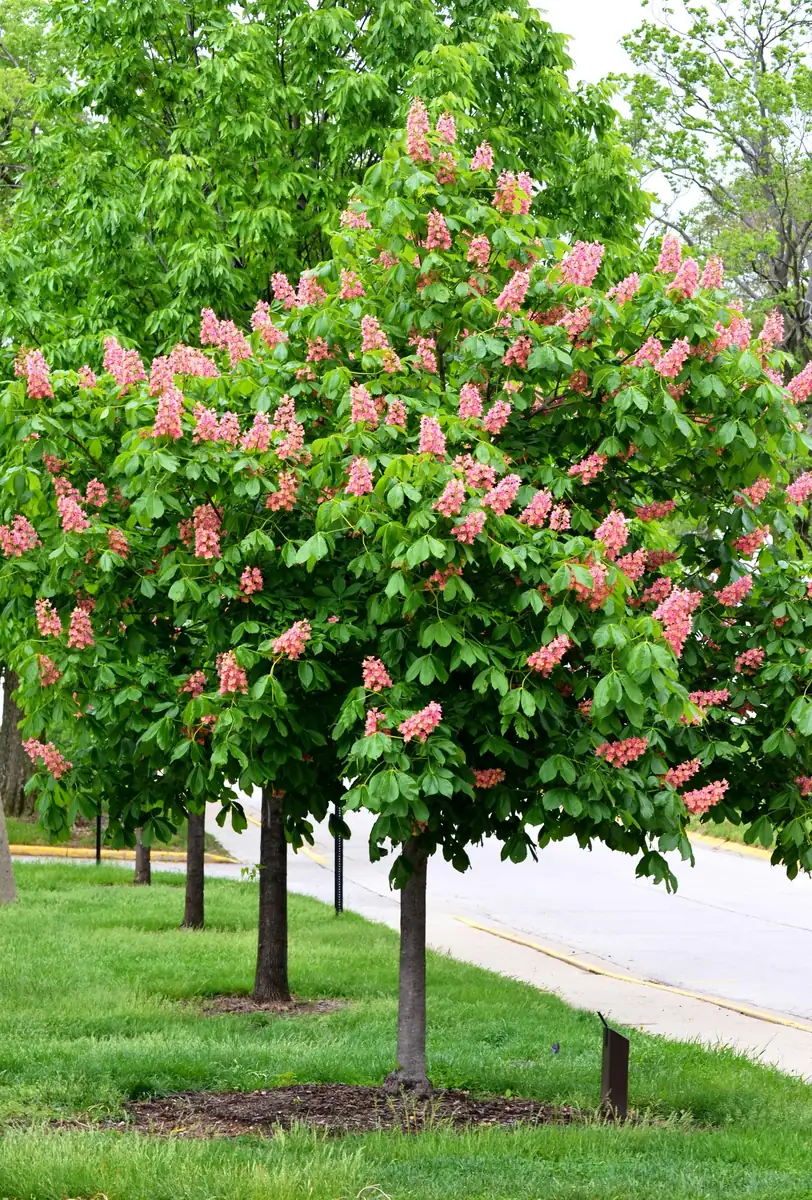
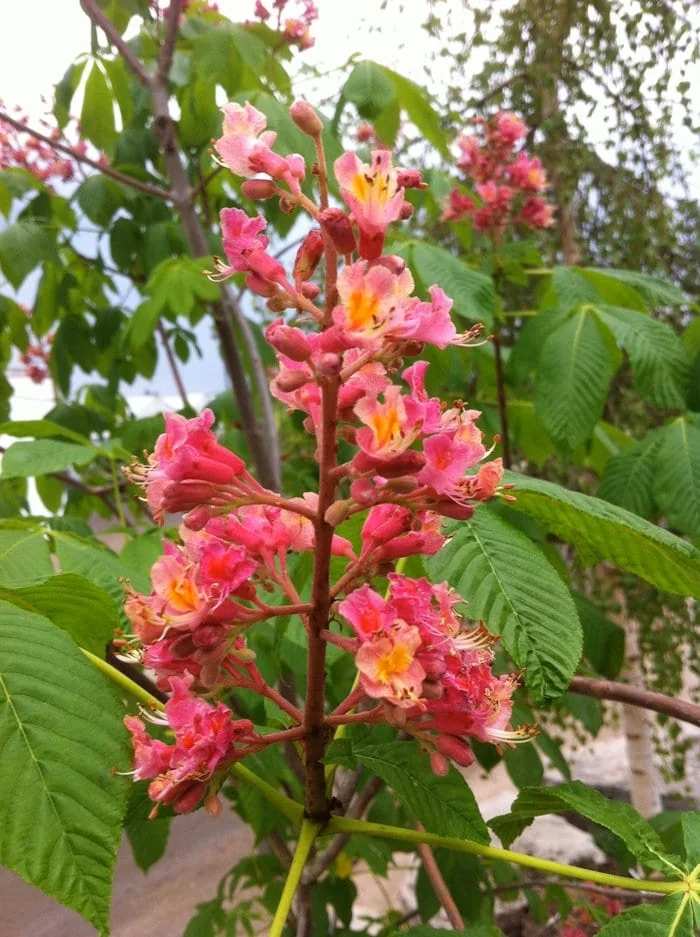
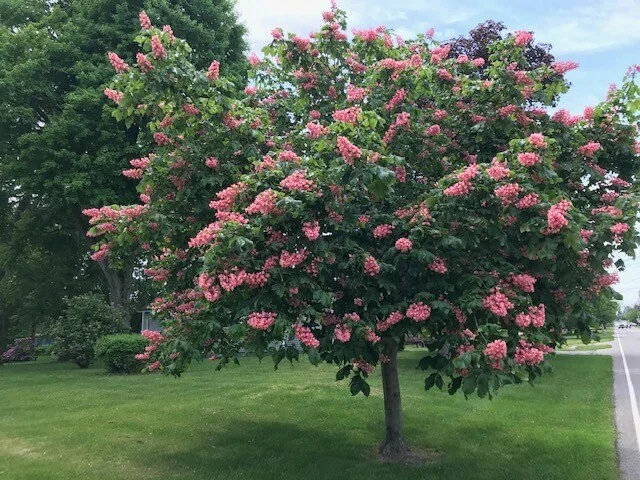
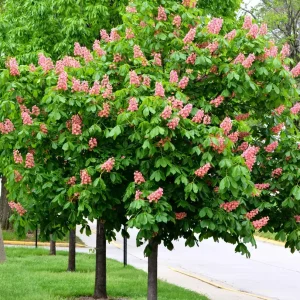
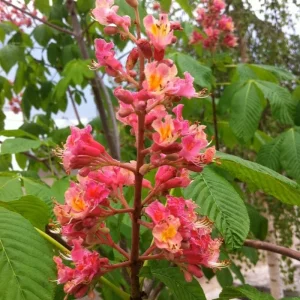
Transform your garden with the captivating beauty of the red buckeye tree bare-root plant. This stunning ornamental tree, scientifically known as Aesculus Pavia, is also commonly referred to as the firecracker plant tree due to its spectacular, erect clusters of vibrant red blossoms. Blooming profusely in April and May, these panicles can reach an impressive 4–8 inches in length, creating a breathtaking springtime display. Beyond its floral allure, the red buckeye boasts lustrous dark green leaves, composed of 5–7 elegant leaflets that unfurl earlier than many other trees, providing early season interest. This versatile plant can be cultivated as a multi-trunked tree, a single-trunked specimen, or even a shrub, depending on your pruning preferences and landscape design.
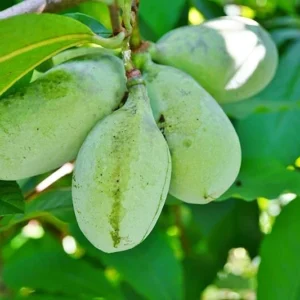
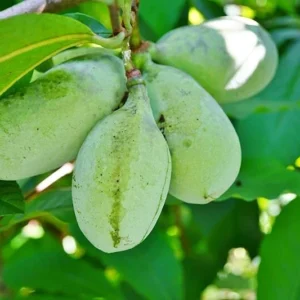
Native to eastern North America, the aesculus pavia plant is a resilient and adaptable choice for various garden settings. Its unique charm extends to its fruit, which yields smooth or slightly pitted shells, 1½–2 inches in diameter, enclosing 1–3 dark brown seeds. The name “buckeye” itself comes from the whitish scar on these seeds, giving them the appearance of a deer’s eye. With proper care, this tree can reach heights of up to 50 feet, making it a magnificent addition to any home or park landscape. It’s a focal point that will draw attention and admiration for its distinctive features and seasonal elegance.
Key Benefits
The red buckeye tree bare-root offers a multitude of benefits that make it a standout choice for any garden or landscape. Its striking appearance and ecological value contribute significantly to its appeal.
- Spectacular Spring Blooms: Enjoy a dazzling display of vibrant red, tubular flowers arranged in upright panicles measuring 4–8 inches long, attracting hummingbirds and pollinators.
- Attractive Foliage: Features handsome, dark green leaves with 5–7 leaflets that emerge early in the season, providing lush greenery throughout spring and summer.
- Versatile Growth Habit: Can be cultivated as a multi-trunked tree, a single-trunked tree, or pruned into an ornamental shrub, offering flexibility for various landscape designs.
- Unique Seed Pods: Produces distinctive 1½–2 inch diameter fruits containing dark brown seeds with a characteristic whitish scar, giving the plant its common name.
- Excellent Specimen Tree: Its unique aesthetic qualities make it an ideal focal point in any garden, drawing attention and adding significant visual interest.
- Native Plant: As a native buckeye tree to eastern North America, it is well-adapted to local climates and supports native wildlife.
- Early Foliage Unfurling: Its leaves unfurl earlier than many other trees, extending the period of green in your garden after winter.
Plant Care & Growing Tips
Caring for your red buckeye tree bare-root is relatively straightforward, ensuring it thrives and provides years of beauty. This aesculus pavia plant prefers a location with full sun to partial shade. Full sun encourages the most prolific flowering, while some afternoon shade can be beneficial in hotter climates to prevent leaf scorch. Aim for at least 6 hours of direct sunlight daily. The red buckeye is adaptable to a range of soil types but performs best in moist, well-drained, and fertile soils. Amend heavy clay soils with organic matter to improve drainage, and sandy soils to enhance water retention. Consistent moisture is crucial, especially during the establishment phase. Water deeply and regularly, ensuring the soil remains consistently damp but not waterlogged. Once established, it has moderate drought tolerance but will benefit from supplemental watering during dry spells.
The firecracker plant tree is generally hardy and can tolerate a wide range of temperatures. It is typically suited for USDA hardiness zones 4-8. Fertilize your red buckeye in early spring with a balanced, slow-release granular fertilizer formulated for trees and shrubs. Follow the product instructions for application rates. Pruning can be done in late winter or early spring before new growth begins. Remove any dead, damaged, or crossing branches to maintain a healthy structure. You can also prune to shape the tree as desired, whether for a single-trunked specimen or a multi-stemmed shrub. Keep an eye out for common pests like leaf miners or scale insects, and treat with appropriate organic or chemical controls if necessary. Proper watering and good air circulation can help prevent fungal diseases. Understanding red buckeye care will ensure a robust and beautiful tree.
Size & Details
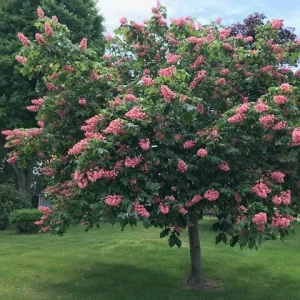
This offering includes 2 red buckeye tree bare-root plants, ready for planting to establish quickly in your garden. As bare-root specimens, they are dormant and without soil, making them easy to transport and plant. Upon maturity, the aesculus pavia plant can reach an impressive height of 20 to 40 feet, with a spread of 20 to 30 feet, forming an attractive oval shape. Its growth rate is considered medium, meaning it will add about 12-24 inches of height per year under optimal conditions. The vibrant red flowers typically appear in April and May, followed by the distinctive fruit. It’s important to note that the tree tends to lose its leaves early in the fall, usually by late September, which is a natural characteristic of this species. The provided bare-roots are ideal for planting in early spring, allowing them ample time to establish their root system before the growing season.
Frequently Asked Questions
- Q: How big does this plant get? A: The red buckeye tree bare-root can grow to a mature height of 20 to 40 feet with a spread of 20 to 30 feet, forming an attractive oval canopy. Its size can be managed with pruning if desired.
- Q: Is this an indoor or outdoor plant? A: The aesculus pavia plant is an outdoor tree, well-suited for temperate climates. It is not recommended for indoor cultivation due to its size and light requirements.
- Q: How much sunlight does it need? A: This tree thrives in full sun to partial shade, ideally receiving at least 6 hours of direct sunlight per day. In very hot climates, some afternoon shade can be beneficial.
- Q: Is this plant easy to care for? A: Yes, with proper planting and consistent watering during establishment, red buckeye care is relatively easy. It’s a hardy and adaptable native tree.
- Q: What condition will it arrive in? A: Your order will include 2 red buckeye tree bare-root plants, meaning they will arrive dormant, without soil, and ready for immediate planting upon receipt.
- Q: How long until it blooms? A: Once established, the red buckeye typically begins to bloom in April and May. The exact timing can vary slightly based on climate and specific growing conditions.
- Q: When is the best time to plant a bare-root red buckeye? A: The ideal time to plant a bare-root red buckeye is in early spring, as soon as the soil can be worked and after the last hard frost. This allows the tree to establish its root system before the heat of summer.
- Q: Will it survive winter in my zone? A: The native buckeye tree is winter hardy in USDA zones 4 through 8, making it suitable for a wide range of climates across the United States.
- Q: Why is it called a “firecracker plant tree”? A: It earns the nickname firecracker plant tree due to its vibrant, upright clusters of red flowers that resemble bursting firecrackers, creating a spectacular visual effect in spring.
- Q: Are the seeds of the red buckeye edible? A: No, the seeds of the red buckeye are poisonous and should not be consumed. This is an important aspect of red buckeye care and safety.
| Buckeye | 12-18'', 6-12" |
|---|
Related products
-10%
Original price was: $23.99.$21.59Current price is: $21.59.

PLANTING & CARE
Growing Glencoe Raspberry: A Complete Guide for Gardeners
If you’re looking to add something unique to your garden, look no further than the
31
Mar
Mar

The Comprehensive Guide to Growing Bay Leaf Plants for a Flavorful Garden
Imagine stepping into your garden, greeted by the earthy aroma of fresh bay leaves, their
09
Feb
Feb

How to Make Comfrey Tea: The Ultimate Organic Plant Food
Growing an organic garden can be surprisingly expensive, especially when most store-bought fertilizers come in
02
Feb
Feb

True Comfrey: 7 Essential Tips Before You Plant This Herb
A staple in permaculture practices across the US, True Comfrey easily earns its reputation as
27
Jan
Jan

7 Heart-Shaped Plants for a Lasting Valentine’s Gift
If you’ve ever bought a bouquet of roses for Valentine’s Day, you know they are
26
Jan
Jan

Best Types of Ivy Plant for Houses: How to Choose the Perfect Ones for Your Home
Are you a garden lover looking to introduce some greenery into your home? Maybe you’ve
14
Nov
Nov

When to Harvest Garlic (Especially Fall-Planted Garlic)
TIMING IS EVERYTHING, they say – and for garlic, that truth hits with surprising accuracy.
13
Nov
Nov

11 of the Best Sweet Potato Varieties to Grow for Your Garden
If you’ve ever tried growing sweet potatoes, you know that picking the right variety can
12
Nov
Nov