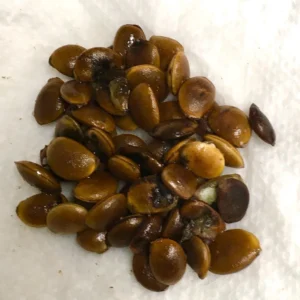
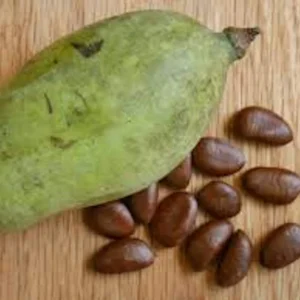
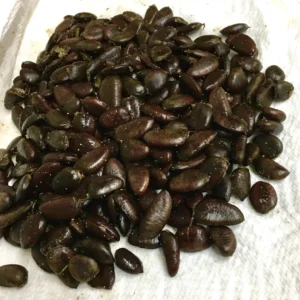
20 Pawpaw Tree Seeds – Organic Asimina triloba Heirloom Fruit Tree Seeds, Stratified
-20%
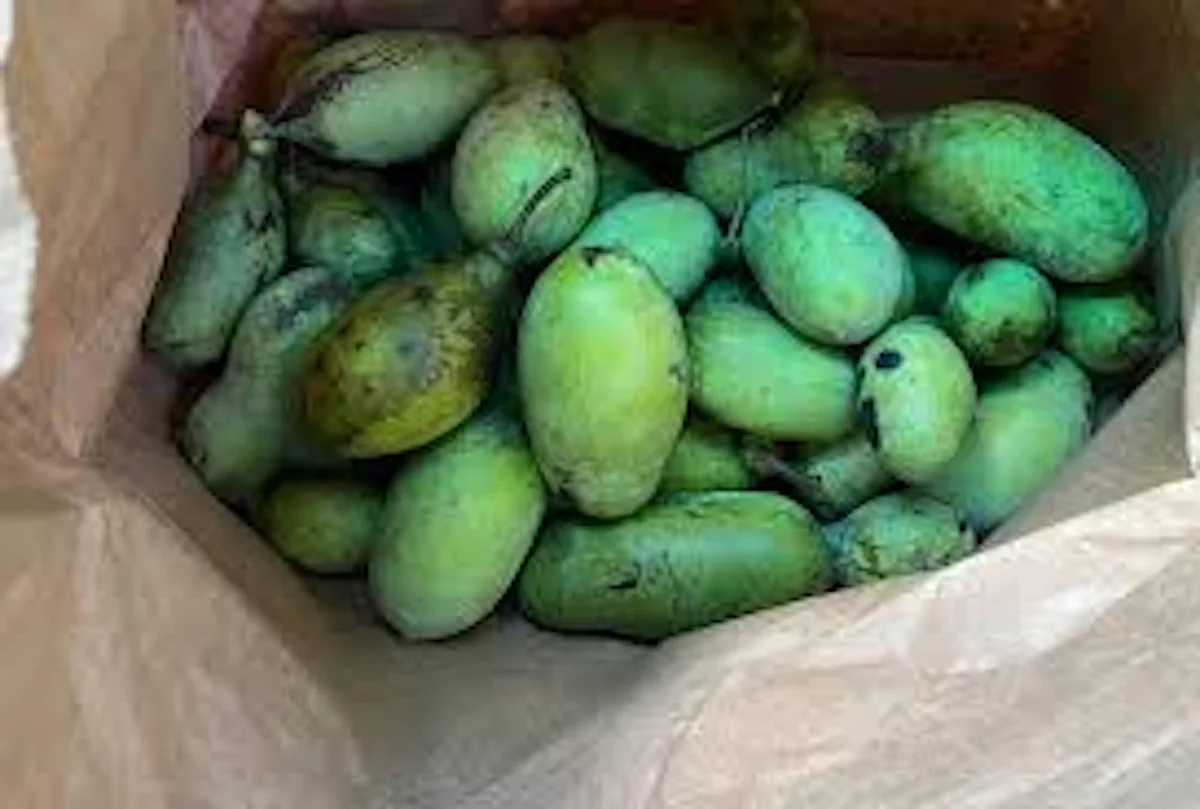
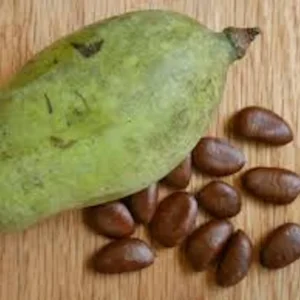
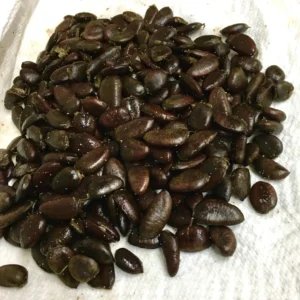
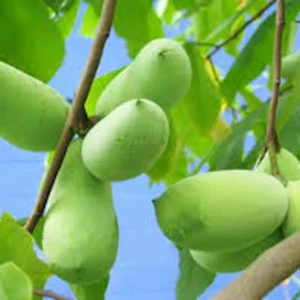
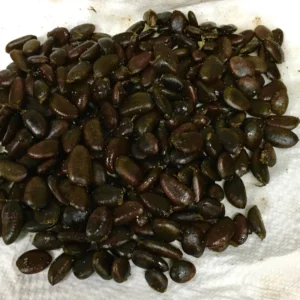
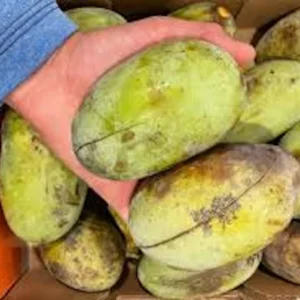
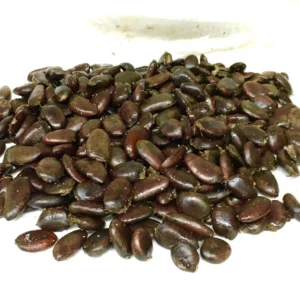
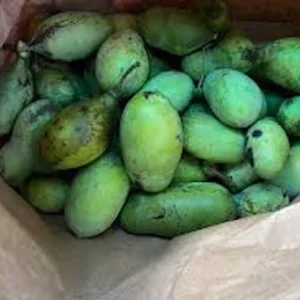
20 Pawpaw Tree Seeds – Organic Asimina triloba Heirloom Fruit Tree Seeds, Stratified
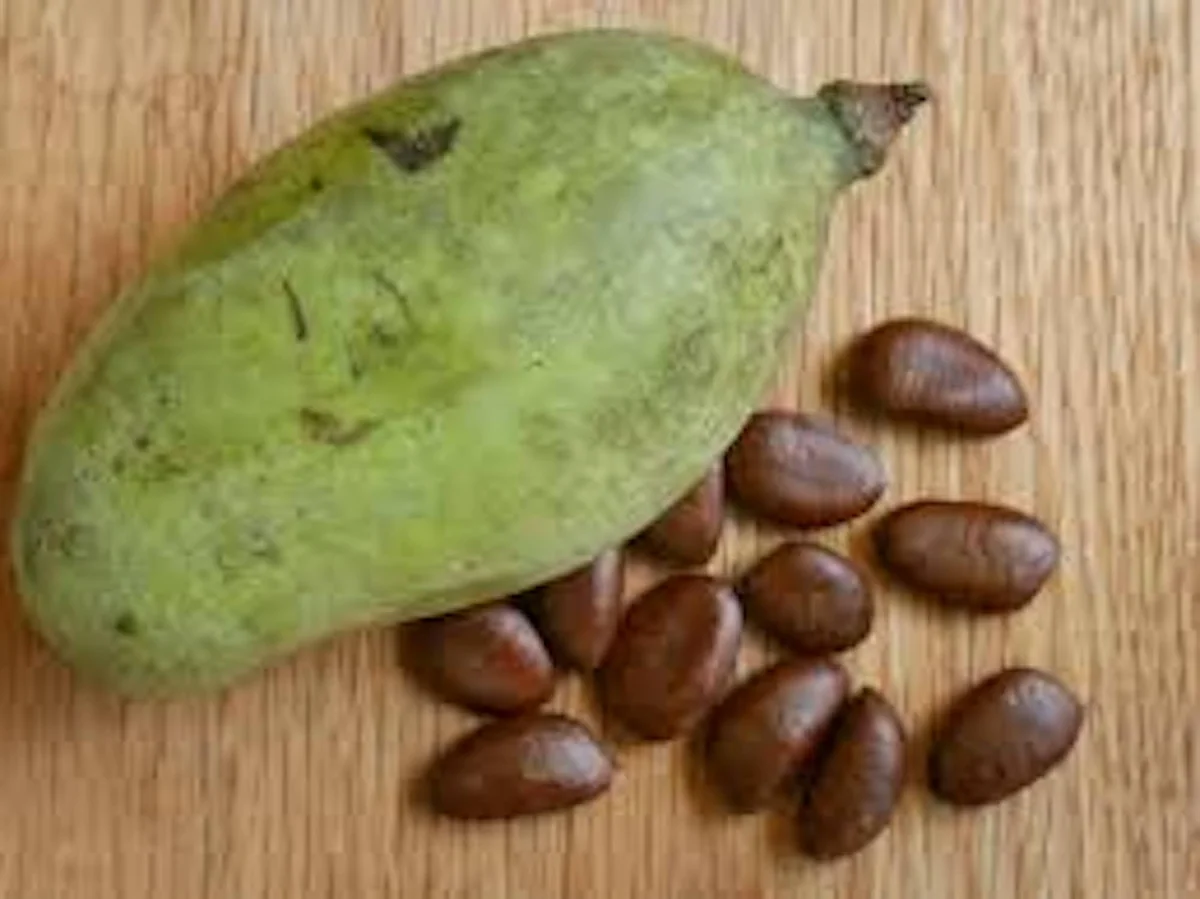
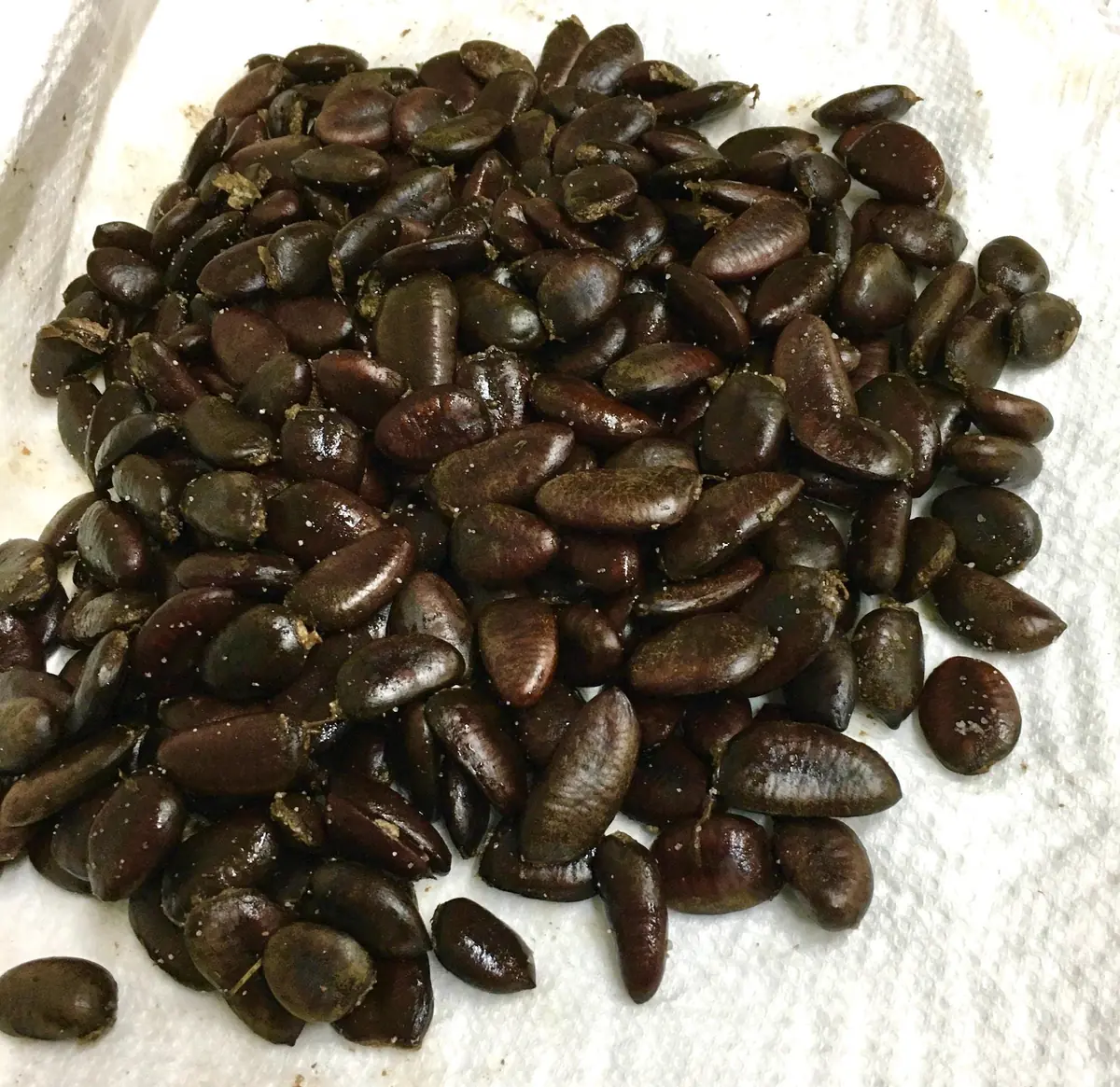
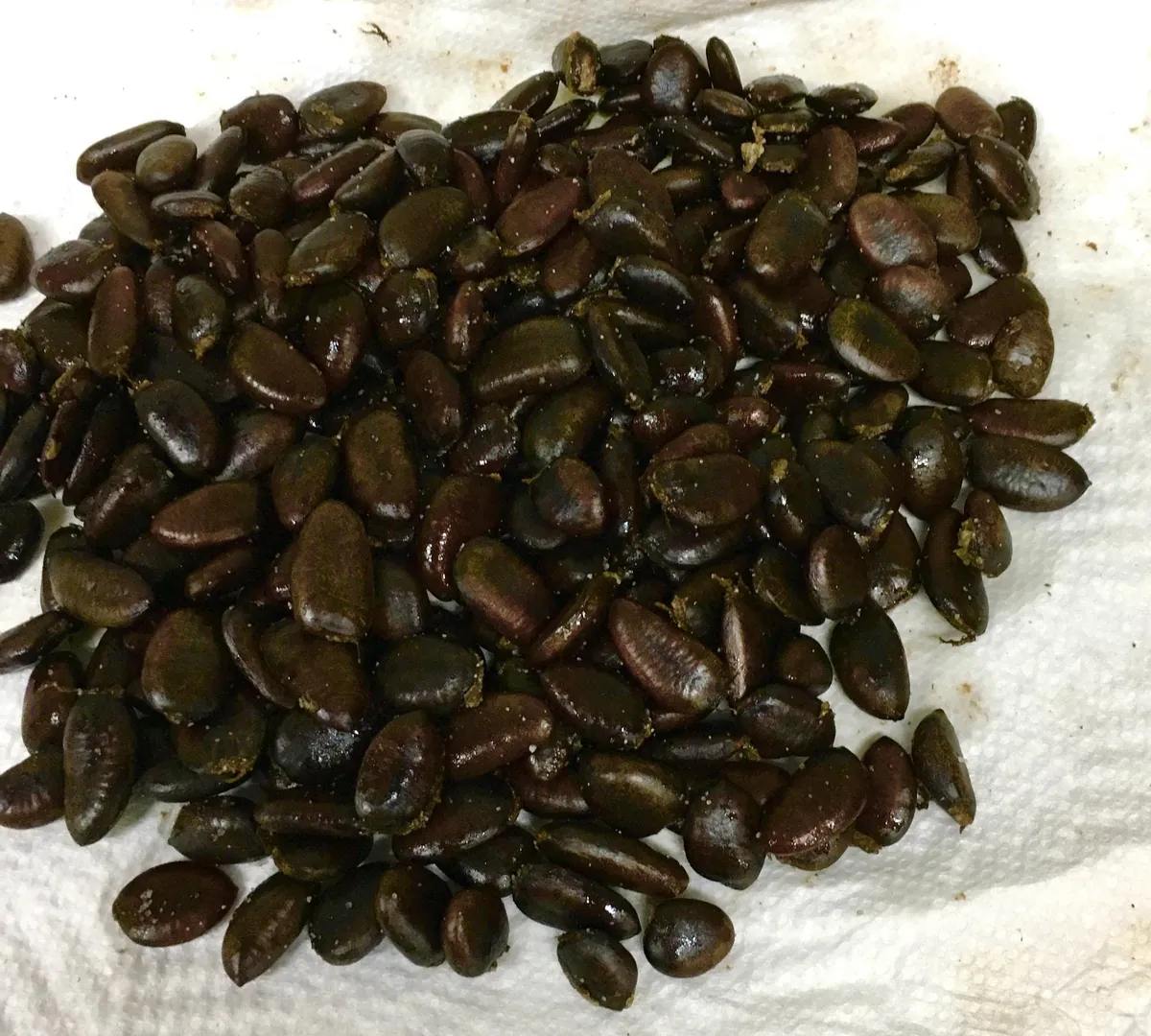
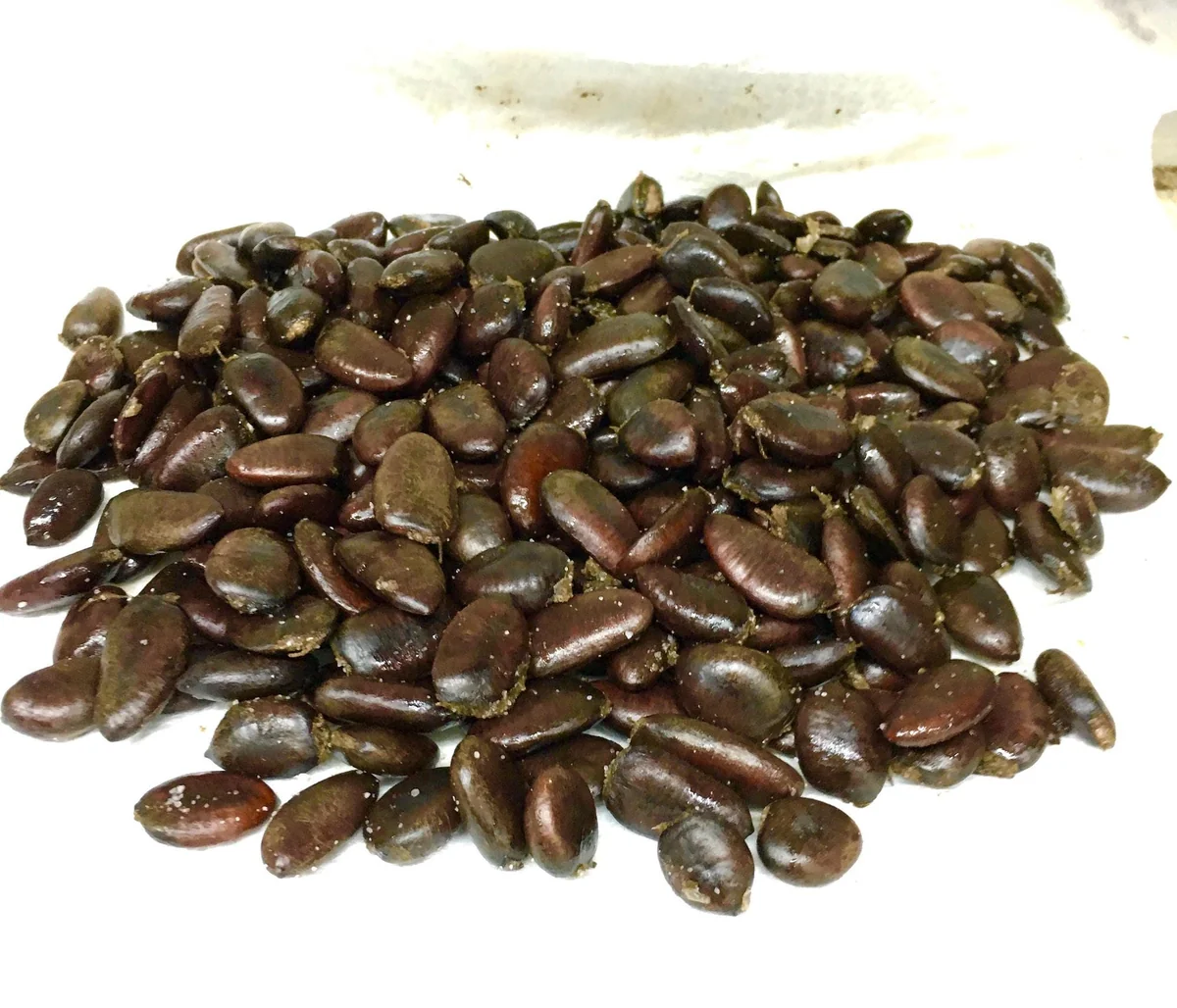
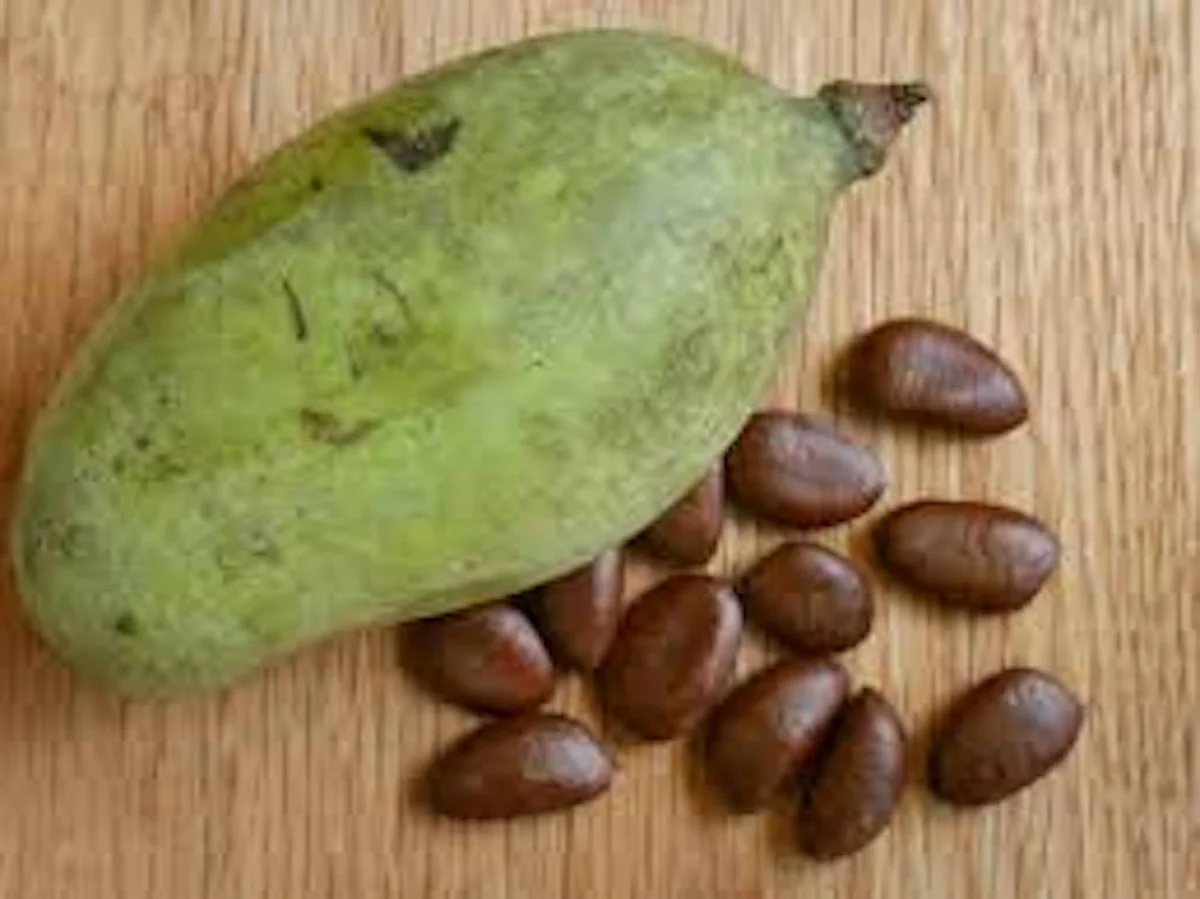
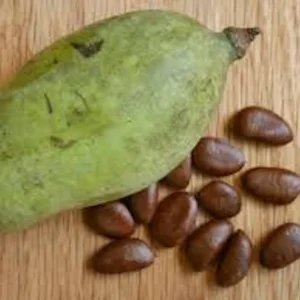
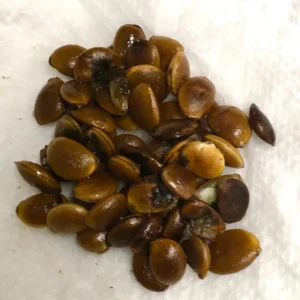
Start your own orchard with 20 Pawpaw tree seeds (Asimina triloba). These organic pawpaw seeds are sourced from heirloom varieties, offering the unique, tropical flavor of North America’s largest native fruit. Stratified and ready for planting, they’re perfect for both beginners and experienced gardeners looking to grow native fruit tree seeds.
Original price was: $38.00.$30.40Current price is: $30.40.

With our Alive & Thrive Guarantee, we’ve got your back for the first 30 days! If you have any concerns about your plants, just reach out to us. Our team is here to help answer your questions and guide you in selecting the best plants for your garden, climate, and unique preferences. We're excited to help you create the garden of your dreams!
Estimated arrival
Apr 14
Apr 19 - Apr 21
Apr 24 - Apr 28
Product Details
-
USDA Hardiness Zone
USDA Zones 5-8 -
Soil type
Well-draining, fertile, loamy soil rich in organic matter -
Sunlight Exposure
Partial shade for young trees, full sun for mature trees -
Expected Planting Period
Late winter to early spring
Overview
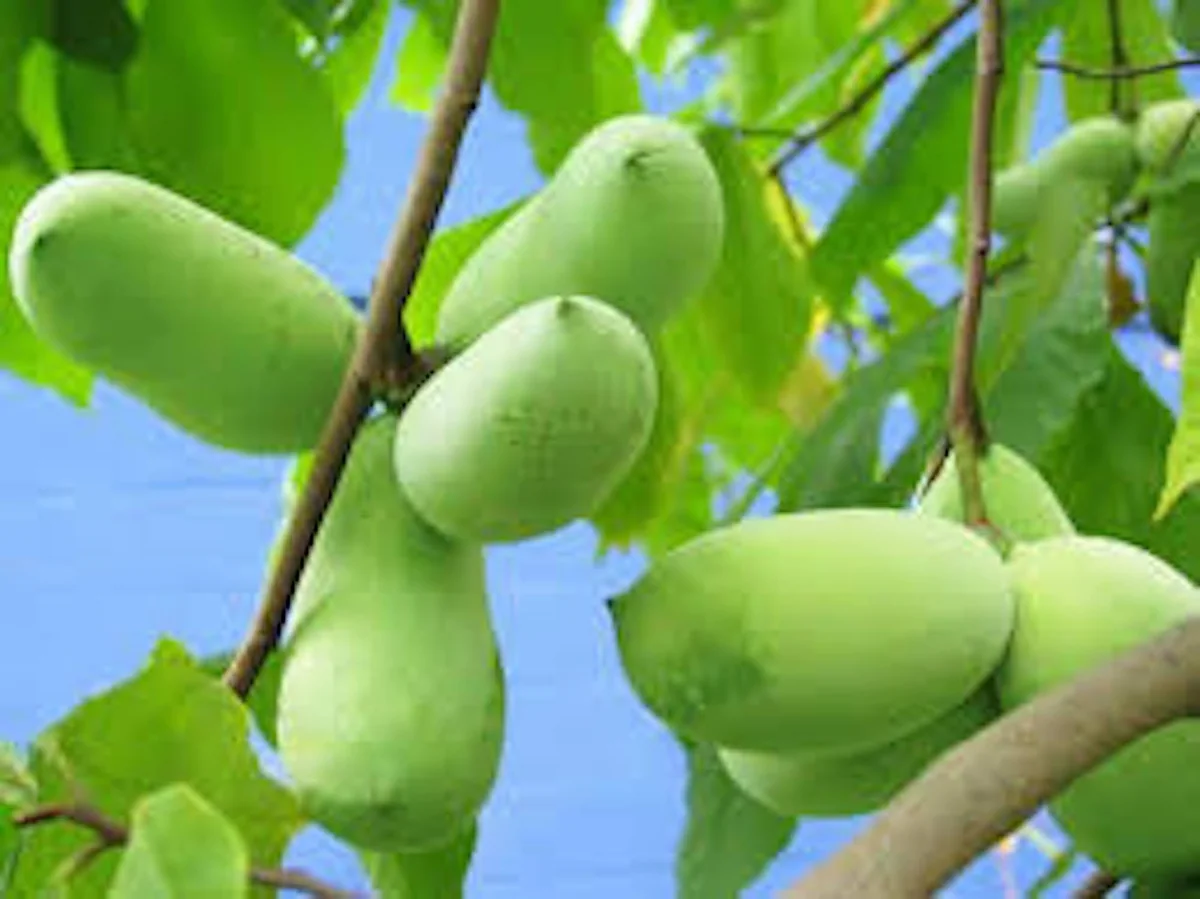
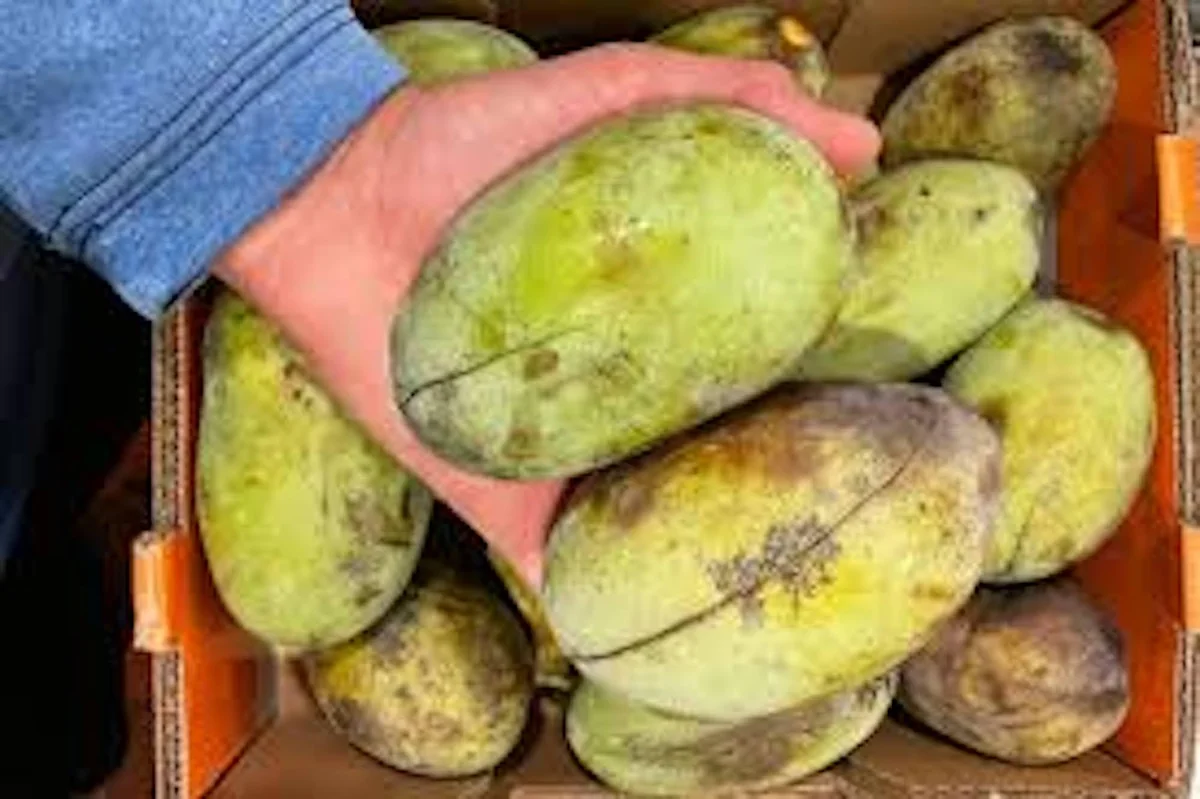
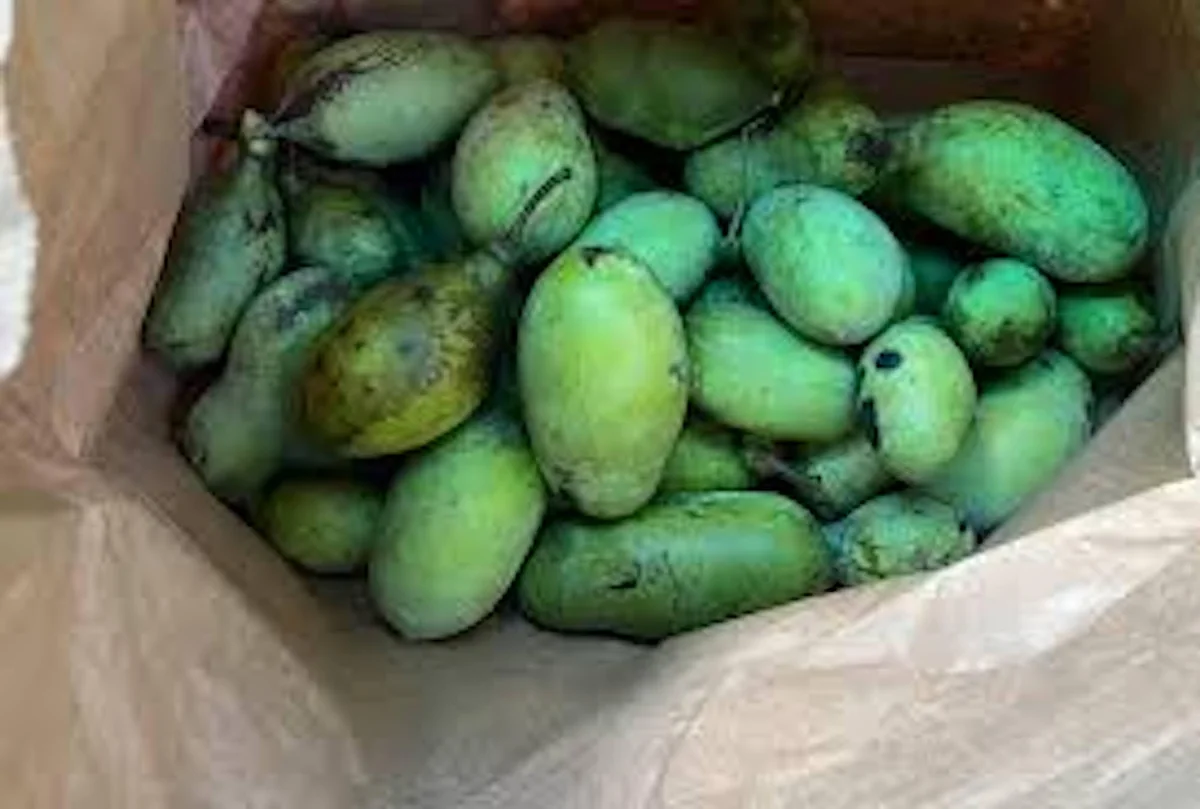
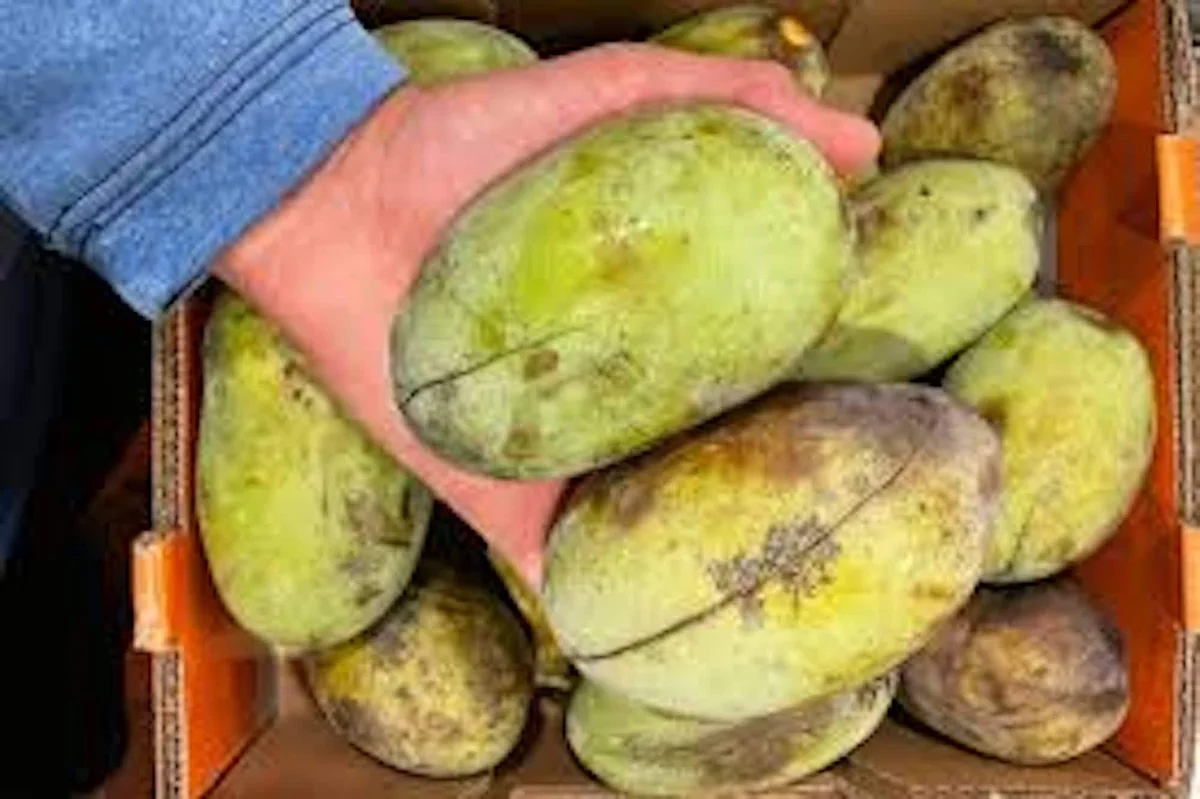
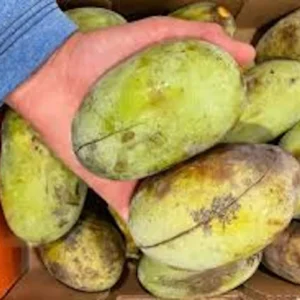
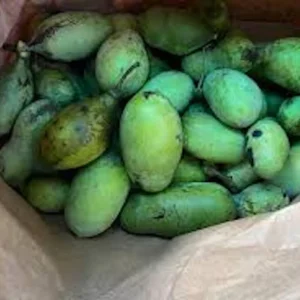
Embark on a rewarding gardening journey with these high-quality Pawpaw tree seeds. Each packet contains 20 viable, stratified Asimina triloba seeds, ready to be nurtured into thriving fruit trees. The Pawpaw, often referred to as the ‘Custard Apple of the North,’ is North America’s largest native fruit, offering a unique and delicious flavor profile reminiscent of banana, mango, and melon. Growing your own Pawpaw trees from these heirloom pawpaw seeds allows you to cultivate a piece of natural heritage in your own backyard, providing both ornamental beauty and a bounty of nutritious fruit. These organic pawpaw seeds are an excellent choice for anyone interested in sustainable gardening and enjoying homegrown, exotic flavors.
The Asimina triloba is a deciduous tree known for its attractive foliage and purplish-brown flowers, adding an aesthetic appeal to any landscape. Beyond their beauty, Pawpaw trees are relatively low-maintenance once established, making them a fantastic addition for gardeners of all skill levels. With these native fruit tree seeds, you’re not just planting a tree; you’re cultivating a connection to nature and a source of incredible, nutrient-rich fruit that is often hard to find commercially.
Key Benefits
Planting these Pawpaw tree seeds offers a multitude of advantages for your garden and your palate. Experience the joy of growing a truly unique fruit while enhancing your garden’s ecosystem.
- Exotic Flavor Profile: Enjoy the rich, creamy, and tropical taste of Pawpaw fruit, a delightful blend of banana, mango, and pineapple flavors not typically found in grocery stores.
- North American Native: Cultivate the largest native fruit of North America, contributing to local biodiversity and supporting native wildlife. These native fruit tree seeds are perfect for ecological gardening.
- Nutrient-Rich Fruit: Pawpaws are packed with vitamins, minerals, and antioxidants, offering a healthy and delicious addition to your diet.
- Pollinator Haven: The unique flowers of the Asimina triloba attract native pollinators, such as carrion flies and beetles, promoting a healthy garden ecosystem.
- Heirloom Quality: Our heirloom pawpaw seeds ensure genetic purity and robust growth, providing you with strong, disease-resistant trees.
- Organic Sourcing: These organic pawpaw seeds are grown without synthetic pesticides or fertilizers, guaranteeing a natural start for your garden.
- Easy to Grow: With proper stratification and care, these seeds are suitable for both novice and experienced gardeners, adapting well to various growing conditions.
Plant Care & Growing Tips
Cultivating Pawpaw tree seeds requires a bit of patience and specific care to ensure successful germination and growth. Pawpaws thrive in temperate climates and prefer a site with protection from strong winds, especially when young. For optimal fruit production, planting at least two genetically different trees is recommended for cross-pollination. Ensure your site has well-drained, fertile soil, rich in organic matter. While young Pawpaw trees prefer partial shade, mature trees require full sun for best fruiting.
After planting your stratified Asimina triloba seeds, keep the soil consistently moist but not waterlogged. Deep watering is crucial, particularly during dry spells and the tree’s first few years. Mulching around the base of the tree helps retain soil moisture, regulate temperature, and suppress weeds. Pawpaw trees are hardy in USDA Zones 5-8. Fertilize annually in early spring with a balanced organic fertilizer, being careful not to over-fertilize young trees. Pruning should be minimal, focusing on removing dead or diseased branches and maintaining a strong central leader. Watch out for pests like pawpaw peduncle borers and manage them organically. Growing native fruit tree seeds like these is a rewarding experience, leading to delicious harvests in a few years.
Size & Details
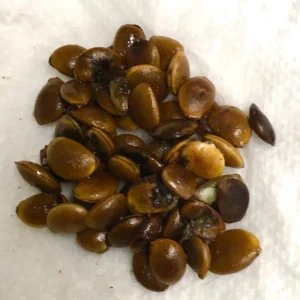
This offering includes 20 viable Pawpaw tree seeds (Asimina triloba), which have been properly stratified to encourage germination. Pawpaw trees typically grow to a height of 15-20 feet at maturity, with a spread of 10-15 feet, forming an attractive conical to rounded shape. They are shipped as bare seeds, ready for planting according to the provided instructions. While germination can take several months, once established, these trees have a moderate growth rate. Expect your first fruit harvest within 3-5 years after planting, depending on growing conditions and care. These organic pawpaw seeds promise a future of delicious, home-grown fruit.
Frequently Asked Questions
- Q: How many Pawpaw tree seeds are included? A: This package contains 20 high-quality Pawpaw tree seeds (Asimina triloba), carefully selected for viability and ready for your planting efforts.
- Q: Are these seeds already stratified? A: Yes, the Asimina triloba seeds included in this packet have already undergone the necessary stratification process, preparing them for germination.
- Q: What is the best time to plant these native fruit tree seeds? A: The best time to plant stratified Pawpaw seeds is in late winter or early spring, after the last frost, to allow them to sprout as temperatures rise.
- Q: How much sun do Pawpaw trees need? A: Young Pawpaw trees prefer partial shade for their first year or two, while mature trees thrive and produce the most fruit in full sun (at least 6-8 hours daily).
- Q: How long does it take for Pawpaw seeds to germinate? A: Germination can be slow and sporadic, often taking 2-3 months, but sometimes longer. Patience is key when growing from heirloom pawpaw seeds.
- Q: What kind of soil is best for Pawpaw trees? A: Pawpaws prefer deep, fertile, well-draining soil with a slightly acidic to neutral pH (5.5-7.0). Amending with organic matter is highly beneficial.
- Q: Do I need more than one tree to get fruit? A: Yes, Pawpaw trees are not reliably self-pollinating. For good fruit production, it’s best to plant at least two genetically different trees to ensure cross-pollination.
- Q: Are these organic pawpaw seeds? A: Yes, these are organic pawpaw seeds, sourced from plants grown without synthetic pesticides, herbicides, or fertilizers.
- Q: What USDA hardiness zones are suitable for Pawpaw trees? A: Pawpaw trees are generally hardy in USDA Zones 5 through 8, making them suitable for a wide range of climates across the United States.
- Q: Can Pawpaw trees be grown in containers? A: While possible for young trees, Pawpaws develop a deep taproot and are best grown directly in the ground for long-term health and fruit production.
Related products
-15%
From Original price was: $20.00.$17.00Current price is: $17.00.
-20%
Original price was: $30.00.$24.00Current price is: $24.00.
-50%

Original price was: $19.96.$9.98Current price is: $9.98.
-50%
Original price was: $75.96.$37.98Current price is: $37.98.
-20%
Original price was: $40.00.$32.00Current price is: $32.00.
-50%

Original price was: $19.16.$9.58Current price is: $9.58.
-20%
Original price was: $18.00.$14.40Current price is: $14.40.
-50%

Original price was: $51.80.$25.90Current price is: $25.90.
PLANTING & CARE

Growing Glencoe Raspberry: A Complete Guide for Gardeners
If you’re looking to add something unique to your garden, look no further than the
31
Mar
Mar

The Comprehensive Guide to Growing Bay Leaf Plants for a Flavorful Garden
Imagine stepping into your garden, greeted by the earthy aroma of fresh bay leaves, their
09
Feb
Feb

How to Make Comfrey Tea: The Ultimate Organic Plant Food
Growing an organic garden can be surprisingly expensive, especially when most store-bought fertilizers come in
02
Feb
Feb

True Comfrey: 7 Essential Tips Before You Plant This Herb
A staple in permaculture practices across the US, True Comfrey easily earns its reputation as
27
Jan
Jan

7 Heart-Shaped Plants for a Lasting Valentine’s Gift
If you’ve ever bought a bouquet of roses for Valentine’s Day, you know they are
26
Jan
Jan

Best Types of Ivy Plant for Houses: How to Choose the Perfect Ones for Your Home
Are you a garden lover looking to introduce some greenery into your home? Maybe you’ve
14
Nov
Nov

When to Harvest Garlic (Especially Fall-Planted Garlic)
TIMING IS EVERYTHING, they say – and for garlic, that truth hits with surprising accuracy.
13
Nov
Nov

11 of the Best Sweet Potato Varieties to Grow for Your Garden
If you’ve ever tried growing sweet potatoes, you know that picking the right variety can
12
Nov
Nov