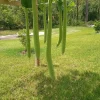
20 Snake Gourd Seeds – Lagenaria siceraria Bottle Gourd Seeds for Gardening
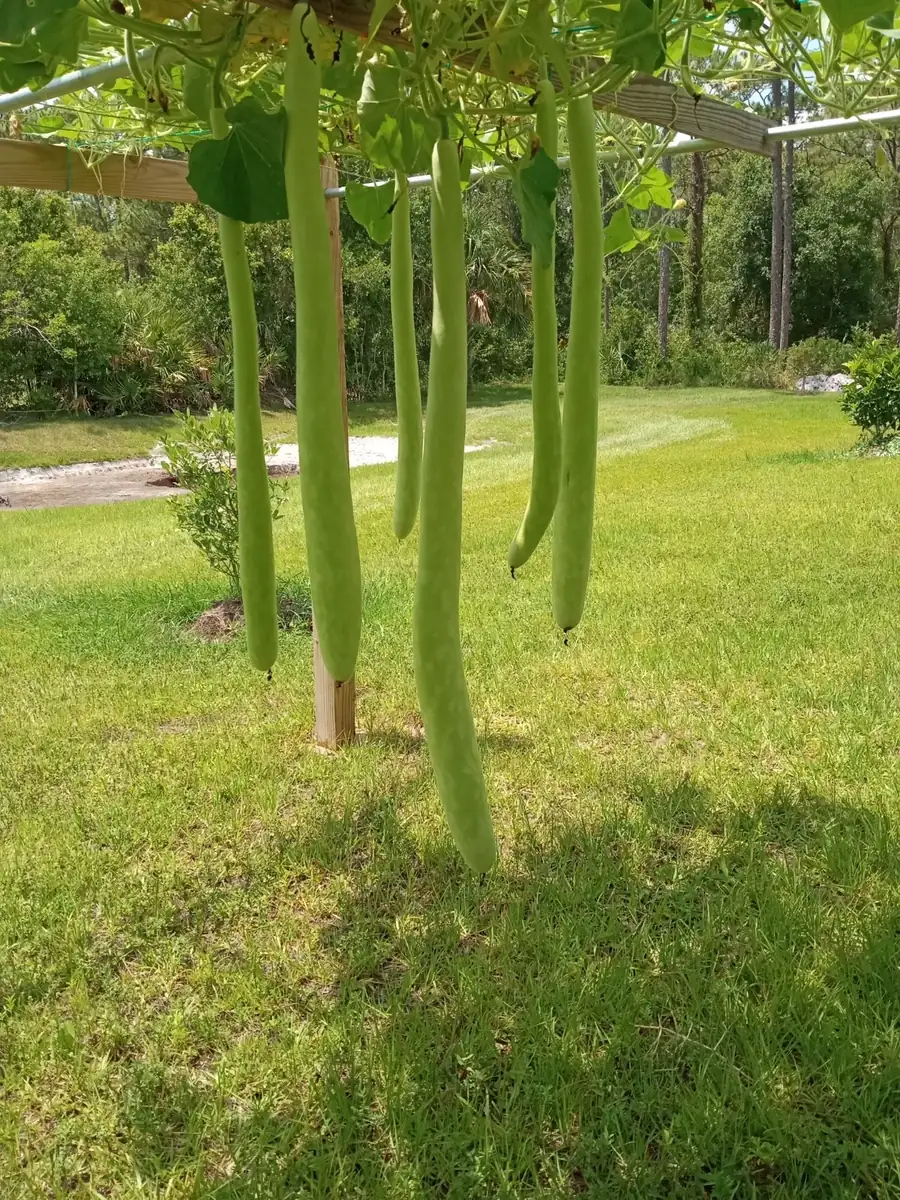
20 Snake Gourd Seeds – Lagenaria siceraria Bottle Gourd Seeds for Gardening
Cultivate unique and versatile gourds with this pack of 20 Snake Gourd seeds. These organic gourd seeds (Lagenaria siceraria), also known as bottle gourd seeds, are non-GMO and ideal for outdoor vegetable gardens. Enjoy fresh produce or ornamental growth from these easy-to-grow seeds.
$11.50

With our Alive & Thrive Guarantee, we’ve got your back for the first 30 days! If you have any concerns about your plants, just reach out to us. Our team is here to help answer your questions and guide you in selecting the best plants for your garden, climate, and unique preferences. We're excited to help you create the garden of your dreams!
Estimated arrival
Mar 31
Apr 05 - Apr 07
Apr 10 - Apr 14




Product Details
-
USDA Hardiness Zone
10 (30 to 40 °F) -
Soil type
Loam, Peat, Sand (well-draining) -
Sunlight Exposure
Full Sun, Partial Shade -
Expected Planting Period
Spring, Summer
Overview
Embark on a rewarding gardening journey with our premium pack of 20 Snake Gourd seeds. These high-quality, organic, and non-GMO seeds will allow you to cultivate the distinctive Lagenaria siceraria, commonly known as Snake Gourd or Bottle Gourd. Originating from tropical and subtropical regions, the Snake Gourd is cherished for its long, slender, and often coiled fruits, which can be harvested when young for culinary use as a vegetable or left to mature for decorative purposes. These vigorous climbers add an exotic touch to any garden, producing abundant yields that are both delicious and visually striking. Whether you’re an experienced gardener or just starting, these lagenaria siceraria seeds offer a unique and satisfying growing experience.
Key Benefits
Growing your own Snake Gourd from these seeds offers a multitude of benefits, from fresh, healthy produce to an engaging gardening project. These organic gourd seeds are specifically selected for their quality and potential to thrive, bringing numerous advantages to your home garden.
- Unique Vegetable & Ornamental Plant: Enjoy the dual benefit of harvesting tender gourds for cooking or allowing them to mature into fascinating, elongated ornamental shapes.
- High Yield Potential: With proper care, these seeds can produce an abundance of gourds throughout the growing season, ensuring a continuous supply.
- Organic & Non-GMO: Rest assured you are planting pure, natural seeds free from genetic modification, promoting healthy and sustainable gardening practices.
- Vigorous Growth: Snake Gourd plants are fast-growing climbers, quickly covering trellises, fences, or arbors, providing shade and visual interest.
- Nutrient-Rich Produce: Young snake gourds are a healthy addition to your diet, rich in vitamins, minerals, and dietary fiber, perfect for various culinary dishes.
- Adaptable to Various Climates: While preferring warm conditions, these gourds can adapt to sub-tropical and tropical climates, thriving outdoors in appropriate USDA zones.
- Easy to Grow: Suitable for gardeners of all experience levels, these seeds are relatively simple to plant and maintain, making growing snake gourd an accessible hobby.
Plant Care & Growing Tips
Successful cultivation of your snake gourd seeds begins with understanding their specific needs. These plants thrive in warm conditions, making them ideal for spring and summer planting. Ensure your garden has a long growing season to allow the gourds to fully mature. For optimal germination, soak the seeds in warm water for 24 hours before planting. Sow seeds directly into the garden after all danger of frost has passed, or start them indoors 3-4 weeks prior to the last frost date.
Snake gourds require a location with full sun (at least 6-8 hours of direct sunlight daily) for the best fruit production. They prefer well-draining soil rich in organic matter, with a neutral pH. A mix of loam, peat, and sand is ideal. Consistent watering is crucial, especially during flowering and fruiting. Keep the soil consistently moist but not waterlogged. As vigorous climbers, these plants will require a sturdy trellis, arbor, or fence for support. Providing vertical support not only saves space but also helps produce straighter, more attractive gourds. Fertilize every 2-3 weeks with a balanced, all-purpose fertilizer once the plants start to vine. Watch out for common pests like aphids and squash bugs, and treat them with organic pest control methods if necessary. With proper care, your lagenaria siceraria seeds will flourish, leading to a bountiful harvest.
Size & Details
This product includes 20 Snake Gourd seeds, providing ample opportunity to establish a productive patch in your garden. Each seed holds the potential to grow into a robust vine, typically reaching lengths of 10-15 feet or more, depending on growing conditions and support. The gourds themselves can vary significantly in size, with culinary varieties often harvested when 12-24 inches long, while mature ornamental gourds can exceed 3 feet in length. These seeds are from the current season, ensuring high viability and germination rates. Grown as an annual, the plant will complete its life cycle within one season, producing fruit from summer into fall. Expect the first harvest approximately 60-90 days after planting, depending on climate and variety. These bottle gourd seeds are an excellent choice for a productive and visually appealing garden.
Frequently Asked Questions
- Q: How big do Snake Gourd plants get? A: Snake Gourd vines are vigorous climbers that can easily reach lengths of 10 to 15 feet or more. Providing a strong trellis or support structure is essential for their growth and to encourage straight gourd development.
- Q: Is this an indoor or outdoor plant? A: These snake gourd seeds are best suited for outdoor cultivation. They thrive in warm climates and require ample space and sunlight to produce fruit effectively.
- Q: How much sunlight does it need? A: Snake Gourd plants require at least 6-8 hours of direct sunlight per day, making a full sun location ideal for optimal growth and fruit production.
- Q: Is this plant easy to care for? A: Yes, growing snake gourd is relatively easy for gardeners of all levels. They require consistent watering, plenty of sunlight, and a good support structure, but are generally low-maintenance once established.
- Q: What condition will the seeds arrive in? A: You will receive 20 Snake Gourd seeds that are organic, non-GMO, and from the current season, ensuring high quality and viability for planting.
- Q: When is the best time to plant these seeds? A: The best time to plant lagenaria siceraria seeds is in the spring or early summer, after all danger of frost has passed and soil temperatures have warmed up.
- Q: Will Snake Gourd survive winter in my zone? A: Snake Gourd is typically grown as an annual in most climates and will not survive winter frosts. It thrives in USDA Hardiness Zone 10 and above as an outdoor plant.
- Q: What’s the minimum temperature for growing Snake Gourd? A: Snake Gourds prefer warm temperatures, ideally between 70-90°F (21-32°C). They are sensitive to cold and frost, so ensure temperatures are consistently warm before planting.
Related products
-50%
Original price was: $51.96.$25.98Current price is: $25.98.
-48%

Original price was: $28.99.$14.99Current price is: $14.99.
-48%

Original price was: $28.99.$14.99Current price is: $14.99.
-50%
Original price was: $15.96.$7.98Current price is: $7.98.
-50%


Original price was: $15.00.$7.50Current price is: $7.50.
-48%
Original price was: $28.99.$14.99Current price is: $14.99.
-50%
Original price was: $17.00.$8.50Current price is: $8.50.
-48%
Original price was: $28.99.$14.99Current price is: $14.99.
PLANTING & CARE

Growing Glencoe Raspberry: A Complete Guide for Gardeners
If you’re looking to add something unique to your garden, look no further than the
31
Mar
Mar

The Comprehensive Guide to Growing Bay Leaf Plants for a Flavorful Garden
Imagine stepping into your garden, greeted by the earthy aroma of fresh bay leaves, their
09
Feb
Feb

How to Make Comfrey Tea: The Ultimate Organic Plant Food
Growing an organic garden can be surprisingly expensive, especially when most store-bought fertilizers come in
02
Feb
Feb

True Comfrey: 7 Essential Tips Before You Plant This Herb
A staple in permaculture practices across the US, True Comfrey easily earns its reputation as
27
Jan
Jan

7 Heart-Shaped Plants for a Lasting Valentine’s Gift
If you’ve ever bought a bouquet of roses for Valentine’s Day, you know they are
26
Jan
Jan

Best Types of Ivy Plant for Houses: How to Choose the Perfect Ones for Your Home
Are you a garden lover looking to introduce some greenery into your home? Maybe you’ve
14
Nov
Nov

When to Harvest Garlic (Especially Fall-Planted Garlic)
TIMING IS EVERYTHING, they say – and for garlic, that truth hits with surprising accuracy.
13
Nov
Nov

11 of the Best Sweet Potato Varieties to Grow for Your Garden
If you’ve ever tried growing sweet potatoes, you know that picking the right variety can
12
Nov
Nov