25+ Black Purple Coleus Seeds – Bold Foliage Plant – Easy-to-Grow
-50%














25+ Black Purple Coleus Seeds – Bold Foliage Plant – Easy-to-Grow
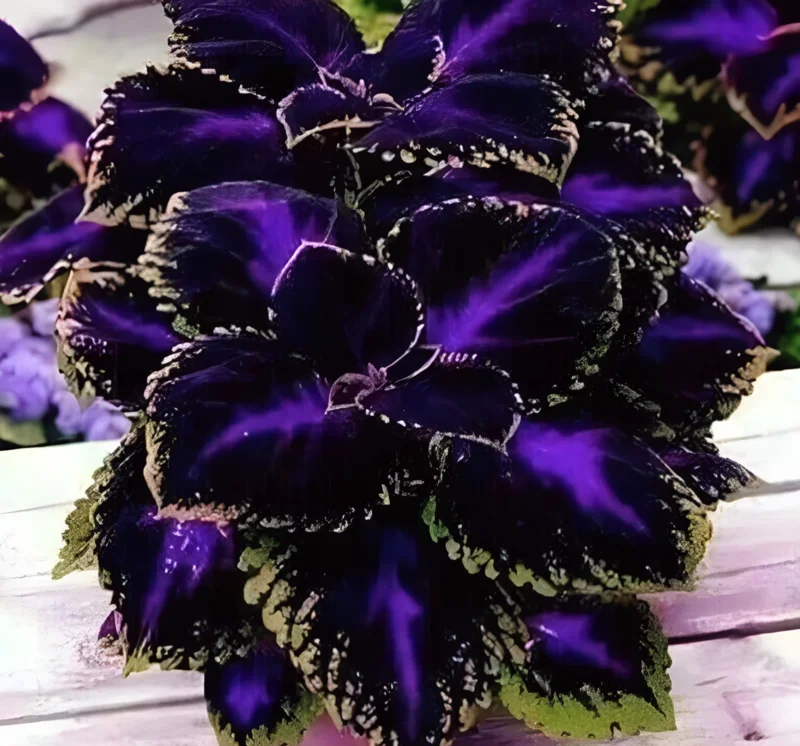
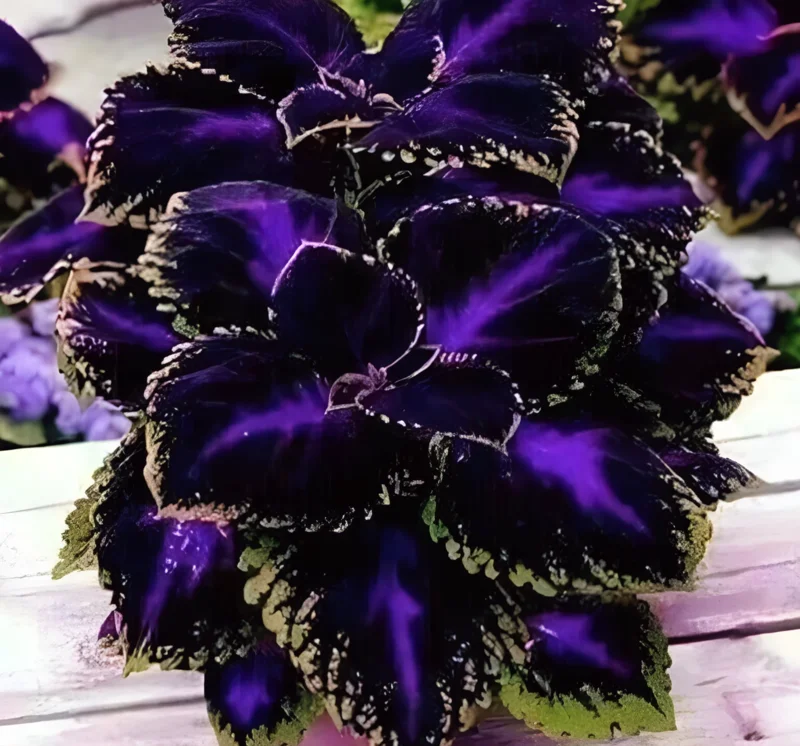
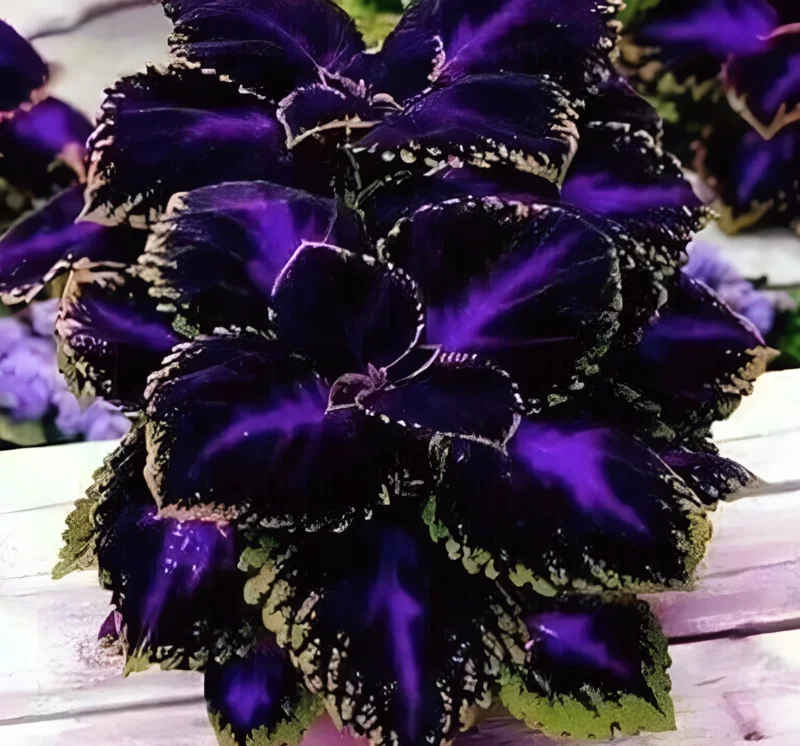
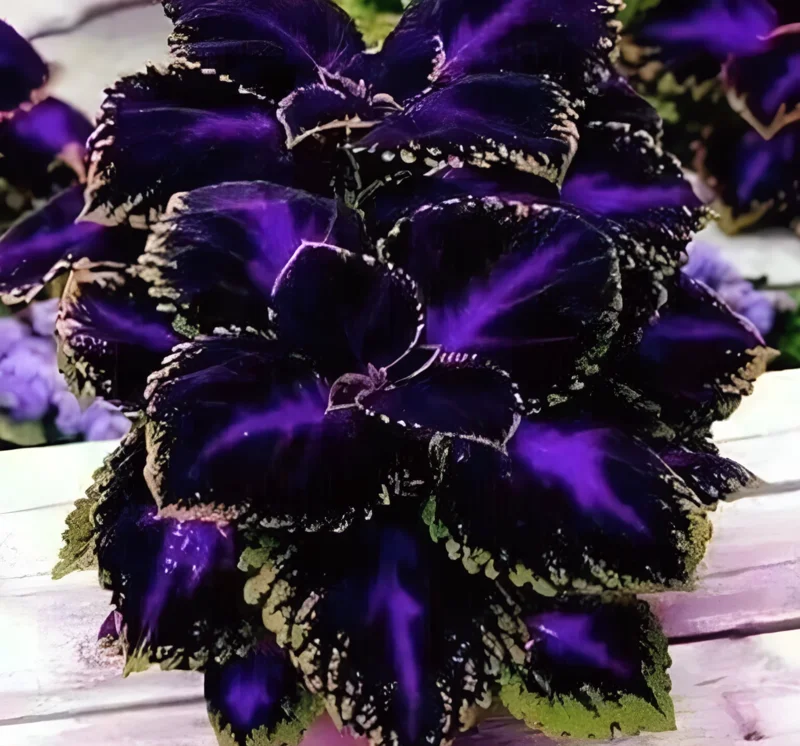
Cultivate stunning garden displays with 25+ Black Purple Coleus Seeds. These bold foliage plant seeds are easy-to-grow coleus, offering vibrant, ornamental leaves perfect for containers or garden beds, thriving in various climates.
Original price was: $15.44.$7.72Current price is: $7.72.

With our Alive & Thrive Guarantee, we’ve got your back for the first 30 days! If you have any concerns about your plants, just reach out to us. Our team is here to help answer your questions and guide you in selecting the best plants for your garden, climate, and unique preferences. We're excited to help you create the garden of your dreams!
Estimated arrival
Apr 04
Apr 09 - Apr 11
Apr 14 - Apr 18





Product Details
-
USDA Hardiness Zone
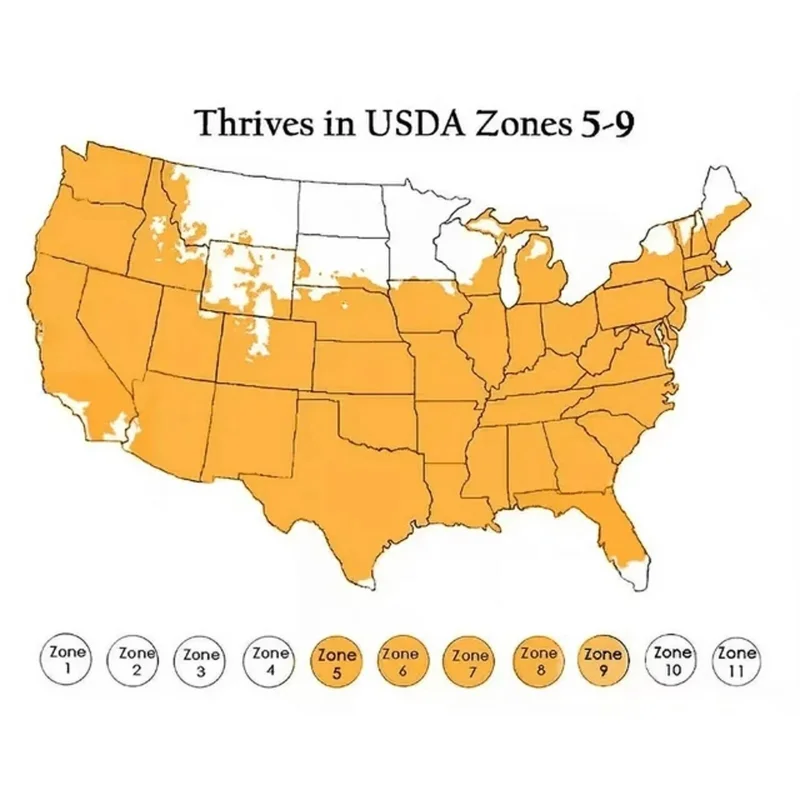
USDA Zones 10-11 (as perennial), all other zones (as annual) -
Soil type
Well-draining, rich potting mix -
Sunlight Exposure
Partial shade to full shade -
Expected Planting Period
Spring to early summer
Overview
Transform your garden into a vibrant showcase with these exceptional black purple coleus seeds. Each packet contains 25+ high-quality seeds, promising a dramatic display of rich, dark foliage. Coleus, scientifically known as Plectranthus scutellarioides (formerly Solenostemon scutellarioides), is celebrated for its incredibly diverse and colorful leaves, making it a favorite among gardeners. This particular variety offers deep purples and blacks, providing a striking contrast to other plants in your landscape. Whether you’re an experienced horticulturist or just starting, these easy-to-grow coleus seeds are an excellent choice for adding a touch of bold, exotic beauty to any outdoor space or even indoor arrangements. They are primarily grown for their foliage, which remains attractive throughout the growing season, offering continuous visual interest without relying on blooms.
These black purple coleus seeds are perfect for creating stunning visual impact in garden beds, borders, and containers. Their unique coloration allows for creative planting combinations, enhancing both modern and traditional garden designs. The plants develop into bushy, well-branched specimens, providing a lush and full appearance. With proper care, you can expect a vigorous growth habit and a continuous show of their captivating leaves. Embrace the joy of growing your own ornamental plants from seed and watch as these magnificent coleus varieties bring life and color to your surroundings.
Key Benefits
Growing black purple coleus seeds offers numerous advantages for any gardener looking to add drama and interest to their plant collection. These benefits extend from their aesthetic appeal to their ease of cultivation, making them a rewarding choice.
- Dramatic Foliage: The primary benefit of these coleus seeds is the incredibly bold and rich black and purple foliage they produce. This striking color combination creates a focal point in any garden or container, providing a sophisticated and unique aesthetic that stands out from traditional green plants.
- Easy Cultivation: These are truly easy-to-grow coleus seeds, making them suitable for gardeners of all skill levels. With basic attention to light, water, and soil, these plants will thrive, rewarding you with lush growth and vibrant color.
- Versatile Use: Perfect for a variety of settings, these plants can be used in garden beds, borders, window boxes, hanging baskets, and as indoor houseplants. Their adaptability allows for creative landscaping and decorative possibilities.
- Season-Long Interest: Unlike many flowering plants that have a limited bloom period, coleus provides continuous visual interest through its foliage from spring until the first frost. This ensures a consistently attractive display in your garden.
- Shade Tolerance: While some varieties prefer more sun, many coleus, including this bold foliage plant, thrive in partial to full shade, making them ideal for brightening up darker areas of your garden where other colorful plants might struggle.
- Low Maintenance: Once established, these coleus plants require minimal care. Regular watering and occasional feeding are usually sufficient to keep them looking their best, allowing you more time to enjoy your garden.
- Ornamental Value: Beyond their striking color, the texture and patterns on coleus leaves add significant ornamental value. These plants are excellent for creating textural contrast and depth in mixed plantings, making them a truly desirable ornamental plant seeds option.
Plant Care & Growing Tips
To ensure your black purple coleus seeds germinate successfully and grow into magnificent plants, follow these essential care and growing tips. Coleus plants are generally forgiving, but providing optimal conditions will lead to the most vibrant foliage.
Sunlight Requirements: While coleus can tolerate some direct sun, especially in cooler climates, this bold foliage plant generally prefers partial shade to full shade. Too much direct, intense sunlight can scorch the delicate leaves, causing them to fade or develop brown edges. In warmer climates, protecting them from the harsh afternoon sun is crucial. Aim for locations that receive morning sun and afternoon shade, or dappled light throughout the day. If growing indoors, place them near a window with bright, indirect light, or use grow lights to supplement.
Watering Schedule and Soil Moisture: Coleus plants prefer consistently moist, but not waterlogged, soil. Water thoroughly when the top inch of soil feels dry to the touch. During hot, dry periods, you may need to water daily, especially if they are in containers, as pots tend to dry out faster. Ensure good drainage to prevent root rot, which is a common issue for overwatered plants. Reduce watering in cooler months or if growing indoors during winter. The soil should never be allowed to dry out completely for extended periods, as this can lead to wilting and leaf drop.
Soil Type and Drainage: A well-draining, rich potting mix is ideal for coleus. For garden planting, amend heavy clay soils with organic matter like compost or peat moss to improve drainage and aeration. A slightly acidic to neutral pH (6.0-7.0) is preferred. Good drainage is paramount; stagnant water will quickly lead to problems. If planting in containers, use a high-quality all-purpose potting mix that includes perlite or vermiculite to enhance drainage. These ornamental plant seeds will thrive in a healthy soil environment.
Temperature Range and USDA Hardiness Zone: Coleus are tender tropical plants, meaning they are typically grown as annuals in most temperate climates. They thrive in warm temperatures, ideally between 65-80°F (18-27°C). They are not frost-tolerant and will suffer damage or die if exposed to freezing temperatures. In USDA Hardiness Zones 10-11, they can be grown as perennials. If you live in a colder zone, you can bring potted coleus indoors before the first frost to overwinter them as houseplants. This makes them a versatile choice for many gardeners, including those looking for an easy-to-grow coleus indoors.
Fertilization Schedule: Feed your coleus every 2-4 weeks during the growing season (spring and summer) with a balanced liquid fertilizer diluted to half strength. For garden plants, a slow-release granular fertilizer applied once at the beginning of the season can also be effective. Avoid over-fertilizing, as this can lead to leggy growth and reduced foliage color intensity. Reduce or stop fertilization during fall and winter when the plant’s growth naturally slows down.
Common Problems and Solutions: Watch out for common pests like aphids, mealybugs, and spider mites. Treat infestations with insecticidal soap or neem oil. Leggy growth can occur if the plant isn’t getting enough light or if it’s time for pruning. Pinching back the growing tips will encourage bushier growth and prevent flowering, which can diminish foliage vibrancy. If the leaves are fading, it might be receiving too much direct sun; move it to a shadier spot. Yellowing leaves can indicate overwatering or nutrient deficiency, so check your watering habits and fertilization schedule. Proper care will ensure your coleus garden planting is a success.
Size & Details
Each packet contains 25+ Black Purple Coleus Seeds, providing ample opportunity to cultivate a stunning collection of these unique plants. When mature, coleus typically grows to a height of 1-3 feet (30-90 cm) and spreads similarly, forming a dense, bushy mound of foliage. The exact size can vary depending on growing conditions, climate, and pruning habits. These plants have a moderate to fast growth rate, quickly filling out containers or garden spaces to create a lush display. The seeds are suitable for starting indoors 6-8 weeks before the last frost or directly sowing outdoors once all danger of frost has passed and soil temperatures have warmed.
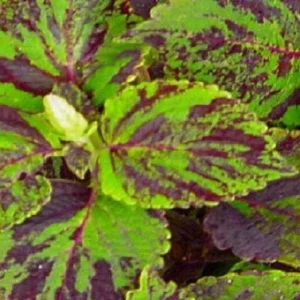
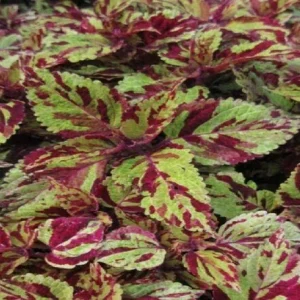
The seeds are shipped in a protective packet, ensuring their viability upon arrival. Expect germination within 7-14 days under optimal conditions (consistent warmth and moisture). This particular variety is cherished for its deep, almost black leaves with rich purple undertones, making it a standout bold foliage plant. It’s an excellent choice for adding depth and contrast to mixed beds, containers, or as a striking standalone specimen. Enjoy the process of nurturing these beautiful ornamental plant seeds from tiny beginnings to magnificent mature plants.
Frequently Asked Questions
- Q: How big does this bold foliage plant get? A: Black Purple Coleus typically grows to a height of 1 to 3 feet and can spread equally wide, forming a bushy, full plant. Its size can be influenced by growing conditions and whether it’s grown in a container or in the ground.
- Q: Is this an indoor or outdoor plant? A: While coleus is often grown as an annual outdoors in most climates, these black purple coleus seeds can also be started and grown indoors as houseplants, especially in regions with cold winters. They thrive in warm conditions, making them versatile for both settings.
- Q: How much sunlight does easy-to-grow coleus need? A: Coleus generally prefers partial to full shade. Too much direct sun, especially in hot climates, can cause the beautiful black and purple foliage to fade or scorch. Morning sun with afternoon shade is ideal.
- Q: What condition will the seeds arrive in? A: The black purple coleus seeds will arrive in a protective seed packet, ensuring they are fresh and viable for planting. They are carefully packaged to maintain their quality during transit.
- Q: When is the best time for coleus garden planting? A: For outdoor planting, sow seeds after the last frost date when soil temperatures are consistently warm. For an earlier start, you can begin seeds indoors 6-8 weeks before the last expected frost.
- Q: Is this plant easy to care for? A: Yes, coleus is widely considered an easy-to-grow coleus. It requires consistent moisture, proper light, and occasional feeding to maintain its vibrant foliage, making it suitable for beginner gardeners.
- Q: Will it survive winter in my zone? A: Coleus is a tender tropical plant and is not frost-tolerant. It will survive winter outdoors only in USDA Hardiness Zones 10-11 as a perennial. In colder zones, it is typically grown as an annual or brought indoors to overwinter.
- Q: Can these ornamental plant seeds be grown in containers? A: Absolutely! Coleus is an excellent choice for containers, hanging baskets, and window boxes. Growing them in pots allows for easy relocation to adjust for light conditions or to bring them indoors for winter protection.
- Q: How often should I water my coleus? A: Coleus prefers consistently moist soil. Water thoroughly when the top inch of soil feels dry to the touch. Avoid letting the soil dry out completely or become waterlogged.
- Q: Do I need to fertilize coleus? A: Yes, feed your coleus every 2-4 weeks during the active growing season (spring and summer) with a balanced liquid fertilizer diluted to half strength to encourage lush foliage growth.
Related products
-50%
Original price was: $23.96.$11.98Current price is: $11.98.
-50%

Original price was: $23.96.$11.98Current price is: $11.98.
-50%
Original price was: $23.96.$11.98Current price is: $11.98.
-50%

Original price was: $7.98.$3.98Current price is: $3.98.
-50%


Original price was: $19.16.$9.58Current price is: $9.58.
-15%

From Original price was: $28.00.$23.80Current price is: $23.80.
-15%
From Original price was: $16.00.$13.60Current price is: $13.60.
-50%
From Original price was: $55.60.$27.80Current price is: $27.80.
PLANTING & CARE
Growing Glencoe Raspberry: A Complete Guide for Gardeners
If you’re looking to add something unique to your garden, look no further than the
31
Mar
Mar

The Comprehensive Guide to Growing Bay Leaf Plants for a Flavorful Garden
Imagine stepping into your garden, greeted by the earthy aroma of fresh bay leaves, their
09
Feb
Feb

How to Make Comfrey Tea: The Ultimate Organic Plant Food
Growing an organic garden can be surprisingly expensive, especially when most store-bought fertilizers come in
02
Feb
Feb

True Comfrey: 7 Essential Tips Before You Plant This Herb
A staple in permaculture practices across the US, True Comfrey easily earns its reputation as
27
Jan
Jan

7 Heart-Shaped Plants for a Lasting Valentine’s Gift
If you’ve ever bought a bouquet of roses for Valentine’s Day, you know they are
26
Jan
Jan

Best Types of Ivy Plant for Houses: How to Choose the Perfect Ones for Your Home
Are you a garden lover looking to introduce some greenery into your home? Maybe you’ve
14
Nov
Nov

When to Harvest Garlic (Especially Fall-Planted Garlic)
TIMING IS EVERYTHING, they say – and for garlic, that truth hits with surprising accuracy.
13
Nov
Nov

11 of the Best Sweet Potato Varieties to Grow for Your Garden
If you’ve ever tried growing sweet potatoes, you know that picking the right variety can
12
Nov
Nov