25 Purple Asparagus Roots – Heirloom Vegetable Bare Root Plant for Garden Growing – USDA Zones 3-8
-50%
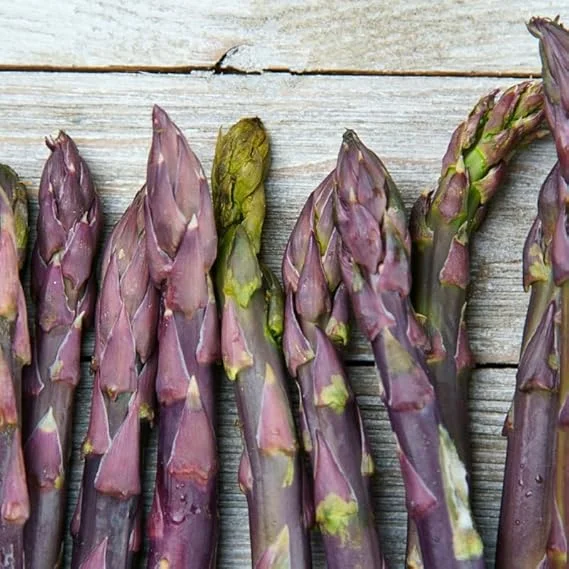
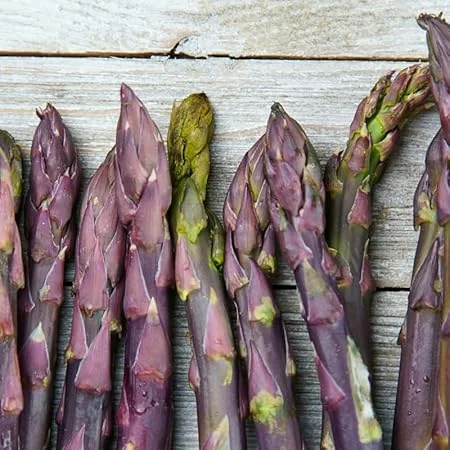
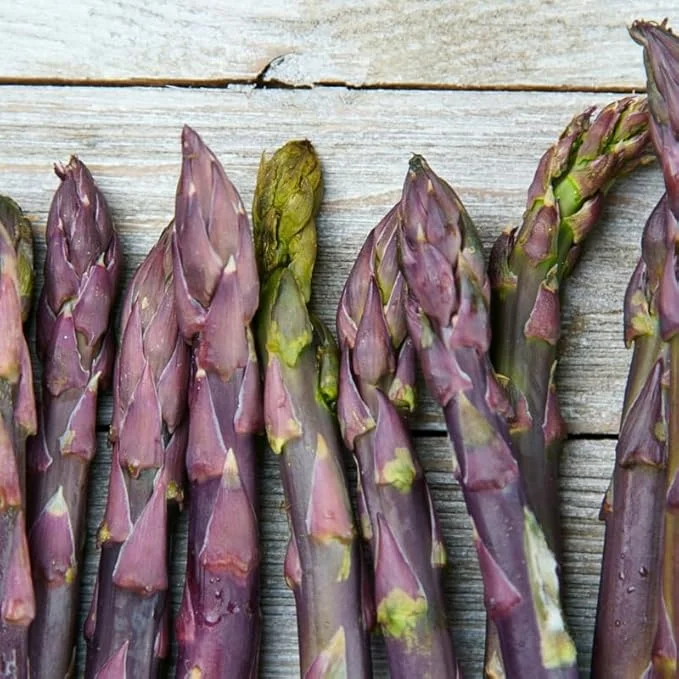
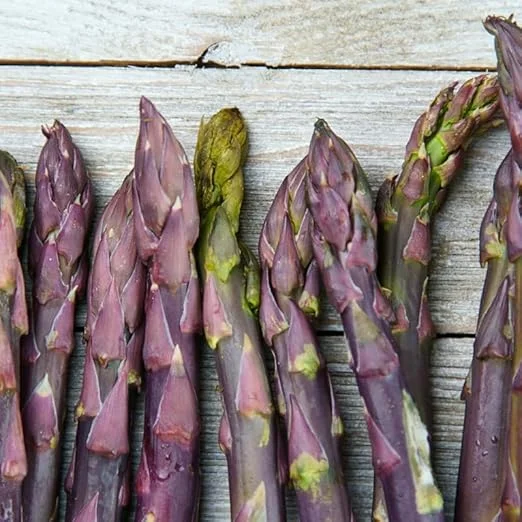
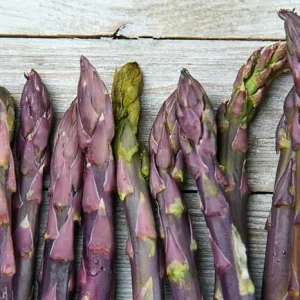
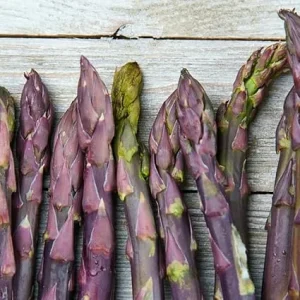
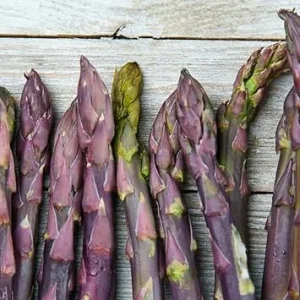
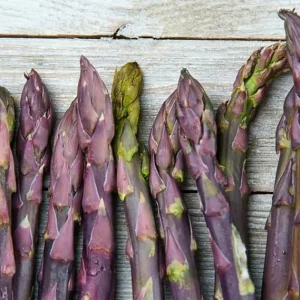
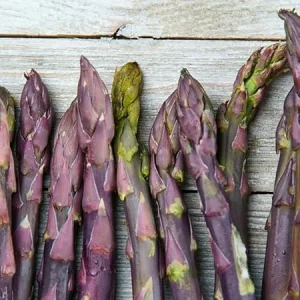
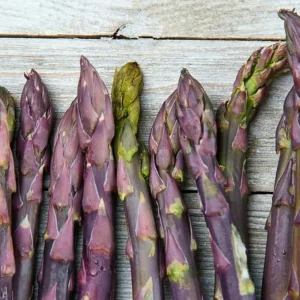
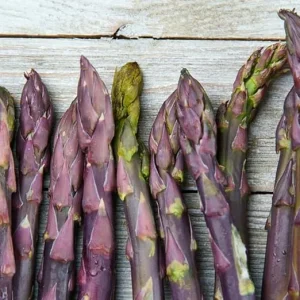
25 Purple Asparagus Roots – Heirloom Vegetable Bare Root Plant for Garden Growing – USDA Zones 3-8
Start your own gourmet garden with this pack of 25 purple asparagus roots. This heirloom variety produces tender, sweet spears perfect for fresh eating or cooking. Ideal for outdoor garden growing, these bare roots are ready to plant and thrive in USDA Zones 3-8. Enjoy a bountiful harvest year after year!
Original price was: $155.96.$77.98Current price is: $77.98.

With our Alive & Thrive Guarantee, we’ve got your back for the first 30 days! If you have any concerns about your plants, just reach out to us. Our team is here to help answer your questions and guide you in selecting the best plants for your garden, climate, and unique preferences. We're excited to help you create the garden of your dreams!
Estimated arrival
Mar 31
Apr 05 - Apr 07
Apr 10 - Apr 14
Product Details
-
USDA Hardiness Zone
USDA zones 3–8 -
Soil type
Well-drained soil -
Sunlight Exposure
Full Sun -
Expected Planting Period
Early Spring
Overview
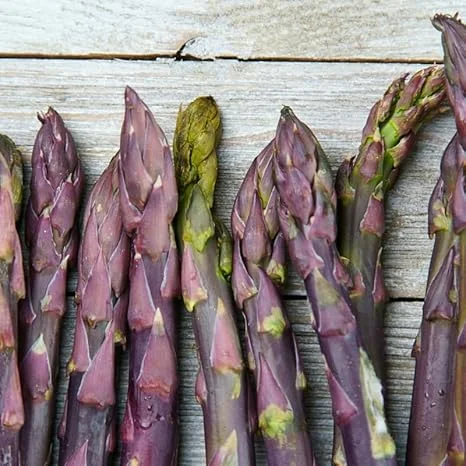
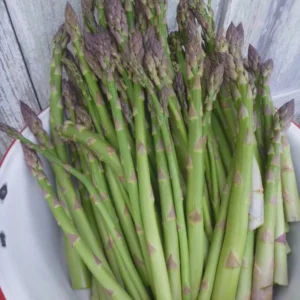
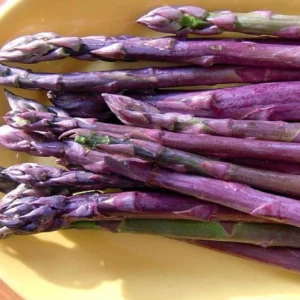
Transform your garden into a culinary haven with our premium pack of 25 purple asparagus roots. These aren’t just any asparagus; they are a unique heirloom variety known for their exceptionally tender, sweet, and mild flavor, often enjoyed raw or lightly cooked. Unlike their green counterparts, heirloom asparagus offers a beautiful purple hue, adding a touch of elegance to your plate. Asparagus is a perennial vegetable, meaning with proper care, these bare roots will provide a delicious harvest for 15-20 years or even longer. Planting asparagus is a rewarding experience, and this pack provides a robust start for a productive patch. Whether you’re a seasoned gardener or just starting, these purple asparagus roots are an excellent choice for a long-term, high-yield vegetable.
Our bare root asparagus comes ready for planting, making the establishment process straightforward and efficient. This particular variety is well-suited for a wide range of climates, thriving in USDA hardiness zones 3-8. The vibrant color and superior taste make it a favorite among home gardeners and chefs alike. Prepare to enjoy fresh, homegrown asparagus right from your backyard, knowing you’ve planted a high-quality, long-lasting crop. This is a fantastic opportunity to cultivate a gourmet vegetable that truly stands out.
Key Benefits
Beyond their unique color and flavor, purple asparagus roots offer numerous advantages for the home gardener and the dinner table. Here are some of the key benefits you’ll enjoy:
-
Exceptional Flavor and Tenderness: This heirloom variety produces spears that are notably sweeter and more tender than green asparagus, often enjoyed without peeling. Their mild flavor makes them versatile for various culinary applications.
-
Long-Term Harvest: As a perennial vegetable, once established, your asparagus patch can produce delicious spears for 15-20 years or more, offering a continuous supply of fresh produce with minimal annual effort.
-
High Nutritional Value: Asparagus is rich in vitamins A, C, E, and K, as well as folate, potassium, and antioxidants, contributing to a healthy diet.
-
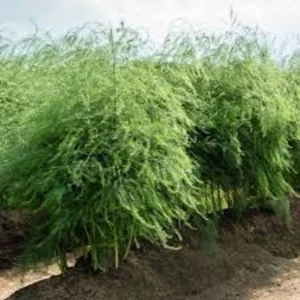
Beautiful Garden Addition: The vibrant purple spears add an attractive and unique element to your vegetable garden, making it both productive and aesthetically pleasing. The fern-like foliage in summer is also quite ornamental.
-
Easy to Grow from Bare Roots: Planting bare root asparagus is a simple and effective way to start your patch. These roots are robust and designed to establish quickly when given the right conditions.
-
Versatile Culinary Use: Enjoy them roasted, grilled, steamed, sautéed, or even raw in salads. The sweet flavor of heirloom asparagus pairs well with many dishes.
Plant Care & Growing Tips
Successful growing purple asparagus begins with proper planting and ongoing care. Asparagus thrives in full sun, requiring at least 6-8 hours of direct sunlight daily to produce strong, healthy spears. Choose a location in your garden that receives ample sun and has well-draining soil. Asparagus prefers a soil pH between 6.5 and 7.0. Amend heavy clay soils with organic matter like compost to improve drainage and fertility. Before planting, prepare a trench about 6-8 inches deep and 12 inches wide. Create a mound of soil in the bottom of the trench.
When planting your 25 purple asparagus roots, spread the roots over the mound, ensuring the crown is at the peak. Space each root about 12-18 inches apart. Cover the crowns with 2-3 inches of soil, and water thoroughly. As the spears grow, gradually fill the trench with soil until it is level with the garden bed. Keep the soil consistently moist, especially during the first year of establishment. Asparagus has moderate watering needs; avoid waterlogging, which can lead to root rot. For optimal growth, fertilize annually in early spring with a balanced fertilizer or well-rotted compost. The USDA hardiness zones for this variety are 3-8, indicating its resilience across a broad range of temperatures.
Patience is key with asparagus. Do not harvest any spears in the first year after planting to allow the plants to establish a strong root system. In the second year, you can harvest lightly for 2-3 weeks. By the third year, you can enjoy a full harvest for 6-8 weeks. Watch out for common pests like asparagus beetles and diseases like rust, and address them promptly. Proper weed control is also crucial, as weeds can compete with young asparagus plants for nutrients and moisture. Following these tips will ensure a robust and productive patch of bare root asparagus for many years to come.
Size & Details
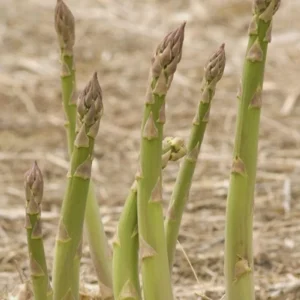
This offering includes a generous pack of 25 purple asparagus roots, providing an excellent foundation for a substantial asparagus bed. These are bare roots, meaning they are dormant and ready for planting upon arrival, ensuring a strong start for your plants. Each root is carefully selected to promote vigorous growth and a bountiful harvest. Asparagus plants, once established, can grow quite tall, with the fern-like foliage reaching 3-5 feet in height during the summer months. The spears themselves are harvested when they are 6-9 inches tall and about 1/2 inch in diameter.
The time to maturity for asparagus is typically two to three years before a full harvest can be enjoyed. The first year is dedicated to root establishment, with light harvesting possible in the second year. Full production begins in the third year and continues for decades. These heirloom asparagus roots are designed to thrive in USDA hardiness zones 3 through 8, making them suitable for a wide range of climates across the United States. Ensure you have adequate space, as a single plant can spread over time, and a patch of 25 roots will require a dedicated area in your garden for optimal growth and production.
Frequently Asked Questions
-
Q: How big does this asparagus patch get? A: A patch started with 25 purple asparagus roots can become quite extensive over time. Individual plants can spread, and their fern-like foliage can reach 3-5 feet in height during the summer. Plan for ample space for your asparagus bed to ensure healthy growth and long-term productivity.
-
Q: Is this an indoor or outdoor plant? A: This heirloom asparagus is an outdoor perennial vegetable. It requires garden beds or raised rows with full sun exposure to thrive and produce spears. It is not suitable for indoor cultivation.
-
Q: How much sunlight does it need? A: Growing purple asparagus requires at least 6-8 hours of direct full sun exposure daily. Choose a sunny spot in your garden for the best results and highest yields.
-
Q: Is this plant easy to care for? A: Asparagus is relatively easy to care for once established, but it does require patience as it takes a couple of years before a full harvest. Initial planting and proper site selection are key, and then routine watering and annual fertilization are usually sufficient.
-
Q: What condition will the purple asparagus roots arrive in? A: The bare root asparagus will arrive dormant, ready for planting. This is the ideal state for transplanting and ensures a strong start once planted in your garden.
-
Q: When is the best time to plant these bare roots? A: The best time to plant bare root asparagus is in early spring, as soon as the soil can be worked. This allows the roots to establish well before the heat of summer.
-
Q: Will these asparagus plants survive winter in my zone? A: This variety of heirloom asparagus is hardy in USDA zones 3-8. If your zone falls within this range, the plants will go dormant in winter and regrow in spring.
-
Q: What type of soil is best for growing purple asparagus? A: Asparagus prefers well-drained, sandy loam soil with a neutral to slightly alkaline pH (6.5-7.0). Amending with organic matter is highly recommended to improve soil structure and fertility.
-
Q: Can I harvest in the first year? A: It is strongly recommended not to harvest any spears in the first year after planting your purple asparagus roots. This allows the plants to develop a strong, healthy root system, which is crucial for long-term productivity.
-
Q: What makes heirloom asparagus different? A: Heirloom varieties like these purple asparagus roots are open-pollinated, often passed down through generations, and are known for their unique characteristics, superior flavor, and ability to adapt to local growing conditions.
Related products
-20%
Original price was: $36.00.$28.80Current price is: $28.80.
-20%
Original price was: $35.00.$28.00Current price is: $28.00.
-22%
Original price was: $160.99.$125.99Current price is: $125.99.
-20%

Original price was: $17.00.$13.60Current price is: $13.60.
-20%
Original price was: $60.00.$48.00Current price is: $48.00.
-20%
Original price was: $48.00.$38.40Current price is: $38.40.
-25%
Original price was: $39.99.$29.90Current price is: $29.90.
PLANTING & CARE

Growing Glencoe Raspberry: A Complete Guide for Gardeners
If you’re looking to add something unique to your garden, look no further than the
31
Mar
Mar

The Comprehensive Guide to Growing Bay Leaf Plants for a Flavorful Garden
Imagine stepping into your garden, greeted by the earthy aroma of fresh bay leaves, their
09
Feb
Feb

How to Make Comfrey Tea: The Ultimate Organic Plant Food
Growing an organic garden can be surprisingly expensive, especially when most store-bought fertilizers come in
02
Feb
Feb

True Comfrey: 7 Essential Tips Before You Plant This Herb
A staple in permaculture practices across the US, True Comfrey easily earns its reputation as
27
Jan
Jan

7 Heart-Shaped Plants for a Lasting Valentine’s Gift
If you’ve ever bought a bouquet of roses for Valentine’s Day, you know they are
26
Jan
Jan

Best Types of Ivy Plant for Houses: How to Choose the Perfect Ones for Your Home
Are you a garden lover looking to introduce some greenery into your home? Maybe you’ve
14
Nov
Nov

When to Harvest Garlic (Especially Fall-Planted Garlic)
TIMING IS EVERYTHING, they say – and for garlic, that truth hits with surprising accuracy.
13
Nov
Nov

11 of the Best Sweet Potato Varieties to Grow for Your Garden
If you’ve ever tried growing sweet potatoes, you know that picking the right variety can
12
Nov
Nov