3 Green Venus Flytrap Live Plants – Starter Carnivorous Dionaea Muscipula
3 Green Venus Flytrap Live Plants – Starter Carnivorous Dionaea Muscipula
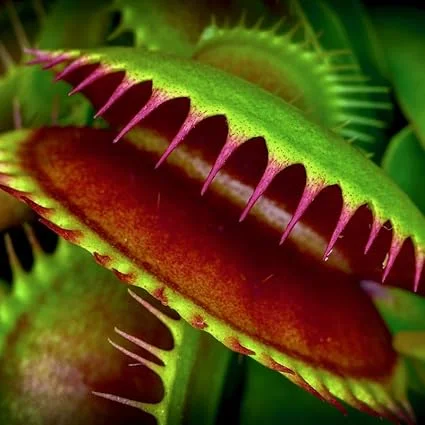
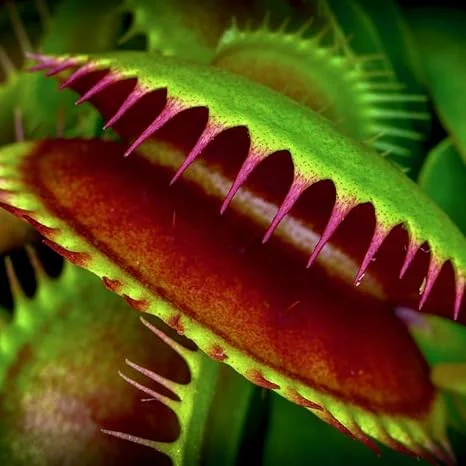
Introduce a captivating carnivorous plant to your home with this set of 3 Venus Flytrap live plants. These starter plants, scientifically known as Dionaea muscipula, are easy to grow and perfect for both indoor and outdoor environments, making them ideal for beginners and experienced growers.
$43.98

With our Alive & Thrive Guarantee, we’ve got your back for the first 30 days! If you have any concerns about your plants, just reach out to us. Our team is here to help answer your questions and guide you in selecting the best plants for your garden, climate, and unique preferences. We're excited to help you create the garden of your dreams!
Estimated arrival
Mar 31
Apr 05 - Apr 07
Apr 10 - Apr 14
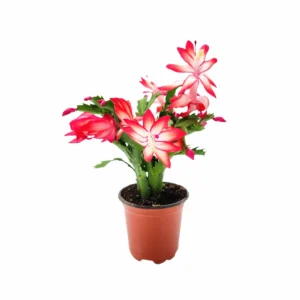
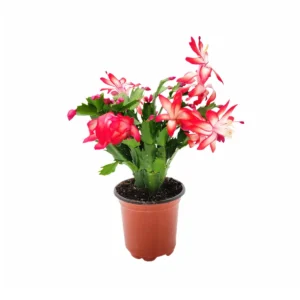
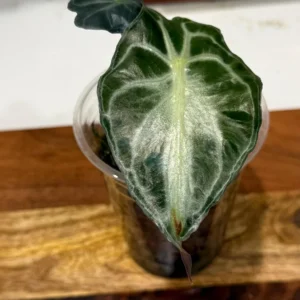
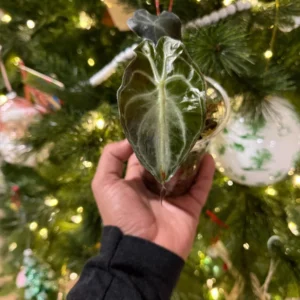
Product Details
-
USDA Hardiness Zone
8-10 (outdoors, with winter dormancy) -
Soil type
Peat moss and perlite/sand mix -
Sunlight Exposure
Full sun (4-6+ hours direct sunlight) -
Expected Planting Period
Year-round indoors; spring to early summer outdoors
Overview
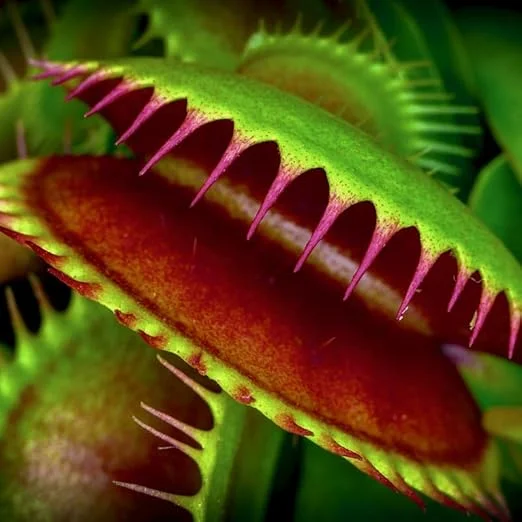
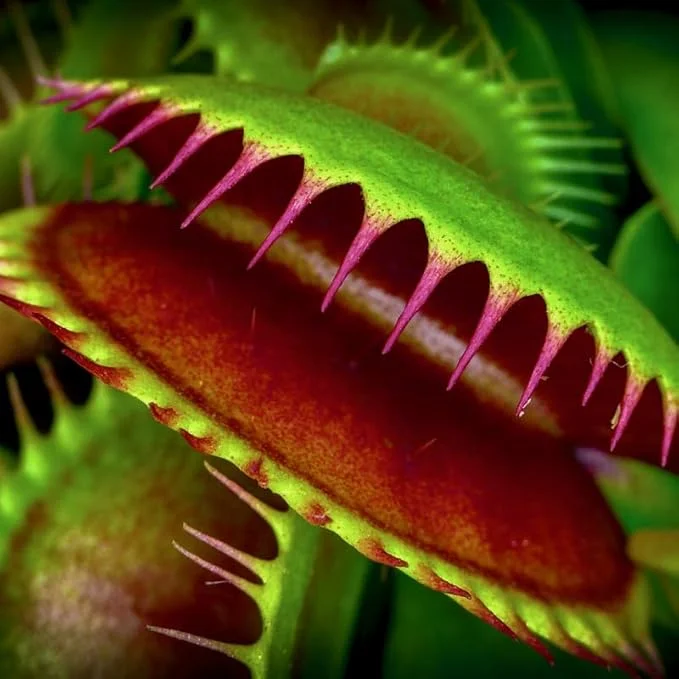
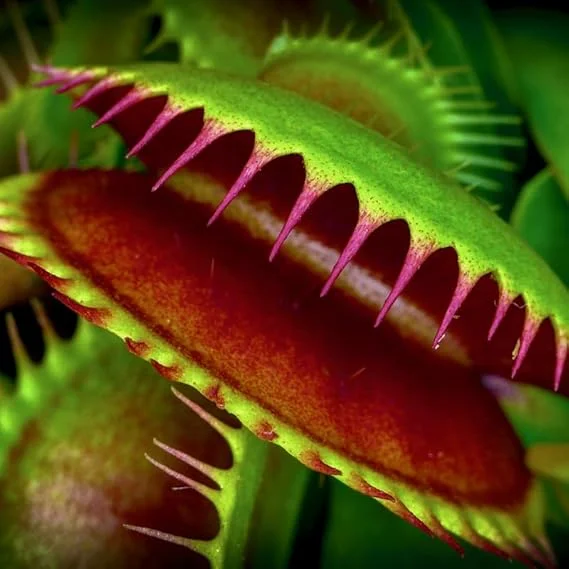
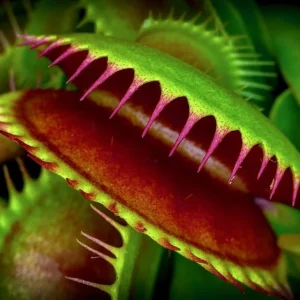
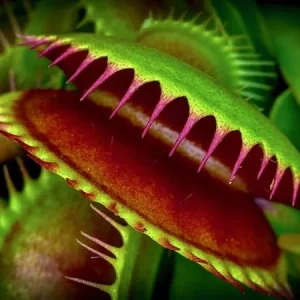
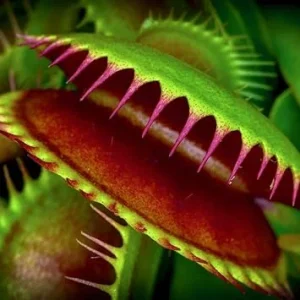
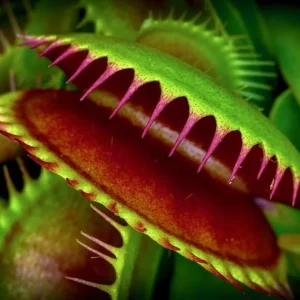
Step into the intriguing world of carnivorous plants with our trio of Venus Flytrap live plant starters. This set includes three vibrant green Dionaea muscipula specimens, ready to thrive in your care. Famous for their unique, jaw-like traps, Venus Flytraps are not only fascinating to observe but also serve as natural pest control, making them a captivating addition to any plant collection. Each plant is a healthy starter size, perfect for those new to carnivorous plants or for seasoned enthusiasts looking to expand their collection. Witness the remarkable process as these plants actively catch insects, adding an educational and exciting element to your indoor or outdoor garden.
The Venus Flytrap live plant is native to subtropical wetlands on the East Coast of the United States, specifically North and South Carolina. Its scientific name, Dionaea muscipula, reflects its unique trapping mechanism. These plants are beloved by growers worldwide for their distinct appearance and active predatory behavior. Our starter plants come ready for transplanting into your preferred growing medium, providing a head start on cultivating these extraordinary botanical wonders.
Key Benefits
Owning a Venus Flytrap live plant offers a multitude of benefits, from their unique aesthetic appeal to their practical insect-catching abilities. They are truly a conversation starter and an educational tool for all ages.
- Natural Pest Control: These fascinating plants are highly effective at catching small insects like flies, gnats, and mosquitoes, naturally reducing pests in your home or garden without the need for chemicals. This makes them an excellent choice for a natural approach to pest management.
- Easy to Grow for Beginners: Despite their exotic appearance, carnivorous plant starter kits like this are surprisingly straightforward to care for, provided you understand their basic needs. They thrive with consistent moisture and bright light, making them accessible even for novice plant enthusiasts.
- Educational and Engaging: Observing a Venus Flytrap in action is a captivating experience. It’s a wonderful way to learn about plant biology and adaptation, offering an engaging hobby for children and adults alike.
- Unique Aesthetic Appeal: With their distinctive green leaves and red-tinged traps, Venus Flytraps add an unusual and exotic touch to any plant display. They stand out from typical houseplants and create a focal point in your collection.
- Versatile for Indoor and Outdoor: These plants are adaptable and can thrive both indoors on a sunny windowsill or outdoors in a bog garden or patio container, as long as their specific environmental requirements are met.
- Low Maintenance Once Established: After initial setup and understanding their care routine, Venus Flytraps require relatively low maintenance, making them a rewarding plant for busy individuals.
- Perfect for Collectors: For those who already appreciate unique plants, this 3-pack offers an excellent opportunity to add multiple healthy specimens to their existing collection or to share with fellow plant enthusiasts.
Plant Care & Growing Tips
Caring for your Venus Flytrap live plant requires attention to specific conditions to ensure its health and vitality. Understanding these needs will help your plants flourish and display their impressive trapping abilities. The most crucial elements are proper watering, sufficient light, and the right soil composition.
Sunlight Requirements: Venus Flytraps need abundant sunlight to thrive. Provide at least 4-6 hours of direct sunlight daily. If growing indoors, a south-facing window is ideal, or you can supplement with a strong grow light. When grown outdoors, ensure they receive full sun. Insufficient light will result in weak, pale traps and a lack of the characteristic red coloration inside the traps.
Watering Schedule and Soil Moisture: These plants require consistently moist soil. The best method is to use the tray method: place the pot in a tray filled with 1-2 inches of distilled water, rainwater, or reverse osmosis water. Never use tap water, as the minerals and chemicals can be toxic to the plant over time. Allow the tray to dry out slightly before refilling, but never let the soil dry out completely. Humidity is also beneficial, especially for indoor carnivorous plants.
Soil Type and Drainage Requirements: Venus Flytraps require a very specific, nutrient-poor soil mix. A common mix is a 1:1 ratio of peat moss and perlite or horticultural sand. Do not use standard potting soil, as it contains fertilizers and minerals that will harm the plant. Excellent drainage is essential, but the soil should remain moist, which the peat moss helps to achieve. Ensure pots have drainage holes.
Temperature Range and USDA Hardiness Zone: These plants prefer temperatures between 60-95°F (15-35°C) during their growing season. They require a dormancy period in winter, usually from November to February, where temperatures drop to 35-55°F (2-12°C). During dormancy, the plant’s growth slows significantly, and many traps may die back. This dormancy is crucial for the long-term health of the plant. They are generally hardy in USDA Zones 8-10, but can be grown as annuals or overwintered indoors in colder climates.
Fertilization Schedule and Type: Do not fertilize Venus Flytraps. They obtain all necessary nutrients from the insects they catch. Fertilizers can quickly kill the plant. If your plant is not catching enough insects, you can occasionally feed it a small, live insect (like a fly or spider) that fits within its traps. Avoid feeding it meat or other human foods.
Common Problems and Solutions: Yellowing leaves often indicate too much tap water or insufficient light. Small, weak traps can also be a sign of low light. If traps are not closing, it could be due to lack of energy (needs more light or food) or dormancy. Ensure good air circulation to prevent fungal issues, especially in high humidity. Proper fly trap plant care involves monitoring these factors closely.
Size & Details
This offering includes a set of 3 Venus Flytrap live plants, each arriving as a healthy starter plant. Typically, these young plants will have several active traps and a robust root system, ready for transplanting into a slightly larger pot upon arrival. The exact size will vary slightly depending on the growth stage, but they are generally compact, making them ideal for windowsills, terrariums, or small outdoor bog gardens. Each plant is cultivated to ensure a strong start for your carnivorous collection. Expect these plants to mature over time, developing larger and more numerous traps with consistent care and optimal growing conditions. They are shipped in their nursery pots to minimize stress during transit, ensuring they arrive in optimal condition for successful establishment in your home or garden.
Frequently Asked Questions
- Q: How big does this plant get? A: A mature Venus Flytrap live plant typically reaches about 4-6 inches in diameter, though some can grow slightly larger. The traps themselves usually range from 0.5 to 1.5 inches long. Our starter plants will be smaller, allowing you to watch them grow.
- Q: Is this an indoor or outdoor plant? A: Venus Flytraps can thrive both indoors and outdoors. Indoors, they need a very sunny spot, like a south-facing window. Outdoors, they do well in full sun in a bog garden or container, especially in warmer climates (USDA Zones 8-10).
- Q: How much sunlight does it need? A: These plants require a minimum of 4-6 hours of direct sunlight daily. More light generally leads to healthier plants and more vibrant trap coloration. Insufficient light is a common reason for poor growth.
- Q: Is this plant easy to care for? Is it good for beginners? A: Yes, with the right information, the Venus Flytrap live plant is considered relatively easy for beginners. The key is understanding their specific needs for distilled water, sunlight, and nutrient-poor soil.
- Q: What condition will it arrive in? Is it shipped in soil? A: Your carnivorous plant starter will arrive as a healthy, live plant, typically in a small nursery pot with its appropriate soil mix (peat and perlite/sand). We take great care in packaging to ensure safe transit.
- Q: How long until it blooms? A: Venus Flytraps typically bloom in late spring to early summer, producing a tall stalk with small white flowers. Many growers choose to cut the flower stalk to conserve the plant’s energy for trap production, especially for younger plants.
- Q: What type of water should I use for my Venus Flytrap? A: It is crucial to only use distilled water, rainwater, or reverse osmosis water. Tap water contains minerals and chlorine that will slowly poison and kill your plant over time.
- Q: What insects do Venus Flytraps eat? A: They primarily eat small insects like flies, gnats, spiders, and even small beetles. The traps are designed to capture insects that fit within them, and they do not eat large prey.
- Q: Do I need to feed my Venus Flytrap? A: If grown outdoors, they will naturally catch enough insects. If indoors, you may need to feed them 1-2 small, live insects per month per plant if they are not catching anything on their own. Do not overfeed.
- Q: What is the dormancy period, and how do I manage it? A: During winter (roughly November to February), Venus Flytraps enter dormancy. Their growth slows, and many traps may die back. Reduce watering, ensure cooler temperatures (35-55°F), and provide less light. This period is vital for the plant’s long-term health and survival.
Related products

-50%
Original price was: $39.98.$19.98Current price is: $19.98.
-30%
Original price was: $129.98.$90.98Current price is: $90.98.
-25%
Original price was: $23.80.$17.84Current price is: $17.84.
-25%
Original price was: $30.00.$22.50Current price is: $22.50.
PLANTING & CARE

Growing Glencoe Raspberry: A Complete Guide for Gardeners
If you’re looking to add something unique to your garden, look no further than the
31
Mar
Mar

The Comprehensive Guide to Growing Bay Leaf Plants for a Flavorful Garden
Imagine stepping into your garden, greeted by the earthy aroma of fresh bay leaves, their
09
Feb
Feb

How to Make Comfrey Tea: The Ultimate Organic Plant Food
Growing an organic garden can be surprisingly expensive, especially when most store-bought fertilizers come in
02
Feb
Feb

True Comfrey: 7 Essential Tips Before You Plant This Herb
A staple in permaculture practices across the US, True Comfrey easily earns its reputation as
27
Jan
Jan

7 Heart-Shaped Plants for a Lasting Valentine’s Gift
If you’ve ever bought a bouquet of roses for Valentine’s Day, you know they are
26
Jan
Jan

Best Types of Ivy Plant for Houses: How to Choose the Perfect Ones for Your Home
Are you a garden lover looking to introduce some greenery into your home? Maybe you’ve
14
Nov
Nov

When to Harvest Garlic (Especially Fall-Planted Garlic)
TIMING IS EVERYTHING, they say – and for garlic, that truth hits with surprising accuracy.
13
Nov
Nov

11 of the Best Sweet Potato Varieties to Grow for Your Garden
If you’ve ever tried growing sweet potatoes, you know that picking the right variety can
12
Nov
Nov