3 Live Red Chili Pepper Plants – 6-10 inch Spring Seedlings for Garden
3 Live Red Chili Pepper Plants – 6-10 inch Spring Seedlings for Garden
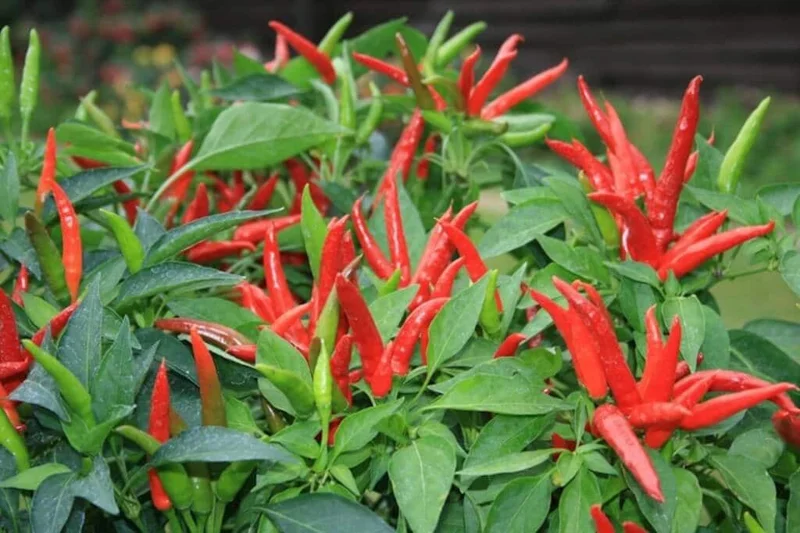
Cultivate your own heat with these red chili pepper plants. You’ll receive three healthy, live seedlings, each 6-10 inches tall, ready for planting. Ideal for adding a spicy kick to your culinary creations, these live chili seedlings are perfect for garden beds or containers.
$31.98

With our Alive & Thrive Guarantee, we’ve got your back for the first 30 days! If you have any concerns about your plants, just reach out to us. Our team is here to help answer your questions and guide you in selecting the best plants for your garden, climate, and unique preferences. We're excited to help you create the garden of your dreams!
Estimated arrival
Aug 16
Aug 21 - Aug 23
Aug 26 - Aug 30
Product Details
-
USDA Hardiness Zone
USDA Zones 3-11 (as annuals), 9-11 (as perennials) -
Soil type
Well-draining, rich in organic matter -
Sunlight Exposure
Full sun (6-8 hours daily) -
Expected Planting Period
Spring to early summer (after last frost)
Overview
Bring the heat to your garden with our vibrant red chili pepper plants. This offering includes three robust, live seedlings, each measuring a healthy 6-10 inches tall, perfectly primed for a successful spring planting. Known for their fiery flavor and ornamental appeal, these chili plants are a fantastic addition for both novice and experienced gardeners eager to cultivate their own spicy produce. Our seedlings are carefully nurtured to develop strong root systems and sturdy stalks, ensuring they’re ready to thrive in your garden or patio containers. Whether you’re a fan of a gentle warmth or an intense kick, growing your own chili peppers provides fresh, flavorful ingredients right at your fingertips.
These particular plants are derived from a variety known for its robust growth and prolific fruiting, making them an excellent choice for a bountiful harvest. They are often referred to as a ‘Super Chili’ type, indicating their impressive heat level and abundant yield. With proper care, these plants will not only provide you with a continuous supply of fresh peppers but also add a beautiful, vibrant touch to your outdoor space. Experience the satisfaction of harvesting your own peppers, transforming your dishes with unparalleled freshness and a customizable level of spice.
Key Benefits
Growing your own red chili pepper plants offers a multitude of advantages, from enhancing your culinary skills to beautifying your garden. These plants are more than just a source of spice; they are a rewarding gardening endeavor with tangible benefits.
- Fresh, Flavorful Produce: Enjoy the unparalleled taste and heat of freshly picked chili peppers, far superior to store-bought varieties. You control the ripeness and can harvest exactly when needed for optimal flavor.
- Culinary Versatility: These peppers are perfect for a wide range of dishes, including salsas, stir-fries, curries, and sauces. Having them readily available encourages culinary creativity and experimentation in the kitchen.
- Vibrant Garden Addition: The bright red peppers and lush green foliage add a striking visual element to any garden bed, container, or patio. They are not only productive but also highly ornamental.
- High Scoville Heat Unit (SHU): With a Scoville rating of 40,000-50,000 SHU, these peppers offer a significant and satisfying level of heat, making them ideal for those who appreciate a good spicy kick.
- Rewarding Growing Experience: Watching your live chili seedlings mature into fruit-bearing plants is incredibly satisfying. It connects you with your food source and provides a sense of accomplishment.
- Healthy and Robust Growth: Our seedlings are cultivated for strong root development and sturdy stems, ensuring a healthy start and better resilience in your garden. This strong foundation helps them resist common plant stressors.
- Pest Deterrent: The capsaicin in chili peppers can naturally deter some garden pests, potentially benefiting neighboring plants as well. This makes them a useful companion plant in a diverse garden ecosystem.
Plant Care & Growing Tips
Caring for your red chili pepper plants is a straightforward and rewarding process, ensuring a bountiful harvest of spicy peppers. These plants thrive in conditions that mimic their warm, sunny origins, making them an excellent choice for most US gardens during the warmer months. Understanding their basic needs for sunlight, water, and soil will set you up for success.
For optimal growth and fruit production, chili plants require at least 6-8 hours of full sun per day. Choose a location in your garden that receives ample direct sunlight, or if growing in containers, place them on a sunny patio or balcony. They prefer a well-draining soil that is rich in organic matter. A good quality potting mix designed for vegetables or general outdoor plants is ideal for containers. Ensure excellent drainage to prevent root rot, as soggy soil is detrimental to their health. The ideal soil pH for chili peppers is slightly acidic to neutral, between 6.0 and 7.0. These plants are typically grown as annuals in most temperate climates, but can be perennial in USDA Zones 9-11 if protected from frost. For best results, plant after all danger of frost has passed in spring.
Watering should be consistent, especially during flowering and fruiting periods. Keep the soil consistently moist but never waterlogged. Allow the top inch or two of soil to dry out slightly between waterings. Overwatering can lead to issues, while underwatering can cause stunted growth and fruit drop. Fertilize your super chili pepper plants every 2-4 weeks with a balanced, all-purpose liquid fertilizer or one specifically formulated for tomatoes and vegetables, which will provide the necessary nutrients for strong growth and good fruit development. Common problems include aphid infestations or blossom end rot, which can often be mitigated by ensuring proper watering and consistent nutrient supply. Early intervention is key to managing any pest or disease issues effectively, ensuring your spicy pepper plants remain healthy and productive.
Size & Details
Each order provides three individual red chili pepper plants, delivered as live seedlings. These plants typically measure between 6 and 10 inches in height from the base of the stem to the top of the foliage upon arrival. They are carefully transplanted with a robust 1-2 inch stalk embedded in the substrate, promoting a strong root system and a sturdy, healthy stem, which is crucial for vigorous growth and heavy fruit production. The plants are shipped in a manner that ensures their vitality, ready for immediate planting in your garden or larger containers.
These particular chili plants exhibit a moderate to fast growth rate once established, quickly developing into bushy plants capable of producing numerous peppers. Expect the first peppers to begin forming within 60-90 days after transplanting, with a continuous harvest throughout the warm season. The mature peppers will be a vibrant red, offering a significant heat level ranging from 40,000 to 50,000 Scoville Heat Units (SHU). They are ideal for gardeners looking for productive spicy pepper plants that yield a consistent supply of medium-hot peppers. The compact nature of these plants also makes them suitable for container gardening on patios or balconies where space might be limited.
Frequently Asked Questions
- Q: How big do these red chili pepper plants get? A: When mature, these plants typically reach a height of 2-3 feet and a similar spread, depending on growing conditions and container size. They are bushy plants that produce numerous peppers throughout the season.
- Q: Is this an indoor or outdoor plant? A: While they can be started indoors, these are primarily outdoor plants that thrive in full sun. They can be grown in containers on a sunny patio or directly in a garden bed during the warm growing season.
- Q: How much sunlight do these live chili seedlings need? A: For best results and maximum fruit production, your live chili seedlings need at least 6-8 hours of direct sunlight per day. A south-facing location is often ideal.
- Q: Is this plant easy to care for? Is it good for beginners? A: Yes, chili pepper plants are relatively easy to care for and are a good choice for beginners. Consistent watering and adequate sunlight are the main requirements for a successful harvest.
- Q: What condition will the plants arrive in? A: We guarantee live arrival. The plants are shipped as healthy, robust seedlings, carefully packaged to ensure they reach you in excellent condition, ready for planting.
- Q: Can I use these super chili pepper plants in cooking? A: Absolutely! These peppers are specifically grown for culinary use. With a Scoville rating of 40,000-50,000 SHU, they are perfect for adding a significant spicy kick to a wide array of dishes.
- Q: How long until these spicy pepper plants produce peppers? A: You can typically expect your spicy pepper plants to start producing peppers within 60-90 days after transplanting them into your garden or larger containers. Fruiting will continue throughout the warm season.
- Q: What’s the best time to plant these chili seedlings? A: The best time to plant these chili seedlings outdoors is in the spring, after all danger of frost has passed in your area and soil temperatures have warmed up.
- Q: What kind of soil is best for these plants? A: These plants prefer well-draining soil that is rich in organic matter. A high-quality potting mix for vegetables or a loamy garden soil amended with compost works very well.
- Q: Will these plants survive winter in my zone? A: In most regions of the US, these chili plants are grown as annuals and will not survive winter frosts. In USDA Zones 9-11, they may be perennial if protected from extreme cold.
Related products
-20%
Original price was: $17.00.$13.60Current price is: $13.60.
-10%
Original price was: $29.99.$26.99Current price is: $26.99.
-20%
Original price was: $35.00.$28.00Current price is: $28.00.
-50%

Original price was: $59.96.$29.98Current price is: $29.98.
-54%
From Original price was: $20.99.$10.49Current price is: $10.49.
-78%
Original price was: $39.99.$8.99Current price is: $8.99.
-20%
Original price was: $60.00.$48.00Current price is: $48.00.
-20%
Original price was: $100.00.$80.00Current price is: $80.00.
PLANTING & CARE
How to Grow Persian Silk Trees Easily in Your Garden
If you’re looking for a tree that brings a soft, tropical feel to your garden,
04
Aug
Aug
How to Grow Blue Java Banana Trees: A Beginner’s Guide
Have you ever heard of the Blue Java banana tree? If not, you’re in for
28
Jun
Jun
5 Common Blue Java Banana Tree Problems and How to Fix Them
Have you ever looked at your Blue Java banana tree (aka “ice cream banana”) and
19
Jun
Jun
Top 10 Plants for Father’s Day to Honor Dad This Father’s Day
Father’s Day is a special time to show your dad just how much he means
19
Jun
Jun
The Comprehensive Guide to Growing Bougainvillea for Colorful Blooms
Have you ever wanted your garden to be filled with brilliant color and tropical energy
19
Jun
Jun
How to Successfully Plant Bare Root Strawberries in Containers
Have you ever wondered about planting strawberries in containers, but aren’t sure where to begin?
11
Jun
Jun
Top 5 Easiest Ornamental Trees to Grow for Beginners
Ever feel overwhelmed by the idea of planting a tree in your yard? You’re not
11
Jun
Jun

Growing Glencoe Raspberry: A Complete Guide for Gardeners
If you’re looking to add something unique to your garden, look no further than the
31
Mar
Mar