3 Ostrich Fern Bare Root – Matteuccia Struthiopteris Perennial Wildflower Transplant
-20%
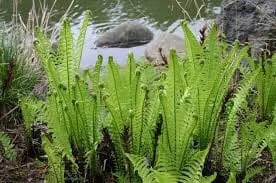
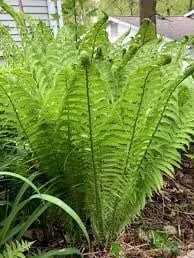
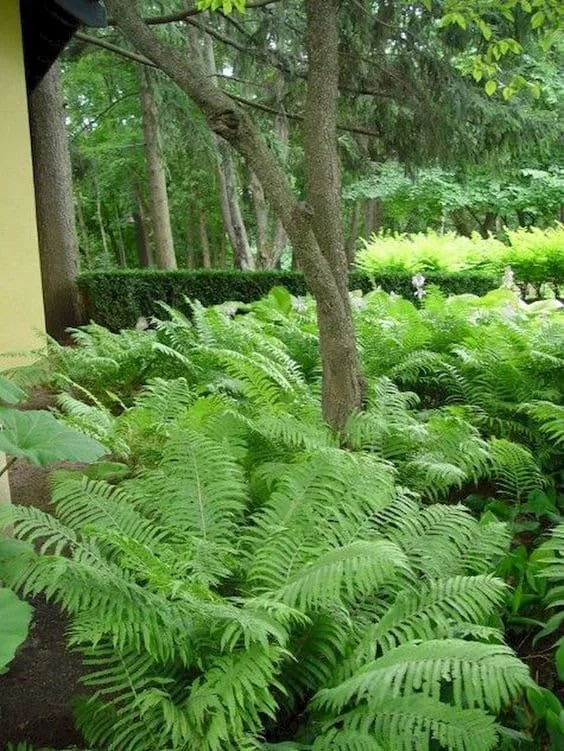
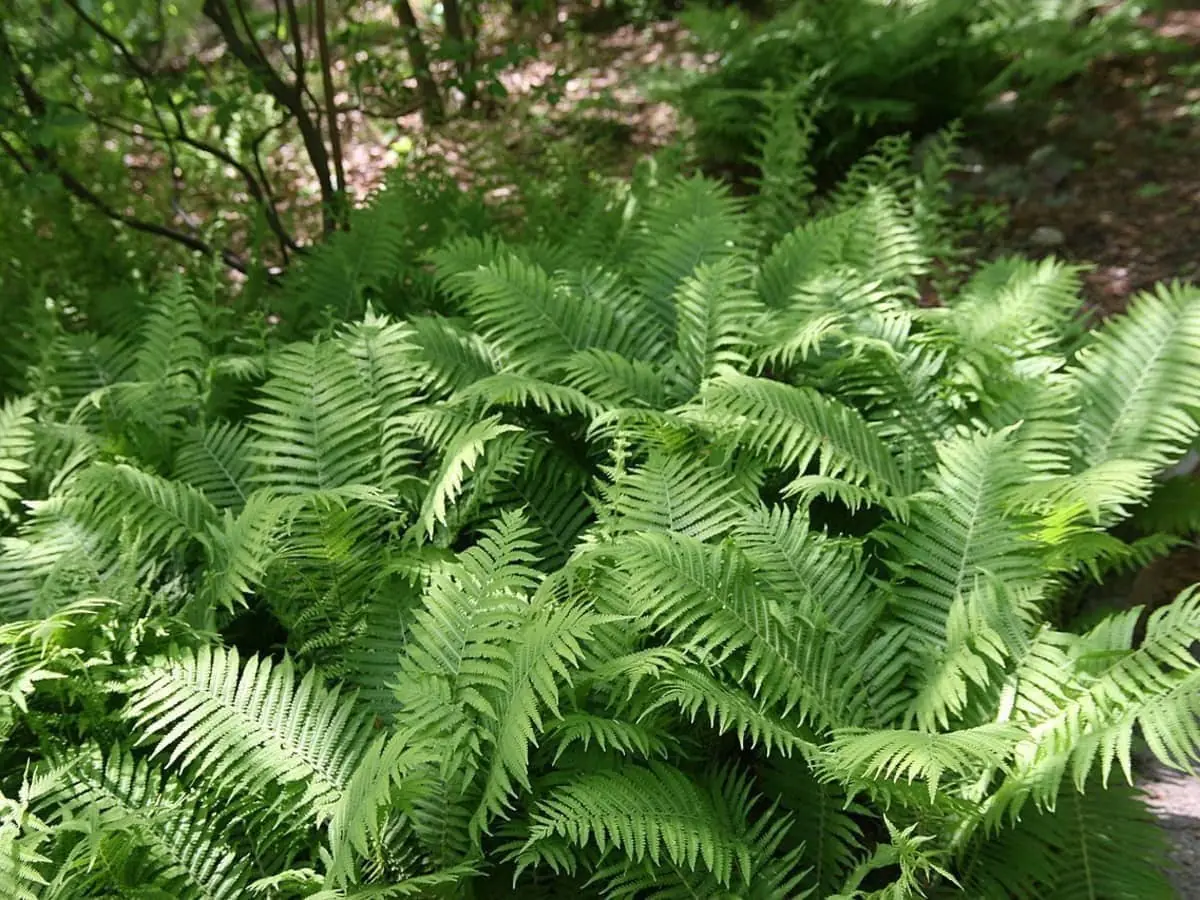
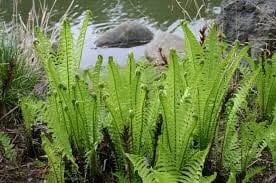
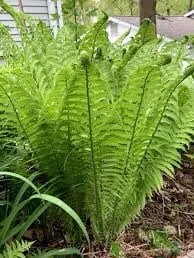
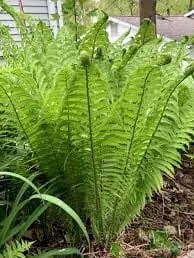
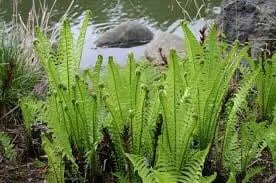
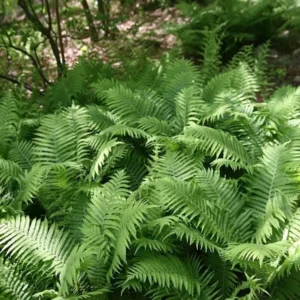
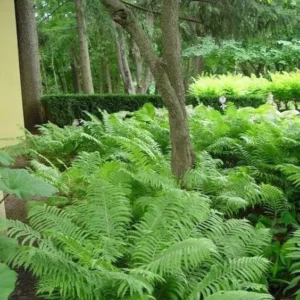
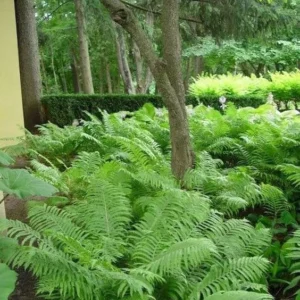
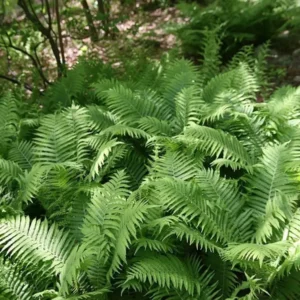
3 Ostrich Fern Bare Root – Matteuccia Struthiopteris Perennial Wildflower Transplant
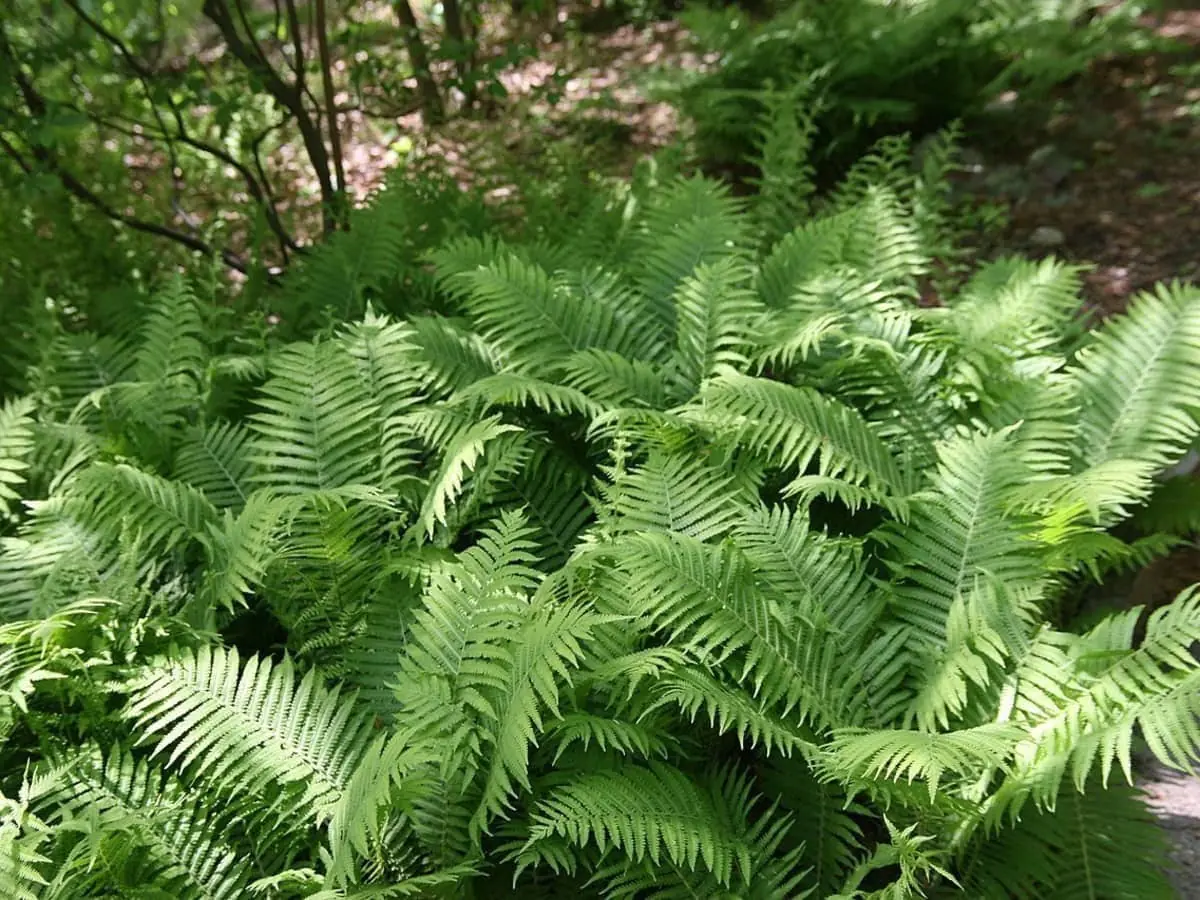
Transform your shaded garden areas with these ostrich fern bare root plants. You will receive 3 healthy Matteuccia Struthiopteris bare roots, ready for transplanting. These hardy perennial fern for shade are ideal for creating lush, naturalized landscapes.
Original price was: $27.98.$22.38Current price is: $22.38.

With our Alive & Thrive Guarantee, we’ve got your back for the first 30 days! If you have any concerns about your plants, just reach out to us. Our team is here to help answer your questions and guide you in selecting the best plants for your garden, climate, and unique preferences. We're excited to help you create the garden of your dreams!
Estimated arrival
Apr 09
Apr 14 - Apr 16
Apr 19 - Apr 23


Product Details
-
USDA Hardiness Zone
USDA Zones 2-8 -
Soil type
Rich, moist, well-draining soil -
Sunlight Exposure
Partial to full shade -
Expected Planting Period
Early spring or fall
Overview
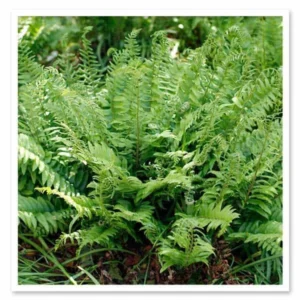
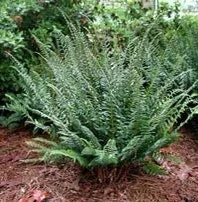
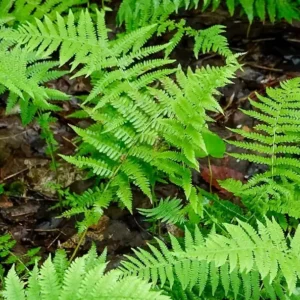
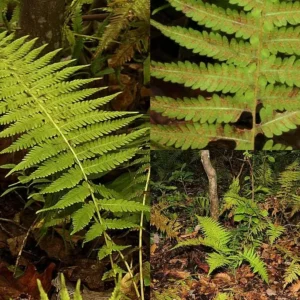
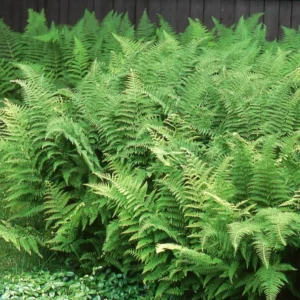
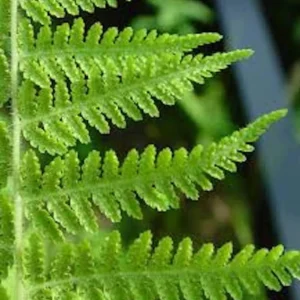
Bring the beauty of the forest floor to your garden with this offering of ostrich fern bare root plants. You will receive 3 healthy bare roots of Matteuccia Struthiopteris, commonly known as the Ostrich Fern. This robust and elegant fern is cherished for its graceful, feathery fronds, which unfurl in spring like fiddleheads, adding a unique texture and vibrant green hue to shaded landscapes. Ostrich ferns are deciduous perennials that spread to form lush colonies, making them excellent choices for naturalizing, woodland gardens, or creating a serene, verdant backdrop. Known for their hardiness and relatively low maintenance, these bare roots are an economical way to establish a significant presence of this stunning matteuccia struthiopteris plant in your outdoor space.
These bare roots are live starter plants, carefully harvested to ensure they arrive healthy and ready for planting. While they ship without foliage to facilitate transport and promote robust regrowth, this practice ensures a strong root system, which is crucial for successful establishment. The Ostrich Fern is a true perennial fern for shade, thriving in conditions where many other plants struggle, bringing beauty and tranquility to those often-overlooked garden spots.
Key Benefits
Ostrich Ferns offer a multitude of benefits for any gardener looking to enhance their shaded outdoor areas. Their distinctive appearance and adaptable nature make them a fantastic choice for various landscape designs. When you choose an ostrich fern bare root, you’re investing in enduring beauty and ecological value.
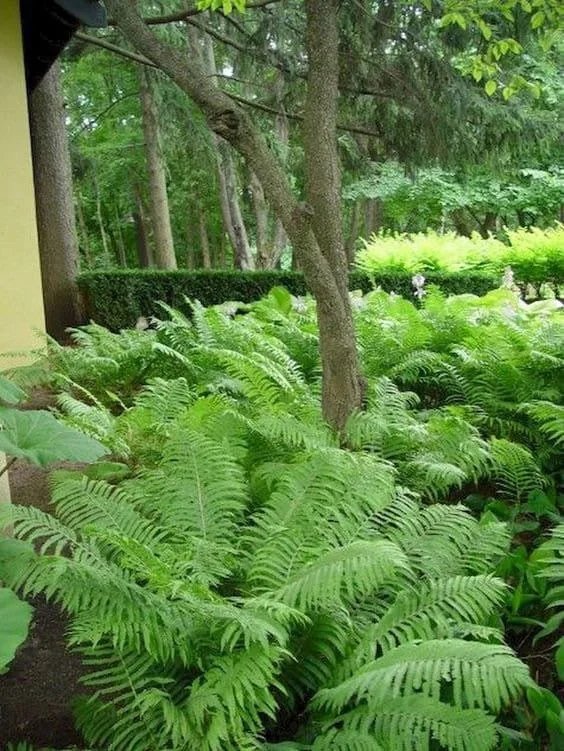
- Exceptional Shade Tolerance: Ostrich Ferns are renowned for their ability to thrive in deep shade, making them perfect for woodland gardens, under large trees, or on the north side of buildings where sunlight is scarce. They provide verdant groundcover in areas where other plants fail to flourish.
- Beautiful Fiddleheads: In early spring, the unfurling fronds, known as fiddleheads, are a culinary delicacy and a visual delight. Their coiled, sculptural form adds an element of architectural interest to the garden before they fully expand into majestic fronds.
- Naturalizing & Spreading Habit: These ferns spread via underground rhizomes, forming dense colonies over time. This makes them ideal for naturalizing large areas, suppressing weeds, and creating a lush, uniform green carpet.
- Low Maintenance: Once established, Ostrich Ferns are remarkably low-maintenance. They require minimal care, making them suitable for busy gardeners or those seeking an effortless way to beautify their landscape. Their hardiness contributes to a resilient garden.
- Deer Resistant: A significant advantage for many gardeners, Ostrich Ferns are generally not favored by deer, making them a reliable choice in areas prone to wildlife browsing. This helps preserve your garden’s aesthetic without constant vigilance.
- Erosion Control: Their spreading root systems help to stabilize soil, making them an excellent choice for slopes or areas prone to erosion, contributing to the overall health and stability of your garden ecosystem.
- Enhances Biodiversity: By providing dense groundcover, Ostrich Ferns create habitats for beneficial insects and small wildlife, contributing to a healthier, more diverse garden environment. The matteuccia struthiopteris plant is a cornerstone of a thriving shade garden.
Plant Care & Growing Tips
Caring for your ostrich fern bare root is straightforward, especially when you understand its preferred growing conditions. These ferns are quite resilient, but providing them with the right environment will ensure vigorous growth and stunning displays. Proper care is key to a flourishing wildflower fern transplant.
Sunlight Requirements: Ostrich Ferns thrive in partial to full shade. While they can tolerate a small amount of morning sun, direct afternoon sun will scorch their fronds and stunt growth. The ideal location receives filtered light or full shade throughout the day. Too much light can lead to yellowing fronds and overall stress for your perennial fern for shade.
Watering Schedule & Soil Moisture: These ferns prefer consistently moist, well-draining soil. They are not drought-tolerant and will require regular watering, especially during dry spells or in their first year of establishment. Aim to keep the soil evenly moist but never waterlogged. Good drainage is crucial to prevent root rot. In hotter climates, more frequent watering may be necessary to maintain soil moisture.
Soil Type & Drainage: Ostrich Ferns perform best in rich, organic, well-draining soil. Amending your garden soil with compost or other organic matter will improve fertility and drainage. A slightly acidic to neutral pH (6.0-7.0) is generally preferred. Heavy clay soils should be amended to improve drainage, while sandy soils will benefit from added organic material to retain moisture.
Temperature Range & USDA Hardiness Zone: Ostrich Ferns are incredibly hardy, typically thriving in USDA Zones 2-8. They are deciduous, meaning their fronds will die back in winter and re-emerge in spring. They can tolerate very cold temperatures when dormant. Ensure they have adequate moisture going into winter in drier climates.
Fertilization: Generally, Ostrich Ferns do not require heavy fertilization. If your soil is poor, a light application of a balanced, slow-release granular fertilizer in early spring can be beneficial. Alternatively, top-dressing with compost annually will provide sufficient nutrients and improve soil structure. Avoid over-fertilizing, as this can harm the delicate root system of your ostrich fern care project.
Common Problems & Solutions: Ostrich Ferns are relatively pest and disease-free. The most common issues arise from improper growing conditions. Yellowing fronds often indicate too much sun or insufficient water. Brown, crispy frond tips usually point to dry soil or low humidity. Ensure consistent moisture and shade to keep your ferns healthy. Slugs and snails can sometimes be an issue in very moist environments; use organic slug baits if necessary. The most important aspect of ostrich fern care is proper site selection and consistent watering.
Size & Details
This offering includes 3 Ostrich Fern bare root plants, ready for transplanting into your garden. Each bare root is a live starter plant, carefully prepared for shipment to ensure optimal health and vigor upon arrival. Ostrich Ferns (Matteuccia Struthiopteris) typically grow to a mature height of 3 to 6 feet, with a spread of 2 to 3 feet, forming dense clumps through their spreading rhizomes. The fronds themselves can reach impressive lengths, creating a dramatic visual impact in the landscape. While they are shipped without foliage, this allows the plant to focus its energy on root development once planted, leading to stronger establishment and robust growth in their new home. Expect to see new fronds emerging in the spring following planting, with the plant reaching its full mature size within 2-3 years, depending on growing conditions and ostrich fern care.
The growth rate of the Ostrich Fern is considered moderate to fast, especially in ideal conditions. These bare roots are an efficient way to quickly establish a significant presence of this beautiful fern. They are designed for direct planting into garden soil and do not come with pots. The foliage is cut back for shipment to prevent transplant shock and encourage healthy regrowth. This approach ensures that you receive a resilient starter plant, ready to thrive and transform your shaded garden areas into a lush, green oasis. This matteuccia struthiopteris plant is a resilient addition to any landscape.
Frequently Asked Questions
- Q: How big will the Ostrich Fern bare roots grow? A: Once established, ostrich fern bare root plants can grow to an impressive height of 3 to 6 feet tall with a spread of 2 to 3 feet per plant, forming dense colonies over time. Their mature size makes them a striking addition to any shade garden.
- Q: Is this an indoor or outdoor plant? A: The Ostrich Fern (Matteuccia Struthiopteris) is an outdoor perennial fern. It is best suited for planting in garden beds, woodland areas, or shaded borders, where it can naturalize and spread.
- Q: How much sunlight does the Ostrich Fern need? A: Ostrich Ferns thrive in partial to full shade. They prefer filtered light or complete shade and should be protected from direct afternoon sun, which can scorch their delicate fronds. This makes them a perfect perennial fern for shade.
- Q: What condition will the bare roots arrive in? A: You will receive 3 Ostrich Fern bare root plants. They are live starter plants and will arrive without foliage, with the roots carefully packaged to ensure they are healthy and ready for planting upon arrival. This method promotes strong new growth.
- Q: Is this plant easy to care for? Is it good for beginners? A: Yes, Ostrich Ferns are considered relatively easy to care for, especially once established. They are a great choice for beginner gardeners looking for a hardy and beautiful shade-loving plant. Consistent moisture is the main requirement for good ostrich fern care.
- Q: When is the best time to plant Ostrich Fern bare roots? A: The best time to plant Ostrich Fern bare roots is in early spring or fall. This allows the roots to establish themselves before the extreme heat of summer or the deep cold of winter.
- Q: What kind of soil does the Matteuccia Struthiopteris prefer? A: The matteuccia struthiopteris plant prefers rich, moist, and well-draining soil with a slightly acidic to neutral pH. Amending the soil with organic matter such as compost will greatly benefit its growth.
- Q: Will these ferns survive winter in my zone? A: Ostrich Ferns are incredibly cold-hardy, thriving in USDA Zones 2-8. They are deciduous, meaning their fronds will die back in winter and reliably return in spring, making them a resilient wildflower fern transplant.
- Q: How quickly will the ferns grow after planting? A: After planting, you can expect to see new fiddleheads emerge in the spring. The plants will establish and grow steadily, reaching near-mature size within 2-3 growing seasons under optimal conditions.
- Q: Can I divide Ostrich Ferns to get more plants? A: Yes, Ostrich Ferns can be divided in early spring or fall once they are well-established, typically after a few years. This is an excellent way to propagate and expand your fern garden.
Related products
-20%
Original price was: $43.98.$35.18Current price is: $35.18.
-50%
Original price was: $95.80.$47.90Current price is: $47.90.
-20%
Original price was: $24.98.$19.98Current price is: $19.98.
-20%
Original price was: $30.00.$24.00Current price is: $24.00.
-20%
Original price was: $50.00.$40.00Current price is: $40.00.
-20%
Original price was: $19.98.$15.98Current price is: $15.98.
-50%
Original price was: $131.80.$65.90Current price is: $65.90.
-20%
Original price was: $37.98.$30.38Current price is: $30.38.
PLANTING & CARE

Growing Glencoe Raspberry: A Complete Guide for Gardeners
If you’re looking to add something unique to your garden, look no further than the
31
Mar
Mar

The Comprehensive Guide to Growing Bay Leaf Plants for a Flavorful Garden
Imagine stepping into your garden, greeted by the earthy aroma of fresh bay leaves, their
09
Feb
Feb

How to Make Comfrey Tea: The Ultimate Organic Plant Food
Growing an organic garden can be surprisingly expensive, especially when most store-bought fertilizers come in
02
Feb
Feb

True Comfrey: 7 Essential Tips Before You Plant This Herb
A staple in permaculture practices across the US, True Comfrey easily earns its reputation as
27
Jan
Jan

7 Heart-Shaped Plants for a Lasting Valentine’s Gift
If you’ve ever bought a bouquet of roses for Valentine’s Day, you know they are
26
Jan
Jan

Best Types of Ivy Plant for Houses: How to Choose the Perfect Ones for Your Home
Are you a garden lover looking to introduce some greenery into your home? Maybe you’ve
14
Nov
Nov

When to Harvest Garlic (Especially Fall-Planted Garlic)
TIMING IS EVERYTHING, they say – and for garlic, that truth hits with surprising accuracy.
13
Nov
Nov

11 of the Best Sweet Potato Varieties to Grow for Your Garden
If you’ve ever tried growing sweet potatoes, you know that picking the right variety can
12
Nov
Nov