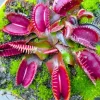
3 Red Venus Flytrap Live Plants – Carnivorous Starter Plants
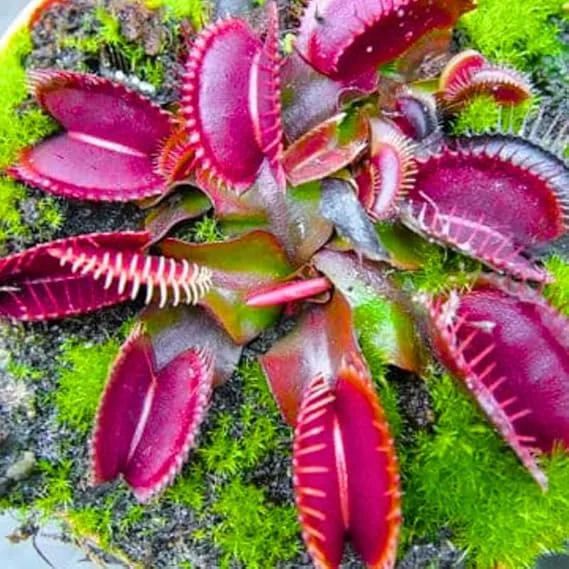
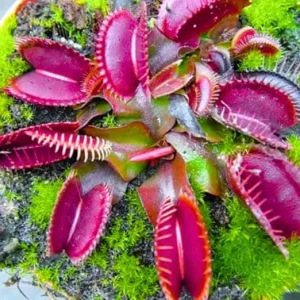
3 Red Venus Flytrap Live Plants – Carnivorous Starter Plants
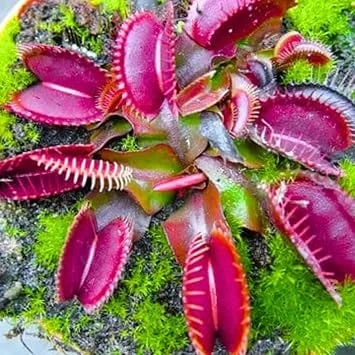
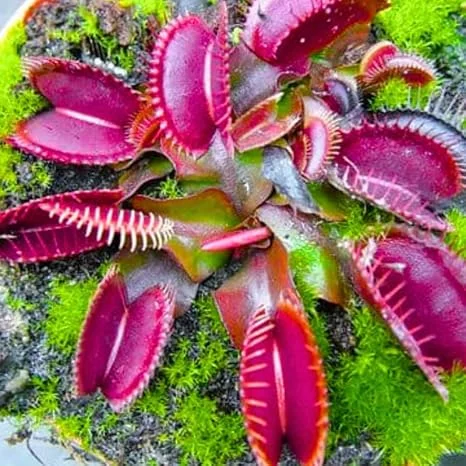
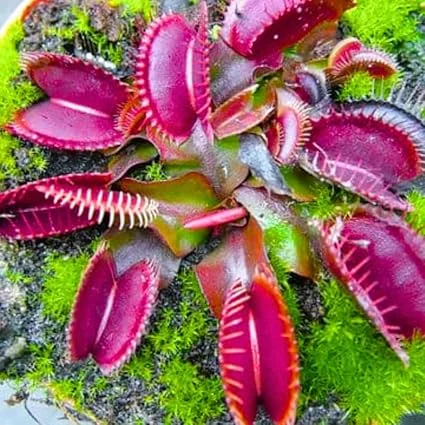
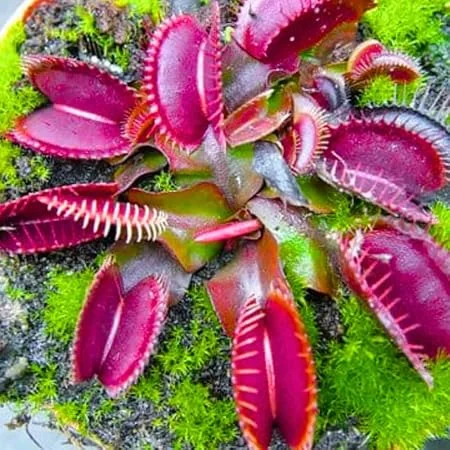
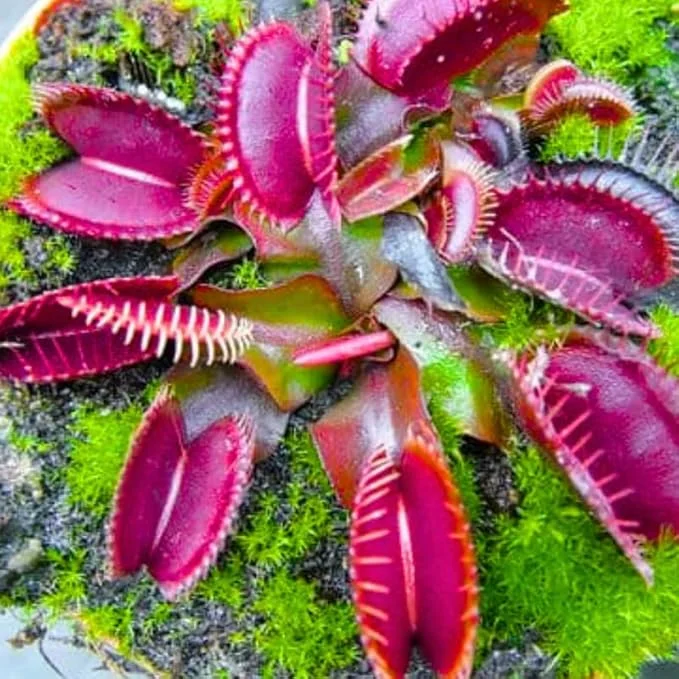
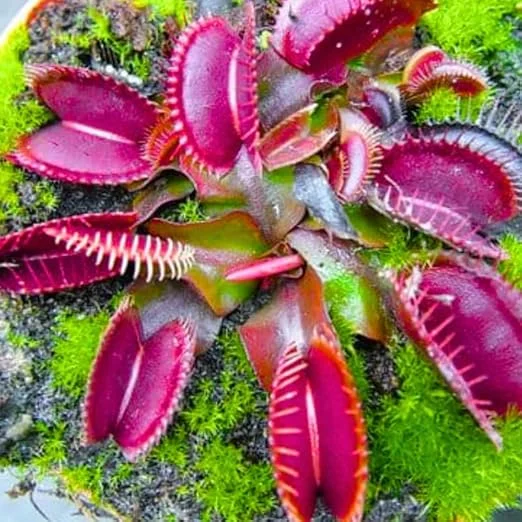
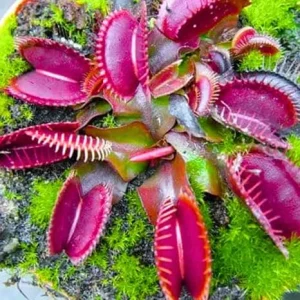
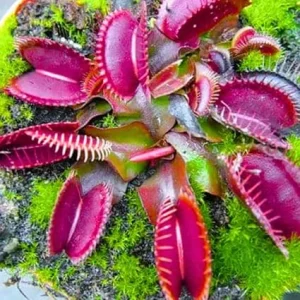
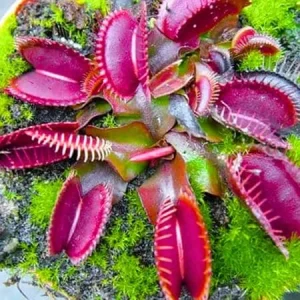
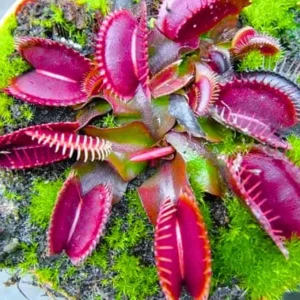
Bring home the exotic charm of red venus flytrap live plant specimens. This set of 3 flytrap starter plants is perfect for both beginners and experienced collectors, offering natural insect control and unique beauty for your indoor or outdoor space. Enjoy the thrill of watching these fascinating carnivorous plants in action.
$43.98

With our Alive & Thrive Guarantee, we’ve got your back for the first 30 days! If you have any concerns about your plants, just reach out to us. Our team is here to help answer your questions and guide you in selecting the best plants for your garden, climate, and unique preferences. We're excited to help you create the garden of your dreams!
Estimated arrival
Mar 31
Apr 05 - Apr 07
Apr 10 - Apr 14
Product Details
-
USDA Hardiness Zone
7-10 (outdoors), year-round indoors -
Soil type
Peat moss and perlite/sand mix (nutrient-poor) -
Sunlight Exposure
Full sun to bright direct light -
Expected Planting Period
Year-round indoors; spring to early summer outdoors
Overview
Introduce a touch of the extraordinary to your home or garden with our vibrant red venus flytrap live plant set. This collection includes three small, healthy Venus Flytrap plants (Dionaea Muscipula), renowned for their striking red coloration and captivating insect-trapping abilities. Each red venus flytrap live plant is a starter specimen, carefully cultivated to ensure a robust beginning in its new environment. Perfect for educational purposes, unique decor, or natural pest control, these carnivorous wonders offer endless fascination. Known scientifically as Dionaea Muscipula, the Venus Flytrap is a truly unique botanical specimen that thrives with proper care, making it an exciting addition for any plant enthusiast.
Key Benefits
Our red venus flytrap live plant offers a multitude of benefits beyond its captivating appearance. These unique plants are not only a conversation starter but also serve practical purposes in your home or garden. They are relatively low maintenance for a carnivorous plant and provide an engaging experience for all ages.
- Natural Pest Control: These fascinating plants naturally trap and consume small insects like flies, gnats, and mosquitoes, providing a chemical-free method of pest management in your home or patio area. Watch them in action as they keep your environment clear.
- Educational & Engaging: A perfect learning tool for children and adults alike, observing the Venus Flytrap’s trapping mechanism is a truly unique and educational experience. It sparks curiosity about the natural world and plant biology.
- Unique Decorative Element: With their distinct red traps and compact size, these flytrap starter plants add an exotic and intriguing touch to any indoor windowsill, desk, or outdoor bog garden. They stand out from conventional houseplants.
- Easy to Grow for Beginners: Despite their exotic nature, Venus Flytraps are surprisingly easy to care for when their specific needs are met. Our starter plants come ready to thrive, making them ideal for those new to carnivorous plants.
- Versatile Placement: Suitable for both indoor and outdoor environments, these red venus flytrap live plant specimens can adapt to various settings, provided they receive adequate sunlight and moisture.
- Compact Size: The small size of these starter plants makes them perfect for terrariums, small pots, or grouping with other carnivorous plants without taking up too much space.
- Long-lasting Fascination: With proper care, Venus Flytraps can live for many years, offering continuous enjoyment and a unique living display that never ceases to amaze.
Plant Care & Growing Tips
Caring for your red venus flytrap live plant is straightforward once you understand its specific requirements. These plants originate from boggy, nutrient-poor soils, so replicating these conditions is key to their success. They thrive in bright light and consistent moisture.
Sunlight Requirements: Venus Flytraps absolutely love bright sunlight. For indoor cultivation, place your plants in a south-facing window where they can receive at least 4-6 hours of direct sun daily. If direct sun is not possible, a strong grow light can be used. Outdoors, they prefer full sun, but may need some afternoon shade in extremely hot climates to prevent scorching. Adequate light is crucial for developing the vibrant red coloration in the traps.
Watering Schedule and Soil Moisture: These plants require consistently moist soil, but never waterlogged. The key is to use distilled water, rainwater, or reverse osmosis water, as tap water often contains minerals that can harm them. A common method is to place the pot in a tray of about an inch of water, allowing the plant to wick up moisture from the bottom. Replenish the water when the tray dries out. Do not let the soil dry out completely. Proper watering is essential for successful venus flytrap care.
Soil Type and Drainage: Venus Flytraps need a very specific soil mix – nutrient-poor and acidic. A common and effective mix is a 50/50 blend of peat moss (without added fertilizers) and perlite or horticultural sand. Never use regular potting soil, as the nutrients will burn the plant’s roots. Good drainage is important, even though they like moisture, to prevent root rot.
Temperature Range and USDA Hardiness Zone: These plants are hardy in USDA zones 7-10. They can tolerate a wide range of temperatures, from warm summers to cool winters. They require a dormant period in winter (temperatures between 35-55°F or 2-13°C) for healthy long-term growth. During dormancy, reduce watering and light. This is a critical aspect of good venus flytrap care.
Fertilization: Do not fertilize Venus Flytraps through their roots. They get all their necessary nutrients from the insects they catch. Fertilizing will likely kill the plant. If grown indoors and they aren’t catching enough prey, you can occasionally feed them a small live insect (like a fly or spider) or a rehydrated bloodworm.
Common Problems and Solutions: Yellowing leaves can indicate too much or too little light, or mineral buildup from tap water. Blackening traps are normal as old traps die off, but excessive blackening can mean too much moisture or an issue with water quality. Ensure good air circulation to prevent fungal issues. Learning about carnivorous plants for beginners often starts with understanding these unique needs.
Size & Details
This offering includes three individual red venus flytrap live plant specimens, each a robust starter plant ready for transplanting or enjoying in their current container. Each plant typically arrives with several active traps and is well-rooted, ensuring a strong foundation for growth. While exact dimensions can vary, these flytrap starter plants are generally compact, measuring approximately 2-4 inches in height and width. They are shipped actively growing, usually in a small nursery pot or with their roots carefully wrapped to maintain moisture during transit. Expect them to settle into their new home and begin actively trapping insects within a few weeks of arrival. With optimal dionaea muscipula care, these plants will grow to a mature size of 4-6 inches across, forming a cluster of vibrant traps over time. They are known for a moderate growth rate, gradually expanding their rhizome and producing new traps.
Frequently Asked Questions
- Q: How big does this plant get? A: Each of these red venus flytrap live plant specimens typically arrives 2-4 inches tall and wide. With proper care, they can mature to a size of 4-6 inches across, forming a beautiful clump of traps.
- Q: What size pot does it come in? A: The plants are shipped as starter plants, usually in small nursery pots or with their roots carefully protected. You will likely want to transplant them into a slightly larger pot (around 4-6 inches in diameter) upon arrival for optimal growth.
- Q: Is this an indoor or outdoor plant? A: Venus Flytraps can thrive both indoors and outdoors. Indoors, they need bright, direct sunlight. Outdoors, they prefer full sun and are hardy in USDA zones 7-10, requiring a winter dormancy period.
- Q: How much sunlight does it need? A: These plants require a minimum of 4-6 hours of direct sunlight daily to thrive and develop their vibrant red color. If growing indoors, a sunny south-facing window or a strong grow light is essential.
- Q: Is this plant easy to care for? A: Yes, these carnivorous plants for beginners are considered relatively easy to care for as long as their specific needs for distilled water, proper soil, and ample sunlight are met. They are not as finicky as some other carnivorous species.
- Q: What condition will it arrive in? A: Your flytrap starter plants will arrive live, healthy, and carefully packaged to ensure their safety during transit. They may experience a slight shock from shipping but will quickly recover with proper care.
- Q: Is it shipped in soil? A: Yes, these plants are typically shipped in a small amount of their specialized soil mix or with their roots protected in moss to maintain moisture. You may need to repot them into a larger container with suitable carnivorous plant soil upon arrival.
- Q: How long until it blooms? A: Mature Venus Flytraps typically bloom in late spring to early summer, producing a tall stalk with small white flowers. It may take a year or two for young starter plants to reach blooming maturity.
- Q: Can I feed it meat from the grocery store? A: No, you should never feed your Venus Flytrap human food or raw meat. They are adapted to digest insects, and anything else can cause the trap to rot and die. Stick to live insects or rehydrated bloodworms if feeding is necessary.
- Q: Will it survive winter in my zone? A: Venus Flytraps require a winter dormancy period. If you live in USDA zones 7-10, they can often survive outdoors with some protection. In colder zones, they should be brought indoors to a cool, unheated space for dormancy.
Related products
-35%
Original price was: $29.80.$19.36Current price is: $19.36.
-30%
Original price was: $129.98.$90.98Current price is: $90.98.


-25%
Original price was: $20.90.$15.68Current price is: $15.68.
-30%
Original price was: $129.98.$90.98Current price is: $90.98.
PLANTING & CARE

The Comprehensive Guide to Growing Bay Leaf Plants for a Flavorful Garden
Imagine stepping into your garden, greeted by the earthy aroma of fresh bay leaves, their
09
Feb
Feb

How to Make Comfrey Tea: The Ultimate Organic Plant Food
Growing an organic garden can be surprisingly expensive, especially when most store-bought fertilizers come in
02
Feb
Feb

True Comfrey: 7 Essential Tips Before You Plant This Herb
A staple in permaculture practices across the US, True Comfrey easily earns its reputation as
27
Jan
Jan

7 Heart-Shaped Plants for a Lasting Valentine’s Gift
If you’ve ever bought a bouquet of roses for Valentine’s Day, you know they are
26
Jan
Jan

Best Types of Ivy Plant for Houses: How to Choose the Perfect Ones for Your Home
Are you a garden lover looking to introduce some greenery into your home? Maybe you’ve
14
Nov
Nov

When to Harvest Garlic (Especially Fall-Planted Garlic)
TIMING IS EVERYTHING, they say – and for garlic, that truth hits with surprising accuracy.
13
Nov
Nov

11 of the Best Sweet Potato Varieties to Grow for Your Garden
If you’ve ever tried growing sweet potatoes, you know that picking the right variety can
12
Nov
Nov
Pruning Bougainvillea for Winter
Bougainvillea vines are known for their dazzling display of magenta, orange, and fuchsia bracts that
05
Nov
Nov