3 Stinging Nettle Live Plants – Bare Root Herb for Planting – Well-Rooted
-55%
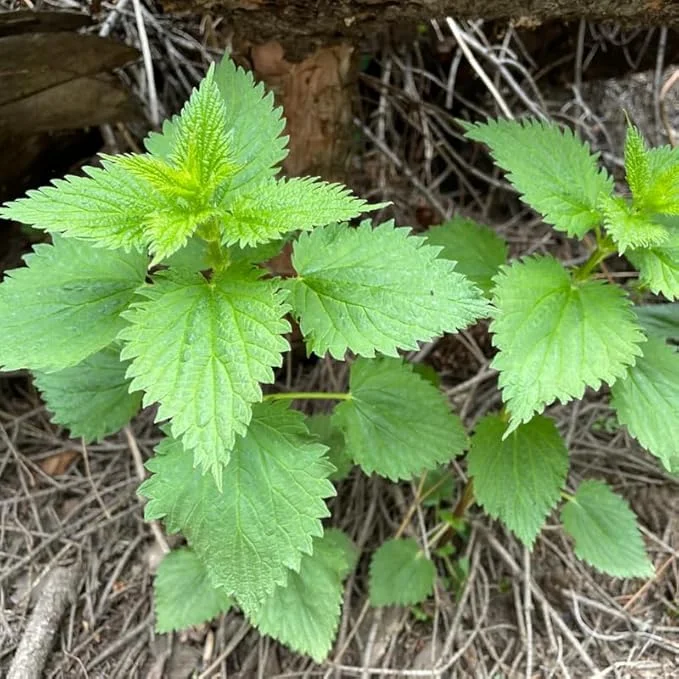
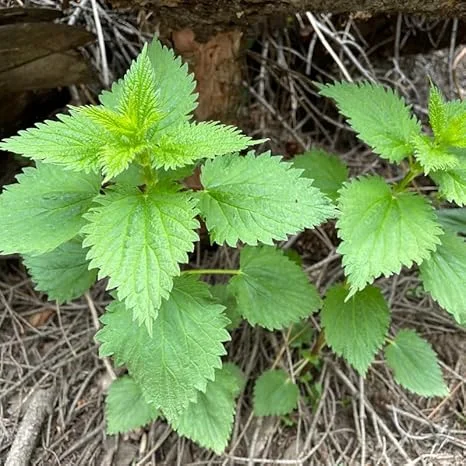
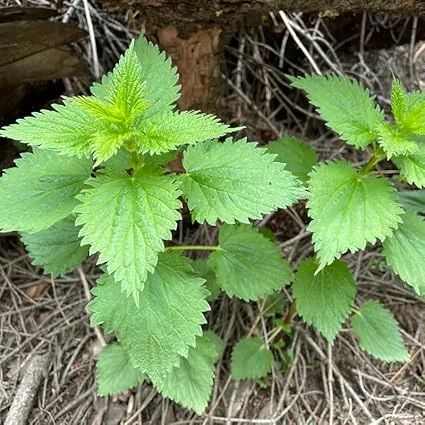
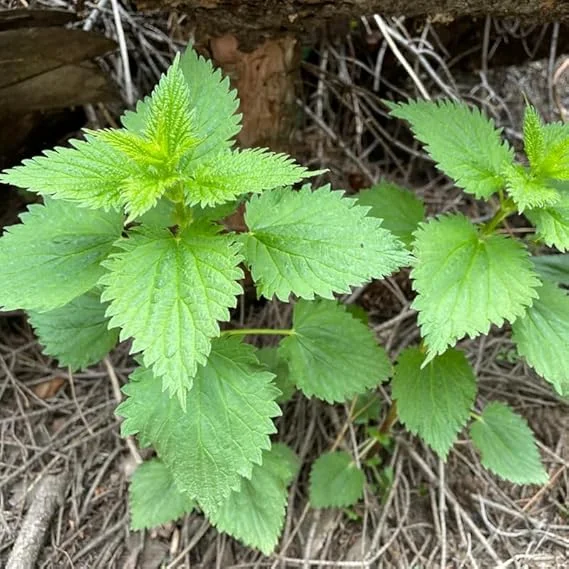
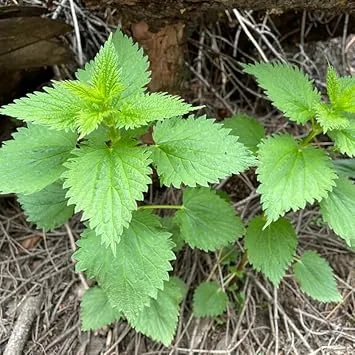
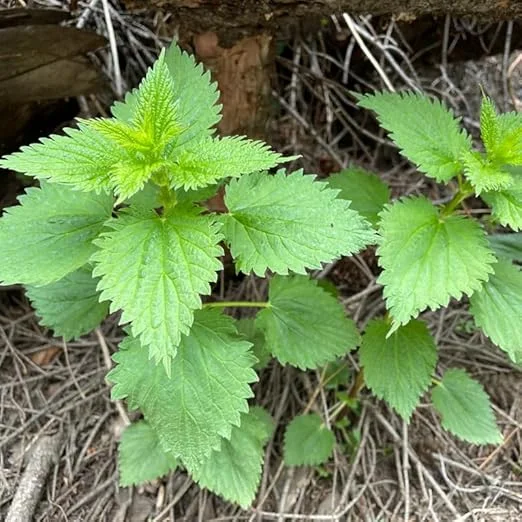
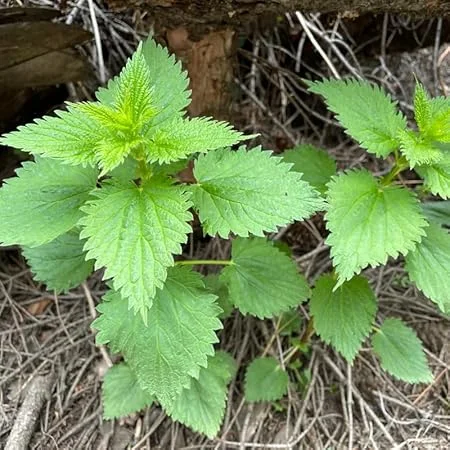
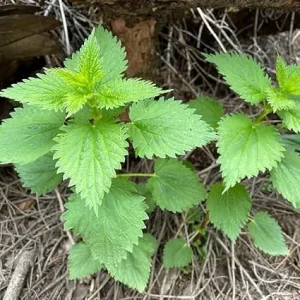
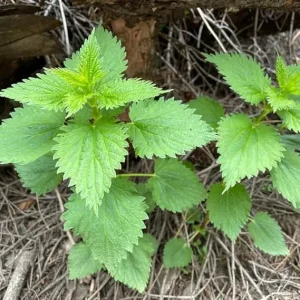
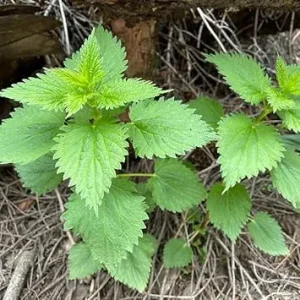
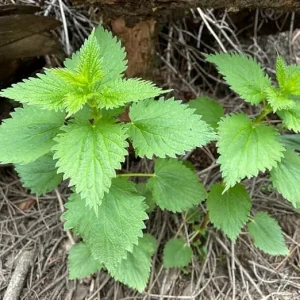
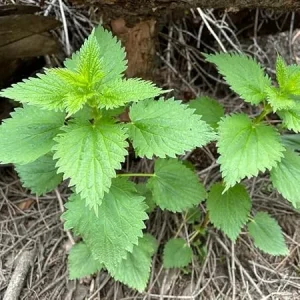
3 Stinging Nettle Live Plants – Bare Root Herb for Planting – Well-Rooted
Bring the versatile stinging nettle live plant into your garden with this pack of 3 well-rooted, bare root specimens. Ideal for various uses, these herbs are ready to thrive in your outdoor space, offering both beauty and utility.
Original price was: $19.90.$8.95Current price is: $8.95.

With our Alive & Thrive Guarantee, we’ve got your back for the first 30 days! If you have any concerns about your plants, just reach out to us. Our team is here to help answer your questions and guide you in selecting the best plants for your garden, climate, and unique preferences. We're excited to help you create the garden of your dreams!
Estimated arrival
Mar 27
Apr 01 - Apr 03
Apr 06 - Apr 10
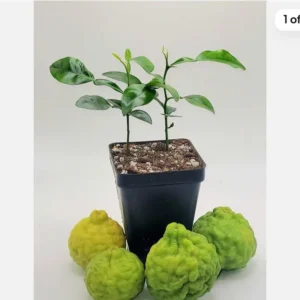
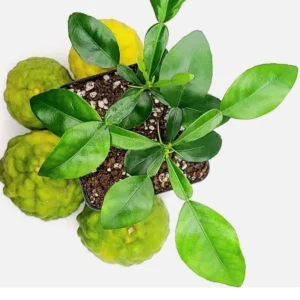
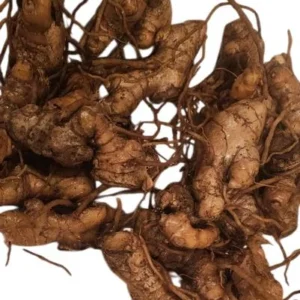
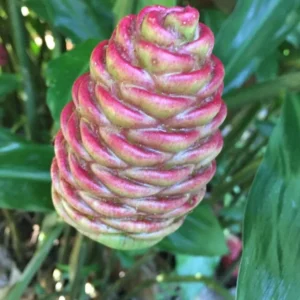
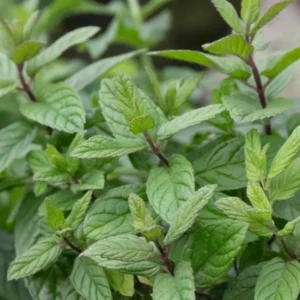
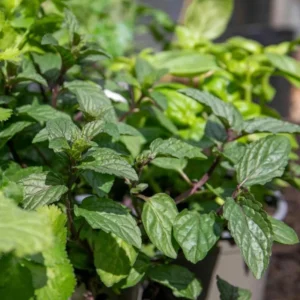
Product Details
-
USDA Hardiness Zone
USDA zones 3-10 -
Soil type
Well-draining, rich, fertile soil -
Sunlight Exposure
Full sun to partial shade -
Expected Planting Period
Early spring or early fall
Overview
Discover the rewarding experience of growing your own stinging nettle live plant. This offering includes three robust, well-rooted bare root plants, ready to be established in your garden or a large container. Stinging nettle, scientifically known as Urtica dioica, is a fascinating and highly beneficial herb renowned for its diverse applications. From culinary delights to traditional wellness practices, this plant has been valued for centuries across various cultures. Our bare root plants provide a strong foundation, ensuring a healthy start for vigorous growth. They are carefully prepared for shipping to minimize transplant shock, allowing you to easily integrate them into your herb garden or landscape. Cultivating stinging nettle live plant allows you to enjoy fresh leaves and stems, perfect for teas, soups, and other preparations, right from your backyard.
These particular specimens are selected for their vitality and readiness to grow, making them an excellent choice for both experienced gardeners and those new to growing herbs. The unique characteristics of stinging nettle live plant, including its distinctive leaves and upright growth habit, add a touch of wild beauty to any garden setting. With proper care, these plants will quickly establish themselves, providing a continuous supply of fresh nettle throughout the growing season. Embrace the opportunity to cultivate a plant with such a rich history and practical versatility.
Key Benefits
Growing a stinging nettle live plant in your garden offers a multitude of advantages, making it a valuable addition to any home. Its versatility extends beyond just ornamental appeal, providing both practical and ecological benefits.
- Culinary Versatility: Fresh young nettle leaves can be blanched or cooked to remove their sting, making them a delicious and nutritious addition to soups, stews, pestos, and teas. They offer a unique, earthy flavor profile.
- Traditional Wellness Herb: Stinging nettle has a long history of use in traditional herbal practices, valued for its potential to support overall wellness. Many seek to grow stinging nettle for its historical applications.
- Attracts Beneficial Insects: As a native plant in many regions, nettle can serve as a host plant for various butterfly larvae and other beneficial insects, contributing to local biodiversity.
- Easy to Grow and Maintain: Once established, stinging nettle live plant is relatively low-maintenance and can thrive in a range of soil types and conditions, making it suitable for gardeners of all skill levels.
- Sustainable Gardening: Growing your own nettle reduces reliance on wild harvesting or commercially processed products, promoting a more sustainable and self-sufficient lifestyle.
- Hardy and Resilient: These bare root plants are known for their hardiness and ability to return year after year, providing a consistent supply of fresh nettle.
- Soil Improvement: Nettle can help accumulate nutrients from the soil, which can then be returned to the soil through composting, enriching the garden ecosystem.
Plant Care & Growing Tips
To successfully grow stinging nettle, understanding its basic needs is crucial. These bare root plants are resilient, but providing optimal conditions will ensure robust growth. Stinging nettle prefers a location with full sun to partial shade; ideally, it should receive at least 6 hours of direct sunlight daily for the best growth and leaf production. While it can tolerate some shade, too much shade may result in leggy growth and reduced vigor. When planting, ensure the soil is well-draining but can also retain some moisture. Nettle thrives in rich, fertile soil, so amending your garden bed with compost or well-rotted manure before planting is highly recommended. The ideal pH range for nettle is slightly acidic to neutral, between 6.0 and 7.0.
Water your stinging nettle live plant regularly, especially during dry spells, to keep the soil consistently moist but not waterlogged. Bare root plants need consistent moisture as they establish their root systems. Once established, they are somewhat drought-tolerant but will perform best with regular watering. Fertilization can be done sparingly; a balanced organic fertilizer applied in early spring can boost growth. Harvesting young leaves frequently will encourage more lush growth and prevent the plant from becoming too woody. Remember to wear gloves when handling stinging nettle to avoid skin irritation. If you’re looking to grow stinging nettle as a perennial, cutting it back after flowering can promote a second flush of tender leaves. These plants are quite vigorous, so consider planting them in an area where they can spread, or use root barriers to contain their growth.
Size & Details
This offering includes 3 Stinging Nettle live plants, provided as well-rooted bare root specimens. When they arrive, the plants will consist primarily of a healthy root system with some dormant stem and leaf growth, ready for immediate planting. Once established, stinging nettle can reach a height of 2 to 6 feet (60 to 180 cm) and spread up to 3 feet (90 cm) wide, forming dense clumps. The growth rate is moderate to fast, especially in ideal conditions with rich soil and ample moisture. These plants are perennial, meaning they will return year after year, typically emerging in early spring and growing throughout the summer. They are shipped in a dormant or semi-dormant state to ensure minimal stress during transit and successful transplanting. Expect to see new top growth appear within a few weeks of planting, depending on local climate conditions and care.
The bare root format is an economical and effective way to establish a large patch of stinging nettle live plant. Each bare root is carefully selected to ensure it has a strong, viable root structure, providing the best chance for successful establishment. This method of shipping also reduces packaging waste and makes the planting process straightforward. With proper care, these bare root nettle plants will quickly develop into mature, productive plants, offering a continuous harvest of fresh leaves. They are excellent for naturalizing an area or for cultivation in dedicated garden beds.
Frequently Asked Questions
- Q: How big do these stinging nettle plants get? A: Once established, stinging nettle live plant can grow between 2 to 6 feet tall and spread up to 3 feet wide, forming substantial clumps. Their size can vary depending on growing conditions and available space.
- Q: Is this an indoor or outdoor plant? A: Stinging nettle is primarily an outdoor plant, thriving in garden beds. While it can be grown in very large containers, it generally performs best when planted directly in the ground where its roots have ample space to spread.
- Q: How much sunlight does it need? A: For optimal growth and leaf production, stinging nettle prefers full sun to partial shade, ideally receiving at least 6 hours of direct sunlight per day.
- Q: Is this plant easy to care for? A: Yes, once established, stinging nettle live plant is relatively low-maintenance. It requires consistent moisture, especially during establishment, and thrives in good quality soil.
- Q: What condition will the bare root nettle arrive in? A: The plants will arrive as well-rooted bare root specimens, meaning they will primarily consist of a healthy root system with minimal top growth, ready for planting. This is a standard and effective way to ship perennial herbs.
- Q: When is the best time to plant these bare root nettle? A: The best time to plant bare root stinging nettle is typically in early spring, after the danger of hard frost has passed, or in early fall in milder climates. This allows the roots to establish before extreme weather.
- Q: Can I use stinging nettle live plant for culinary purposes? A: Absolutely! Young stinging nettle leaves are highly prized in cooking. They must be blanched or cooked to neutralize the stinging hairs, after which they can be used in teas, soups, and various dishes.
Related products
-67%
Original price was: $39.72.$13.24Current price is: $13.24.
-30%
Original price was: $57.98.$40.58Current price is: $40.58.
-30%
Original price was: $99.98.$69.98Current price is: $69.98.
-50%
Original price was: $107.96.$53.98Current price is: $53.98.
-50%
Original price was: $79.96.$39.98Current price is: $39.98.
-10%
Original price was: $23.99.$21.59Current price is: $21.59.
-50%
Original price was: $59.96.$29.98Current price is: $29.98.
-20%
Original price was: $35.00.$28.00Current price is: $28.00.
PLANTING & CARE

The Comprehensive Guide to Growing Bay Leaf Plants for a Flavorful Garden
Imagine stepping into your garden, greeted by the earthy aroma of fresh bay leaves, their
09
Feb
Feb

How to Make Comfrey Tea: The Ultimate Organic Plant Food
Growing an organic garden can be surprisingly expensive, especially when most store-bought fertilizers come in
02
Feb
Feb

True Comfrey: 7 Essential Tips Before You Plant This Herb
A staple in permaculture practices across the US, True Comfrey easily earns its reputation as
27
Jan
Jan

7 Heart-Shaped Plants for a Lasting Valentine’s Gift
If you’ve ever bought a bouquet of roses for Valentine’s Day, you know they are
26
Jan
Jan

Best Types of Ivy Plant for Houses: How to Choose the Perfect Ones for Your Home
Are you a garden lover looking to introduce some greenery into your home? Maybe you’ve
14
Nov
Nov

When to Harvest Garlic (Especially Fall-Planted Garlic)
TIMING IS EVERYTHING, they say – and for garlic, that truth hits with surprising accuracy.
13
Nov
Nov

11 of the Best Sweet Potato Varieties to Grow for Your Garden
If you’ve ever tried growing sweet potatoes, you know that picking the right variety can
12
Nov
Nov
Pruning Bougainvillea for Winter
Bougainvillea vines are known for their dazzling display of magenta, orange, and fuchsia bracts that
05
Nov
Nov