-
×
 Red Milkweed Live Starter Plants - Set of 2, 4-8" Tall, Perennial, Attracts Monarch Butterflies
1 × $19.99
Red Milkweed Live Starter Plants - Set of 2, 4-8" Tall, Perennial, Attracts Monarch Butterflies
1 × $19.99 -
×
 Mix Color Bougainvillea Live Plant - Random Colors in 1 Pot, 2-3 Ft Tall, 3 Gallon
1 × $134.99
Mix Color Bougainvillea Live Plant - Random Colors in 1 Pot, 2-3 Ft Tall, 3 Gallon
1 × $134.99 -
×
Pansy Viola Atlas Black Live Plant Plug – Fragrant Pollinator Flower
1 × $10.79
-
×
Jacaranda Live Starter Plant, Blue Jacaranda Tree, 6-8 Inch Tall, 3 Inch Pot
2 × $21.59
-
×
Helen Bougainvillea Starter Plants - 2-Pack Live Vine, 4-10" Tall - Hardy Flower
1 × $19.99
-
×
Echeveria Harmsii Ruby Slippers Live Plant – 2 inch Velvet Red Rosette Succulent
1 × $17.98
-
×
Red Bougainvillea Live Plant – Flowering Perennial, 6-8 Inches Tall, Outdoor
1 × $27.99
-
×
3 Red Hot Poker Perennial Plants - Bareroot, Full Sun, Pollinator
1 × $24.00
-
×
White Thanksgiving Cactus Live Plant - 7" Tall, 6" Pot - Indoor/Outdoor Zygocactus
1 × $90.98
-
×
Yukon Gold True Potato Seeds - 50 Organic Yellow Mix Potato Seeds for Planting
1 × $19.98
-
×
15 Fan Clubmoss Bare Roots - Lycopodium Complanatum Evergreen Ground Cover Plant
1 × $36.78
-
×
Pentas New Look Violet Seeds - 500 Count Flowering Annual for Outdoor Gardens
1 × $11.98
-
×
Philodendron Brasil Vining Live Plant - Indoor Houseplant Starter
1 × $22.50
-
×
30 American Persimmon Tree Seeds - Organic Diospyros Virginiana Fruit
1 × $24.00
-
×
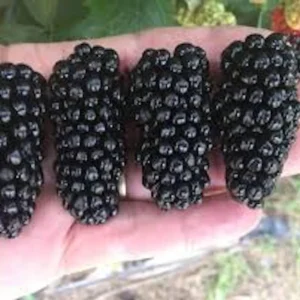
5 Big Daddy Thornless Blackberry Plants - Rubus Fruit Starter Plants, High Yield, Zones 5-9
2 × $64.00
-
×
3 Prime Ark Freedom Blackberry Live Plant – Thornless Fruit Bush – Bare Root
1 × $40.00
-
×
Blue Hopi Corn Seeds - 1 Lb Organic Non-GMO Heirloom Sweet & Flour Corn
1 × $29.98
-
×
Pothos Marble Queen Live Plant – Variegated Indoor Houseplant Starter
1 × $17.84
-
×
Yellow Christmas Cactus Live Plant – Zygocactus – 4 inch Pot – Indoor Houseplant
2 × $87.38
-
×
Red Mandevilla Live Plant Starter Set - 2 Vines, 4-6" Tall - Tropical Garden
1 × $11.49
-
×
Mini Rose Red Live Plant – 6" Height – 3" Pot – Indoor & Outdoor Flowering Perennial
1 × $44.78
-
×
Aeonium 'Ink Painting' Succulent Live Plant – Rare Variegated, 6'' Wide, Colorful
1 × $130.00
-
×
50 Christmas Fern Bare Root Plants - Polystichum Acrostichoides - Perennial
1 × $80.00
-
×
12 Fresh Shampoo Ginger Rhizomes - Zingiber zerumbet Roots for Planting
1 × $39.98
-
×
Orange Thanksgiving Cactus Live Plant - Zygocactus - 4" Pot - Indoor Succulent
1 × $55.98
-
×
Metrosideros excelsa Variegata Live Plant - New Zealand Christmas Tree - 1 Gallon Pot
2 × $90.00
-
×
White Guava Live Plant – Sweet Edible Fruit Tree, 10 Inches Tall, for Tropical Landscaping
2 × $29.99
-
×
5 Maidenhair Fern Bare Root Plants - Adiantum pedatum - Shade Loving Ferns
2 × $22.38
-
×
Philodendron White Princess Live Plant - Variegated Houseplant Starter
1 × $12.60
-
×
Short Needle Pine – Live Plant – 10 Inches Tall – Outdoor
2 × $9.00
-
×
Variegated Weigela florida Live Plant - Up to 2 ft Tall - Outdoor Shrub
2 × $41.50
-
×
Lilac Live Bush - Fragrant Purple Flowers - Outdoor Shrub - Seedling
1 × $24.99
-
×
Orange Daylily Bulbs - 3 Bare Roots for Vibrant Garden Flowers
1 × $39.99
-
×
16 Fresh Shampoo Ginger Rhizomes - Zingiber Zerumbet Pinecone Roots
1 × $53.98
-
×
Red Fuji Apple Tree – Live Plant – 2.5 ft Tall – Outdoor
2 × $70.00
-
×
Tuscan Blue Rosemary Live Plants - 6 Starter Plants, 5-8" Tall - Culinary & Ornamental Herb
1 × $25.24
-
×
Dark Orange Daylily Bulbs - 3 Bare Roots for Planting - Outdoor Flowers
1 × $27.99
-
×
Strawberry Mint Live Plant - 6-inch Height, 4.5-inch Pot, Culinary Herb
1 × $69.98
-
×
Philodendron Pink Princess Live Plant - Black Cherry Variegation, Starter
1 × $15.68
-
×
Organic True Potato Seeds 50 Count - Purple, Red, Yellow Color Mix for Planting
1 × $19.98
-
×
Vigoro Replacement Liners – Garden Accessory – 2 Pack – Indoor/Outdoor
3 × $31.50
-
×
Pawpaw Tree – Live Plant – Cold Hardy – Up to 1 ft Tall – Outdoor
1 × $34.00
-
×
Arabian Jasmine Live Plant - Grand Duke - 8" Tall in 3.5" Pot - Fragrant Indoor/Outdoor
1 × $55.98
-
×
Heliotrope Fragrant Delight Live Plants - Set of 2, 3-6" Tall, Violet Fragrant Flowers
1 × $13.99
-
×
Sambac Jasmine Live Plant – Fragrant Flowering Plant – 8-inch Tall – 3-inch Pot – Indoor/Outdoor
1 × $46.18
-
×
Cactus Seed Mix - DIY Cacti Garden Kit - Min. 25 Seeds
1 × $6.74
-
×
Incense Cedar Live Tree Seedling - Calocedrus decurrens - Small 1-1.5 Year Old Plant
1 × $17.98
-
×
Lavender Provence Live Plant Plug - Aromatic French Herb Starter, 1-3" Tall
1 × $10.79
-
×
Dogwood Tree – Live Plant – 2 Ft Tall – Outdoor – White Flowers
1 × $40.00
-
×
Granny Smith Apple Tree – Live Plant – 2.5 ft Tall – Outdoor
1 × $70.00
-
×
Orange Bird of Paradise Live Plant, Set of 2, 4-6 Inch, Outdoor Tropical
1 × $19.99
-
×
Euphorbia Pachypodioides Seeds - Rare Exotic Succulent Cactus Seeds - 5 Pack Outdoor
1 × $13.38
-
×
Light Pink Christmas Cactus Live Plant – 4-6" Tall, 2" Pot – Indoor
1 × $33.58
-
×
Natchez Crape Myrtle Live Plant – 1 Gallon Pot – White Flowers – Outdoor Shrub/Tree
1 × $77.90
-
×
3 Snow Chaser Blueberry Live Plants - Southern Highbush, Early Ripening
1 × $48.00
-
×
Coleus Jazz Marble Seeds - 500 Count - Green & Purple Foliage - Indoor/Outdoor
1 × $11.98
-
×
Set of 2 Meyer Lemon Trees Live Plants, 2-4 Inch Tall, 4" Pot, Indoor/Outdoor Citrus
1 × $36.99
-
×
Philodendron Pink Princess Live Plant – Tropical Indoor Starter Plant
1 × $16.30
-
×
Sundown Orange Bougainvillea Starter Plants - Set of 2, 4-10" Tall Hardy Vibrant Flower Vine
1 × $19.99
 Mix Color Bougainvillea Live Plant - Random Colors in 1 Pot, 2-3 Ft Tall, 3 Gallon
  Pansy Viola Atlas Black Live Plant Plug – Fragrant Pollinator Flower
 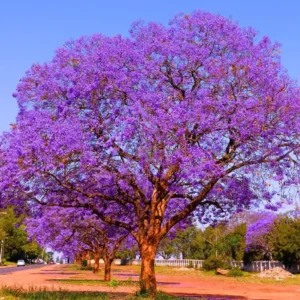 Jacaranda Live Starter Plant, Blue Jacaranda Tree, 6-8 Inch Tall, 3 Inch Pot
 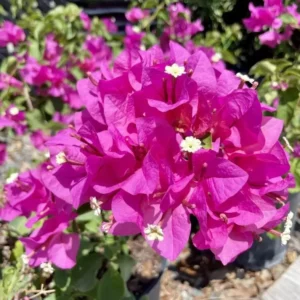 Helen Bougainvillea Starter Plants - 2-Pack Live Vine, 4-10" Tall - Hardy Flower
 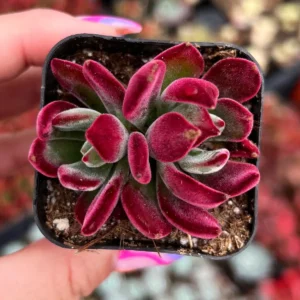 Echeveria Harmsii Ruby Slippers Live Plant – 2 inch Velvet Red Rosette Succulent
 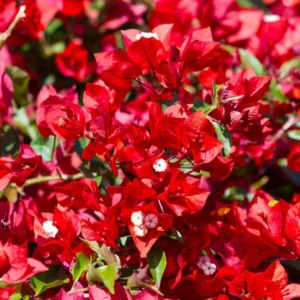 Red Bougainvillea Live Plant – Flowering Perennial, 6-8 Inches Tall, Outdoor
 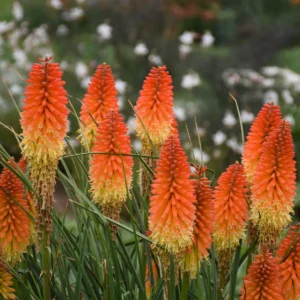 3 Red Hot Poker Perennial Plants - Bareroot, Full Sun, Pollinator
 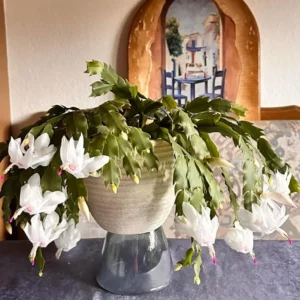 White Thanksgiving Cactus Live Plant - 7" Tall, 6" Pot - Indoor/Outdoor Zygocactus
 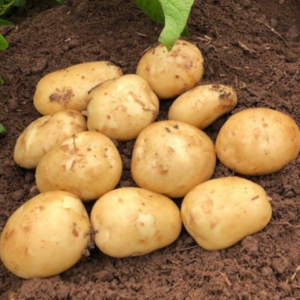 Yukon Gold True Potato Seeds - 50 Organic Yellow Mix Potato Seeds for Planting
 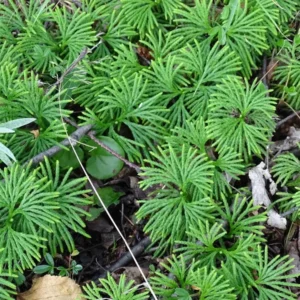 15 Fan Clubmoss Bare Roots - Lycopodium Complanatum Evergreen Ground Cover Plant
 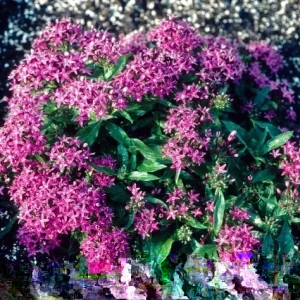 Pentas New Look Violet Seeds - 500 Count Flowering Annual for Outdoor Gardens
 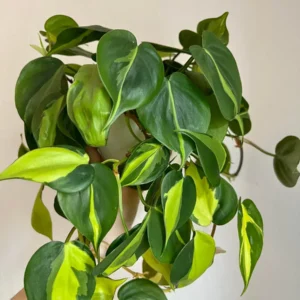 Philodendron Brasil Vining Live Plant - Indoor Houseplant Starter
 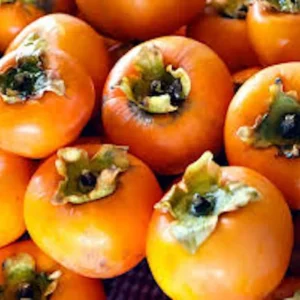 30 American Persimmon Tree Seeds - Organic Diospyros Virginiana Fruit
 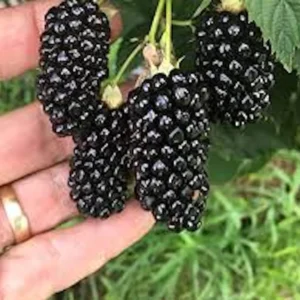 5 Big Daddy Thornless Blackberry Plants - Rubus Fruit Starter Plants, High Yield, Zones 5-9
 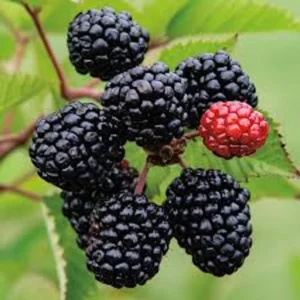 3 Prime Ark Freedom Blackberry Live Plant – Thornless Fruit Bush – Bare Root
 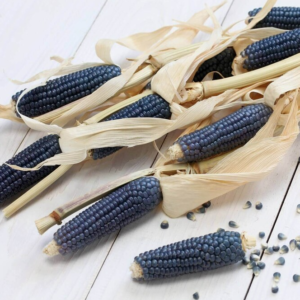 Blue Hopi Corn Seeds - 1 Lb Organic Non-GMO Heirloom Sweet & Flour Corn
 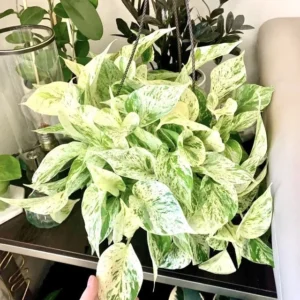 Pothos Marble Queen Live Plant – Variegated Indoor Houseplant Starter
 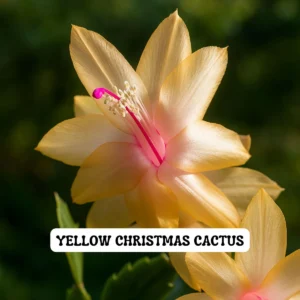 Yellow Christmas Cactus Live Plant – Zygocactus – 4 inch Pot – Indoor Houseplant
 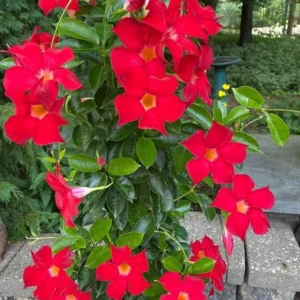 Red Mandevilla Live Plant Starter Set - 2 Vines, 4-6" Tall - Tropical Garden
 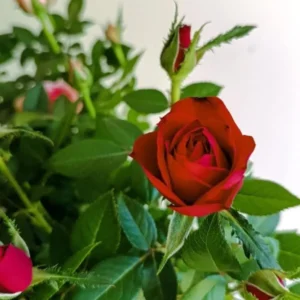 Mini Rose Red Live Plant – 6" Height – 3" Pot – Indoor & Outdoor Flowering Perennial
 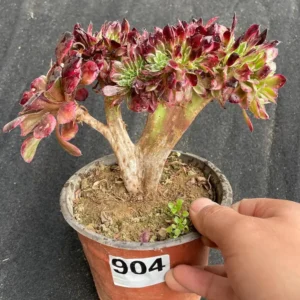 Aeonium 'Ink Painting' Succulent Live Plant – Rare Variegated, 6'' Wide, Colorful
 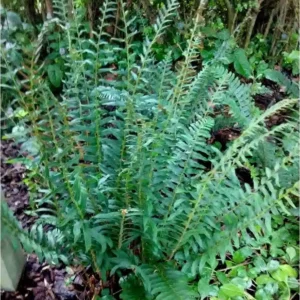 50 Christmas Fern Bare Root Plants - Polystichum Acrostichoides - Perennial
 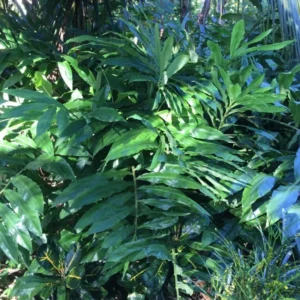 12 Fresh Shampoo Ginger Rhizomes - Zingiber zerumbet Roots for Planting
 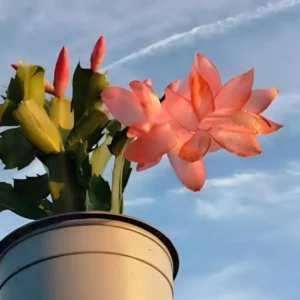 Orange Thanksgiving Cactus Live Plant - Zygocactus - 4" Pot - Indoor Succulent
 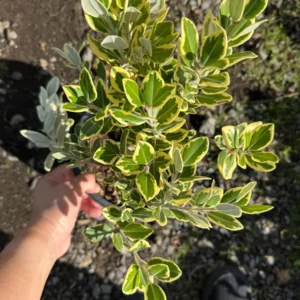 Metrosideros excelsa Variegata Live Plant - New Zealand Christmas Tree - 1 Gallon Pot
 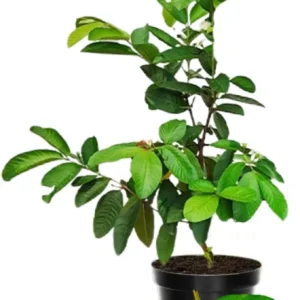 White Guava Live Plant – Sweet Edible Fruit Tree, 10 Inches Tall, for Tropical Landscaping
 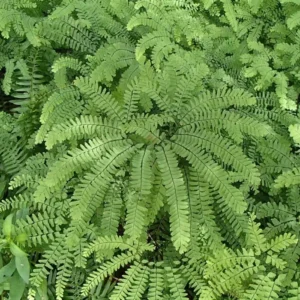 5 Maidenhair Fern Bare Root Plants - Adiantum pedatum - Shade Loving Ferns
 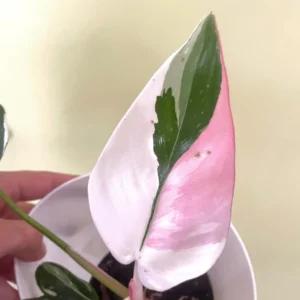 Philodendron White Princess Live Plant - Variegated Houseplant Starter
 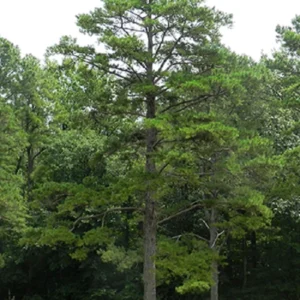 Short Needle Pine – Live Plant – 10 Inches Tall – Outdoor
 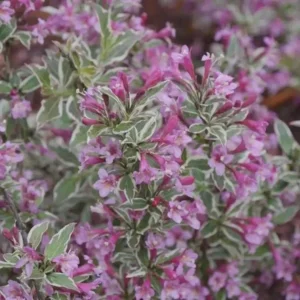 Variegated Weigela florida Live Plant - Up to 2 ft Tall - Outdoor Shrub
 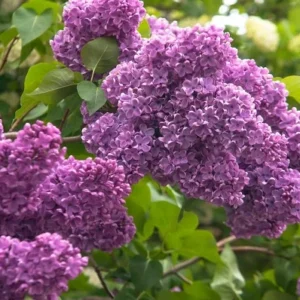 Lilac Live Bush - Fragrant Purple Flowers - Outdoor Shrub - Seedling
 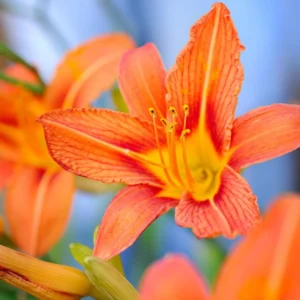 Orange Daylily Bulbs - 3 Bare Roots for Vibrant Garden Flowers
 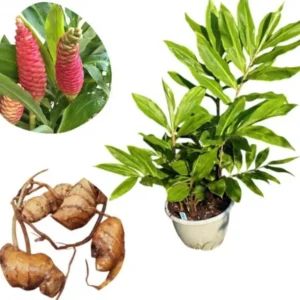 16 Fresh Shampoo Ginger Rhizomes - Zingiber Zerumbet Pinecone Roots
 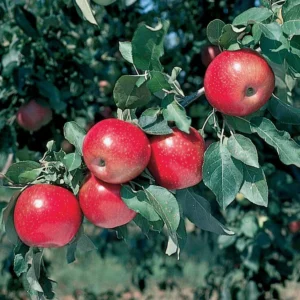 Red Fuji Apple Tree – Live Plant – 2.5 ft Tall – Outdoor
 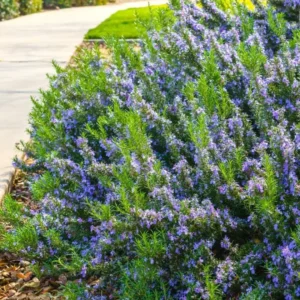 Tuscan Blue Rosemary Live Plants - 6 Starter Plants, 5-8" Tall - Culinary & Ornamental Herb
 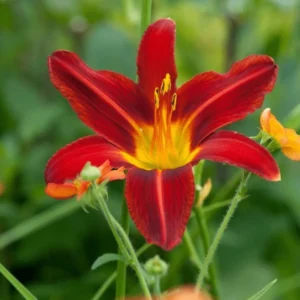 Dark Orange Daylily Bulbs - 3 Bare Roots for Planting - Outdoor Flowers
 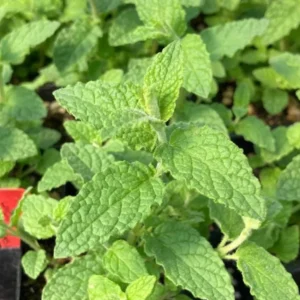 Strawberry Mint Live Plant - 6-inch Height, 4.5-inch Pot, Culinary Herb
 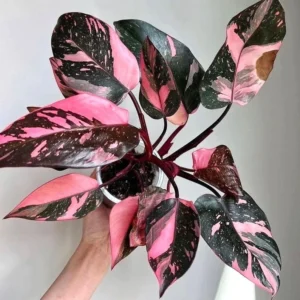 Philodendron Pink Princess Live Plant - Black Cherry Variegation, Starter
 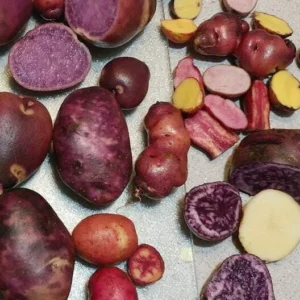 Organic True Potato Seeds 50 Count - Purple, Red, Yellow Color Mix for Planting
 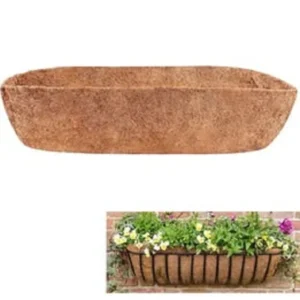 Vigoro Replacement Liners – Garden Accessory – 2 Pack – Indoor/Outdoor
 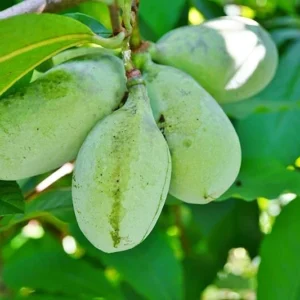 Pawpaw Tree – Live Plant – Cold Hardy – Up to 1 ft Tall – Outdoor
 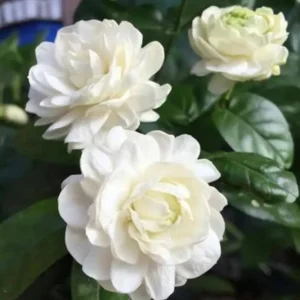 Arabian Jasmine Live Plant - Grand Duke - 8" Tall in 3.5" Pot - Fragrant Indoor/Outdoor
 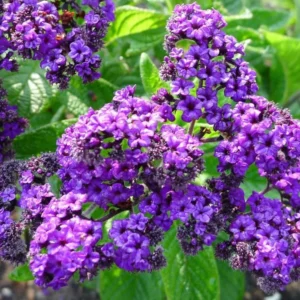 Heliotrope Fragrant Delight Live Plants - Set of 2, 3-6" Tall, Violet Fragrant Flowers
 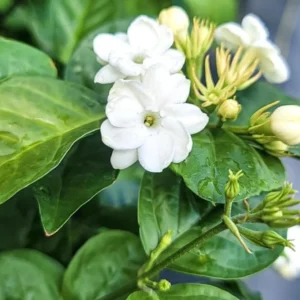 Sambac Jasmine Live Plant – Fragrant Flowering Plant – 8-inch Tall – 3-inch Pot – Indoor/Outdoor
 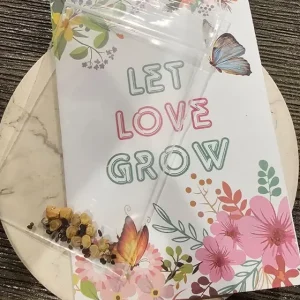 Cactus Seed Mix - DIY Cacti Garden Kit - Min. 25 Seeds
 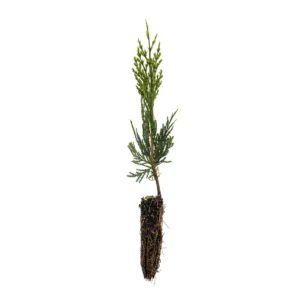 Incense Cedar Live Tree Seedling - Calocedrus decurrens - Small 1-1.5 Year Old Plant
 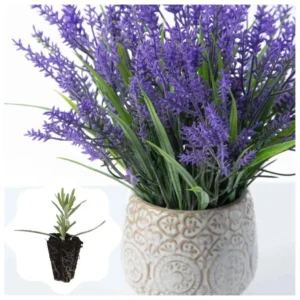 Lavender Provence Live Plant Plug - Aromatic French Herb Starter, 1-3" Tall
 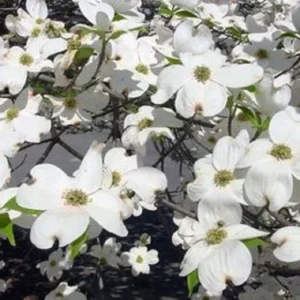 Dogwood Tree – Live Plant – 2 Ft Tall – Outdoor – White Flowers
 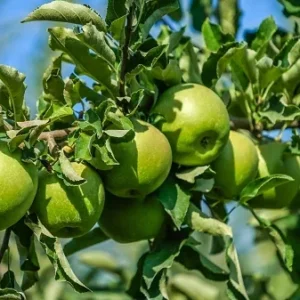 Granny Smith Apple Tree – Live Plant – 2.5 ft Tall – Outdoor
 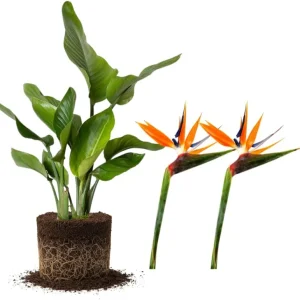 Orange Bird of Paradise Live Plant, Set of 2, 4-6 Inch, Outdoor Tropical
 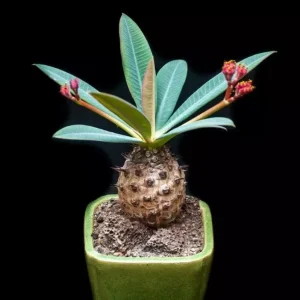 Euphorbia Pachypodioides Seeds - Rare Exotic Succulent Cactus Seeds - 5 Pack Outdoor
 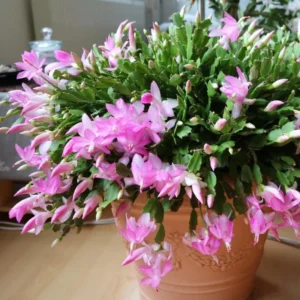 Light Pink Christmas Cactus Live Plant – 4-6" Tall, 2" Pot – Indoor
 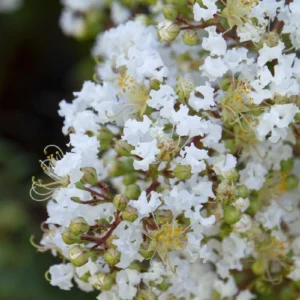 Natchez Crape Myrtle Live Plant – 1 Gallon Pot – White Flowers – Outdoor Shrub/Tree
 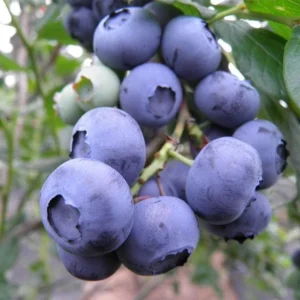 3 Snow Chaser Blueberry Live Plants - Southern Highbush, Early Ripening
 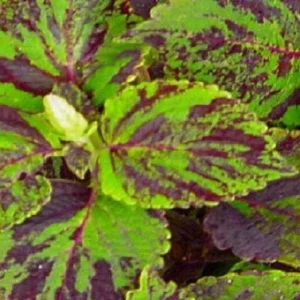 Coleus Jazz Marble Seeds - 500 Count - Green & Purple Foliage - Indoor/Outdoor
 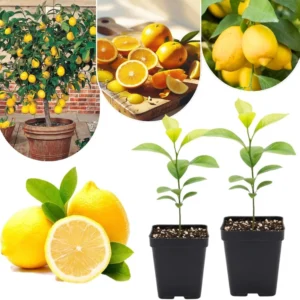 Set of 2 Meyer Lemon Trees Live Plants, 2-4 Inch Tall, 4" Pot, Indoor/Outdoor Citrus
 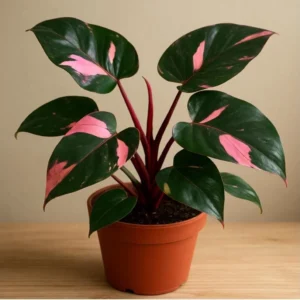 Philodendron Pink Princess Live Plant – Tropical Indoor Starter Plant
 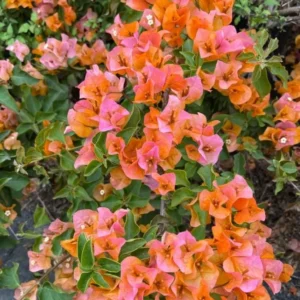 Sundown Orange Bougainvillea Starter Plants - Set of 2, 4-10" Tall Hardy Vibrant Flower Vine
 3 Thornless Boysenberry Live Plant Starters – Perennial Fruit Bush
-20%
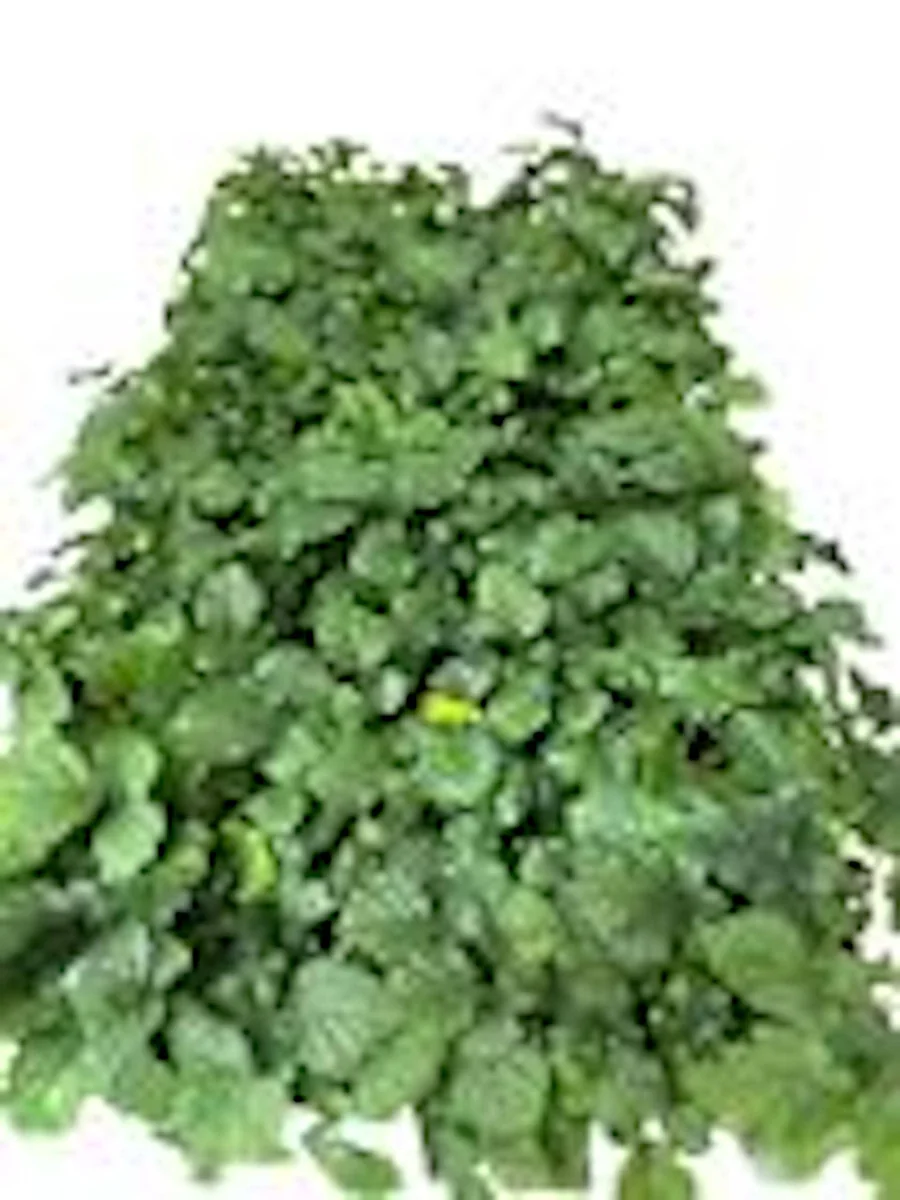
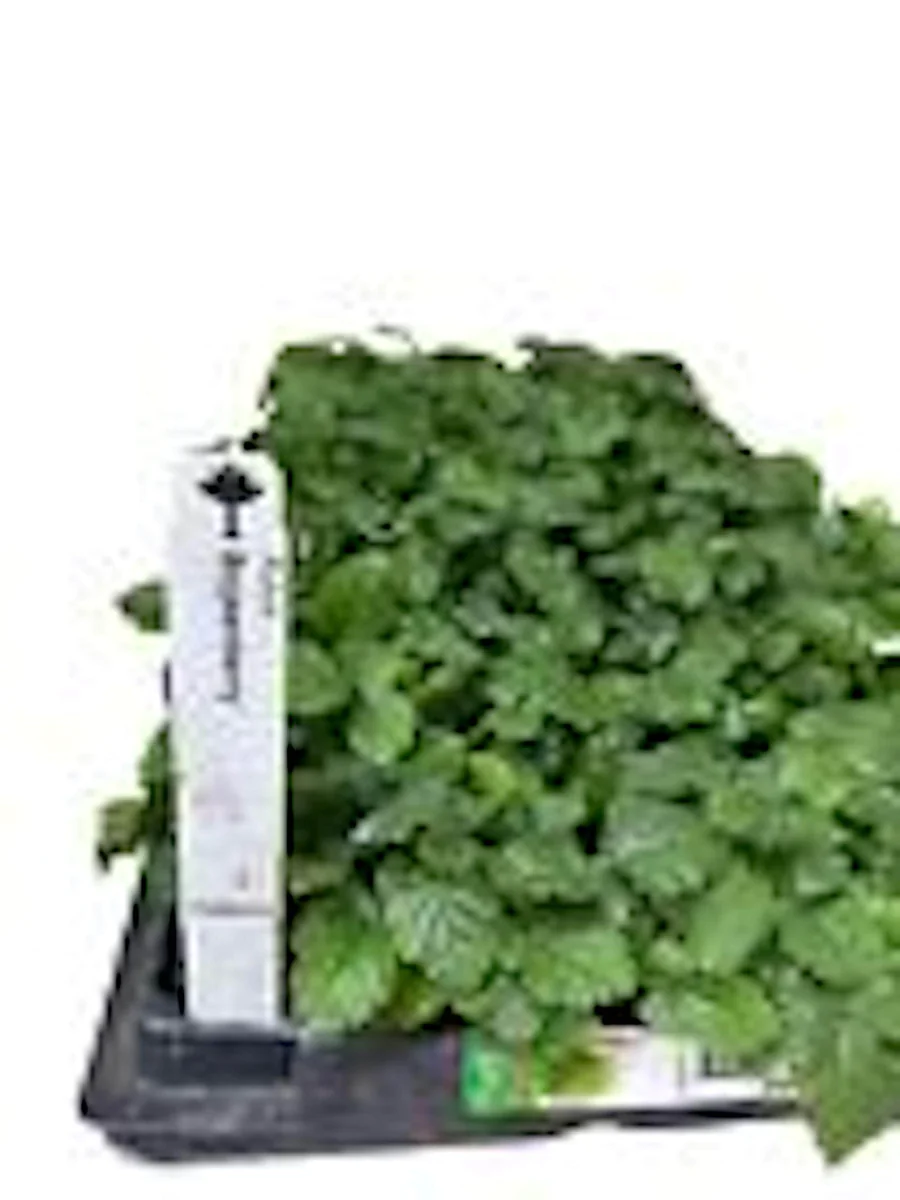
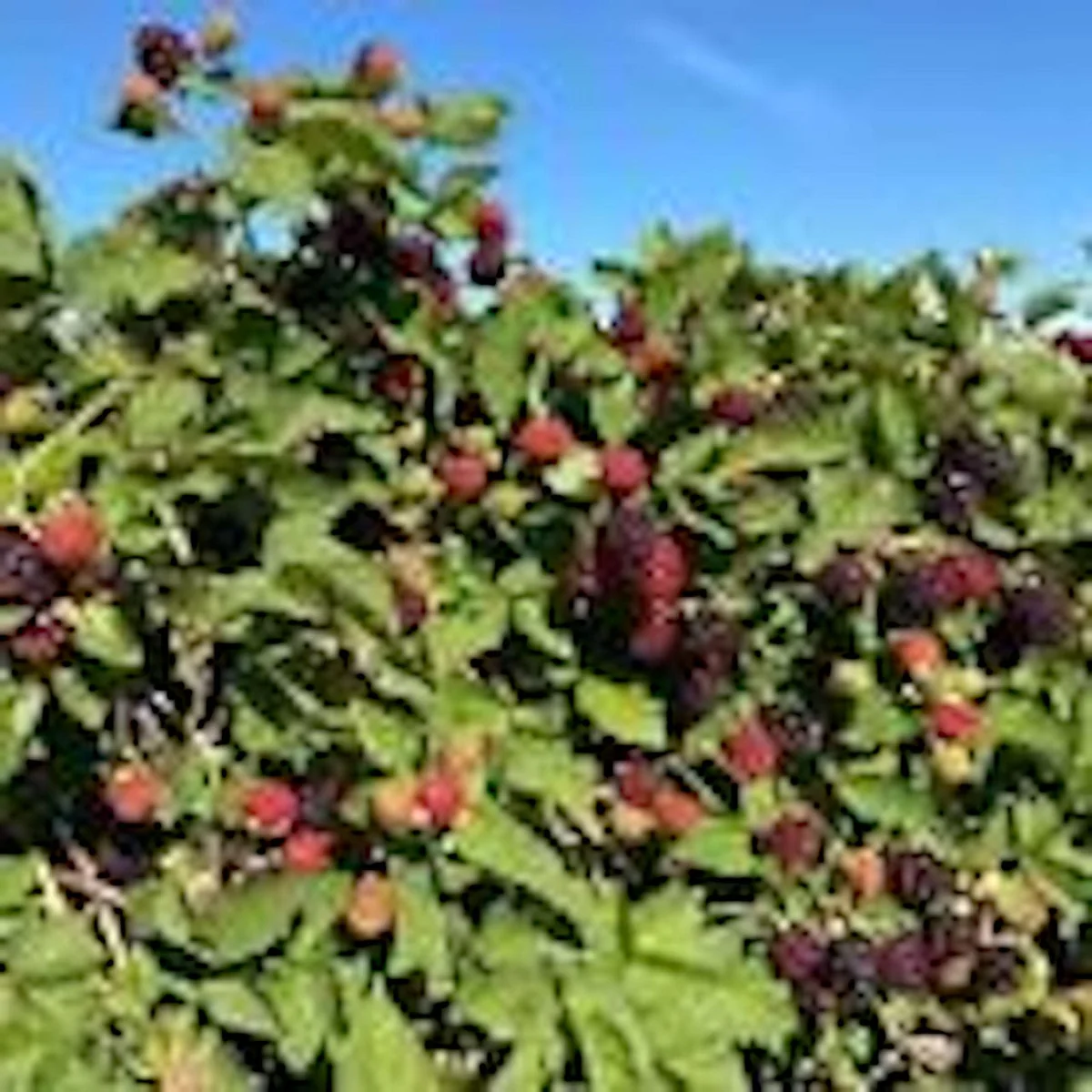
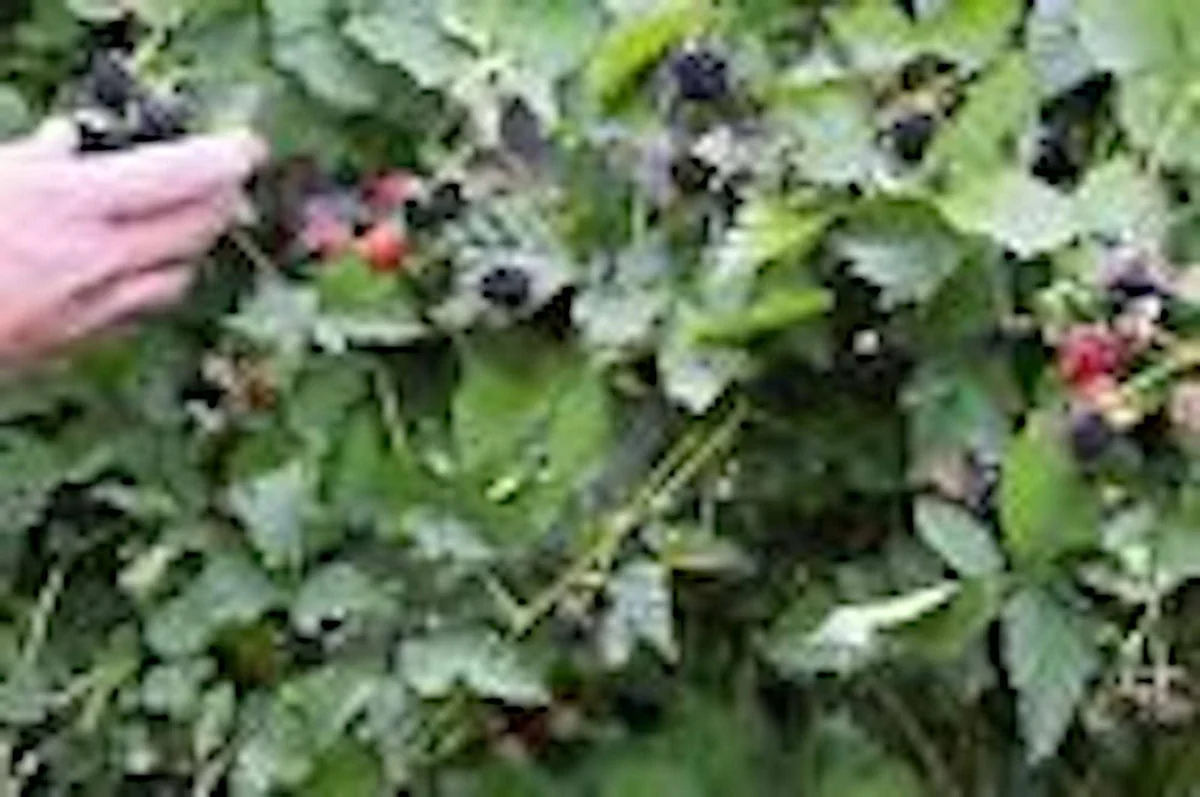
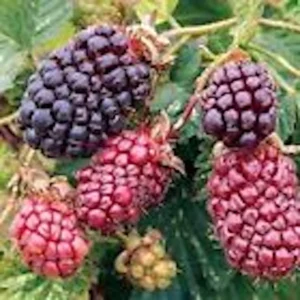
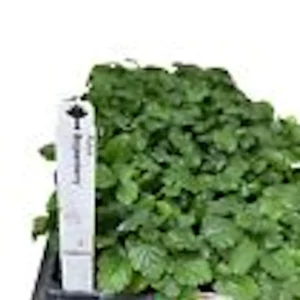
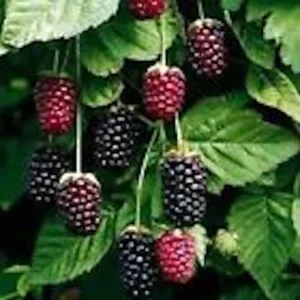
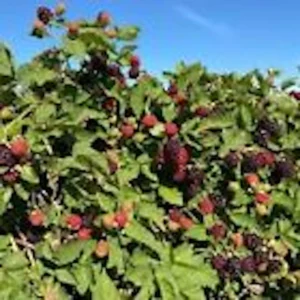
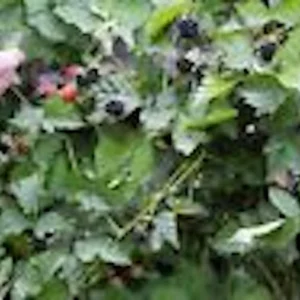
3 Thornless Boysenberry Live Plant Starters – Perennial Fruit Bush
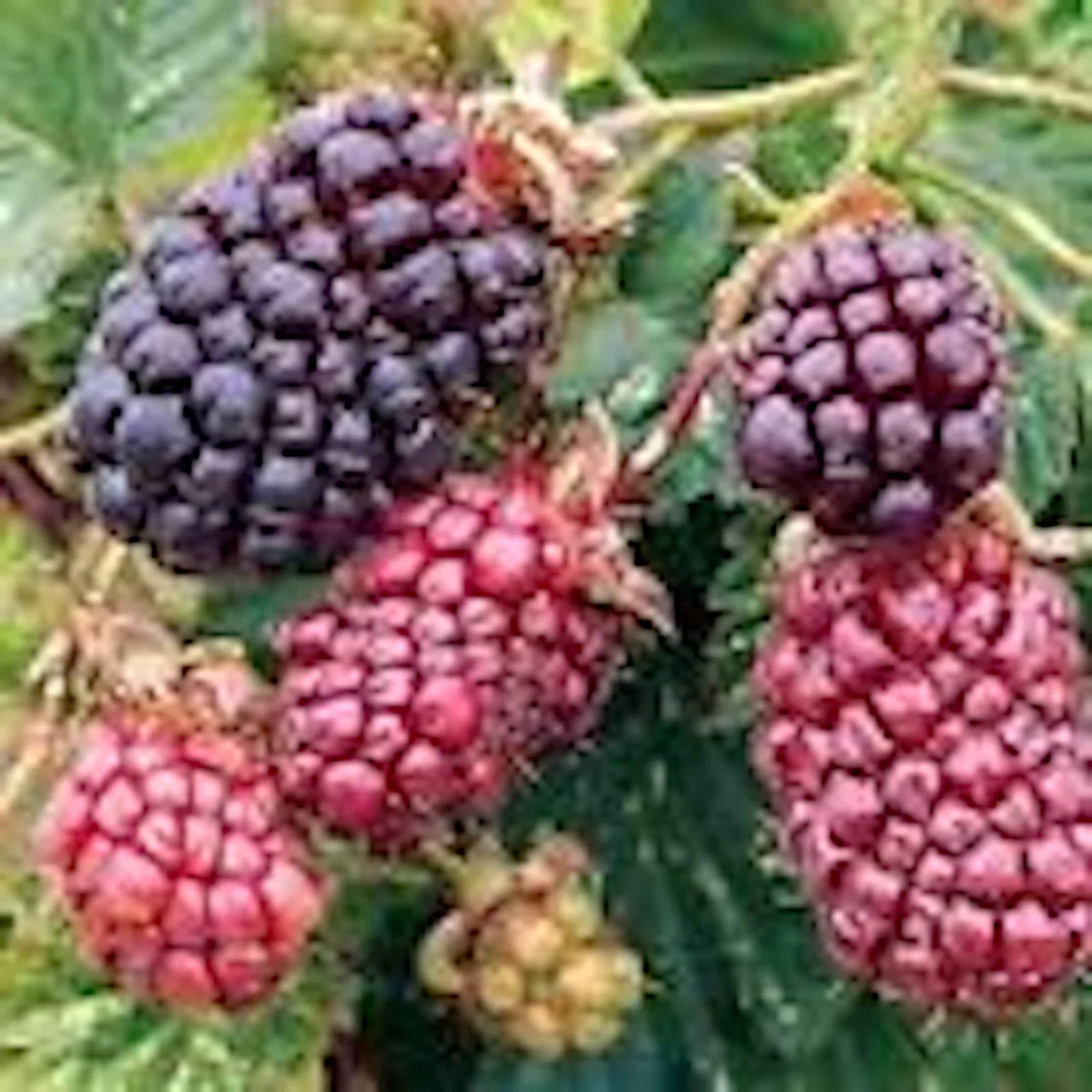
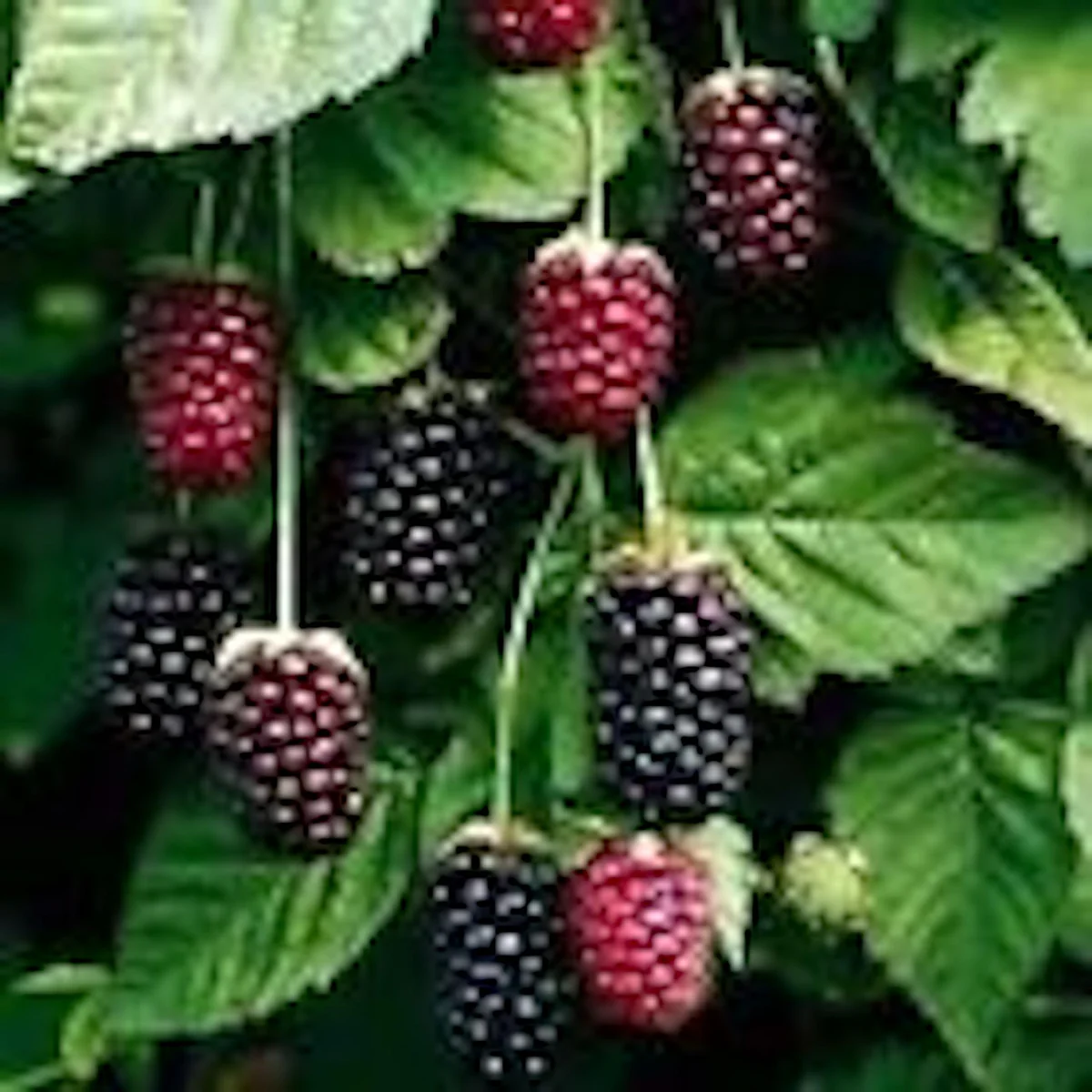
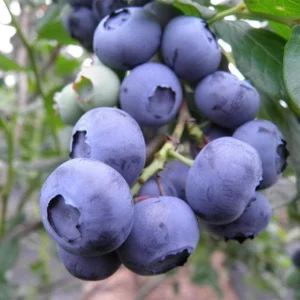
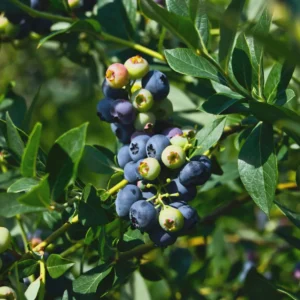
Cultivate your own sweet-tart berries with these 3 thornless boysenberry live plant starters. Ideal for gardens, these perennial fruit bush plants are known for their large, dark purple fruit and easy harvesting. Perfect for fresh eating, jams, and desserts.
Original price was: $56.00.$44.80Current price is: $44.80.

With our Alive & Thrive Guarantee, we’ve got your back for the first 30 days! If you have any concerns about your plants, just reach out to us. Our team is here to help answer your questions and guide you in selecting the best plants for your garden, climate, and unique preferences. We're excited to help you create the garden of your dreams!
Estimated arrival
Apr 09
Apr 14 - Apr 16
Apr 19 - Apr 23
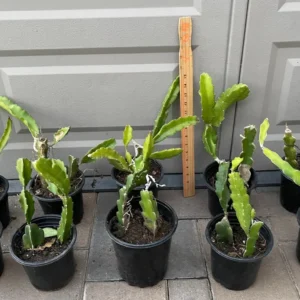
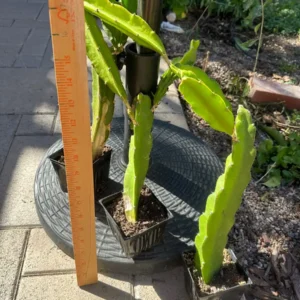
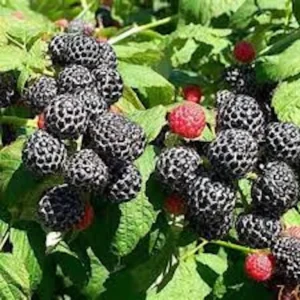
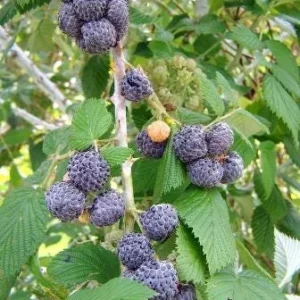
Product Details
-
USDA Hardiness Zone
USDA zones 5-9 -
Soil type
Well-draining, rich in organic matter, slightly acidic to neutral -
Sunlight Exposure
Full sun (6-8+ hours direct light) -
Expected Planting Period
Early spring
Overview
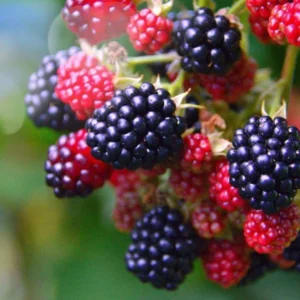
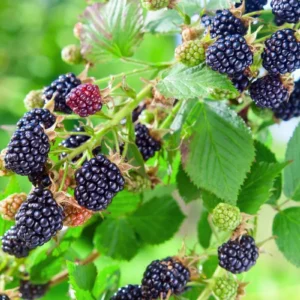
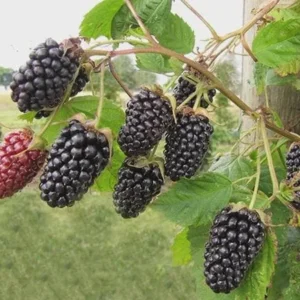
Bring the joy of homegrown berries to your garden with this offering of 3 thornless boysenberry live plant starters. The boysenberry (Rubus ursinus × Rubus idaeus) is a remarkable hybrid fruit, a cross between the European raspberry, the American blackberry, and the loganberry. These starter plants are the perfect way to establish a productive patch of these highly coveted berries. Known for their large, dark purple to reddish-black fruit, boysenberries offer a unique sweet-tart flavor profile that is truly exceptional. This thornless boysenberry live plant provides an easier harvesting experience, making it a favorite among home gardeners and culinary enthusiasts alike. Prepare to enjoy an abundance of delicious fruit right from your backyard, perfect for a wide range of culinary applications.
Each of these 3 thornless boysenberry live plant starters is ready to thrive in your garden, transforming into a vigorous perennial fruit bush. The boysenberry plant is a robust addition to any edible landscape, offering both ornamental appeal and a generous harvest. If you’re looking to grow thornless boysenberry plants, these starters provide a fantastic foundation for a bountiful yield. Their hybrid vigor ensures a strong start, and with proper care, they will become a cherished part of your garden for many seasons to come. Discover the rich, complex flavors of fresh boysenberries, an experience far superior to store-bought varieties.
Key Benefits
These thornless boysenberry live plant starters offer numerous advantages for the home gardener, promising a rewarding and delicious harvest. From their ease of cultivation to their versatile fruit, they are an excellent choice for anyone looking to expand their edible garden.
- Abundant, Delicious Fruit: Enjoy a prolific harvest of large, succulent boysenberries. These berries are celebrated for their distinctive sweet-tart flavor, making them perfect for eating fresh, baking, or preserving.
- Thornless Canes for Easy Harvesting: Unlike many berry varieties, these boysenberry plants are thornless, significantly simplifying the harvesting process and making garden maintenance more pleasant.
- Versatile Culinary Use: The rich flavor of boysenberries makes them ideal for a wide array of culinary creations, including jams, jellies, pies, tarts, smoothies, and sauces.
- Perennial Vigor: As a perennial fruit bush, these plants will return year after year, providing consistent harvests once established, offering long-term value to your garden.
- Adaptable Growth: While capable of sprawling, boysenberry plants can be trained on trellises or supports, allowing for flexible garden placement and easier access to fruit.
- Attractive Garden Addition: Beyond their fruit, the vigorous growth and green foliage of the thornless boysenberry live plant add an appealing, natural element to your garden landscape.
- High Nutritional Value: Boysenberries are packed with vitamins, antioxidants, and fiber, contributing to a healthy diet directly from your garden.
Plant Care & Growing Tips
To ensure your 3 thornless boysenberry live plant starters thrive, proper care is essential. These plants are relatively low-maintenance once established, but a good start will lead to healthier, more productive bushes. Boysenberries prefer a sunny location, ideally receiving at least 6-8 hours of direct sunlight per day. Good air circulation is also important to prevent fungal diseases. Plant them in well-draining soil that is rich in organic matter. A slightly acidic to neutral pH (6.0-7.0) is ideal. Amending your soil with compost or well-rotted manure before planting will greatly benefit the plants.
Water your thornless boysenberry live plant regularly, especially during dry periods and when the fruit is developing. The soil should remain consistently moist but not waterlogged. Deep watering encourages a strong root system. Fertilize in early spring with a balanced fertilizer or a berry-specific formula. Pruning is crucial for boysenberry production and plant health. Since boysenberries fruit on second-year canes, you’ll want to prune out old, spent canes after they’ve fruited and thin out new canes to ensure good air circulation and light penetration. Training the sprawling vines onto a trellis or wire system will keep them tidy and make harvesting easier. Understanding thornless boysenberry care is key to a successful harvest.
Protect your plants from common pests and diseases by maintaining good garden hygiene and inspecting them regularly. Companion planting can also help deter some pests. The Rubus ursinus × Rubus idaeus hybrid is generally robust, but vigilance is always recommended. For those wondering how to grow thornless boysenberry successfully, consistent watering, annual pruning, and ample sunlight are the cornerstones of cultivation. These steps will ensure your perennial fruit bush produces an abundance of delicious berries for years to come.
Size & Details
This offering includes 3 thornless boysenberry live plant starter plants, typically shipped as bare-root stock or in small nursery pots, ready for immediate planting in your garden. When mature, a thornless boysenberry live plant can grow into a sprawling vine or shrub, reaching impressive heights of 4 to 6 feet (1.2 to 1.8 meters) and spreading widely up to 6 to 8 feet (1.8 to 2.4 meters) if left unpruned. These vigorous growers establish quickly, with initial fruit production often beginning in the second year after planting.
The mature size and spread are dependent on growing conditions, available space, and pruning practices. Training on a trellis or support system is highly recommended to manage their growth and maximize fruit yield. Expect these perennial fruit bush plants to provide a consistent harvest of large, dark purple berries, usually ripening in mid-summer. These starters are ideal for establishing a productive berry patch that will yield delicious fruit for many seasons, making it easy to grow thornless boysenberry right in your backyard.
Frequently Asked Questions
- Q: How big does this plant get? A: A mature thornless boysenberry live plant can grow 4 to 6 feet tall and spread 6 to 8 feet wide, especially if not pruned or supported. Training on a trellis can help manage its size and shape.
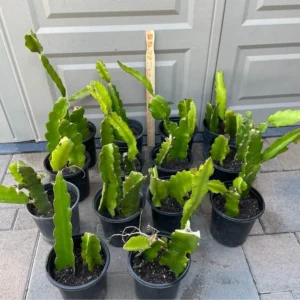
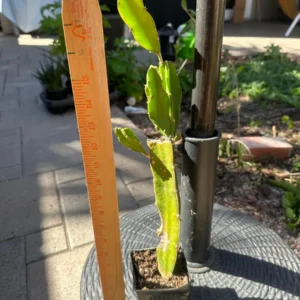
- Q: What condition will the plants arrive in? A: The 3 thornless boysenberry live plant starters typically arrive as bare-root plants or in small starter pots, ready for planting. They are carefully packaged to ensure their health during transit.
- Q: Is this an indoor or outdoor plant? A: Boysenberry plants are outdoor plants. They are a perennial fruit bush that requires full sun and specific chilling hours to produce fruit, making them unsuitable for indoor cultivation.
- Q: How much sunlight does it need? A: For optimal fruit production, your thornless boysenberry live plant requires at least 6-8 hours of direct sunlight per day. A full sun location is best.
- Q: Is this plant easy to care for? A: Boysenberry plants are moderately easy to care for. They require consistent watering, annual pruning, and proper support. Understanding basic thornless boysenberry care will ensure a good harvest.
- Q: When is the best time to plant? A: The best time to plant boysenberry starters is in early spring after the last frost, allowing them ample time to establish before the summer heat.
- Q: How long until it produces fruit? A: Boysenberry plants typically begin producing fruit in their second year after planting. You can expect a more substantial harvest in subsequent years as the plant matures.
- Q: Can I use the berries for jams and pies? A: Absolutely! Boysenberries are highly valued in the culinary world for their sweet-tart flavor, making them excellent for jams, jellies, pies, tarts, and other desserts.
- Q: Will it survive winter in my zone? A: Boysenberries are generally hardy in USDA zones 5-9. In colder zones, some winter protection may be necessary, and in warmer zones, afternoon shade can prevent scorching.
- Q: What’s the minimum temperature it can withstand? A: While dormant, boysenberries can tolerate temperatures down to around -10°F (-23°C), but extreme cold without snow cover can cause damage. Protection in prolonged freezes is advisable.
Related products
-20%
Original price was: $34.00.$27.20Current price is: $27.20.
-10%
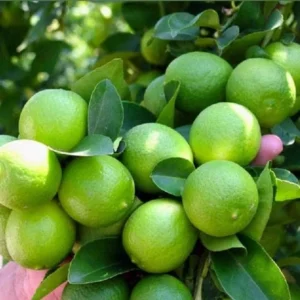
Original price was: $89.99.$80.99Current price is: $80.99.
-20%
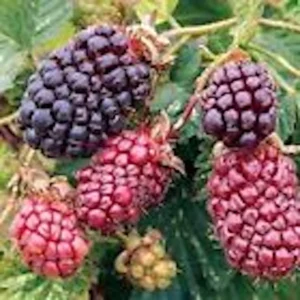
Original price was: $56.00.$44.80Current price is: $44.80.
-50%
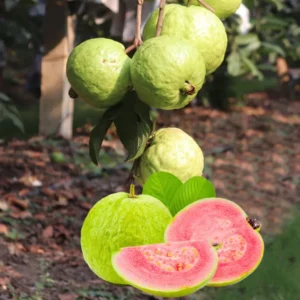
Original price was: $39.98.$19.99Current price is: $19.99.
-10%
Original price was: $158.00.$142.20Current price is: $142.20.
-20%
Original price was: $36.00.$28.80Current price is: $28.80.
PLANTING & CARE
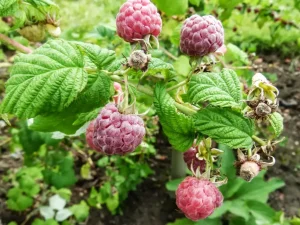
Growing Glencoe Raspberry: A Complete Guide for Gardeners
If you’re looking to add something unique to your garden, look no further than the
31
Mar
Mar

The Comprehensive Guide to Growing Bay Leaf Plants for a Flavorful Garden
Imagine stepping into your garden, greeted by the earthy aroma of fresh bay leaves, their
09
Feb
Feb

How to Make Comfrey Tea: The Ultimate Organic Plant Food
Growing an organic garden can be surprisingly expensive, especially when most store-bought fertilizers come in
02
Feb
Feb

True Comfrey: 7 Essential Tips Before You Plant This Herb
A staple in permaculture practices across the US, True Comfrey easily earns its reputation as
27
Jan
Jan

7 Heart-Shaped Plants for a Lasting Valentine’s Gift
If you’ve ever bought a bouquet of roses for Valentine’s Day, you know they are
26
Jan
Jan

Best Types of Ivy Plant for Houses: How to Choose the Perfect Ones for Your Home
Are you a garden lover looking to introduce some greenery into your home? Maybe you’ve
14
Nov
Nov

When to Harvest Garlic (Especially Fall-Planted Garlic)
TIMING IS EVERYTHING, they say – and for garlic, that truth hits with surprising accuracy.
13
Nov
Nov

11 of the Best Sweet Potato Varieties to Grow for Your Garden
If you’ve ever tried growing sweet potatoes, you know that picking the right variety can
12
Nov
Nov