 1 Yellow Turmeric Ginger Starter Plug - Curcuma longa Live Plant
 3 Thornless Boysenberry Plant Starter – Perennial Fruit Bush for Sweet-Tart Berries
-20%
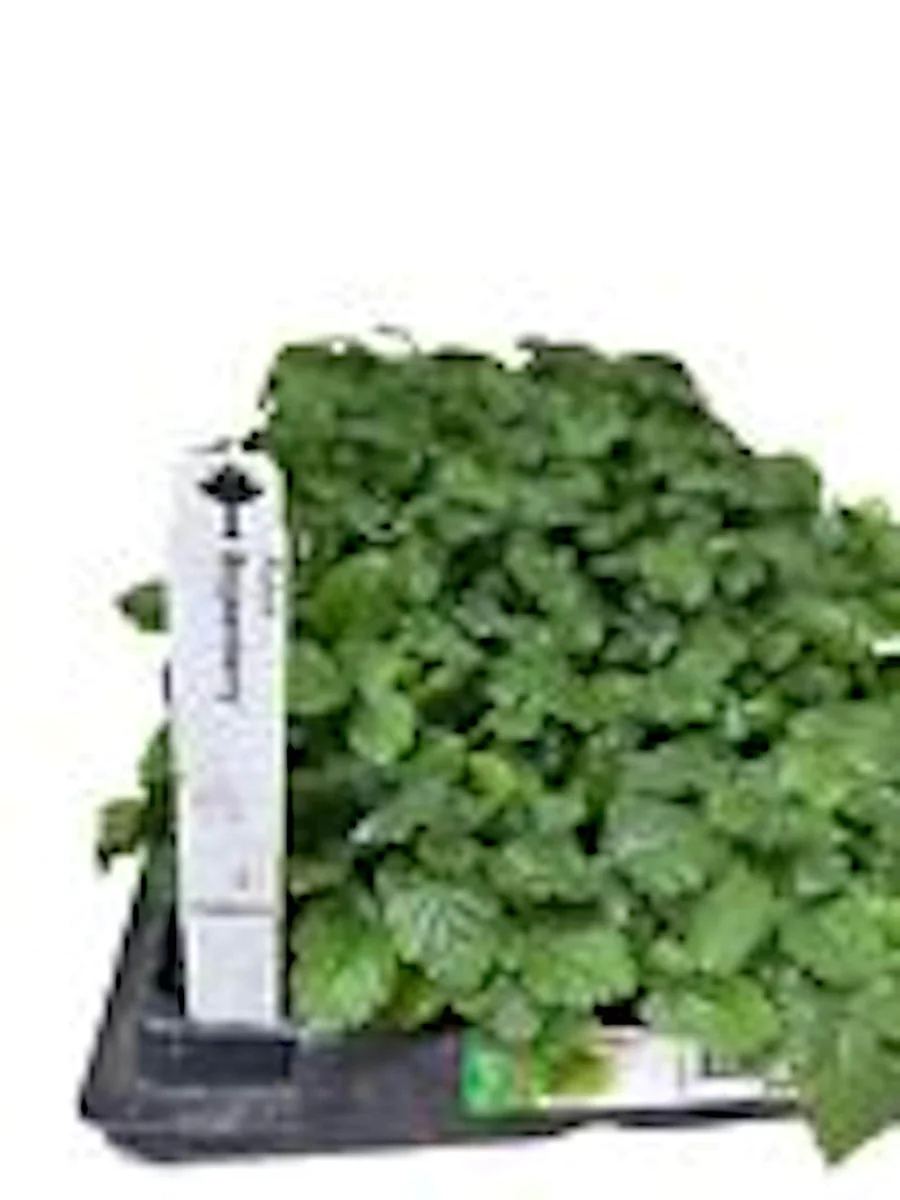
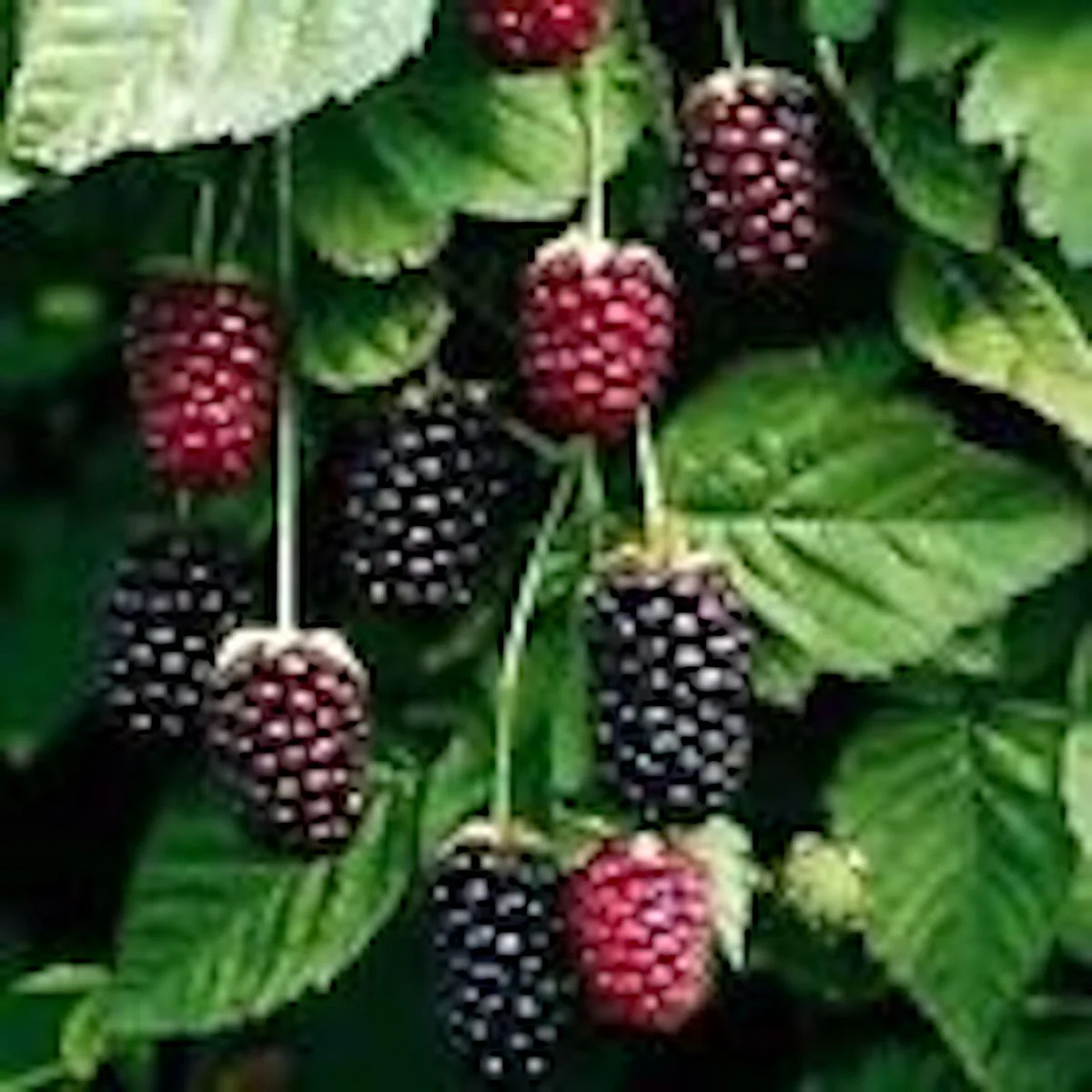
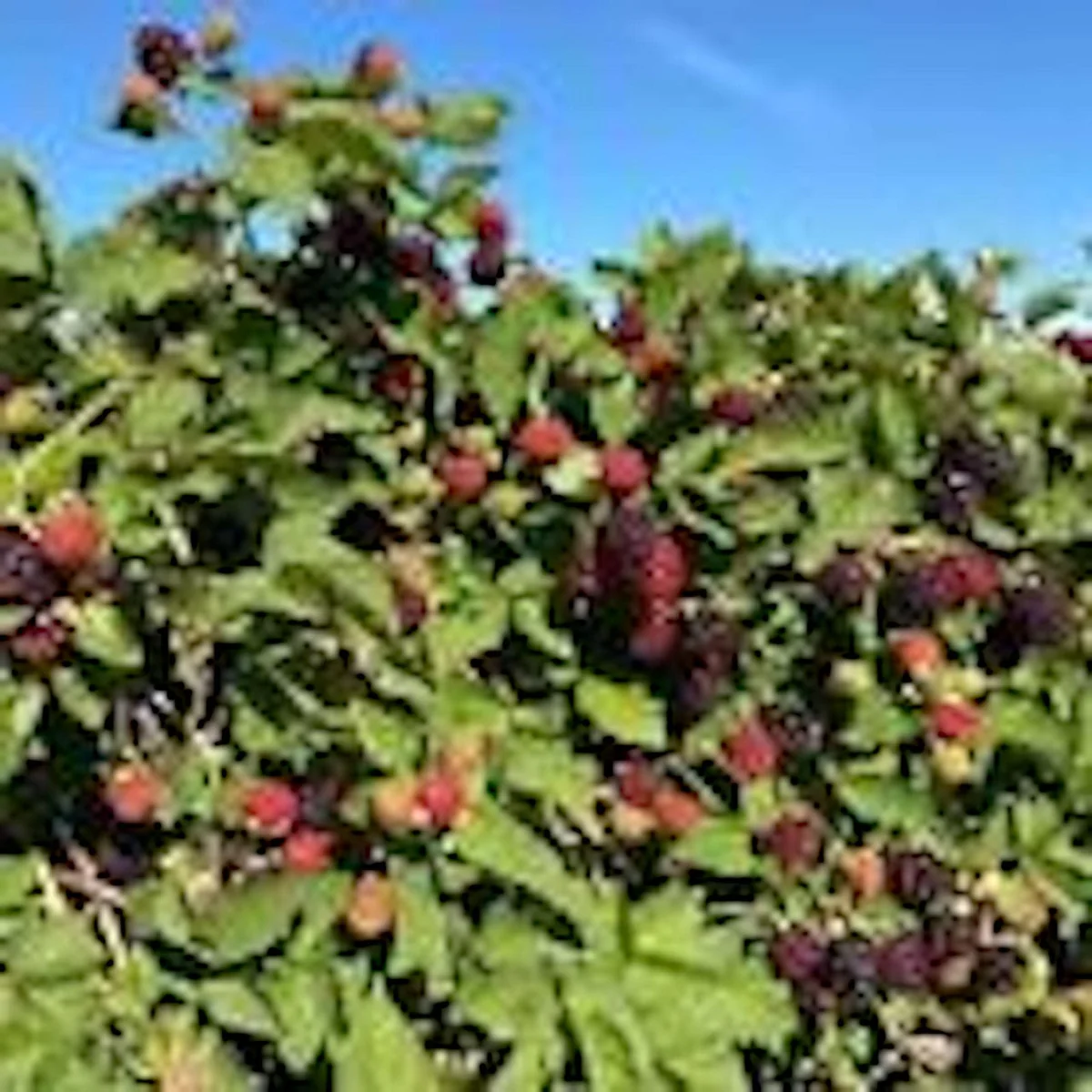
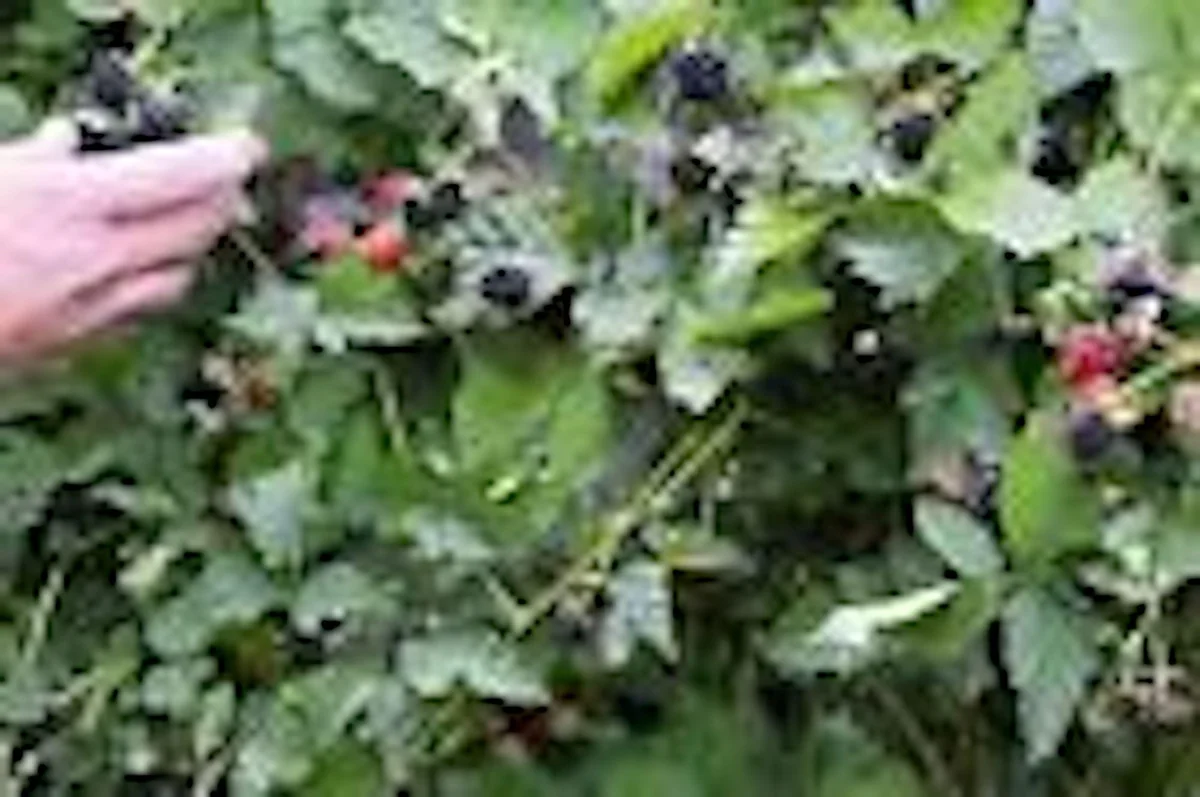

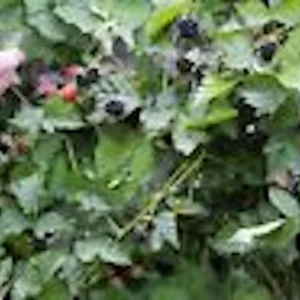
3 Thornless Boysenberry Plant Starter – Perennial Fruit Bush for Sweet-Tart Berries
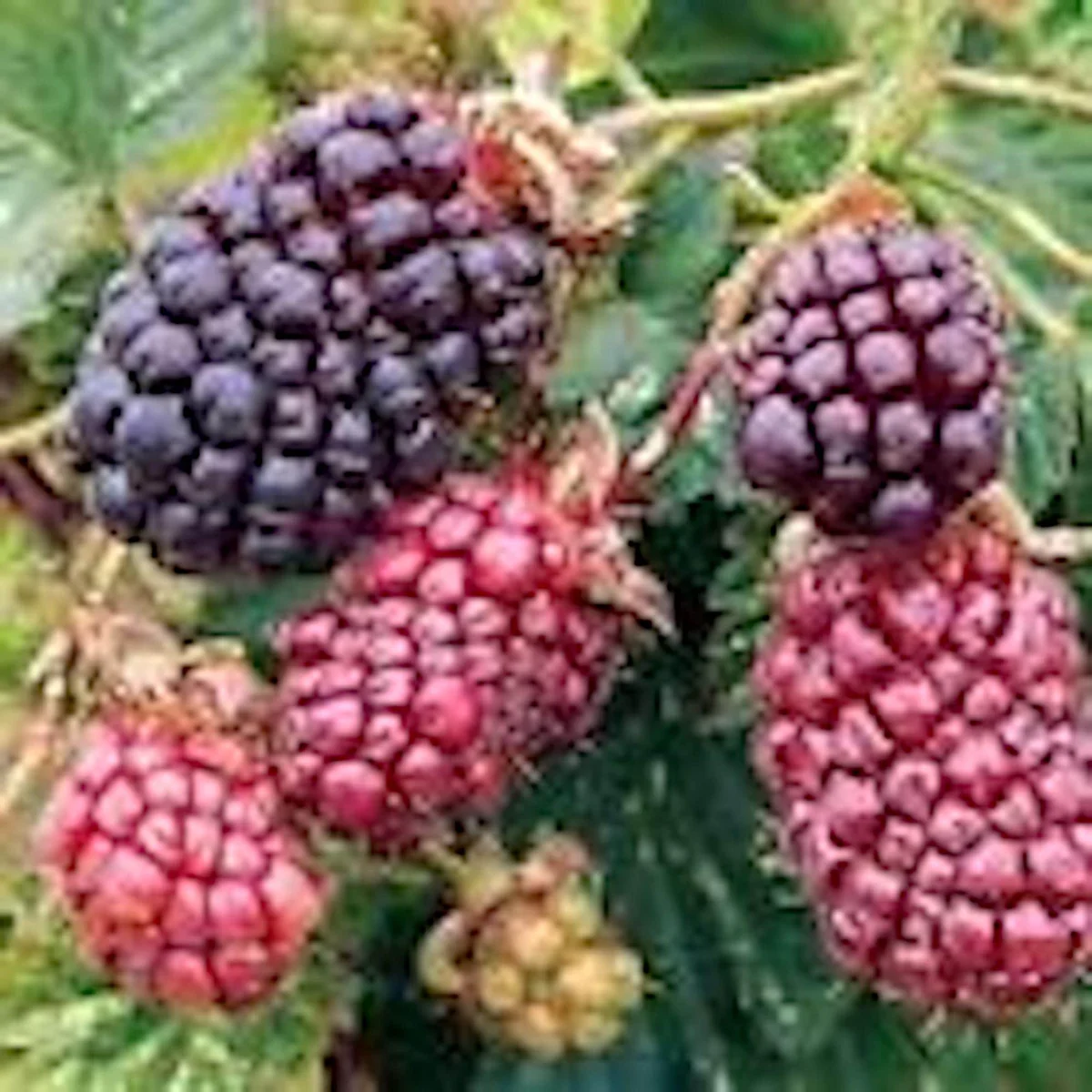
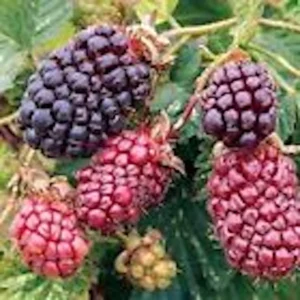
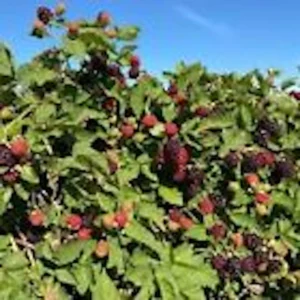
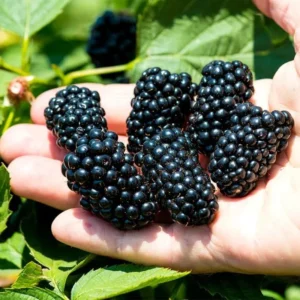
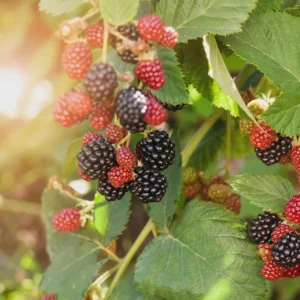
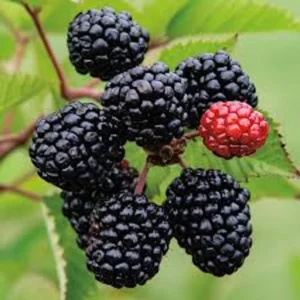
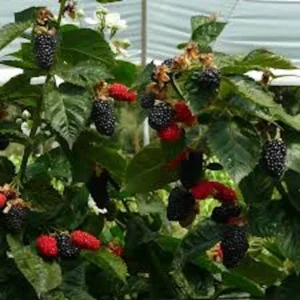
Cultivate your own sweet-tart berries with this pack of 3 thornless boysenberry plants. These perennial fruit bush starters are ideal for home gardens, producing delicious dark purple berries perfect for fresh eating, jams, and pies. Enjoy easy harvesting without the thorns!
Original price was: $56.00.$44.80Current price is: $44.80.

With our Alive & Thrive Guarantee, we’ve got your back for the first 30 days! If you have any concerns about your plants, just reach out to us. Our team is here to help answer your questions and guide you in selecting the best plants for your garden, climate, and unique preferences. We're excited to help you create the garden of your dreams!
Estimated arrival
Apr 01
Apr 06 - Apr 08
Apr 11 - Apr 15
Product Details
-
USDA Hardiness Zone
USDA Zones 5-9 -
Soil type
Well-draining, rich in organic matter, slightly acidic to neutral pH -
Sunlight Exposure
Full sun (6-8+ hours direct light) -
Expected Planting Period
Early spring
Overview
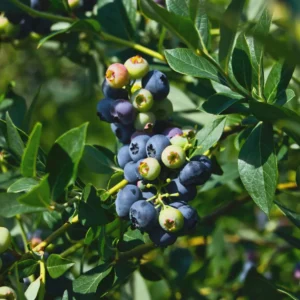
Bring the joy of fresh, homegrown berries to your garden with this offering of thornless boysenberry plant starters. The boysenberry (Rubus ursinus × Rubus idaeus) is a remarkable hybrid fruit, a delightful cross between the European raspberry, American blackberry, and loganberry. Known for its generous yield of large, dark purple to reddish-black berries, this perennial fruit bush offers a unique sweet-tart flavor profile that is highly prized in the culinary world. Imagine creating your own exquisite jams, jellies, pies, and other desserts right from your backyard. These plants are shipped as bare roots, ready for planting, and promise a rewarding harvest for years to come.
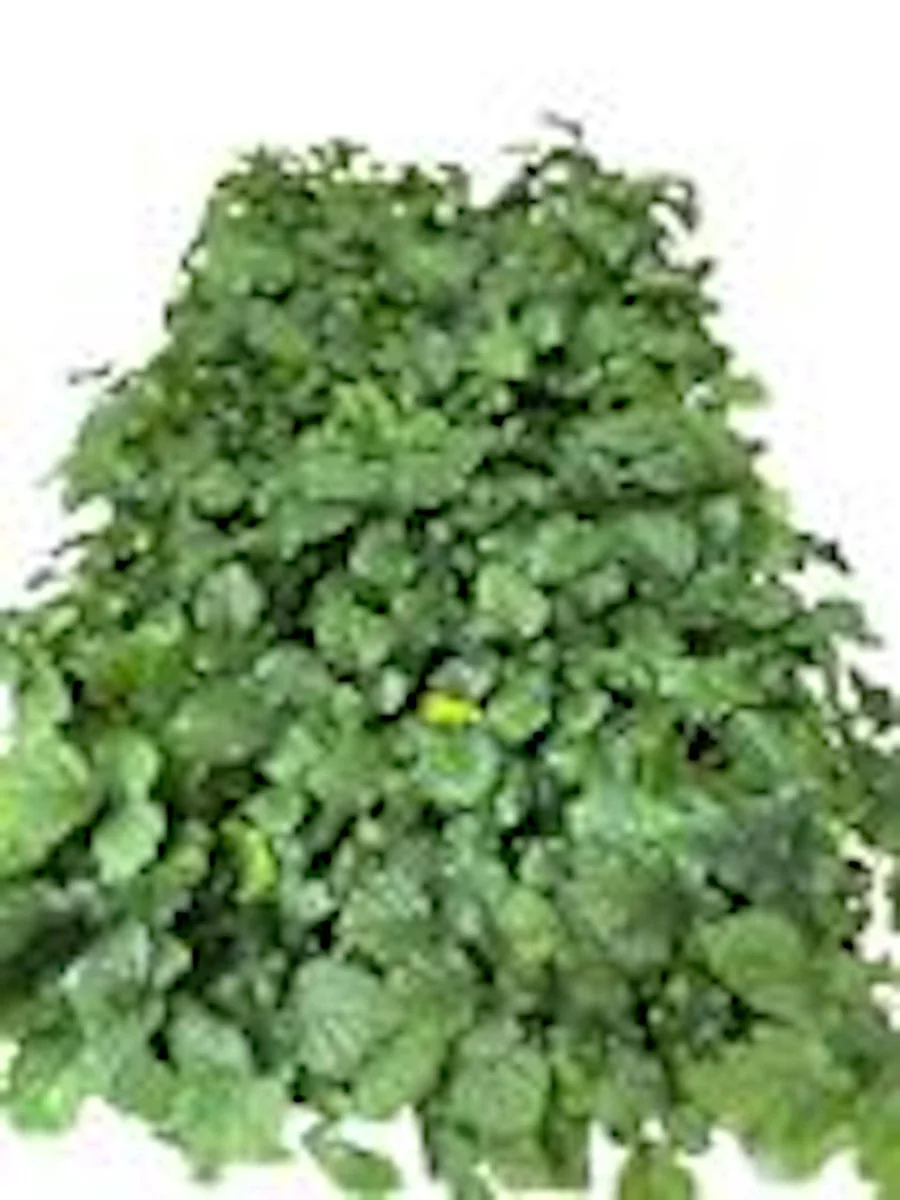
Unlike traditional berry varieties, these thornless boysenberry plant specimens make harvesting a much more pleasant experience, allowing you to enjoy the fruits of your labor without the prickle. They are a fantastic addition to any home orchard or edible landscape, providing not only delicious fruit but also an attractive, sprawling vine or shrub that can be trained and managed to suit your garden’s aesthetic. Growing your own thornless berry plants ensures you have access to fresh, organic fruit that is bursting with flavor.
Key Benefits
Investing in a thornless boysenberry plant offers numerous advantages for the home gardener and culinary enthusiast alike. From ease of care to bountiful harvests, these plants are a superb choice:
- Delicious, Versatile Fruit: Enjoy a continuous supply of large, dark purple, sweet-tart boysenberries. Perfect for eating fresh, baking into pies, making preserves, or adding to smoothies. The flavor is a unique blend that stands out.
- Thornless Convenience: Harvest your berries with ease and comfort. The lack of thorns makes picking a pleasure, reducing the risk of scratches and making the plant more accessible for all gardeners. This is a significant benefit over many other berry varieties.
- Perennial Production: As a perennial fruit bush, these plants will return year after year, providing reliable harvests without the need for annual replanting. Once established, they offer long-term productivity and enjoyment.
- Vigorous Growth: Boysenberry plants are known for their robust growth, establishing quickly and producing a significant amount of fruit once mature. With proper care, you can expect a generous yield.
- Attractive Garden Addition: Beyond their fruit, boysenberry plants can be an attractive feature in your garden, especially when trained on a trellis or support structure. Their sprawling nature adds a lush, natural aesthetic.
- Rich in Nutrients: Boysenberries are packed with vitamins, antioxidants, and fiber, making them a healthy addition to your diet. Growing your own ensures a fresh, chemical-free source of these beneficial nutrients.
- Easy to Manage: While they can spread, boysenberry plants are relatively easy to manage with regular pruning and support, making them suitable even for smaller garden spaces where vertical growth is encouraged.
Plant Care & Growing Tips
Proper boysenberry care is essential for a healthy plant and a bountiful harvest. Boysenberries thrive in full sun, meaning they need at least 6-8 hours of direct sunlight per day to produce the best fruit. Choose a location in your garden that receives ample sun exposure. They prefer well-draining soil that is rich in organic matter. A slightly acidic to neutral pH (6.0-7.0) is ideal. Amending your soil with compost before planting will provide a good foundation for growth. These plants are typically hardy in USDA zones 5-9, but local conditions can vary, so consider protection in extreme cold.
Watering is crucial, especially during dry spells and when the fruit is developing. Aim for consistently moist, but not waterlogged, soil. Deep watering is better than frequent shallow watering. Fertilize in early spring with a balanced fertilizer or one slightly higher in phosphorus and potassium to encourage fruiting. Pruning is vital for managing growth and maximizing fruit production. Boysenberries typically fruit on second-year canes (floricanes), so prune out spent canes after harvest and thin new canes (primocanes) to maintain an open structure. Training the sprawling vines onto a trellis or wire support will keep the fruit off the ground and improve air circulation, helping to prevent disease.
While generally robust, monitoring for common pests like aphids and spider mites, and diseases such as rust or anthracnose, is good practice. Good air circulation and proper sanitation can prevent many issues. Understanding how to grow boysenberry bush successfully involves providing consistent care, from adequate sunlight to appropriate pruning. These thornless berry plants are resilient and will reward dedicated gardeners with an abundance of delicious fruit.
Size & Details
This offering includes 3 thornless boysenberry plant starters, shipped as bare root plants to ensure a healthy start in your garden. When mature, boysenberry plants can grow into a sprawling vine or shrub, typically reaching heights of 4 to 6 feet (1.2 to 1.8 meters) and spreading widely up to 6 to 8 feet (1.8 to 2.4 meters) if left unpruned. The final size can be managed effectively through regular pruning and training. These plants are a hybrid of Rubus ursinus and Rubus idaeus, known for their vigorous growth habit.
The bare root form allows for easy planting and quick establishment once placed in the ground. Fruit production typically begins in the second year after planting, with harvests usually occurring in late spring to early summer, depending on your local climate. Expect a good yield of large, dark purple berries from each perennial fruit bush. With proper boysenberry care, these plants will be a productive and enjoyable part of your garden for many seasons.
Frequently Asked Questions
- Q: How big does this thornless boysenberry plant get? A: A: When mature, a thornless boysenberry plant can reach heights of 4 to 6 feet and spread 6 to 8 feet if left unpruned. Its size can be managed with proper training and pruning.
- Q: Is this an indoor or outdoor plant? A: Boysenberry plants are outdoor perennial fruit bushes that require full sun and are best grown in garden beds or large containers outdoors. They are not suitable for indoor cultivation.
- Q: How much sunlight does it need? A: Boysenberry plants require full sun, meaning at least 6-8 hours of direct sunlight per day for optimal growth and fruit production.
- Q: Is this plant easy to care for? A: Yes, with the right conditions (full sun, well-draining soil, regular watering, and annual pruning), boysenberry plants are relatively easy to care for. The thornless nature also makes harvesting simpler.
- Q: What condition will the plants arrive in? A: The plants will arrive as bare root thornless boysenberry plant starters. This means they will not be in pots or have soil around their roots, which is a common and effective method for shipping dormant plants.
- Q: How long until it produces fruit? A: Boysenberry plants typically begin producing fruit in their second year after planting. You can expect a good harvest from your perennial fruit bush once it is established.
- Q: What is the best time to plant boysenberry bushes? A: The best time to plant bare root boysenberry bushes is in early spring after the last frost, allowing them ample time to establish before the summer heat.
- Q: Will these thornless berry plants survive winter in my zone? A: Boysenberry plants are generally hardy in USDA Zones 5-9. In colder zones, some winter protection or mulching may be beneficial.
- Q: Can I grow these boysenberries in a container? A: While possible, boysenberries grow quite large and are best suited for in-ground planting. If using a container, choose a very large one (at least 20-25 gallons) to accommodate their extensive root system and growth habit.
- Q: What kind of soil is best for grow boysenberry bush? A: Boysenberries prefer well-draining soil rich in organic matter, with a slightly acidic to neutral pH (6.0-7.0). Good drainage is crucial to prevent root rot.
Related products
-10%
Original price was: $158.00.$142.20Current price is: $142.20.
-49%
Original price was: $59.38.$29.99Current price is: $29.99.
-10%
Original price was: $89.99.$80.99Current price is: $80.99.
-20%
Original price was: $36.00.$28.80Current price is: $28.80.
-20%
Original price was: $31.98.$25.58Current price is: $25.58.
-20%
Original price was: $32.00.$25.60Current price is: $25.60.
-20%
Original price was: $60.00.$48.00Current price is: $48.00.
PLANTING & CARE

Growing Glencoe Raspberry: A Complete Guide for Gardeners
If you’re looking to add something unique to your garden, look no further than the
31
Mar
Mar

The Comprehensive Guide to Growing Bay Leaf Plants for a Flavorful Garden
Imagine stepping into your garden, greeted by the earthy aroma of fresh bay leaves, their
09
Feb
Feb

How to Make Comfrey Tea: The Ultimate Organic Plant Food
Growing an organic garden can be surprisingly expensive, especially when most store-bought fertilizers come in
02
Feb
Feb

True Comfrey: 7 Essential Tips Before You Plant This Herb
A staple in permaculture practices across the US, True Comfrey easily earns its reputation as
27
Jan
Jan

7 Heart-Shaped Plants for a Lasting Valentine’s Gift
If you’ve ever bought a bouquet of roses for Valentine’s Day, you know they are
26
Jan
Jan

Best Types of Ivy Plant for Houses: How to Choose the Perfect Ones for Your Home
Are you a garden lover looking to introduce some greenery into your home? Maybe you’ve
14
Nov
Nov

When to Harvest Garlic (Especially Fall-Planted Garlic)
TIMING IS EVERYTHING, they say – and for garlic, that truth hits with surprising accuracy.
13
Nov
Nov

11 of the Best Sweet Potato Varieties to Grow for Your Garden
If you’ve ever tried growing sweet potatoes, you know that picking the right variety can
12
Nov
Nov