4 Black Huckleberry Live Plants – 1.5″ Pot – Sweet Flavor, Dormant in Winter
-50%
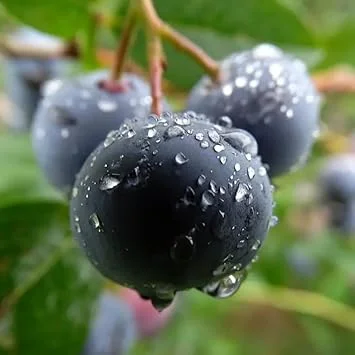
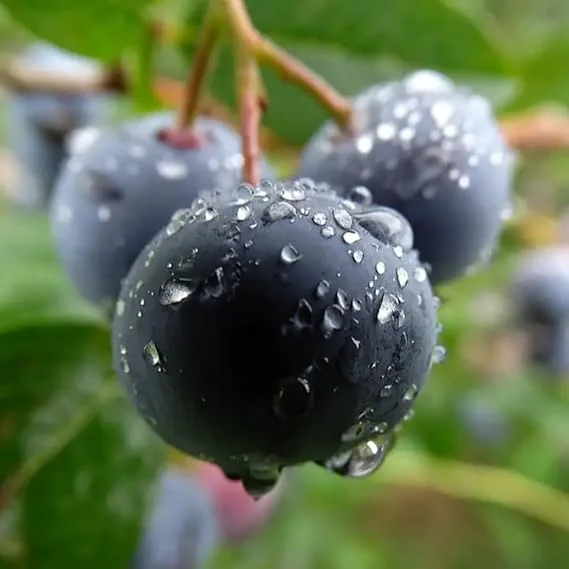
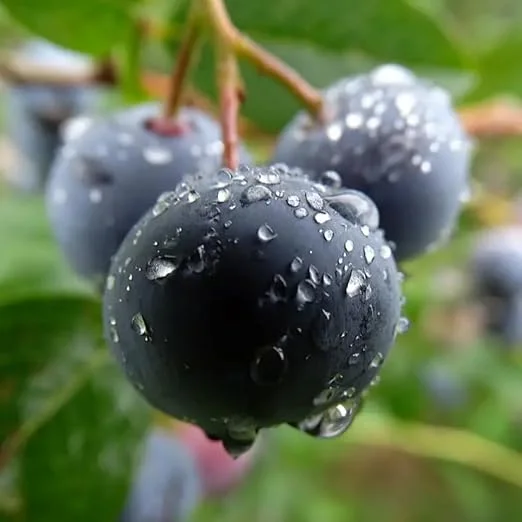
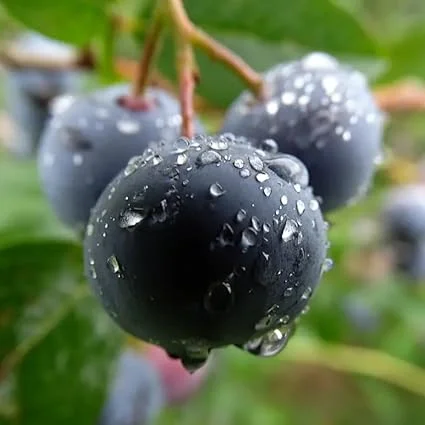
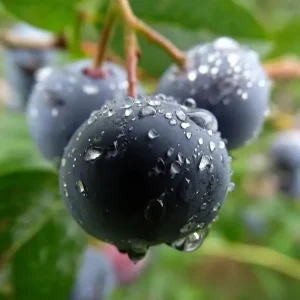
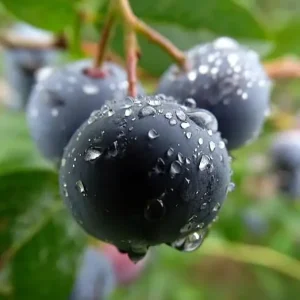
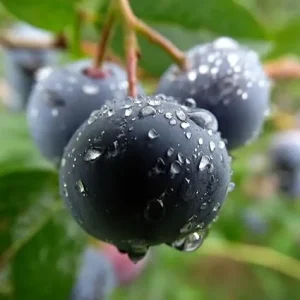
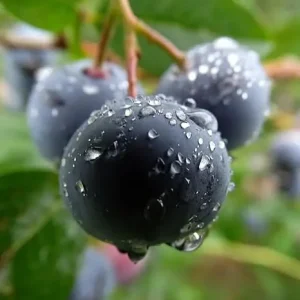
4 Black Huckleberry Live Plants – 1.5″ Pot – Sweet Flavor, Dormant in Winter
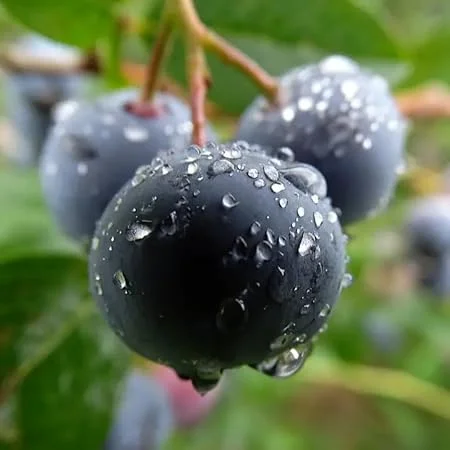
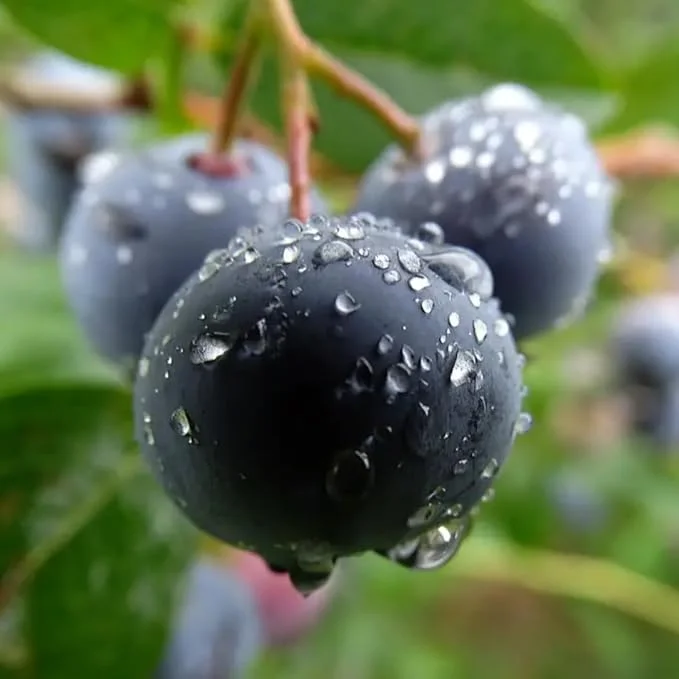
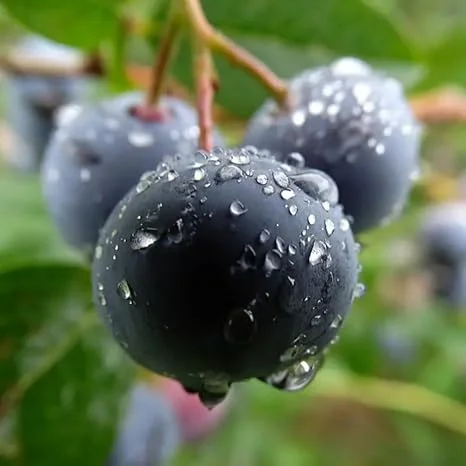
Cultivate your own flavorful fruit with this 4-pack of black huckleberry live plant. These rare, blueberry-like bushes offer a sweet taste and are ideal for outdoor planting in USDA Zones 8-11. Shipped in 1.5-inch pots, ready for your garden.
Original price was: $53.98.$26.99Current price is: $26.99.

With our Alive & Thrive Guarantee, we’ve got your back for the first 30 days! If you have any concerns about your plants, just reach out to us. Our team is here to help answer your questions and guide you in selecting the best plants for your garden, climate, and unique preferences. We're excited to help you create the garden of your dreams!
Estimated arrival
Mar 22
Mar 27 - Mar 29
Apr 01 - Apr 05
Product Details
-
USDA Hardiness Zone
8-11 -
Soil type
Acidic, well-draining soil -
Sunlight Exposure
Full sun to partial shade -
Expected Planting Period
Spring or Fall
Overview
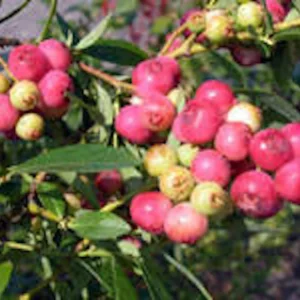
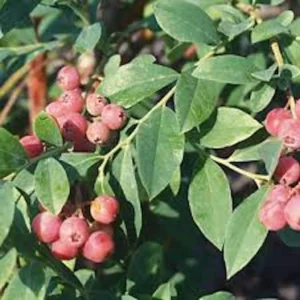
Bring the unique taste of the wild to your garden with this 4-pack of black huckleberry live plant. These fascinating shrubs, known for their sweet, blueberry-like fruit, are a wonderful addition to any edible landscape. Each plant is carefully cultivated and shipped in a 1.5-inch pot, ready for planting. The black huckleberry live plant (Gaylussacia baccata) is a deciduous shrub that produces small, dark berries packed with flavor. Often mistaken for blueberries, huckleberries offer a distinct, slightly tarter, and often sweeter profile, making them a gourmet treat for fresh eating, baking, or preserves. These plants are known for their resilience and ability to thrive in various conditions, offering a rewarding experience for both novice and experienced gardeners.
Our black huckleberry live plant specimens are healthy and robust, ensuring a strong start in your garden. They are dormant in winter, a natural and healthy state that prepares them for vigorous growth in the spring. These plants are perfect for creating a native plant garden, adding to a food forest, or simply enjoying fresh, homegrown fruit. They are a rare find in many commercial nurseries, making this an excellent opportunity to cultivate these delicious berries right at home. The 1.5-inch plug size makes them easy to transplant and establish.
Key Benefits
Growing black huckleberry live plant offers a multitude of benefits, from delicious fruit to ecological advantages. These plants are not only productive but also contribute to a healthy garden ecosystem. Enjoy the unique flavor and beauty they bring to your outdoor space.
- Delicious, Sweet Fruit: Enjoy a bounty of dark, juicy berries with a rich, sweet flavor, often compared to blueberries but with their own distinct taste. Perfect for eating fresh, adding to desserts, or making preserves.
- Rare & Unique Addition: Huckleberries are less common than blueberries, making this black huckleberry live plant a special and intriguing feature for your garden that will impress guests.
- Low Maintenance: Once established, these plants require minimal care, making them an excellent choice for gardeners seeking productive plants without constant attention. They are naturally hardy and resilient.
- Attractive Foliage: Beyond their fruit, these shrubs offer attractive green foliage that can add visual interest to your landscape throughout the growing season, often turning reddish in the fall.
- Wildlife Attractor: The berries are a favorite food source for various birds and small mammals, contributing to local biodiversity and creating a lively garden environment.
- Adaptable to Various Conditions: These plants are quite versatile, thriving in a range of soil types and light conditions, though they perform best with specific care. Learning how to grow huckleberries successfully is a rewarding endeavor.
- Healthy & Edible: Huckleberries are packed with antioxidants and vitamins, offering a healthy and delicious snack straight from your garden. Enjoy the satisfaction of homegrown, nutritious fruit.
Plant Care & Growing Tips
To ensure your black huckleberry live plant thrives, understanding its specific care requirements is essential. These plants are relatively low-maintenance but benefit greatly from proper planting and ongoing attention. They are well-suited for a variety of garden settings, making them a great choice for those looking to expand their edible landscape. When you grow huckleberries, you’re investing in a long-term source of delicious fruit.
Sunlight Requirements: Black huckleberries prefer full sun to partial shade. In hotter climates (like zones 9-11), some afternoon shade can be beneficial to prevent scorching. Aim for at least 6 hours of direct sunlight per day for optimal fruit production. While they can tolerate more shade, fruiting may be reduced. Ensure your planting location provides adequate light exposure throughout the day.
Watering Schedule & Soil Moisture: These plants prefer consistently moist, but not waterlogged, soil. Water deeply 2-3 times a week during dry periods, especially when the plants are young and establishing. Reduce watering once established, allowing the top inch or two of soil to dry out between waterings. Good drainage is crucial to prevent root rot. Monitoring soil moisture regularly will help you determine the best watering frequency for your specific conditions.
Soil Type & Drainage: Black huckleberries thrive in acidic, well-draining soil with a high organic matter content. A pH between 4.5 and 5.5 is ideal. Amend heavy clay soils with compost, peat moss, or pine bark to improve drainage and acidity. For sandy soils, adding organic matter will help retain moisture and nutrients. This type of soil will help your sweet huckleberry plant flourish.
Temperature Range & USDA Hardiness Zone: These plants are hardy in USDA Zones 8-11. They are deciduous and will go dormant in winter, which is a natural part of their growth cycle. Protect young plants from severe frost in the lower end of their hardiness range. Established plants are quite cold-tolerant once dormant. Understanding the specific needs of a huckleberry plant for sale in your region is key.
Fertilization: Fertilize your huckleberry plants in early spring with an acidic fertilizer formulated for blueberries or other acid-loving plants. Avoid fertilizers high in nitrogen, as this can inhibit fruiting. A slow-release granular fertilizer or a liquid feed applied at half strength can be effective. Follow product instructions carefully to avoid over-fertilization.
Common Problems & Solutions: Huckleberries are generally robust, but watch for common issues like powdery mildew (improve air circulation) or iron deficiency (indicated by yellowing leaves, correct with an acidic fertilizer or iron supplement). Pests are usually not a major problem, but protect ripening berries from birds with netting if necessary.
Size & Details
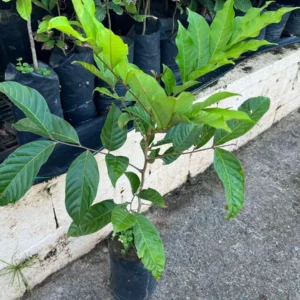
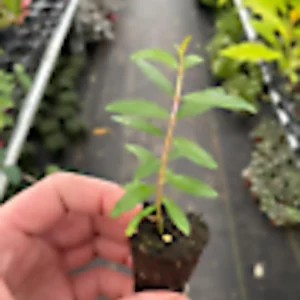
This offering includes 4 black huckleberry live plant specimens, each carefully grown in a 1.5-inch pot. These plants are shipped in a healthy, dormant state during the cooler months, which is ideal for transplanting and reduces transplant shock. Upon arrival, the plants will be approximately 4-6 inches tall, with a well-developed root system within their small pots. They are considered plug size, making them easy to plant directly into your garden beds or larger containers. The mature size of a black huckleberry live plant can reach 2-3 feet in height and spread, depending on growing conditions and pruning.
Expect these plants to establish quickly once planted in suitable conditions. Fruiting typically begins 1-2 years after planting, with full production achieved in 3-5 years. The berries ripen in mid to late summer, offering a delightful harvest. These plants are ideal for creating a small hedge, a mass planting, or as individual specimens in an edible landscape. Ensure adequate spacing if planting multiple shrubs to allow for air circulation and growth. This is a fantastic opportunity to acquire a huckleberry plant for sale that will provide years of enjoyment.
Frequently Asked Questions
- Q: How big does this black huckleberry live plant get? A: Black huckleberry plants typically grow to a mature height and spread of 2-3 feet. Their size can vary slightly depending on environmental conditions, soil quality, and whether they are pruned regularly.
- Q: What size pot does it come in? A: Each black huckleberry live plant is shipped in a 1.5-inch nursery pot, also known as a plug size. This size is ideal for easy transplanting into your garden or a larger container.
- Q: Is this an indoor or outdoor plant? A: Black huckleberries are primarily outdoor plants, hardy in USDA Zones 8-11. They require a period of winter dormancy and are not typically grown as indoor houseplants.
- Q: How much sunlight does it need? A: These plants thrive in full sun to partial shade, meaning they need at least 6 hours of direct sunlight per day for optimal growth and fruit production. In hotter climates, some afternoon shade can be beneficial.
- Q: Is this plant easy to care for? A: Yes, once established, the black huckleberry live plant is considered low-maintenance. They are quite resilient and drought-tolerant, especially when mature, making them a good choice for gardeners of varying experience levels.
- Q: What condition will it arrive in? A: Your huckleberry plants will arrive as healthy, live plants in their 1.5-inch nursery pots. During colder months, they may be dormant, which is a natural and healthy state for these deciduous shrubs.
- Q: When is the best time to plant a sweet huckleberry plant? A: The best time to plant huckleberries is in the spring after the last frost, or in the fall before the ground freezes. This allows the plants to establish their root systems before extreme temperatures.
- Q: Will it survive winter in my zone? A: If you are in USDA Zones 8-11, your black huckleberry live plant will survive winter. They are deciduous and will naturally go dormant, losing their leaves, and will re-emerge in spring.
- Q: How long until it produces fruit? A: You can expect your huckleberry plants to start producing fruit within 1-2 years after planting, with full production typically occurring in 3-5 years. Patience is key when learning how to grow huckleberries.
- Q: What kind of soil does a huckleberry plant prefer? A: Huckleberries prefer acidic, well-draining soil with a pH between 4.5 and 5.5. Amending your soil with organic matter like peat moss or compost can help achieve these conditions.
Related products
-10%
Original price was: $23.99.$21.59Current price is: $21.59.
-20%
Original price was: $56.00.$44.80Current price is: $44.80.
-10%
Original price was: $158.00.$142.20Current price is: $142.20.
-20%
Original price was: $36.00.$28.80Current price is: $28.80.
-20%
Original price was: $80.00.$64.00Current price is: $64.00.
-10%
Original price was: $48.99.$44.09Current price is: $44.09.
-20%
Original price was: $32.00.$25.60Current price is: $25.60.
PLANTING & CARE

The Comprehensive Guide to Growing Bay Leaf Plants for a Flavorful Garden
Imagine stepping into your garden, greeted by the earthy aroma of fresh bay leaves, their
09
Feb
Feb

How to Make Comfrey Tea: The Ultimate Organic Plant Food
Growing an organic garden can be surprisingly expensive, especially when most store-bought fertilizers come in
02
Feb
Feb

True Comfrey: 7 Essential Tips Before You Plant This Herb
A staple in permaculture practices across the US, True Comfrey easily earns its reputation as
27
Jan
Jan

7 Heart-Shaped Plants for a Lasting Valentine’s Gift
If you’ve ever bought a bouquet of roses for Valentine’s Day, you know they are
26
Jan
Jan

Best Types of Ivy Plant for Houses: How to Choose the Perfect Ones for Your Home
Are you a garden lover looking to introduce some greenery into your home? Maybe you’ve
14
Nov
Nov

When to Harvest Garlic (Especially Fall-Planted Garlic)
TIMING IS EVERYTHING, they say – and for garlic, that truth hits with surprising accuracy.
13
Nov
Nov

11 of the Best Sweet Potato Varieties to Grow for Your Garden
If you’ve ever tried growing sweet potatoes, you know that picking the right variety can
12
Nov
Nov
Pruning Bougainvillea for Winter
Bougainvillea vines are known for their dazzling display of magenta, orange, and fuchsia bracts that
05
Nov
Nov