40+ Jumbo Bailey Virginia Peanut Seeds for Planting – Organic, Non-GMO Annual Vegetable
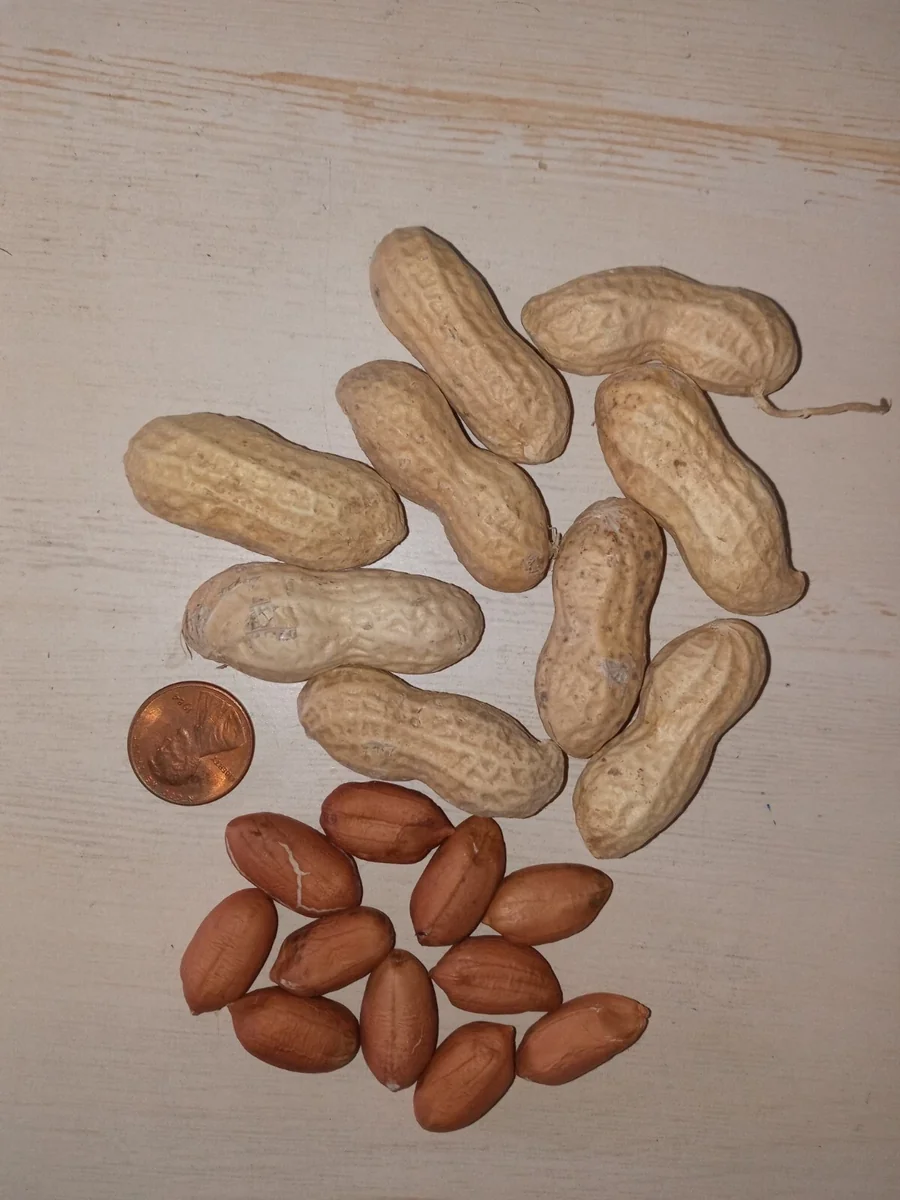
40+ Jumbo Bailey Virginia Peanut Seeds for Planting – Organic, Non-GMO Annual Vegetable
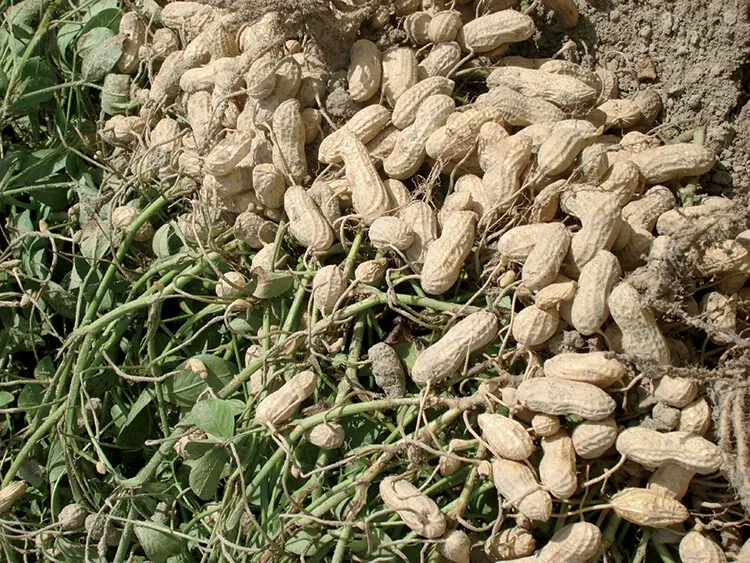
Start your own peanut patch with over 40 Jumbo Bailey Virginia Peanut Seeds. These organic peanut seeds are non-GMO peanut seeds, ensuring a natural and healthy crop. Ideal for outdoor gardens, these annual vegetable seeds promise a rewarding harvest of delicious peanuts.
From $26.00

With our Alive & Thrive Guarantee, we’ve got your back for the first 30 days! If you have any concerns about your plants, just reach out to us. Our team is here to help answer your questions and guide you in selecting the best plants for your garden, climate, and unique preferences. We're excited to help you create the garden of your dreams!
Estimated arrival
Mar 31
Apr 05 - Apr 07
Apr 10 - Apr 14


Product Details
-
USDA Hardiness Zone
USDA Zones 8-11 -
Soil type
Loose, well-draining sandy loam -
Sunlight Exposure
Full Sun -
Expected Planting Period
Late spring to early summer
Overview
Cultivate your own flavorful harvest with our premium selection of over 40 Jumbo Bailey Virginia Peanut Seeds. These high-quality seeds are perfect for gardeners seeking to grow their own nutritious and delicious peanuts at home. Known for their large size and excellent taste, Bailey Virginia peanuts are a popular choice for roasting, boiling, or making homemade peanut butter. Our seeds are organic peanut seeds and non-GMO peanut seeds, ensuring you’re starting with the best possible foundation for a healthy crop. Whether you’re an experienced gardener or just beginning, planting peanuts can be a fun and rewarding experience, leading to a bountiful yield right from your backyard.
The Bailey Virginia peanut (Arachis hypogaea) is a runner-type peanut, meaning its pods develop underground along spreading stems. This variety is celebrated for its robust flavor and impressive size. By choosing these jumbo virginia peanut seeds, you’re opting for a reliable and productive variety that thrives in warm climates. Enjoy the satisfaction of harvesting fresh, homegrown peanuts that are free from synthetic pesticides and genetic modification.
Key Benefits
Our 40+ Jumbo Bailey Virginia Peanut Seeds offer numerous advantages for the home gardener and culinary enthusiast alike. From their ease of growth to their versatile uses, these seeds are a fantastic addition to any garden.
- High Yield & Large Size: Expect a generous harvest of large, flavorful peanuts. The Bailey Virginia variety is known for its impressive pod size, making them ideal for snacking and cooking.
- Organic & Non-GMO: Grow with confidence knowing your peanuts are free from genetic modification and have been cultivated using organic practices. These organic peanut seeds support healthy eating and sustainable gardening.
- Versatile Culinary Use: Enjoy your homegrown peanuts in a multitude of ways. They are excellent for roasting, boiling, or grinding into fresh, homemade peanut butter. Perfect for healthy snacks or adding to your favorite recipes.
- Easy to Grow: With straightforward planting and care requirements, these jumbo virginia peanut seeds are suitable for gardeners of all experience levels. Achieve a successful peanut crop with minimal hassle, making planting peanuts accessible to everyone.
- Nutrient-Rich Harvest: Peanuts are a fantastic source of protein, healthy fats, vitamins, and minerals. Growing your own ensures you have access to fresh, wholesome nutrition directly from your garden.
- Enhances Soil Health: As legumes, peanut plants fix nitrogen into the soil, naturally improving soil fertility and benefiting subsequent crops. This makes them a great rotational crop in your garden.
- Rewarding Gardening Experience: There’s immense satisfaction in nurturing a plant from seed to harvest. Witnessing the unique growth habit of peanuts and digging up your own fresh crop is a truly rewarding experience for anyone interested in growing virginia peanuts.
Plant Care & Growing Tips
Successful cultivation of Jumbo Bailey Virginia Peanut Seeds requires attention to specific environmental factors to ensure a healthy and abundant crop. Peanuts thrive in warm conditions, so timing your planting is crucial. The ideal soil temperature for germination is consistently above 65°F (18°C), typically after all danger of frost has passed in late spring or early summer. For optimal growth, peanuts prefer a long growing season, usually 120-150 days from planting to harvest. They are best suited for outdoor planting and require a sunny location.
When it comes to sunlight, peanuts need at least 6-8 hours of full sun daily. They can tolerate some low sun or medium sun conditions but will produce a more prolific crop with ample direct sunlight. The soil should be loose, well-draining, and sandy loam with a pH between 5.9 and 7.0. Avoid heavy clay soils, as these can impede the development of the underground pods. Prior to planting your organic peanut seeds, amend your soil with compost or well-rotted manure to improve fertility and drainage. Water regularly, especially during flowering and pod development, ensuring the soil remains consistently moist but not waterlogged. About 1 inch of water per week, either from rain or irrigation, is generally sufficient. Reduce watering as harvest approaches to prevent mold and encourage proper drying of the pods.
Peanut plants are generally easy to care for, with a cultivating difficulty rated as easy. They are annuals, completing their life cycle in one growing season. Fertilization should be done sparingly, as peanuts are legumes and can fix their own nitrogen. A balanced fertilizer low in nitrogen, applied at planting, can be beneficial. Watch out for common pests like aphids and leaf spot diseases, and treat them promptly with organic solutions if necessary. Proper spacing (about 6 inches apart for seeds) allows for good air circulation and reduces disease risk. Following these guidelines will set you up for success in growing virginia peanuts, yielding a fantastic harvest from your non-GMO peanut seeds.
Size & Details
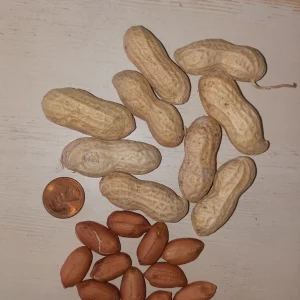
Each packet contains over 40 Jumbo Bailey Virginia Peanut Seeds, providing ample opportunity to establish a thriving peanut patch. These seeds are carefully selected for their quality and viability, ensuring a great start for your garden. The Bailey Virginia variety produces large, plump peanuts that are highly sought after for their taste and texture. Plants typically grow to about 18-24 inches tall and spread outwards as runner-type peanuts. The seeds are intended for outdoor cultivation, thriving in warm climates with a long growing season. From the moment you begin planting peanuts, you can expect a rewarding journey leading to a delicious harvest. The estimated planting time is 15-20 weeks until maturity, allowing you to enjoy fresh peanuts within a single season.
Frequently Asked Questions
- Q: How big does the peanut plant get, and how many peanuts can I expect? A: Peanut plants typically grow 18-24 inches tall and spread widely. A single healthy plant can produce a good number of pods, with each pod containing 2-3 peanuts. With over 40 Jumbo Bailey Virginia Peanut Seeds, you can expect a substantial harvest.
- Q: Is this an indoor or outdoor plant? How much sunlight does it need? A: Peanuts are strictly outdoor plants and require a warm climate and a long growing season. They need at least 6-8 hours of full sun per day for optimal growth and pod development.
- Q: Is this plant easy to care for? Is it good for beginners? A: Yes, growing virginia peanuts is considered easy. They are a great choice for beginners due to their relatively low maintenance requirements, provided they have the right climate and soil conditions.
- Q: What condition will the seeds arrive in? Are they ready for planting? A: The jumbo virginia peanut seeds will arrive fresh and ready for planting. They are carefully packaged to maintain viability and ensure they are in excellent condition for your garden.
- Q: Can I eat the peanuts directly from the plant, or do they need processing? A: Freshly harvested peanuts can be eaten raw, but they are typically enjoyed roasted or boiled. Roasting enhances their flavor and makes them easier to shell.
- Q: When is the best time to plant these peanut seeds? A: The best time for planting peanuts is in late spring or early summer, after all danger of frost has passed and soil temperatures are consistently above 65°F (18°C).
- Q: What USDA hardiness zones are suitable for growing these peanuts? A: Peanuts thrive in warmer climates, generally USDA Zones 8-11. They prefer a long, warm growing season.
- Q: Are these organic peanut seeds and non-GMO peanut seeds certified? A: These seeds are described as organic and non-GMO, meaning they are produced without genetic modification and using organic farming methods. While specific certification details are not provided, the description indicates these qualities.
- Q: What kind of soil is best for planting peanuts? A: Peanuts prefer loose, well-draining, sandy loam soil with a pH between 5.9 and 7.0. Heavy clay soils should be avoided or amended.
- Q: How often should I water my peanut plants? A: Water regularly, especially during flowering and pod development, ensuring the soil remains consistently moist but not waterlogged. Aim for about 1 inch of water per week.
| MPN | 20+ Seeds, 40+ Seeds |
|---|
Related products
-48%
Original price was: $28.99.$14.99Current price is: $14.99.
-50%
Original price was: $15.96.$7.98Current price is: $7.98.
-48%
Original price was: $28.99.$14.99Current price is: $14.99.
-50%

Original price was: $59.96.$29.98Current price is: $29.98.
-50%
Original price was: $39.96.$19.98Current price is: $19.98.
-50%
Original price was: $51.96.$25.98Current price is: $25.98.
-50%
Original price was: $59.96.$29.98Current price is: $29.98.
PLANTING & CARE

Growing Glencoe Raspberry: A Complete Guide for Gardeners
If you’re looking to add something unique to your garden, look no further than the
31
Mar
Mar

The Comprehensive Guide to Growing Bay Leaf Plants for a Flavorful Garden
Imagine stepping into your garden, greeted by the earthy aroma of fresh bay leaves, their
09
Feb
Feb

How to Make Comfrey Tea: The Ultimate Organic Plant Food
Growing an organic garden can be surprisingly expensive, especially when most store-bought fertilizers come in
02
Feb
Feb

True Comfrey: 7 Essential Tips Before You Plant This Herb
A staple in permaculture practices across the US, True Comfrey easily earns its reputation as
27
Jan
Jan

7 Heart-Shaped Plants for a Lasting Valentine’s Gift
If you’ve ever bought a bouquet of roses for Valentine’s Day, you know they are
26
Jan
Jan

Best Types of Ivy Plant for Houses: How to Choose the Perfect Ones for Your Home
Are you a garden lover looking to introduce some greenery into your home? Maybe you’ve
14
Nov
Nov

When to Harvest Garlic (Especially Fall-Planted Garlic)
TIMING IS EVERYTHING, they say – and for garlic, that truth hits with surprising accuracy.
13
Nov
Nov

11 of the Best Sweet Potato Varieties to Grow for Your Garden
If you’ve ever tried growing sweet potatoes, you know that picking the right variety can
12
Nov
Nov