5 Creeping Fig Starter Plants – Ficus pumila Live Vines – Bare Root
-20%


5 Creeping Fig Starter Plants – Ficus pumila Live Vines – Bare Root
Transform your garden with 5 Creeping Fig Starter Plants. These fast-growing Ficus pumila vine specimens are ideal for creating lush green walls, fences, and trellises. Shipped as creeping fig bare root plants, they are ready to establish quickly in your landscape. Enjoy their low-maintenance nature and attractive foliage.
Original price was: $44.00.$35.20Current price is: $35.20.

With our Alive & Thrive Guarantee, we’ve got your back for the first 30 days! If you have any concerns about your plants, just reach out to us. Our team is here to help answer your questions and guide you in selecting the best plants for your garden, climate, and unique preferences. We're excited to help you create the garden of your dreams!
Estimated arrival
Mar 22
Mar 27 - Mar 29
Apr 01 - Apr 05








Product Details
-
USDA Hardiness Zone
USDA Zones 8-11 -
Soil type
Moist, well-draining soil rich in organic matter -
Sunlight Exposure
Partial shade to full sun -
Expected Planting Period
Spring to early summer
Overview
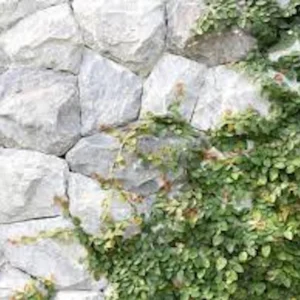
Introduce a touch of natural elegance and rapid growth to your outdoor spaces with our 5 Creeping Fig Starter Plants. Also known by its botanical name, Ficus pumila, this evergreen vine is celebrated for its vigorous climbing habit and dense, attractive foliage. Each order includes 5 Creeping Fig Starter Plants, carefully prepared for planting, allowing you to quickly establish beautiful green coverings on various structures. These young plants are an excellent choice for gardeners looking to create living walls, soften hardscapes, or add texture to their landscape design with minimal effort. The juvenile leaves are small and heart-shaped, forming a dense mat that matures into slightly larger, more elongated foliage. This versatile plant adapts well to a variety of garden styles and provides year-round interest with its evergreen nature.
Our creeping fig bare root plants are specifically cultivated to ensure a strong start in your garden. Shipping them bare root minimizes transplant shock and encourages faster establishment once planted. The ficus pumila vine is renowned for its self-clinging ability, using aerial rootlets to adhere firmly to surfaces, eliminating the need for extensive support systems. Whether you’re looking to cover an unsightly wall, create a verdant backdrop, or add a unique architectural element, these starter plants provide an effective and beautiful solution. They are a popular choice for their aesthetic appeal and their ability to thrive in various conditions, making them suitable for both experienced and novice gardeners.
Key Benefits
The creeping fig starter plants offer numerous advantages for enhancing your outdoor environment, combining aesthetic appeal with practical benefits:
- Rapid Growth & Coverage: Ficus pumila vine is known for its exceptionally fast growth rate, allowing it to quickly cover walls, fences, and trellises. This characteristic makes it ideal for achieving instant green privacy screens or transforming drab surfaces into vibrant living features in a short period.
- Self-Clinging Nature: This remarkable vine adheres naturally to surfaces using small aerial roots, eliminating the need for complex support structures. This self-clinging habit simplifies installation and ensures a secure, natural look without damaging underlying structures when properly managed.
- Low Maintenance: Once established, creeping fig bare root plants require minimal care, making them perfect for busy gardeners. They are relatively drought-tolerant and resilient, demanding less attention than many other climbing plants.
- Evergreen Foliage: Enjoy lush green leaves all year round, providing continuous beauty and privacy in your landscape. The evergreen nature of Ficus pumila ensures your garden remains vibrant even through cooler months.
- Versatile Landscaping: Suitable for a variety of landscaping applications, from groundcover to wall-climbing, this plant offers flexibility in design. It can create a textured backdrop or serve as an interesting focal point.
- Erosion Control: Its dense root system and ground-covering capabilities make it an excellent choice for stabilizing slopes and preventing soil erosion, contributing to a healthier garden ecosystem.
- Adaptable to Light Conditions: While it thrives in partial shade, it also tolerates full sun, offering flexibility in planting locations. This adaptability broadens the possibilities for where you can successfully grow your climbing fig plant.
Plant Care & Growing Tips
Caring for your creeping fig starter plants is straightforward, ensuring they establish well and flourish in your garden. Upon arrival, your creeping fig bare root plants should be rehydrated by soaking their roots in water for a few hours before planting. Choose a location that receives partial shade to full sun; while it tolerates full sun, partial shade or dappled sunlight typically promotes the best growth and prevents leaf scorch. The ideal soil for the ficus pumila vine is moist, well-drained, and rich in organic matter. Although it’s not particularly fussy about soil type or pH, good drainage is crucial to prevent root rot. Incorporating compost or well-rotted manure into the planting hole will significantly benefit its establishment.
During the first growing season, consistent and deep watering is essential to help the creeping fig starter plants develop a robust root system. Once established, the vine becomes more drought-tolerant, but regular watering during dry periods will maintain its vigor. Fertilize sparingly; a balanced, slow-release fertilizer in spring is usually sufficient. Perhaps the most critical aspect of ficus pumila care is consistent pruning. This vine is a vigorous grower, and regular pruning is necessary to control its spread, maintain its desired shape, and prevent it from growing into unwanted areas or damaging structures. Prune back any thick, mature growth to encourage the more delicate juvenile foliage, which is often preferred for its aesthetic. Watch for signs of overgrowth near windows, gutters, or roofing. This proactive approach will keep your climbing fig plant healthy and contained.
Size & Details
This offering includes 5 Creeping Fig Starter Plants (Ficus pumila), delivered as bare root specimens. Each plant is carefully prepared to ensure optimal health and successful transplanting into your garden. As starter plants, they are young and ready to establish their root systems in their new environment. The ficus pumila vine is known for its rapid growth, and you can expect these plants to begin covering surfaces quickly once planted and established. Typically, creeping fig can grow several feet per year, eventually reaching lengths of 20 to 30 feet or more, depending on the support structure and pruning. The juvenile foliage is small and heart-shaped, about 1/2 to 1 inch long, while mature leaves can be larger, up to 2-4 inches long, and more elongated. These plants are suitable for outdoor planting in USDA Zones 8-11, where they perform as evergreens. In colder zones, they can be grown as annuals or brought indoors during winter, though their primary use is as an outdoor climbing plant.
Frequently Asked Questions
- Q: How big do these creeping fig starter plants get? A: While they start small as bare root plants, creeping fig starter plants are vigorous growers. The ficus pumila vine can reach lengths of 20 to 30 feet or more, covering large surfaces quickly. Regular pruning is key to managing its size and shape.
- Q: Is this an indoor or outdoor plant? A: Creeping fig is primarily an outdoor plant, best suited for climbing walls, fences, and trellises. It thrives in USDA Zones 8-11. In colder climates, it can be grown as an annual or overwintered indoors, though its climbing habit is best enjoyed outdoors.
- Q: How much sunlight does the ficus pumila vine need? A: The ficus pumila vine tolerates a range from full sun to partial shade. For optimal growth and to prevent stress, partial shade or dappled sunlight is often preferred, especially in hotter climates.
- Q: Is this plant easy to care for? A: Yes, creeping fig bare root plants are considered low-maintenance once established. The most important aspect of ficus pumila care is consistent pruning to control its rapid growth and ensure it stays where you want it.
- Q: What condition will the plants arrive in? A: Your order will contain 5 Creeping Fig Starter Plants shipped bare root. This means they will arrive without soil or a pot, carefully packaged to ensure their roots remain moist and healthy for transplanting.
- Q: When is the best time to plant creeping fig? A: The best time to plant creeping fig bare root plants is in spring or early summer, after the last frost. This allows the plants ample time to establish their root systems before the heat of summer or the cold of winter.
- Q: Will this climbing fig plant damage my house? A: While the climbing fig plant adheres strongly to surfaces, it typically does not cause damage to well-maintained brick or concrete. However, it can damage painted surfaces, wood, or loose mortar. Consistent pruning is essential to prevent it from growing into cracks, gutters, or under roofing materials.
- Q: Is the creeping fig drought-tolerant? A: Once established, the creeping fig vine is relatively drought-tolerant. However, during the first growing season, it requires regular, deep watering to develop a strong root system.
Related products
-45%

Original price was: $170.00.$93.50Current price is: $93.50.
-67%


Original price was: $59.97.$19.99Current price is: $19.99.
-50%
Original price was: $85.98.$42.99Current price is: $42.99.
-67%
Original price was: $28.47.$9.49Current price is: $9.49.
-50%
Original price was: $267.00.$133.50Current price is: $133.50.
-67%
Original price was: $28.47.$9.49Current price is: $9.49.
-75%
From Original price was: $79.96.$19.99Current price is: $19.99.
PLANTING & CARE

The Comprehensive Guide to Growing Bay Leaf Plants for a Flavorful Garden
Imagine stepping into your garden, greeted by the earthy aroma of fresh bay leaves, their
09
Feb
Feb

How to Make Comfrey Tea: The Ultimate Organic Plant Food
Growing an organic garden can be surprisingly expensive, especially when most store-bought fertilizers come in
02
Feb
Feb

True Comfrey: 7 Essential Tips Before You Plant This Herb
A staple in permaculture practices across the US, True Comfrey easily earns its reputation as
27
Jan
Jan

7 Heart-Shaped Plants for a Lasting Valentine’s Gift
If you’ve ever bought a bouquet of roses for Valentine’s Day, you know they are
26
Jan
Jan

Best Types of Ivy Plant for Houses: How to Choose the Perfect Ones for Your Home
Are you a garden lover looking to introduce some greenery into your home? Maybe you’ve
14
Nov
Nov

When to Harvest Garlic (Especially Fall-Planted Garlic)
TIMING IS EVERYTHING, they say – and for garlic, that truth hits with surprising accuracy.
13
Nov
Nov

11 of the Best Sweet Potato Varieties to Grow for Your Garden
If you’ve ever tried growing sweet potatoes, you know that picking the right variety can
12
Nov
Nov
Pruning Bougainvillea for Winter
Bougainvillea vines are known for their dazzling display of magenta, orange, and fuchsia bracts that
05
Nov
Nov