5 Goldenseal Bare Roots Live Plants – Outdoor Herb for Planting
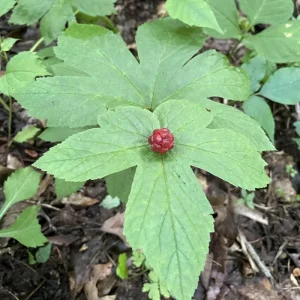
5 Goldenseal Bare Roots Live Plants – Outdoor Herb for Planting
Receive 5 Goldenseal bare roots, ideal for planting outdoors. These live herb roots are ready for transplanting, perfect for establishing a thriving medicinal garden in shaded, moist areas. Enjoy the benefits of growing your own goldenseal herb plant.
$23.99

With our Alive & Thrive Guarantee, we’ve got your back for the first 30 days! If you have any concerns about your plants, just reach out to us. Our team is here to help answer your questions and guide you in selecting the best plants for your garden, climate, and unique preferences. We're excited to help you create the garden of your dreams!
Estimated arrival
Apr 04
Apr 09 - Apr 11
Apr 14 - Apr 18
Product Details
-
USDA Hardiness Zone
3-8 -
Soil type
Rich, well-draining soil, high in organic matter -
Sunlight Exposure
Partial to full shade -
Expected Planting Period
Early spring or fall
Overview
Cultivate your own medicinal garden with these high-quality goldenseal bare roots. This offering includes 5 live Goldenseal plants, provided in their bare root form, ready for immediate transplanting into your outdoor garden spaces. Goldenseal (Hydrastis canadensis) is a highly valued native North American perennial herb, renowned for its distinctive yellow roots and traditional uses. It’s an excellent choice for gardeners looking to add a functional and beautiful plant to their shaded, woodland-style gardens. These bare roots ensure a robust start, allowing you to establish a healthy patch of this beneficial herb with ease. Growing your own goldenseal herb plant provides a sustainable source of this sought-after botanical.
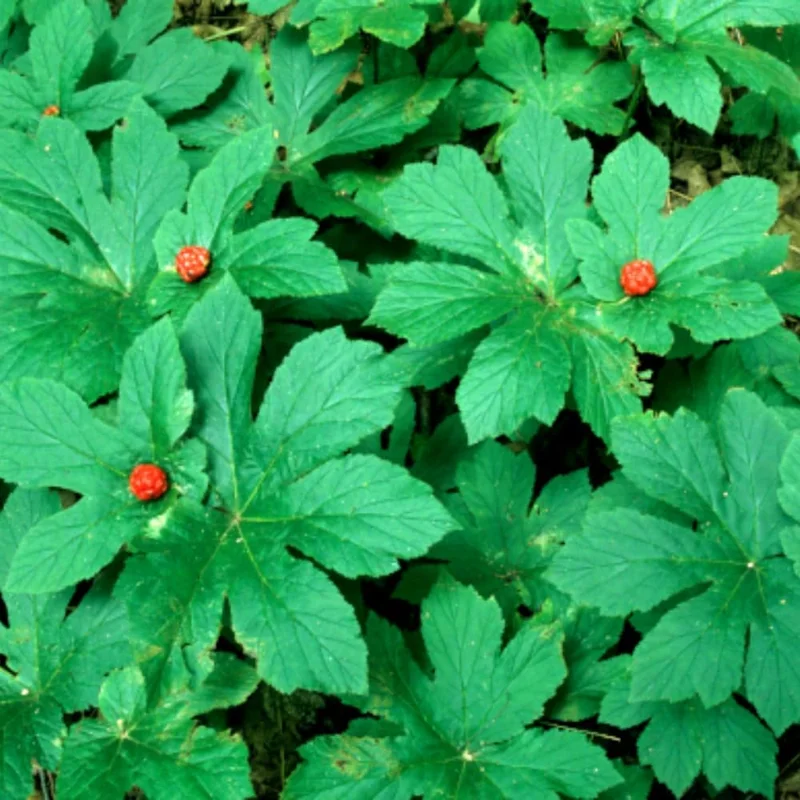
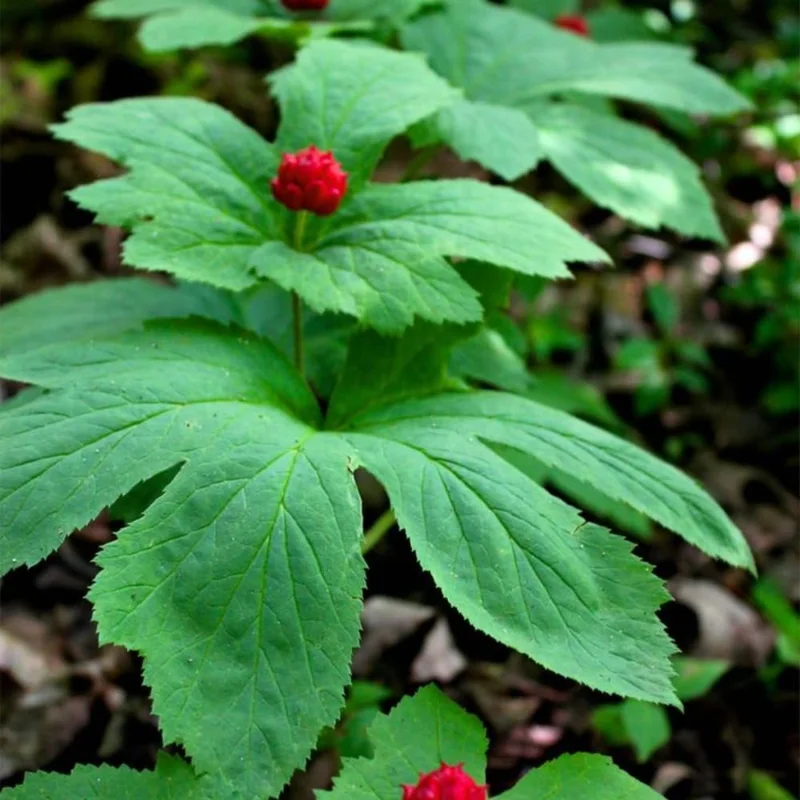
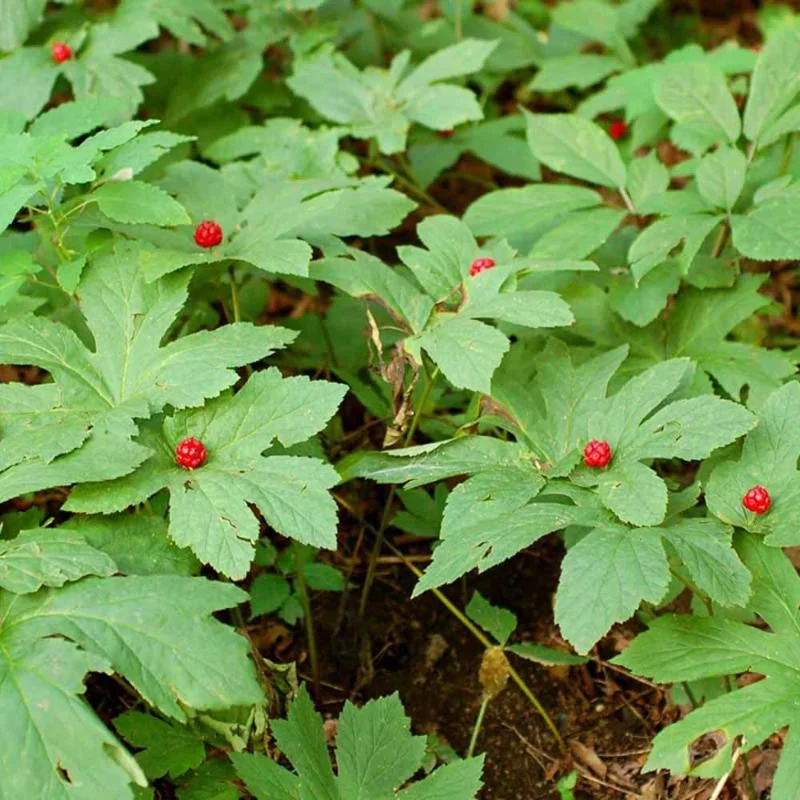
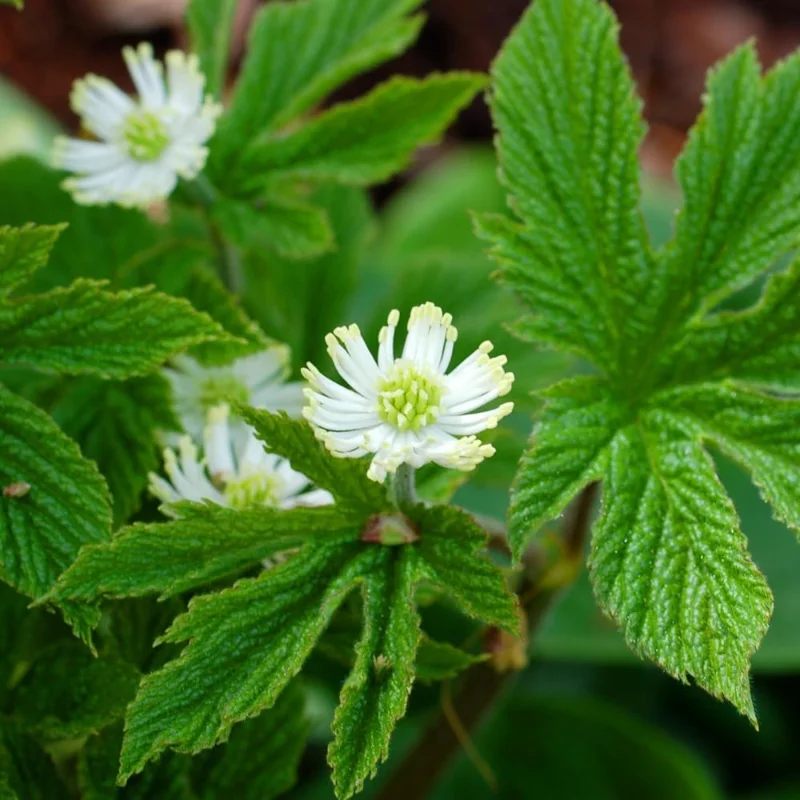
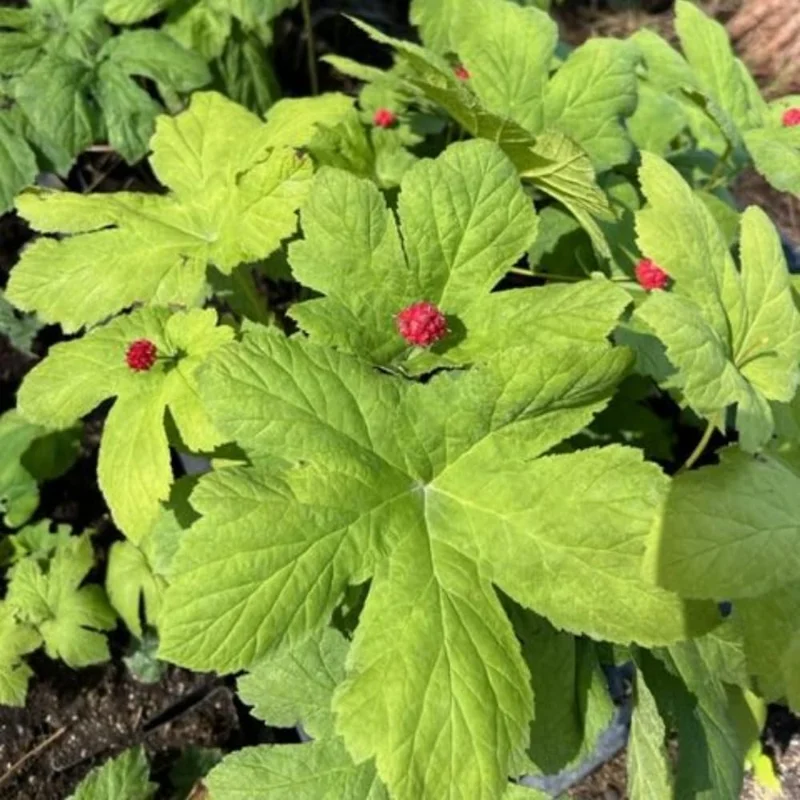
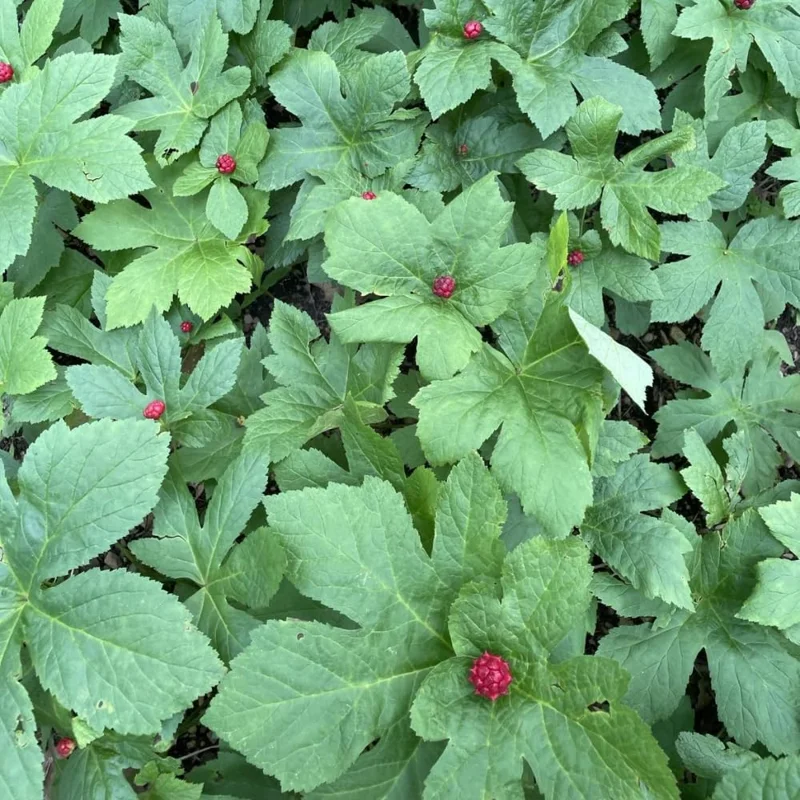
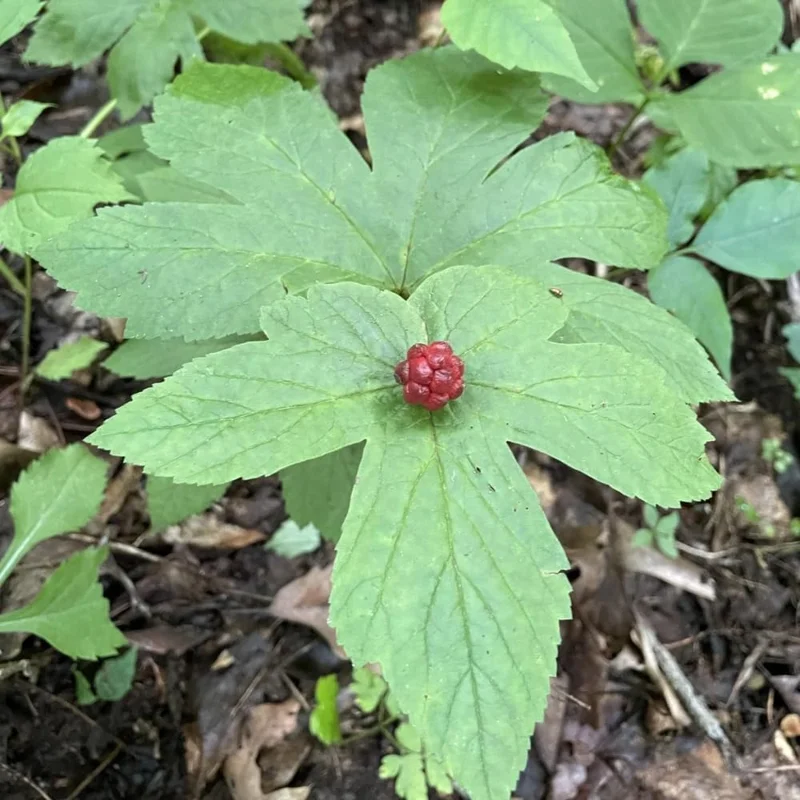
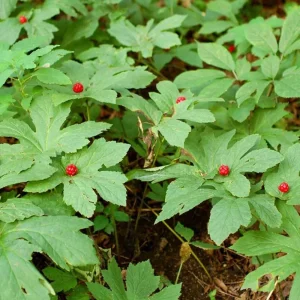
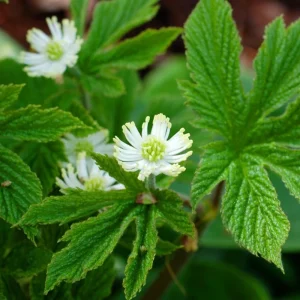
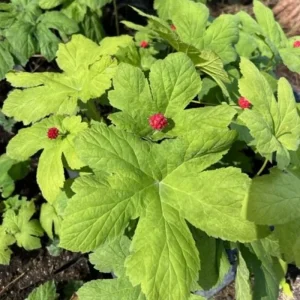
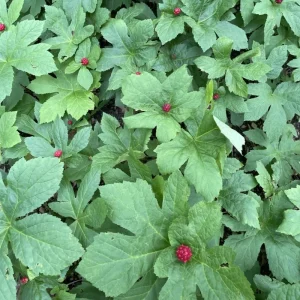
Goldenseal is a unique plant that belongs to the buttercup family, Ranunculaceae. It typically grows to a height of 6-12 inches, featuring palmate leaves and small, inconspicuous white or greenish-white flowers in the spring, followed by bright red, inedible berries in late summer. The true treasure of Goldenseal lies beneath the soil, in its rhizomatous roots which have a characteristic yellow color. These goldenseal bare roots are carefully harvested to ensure viability and vigorous growth once planted.
Key Benefits
Incorporating Goldenseal into your garden offers numerous advantages, from its aesthetic appeal to its practical uses. These goldenseal bare roots provide a direct path to enjoying these benefits:
-
Medicinal Garden Addition: Goldenseal is widely recognized for its traditional medicinal properties, particularly its roots. Growing your own allows for a fresh supply for personal use or admiration, contributing to a diverse and beneficial herb garden.
-
Thrives in Shade: Unlike many garden plants that demand full sun, Goldenseal flourishes in the partial to full shade of woodland gardens. This makes it an ideal choice for those tricky, shadier spots where other plants struggle.
-
Easy to Plant: Provided as bare roots, these Goldenseal plants are incredibly simple to plant. Just prepare your soil, place the roots, and cover, making the process of establishing your garden quick and efficient.
-
Low Maintenance: Once established, Goldenseal is a relatively low-maintenance plant. It prefers consistent moisture but generally requires minimal intervention to thrive, making it suitable for both experienced and novice gardeners looking to grow goldenseal.
-
Ecological Benefit: As a native plant, Goldenseal supports local ecosystems and biodiversity. Its presence can attract beneficial insects and contribute to the health of your garden environment.
-
Unique Visual Interest: While not overly showy, Goldenseal’s distinctive leaves, subtle flowers, and bright red berries add a unique texture and seasonal interest to shaded garden areas, enhancing the overall aesthetic.
-
Sustainable Sourcing: By planting your own goldenseal bare roots, you contribute to the sustainable cultivation of this valuable herb, reducing reliance on wild harvesting and promoting conservation.
Plant Care & Growing Tips
Successful cultivation of your goldenseal herb plant begins with understanding its preferred growing conditions. Goldenseal thrives in environments that mimic its natural woodland habitat. It requires a location with partial to full shade; direct, intense afternoon sun will scorch its leaves. Morning sun is generally acceptable, but dappled shade throughout the day or full shade is ideal. Ensure the planting site is protected from harsh winds. The soil should be rich in organic matter, consistently moist but well-draining. A slightly acidic to neutral pH (5.5-6.5) is preferred. Incorporate plenty of compost or leaf mold into your soil before planting to improve fertility and drainage. When you grow goldenseal, proper soil preparation is key.
Watering is crucial, especially during dry spells and in the first year after planting. The soil should never be allowed to dry out completely, but avoid waterlogging, which can lead to root rot. A layer of mulch, such as shredded leaves or wood chips, around the plants will help retain soil moisture, regulate soil temperature, and suppress weeds. Goldenseal is hardy in USDA Zones 3-8, meaning it can withstand a wide range of winter temperatures. Fertilize sparingly; a yearly application of compost in the spring is usually sufficient to provide necessary nutrients. Watch for common garden pests, though Goldenseal is generally resistant. A comprehensive goldenseal planting guide will emphasize these care aspects for optimal growth.
Size & Details
This offering includes 5 Goldenseal bare roots, each prepared for immediate planting. Bare root plants are dormant and ship without soil, making them lightweight and easy to handle. Upon arrival, the roots should be planted as soon as possible. Each root is typically several inches long, with visible nodes for new growth. Goldenseal plants typically grow to a height of 6-12 inches with a similar spread, forming dense clumps over time. They have a moderate growth rate, establishing well in their first year and expanding in subsequent seasons. The plant produces small, daisy-like white flowers in spring, followed by bright red berries in late summer. These berries are not typically consumed but add to the plant’s ornamental value. Expect the plants to mature and produce their characteristic yellow roots over several years, making them a long-term addition to your garden.
Frequently Asked Questions
-
Q: How big do these Goldenseal plants get? A: Goldenseal typically grows to a height of 6 to 12 inches, with a similar spread. They form attractive clumps over time, adding a lush understory to shaded garden areas. The mature size depends on growing conditions and age.
-
Q: Are these goldenseal bare roots difficult to plant? A: No, bare roots are generally easy to plant. You simply need to prepare a suitable planting site with rich, well-draining soil, then place the roots and cover them. Detailed instructions are usually provided for successful establishment.
-
Q: Is this an indoor or outdoor plant? A: Goldenseal is primarily an outdoor plant, thriving in woodland-like conditions. While it can be grown in containers, it prefers the consistent moisture and cool soil temperatures found in outdoor shaded gardens. It’s best suited for a goldenseal for gardens setting.
-
Q: How much sunlight does Goldenseal need? A: Goldenseal prefers partial to full shade. It thrives in dappled sunlight or locations that receive only morning sun. Direct afternoon sun can be too intense and may scorch the leaves, hindering the growth of your goldenseal herb plant.
-
Q: What condition will the bare roots arrive in? A: The bare roots will arrive dormant, meaning they will not have leaves or active growth. This is normal for bare root plants and ensures they transplant with minimal shock. They will be carefully packaged to maintain moisture during transit.
-
Q: When is the best time to plant Goldenseal bare roots? A: The best time to plant Goldenseal bare roots is typically in early spring or fall. These periods offer cooler temperatures and consistent moisture, allowing the roots to establish before extreme heat or cold sets in, as outlined in any good goldenseal planting guide.
-
Q: What kind of soil is best for growing Goldenseal? A: Goldenseal prefers rich, well-draining soil that is high in organic matter. A slightly acidic to neutral pH (5.5-6.5) is ideal. Amending your soil with compost or leaf mold will provide the best environment for your goldenseal bare roots.
-
Q: Will Goldenseal survive winter in my zone? A: Yes, Goldenseal is hardy in USDA Zones 3-8. This means it can tolerate cold winter temperatures within these zones and will go dormant, returning with new growth in the spring. Adequate mulch can provide extra winter protection.
-
Q: Do these plants produce berries? Are they edible? A: Yes, Goldenseal produces small, bright red berries after flowering. However, these berries are generally considered inedible and should not be consumed. They add to the plant’s ornamental appeal.
-
Q: How long does it take for Goldenseal to establish and grow? A: Goldenseal bare roots will typically show signs of growth within a few weeks of planting in ideal conditions. Full establishment and significant root development can take 1-2 years. Patience is key when you grow goldenseal.
Related products
-67%
From Original price was: $35.22.$11.74Current price is: $11.74.
-50%
Original price was: $53.98.$26.99Current price is: $26.99.
-30%
Original price was: $57.98.$40.58Current price is: $40.58.
-30%
Original price was: $99.98.$69.98Current price is: $69.98.
-67%
From Original price was: $35.22.$11.74Current price is: $11.74.
-50%
Original price was: $27.96.$13.98Current price is: $13.98.
-67%
Original price was: $39.72.$13.24Current price is: $13.24.
-30%
Original price was: $59.98.$41.98Current price is: $41.98.
PLANTING & CARE

Growing Glencoe Raspberry: A Complete Guide for Gardeners
If you’re looking to add something unique to your garden, look no further than the
31
Mar
Mar

The Comprehensive Guide to Growing Bay Leaf Plants for a Flavorful Garden
Imagine stepping into your garden, greeted by the earthy aroma of fresh bay leaves, their
09
Feb
Feb

How to Make Comfrey Tea: The Ultimate Organic Plant Food
Growing an organic garden can be surprisingly expensive, especially when most store-bought fertilizers come in
02
Feb
Feb

True Comfrey: 7 Essential Tips Before You Plant This Herb
A staple in permaculture practices across the US, True Comfrey easily earns its reputation as
27
Jan
Jan

7 Heart-Shaped Plants for a Lasting Valentine’s Gift
If you’ve ever bought a bouquet of roses for Valentine’s Day, you know they are
26
Jan
Jan

Best Types of Ivy Plant for Houses: How to Choose the Perfect Ones for Your Home
Are you a garden lover looking to introduce some greenery into your home? Maybe you’ve
14
Nov
Nov

When to Harvest Garlic (Especially Fall-Planted Garlic)
TIMING IS EVERYTHING, they say – and for garlic, that truth hits with surprising accuracy.
13
Nov
Nov

11 of the Best Sweet Potato Varieties to Grow for Your Garden
If you’ve ever tried growing sweet potatoes, you know that picking the right variety can
12
Nov
Nov