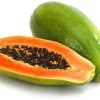
5 Honey Tangerine Seeds – Sweet Juicy Citrus Fruit for Planting
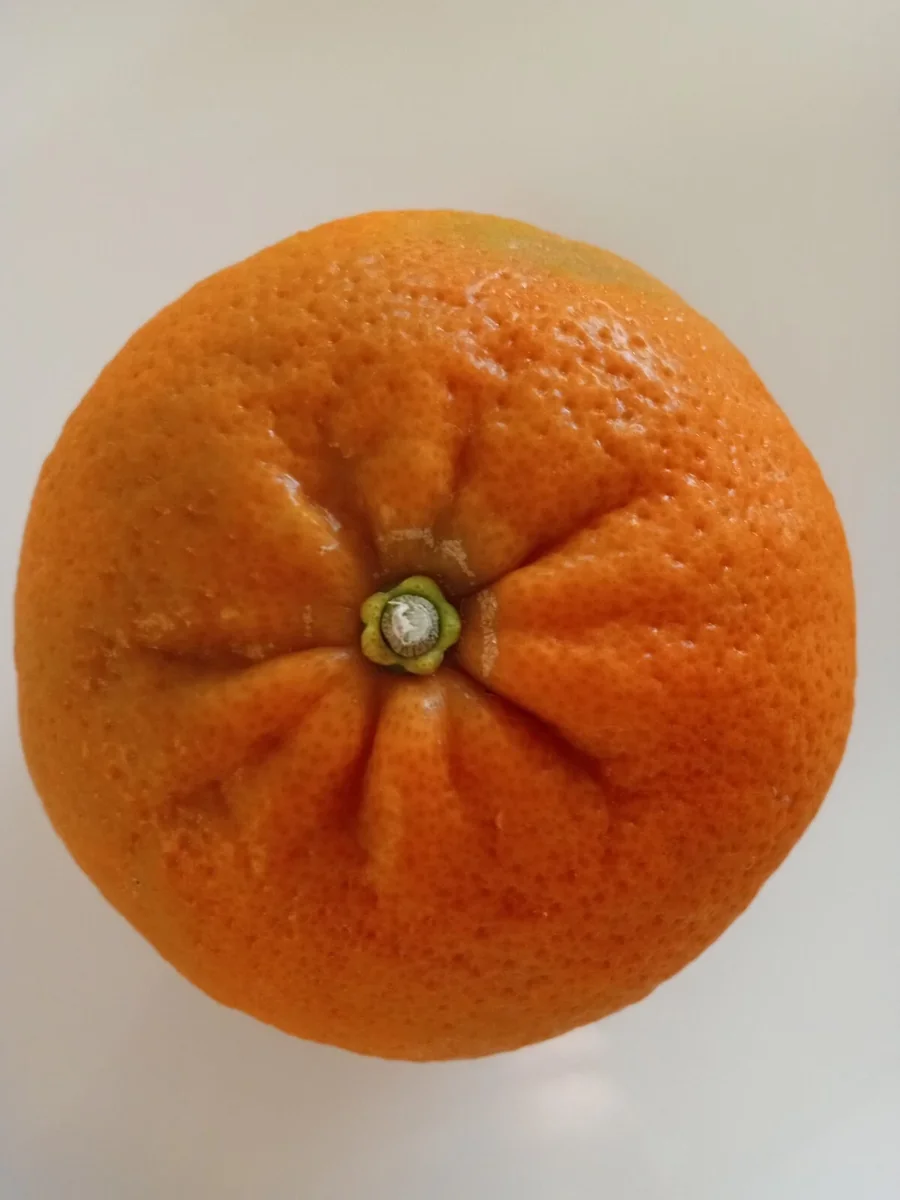

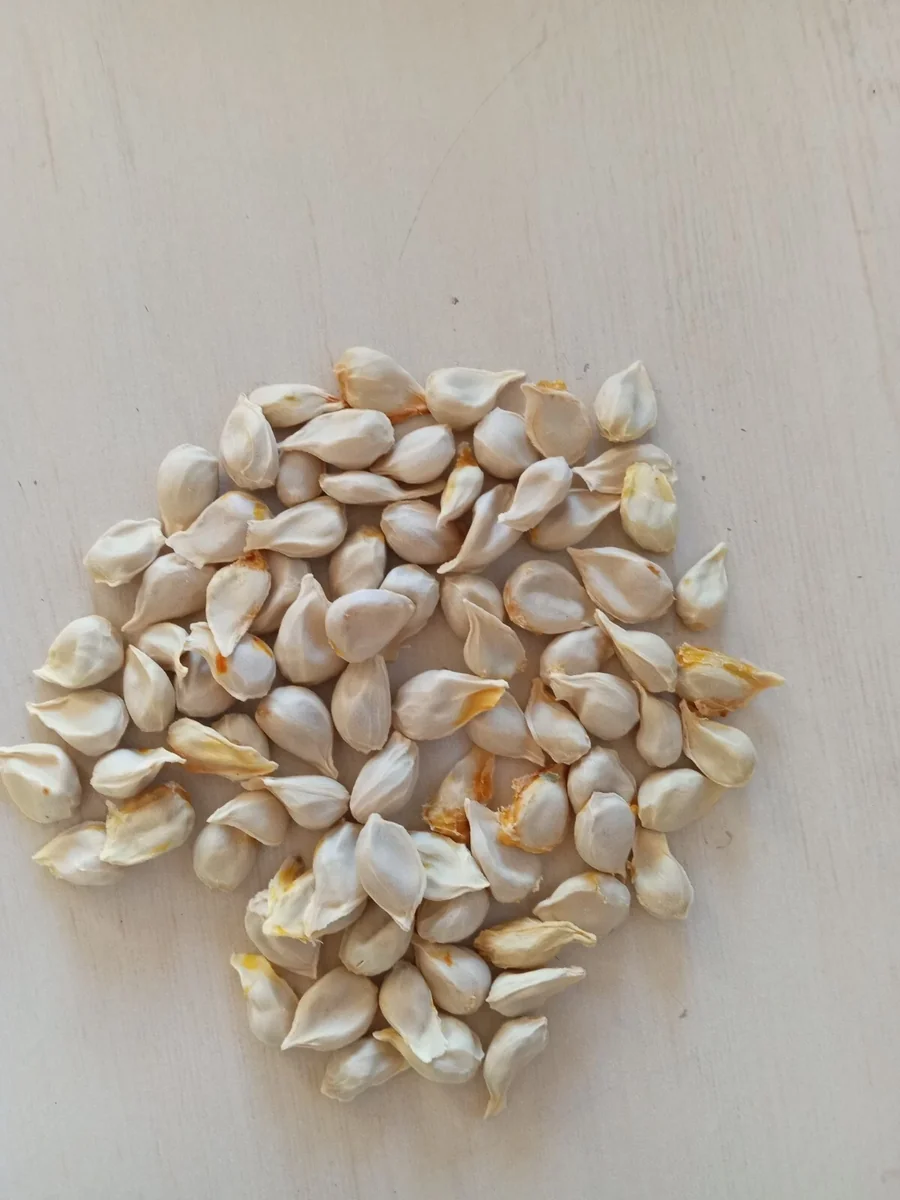


5 Honey Tangerine Seeds – Sweet Juicy Citrus Fruit for Planting
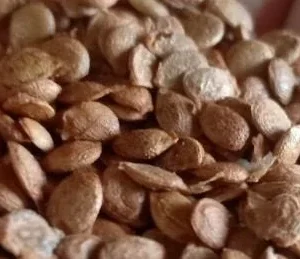
Cultivate your own delicious citrus with this pack of honey tangerine seeds. These seeds are perfect for growing sweet, juicy tangerines at home. Enjoy fresh fruit straight from your garden with these easy-to-grow citrus fruit seeds.
$9.98

With our Alive & Thrive Guarantee, we’ve got your back for the first 30 days! If you have any concerns about your plants, just reach out to us. Our team is here to help answer your questions and guide you in selecting the best plants for your garden, climate, and unique preferences. We're excited to help you create the garden of your dreams!
Estimated arrival
Mar 31
Apr 05 - Apr 07
Apr 10 - Apr 14



Product Details
-
USDA Hardiness Zone
USDA zones 9-11 (or indoors) -
Soil type
Well-draining, slightly acidic soil -
Sunlight Exposure
Full Sun (6-8 hours daily) -
Expected Planting Period
Year-round indoors, spring outdoors
Overview
Embark on a rewarding gardening journey with our premium honey tangerine seeds. These exceptional seeds offer the opportunity to cultivate your very own sweet and juicy citrus fruits right in your backyard or a sunny container. Known for their delightful flavor and easy-to-peel skin, honey tangerines (Citrus reticulata) are a favorite among citrus enthusiasts. Our carefully selected seeds are fresh for the new season, ensuring optimal germination and growth potential. Imagine harvesting your own fragrant, sun-ripened tangerines, bursting with natural sweetness. Growing your own honey tangerine seeds from scratch is a deeply satisfying experience, connecting you to nature and providing a bountiful yield of healthy, homegrown fruit.
These citrus fruit seeds are ideal for gardeners looking to add a touch of the tropics to their landscape or patio. Whether you’re an experienced grower or just starting, the process of nurturing a tangerine plant from a tiny seed to a fruit-bearing tree is incredibly fulfilling. The resulting plants are not only productive but also highly ornamental, featuring glossy evergreen leaves and fragrant blossoms. Prepare to enjoy the vibrant colors and refreshing taste of homegrown honey tangerines, a true garden delight.
Key Benefits
Growing your own honey tangerine seeds offers a multitude of benefits, from the joy of cultivation to the delicious harvest. These plants are a fantastic addition to any garden or patio, providing both beauty and utility.
- Fresh, Homegrown Fruit: Enjoy the unparalleled taste of perfectly ripe, sweet and juicy honey tangerines picked directly from your own plant. You’ll know exactly how your fruit was grown, free from commercial pesticides and waxes. This ensures a healthier and more flavorful experience compared to store-bought alternatives.
- Rewarding Gardening Experience: There’s immense satisfaction in watching a plant grow from a tiny seed into a fruit-bearing tree. This project is ideal for both beginner and seasoned gardeners, offering a connection to nature and a sense of accomplishment. Cultivating citrus fruit seeds can be a therapeutic and educational hobby.
- Beautiful Ornamental Plant: Beyond their delicious fruit, honey tangerine trees are attractive additions to any landscape. They feature lush, evergreen foliage and fragrant white blossoms that add beauty and a pleasant aroma to your outdoor or indoor space. They can be grown in containers, making them versatile for various garden designs.
- Rich in Vitamins & Nutrients: Honey tangerines are packed with Vitamin C, antioxidants, and other essential nutrients, contributing to a healthy diet. Growing your own ensures a fresh supply of these beneficial fruits, supporting your well-being with every bite.
- Adaptable Growing Conditions: While they thrive in warmer climates, tangerine plant care can be managed in cooler regions by growing them in pots and bringing them indoors during colder months. They are relatively easy to care for when provided with the right conditions, making them accessible to many gardeners.
- Long-Term Yield: With proper care, a honey tangerine tree can produce fruit for many years, providing a consistent supply of delicious citrus. This makes them a valuable and enduring investment for your home garden.
Plant Care & Growing Tips
Successful cultivation of honey tangerine seeds requires attention to specific environmental factors, but with the right approach, even novice gardeners can achieve great results. Start by planting the seeds in a well-draining seed starting mix. Ensure the soil remains consistently moist but not waterlogged to encourage germination. Once seedlings emerge, provide them with plenty of light to prevent legginess.
Sunlight Requirements: Honey tangerine plants thrive in locations with abundant sunlight. For optimal growth and fruit production, provide at least 6-8 hours of full sun per day. If growing indoors, place your plant near a south-facing window or supplement with a grow light. Adequate sunlight is crucial for developing those sweet, juicy fruits. In very hot climates, a little afternoon shade can prevent leaf scorch.
Watering Schedule & Soil Moisture: These citrus trees prefer consistently moist soil, especially during their active growing season. Water thoroughly when the top inch of soil feels dry to the touch, allowing excess water to drain away. Avoid overwatering, which can lead to root rot. Good drainage is paramount for healthy roots. Reduce watering frequency during cooler, dormant periods.
Soil Type & Drainage: A well-draining, slightly acidic soil mix is ideal for tangerine plant care. A good quality potting mix formulated for citrus or a blend of loam, sand, and organic matter will work well. Ensure pots have drainage holes if growing in containers. Proper drainage is key to preventing waterlogged roots and promoting robust growth.
Temperature & USDA Hardiness Zone: Honey tangerines are best suited for USDA Hardiness Zones 9-11 for outdoor planting. They prefer temperatures between 55-90°F (13-32°C). If you live in a colder zone, grow your plant in a pot so it can be moved indoors before the first frost. Protect young plants from freezing temperatures, as they are more susceptible to cold damage.
Fertilization: Feed your honey tangerine plant with a balanced citrus fertilizer during the growing season (spring through fall). Follow the product instructions for application rates. Young plants may require less frequent feeding than mature, fruit-producing trees. Regular fertilization supports healthy foliage and abundant fruit set.
Common Problems & Solutions: Watch out for common citrus pests like aphids, scale, and spider mites. Treat infestations with insecticidal soap or neem oil. Yellowing leaves can indicate nutrient deficiencies or improper watering; adjust your care routine accordingly. With diligent tangerine plant care, you can mitigate most issues.
Size & Details
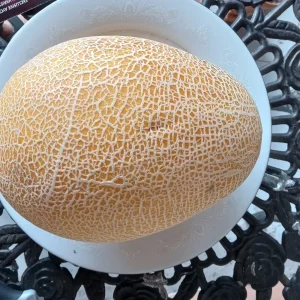
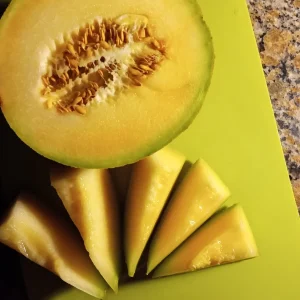
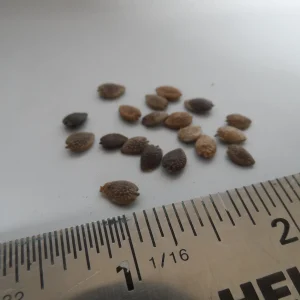
These honey tangerine seeds are derived from healthy, mature fruit, ensuring viable genetic material for your planting project. Each pack contains 5 fresh seeds, ready for germination. Once germinated and grown, a typical honey tangerine tree can reach a mature height of 10-20 feet if planted in the ground, though it can be maintained at a smaller, more manageable size (around 6-10 feet) with regular pruning when grown in a container. The plants will develop a spreading canopy, providing ample shade and fruit production. The fruit itself is typically small to medium-sized, with a vibrant orange rind and a sweet, juicy interior.
When grown from seed, expect fruit production to begin in approximately 3-5 years, although this can vary based on growing conditions and care. The trees are perennial, offering many years of delicious harvests. These sweet tangerine seeds are an excellent choice for anyone looking to invest in a long-term, productive fruit tree. They are shipped as dry seeds, ensuring easy storage until you are ready to plant. The seeds are fresh for the current growing season, maximizing your chances of successful germination and strong, healthy plants.
Frequently Asked Questions
- Q: How big does a honey tangerine plant get from these seeds? A: If planted in the ground, a honey tangerine tree can grow to be 10-20 feet tall. When grown in a container, it can be kept smaller, typically around 6-10 feet, with appropriate pruning and tangerine plant care.
- Q: Is this an indoor or outdoor plant? A: Honey tangerines are primarily outdoor plants, thriving in full sun in USDA Zones 9-11. However, they can be successfully grown indoors in containers if provided with sufficient light and warmth, making them versatile citrus fruit seeds for various climates.
- Q: How much sunlight does it need? A: For optimal health and fruit production, your honey tangerine plant needs at least 6-8 hours of direct sunlight per day. If growing indoors, a south-facing window or supplemental grow lights are recommended to ensure proper light exposure.
- Q: Is this plant easy to care for? A: Yes, honey tangerine plants are considered relatively easy to care for, especially once established. They require consistent watering, good drainage, and adequate sunlight. Following basic tangerine plant care guidelines will lead to successful growth.
- Q: What condition will the seeds arrive in? A: The honey tangerine seeds will arrive as fresh, dry seeds, carefully packaged to ensure their viability. They are ready for planting upon arrival or can be stored for a short period in a cool, dry place.
- Q: How long until it blooms and produces fruit? A: When grown from seed, honey tangerine plants typically begin to bloom and produce fruit within 3-5 years. This timeline can vary depending on growing conditions, climate, and the level of care provided to the young plant.
- Q: What is the best time to plant these sweet tangerine seeds? A: The best time to plant these seeds is in the spring after the last frost, or any time indoors if you can provide consistent warmth and light. This allows the seedlings to establish themselves during a favorable growing period.
- Q: Can I grow these seeds in a pot? A: Absolutely! Honey tangerine trees adapt very well to container growing, making them suitable for patios, balconies, or for bringing indoors during colder months. Choose a pot with good drainage and ample space for root development.
- Q: Are these sweet tangerine seeds non-GMO? A: While the listing does not explicitly state ‘non-GMO’, citrus seeds are generally open-pollinated and not genetically modified. These are natural citrus fruit seeds for home gardening.
- Q: What kind of soil should I use for planting the honey tangerine seeds? A: Use a high-quality, well-draining potting mix. A soil blend specifically formulated for citrus plants or a mix with good aeration and organic matter will provide the best environment for your honey tangerine seeds to germinate and thrive.
Related products
-50%
Original price was: $32.00.$16.00Current price is: $16.00.
-50%
From Original price was: $88.00.$44.00Current price is: $44.00.
PLANTING & CARE

Growing Glencoe Raspberry: A Complete Guide for Gardeners
If you’re looking to add something unique to your garden, look no further than the
31
Mar
Mar

The Comprehensive Guide to Growing Bay Leaf Plants for a Flavorful Garden
Imagine stepping into your garden, greeted by the earthy aroma of fresh bay leaves, their
09
Feb
Feb

How to Make Comfrey Tea: The Ultimate Organic Plant Food
Growing an organic garden can be surprisingly expensive, especially when most store-bought fertilizers come in
02
Feb
Feb

True Comfrey: 7 Essential Tips Before You Plant This Herb
A staple in permaculture practices across the US, True Comfrey easily earns its reputation as
27
Jan
Jan

7 Heart-Shaped Plants for a Lasting Valentine’s Gift
If you’ve ever bought a bouquet of roses for Valentine’s Day, you know they are
26
Jan
Jan

Best Types of Ivy Plant for Houses: How to Choose the Perfect Ones for Your Home
Are you a garden lover looking to introduce some greenery into your home? Maybe you’ve
14
Nov
Nov

When to Harvest Garlic (Especially Fall-Planted Garlic)
TIMING IS EVERYTHING, they say – and for garlic, that truth hits with surprising accuracy.
13
Nov
Nov

11 of the Best Sweet Potato Varieties to Grow for Your Garden
If you’ve ever tried growing sweet potatoes, you know that picking the right variety can
12
Nov
Nov