5 Lemon Balm Live Plant Starters – Perennial Mint Herb, 4-6″ Tall, Fragrant
-27%
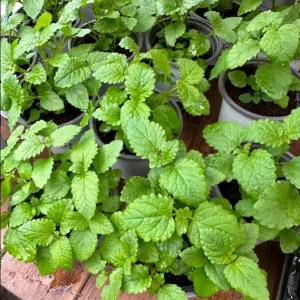
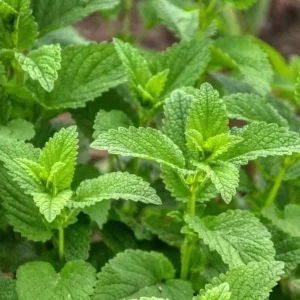
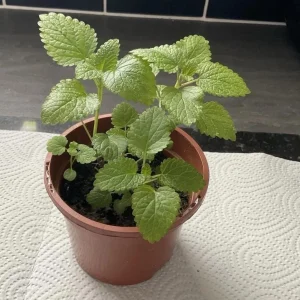
5 Lemon Balm Live Plant Starters – Perennial Mint Herb, 4-6″ Tall, Fragrant
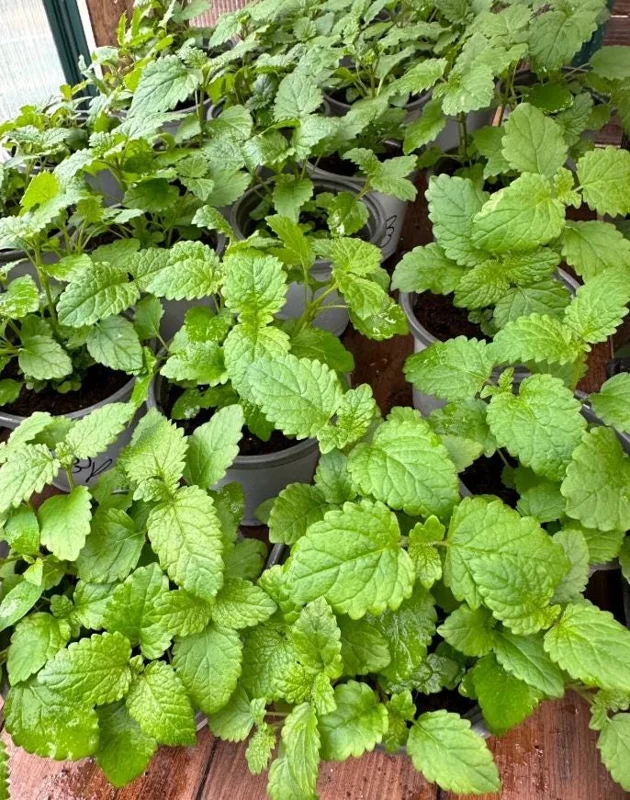
Cultivate your own aromatic garden with this set of 5 lemon balm live plant starters. Known for its delightful lemon scent and flavor, this perennial lemon balm is perfect for culinary uses, attracting pollinators, and adding beauty to any garden. Easy to care for and vigorous, it’s a wonderful fragrant herb plant for both beginners and experienced gardeners.
Original price was: $73.99.$53.99Current price is: $53.99.

With our Alive & Thrive Guarantee, we’ve got your back for the first 30 days! If you have any concerns about your plants, just reach out to us. Our team is here to help answer your questions and guide you in selecting the best plants for your garden, climate, and unique preferences. We're excited to help you create the garden of your dreams!
Estimated arrival
Apr 13
Apr 18 - Apr 20
Apr 23 - Apr 27
Product Details
-
USDA Hardiness Zone
USDA Zones 4-9 -
Soil type
Well-drained soil, tolerant of poorer soils -
Sunlight Exposure
Full sun to partial shade -
Expected Planting Period
Spring to early fall
Overview
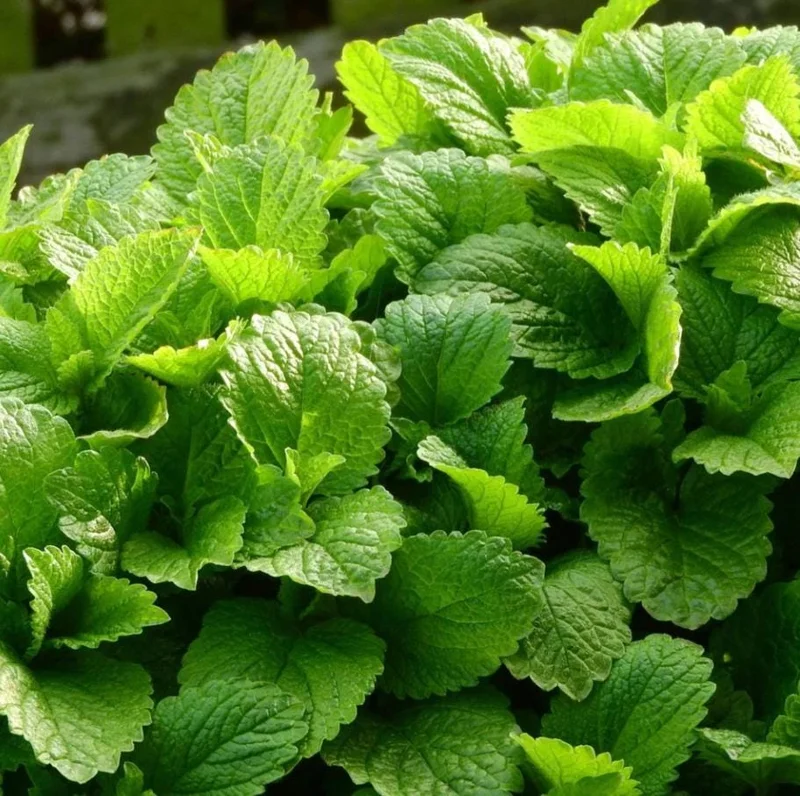
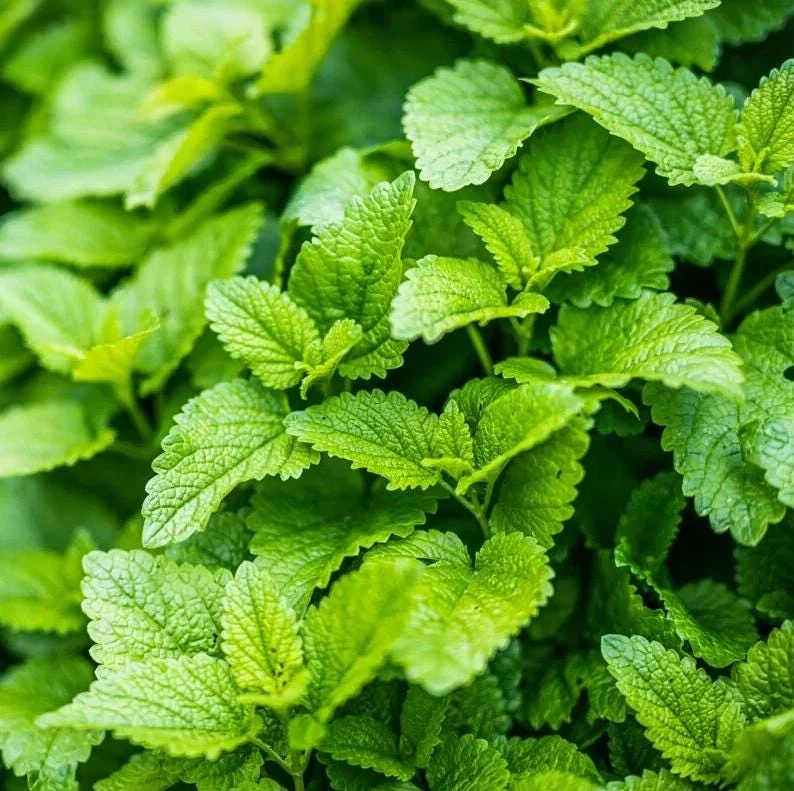
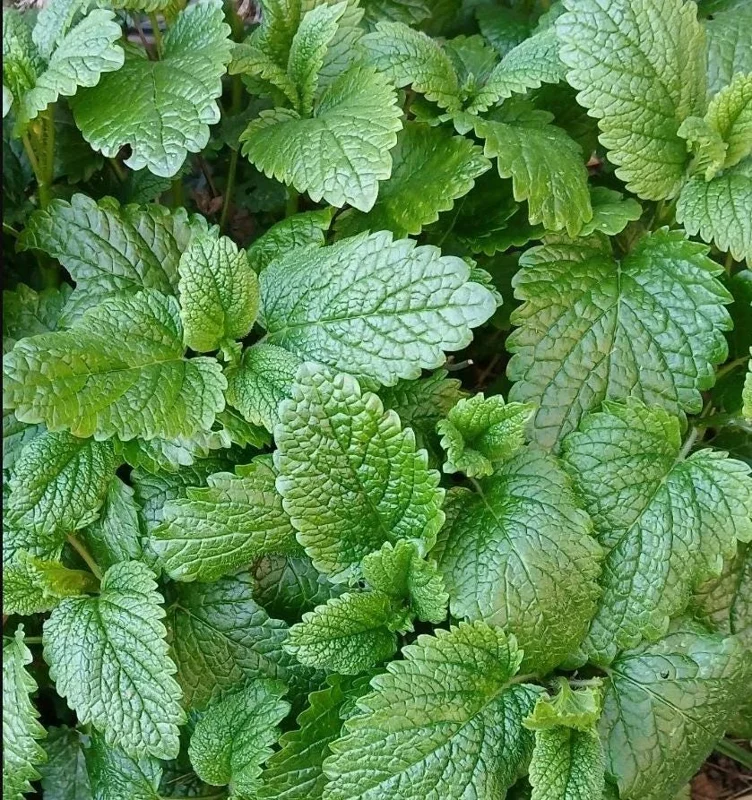
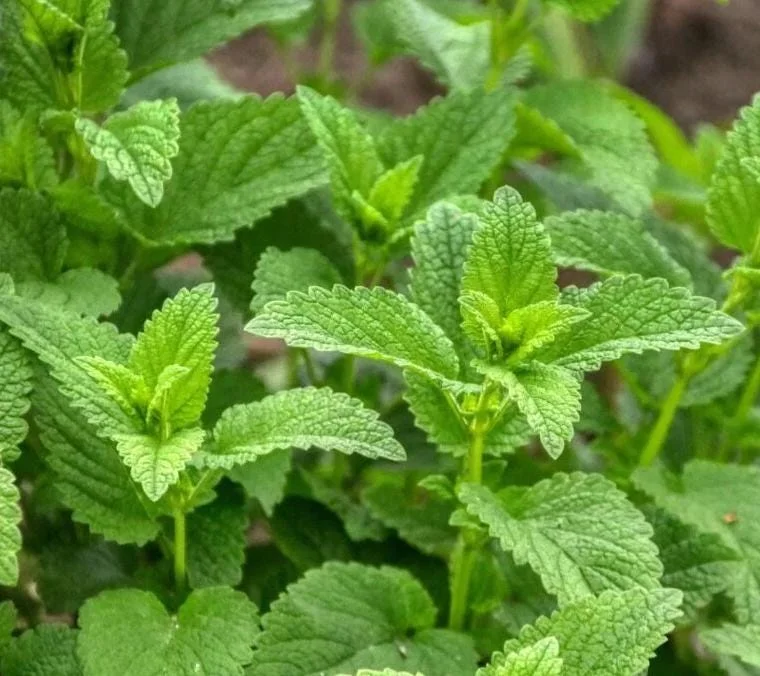
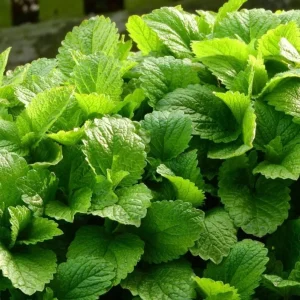
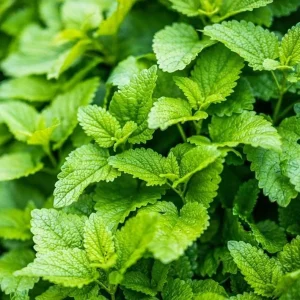
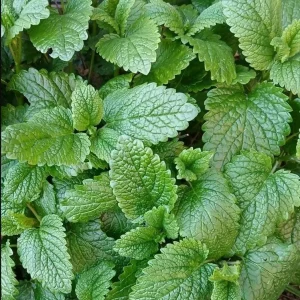
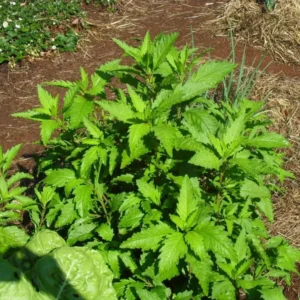
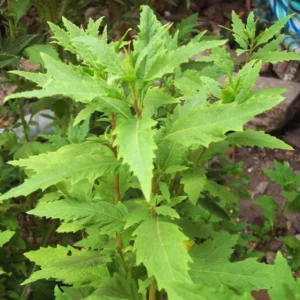
Transform your garden into an aromatic haven with our set of 5 lemon balm live plant starter plants. Lemon balm (Melissa officinalis) is a beloved perennial herb in the mint family, renowned for its delightful lemony fragrance and flavor. These vigorous live plants are easy to grow and add a vibrant green texture to any herb garden, perennial border, or container arrangement. Often referred to simply as lemon balm herb, it’s a versatile addition for both culinary enthusiasts and those seeking natural remedies. Each starter plant is carefully cultivated to ensure a strong, healthy foundation for your growing success, providing you with a continuous supply of fresh lemon balm for years to come. Our lemon balm live plant set provides an excellent opportunity to establish a thriving herb patch. Lemon balm grows into an attractive clump, reaching heights of 24 to 36 inches. Its lush, medium-textured leaves release a refreshing lemon scent when brushed, creating a sensory delight. Whether you’re an experienced gardener or just starting out, learning how to grow lemon balm is a rewarding experience, leading to a bountiful harvest of this useful herb.
Key Benefits
Growing a lemon balm live plant offers a multitude of advantages, from its aesthetic appeal to its practical applications. This resilient herb is an excellent choice for any gardener.
- Aromatic Delight: The distinctive, refreshing lemon scent of fresh lemon balm leaves creates a pleasant atmosphere in your garden and home. It’s often used in potpourri and as a natural air freshener, offering a truly delightful sensory experience.
- Culinary Versatility: Fresh lemon balm herb leaves can be used to flavor teas, salads, desserts, and various savory dishes. Its bright, citrusy notes add a unique twist to your culinary creations, making it a favorite for those who enjoy fresh ingredients.
- Attracts Pollinators: The small, white flowers of the perennial lemon balm are highly attractive to bees and other beneficial pollinators, contributing to a healthier garden ecosystem and supporting biodiversity.
- Medicinal Properties: Historically, lemon balm has been used for its calming and uplifting effects, often brewed as a tea to aid relaxation and improve mood. It’s a popular choice for those interested in natural wellness and traditional remedies.
- Low Maintenance: Once established, this fragrant herb plant is remarkably hardy and tolerant of various conditions, requiring minimal care to thrive. It can even tolerate poorer soils, making it forgiving for new gardeners and busy individuals.
- Vigorous Growth: Lemon balm is a fast grower, providing an abundant harvest throughout the growing season. Regular harvesting encourages bushier growth and more leaves, ensuring a continuous supply.
- Garden Aesthetics: Its lush green foliage forms attractive clumps, providing a lovely textural contrast among other herbs and flowers in your garden beds or containers, enhancing the overall beauty of your outdoor space.
Plant Care & Growing Tips
Caring for your lemon balm live plant is relatively straightforward, making it an excellent choice for gardeners of all experience levels. Understanding its basic needs will ensure a healthy and productive plant. Lemon balm prefers a location with full sun to partial shade. In hotter climates, some afternoon shade can prevent the leaves from scorching. Aim for at least 6 hours of direct sunlight daily for the best growth and strongest aroma. If you are looking to grow lemon balm indoors, place it near a south-facing window or under grow lights to ensure it receives adequate light.
This perennial lemon balm thrives in fertile, well-drained soil, though it is quite tolerant of poorer soil conditions once established. Amend heavy clay soils with organic matter like compost to improve drainage and fertility. Regular watering is essential, especially during dry periods, to keep the soil consistently moist but not waterlogged. Allow the top inch of soil to dry out slightly between waterings. Overwatering can lead to root rot, so ensure good drainage. Fertilization is generally not heavily required for a fragrant herb plant like lemon balm, but a balanced liquid fertilizer applied once or twice during the growing season can boost vigor. Pinch back regularly to encourage bushier growth and prevent it from becoming leggy. Deadhead spent flowers to prevent self-seeding, as lemon balm can spread aggressively if not managed effectively.
Lemon balm is hardy in USDA zones 4-9. In colder zones, it will die back to the ground in winter and re-emerge in spring. In warmer zones, it may remain evergreen. Protect young plants from severe frost. Common problems are few, but watch for powdery mildew in humid conditions; ensure good air circulation. Aphids can sometimes be an issue, but a strong spray of water or insecticidal soap can usually manage them. Learning how to grow lemon balm successfully means providing consistent moisture and adequate sunlight, which are the keys to its robust health and abundant harvest. Consider the various lemon balm herb uses when planning your garden space.
Size & Details
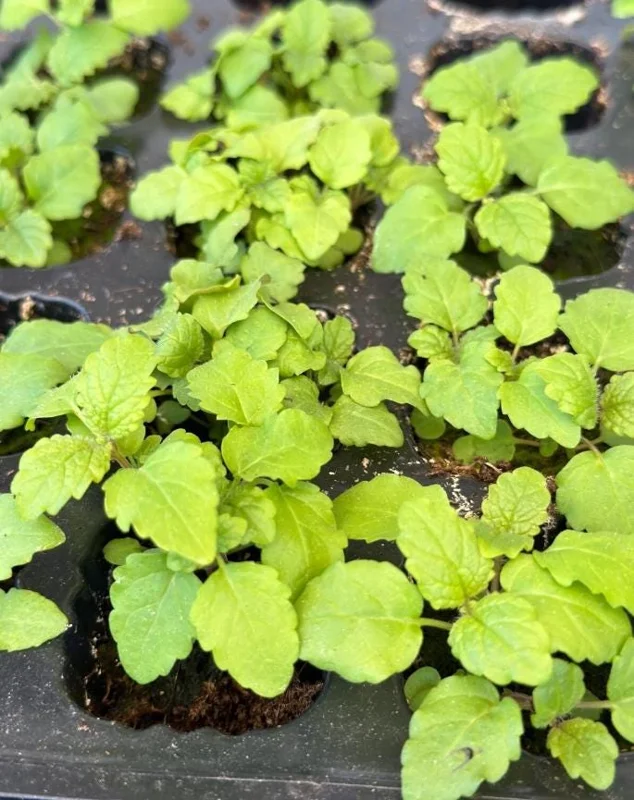
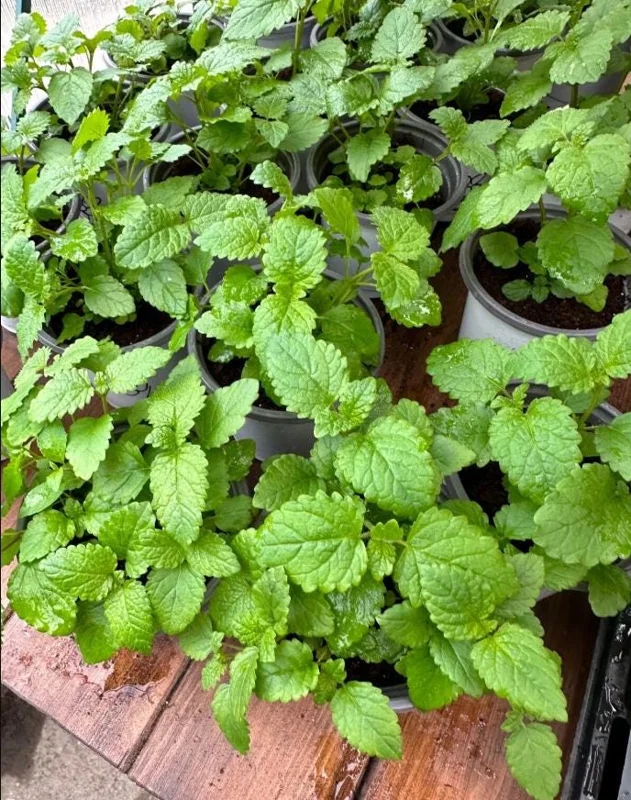
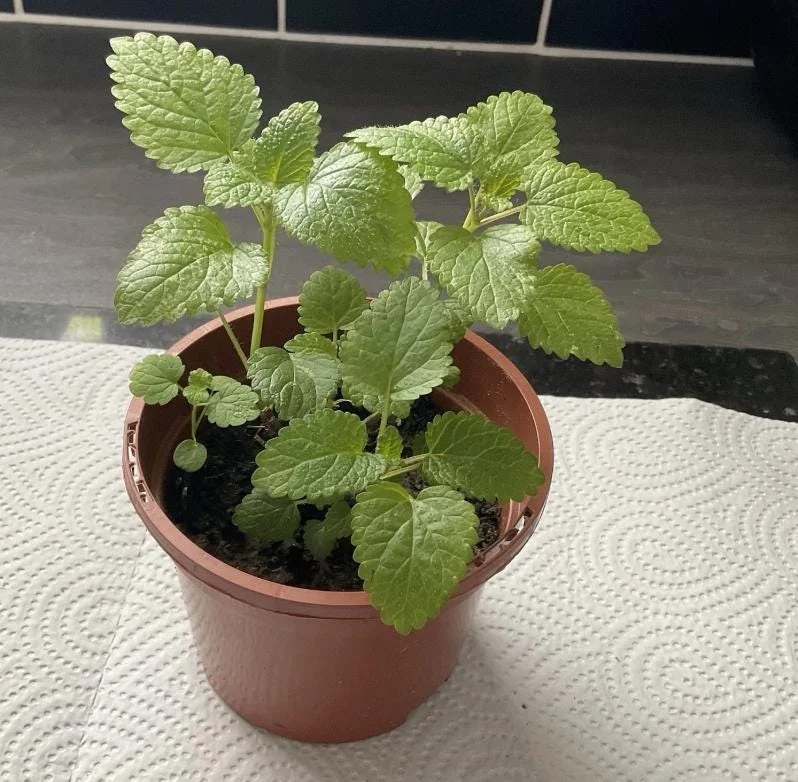
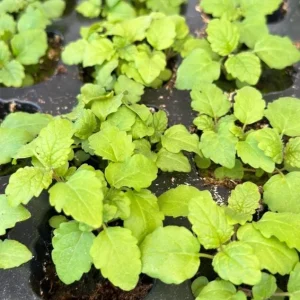
This offering includes a set of 5 lemon balm live plant starter plants, each measuring approximately 4-6 inches tall upon arrival. These young plants are ready to be transplanted into your garden or larger containers. While they are shipped without pots to minimize shipping costs and environmental impact, they are carefully packaged to ensure their health during transit. When mature, your perennial lemon balm plants can reach a height of 24 to 36 inches and spread 16-18 inches wide, forming attractive, dense clumps. The vigorous growth rate means you’ll enjoy a substantial harvest from your lemon balm herb relatively quickly.
Expect these plants to establish well and begin producing abundant foliage within their first season. With proper care, they will return year after year, providing a continuous supply of this wonderful fragrant herb plant. The mature size makes them suitable for planting in the middle or back of a garden bed, or as a focal point in a large patio container. Remember to space individual plants about 16-18 inches apart to allow for their mature spread and ensure good air circulation, which is crucial for healthy growth and preventing issues like powdery mildew.
Frequently Asked Questions
- Q: How big does this lemon balm live plant get? A: Your lemon balm live plant will typically grow 24 to 36 inches tall and spread about 16-18 inches wide, forming a nice green clump in your garden. This makes it a prominent and attractive feature.
- Q: Is this an indoor or outdoor plant? A: While it thrives outdoors as a perennial lemon balm, it can also be grown indoors in a sunny location, such as near a south-facing window. It is primarily an outdoor garden plant.
- Q: How much sunlight does it need? A: Lemon balm prefers full sun to partial shade, ideally receiving at least 6 hours of direct sunlight per day for optimal growth and fragrance. Adequate light is key to its vitality.
- Q: Is this plant easy to care for? A: Yes, lemon balm is considered a very easy-to-care-for herb, making it excellent for beginners. It’s quite forgiving once established, and learning how to grow lemon balm is a simple and rewarding process.
- Q: What condition will it arrive in? A: You will receive 5 healthy starter plants, 4-6 inches tall, carefully packaged without pots to ensure they arrive in good condition, ready for planting in your garden or containers.
- Q: Can I use lemon balm in cooking? A: Absolutely! This lemon balm herb is fantastic for culinary uses, adding a fresh lemon flavor to teas, desserts, salads, and various dishes. Explore the many lemon balm herb uses in your kitchen.
- Q: When is the best time to plant this fragrant herb plant? A: The best time to plant lemon balm is in spring after the last frost, or in early fall. This allows the plants to establish before extreme temperatures, ensuring strong growth.
- Q: Will it survive winter in my zone? A: Lemon balm is a hardy perennial in USDA Zones 4-9. It will typically die back to the ground in colder winters and regrow from the roots in spring.
- Q: How often should I water my lemon balm? A: Water regularly, especially during dry periods, to keep the soil consistently moist. Allow the top inch of soil to dry out slightly between waterings to prevent root rot.
- Q: Is this a fragrant herb plant? A: Yes, lemon balm is well-known for its strong, pleasant lemon scent, which is released when the leaves are brushed or crushed, making it a truly delightful and fragrant herb plant for any garden.
Related products
-30%
Original price was: $57.98.$40.58Current price is: $40.58.
-20%
From Original price was: $22.00.$17.60Current price is: $17.60.
-50%
Original price was: $47.96.$23.98Current price is: $23.98.
-67%
Original price was: $39.72.$13.24Current price is: $13.24.
-30%
Original price was: $59.98.$41.98Current price is: $41.98.
-30%
Original price was: $59.98.$41.98Current price is: $41.98.
-10%
Original price was: $23.99.$21.59Current price is: $21.59.
-67%
Original price was: $75.72.$25.24Current price is: $25.24.
PLANTING & CARE

Growing Glencoe Raspberry: A Complete Guide for Gardeners
If you’re looking to add something unique to your garden, look no further than the
31
Mar
Mar

The Comprehensive Guide to Growing Bay Leaf Plants for a Flavorful Garden
Imagine stepping into your garden, greeted by the earthy aroma of fresh bay leaves, their
09
Feb
Feb

How to Make Comfrey Tea: The Ultimate Organic Plant Food
Growing an organic garden can be surprisingly expensive, especially when most store-bought fertilizers come in
02
Feb
Feb

True Comfrey: 7 Essential Tips Before You Plant This Herb
A staple in permaculture practices across the US, True Comfrey easily earns its reputation as
27
Jan
Jan

7 Heart-Shaped Plants for a Lasting Valentine’s Gift
If you’ve ever bought a bouquet of roses for Valentine’s Day, you know they are
26
Jan
Jan

Best Types of Ivy Plant for Houses: How to Choose the Perfect Ones for Your Home
Are you a garden lover looking to introduce some greenery into your home? Maybe you’ve
14
Nov
Nov

When to Harvest Garlic (Especially Fall-Planted Garlic)
TIMING IS EVERYTHING, they say – and for garlic, that truth hits with surprising accuracy.
13
Nov
Nov

11 of the Best Sweet Potato Varieties to Grow for Your Garden
If you’ve ever tried growing sweet potatoes, you know that picking the right variety can
12
Nov
Nov