5 Organic American Elderberry Cuttings – Sambucus canadensis Fruiting Shrub
-20%
5 Organic American Elderberry Cuttings – Sambucus canadensis Fruiting Shrub
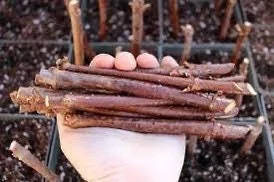
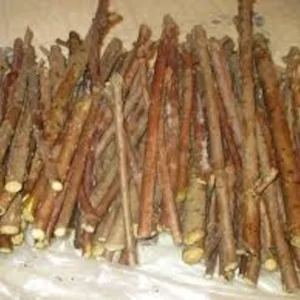
Cultivate your own organic elderberry supply with these American Elderberry cuttings. Each order includes at least 5 live, unrooted cuttings of Sambucus canadensis, ready for propagation. This elderberry fruiting shrub is known for fast growth and abundant, healthy berry clusters, making it ideal for edible landscapes.
Original price was: $20.00.$16.00Current price is: $16.00.

With our Alive & Thrive Guarantee, we’ve got your back for the first 30 days! If you have any concerns about your plants, just reach out to us. Our team is here to help answer your questions and guide you in selecting the best plants for your garden, climate, and unique preferences. We're excited to help you create the garden of your dreams!
Estimated arrival
Mar 31
Apr 05 - Apr 07
Apr 10 - Apr 14



Product Details
-
USDA Hardiness Zone
USDA Zones 3-9 -
Soil type
Rich, moist, well-draining soil -
Sunlight Exposure
Full sun to partial shade -
Expected Planting Period
Spring, or year-round for propagation indoors
Overview
Embark on a rewarding gardening journey by propagating your own American Elderberry cuttings. This offering provides at least 5 live, unrooted cuttings of Sambucus canadensis, a robust and fast-growing native fruiting shrub. Known for its generous yields of dark, nutrient-rich berries, the American Elderberry cuttings are an excellent choice for gardeners looking to establish an edible landscape or attract local wildlife. These cuttings are sourced from healthy, mature plants, ensuring you receive viable material ready for propagation. With proper care, these cuttings will develop into thriving elderberry plants, providing you with delicious fruit for years to come.
The elderberry fruiting shrub is highly valued not only for its culinary uses but also for its ecological benefits, serving as a food source for birds and pollinators. Growing your own organic elderberry plant from cuttings is a sustainable and cost-effective way to add this versatile species to your garden. Each cutting is carefully selected to provide the best chance of successful rooting, allowing you to enjoy the process of nurturing these plants from their initial stage.
Key Benefits
Adding American Elderberry cuttings to your garden offers a multitude of advantages, from providing fresh fruit to enhancing your local ecosystem. Discover the many reasons why this fruiting shrub is a fantastic choice for any gardener:
- Abundant Fruit Production: Once established, these elderberry plants produce large clusters of berries, perfect for making jams, jellies, pies, and elderberry syrup. The berries are known for their distinctive flavor and health benefits.
- Fast Growth and Establishment: Sambucus canadensis is a vigorous grower, meaning your cuttings will develop into substantial plants relatively quickly, allowing you to enjoy harvests sooner.
- Supports Wildlife: The berries are a favorite food source for many bird species, and the flowers attract a variety of pollinators, contributing to a healthy garden ecosystem.
- Easy to Propagate: Learning to grow elderberry from cuttings is a straightforward process, making it accessible even for novice gardeners. A propagation manual is included to guide you through the rooting process.
- Medicinal and Culinary Uses: Elderberries are renowned for their immune-boosting properties and are widely used in traditional remedies. They are also highly versatile in the kitchen for a range of delicious preparations.
- Adaptable and Resilient: The elderberry fruiting shrub is generally hardy and can tolerate a range of soil conditions and climates, making it a reliable addition to many gardens.
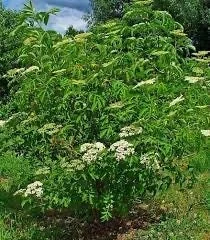
- Enhances Landscape: With its attractive foliage, white flower clusters, and dark berries, the organic elderberry plant adds ornamental value to your garden throughout the seasons.
Plant Care & Growing Tips
Successfully rooting and growing your American Elderberry cuttings requires attention to a few key environmental factors. Elderberries thrive in conditions that mimic their natural habitat. For optimal rooting, ensure your cuttings receive consistent moisture and warmth. Once rooted, transplant them into a location that provides adequate sunlight and well-draining soil. Elderberries prefer full sun to partial shade, meaning at least 6 hours of direct sunlight per day is ideal for the best fruit production. They are adaptable but perform best in rich, moist, and slightly acidic to neutral soil.
When you grow elderberry from cuttings, initial care involves keeping the soil consistently moist but not waterlogged. Once established, elderberries are relatively drought-tolerant but will benefit from regular watering during dry spells, especially when berries are developing. Fertilize in early spring with a balanced, organic fertilizer to support vigorous growth and fruit set. Pruning is important for maintaining plant health and maximizing yields; remove old, unproductive canes at the base each year, leaving the strongest new growth. Elderberries are hardy in USDA zones 3-9, making them suitable for a wide range of climates. Be mindful that while the ripe berries are edible, green parts of the plant and unripe berries are not.
Size & Details
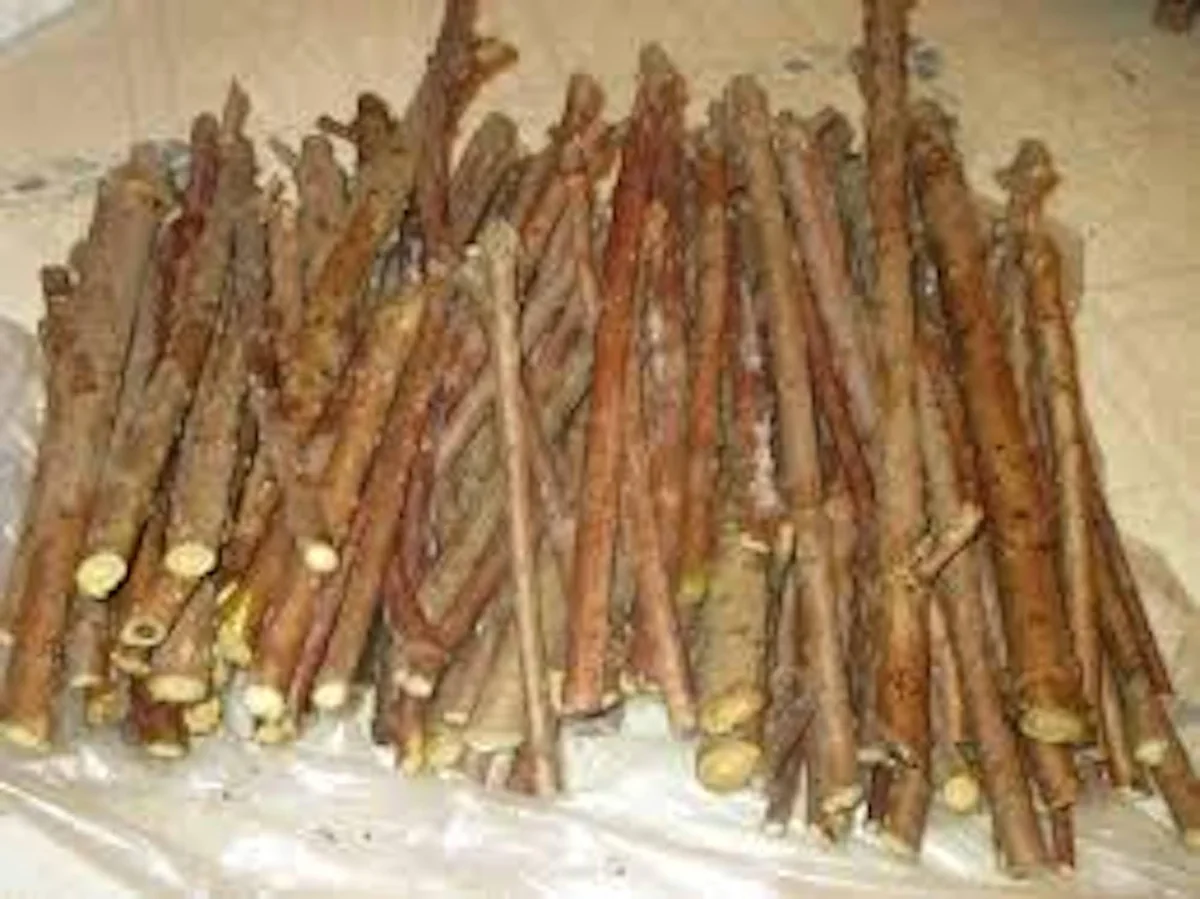
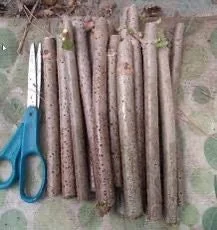
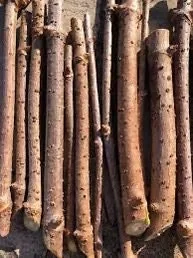
This product includes at least 5 American Elderberry cuttings, each measuring approximately 5-8 inches in length. These are live, unrooted cuttings, perfect for those who enjoy the process of propagation. The cuttings are selected for their viability and potential for strong growth. In some cases, bonus smaller or thinner cuttings may be included, which also have rooting potential, and occasionally, some exceptionally thick or pre-rooted material might be added. Once established, the elderberry fruiting shrub can reach heights of 6-12 feet and a similar spread, forming a multi-stemmed bush. They are fast-growing and can begin producing fruit within 1-2 years of successful rooting and planting. This organic elderberry plant will develop into a robust specimen, offering ample harvests.
Frequently Asked Questions
- Q: How do I successfully root these American Elderberry cuttings? A: A bonus propagation manual is included with your order, detailing the methods for successfully rooting your cuttings. Generally, they root best in a moist, well-draining medium with consistent warmth and humidity.
- Q: What size will the elderberry plant be when it arrives? A: You will receive unrooted cuttings, each approximately 5-8 inches long. These are not mature plants but live sections ready for you to propagate and grow.
- Q: Is this an indoor or outdoor plant? A: Once rooted, the elderberry fruiting shrub is an outdoor plant, thriving in garden settings. It requires outdoor conditions for optimal growth and fruit production.
- Q: How much sunlight does an organic elderberry plant need? A: Elderberries perform best in full sun (at least 6 hours of direct sunlight daily) but can tolerate partial shade. More sun generally leads to more abundant fruit.
- Q: Is it difficult to grow elderberry from cuttings for beginners? A: No, elderberry cuttings are relatively easy to root, especially with the included propagation guide. It’s a great project for gardeners of all experience levels.
- Q: When is the best time to plant the rooted cuttings outside? A: The best time to transplant rooted elderberry cuttings outdoors is in the spring after the last frost, or in the early fall before the ground freezes.
- Q: Will this elderberry fruiting shrub survive winter in my region? A: American Elderberries (Sambucus canadensis) are very hardy and typically thrive in USDA Zones 3-9, making them suitable for a wide range of climates.
- Q: Can I eat the berries directly from the plant? A: ONLY eat fully ripened berries. Green parts of the plant and unripe berries are not edible and can cause digestive upset. Always ensure berries are dark purple or black before consumption.
- Q: What kind of soil is best for growing elderberries? A: Elderberries prefer rich, moist, well-draining soil with a slightly acidic to neutral pH. Amend heavy clay or very sandy soils with compost to improve texture and fertility.
- Q: How long until I can expect fruit from my American Elderberry cuttings? A: With successful rooting and establishment, you can typically expect your elderberry plants to start producing fruit within 1-2 years after planting them in their permanent location.
Related products
-10%
Original price was: $23.99.$21.59Current price is: $21.59.
-45%

Original price was: $220.00.$121.00Current price is: $121.00.
-50%

Original price was: $133.98.$66.99Current price is: $66.99.
-50%

Original price was: $63.00.$31.50Current price is: $31.50.
-10%
Original price was: $23.99.$21.59Current price is: $21.59.
-10%
Original price was: $23.99.$21.59Current price is: $21.59.
-20%
Original price was: $76.00.$60.80Current price is: $60.80.
PLANTING & CARE

Growing Glencoe Raspberry: A Complete Guide for Gardeners
If you’re looking to add something unique to your garden, look no further than the
31
Mar
Mar

The Comprehensive Guide to Growing Bay Leaf Plants for a Flavorful Garden
Imagine stepping into your garden, greeted by the earthy aroma of fresh bay leaves, their
09
Feb
Feb

How to Make Comfrey Tea: The Ultimate Organic Plant Food
Growing an organic garden can be surprisingly expensive, especially when most store-bought fertilizers come in
02
Feb
Feb

True Comfrey: 7 Essential Tips Before You Plant This Herb
A staple in permaculture practices across the US, True Comfrey easily earns its reputation as
27
Jan
Jan

7 Heart-Shaped Plants for a Lasting Valentine’s Gift
If you’ve ever bought a bouquet of roses for Valentine’s Day, you know they are
26
Jan
Jan

Best Types of Ivy Plant for Houses: How to Choose the Perfect Ones for Your Home
Are you a garden lover looking to introduce some greenery into your home? Maybe you’ve
14
Nov
Nov

When to Harvest Garlic (Especially Fall-Planted Garlic)
TIMING IS EVERYTHING, they say – and for garlic, that truth hits with surprising accuracy.
13
Nov
Nov

11 of the Best Sweet Potato Varieties to Grow for Your Garden
If you’ve ever tried growing sweet potatoes, you know that picking the right variety can
12
Nov
Nov