5 Organic Stinging Nettle Bare Roots – Urtica dioica Live Plant for Garden
-20%
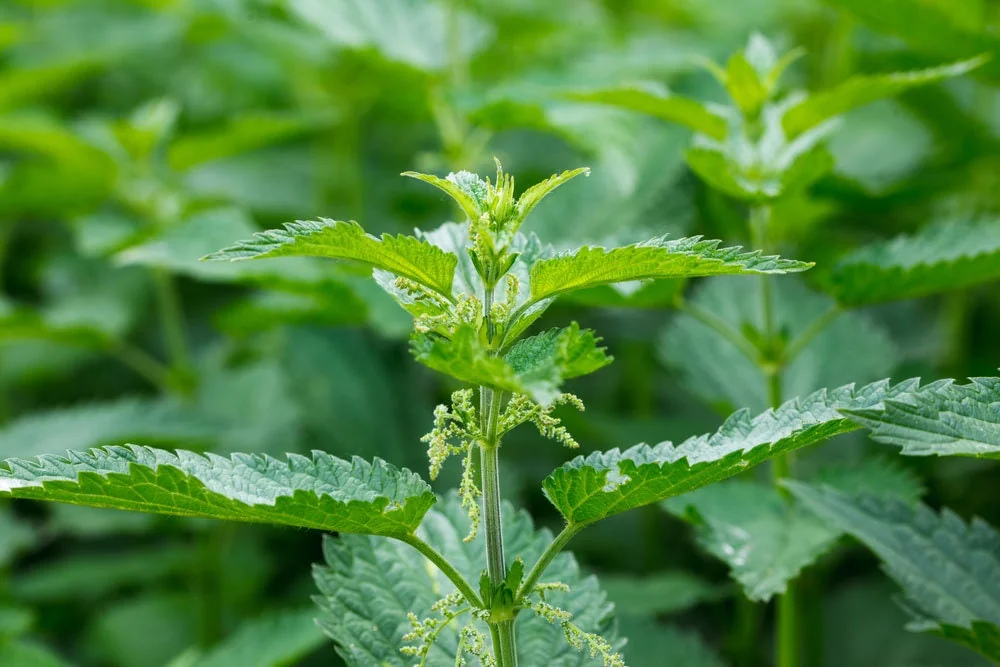
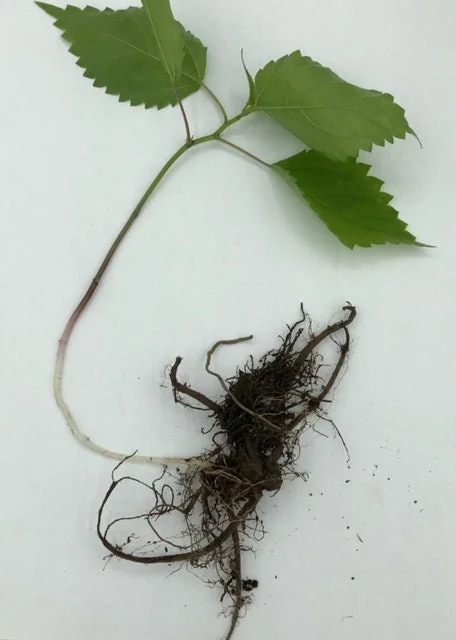
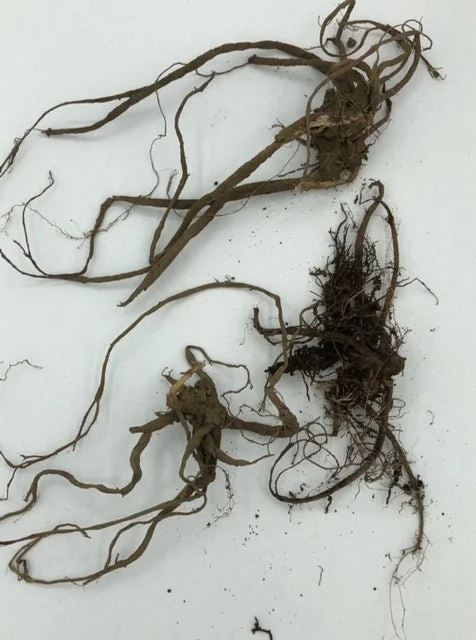
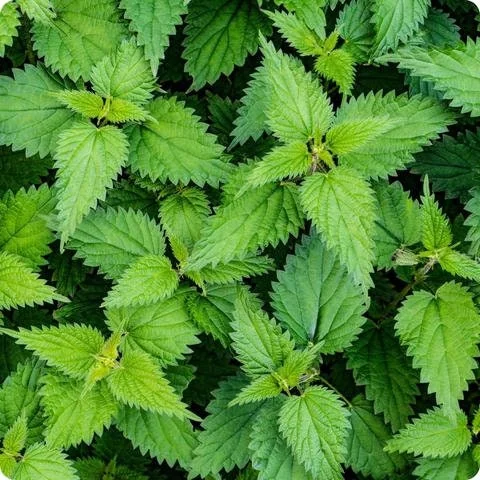
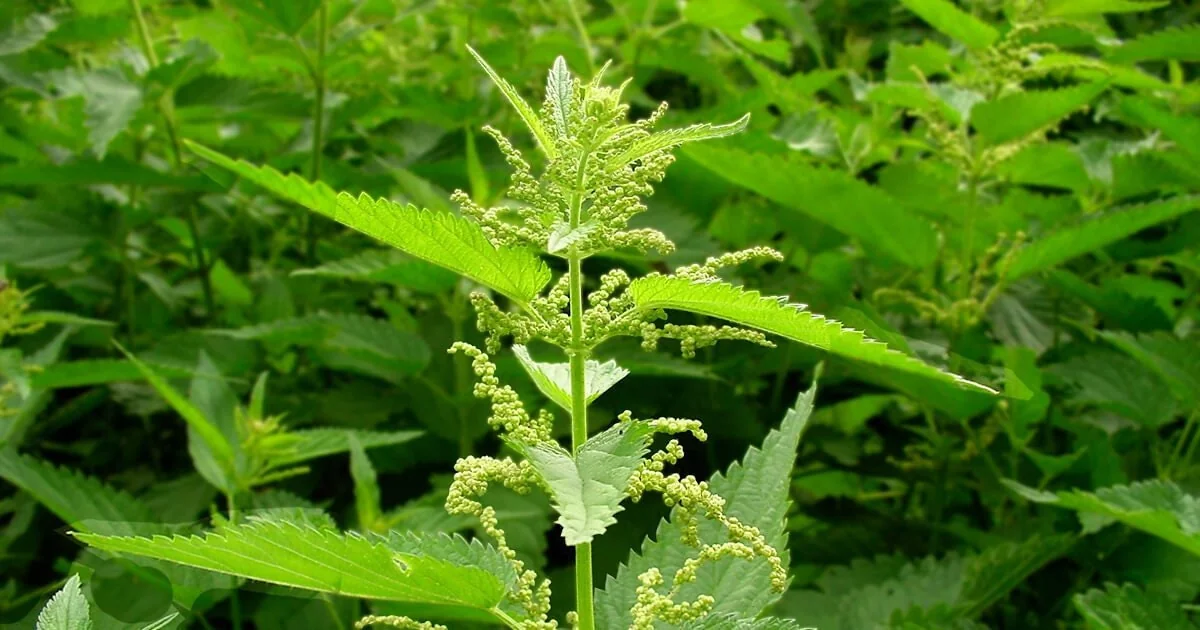
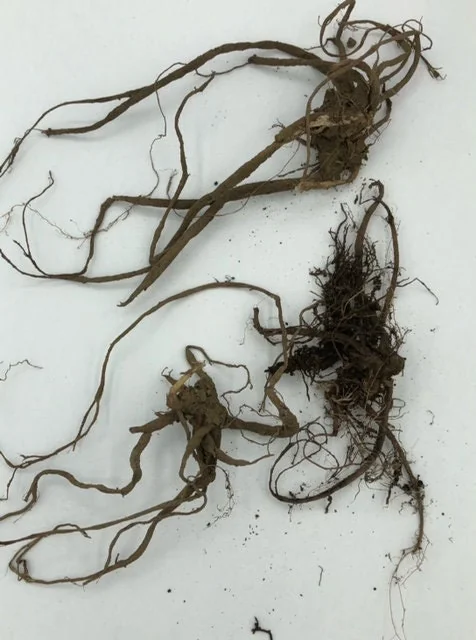
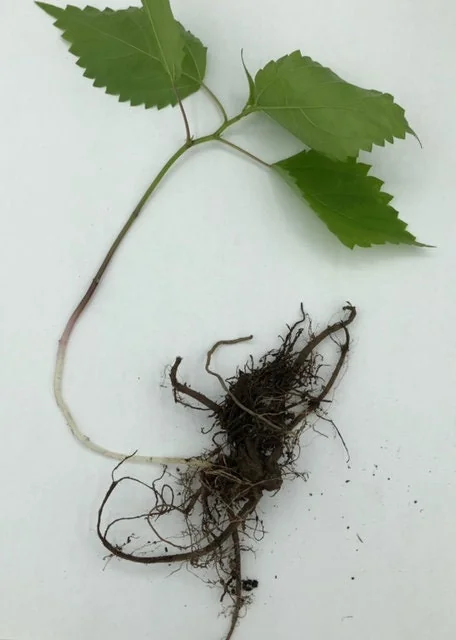
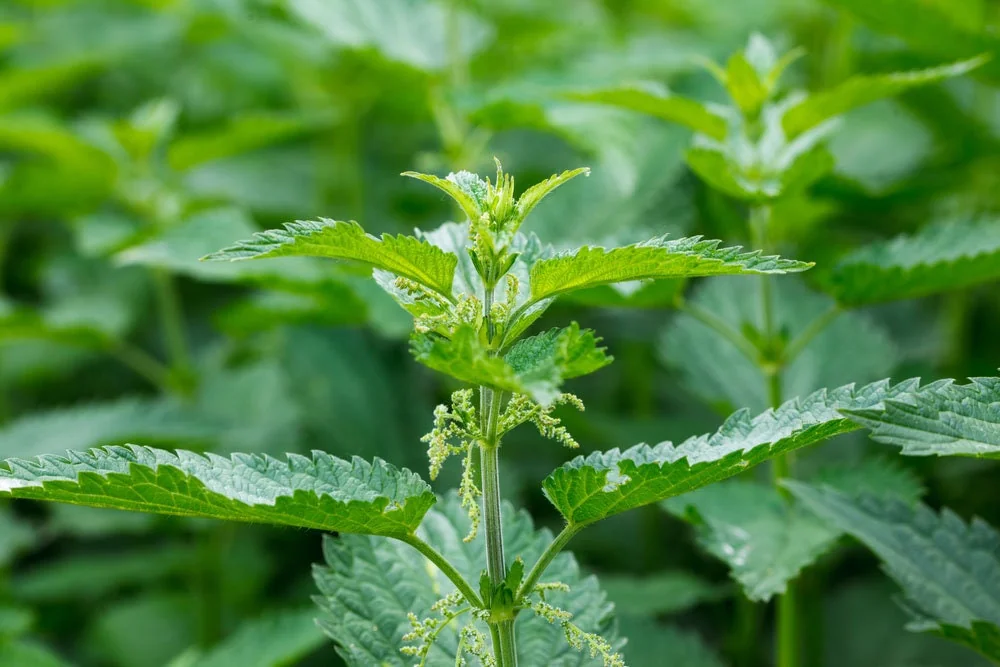
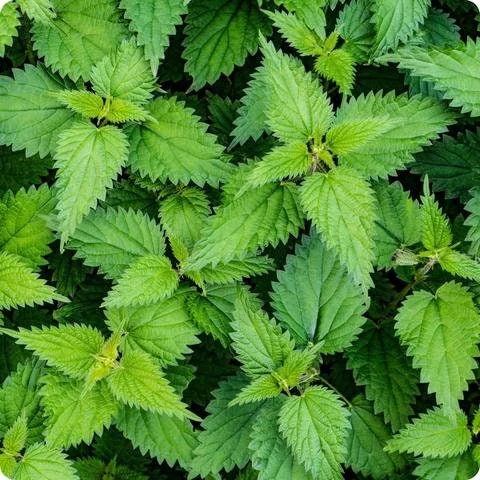
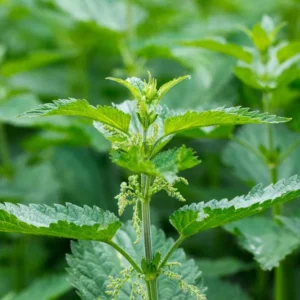
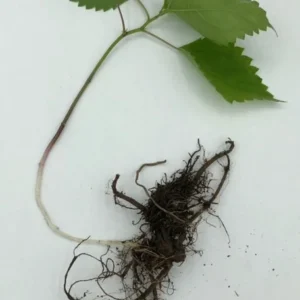
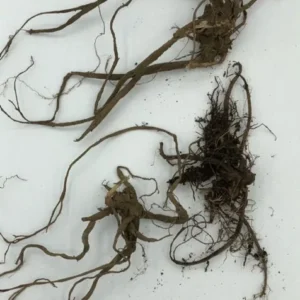
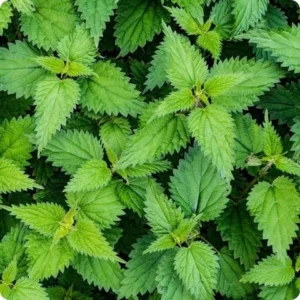
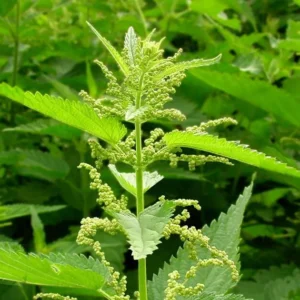
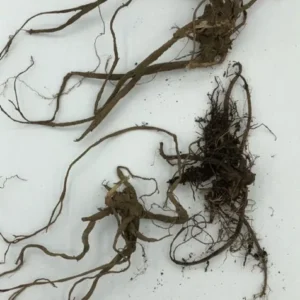
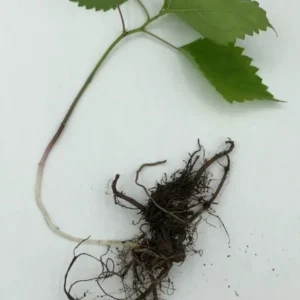
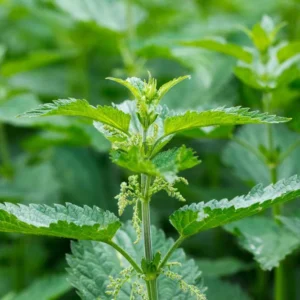
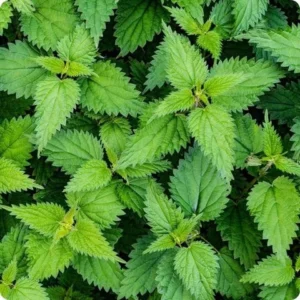
5 Organic Stinging Nettle Bare Roots – Urtica dioica Live Plant for Garden
Cultivate your own herbal garden with these stinging nettle bare roots. You will receive 5 organically grown urtica dioica plant roots, ready for transplanting. Known for their versatile uses and robust growth, these roots are a perfect addition for those looking to grow stinging nettle.
Original price was: $21.98.$17.58Current price is: $17.58.

With our Alive & Thrive Guarantee, we’ve got your back for the first 30 days! If you have any concerns about your plants, just reach out to us. Our team is here to help answer your questions and guide you in selecting the best plants for your garden, climate, and unique preferences. We're excited to help you create the garden of your dreams!
Estimated arrival
Apr 03
Apr 08 - Apr 10
Apr 13 - Apr 17
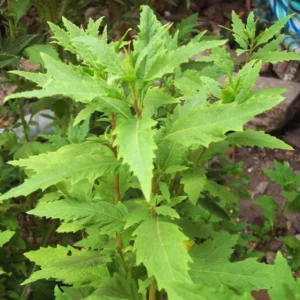
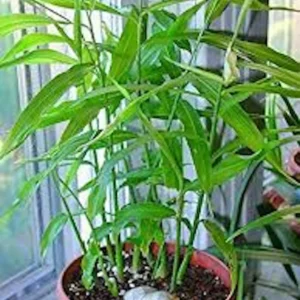
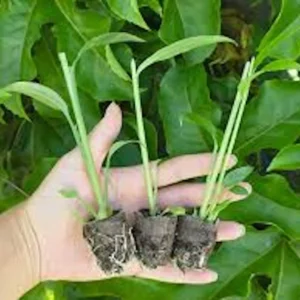
Product Details
-
USDA Hardiness Zone
USDA Zones 3-10 -
Soil type
Moist, nitrogen-rich, well-draining soil -
Sunlight Exposure
Partial shade to full sun -
Expected Planting Period
Early spring to fall
Overview
Enhance your garden or herbal collection with these premium stinging nettle bare roots. Each order includes 5 organically grown roots of Urtica dioica, ready to be transplanted into your chosen location. Stinging nettle is a well-known herbaceous perennial appreciated for its traditional uses and nutritional value. This robust plant can thrive in various environments, making it a rewarding addition for both novice and experienced gardeners. Our bare roots are carefully harvested to ensure viability and vigorous growth in your garden. The urtica dioica plant is a versatile and hardy species that will quickly establish itself, providing you with a continuous supply of fresh nettle.
These stinging nettle bare roots offer an excellent opportunity to introduce a beneficial and resilient plant into your landscape. Known for its distinctive leaves and upright growth habit, the urtica dioica plant is not only functional but also adds a unique texture to naturalized areas. With proper care, these roots will develop into strong, healthy plants, allowing you to grow stinging nettle right at home. We focus on providing high-quality, organically grown bare roots to ensure you get the best start for your plants.
Key Benefits
Growing your own stinging nettle offers a multitude of benefits, from enhancing your garden’s biodiversity to providing a readily available source of this remarkable herb. These bare roots are designed for easy establishment and vigorous growth, ensuring a successful planting experience.
- Easy Establishment and Growth: These stinging nettle bare roots are harvested fresh and are incredibly resilient, allowing for quick establishment in your garden. They are designed to sprout readily, providing a hassle-free start to your nettle patch.
- Organically Grown for Purity: Our urtica dioica plant roots are cultivated using organic methods, free from synthetic pesticides and fertilizers. This ensures that you are growing a pure and natural product for your personal use.
- Traditional & Culinary Uses: Stinging nettle has a long history of traditional uses and is also gaining popularity in modern cuisine. The young leaves can be cooked like spinach, used in teas, soups, and more, offering a unique flavor profile and nutritional benefits.
- Attracts Beneficial Wildlife: Planting stinging nettle bare roots can help support local ecosystems by attracting certain beneficial insects and serving as a host plant for some butterfly species, enhancing the biodiversity of your garden.
- Low Maintenance & Hardy: Once established, stinging nettle is a remarkably low-maintenance plant. It tolerates a range of soil conditions and requires minimal intervention, making it ideal for gardeners seeking resilient and self-sufficient herbs.
- Sustainable Gardening Choice: By choosing to grow stinging nettle from bare roots, you are engaging in a sustainable gardening practice, promoting local flora, and reducing your ecological footprint.
- Comprehensive Planting Instructions: Each order comes with clear and concise planting instructions, helping you choose the best location and conditions to ensure your organic nettle plant thrives from day one.
Plant Care & Growing Tips
To successfully grow stinging nettle, understanding its preferred growing conditions is key. Stinging nettle (Urtica dioica) is a hardy plant that prefers moist, nitrogen-rich soil. When planting your stinging nettle bare roots, choose a location with partial shade to full sun. While it can tolerate full sun, it often thrives best with some afternoon shade, especially in hotter climates. Ensure the soil is well-draining but consistently moist. Amending heavy clay soils with organic matter can improve drainage, while sandy soils will benefit from compost to retain moisture and nutrients. Stinging nettle is not particularly fussy about pH but generally prefers slightly acidic to neutral soils.
Watering is crucial, especially during the establishment phase of your urtica dioica plant. Keep the soil consistently moist but avoid waterlogging. Once established, nettle is somewhat drought-tolerant but will produce more lush growth with regular watering. Fertilization is generally not heavily required if the soil is rich in organic matter. However, a light application of a balanced organic fertilizer in spring can encourage vigorous growth. Be mindful of its spreading nature; nettle can colonize an area quickly, so consider planting it where its spread can be managed, or in containers to restrict growth. The nettle planting guide included with your order will provide more specific details tailored to ensuring your plants thrive.
Stinging nettle is quite resilient to pests and diseases. The stinging hairs often deter herbivores, and serious pest issues are rare. Monitor for common garden pests, but generally, integrated pest management practices are sufficient. For harvesting, wear gloves to protect your hands from the stinging hairs. The young leaves are the most tender and flavorful. Regular harvesting can encourage new growth. These organic nettle plant roots will quickly establish a healthy patch in your garden, providing a continuous supply for your needs.
Size & Details
This offering includes 5 individual stinging nettle bare roots, each carefully selected for optimal health and growth potential. Bare roots are a cost-effective and efficient way to establish new plants, as they are shipped without soil, reducing weight and transplant shock. Upon arrival, the roots will be dormant and ready for immediate planting. Stinging nettle typically grows to a height of 2 to 4 feet (60-120 cm) with a spread of about 1 to 2 feet (30-60 cm) once mature. The growth rate is fast, and you can expect to see new shoots emerging within a few weeks of planting, depending on environmental conditions. This urtica dioica plant will establish itself quickly, offering lush foliage throughout the growing season.
The roots are harvested per order and shipped promptly to ensure they arrive in prime condition for planting. Each root is viable and capable of producing a robust plant. The mature plant forms dense clumps, making it an excellent choice for naturalized areas or dedicated herb beds. While the exact size of each bare root can vary, they are chosen to provide a strong foundation for your future organic nettle plant. Full maturity and flowering typically occur within the first year of planting, providing a reliable source for your herbal needs. Please refer to the included nettle planting guide for specific instructions on handling and planting your bare roots.
Frequently Asked Questions
- Q: How big does this plant get? A: Once established, the urtica dioica plant typically grows to a height of 2 to 4 feet (60-120 cm) with a spread of 1 to 2 feet (30-60 cm). Its vigorous growth means it can form dense patches over time.
- Q: Is this an indoor or outdoor plant? A: Stinging nettle is primarily an outdoor plant, thriving in garden settings. While it can be grown in large containers, it generally prefers to be planted directly in the ground where its roots can spread.
- Q: How much sunlight does it need? A: This plant prefers partial shade to full sun. In hotter climates, some afternoon shade is beneficial to prevent leaf scorching. For best results, ensure it receives at least 4-6 hours of sunlight daily.
- Q: Is this plant easy to care for? A: Yes, stinging nettle is known for being very easy to care for. Once established, it is quite hardy and low-maintenance, making it a good choice for beginners looking to grow stinging nettle.
- Q: What condition will the bare roots arrive in? A: Your stinging nettle bare roots will arrive dormant and freshly harvested, ready for planting. They are carefully packaged to ensure they reach you in optimal condition for successful establishment.
- Q: Can I use stinging nettle in cooking? A: Absolutely! The young leaves of the organic nettle plant are often used in cooking. They can be blanched or cooked like spinach, added to soups, teas, or pestos. Always wear gloves when handling raw nettle.
- Q: When is the best time to plant these bare roots? A: The best time to plant stinging nettle bare roots is typically in early spring or fall. This allows the roots to establish before the peak of summer heat or the onset of deep winter frosts.
- Q: Will it survive winter in my zone? A: Stinging nettle is a highly resilient perennial. It is typically hardy in USDA Zones 3-10, meaning it will die back in winter in colder climates but regrow vigorously from its rootstock in spring. Your included nettle planting guide will offer more specific advice.
- Q: How long until it blooms? A: Stinging nettle typically blooms in late spring to early summer, usually within the first year of planting from bare roots. The flowers are small and greenish, often inconspicuous.
- Q: What kind of soil does it prefer? A: Stinging nettle thrives in moist, nitrogen-rich, well-draining soil. It can tolerate a range of soil types but performs best in loamy soils enriched with organic matter.
Related products
-30%
Original price was: $67.98.$47.58Current price is: $47.58.
-67%
From Original price was: $35.22.$11.74Current price is: $11.74.
-50%
Original price was: $107.96.$53.98Current price is: $53.98.
-50%
Original price was: $47.96.$23.98Current price is: $23.98.
-67%
Original price was: $39.72.$13.24Current price is: $13.24.
-30%
Original price was: $59.98.$41.98Current price is: $41.98.
-10%
Original price was: $75.00.$67.50Current price is: $67.50.
-30%
Original price was: $59.98.$41.98Current price is: $41.98.
PLANTING & CARE

Growing Glencoe Raspberry: A Complete Guide for Gardeners
If you’re looking to add something unique to your garden, look no further than the
31
Mar
Mar

The Comprehensive Guide to Growing Bay Leaf Plants for a Flavorful Garden
Imagine stepping into your garden, greeted by the earthy aroma of fresh bay leaves, their
09
Feb
Feb

How to Make Comfrey Tea: The Ultimate Organic Plant Food
Growing an organic garden can be surprisingly expensive, especially when most store-bought fertilizers come in
02
Feb
Feb

True Comfrey: 7 Essential Tips Before You Plant This Herb
A staple in permaculture practices across the US, True Comfrey easily earns its reputation as
27
Jan
Jan

7 Heart-Shaped Plants for a Lasting Valentine’s Gift
If you’ve ever bought a bouquet of roses for Valentine’s Day, you know they are
26
Jan
Jan

Best Types of Ivy Plant for Houses: How to Choose the Perfect Ones for Your Home
Are you a garden lover looking to introduce some greenery into your home? Maybe you’ve
14
Nov
Nov

When to Harvest Garlic (Especially Fall-Planted Garlic)
TIMING IS EVERYTHING, they say – and for garlic, that truth hits with surprising accuracy.
13
Nov
Nov

11 of the Best Sweet Potato Varieties to Grow for Your Garden
If you’ve ever tried growing sweet potatoes, you know that picking the right variety can
12
Nov
Nov